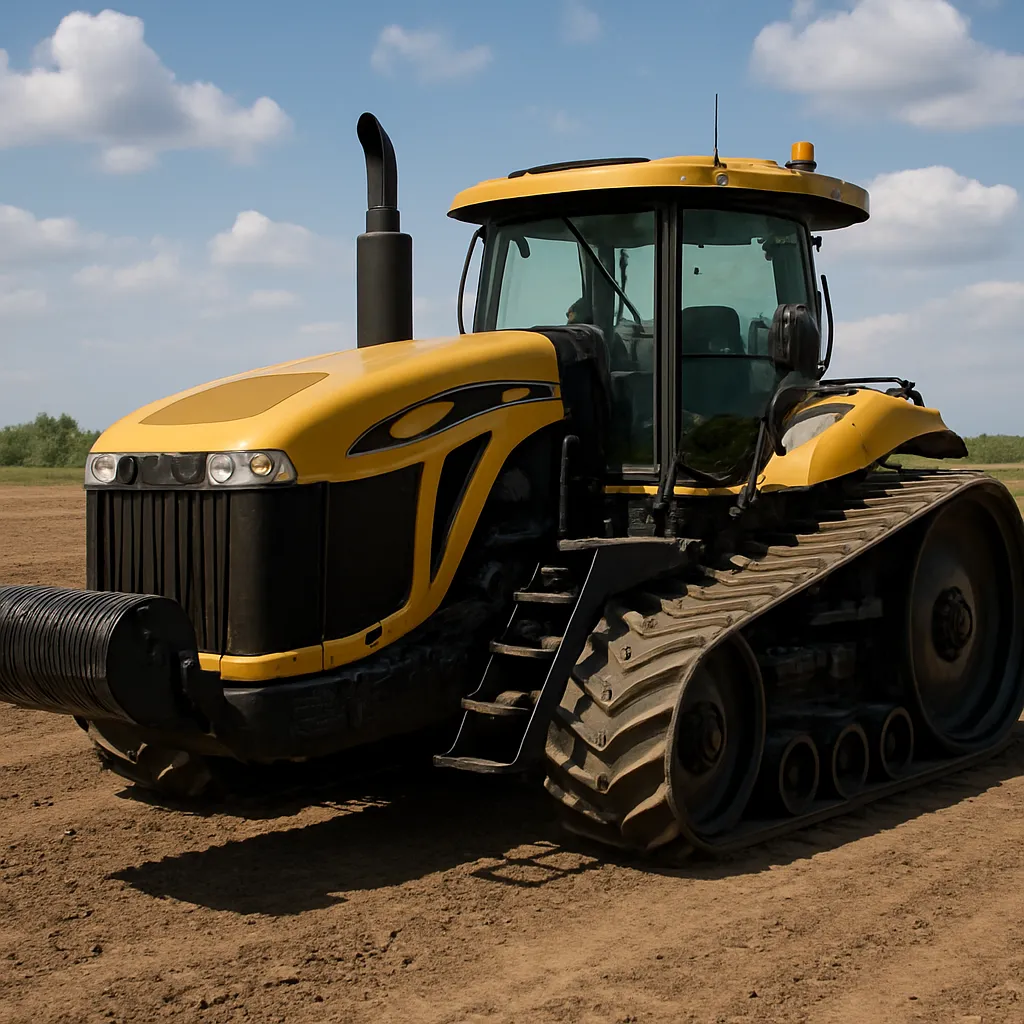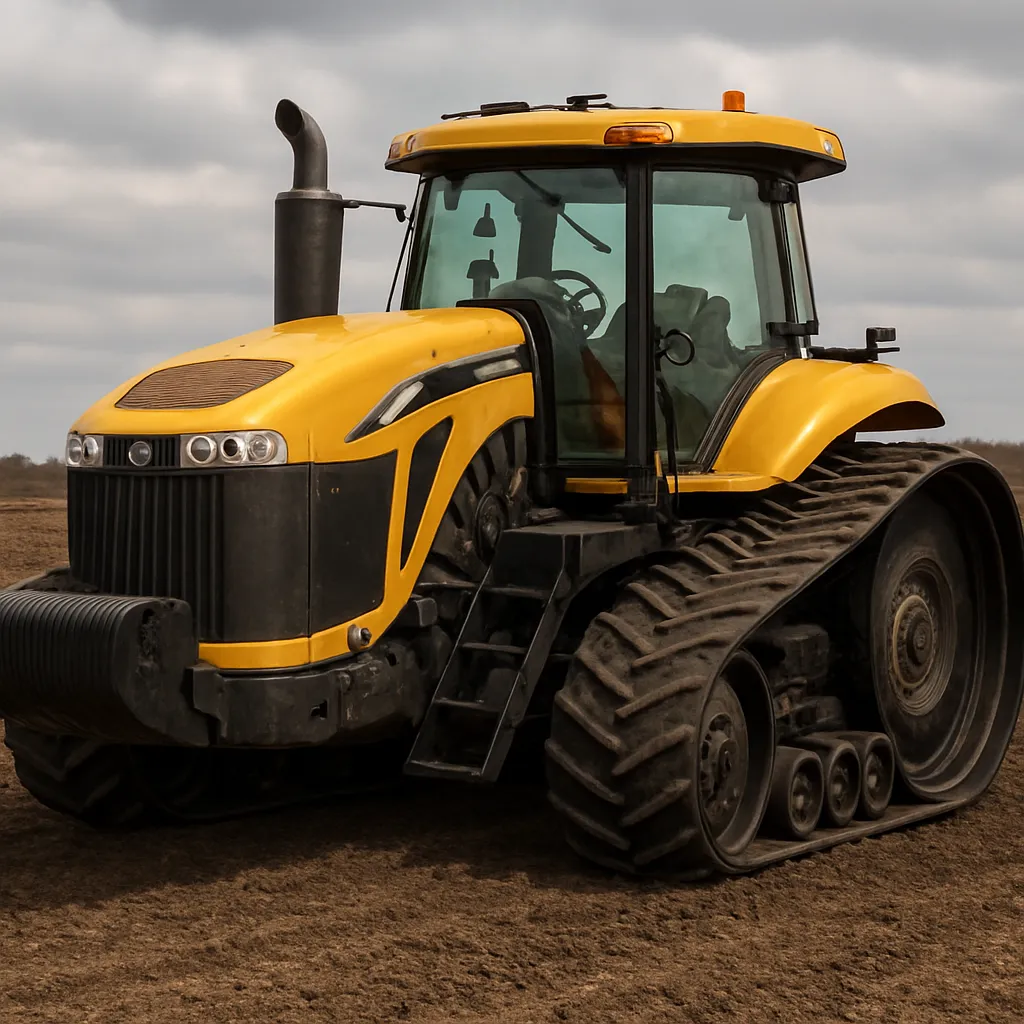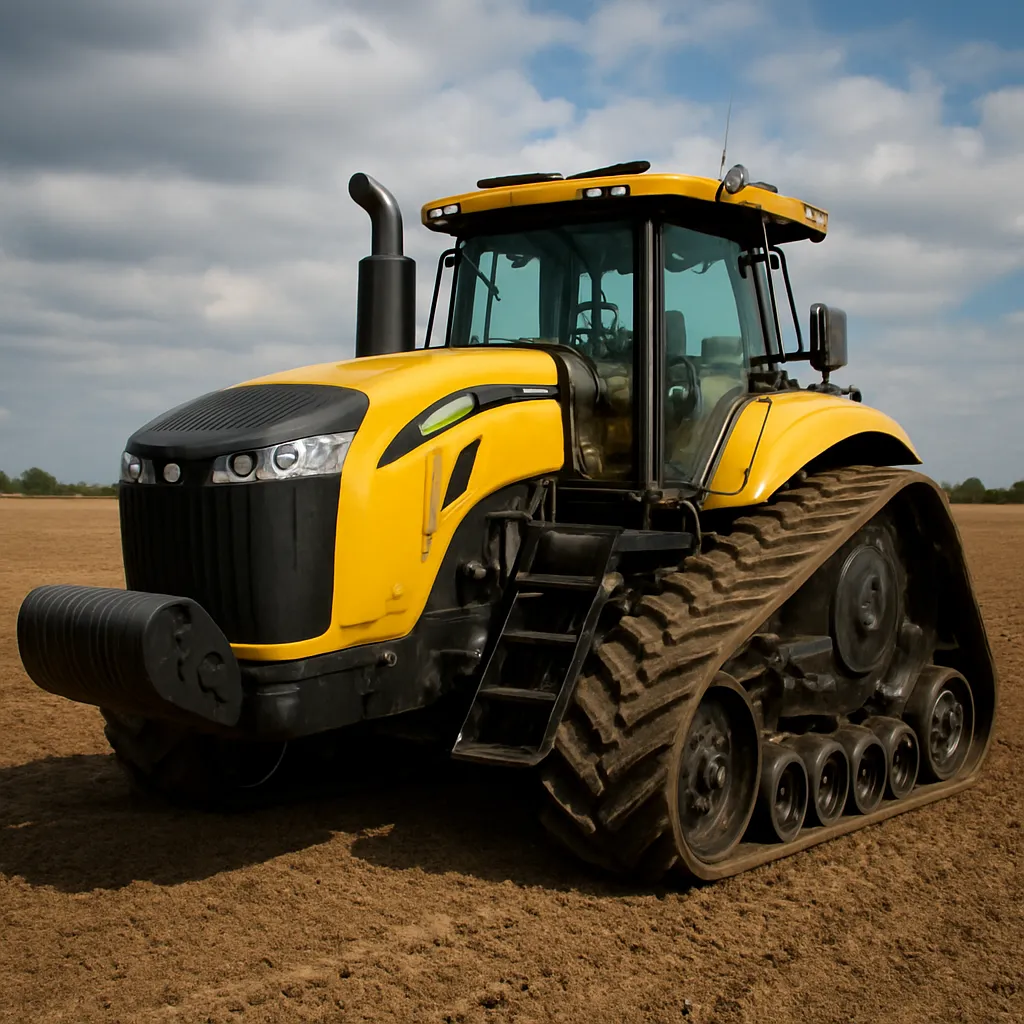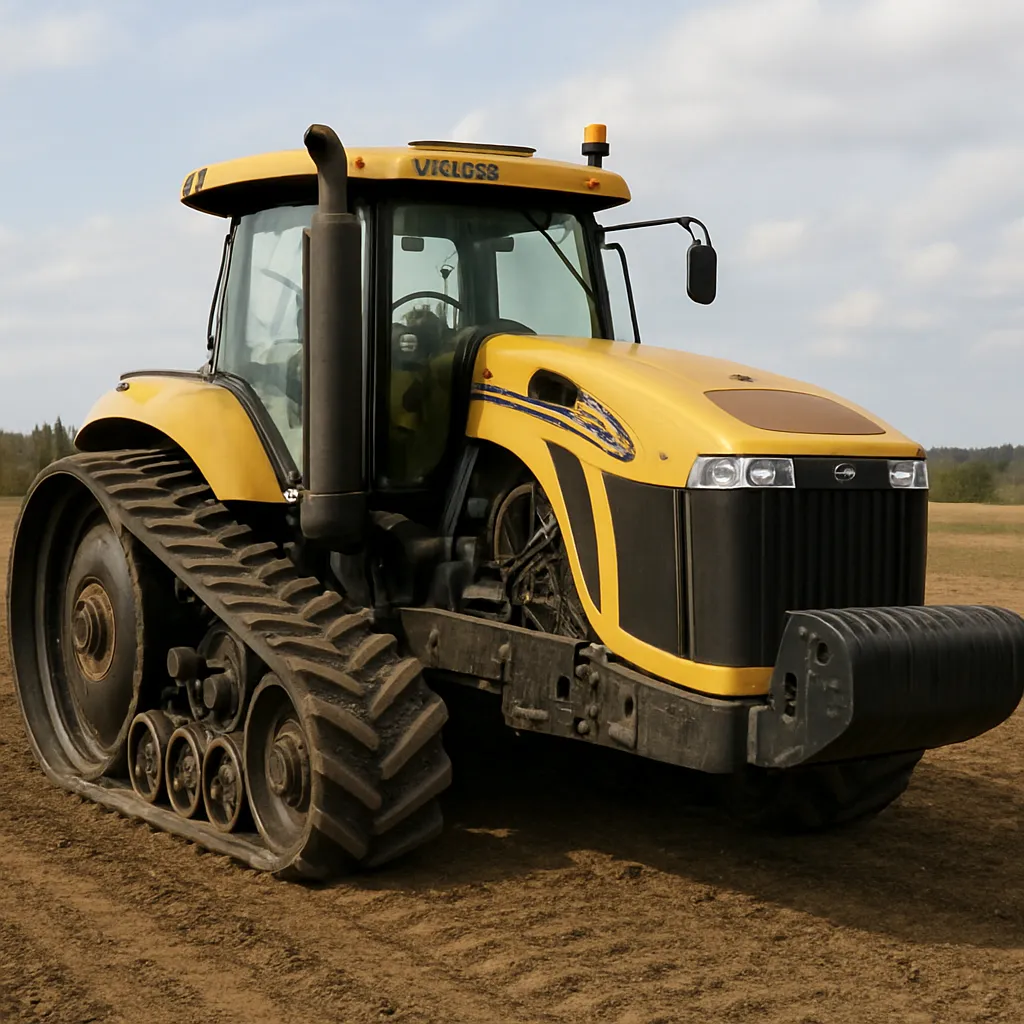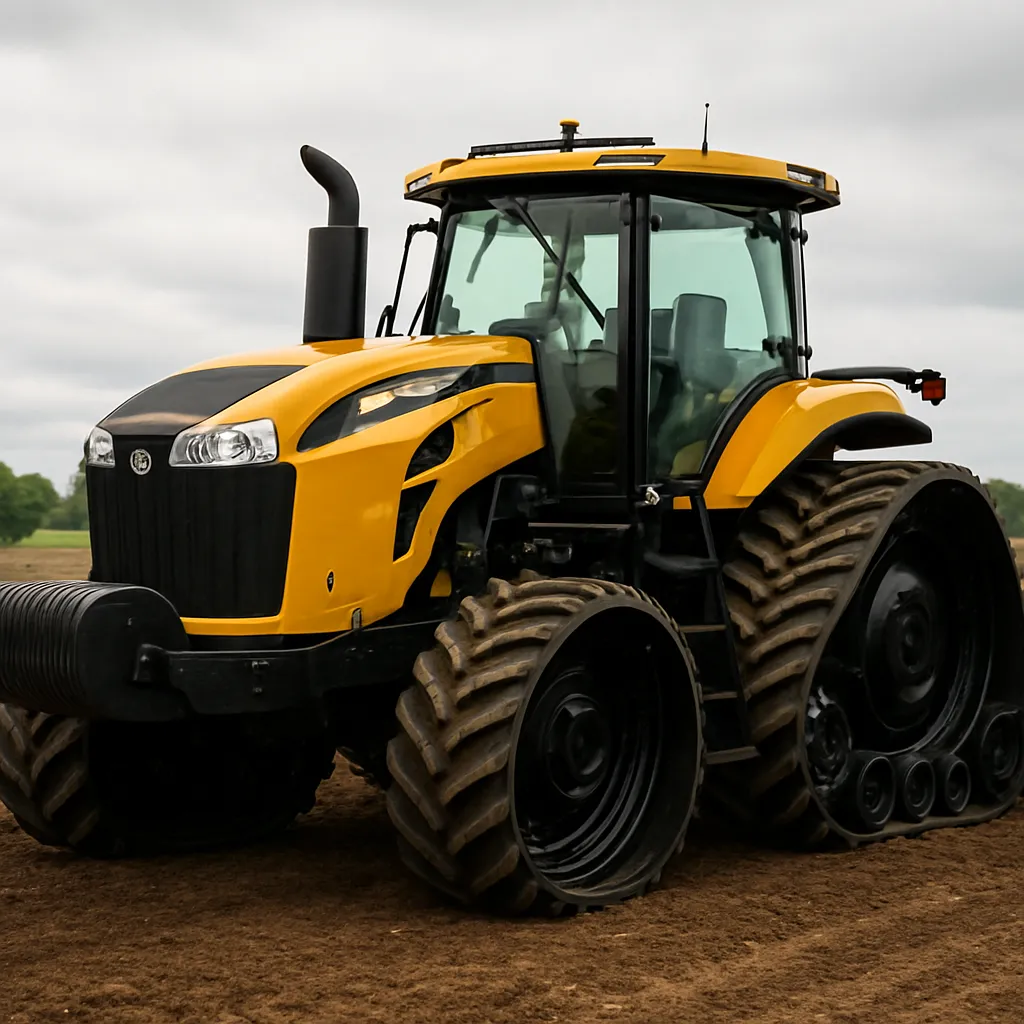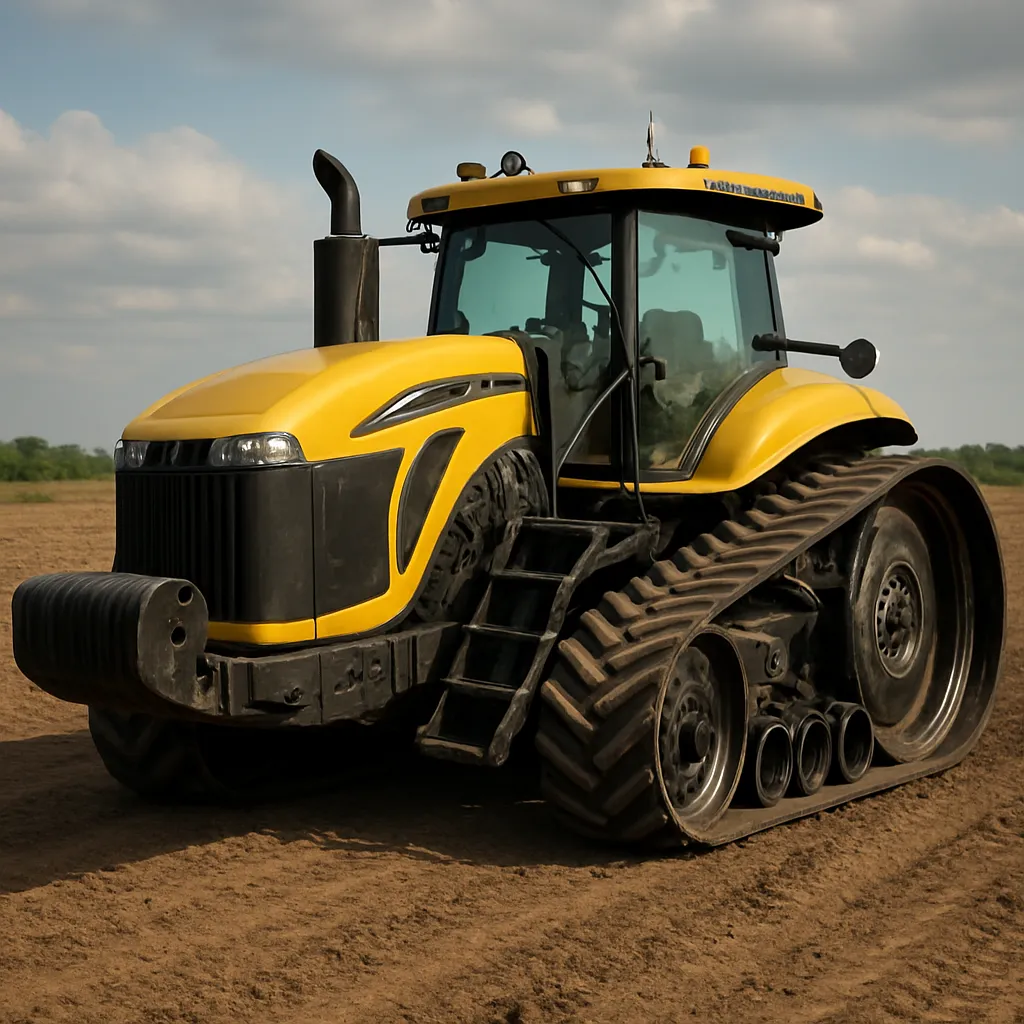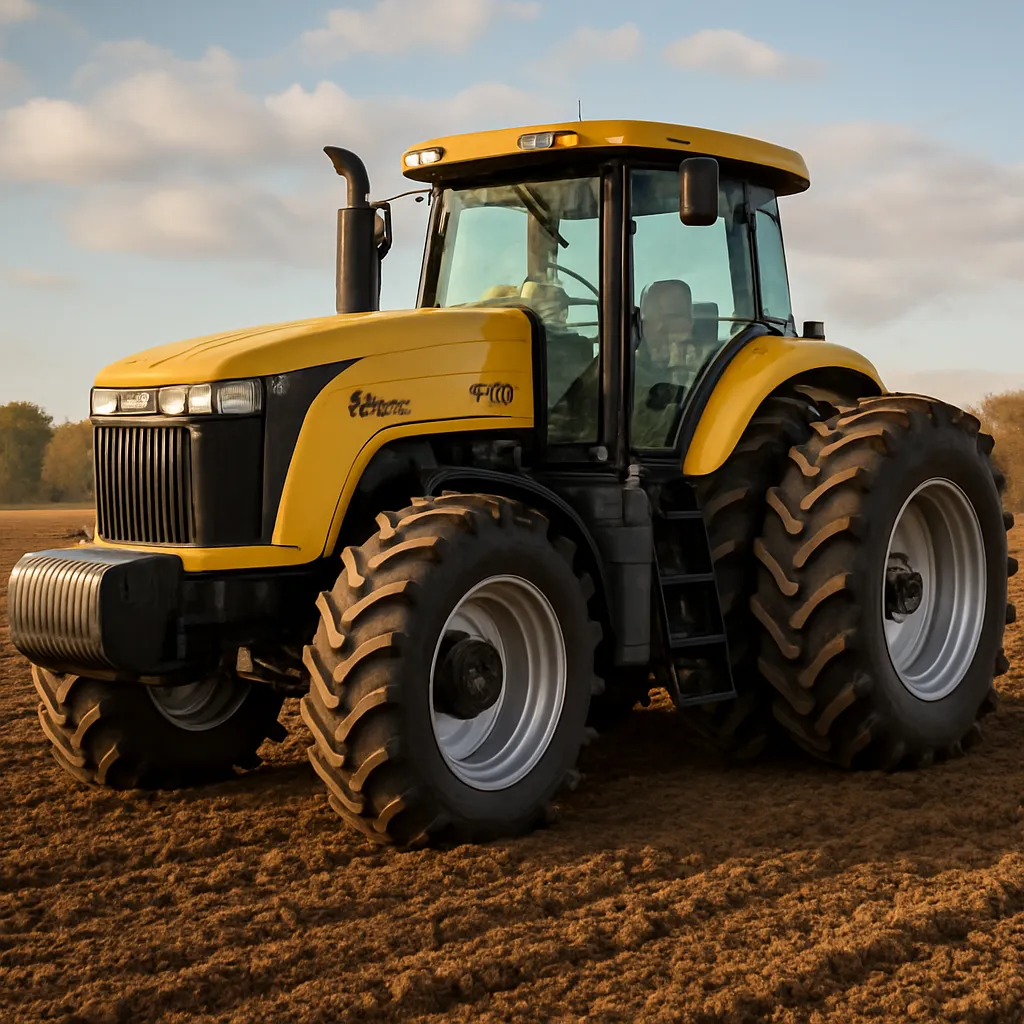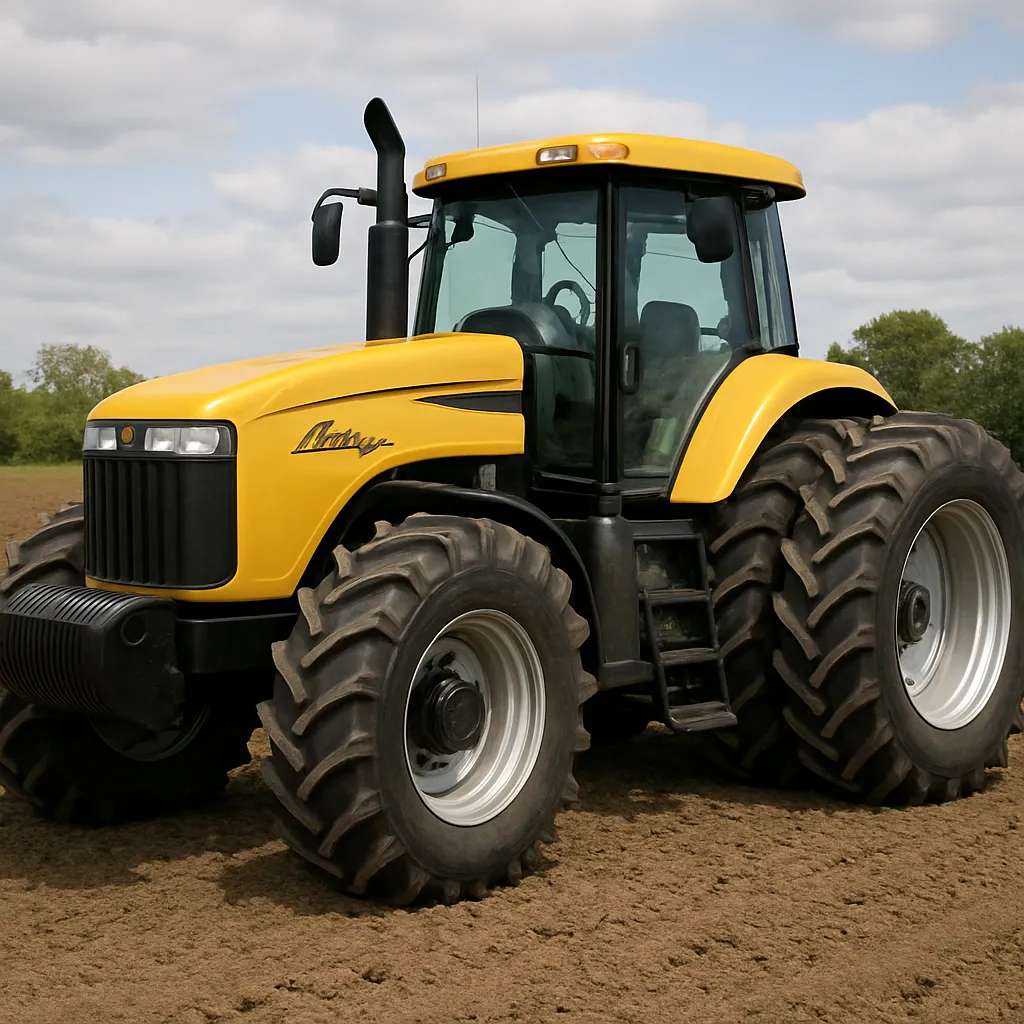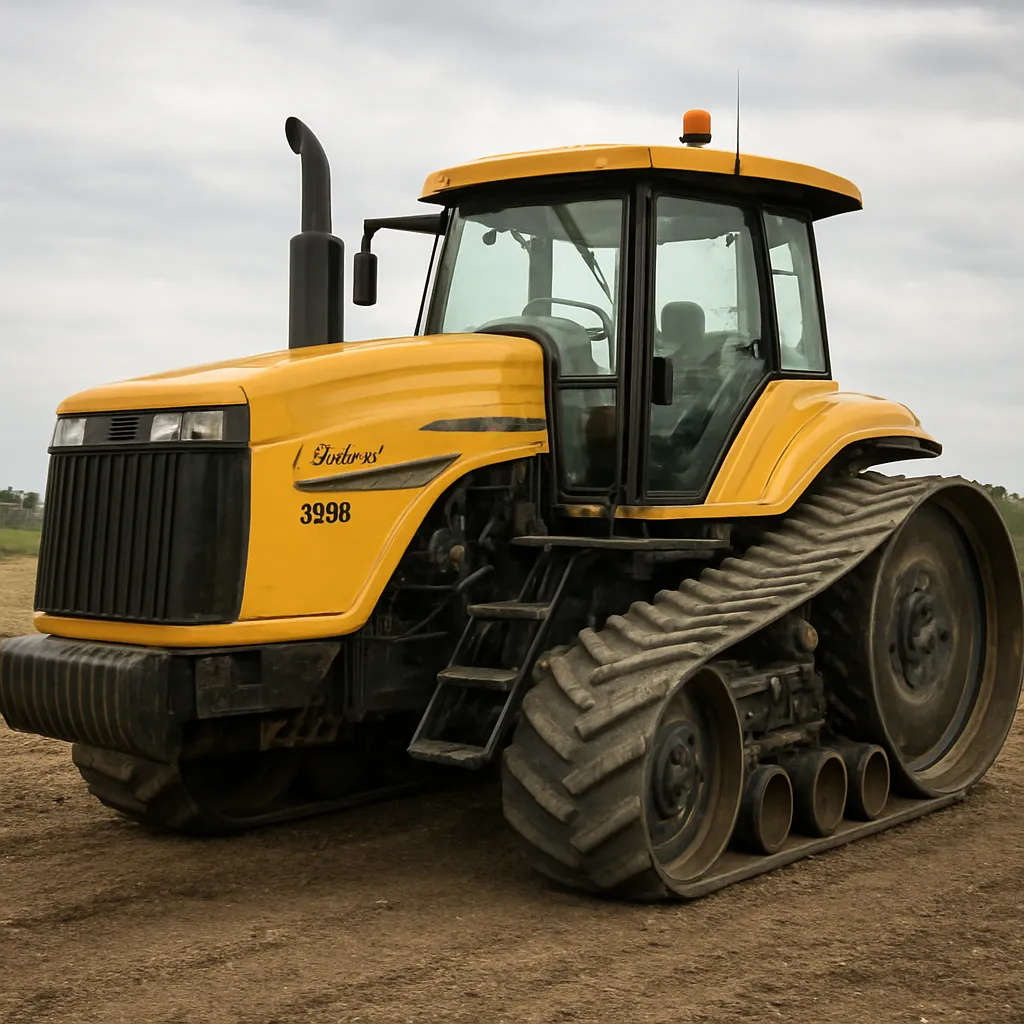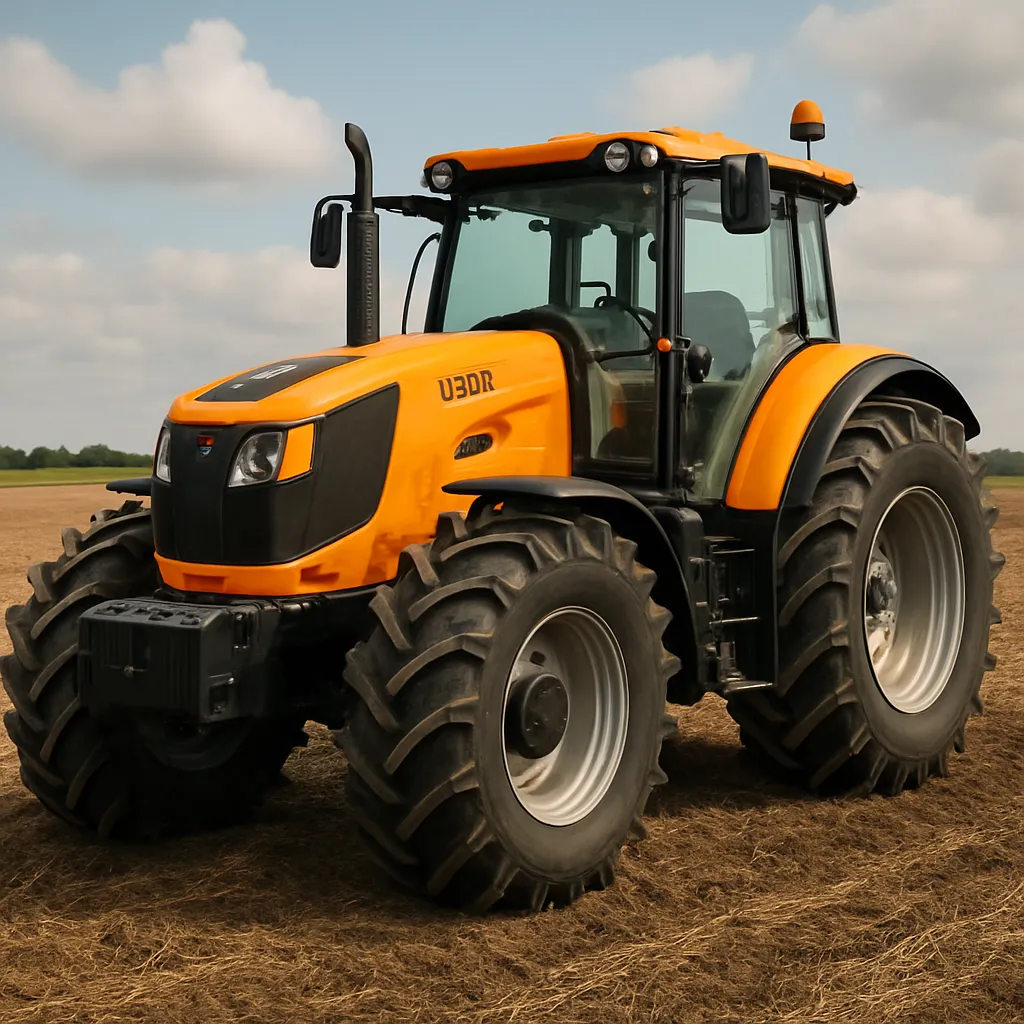
The Lamborghini R8 270 is a powerful entry in the lineup of Lamborghini Trattori — the agricultural division whose origins date back to the post-war era when Ferruccio Lamborghini began producing tractors before founding the famous sports car company. This machine blends robust engineering, modern comfort, and versatile functionality to serve demanding agricultural, forestry, and industrial tasks. Below, you will find a detailed exploration of the R8 270’s design, typical technical characteristics, practical applications, maintenance considerations, and its place in the broader context of modern farming machinery.
Design and technical overview
The Lamborghini R8 270 is designed to deliver high performance and reliability for heavy-duty fieldwork. At the core of the tractor is a high-output diesel engine tuned to offer strong torque at low engine speeds, enabling stable pulling power for large implements and trailers. The model designation 270 commonly refers to an approximate engine output of 270 horsepower (about 200 kW), positioning the R8 270 in the higher-power segment suitable for large-scale operations.
Engine and powertrain
The R8 270 typically employs a multi-cylinder, turbocharged diesel engine with modern fuel-injection systems (such as common-rail) to optimize combustion efficiency and reduce fuel consumption and emissions compared with older designs. This powerplant is engineered to provide strong low-end torque for tasks like ploughing and hauling.
- Power: approx. 270 hp (≈200 kW)
- PTO (Power Take-Off): multiple PTO speed options (540/1000 rpm commonly offered on tractors in this class), enabling compatibility with a wide range of implements
- Transmission: modular transmissions with multiple ranges — often synchronised or continuously variable transmission (CVT) options exist in this power class, offering smooth speed control and high efficiency
- Drivetrain: full-time or selectable 4WD with differential locks for improved traction in adverse conditions
The exact transmission and PTO configurations can vary by year and market, but tractors in the R8 series are typically offered with choices that balance fuel efficiency and productivity for both fieldwork and road transport.
Hydraulics, hitch, and implements
Hydraulic capacity is a crucial specification for a tractor intended to handle heavy implements. The R8 270 features powerful hydraulic pumps and multiple hydraulic circuits to operate large ploughs, seeders, balers, and other demanding equipment. A strong rear three-point hitch with category 3/4 compatibility (depending on configuration) and a robust 3-point lift capacity make it useful for modern heavy farming tools.
- High-flow hydraulic pumps for quick and reliable implement control
- Electronic hitch control and position sensing for precise depth management
- Several auxiliary remote valves to operate multi-function implements
Cab and operator comfort
Ergonomics and operator comfort are increasingly important as farm operations demand long hours and precise work. The R8 270’s cab is designed with a focus on visibility, noise insulation, and operator convenience. Standard features in this class often include climate control (air conditioning and heating), adjustable air-suspension seats, integrated controls grouped for intuitive use, and clear instrumentation or digital displays for machine diagnostics. Optional extras can include advanced GPS guidance systems and telematics for fleet management.
Comfort features translate directly into operational efficiency: a less fatigued operator is more productive and safer, especially when working with large implements at high speeds or during long harvest shifts.
Applications and practical use cases
The Lamborghini R8 270 is a versatile machine suited for operations that require sustained high power and reliable hydraulic performance. Its versatility makes it popular among large-scale farms, contractors, and enterprises that need a single tractor to perform a wide variety of tasks.
Agricultural roles
Primary agriculture uses include:
- Tillage — deep ploughing, discing, and subsoiling with heavy multi-furrow ploughs
- Sowing and planting — pulling heavy seed drills and planters that demand steady ground speed and flow of hydraulic control
- Harvest support — operating large balers, forage harvesters (as a road transporter or support unit), and heavy grain wagons
- Spraying and fertilising — supplying steady PTO power for booms and field sprayers and running high-capacity pumps
Large-scale cereal, oilseed, and mixed farms will appreciate the high-horsepower capability that allows fewer passes and larger implements, improving field efficiency.
Forestry and landscape management
In forestry and land management, the R8 270 is applied where traction and hydraulic power are essential — pulling heavy log trailers, operating winches, or powering forestry mulchers and chippers. Rugged undercarriage options and protective packages can be specified to withstand abrasive environments and debris impacts.
Contracting and industrial tasks
Contractors use tractors like the R8 270 for a wide spectrum of commercial services: road verge mowing, earthmoving with front loaders, site preparation, and heavy hauling. The ability to couple powerful implements and the flexibility of modern transmissions make it well-suited for jobs that demand both power and mobility.
Performance, economy, and statistical impressions
When evaluating the R8 270, operators often consider raw performance, fuel economy, and overall cost of ownership. While exact numerical specifications vary by model year and market, there are common performance benchmarks that characterize the model class.
- Nominal power: around 270 horsepower (≈200 kW), sufficient for implements designed for the 200–300 hp class
- Fuel economy: modern common-rail diesel engines can deliver improved litres-per-hour figures compared with older engines; typical consumption in heavy fieldwork might range widely according to load but is often in the mid-teens to twenties of litres/hour under full load for tractors in this class
- Operating weight: tractors with this power level commonly weigh between 7,000 and 9,500 kg depending on configuration, ballast, and additional equipment
- PTO power: available PTO power will be somewhat lower than engine gross power (typical usable PTO power in the region of 220–250 hp, depending on drivetrain losses)
These figures are indicative and will vary with implement load, soil conditions, transmission choices, and operator technique. For contractors and farmers, the crucial metric is often field productivity (hectares per hour) and effective fuel usage per hectare rather than absolute fuel consumption per hour.
Reliability and lifecycle costs
Lamborghini Trattori has a reputation for robust machines backed by the SAME Deutz-Fahr group’s service network in many regions. Lifecycle costs depend on service intervals, availability of replacement parts, and operator maintenance habits. Typical preventive maintenance includes scheduled oil and filter changes, hydraulic fluid checks, PTO and clutch inspections, and cooling system upkeep. For high-utilisation operations, heavy-duty service packages or extended warranties can be cost-effective to minimize downtime.
Technology, electronics, and modern features
Tractors in the 250–300 hp class increasingly incorporate electronic aids to raise productivity and reduce operator workload. The R8 270 often benefits from such advancements, improving precision, fuel efficiency, and remote monitoring.
- Telematics and fleet management — remote diagnostics, GPS tracking, and data analytics to optimise fieldwork schedules and maintenance planning
- Precision farming — compatibility with auto-steer systems, section control for sprayers, and variable-rate application software to reduce input costs and increase yields
- Engine management — electronic control for fuel injection, turbo boost, and emission after-treatment systems to meet regulatory requirements
- Operator aids — load-sensing hydraulics, cruise control, and integrated implement controls to simplify complex sequences
These technologies combine to make the R8 270 not only powerful but also more intelligent in how it consumes fuel and applies power, which is particularly valuable for precision-sensitive tasks like seeding and fertiliser application.
Maintenance, safety, and operator training
Using a high-power machine such as the R8 270 demands attention to maintenance and safety. Proper care extends service life, reduces unplanned downtime, and preserves resale value.
Maintenance best practices
- Follow manufacturer-recommended service intervals for oils, filters, and hydraulic fluids
- Monitor air filters and cooling systems, especially during dusty or hot operations
- Check PTO shafts and driveline components regularly for wear and proper lubrication
- Maintain correct tyre pressures and ballast to optimise traction and fuel economy
- Keep electronic control units and sensors clean and protected from moisture and impacts
Safety considerations
High-horsepower tractors present risks if mishandled. Key safety measures include using ROPS (roll-over protection structures) and seat belts, ensuring hitching is done with proper pins and safety chains, and training operators in correct hitching, PTO shielding, and hydraulic safety. Visibility aids and adequate lighting are essential when working at night or moving on public roads.
Training
Operator training should include both machine-specific instruction and general farm safety. Familiarity with electronic controls, telematics, and precision farming systems is often necessary to fully exploit the tractor’s capabilities.
Market positioning, resale value, and alternatives
The Lamborghini R8 270 occupies a niche among higher-power premium tractors. Buyers often choose this class when they require a single machine capable of handling the full range of heavy tasks on large farms or contracting fleets. The Lamborghini brand, managed today under the SAME Deutz-Fahr (SDF) umbrella for agricultural machinery, benefits from a combination of historic identity and modern factory support.
- Resale value: resale depends on condition, hours, service history, and regional demand; well-maintained units in this category tend to hold value well due to their capability and limited supply of comparable machines
- Competition: comparable models come from other major agricultural manufacturers offering similar power bands, such as John Deere, New Holland, Case IH, Fendt, and Massey Ferguson — buyers typically compare fuel efficiency, service networks, operator comfort, and total cost of ownership
For buyers prioritising premium cab comfort and brand heritage, Lamborghini Trattori can be an attractive option; for those prioritising the lowest purchase price, alternative brands may offer comparable technical specifications at different price points.
Environmental considerations and future trends
Environmental regulation and sustainability concerns are shaping tractor design. The R8 270 and similar machines are moving toward cleaner combustion systems, improved fuel economy, and integration with precision agriculture to reduce input waste.
- Emission controls: modern engines incorporate after-treatment systems (e.g., SCR, particulate filters) to comply with emissions standards
- Fuel efficiency: engine and driveline optimisations, combined with precision farming, reduce fuel used per hectare
- Alternative powertrains: while diesel remains dominant for this power class, manufacturers are researching hybridisation and electrification for specific applications and future regulatory compliance
These trends are likely to influence future iterations of high-power tractors, with increasing emphasis on connectivity, emissions reduction, and reduced lifecycle environmental footprint.
Conclusion
The Lamborghini R8 270 represents a class of high-power, versatile tractors well suited to demanding agricultural, forestry, and contracting work. With approximately 270 horsepower, robust hydraulics, modern operator comforts, and electronic controls, it provides a work platform capable of handling large implements and heavy-duty tasks. Maintenance discipline, operator training, and the use of precision tools will maximise its productivity and economic value. For operators seeking a combination of power, reliability, and modern features — backed by a long-standing brand in the tractor industry — the R8 270 remains a compelling option.