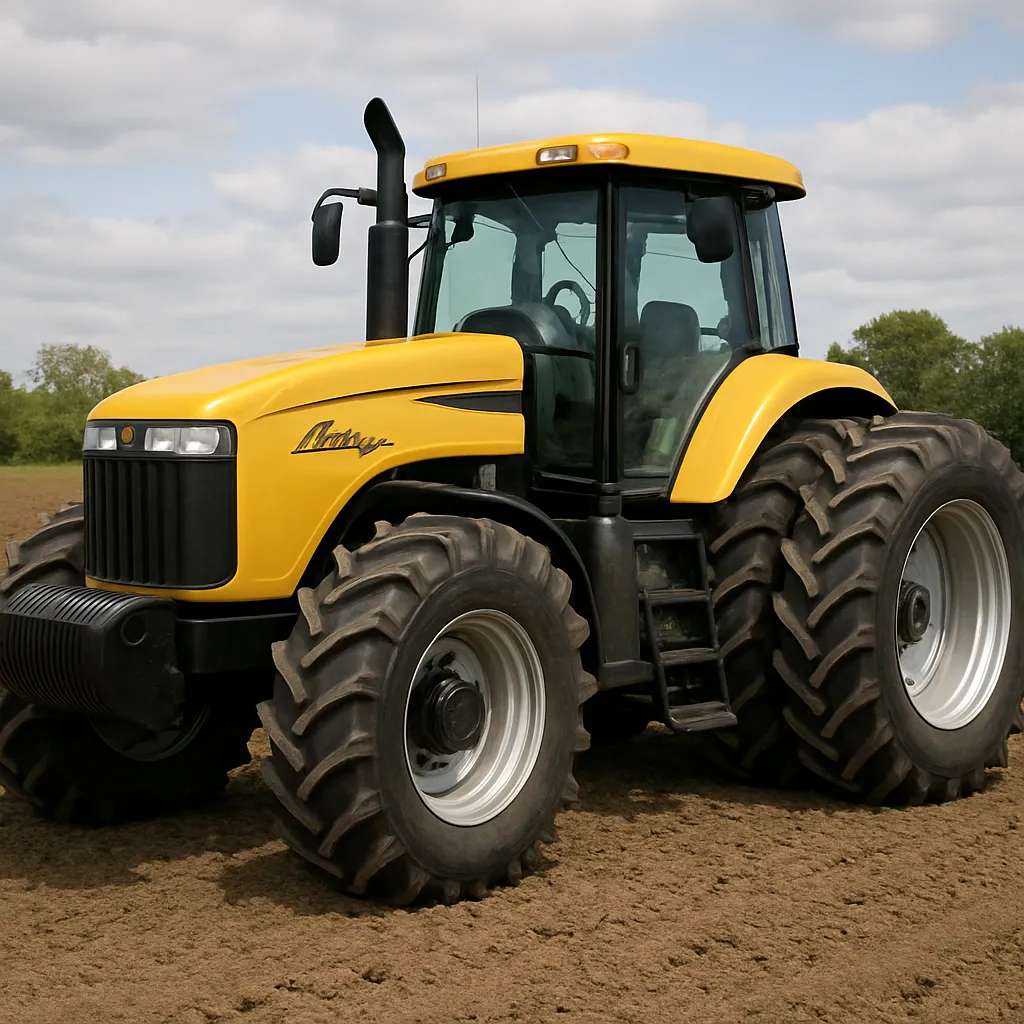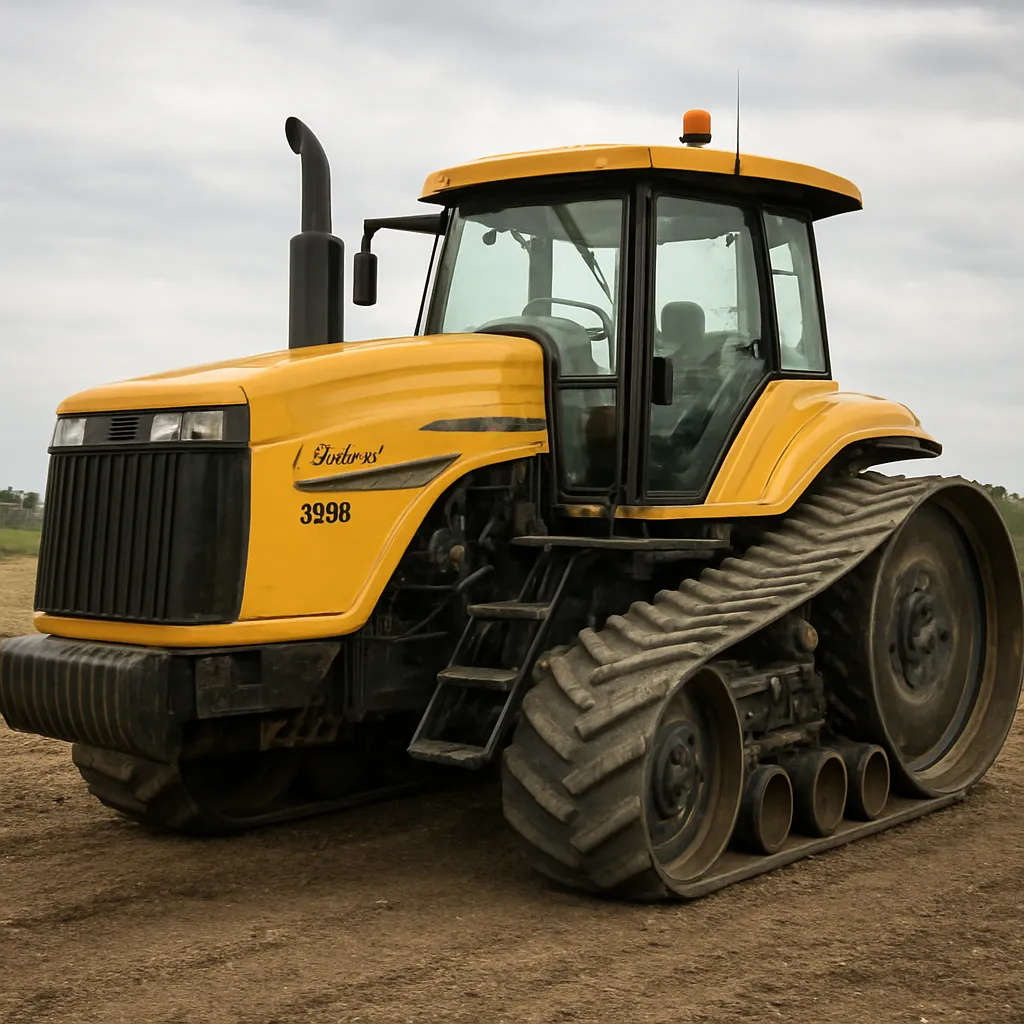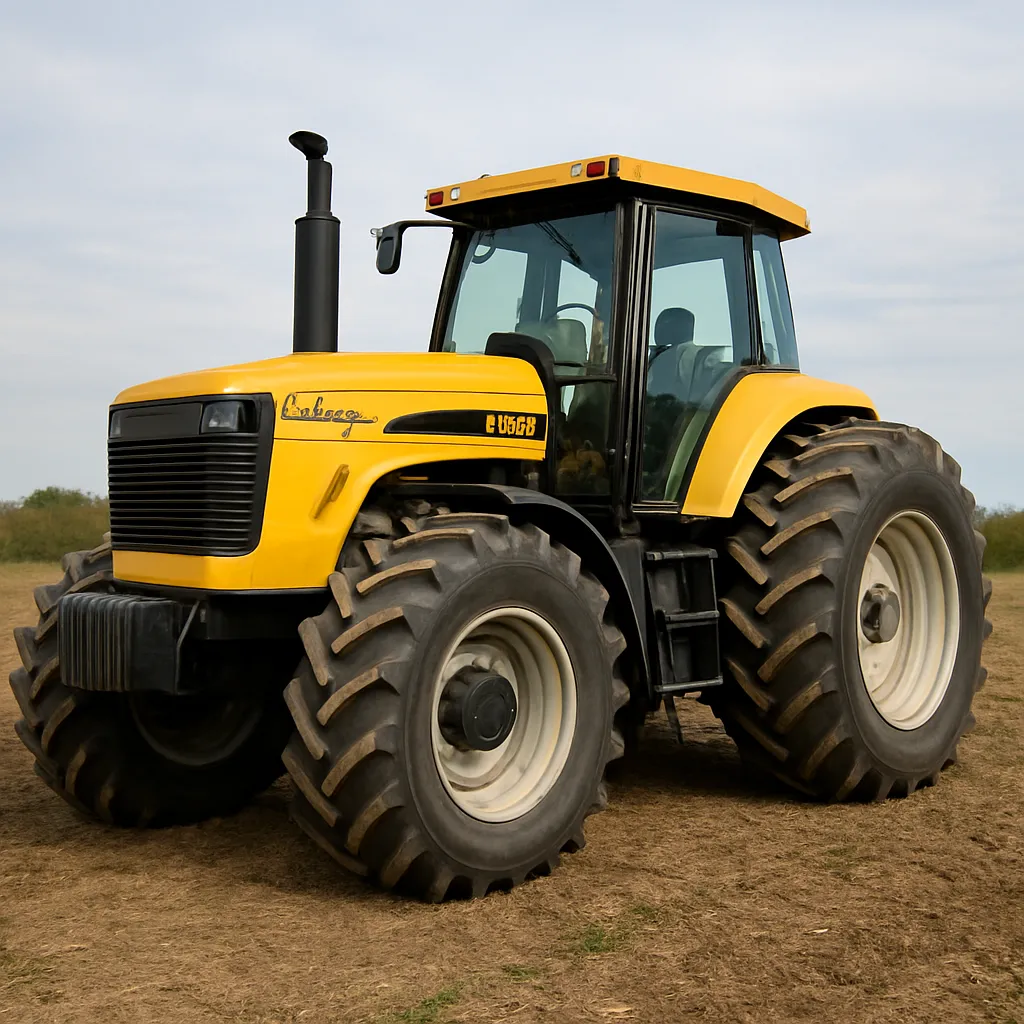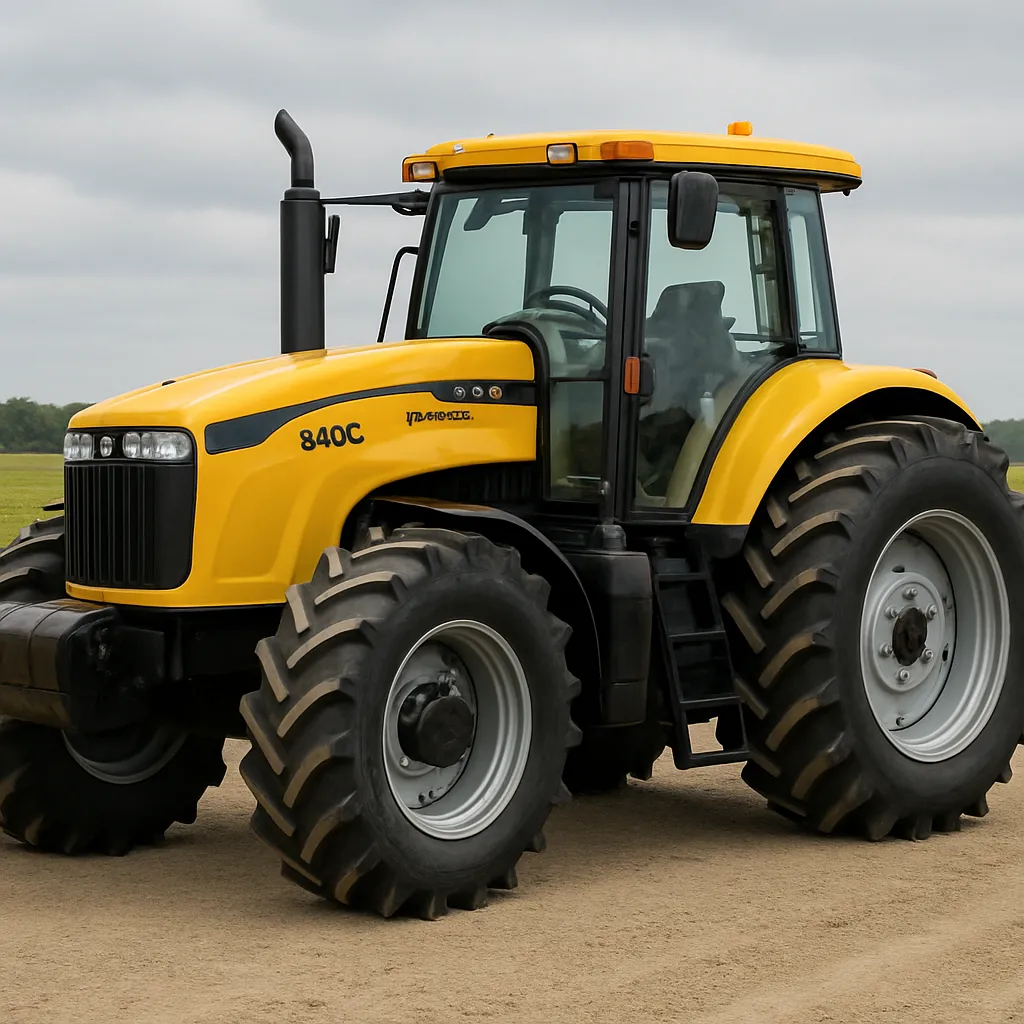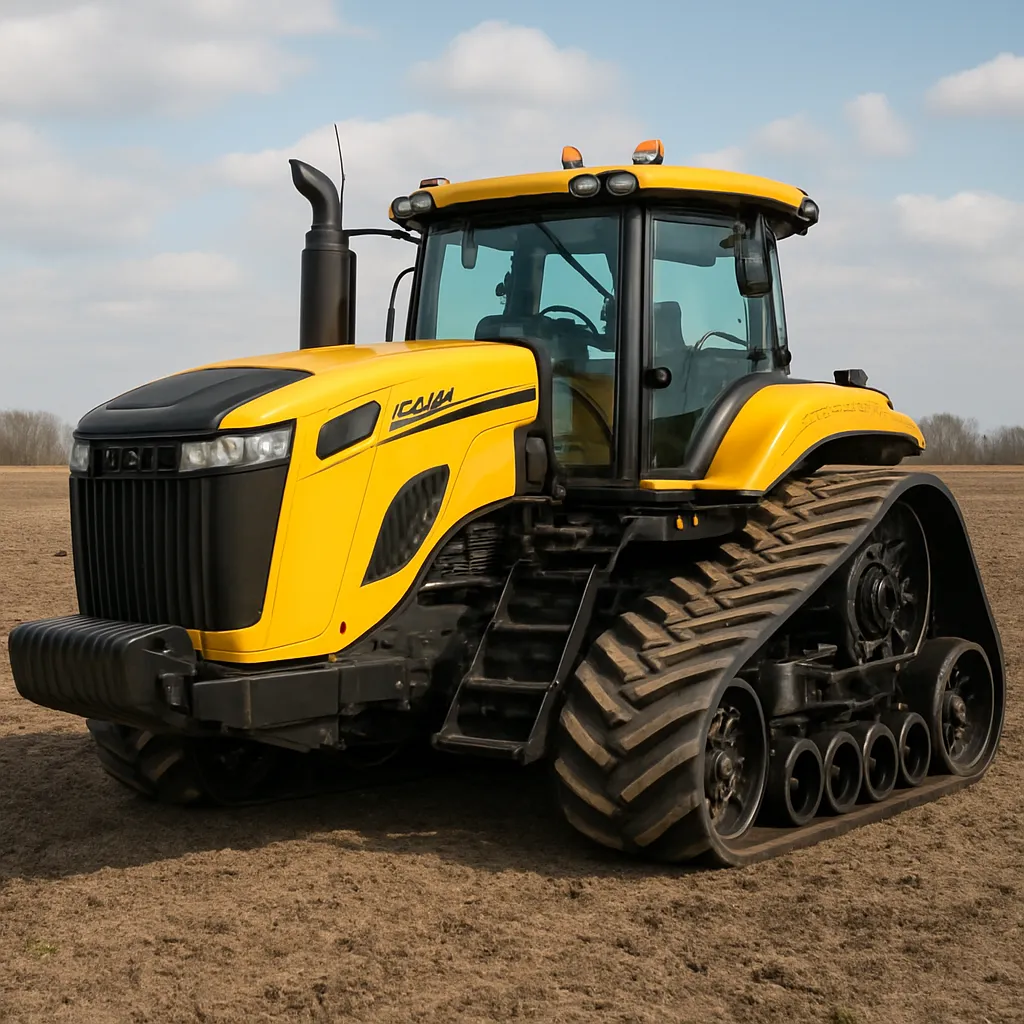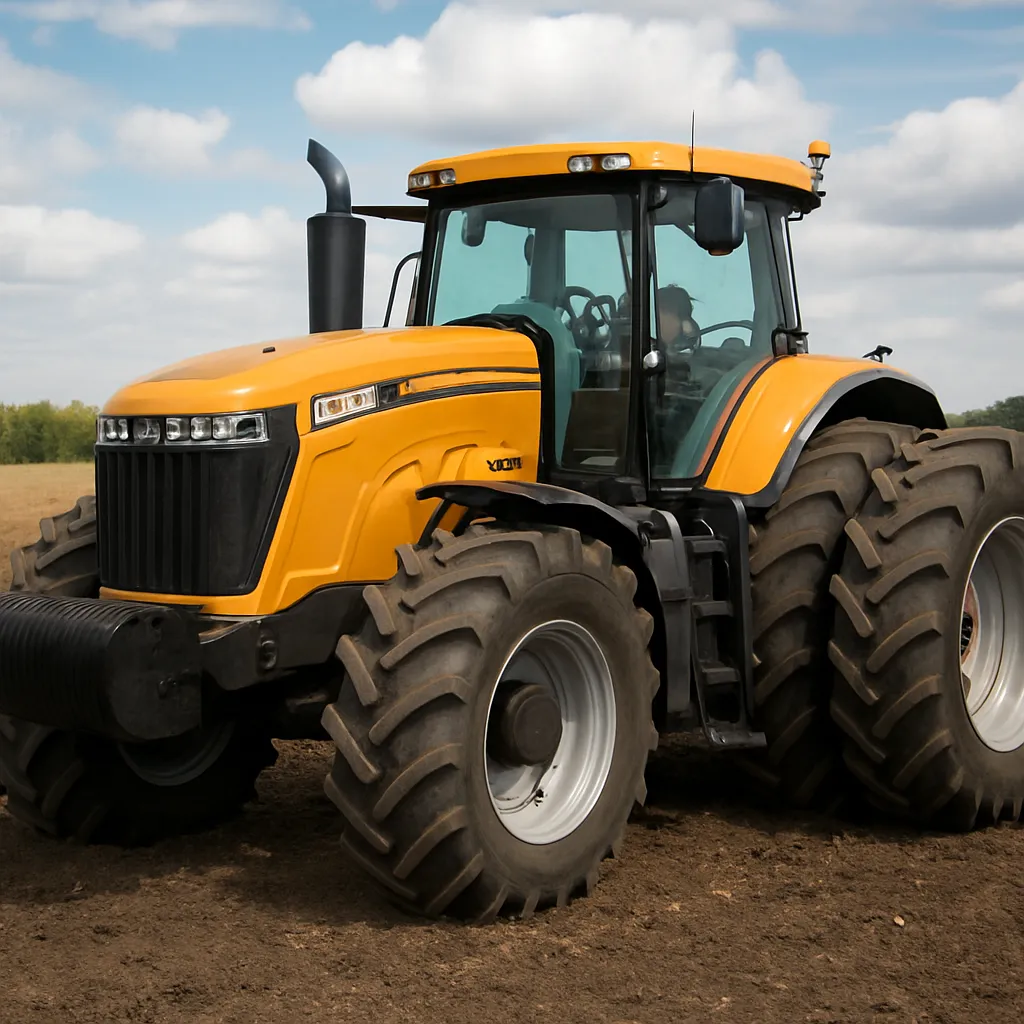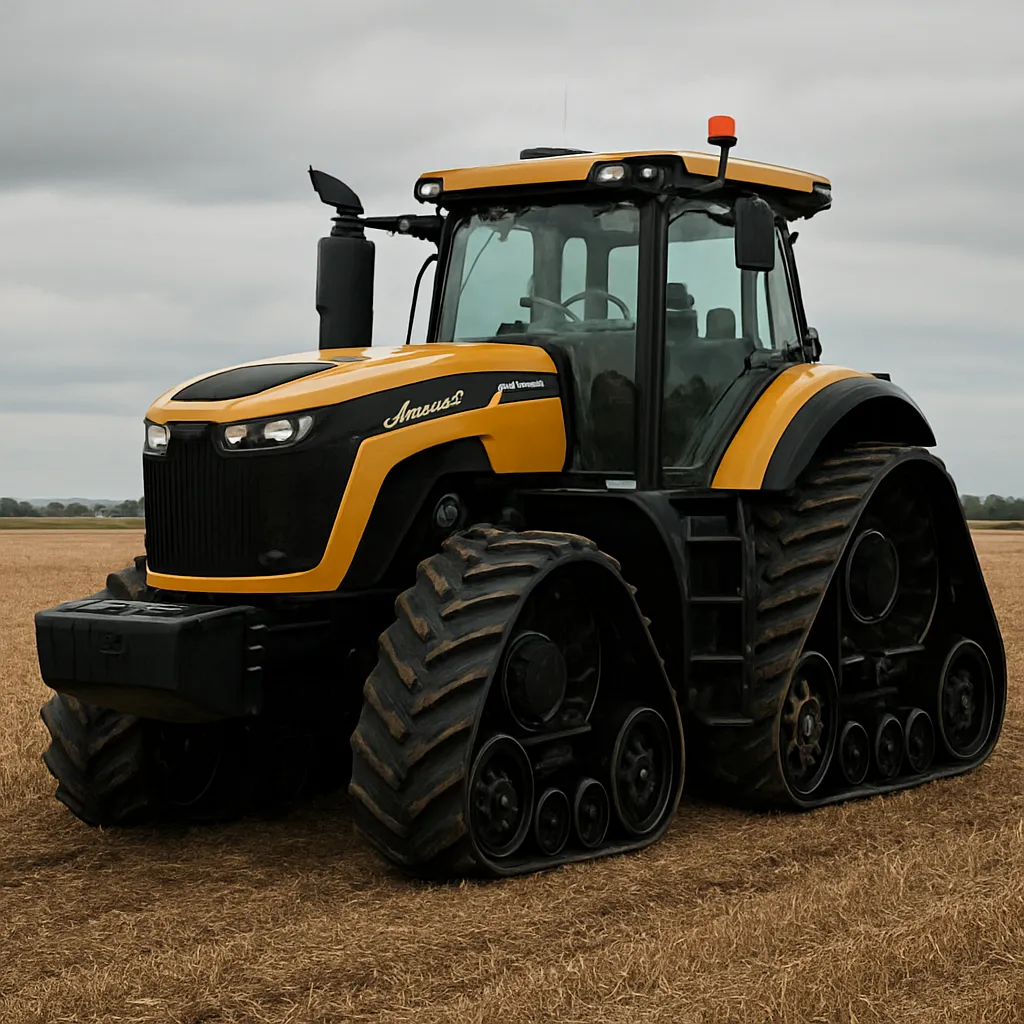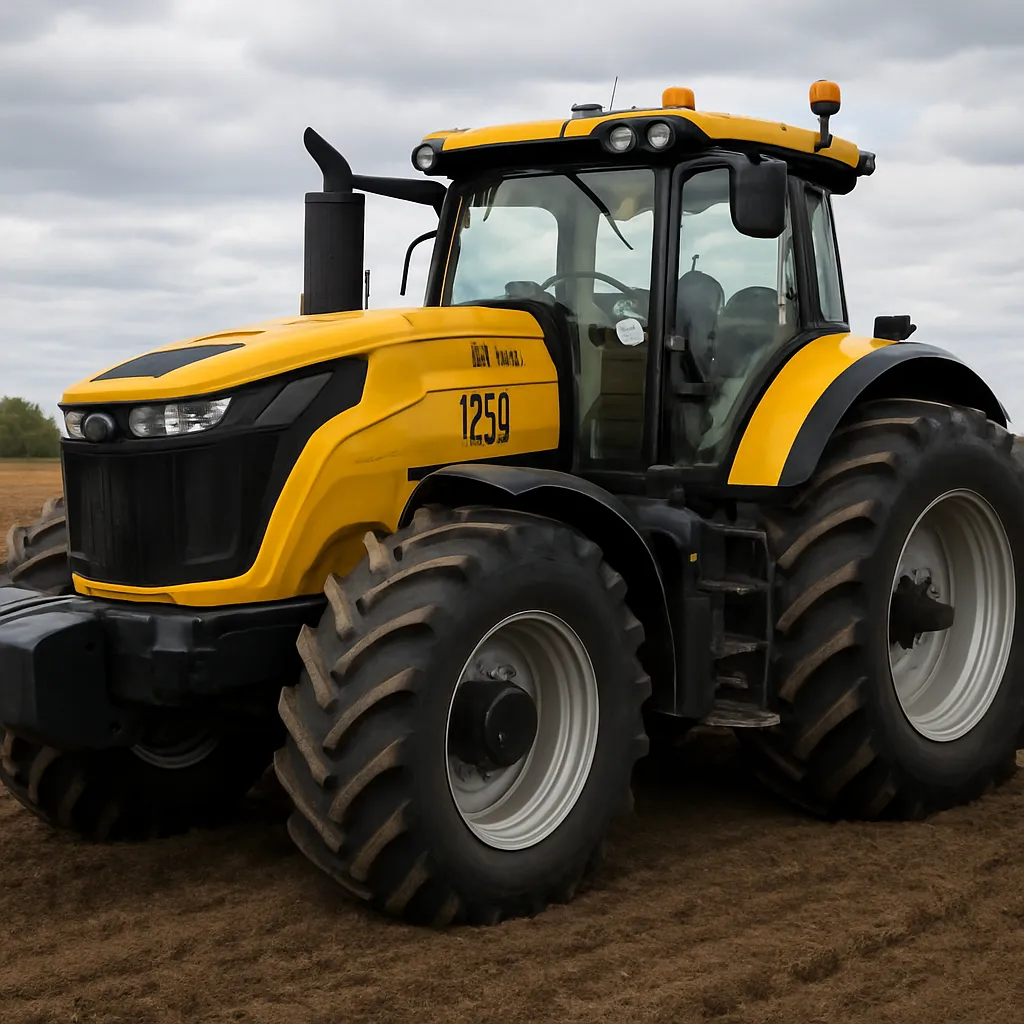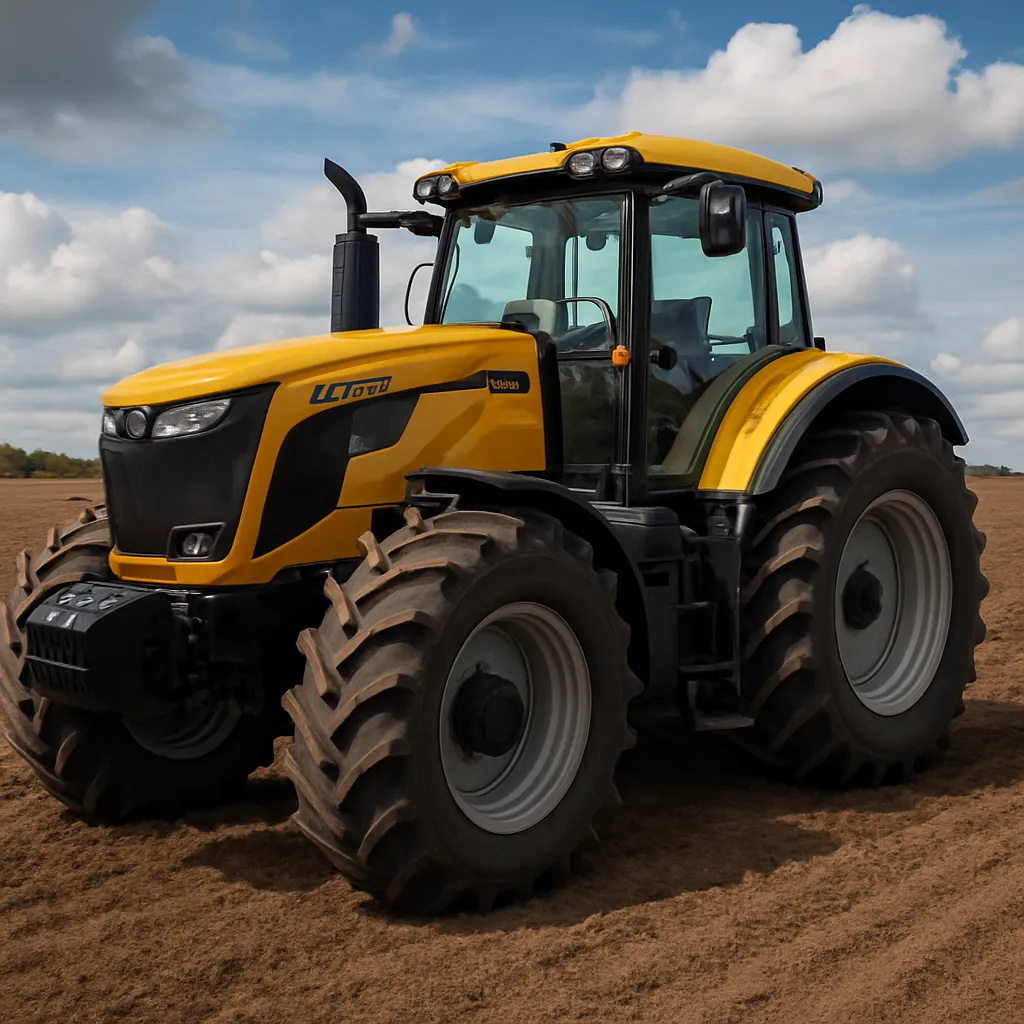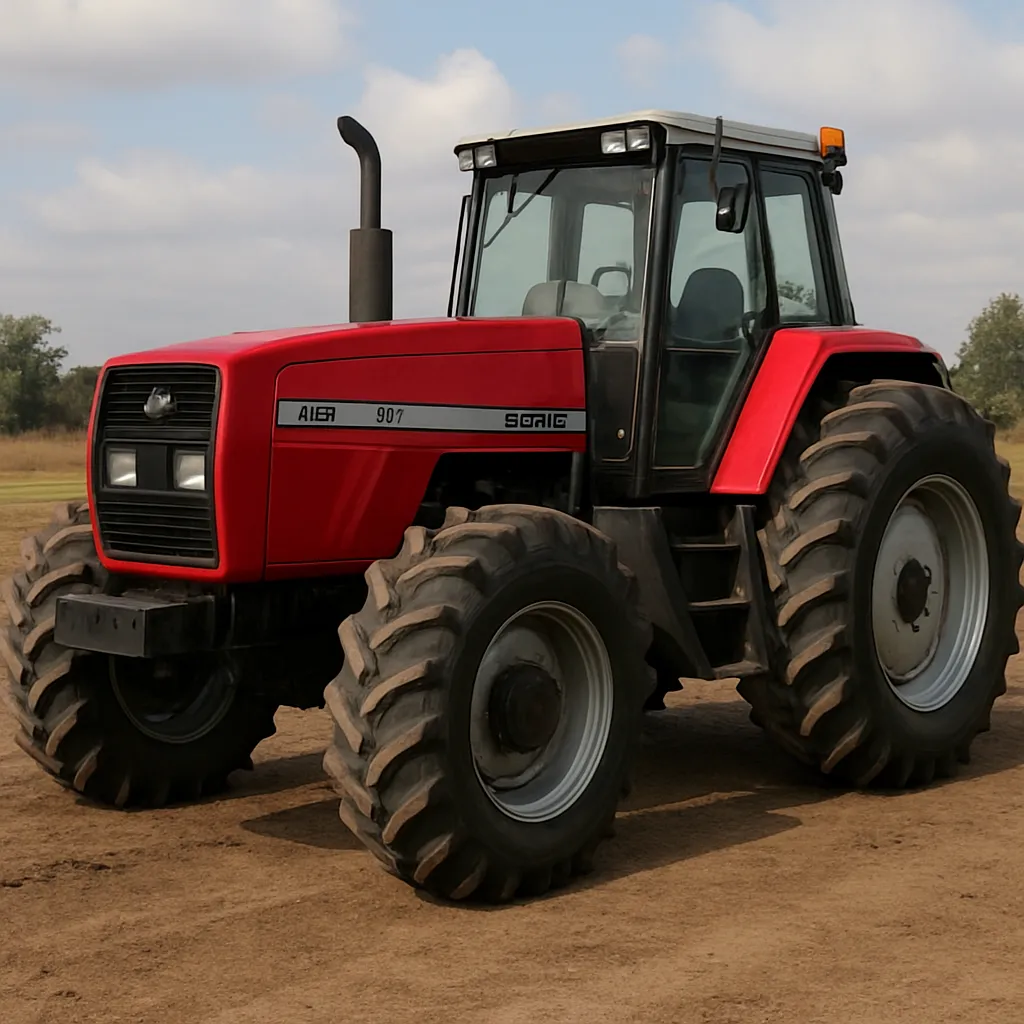
The Massey Ferguson 4880 is a workhorse recognized in various agricultural and utility roles for its balance of power, simplicity, and adaptability. In this article we explore the machine’s design principles, typical applications, basic technical characteristics, operational considerations, maintenance practices, and economic aspects that make it a common choice for farms, contractors, and municipal services. The goal is to provide a comprehensive, practical guide for anyone considering the 4880, currently operating one, or comparing mid-range tractors for purchase.
Design and engineering overview
The 4880 embodies a design philosophy aimed at delivering dependable performance without undue complexity. Built primarily as a medium-duty agricultural tractor, its configuration emphasizes ease of service, stable hydraulics, and straightforward transmission options. The platform typically features a rugged chassis, a comfortable operator station, and a layout that facilitates quick attachment changes and routine checks.
Powertrain and engine
The heart of the 4880 is its diesel engine, tuned for torque and sustained load operation rather than short bursts of speed. Diesel engines deliver better fuel economy under load and are generally more durable for agricultural cycles than gasoline alternatives. The engine is complemented by a transmission designed to provide a useful range of gears for field work, road travel, and loader tasks. Models and regional variants can differ, but the emphasis remains on delivering consistent pulling power and responsive throttle control.
Transmission and driveline
Transmission types offered across similar-size tractors include synchromesh, power shuttle, and, in some configurations, powershift units. The driveline commonly incorporates a robust rear axle with optional front-wheel drive or four-wheel drive configurations, allowing the 4880 to operate in varying traction conditions. A standard mechanical or electro-hydraulic PTO system supplies power to rear-mounted implements, while options may include independent PTO engagement for smoother implement control.
Hydraulics and three-point hitch
Hydraulic capacity and three-point hitch lift performance are central to the 4880’s versatility. The tractor typically provides a hydraulics system adequate for common implements such as ploughs, mowers, balers, and seeders. The three-point hitch is often Category II, appropriate for medium-sized implements, and the hydraulic flow is rated to support mid-pressure auxiliary valves for remote cylinders, loaders, and other hydraulic tools.
Typical applications and practical uses
The versatility of the MF 4880 makes it applicable across a wide range of tasks. Its design balances field performance with utility versatility, which is why it is found in diverse settings that include crop production, livestock operations, and light construction.
Field work and crop production
- Primary tillage: pulling ploughs and disc harrows to prepare seedbeds.
- Secondary tillage: seedbed finishing with cultivators and field rollers.
- Planting and seeding: operating planters and seed drills using the tractor’s PTO and hitch systems.
- Crop care: carrying sprayers, spreaders, and mechanized weed-control equipment depending on hydraulic capacity and PTO specification.
Haymaking and forage
- Mowing: running disc or drum mowers and conditioning equipment.
- Tedding and raking: handling forage conditioning implements to speed drying.
- Baling: powering balers and bale wrappers; managing filled bales with a front loader or a bale spike.
Livestock and farmstead tasks
- Feed and bedding handling with a front loader and bucket or fork attachments.
- Manure spreading using rear-mounted spreaders or tankers.
- Vegetation control and maintenance around barns and fences.
Municipal, landscaping, and contractor work
- Roadside mowing, snow clearing (with front snow blade), and light grading.
- Landscaping tasks such as moving soil, gravel, and tree planting operations.
- Small-scale earthmoving and site preparation with backhoe or loader combinations.
Performance and typical specifications
Exact specifications for the 4880 can vary by model year and regional configuration. Below are representative figures and performance expectations based on common implementations of mid-range tractors in the class where the 4880 is positioned.
- Power: nominal engine power is often in a medium range suitable for mixed farms — expect a ballpark range rather than a single figure, influenced by emission regulations and engine tuning.
- PTO: standard PTO arrangements include a 540 rpm output with optional 540/1000 rpm configurations on some builds; independent PTO engagement is a desirable feature for implement control.
- Hydraulic flow: mid-range hydraulic flow to the remotes typically suffices for loader operations and most PTO-driven implements used on small-to-medium farms.
- Lift capacity: the rear hitch lift capacity usually supports common rear-mounted implements and moderate loads for a tractor of this size.
- Weight and dimensions: the curb weight is engineered to balance traction and soil compaction; ballast and tire options allow for field or transport optimization.
- Fuel economy: diesel consumption varies with load; typical operational consumption in field conditions ranges depending on task intensity and engine tuning.
Note: Because exact numeric data can depend on year, market, and factory options, consult the manufacturer’s plate or owner’s manual for model-specific ratings such as exact horsepower, PTO horsepower, lift capacity, and hydraulic flow rates.
Attachments, options and adaptability
One of the 4880’s strengths is its ability to be equipped with a wide range of attachments. This makes it more than a field tractor — it is a general-purpose machine for the year-round farm calendar.
Front loaders and implements
- Front loaders turn the tractor into a material-handling unit; common loader tasks include moving manure, bales, soil, and feed.
- Quick-attach systems speed switchovers between forks, buckets, bale spears, and grapples, improving job-site efficiency.
Rear-mounted and PTO-driven implements
- Mowers, balers, and seeders rely on PTO power and three-point hitch compatibility.
- Position-controlled three-point hitches improve implement depth management and transport safety.
Specialized options
- Cabin options range from open-station to fully-equipped cabs with climate control, ROPS, and soundproofing.
- Auxiliary hydraulics and additional remote valves increase versatility for hydraulic-driven accessories like post drivers or augers.
Operation, ergonomics, and ease of use
Operators value tractors that are straightforward to operate under long working days. The 4880 generally offers user-friendly controls, visible gauges, and service points that are accessible without specialized tools.
- Operator comfort: ergonomic seating, straightforward dash layout, and optional cab comforts reduce fatigue.
- Visibility: good sightlines to the loader and rear implements make precision tasks easier.
- Control layout: simple lever placement and clear gear indexing support less experienced operators.
Maintenance, reliability, and common service items
Reliability is a major purchasing criterion for farm machinery, and routine maintenance is the key to longevity. The 4880 follows conventional maintenance intervals common to diesel tractors.
Daily and weekly checks
- Check engine oil, coolant, and hydraulic fluid levels before starting heavy work.
- Inspect tires, lights, and PTO shaft guards for safe operation.
- Clear air filters and monitor for excessive dust or debris in the cooling system.
Scheduled maintenance
- Regular oil and filter changes are crucial; follow the hours-based schedule indicated in the manual.
- Transmission and hydraulic fluids should be serviced at manufacturer-recommended intervals to maintain responsive controls and prevent wear.
- Greasing points on the loader arms, hitch links, and steering components increase service life and prevent failures in the field.
Common repairs and long-lived components
- Fuel system maintenance (fuel filters, water separators) helps avoid injector and pump issues typical of diesel units exposed to contaminated fuel.
- Clutch and transmission wear is a typical long-term service item in farms with extensive transport and frequent gear changes.
- Electrical components such as starters and alternators are durable but should be inspected periodically, especially in cold climates.
With regular care, these tractors can provide many years of productive service. Availability of parts and dealer support will influence lifecycle cost and downtime, so buyers should consider local service networks when purchasing used models.
Economic considerations and resale
When evaluating the MF 4880 from an economic perspective, consider initial acquisition cost, expected operating expenses, and the resale market in your region.
- Fuel efficiency and maintenance costs influence operating expenses; diesel’s energy density typically yields lower fuel usage than gasoline equivalents under similar workloads.
- Attachment compatibility increases the machine’s utility and therefore its value retention — a tractor that can run loaders, balers, and mowers will attract a broader buyer base.
- Resale value is affected by hours on the engine, documented maintenance, condition of hydraulics and transmission, and presence of popular options such as a cab or advanced hydraulics.
Safety, training, and best operational practices
Working with any tractor requires adherence to safety standards to protect the operator and bystanders. The 4880’s typical safety features include ROPS, seat belts, PTO shields, and good visibility, but safe operation is also about behavior and routine checks.
- Always use ROPS and seat belts when operating on uneven terrain or with a cabless configuration.
- Keep PTO shields in place; never step over a rotating PTO shaft.
- Train all operators on safe loading, hitching, and transport procedures — secure ballast correctly and understand weight limits for attachments.
- Plan lifts and material handling to avoid tipping; use stabilizers and counterweights as recommended.
Comparison with similar tractors and market position
The 4880 fits into a competitive mid-range tractor segment that prizes versatility over sheer size. Compared with compact or heavy tractors, it strikes a balance that suits mixed farms, small contractors, and municipal fleets. Buyers typically weigh factors like fuel economy, attachment ecosystem, hydraulic capacity, and dealer support when choosing between competing brands and models.
Compared to smaller compact units, the 4880 offers greater PTO power and lift capacity. Against larger, higher-horsepower tractors, it is more economical to operate and maintain but may be limited for high-capacity tillage or very large balers.
Summary and practical advice for buyers
In practical terms, the Massey Ferguson 4880 is a flexible tool for operators who need a balance of field capability and utility functions. When assessing a specific unit, check:
- Service history and evidence of routine maintenance.
- Hours on the engine and wear items such as tires, hitch components, and the loader.
- Functionality of hydraulics, PTO, and transmission under load.
- Availability of replacement parts and local dealer service capacity.
Choosing the right configuration — cab vs open station, loader vs no-loader, tire choices, and hydraulic options — depends on the primary tasks expected on the farm or worksite. Thoughtful matching of tractor capability to task load and attachment compatibility will maximize productivity and minimize lifetime ownership costs.
Overall, the MF 4880 is valued for its blend of practical features, approachable maintenance, and the adaptability that modern mixed-enterprise farms require. Whether used for routine tillage, haymaking, or material handling with a loader, it remains a practical selection for buyers seeking a dependable mid-range agricultural tractor.