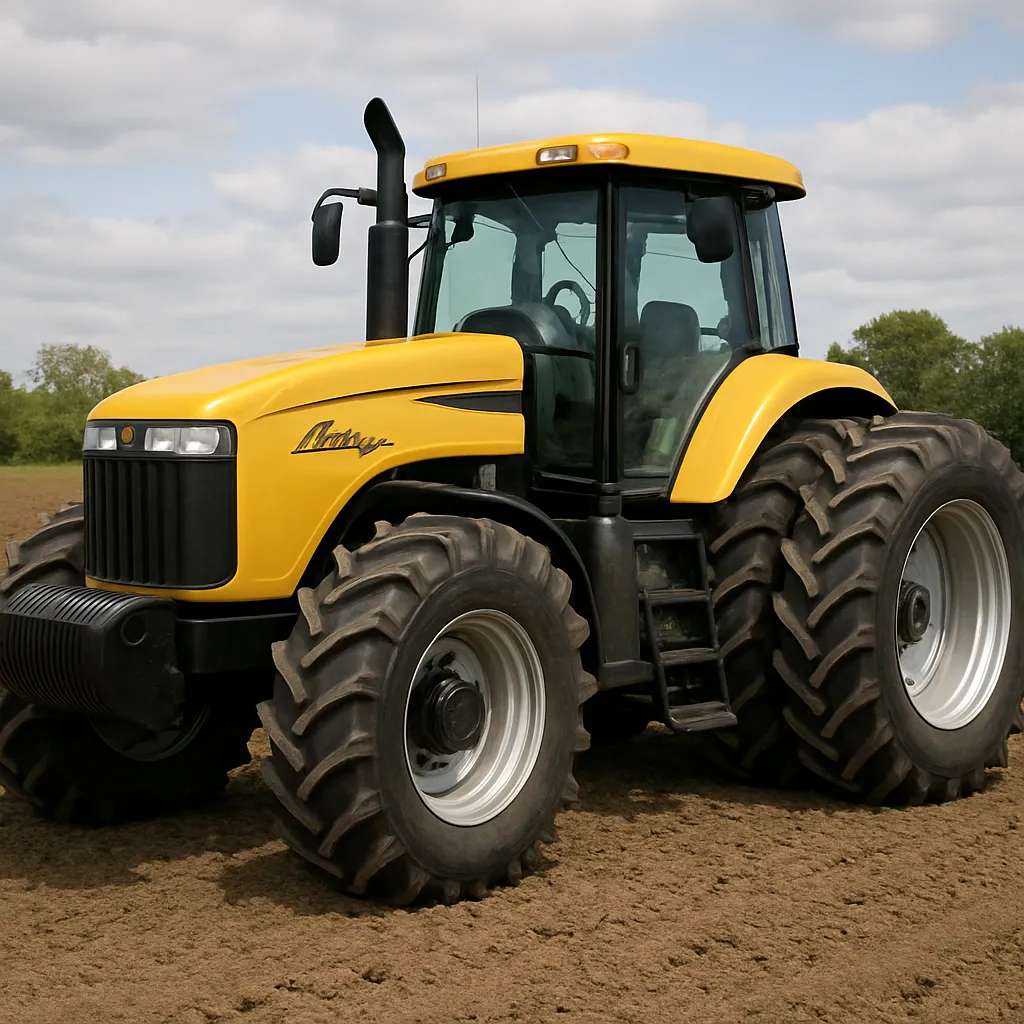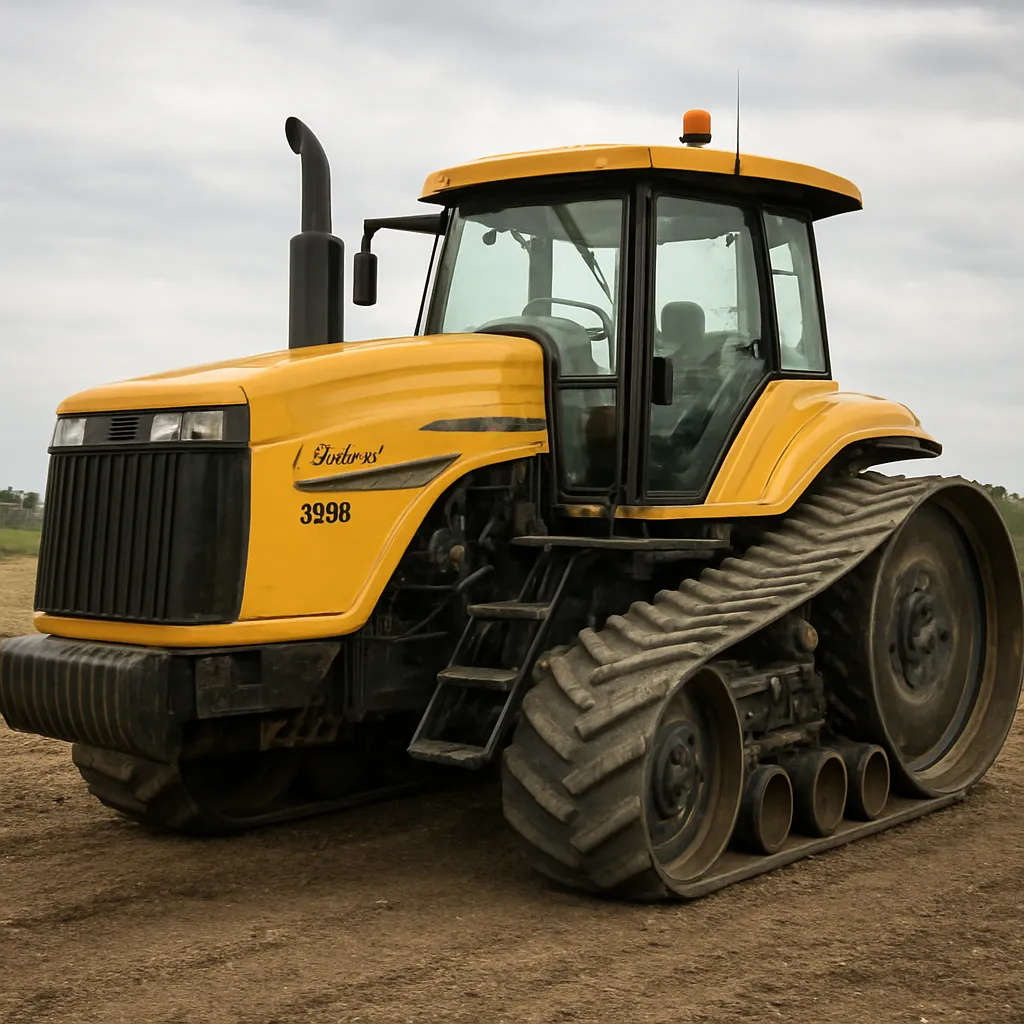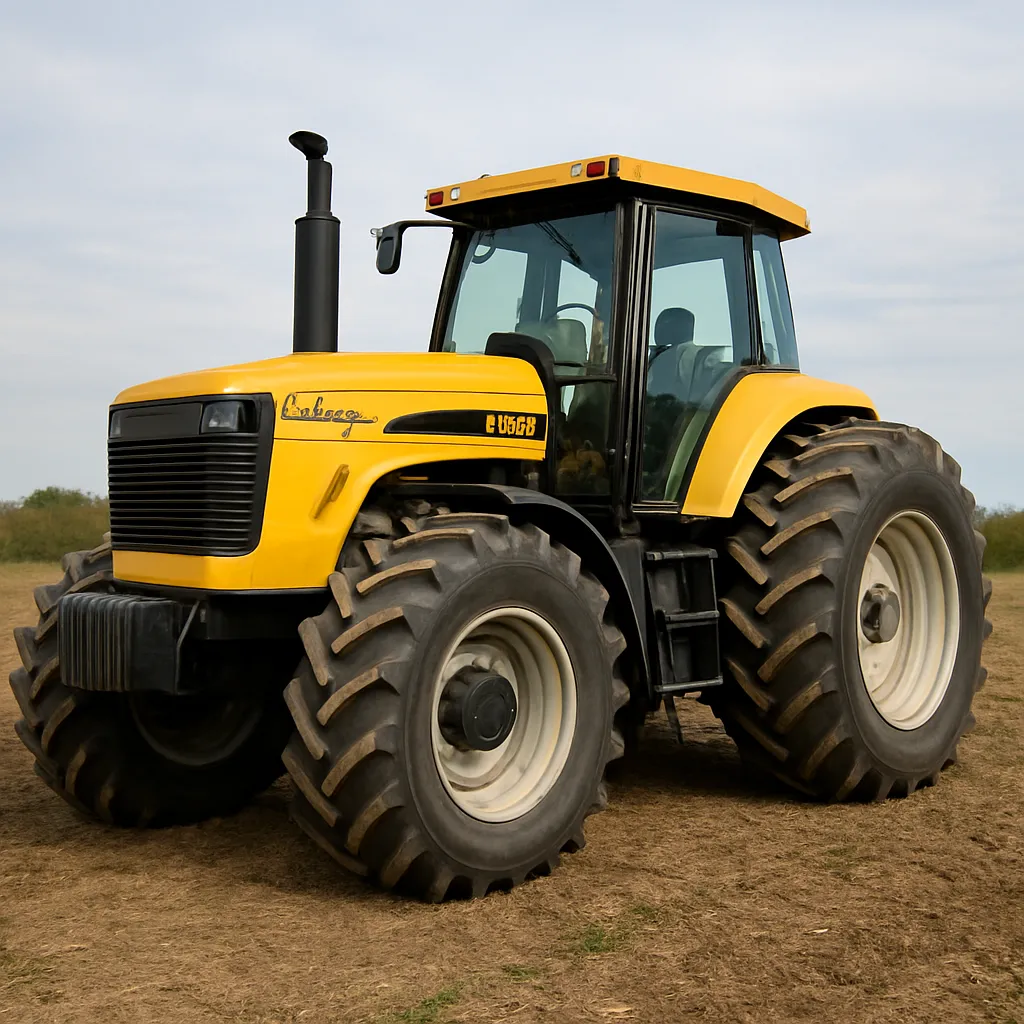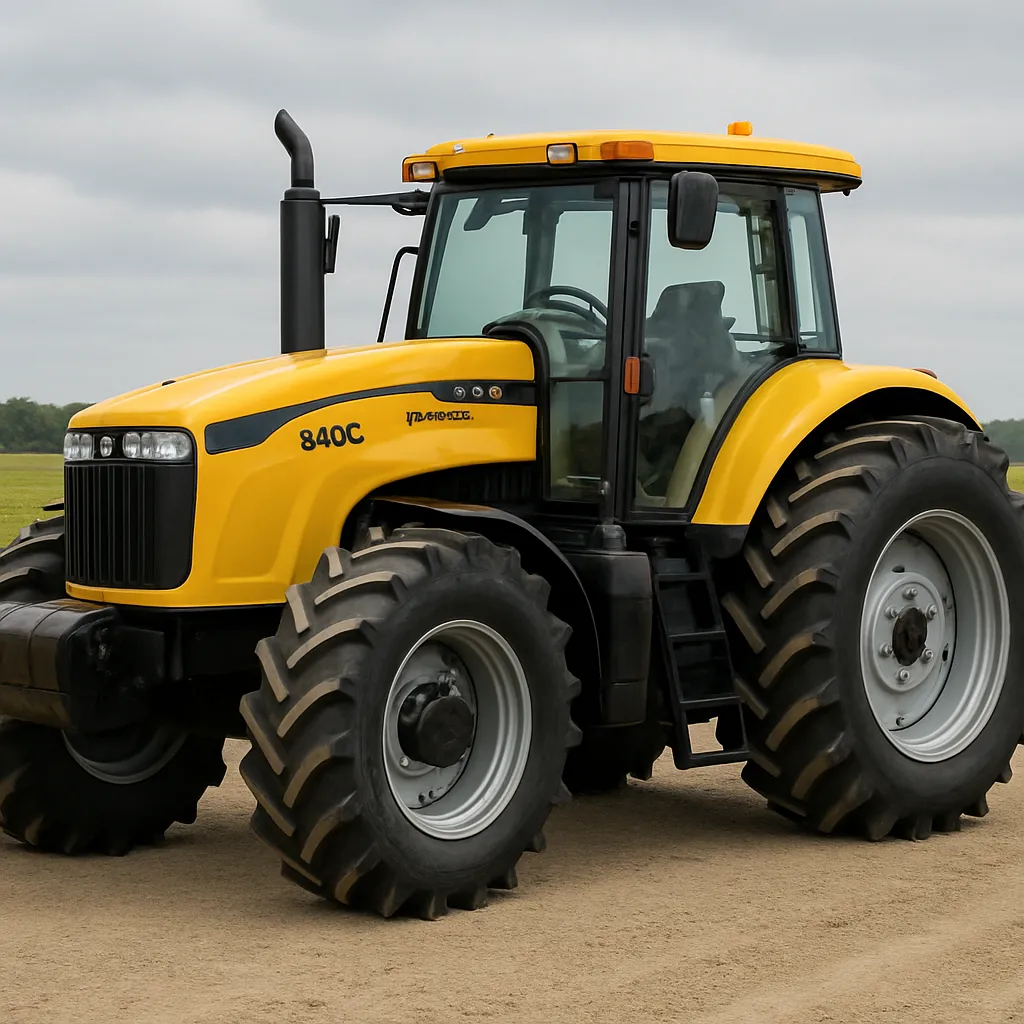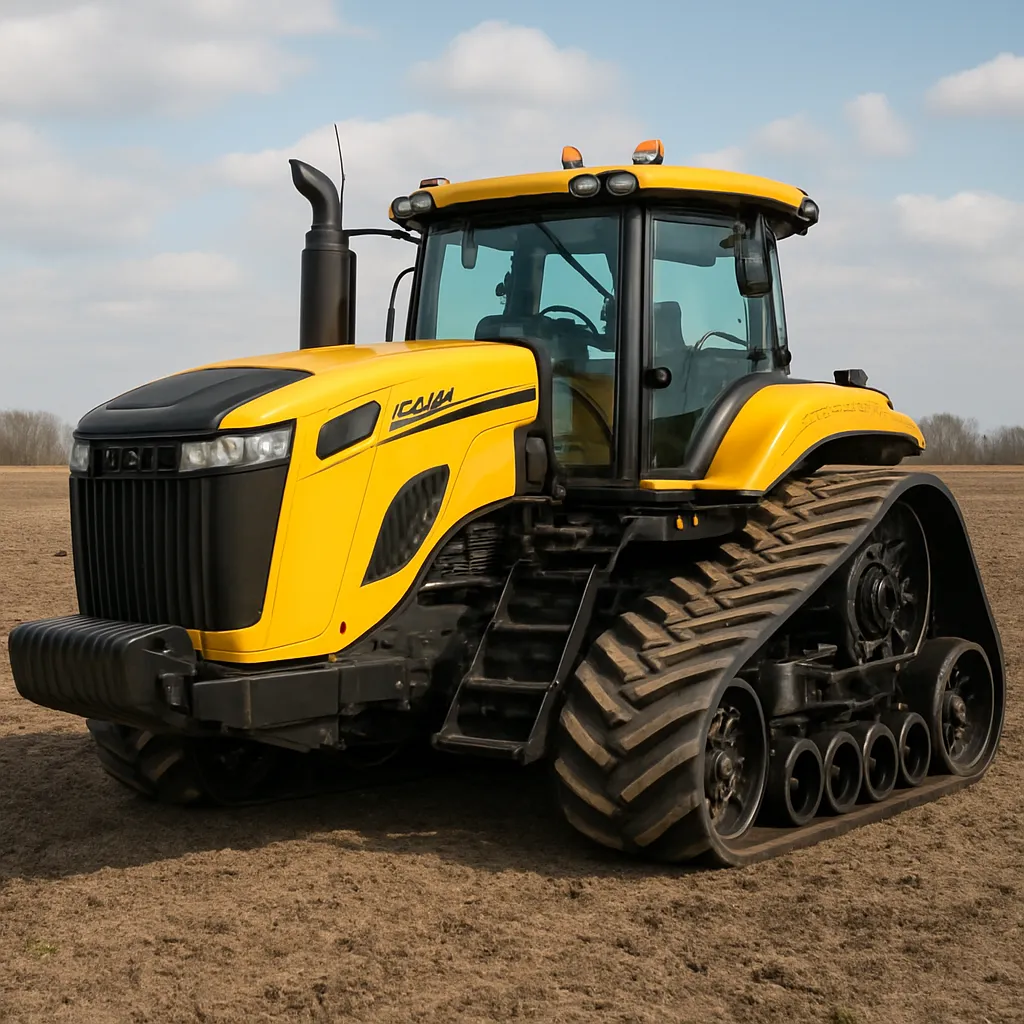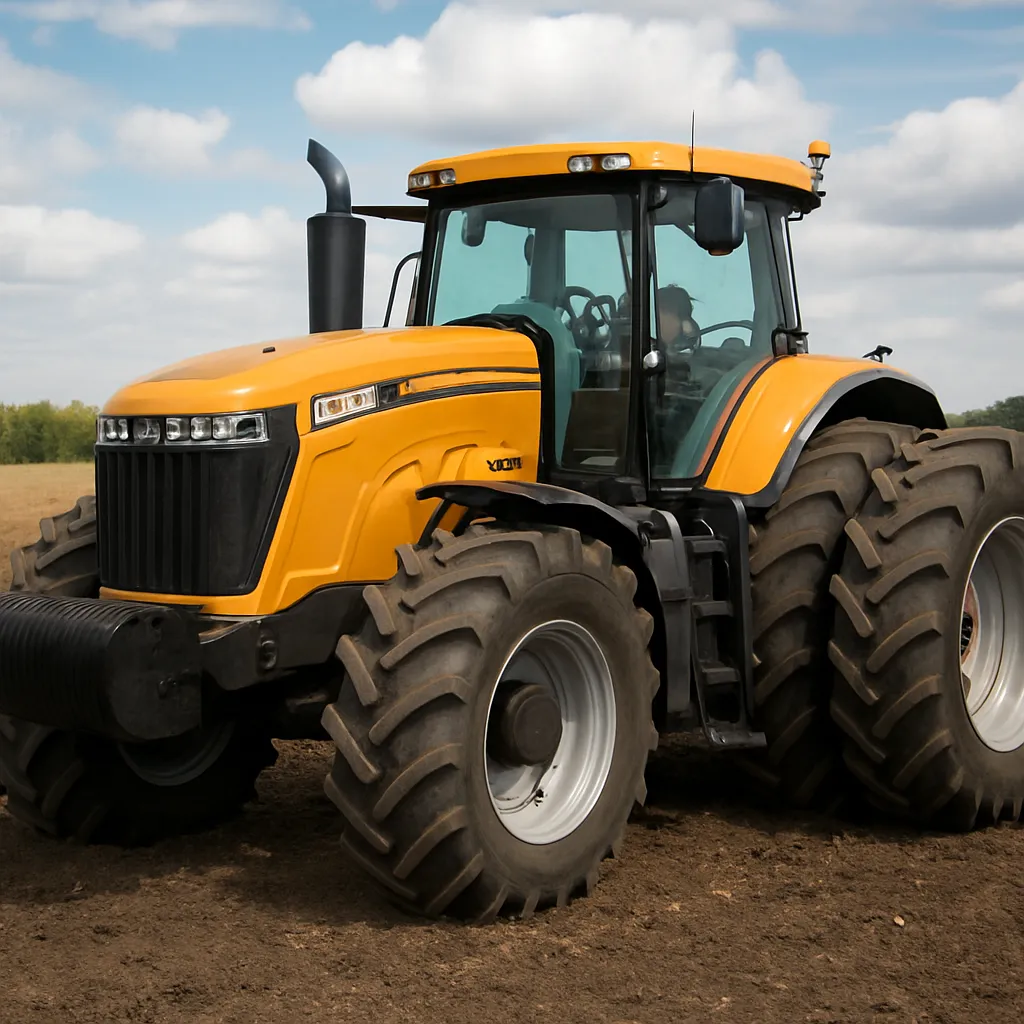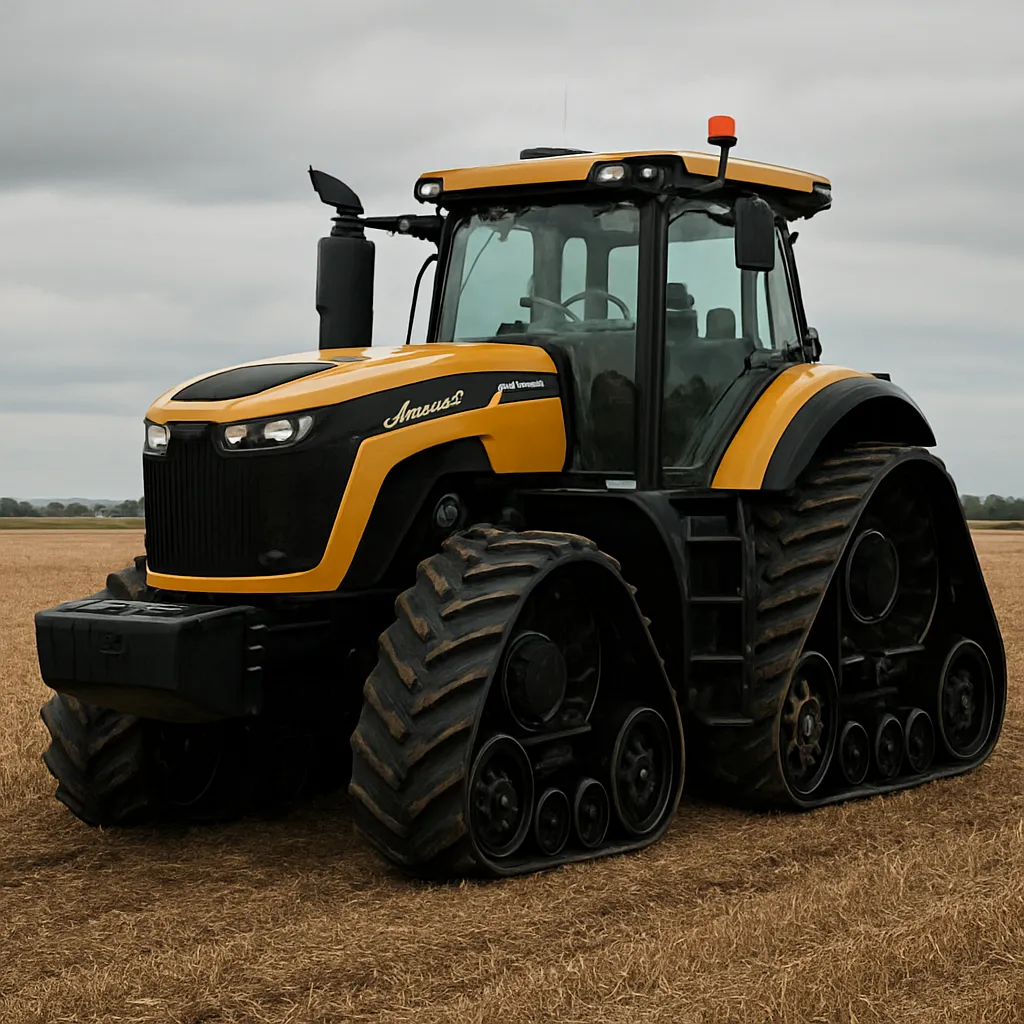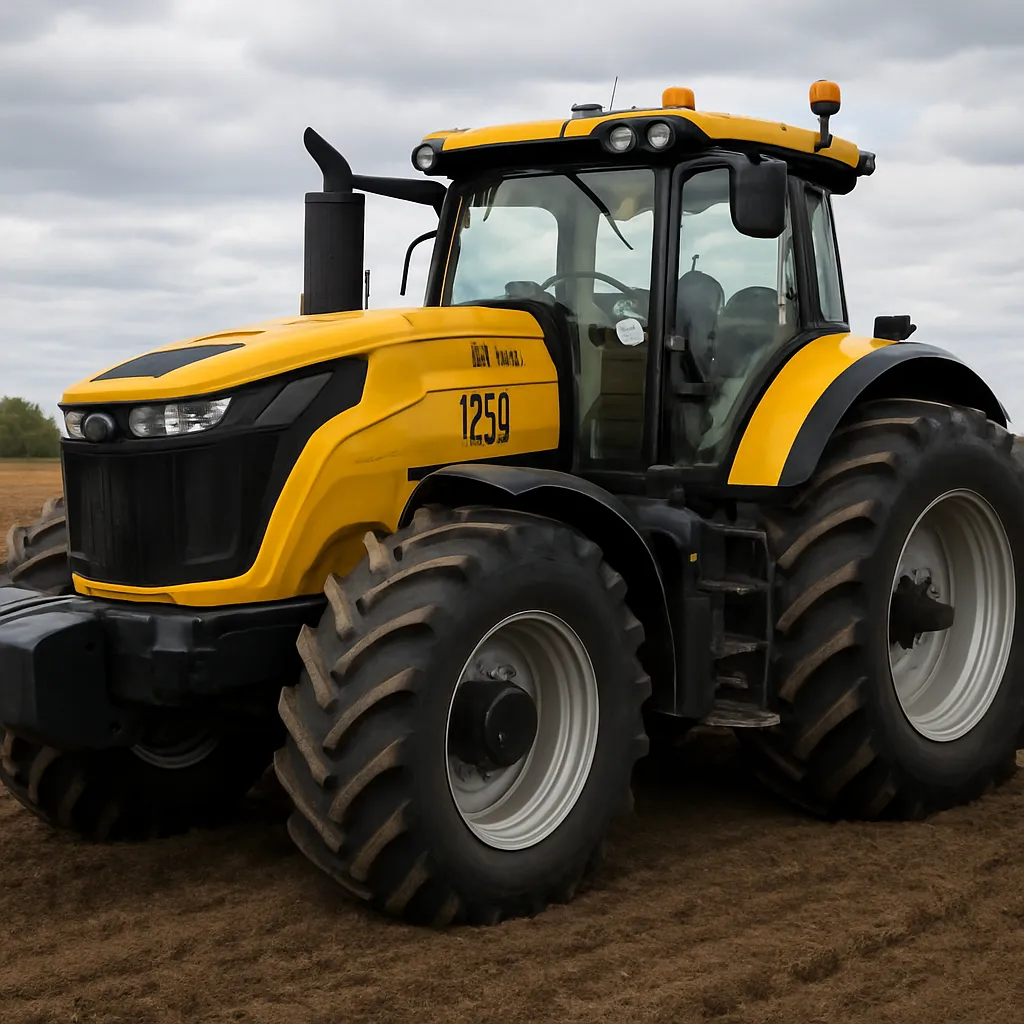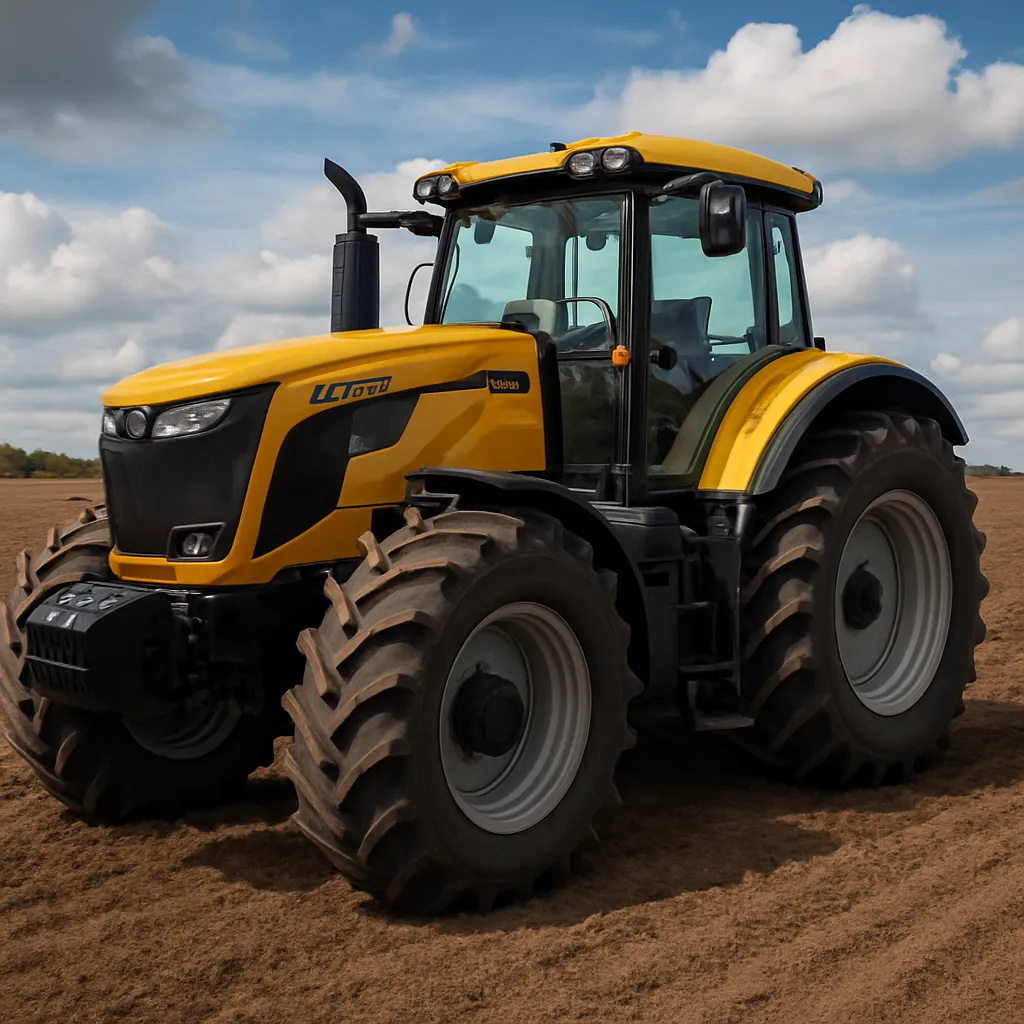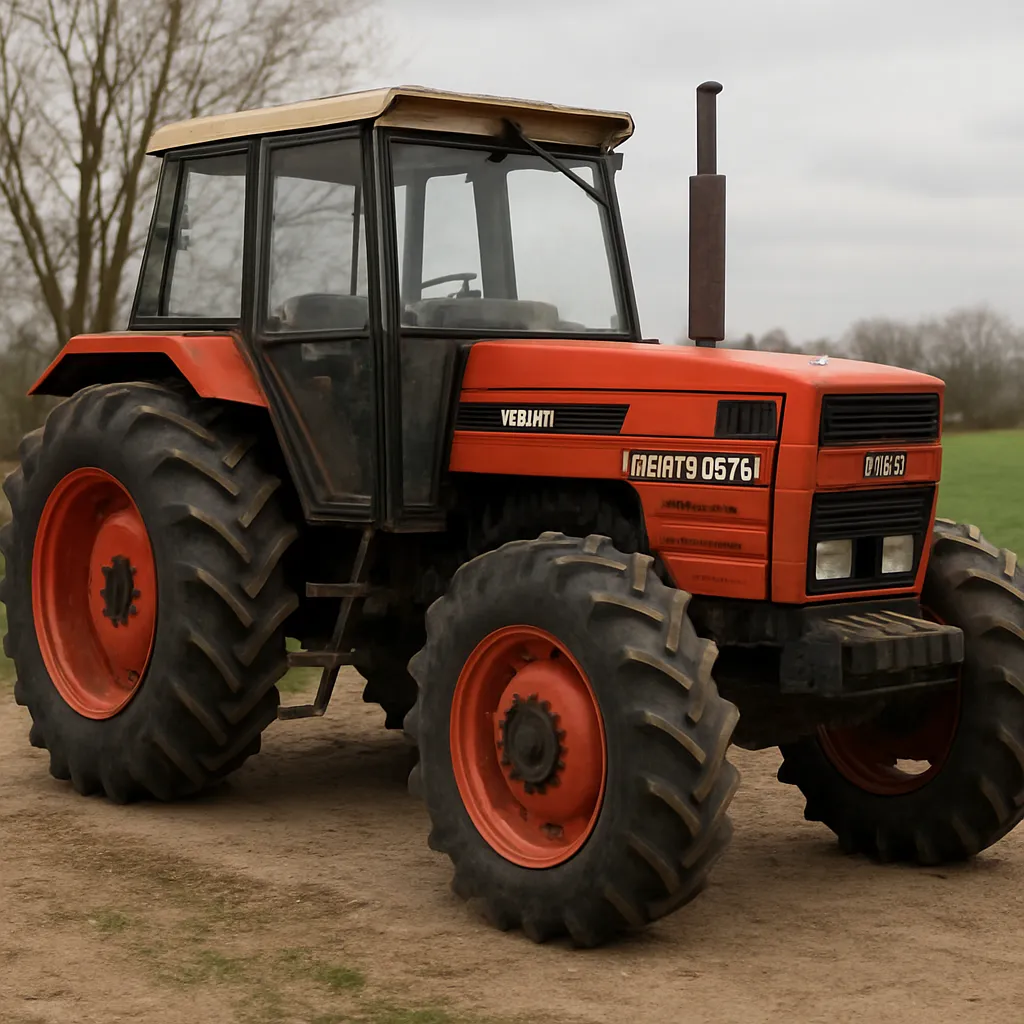
The SAME Tiger 190 HD is a heavy-duty agricultural tractor designed for demanding tasks on medium to large farms, contractors and specialty operations. Combining robust construction with versatile functionality, this model aims to deliver reliable power, efficient fuel use and adaptability to a wide range of implements. The paragraphs below outline its background, technical characteristics, practical applications, maintenance advice and market position, giving a comprehensive picture useful for farm managers, mechanics and buyers.
Overview and background
The Tiger family has long represented SAME’s approach to blending traditional mechanical reliability with modern features. The Tiger 190 HD is positioned as a high-capacity machine intended for operations where sustained drawbar and hydraulic performance are needed. The model name suggests a nominal power class near 190 horsepower, which places it in the upper-middle segment of agricultural tractors where versatility for both field and transport tasks is essential.
Historically, SAME has produced a range of tractors under the Tiger brand adapted to different markets. The “HD” suffix commonly denotes a heavy-duty specification: reinforced chassis, upgraded cooling systems, stronger axles and higher-capacity hydraulics to handle tough implements such as deep ploughs, heavy cultivators and large seeders. Depending on the year of manufacture and regional emissions regulations, Tiger 190 HD tractors may be configured with different engine control systems and emissions after-treatment packages.
Key technical features
Engine and performance
The Tiger 190 HD is typically powered by a robust diesel engine engineered for long service intervals and steady torque delivery at low engine speeds. Models in this power bracket focus on maximizing torque for pull and hydraulic power rather than high top speeds. Important engine-related characteristics include:
- Nominal power: around 190 horsepower (exact rating depends on variant and regional tuning).
- Torque-focused tuning for fieldwork, delivering high drawbar pull at modest rpm.
- Compliance with relevant emissions standards for the target market year (Stage IIIA/IIIB or equivalent in certain regions for older/newer units).
- Heavy-duty cooling and fuel systems designed for sustained operation under load.
Transmission and driveline
Transmission options on tractors of this class usually range from synchronised mechanical gearboxes to powershift or continuously variable transmissions (CVT) in later or premium configurations. The Tiger 190 HD emphasizes durability and versatility:
- Multiple forward and reverse gears to cover transport and working speeds efficiently.
- Optional powershift or semi-powershift variants for frequent speed changes without clutching.
- Heavy-duty rear axle and differential locks to maintain traction in demanding soil conditions.
Hydraulics and implement compatibility
Hydraulic capacity is a key element for a heavy-duty tractor. The Tiger 190 HD typically provides:
- High-flow hydraulic pumps for larger mounted and trailed implements.
- Multiple remote valves to operate complex equipment such as seed drills, folding cultivators or hydraulic top links.
- Substantial three-point hitch capacity at the rear to lift heavy tools safely and effectively.
- Front linkage and PTO options for front-mounted implements or snowploughs.
PTO, cabin and operator features
The presence of a reliable PTO unit with multiple speed options (such as 540/1000 rpm) is standard for this category, enabling a wide range of power-driven implements. Operator comfort and control are also important:
- Ergonomically arranged controls for fatigue reduction during long workdays.
- Well-insulated and optionally climate-controlled cabin for comfort and visibility.
- Instrumentation that provides diagnostics, engine and hydraulic monitoring for preventive maintenance.
Applications and typical use cases
The Tiger 190 HD is targeted at users who need a dependable workhorse able to handle big implements and long hours. Typical applications include:
- Deep tillage with multi-furrow ploughs and disc harrows on medium and large acreage farms.
- Seedbed preparation and heavy cultivations where consistent power and traction are essential.
- Seeding and planting with large trailed seed drills and planters.
- Baling and haymaking when towing large balers or mounted mowers.
- Transport and logistics on farm: hauling trailers, slurry tanks and large loads between fields.
- Contracting work and municipal roles such as snow clearing or road maintenance when fitted with front attachments.
- Forestry and orchard work where reinforced frames and robust hydraulics are required (with appropriate protection and modifications).
Because of its combination of torque, hydraulics and hitch capacity, the Tiger 190 HD is especially valued by contractors and large arable farms that need a single machine capable of performing many tasks without swapping to a larger tractor.
Practical advantages and notable design choices
Several practical features make the Tiger 190 HD appealing in everyday agricultural use:
- Durability: Reinforced components for long life under heavy loads.
- Serviceability: Straightforward access to routine maintenance points such as filters, oil dipsticks and cooling systems reduces downtime.
- Versatility: Compatibility with a broad range of implements owing to standardised hitch and PTO arrangements.
- Operator safety: Strong cab structure, ROPS (rollover protective structure) options and good visibility from the driving position.
Manufacturers of tractors in this class also emphasise the ease of fitting front loaders and other attachments. Quick-hitch systems and robust loader mountings allow the tractor to switch roles between fieldwork and material handling rapidly.
Maintenance, operating tips and lifecycle costs
Routine maintenance
To keep a Tiger 190 HD in top condition and preserve resale value, consistent maintenance is important. Key recommendations include:
- Adhere to the manufacturer’s oil and filter change intervals; heavy-duty use may require more frequent changes.
- Monitor cooling system performance and clean radiators regularly to prevent overheating under load.
- Inspect hydraulic hoses and fittings for wear; replace any components showing cracking or leakage.
- Check PTO and driveline joints for play and lubrication needs to avoid catastrophic failures when operating high-inertia implements.
Fuel efficiency and operating economy
Fuel consumption varies widely with task, ground conditions and implement load. Operators typically find that matching engine rpm and gear selection to the implement’s power demand can reduce fuel use and wear. Investing in regular filter changes, correct tire pressures and aligned hitch settings can also improve fuel economy. Lifecycle costs should factor in the initial purchase, fuel, maintenance, and expected downtime — heavy-duty tractors often pay back through reliability and fewer repair interruptions when properly maintained.
Resale and longevity
Tractors like the Tiger 190 HD that receive proper care commonly have long service lives measured in tens of thousands of hours. Resale value depends on recorded maintenance history, hours, the condition of the drivetrain and the presence of any upgrades such as enhanced hydraulics or modern telemetry systems. Buyers often look for documented service records as a sign of responsible ownership.
Variants, market position and comparison
Within the SAME lineup and the broader marketplace, the Tiger 190 HD competes with similarly rated tractors from other manufacturers offering comparable power and features. Differences usually come down to:
- Transmission technology (mechanical vs. powershift vs. CVT).
- Hydraulic flow capacity and number of remote valves.
- Cabin comfort and optional electronic assistance systems such as GPS-ready precision farming equipment.
- Price and regional dealer support network.
For many buyers, the decision is influenced by local service availability, dealer parts stock and the tractor’s proven reliability in local soil and climate conditions. SAME’s reputation for sturdy tractors makes the Tiger line a sensible choice in markets where hands-on service and long-lasting mechanical systems are preferred.
Safety, training and attachments
Operator training is essential for safe and efficient use. Important safety and usage points include:
- Understanding trailer hitch limits and load balance to prevent overturning or loss of control.
- Using appropriate guards on power take-off shafts and following safe start/stop procedures.
- Properly mounting front loaders and configuring counterweights when necessary.
- Adopting modern precision farming accessories (auto-steer, telematics) carefully: they require calibration and operator understanding to avoid costly errors.
Attachment compatibility is broad: ploughs, seeders, planters, cultivators, spreaders, sprayers, balers and front loaders are commonly used with a tractor of this size when matched to the recommended three-point hitch and PTO specifications.
Data, statistics and what to expect in numbers
Specific numerical data for the Tiger 190 HD can vary by production year, market and configuration. As a general guideline for tractors in this class:
- Engine output is approximately 190 hp (nominal), with maximum torque figures varying by engine tuning.
- Operating weight often falls in a range compatible with heavy implements; these tractors are designed with reinforced frames and axles to manage loads safely.
- Hydraulic flow rates for heavy-duty variants may exceed 100 liters per minute, depending on pump configuration and auxiliary systems.
- PTO options typically include standard 540/1000 rpm selection; some models offer economy or ground-speed PTO modes.
Because precise figures depend on the exact model variant, optional equipment and regional compliance packages, prospective buyers should consult official technical sheets or dealers for exact horsepower ratings, torque curves, fuel tank capacity, axle loads and hydraulic flow numbers for the specific machine they intend to purchase.
Buying considerations and final remarks
When contemplating the purchase of a Tiger 190 HD, evaluate the following:
- Match machine capabilities to the heaviest implement you will use most frequently rather than occasional needs.
- Inspect service history and confirm the availability of spare parts through the local dealer network.
- Consider optional features such as advanced transmissions, GPS guidance readiness, upgraded hydraulics or front linkage if you anticipate varied tasks.
- Test drive under load when possible to assess comfort, visibility and power delivery characteristics.
Ultimately, the Tiger 190 HD is engineered to be a dependable, adaptable machine for demanding agricultural and contracting work. With the right configuration and consistent care, it can provide years of productive service across a wide spectrum of farm and industrial tasks.