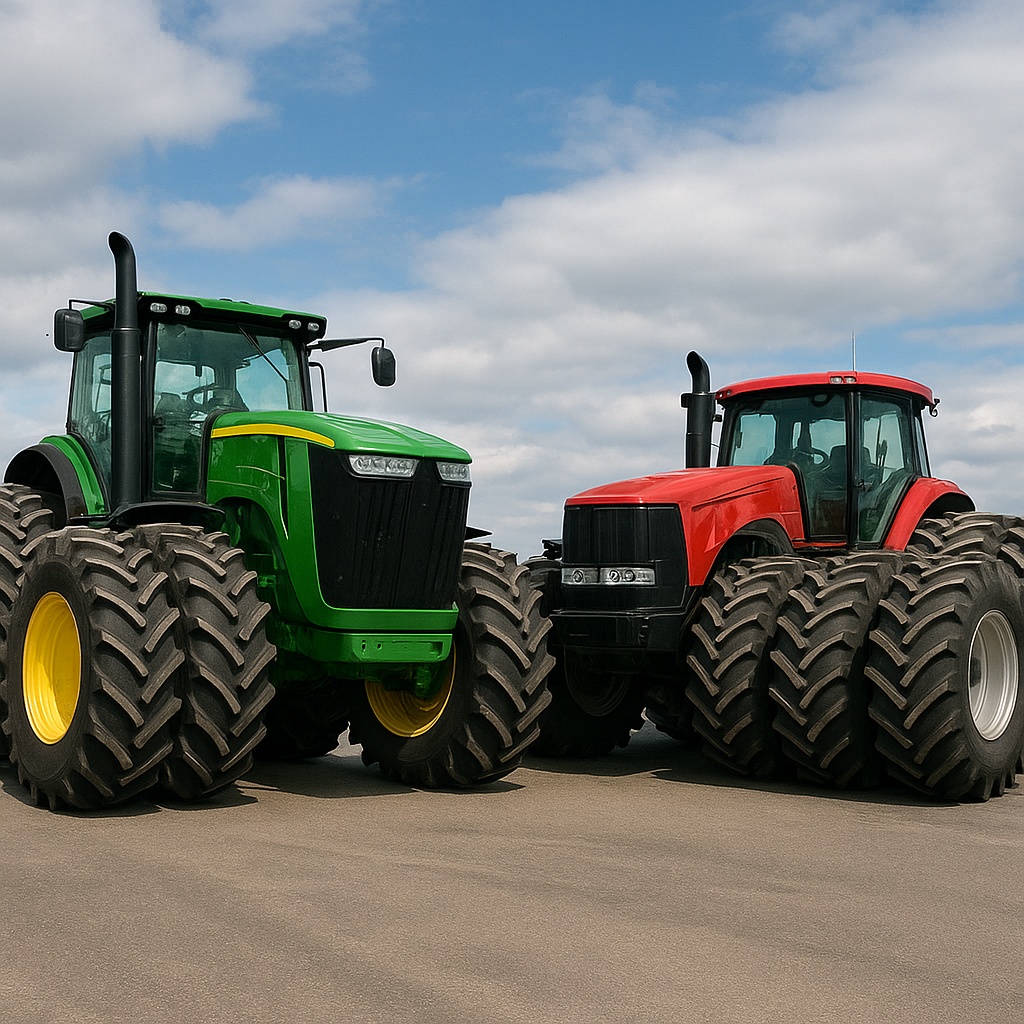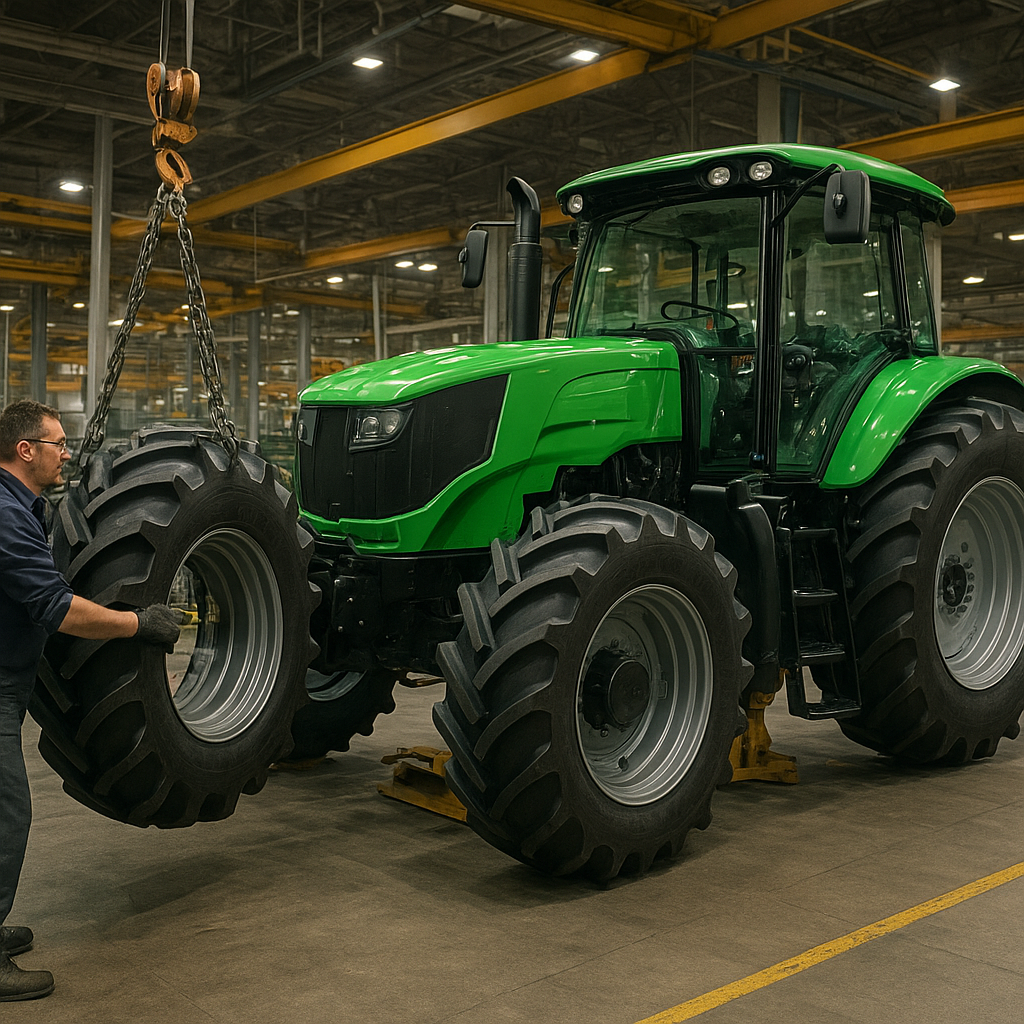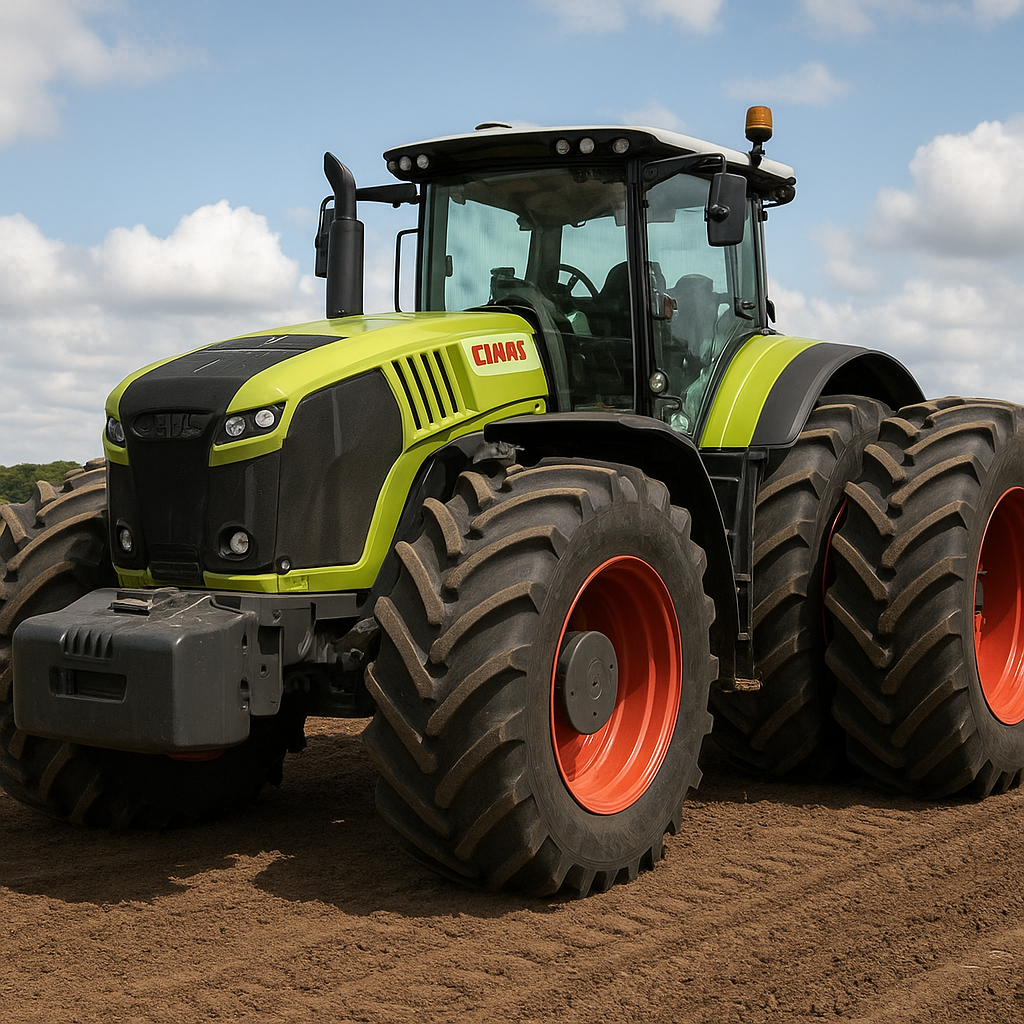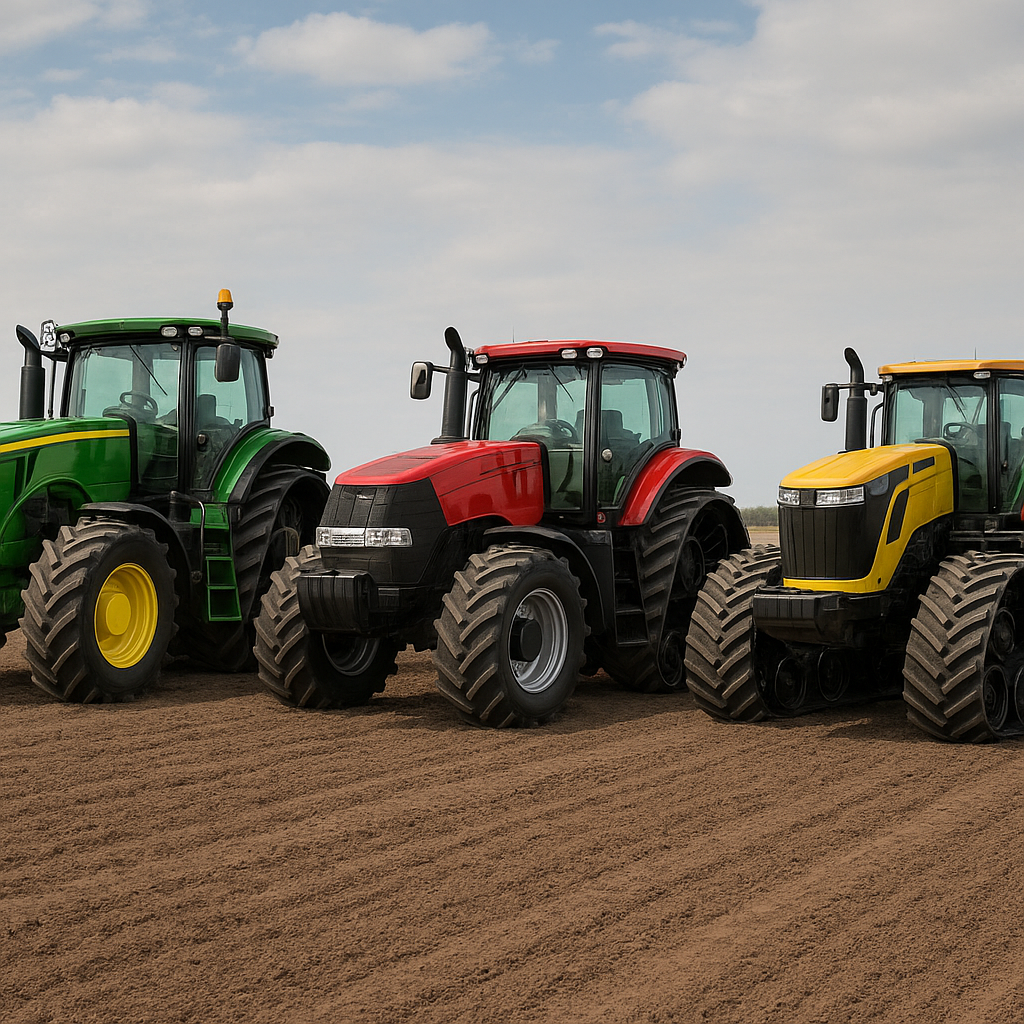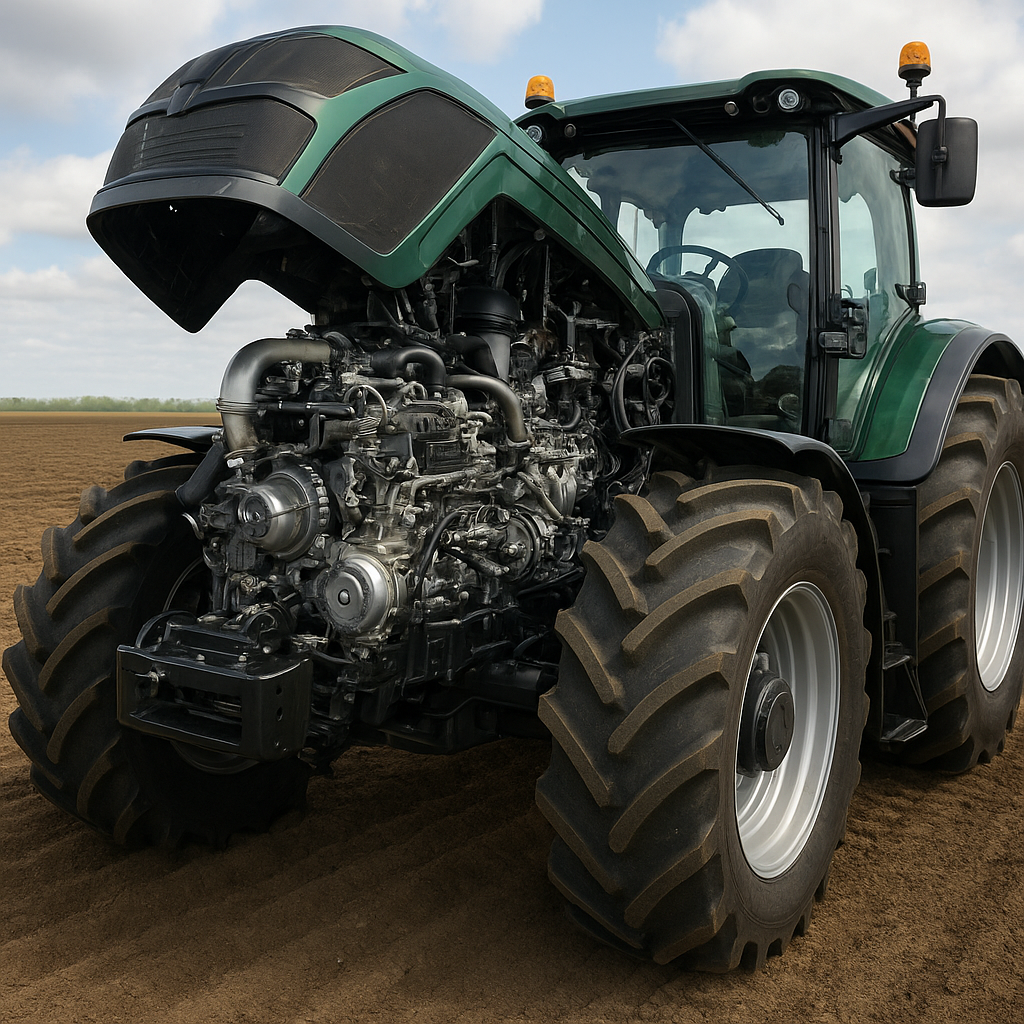
The evolution of agricultural machinery has given rise to an era of unprecedented scale and power, where colossal vehicles redefine the boundaries of productivity. These mechanical giants combine raw strength with cutting-edge technology to handle demanding tasks across vast farmland. Understanding the intricacies behind their operation reveals the engineering marvels driving modern farming forward.
Design Foundations of Modern Mega Tractors
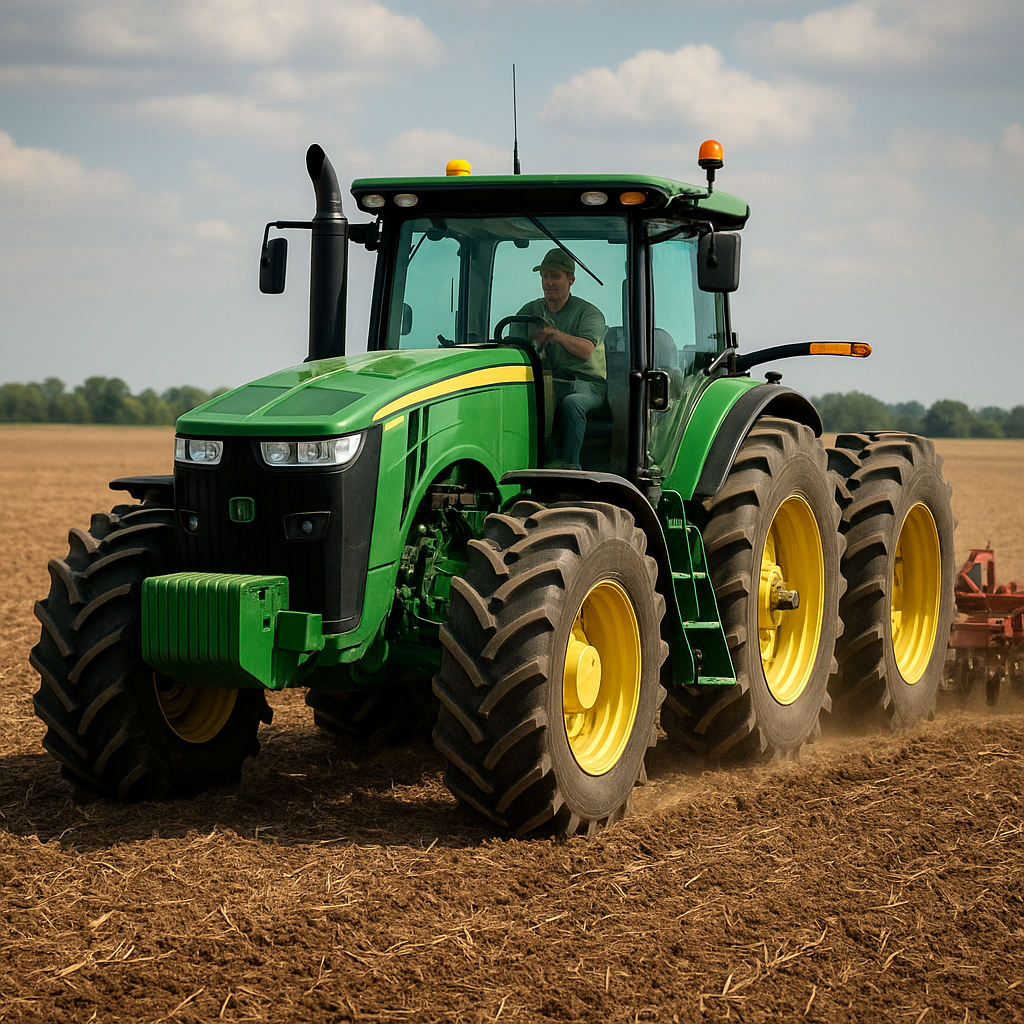
At the heart of every robust field machine lies a carefully engineered chassis and cab platform designed for durability and operator comfort. Frame structures are constructed from high-tensile steel alloys to withstand immense loads and rough terrain. Suspensions incorporate hydraulic shock absorbers and adaptive damping systems to cushion jolts and maintain stability during transport and heavy-duty tasks. Ergonomic cabins include climate control, panoramic visibility, and intuitive controls to reduce operator fatigue over long working hours.
- Reinforced frame with modular mounting points for implements
- Advanced suspension geometry to ensure traction and ride comfort
- Spacious cab with noise reduction and vibration isolation
- Integrated safety features such as rollover protection and collision alerts
These design choices set the stage for the potent powertrain systems that give mega tractors their trademark performance.
Advanced Powertrain Components
Power delivery in today’s heavy-duty tractors relies on a symphony of specialized components working in harmony. Manufacturers focus on maximizing both output and reliability under extreme conditions.
High-Output Engine Platforms
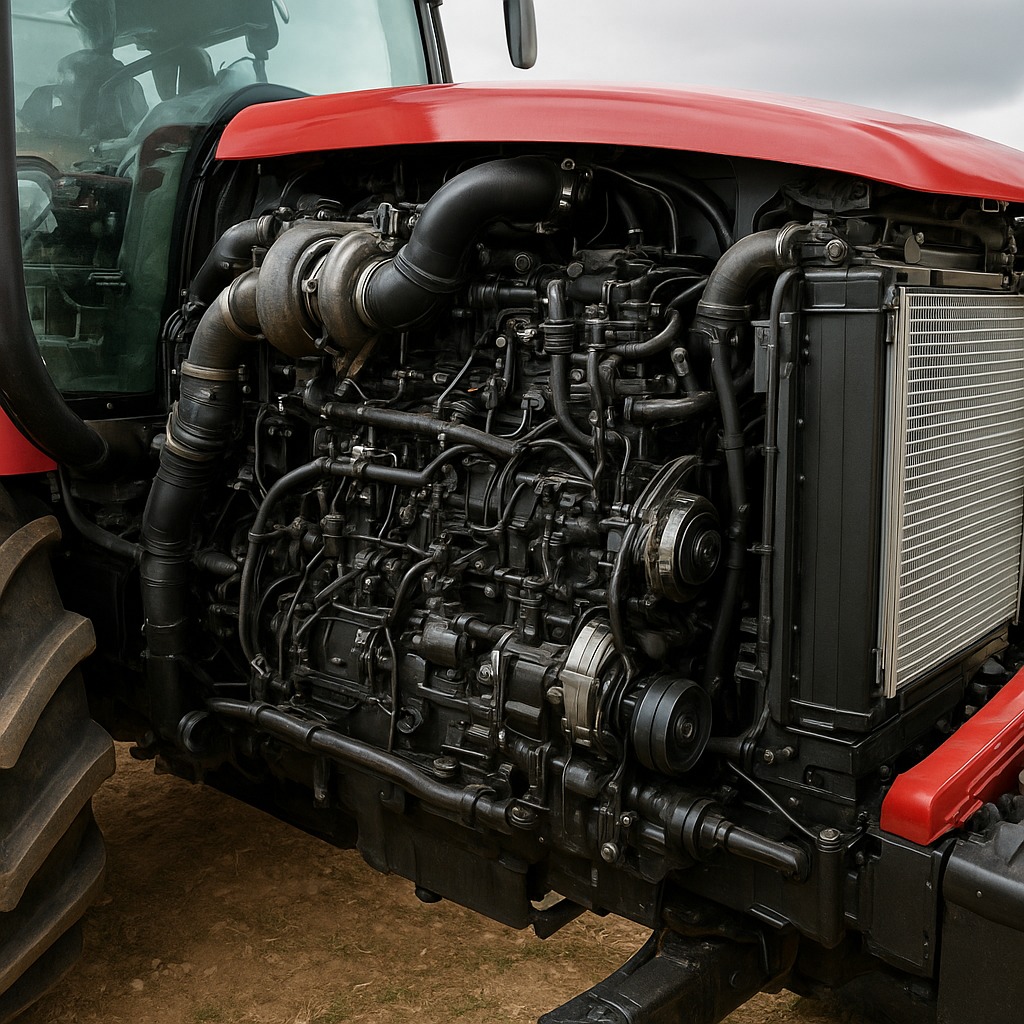
Modern machines harness multi-cylinder diesel units that produce thousands of rated horsepower. Common rail direct injection systems regulate fuel delivery with precision, optimizing combustion and reducing emissions. Turbochargers and intercoolers force more air into the cylinders, boosting power density while maintaining thermal management.
- Engine block materials typically feature cast iron or compacted graphite iron alloys for strength
- Electronically controlled injectors deliver multiple injection events per cycle
- Variable geometry turbochargers adjust boost based on load requirements
- Selective catalytic reduction and diesel particulate filters ensure compliance with emissions regulations
Transmission Technologies
Transferring that energy to the ground involves state-of-the-art gearboxes and torque converters. Continuously variable transmissions (CVT) are common in high-end models, allowing seamless speed changes without gear steps. Power-shift transmissions offer preloaded clutch packs to shift under full load for minimal interruption.
- Transmission ratios optimized for both fieldwork and transport
- Multiple power flow paths to distribute torque between wheels evenly
- Electronic slip control systems monitor and adjust clutch engagement
These systems work together to provide smooth acceleration and maximum pulling power.
Hydraulic Circuits and PTO Integration
Hydraulic systems deliver force to implements such as plows, seed drills, and sprayers. Variable displacement pumps adjust flow rates dynamically to match demand, improving efficiency and reducing fuel consumption. Load-sensing circuits enable precise implement control, while proportional valves offer fine-tuned response.
- Hydraulic pressure ratings can exceed 300 bar for heavy-lift capabilities
- Multiple outlets for simultaneous implement operation
- Rear and mid-mounted power take-off units (PTO) for versatility
Advanced PTO management ensures implements receive consistent power, even under rapidly changing conditions.
Performance and Field Integration
The synergy between raw mechanical force and digital intelligence transforms how mega tractors perform on the field. Sophisticated sensors, controllers, and connectivity suites work in concert to enhance productivity and resource management.
Horsepower and Torque Management
Peak horsepower ratings in modern mega tractors often exceed 600 HP, backed by impressive torque curves that maintain pulling strength at low engine speeds. Adaptive engine maps adjust injection timing and boost levels to match terrain, soil conditions, and implement load, ensuring optimal fuel use and minimal wheel slip. Real-time feedback loops between engine control units and transmission controllers maintain the perfect balance between acceleration and power output.
Traction and Chassis Dynamics
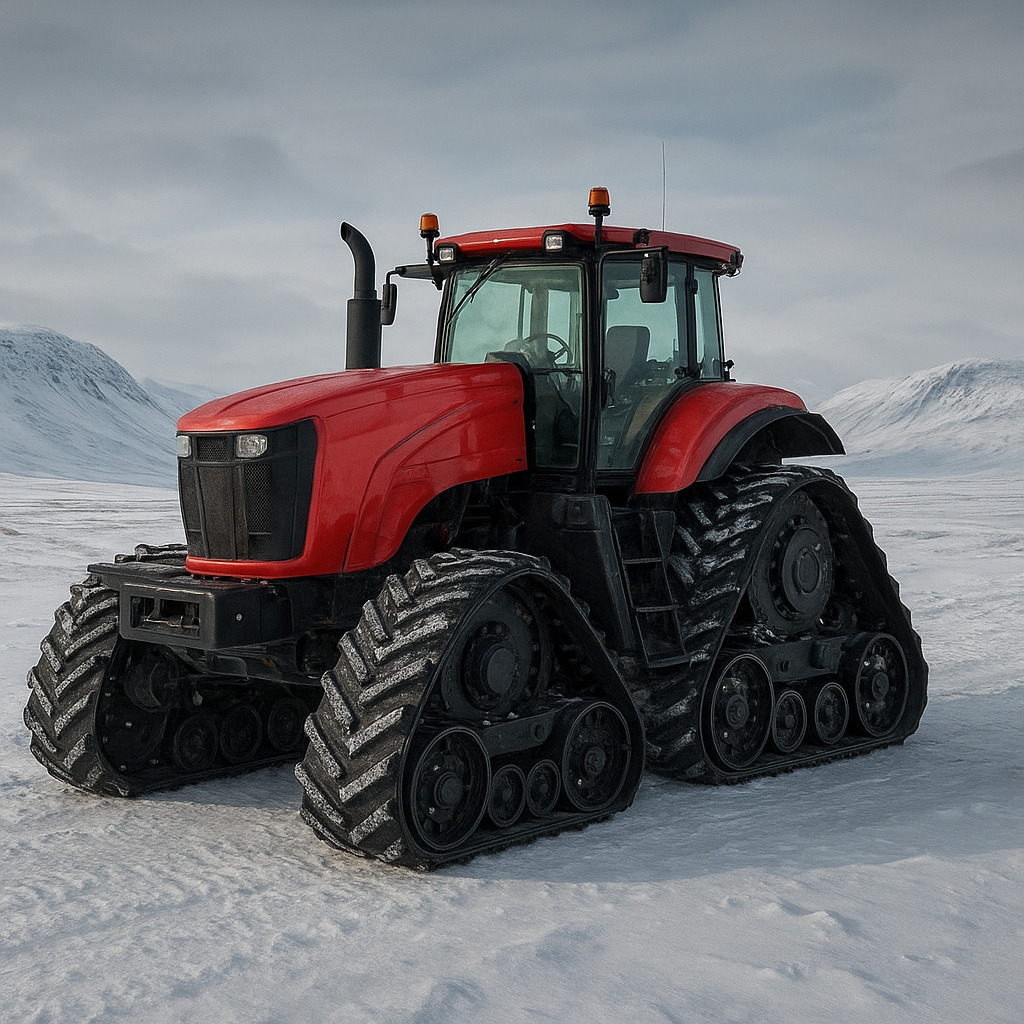
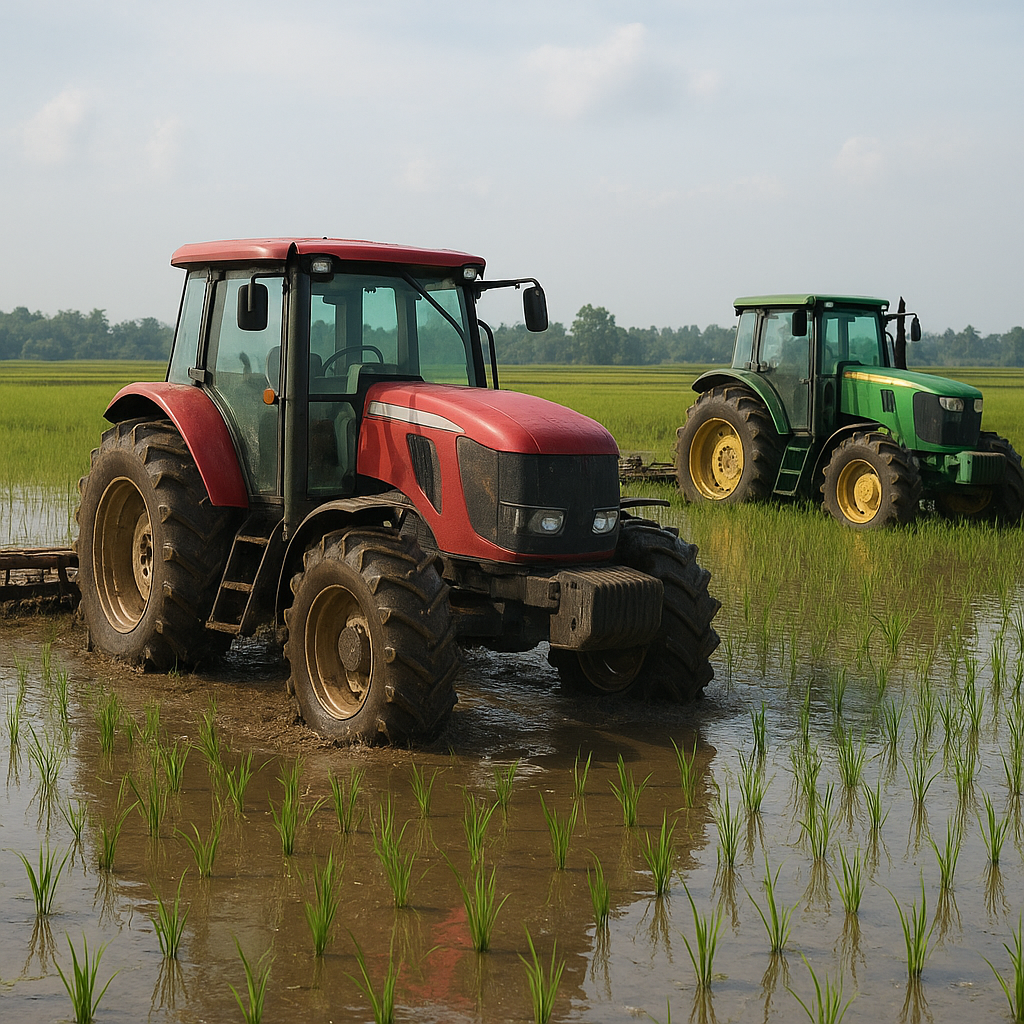
Four-wheel drive systems distribute torque intelligently to maximize grip in muddy or uneven fields. Electronic differentials lock automatically when slippage is detected. Some models feature track options, using rubber or steel tracks to spread weight over a larger area, reducing compaction and improving flotation on soft soil. Adjustable tire inflation systems can alter pressures on the go, tailoring contact patch sizes to current working conditions.
Precision Farming through Telematics
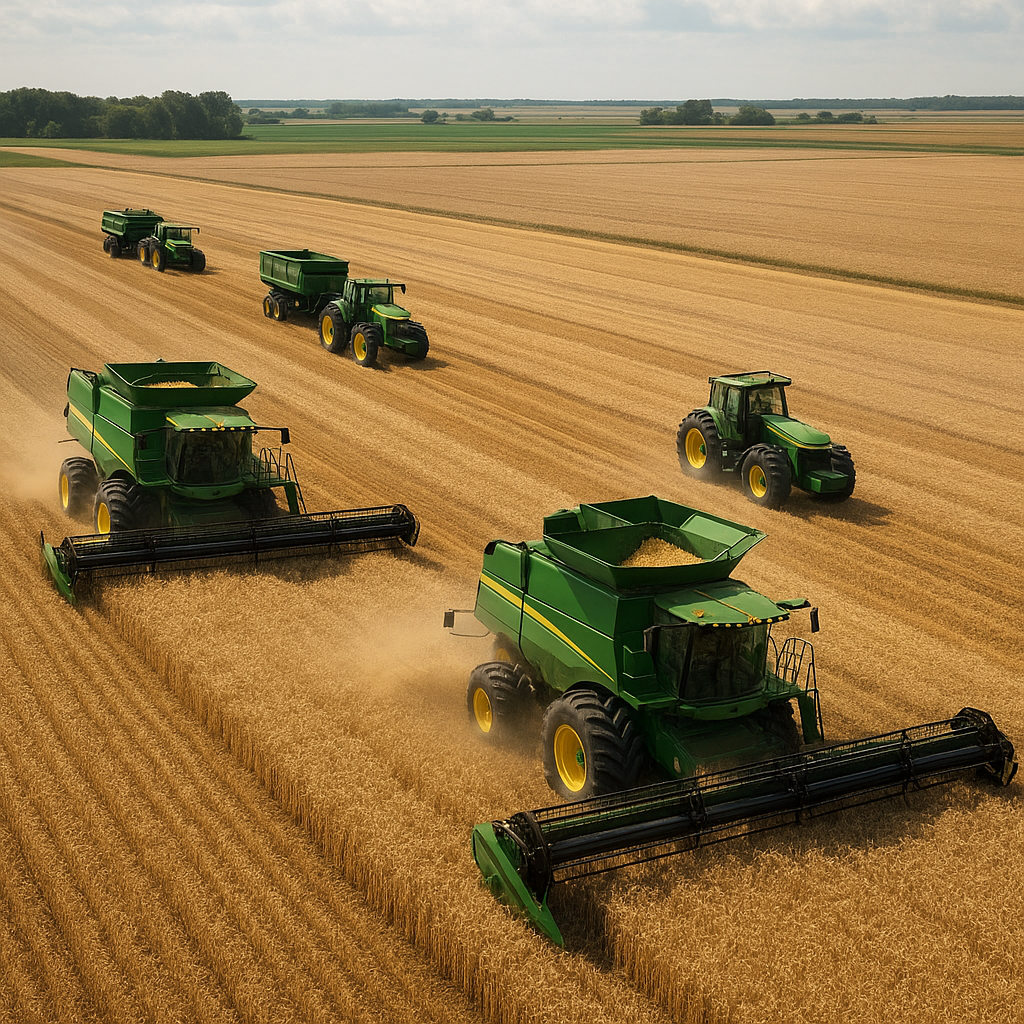
Integration of GPS, remote sensing, and data analytics unlocks unprecedented levels of precision agriculture. Onboard computers record application rates, fuel consumption, and pass-by-pass coverage maps. Farmers can monitor machine health and location via cloud-based platforms, receiving alerts for maintenance intervals or component anomalies. This connected ecosystem supports better decision-making, reduces waste, and improves overall operational efficiency.
- Telematics units track performance metrics and deliver diagnostic codes remotely
- Auto-steering reduces operator overlap and ensures straight, accurate passes
- Variable rate technology adjusts input delivery in real time based on field variability
Innovations Shaping the Next Generation
Looking ahead, the next wave of mega tractors will harness alternative power sources, autonomy, and advanced materials. Hybrid diesel-electric drivetrains promise to capture braking energy and supplement peak loads with electric torque, further enhancing fuel economy. Synthetic fuels and hydrogen combustion engines are under development to reduce the carbon footprint of heavy machinery.
Autonomous guidance systems will enable swarms of robotic tractors to coordinate without human intervention, communicating via mesh networks to optimize routing and workload distribution. Lightweight composite structures and 3D-printed components are poised to reduce mass while retaining strength, paving the way for even larger implements without excessive soil compaction. These emerging trends illustrate the relentless drive toward more powerful, more efficient, and more intelligent agricultural vehicles.