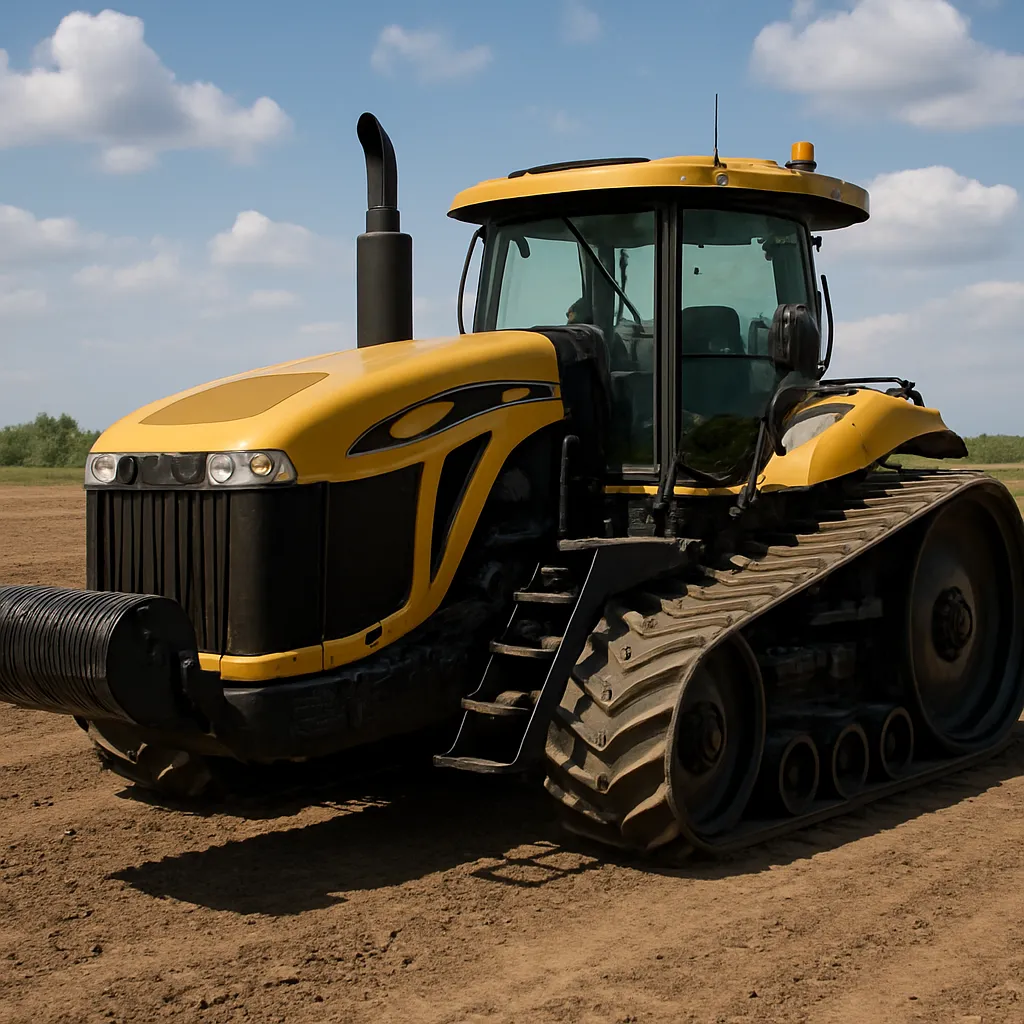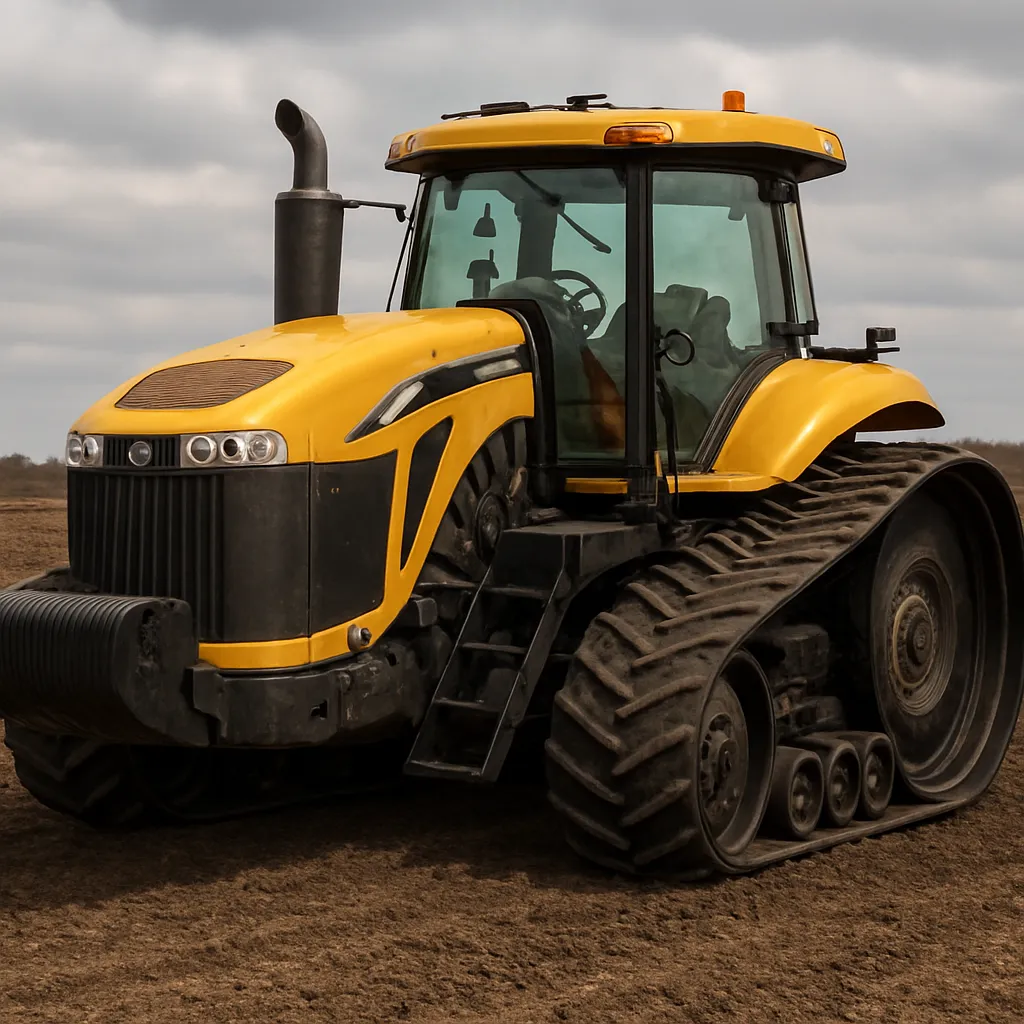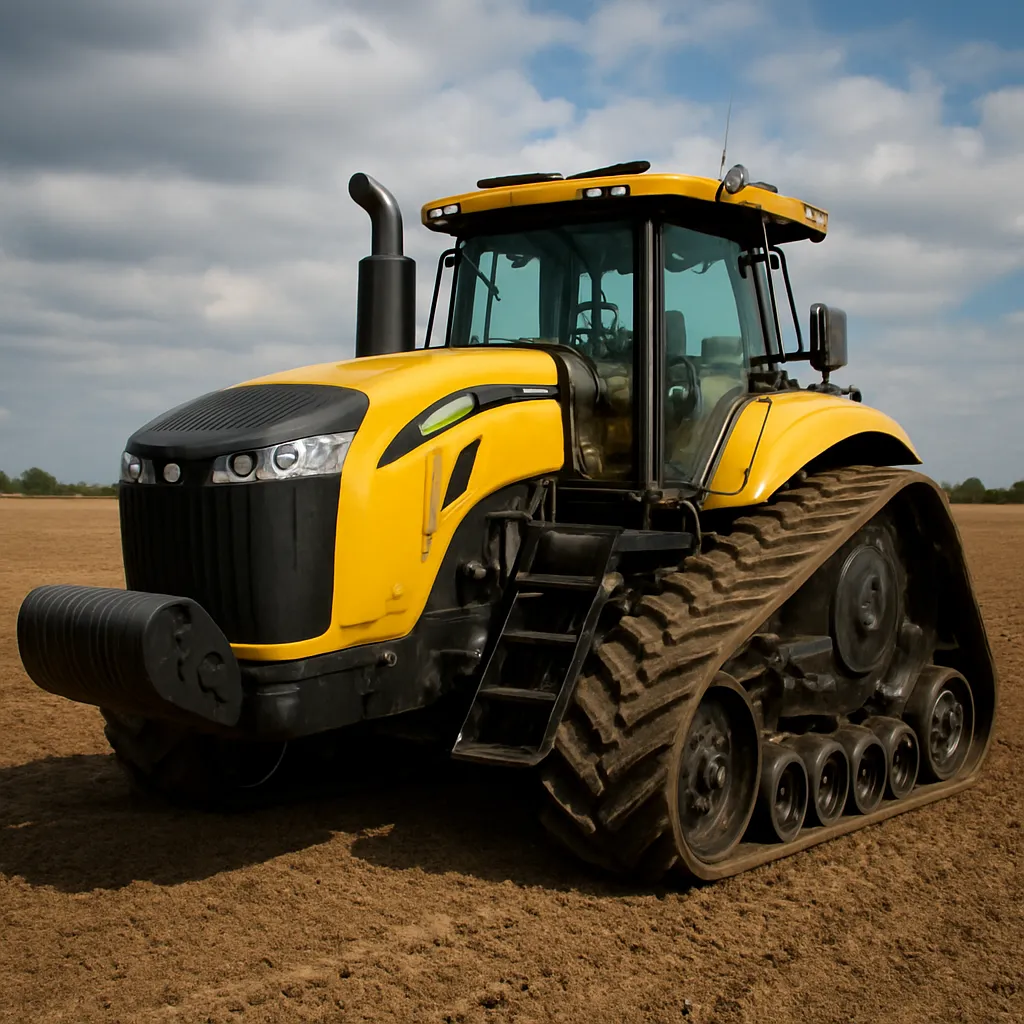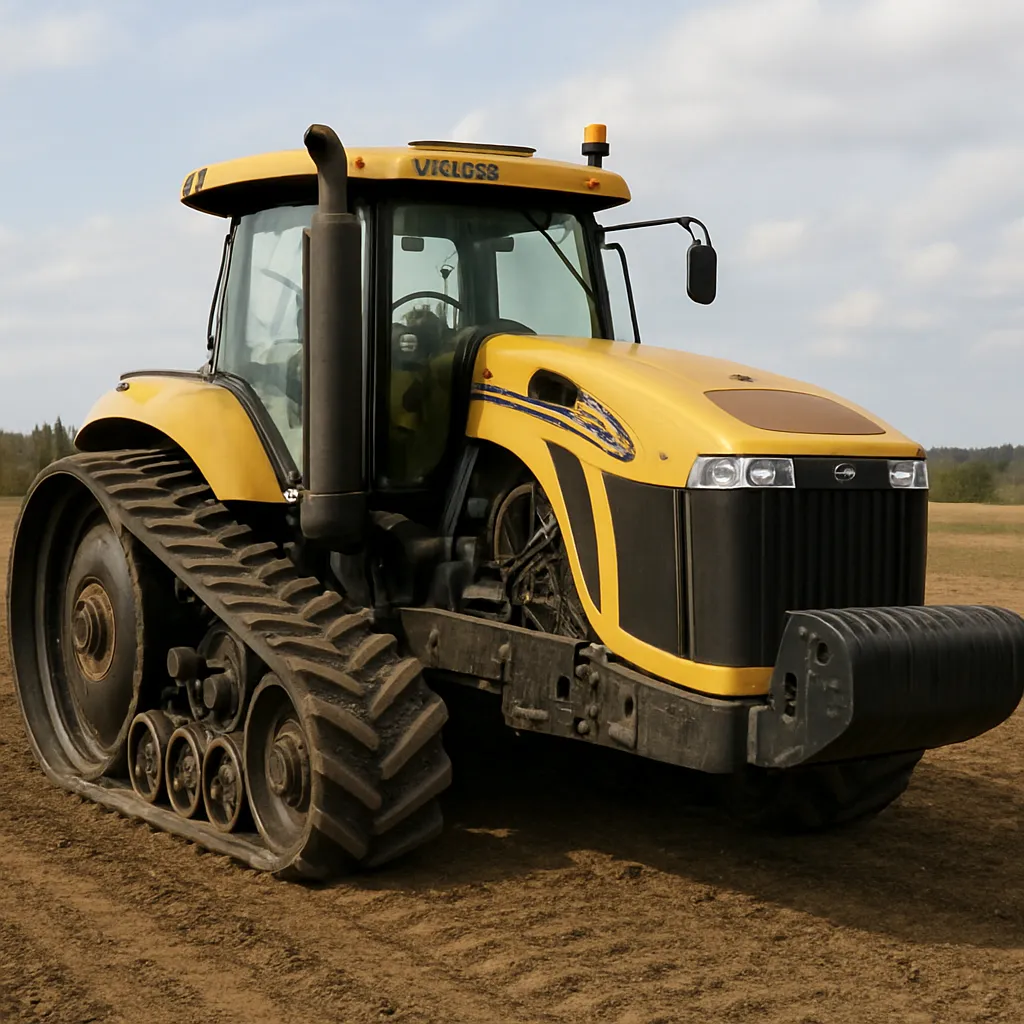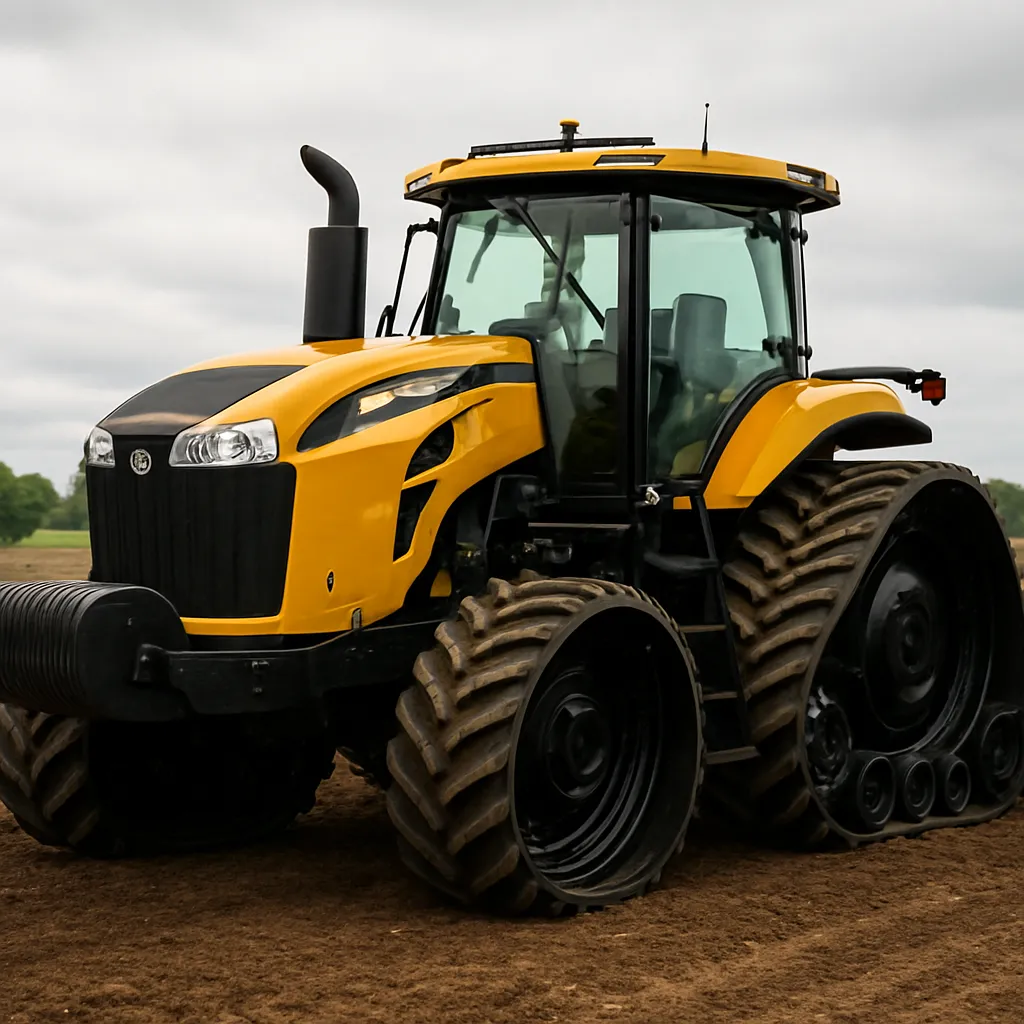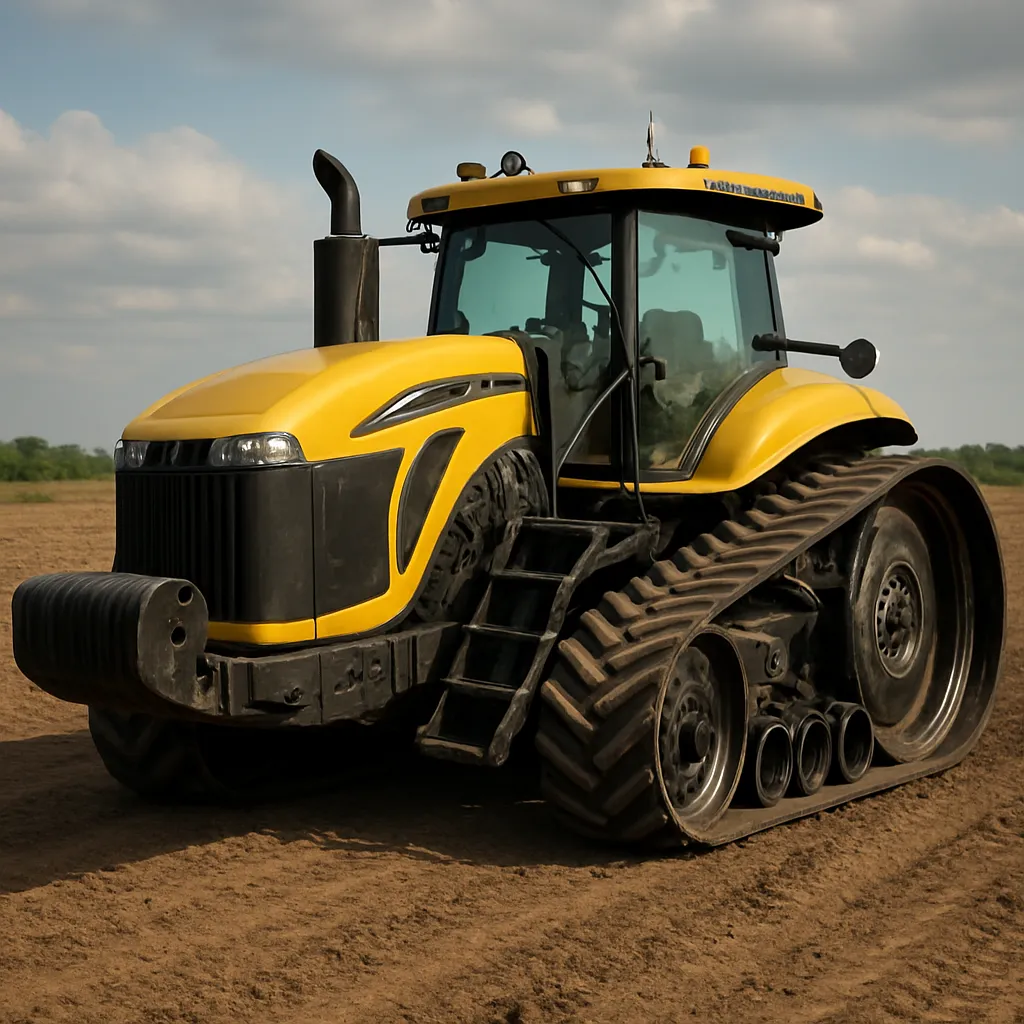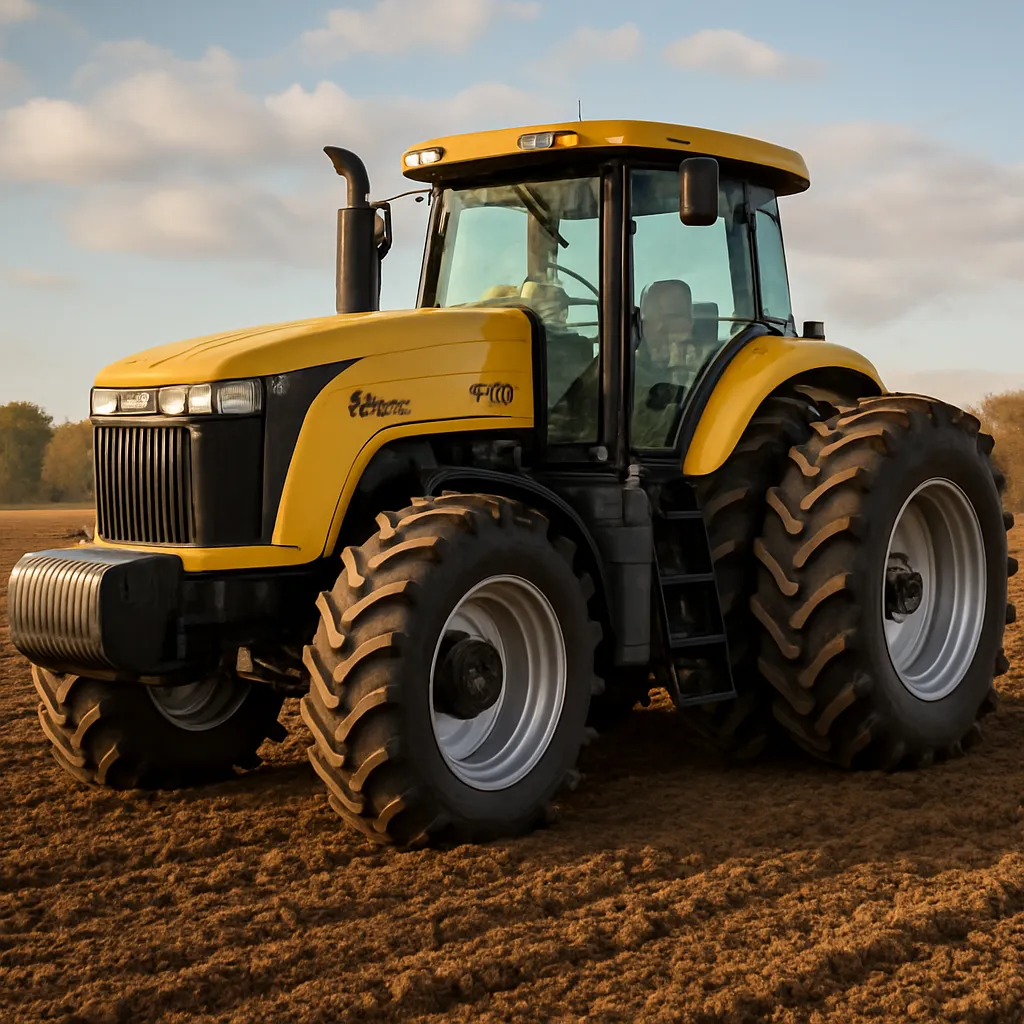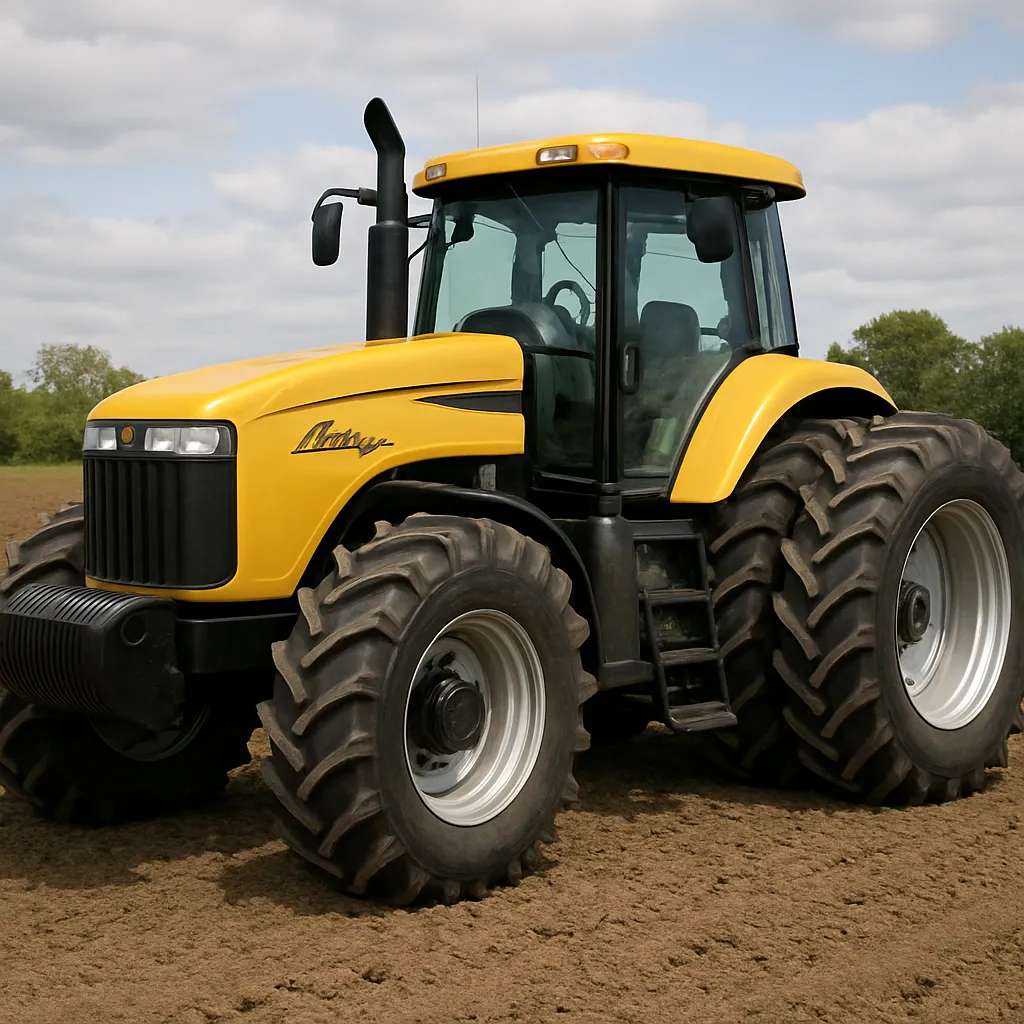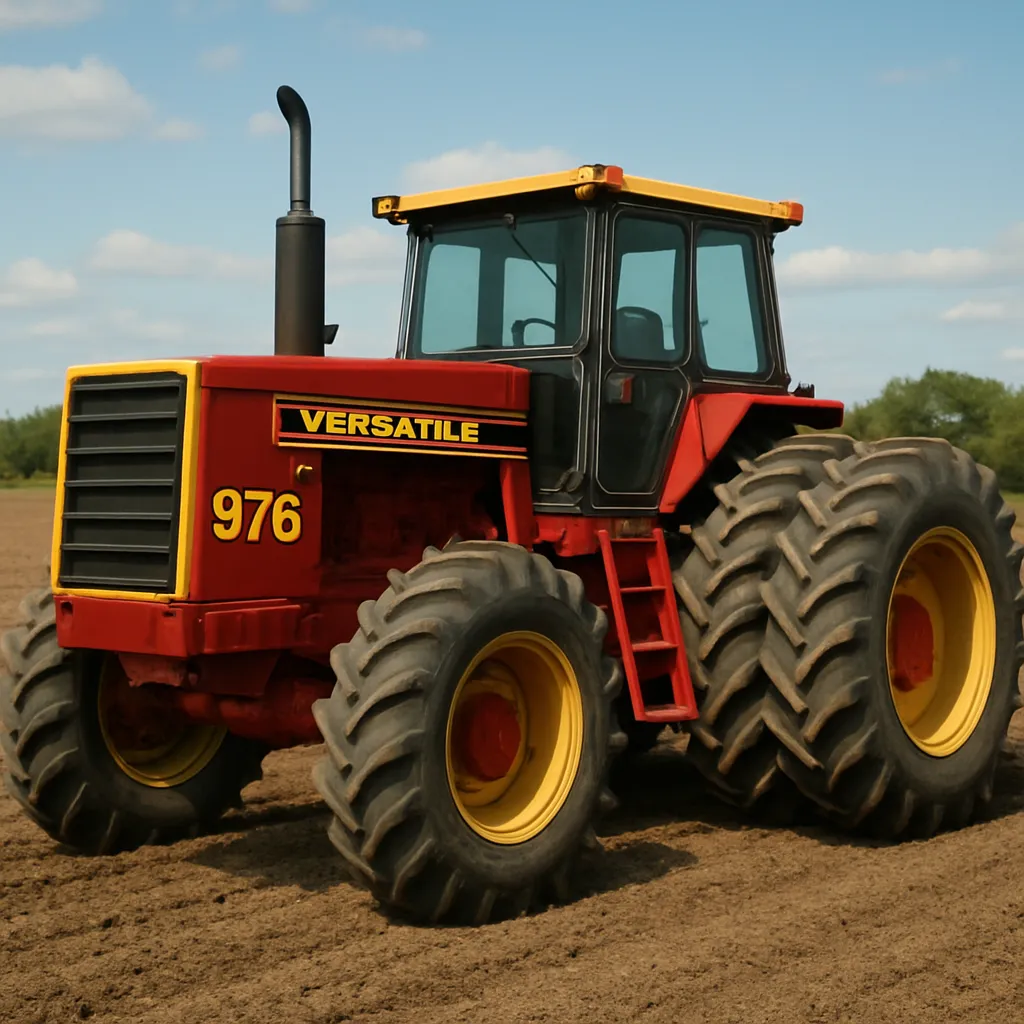
The Versatile 976 is a robust agricultural tractor designed to meet the demands of large-scale farming and heavy fieldwork. Known for its solid construction and practical engineering, the Versatile 976 combines dependable power with a straightforward layout that appeals to operators who need a machine that is both capable and maintainable. This article examines the tractor’s history and background, technical features and performance, typical applications, maintenance and operational considerations, market position, and buying advice for prospective owners.
Overview and background
The Versatile brand has long been associated with heavy-duty, plain-spoken tractors built for tough conditions. The model 976 sits within that tradition as a machine aimed at contractors and farmers who require reliable traction, substantial pulling power, and equipment adaptability for a variety of implements. While Versatile has produced multiple series and model updates over the years, the 976 consistently represents a mid-to-high power, four-wheel-drive platform intended for primary tillage, seeding, and heavy transport tasks on the farm.
The design philosophy behind the Versatile 976 centers on practical durability rather than boutique electronics. That means the tractor typically favors accessible service points, robust drivetrain components, and a cab that emphasizes visibility and operator comfort without excessive complexity. This makes the 976 attractive for operations where uptime and straightforward repairs are key considerations.
Technical features and performance
The Versatile 976 is characterized by a combination of engine output, drivetrain durability, and hydraulic capacity that enables it to handle large implements and extended workdays. Below are the primary technical areas to consider for this model.
Powertrain and engine
At the heart of the 976 is a turbocharged diesel engine designed for steady torque delivery across the rev range. Depending on the configuration and market, the typical power band for the 976 falls in the mid- to upper-hundred kilowatt range—commonly described in agricultural literature as around 300–350 horsepower. The engine management and turbocharging focus on providing strong low-end torque for pulling large tillage tools and carrying heavy mounted equipment.
Versatile models such as the 976 are frequently fitted with engines from reputable manufacturers and are tuned for agricultural duty cycles: long periods at medium load with occasional peak loads. Cooling systems, air intakes, and filtration are designed to cope with dusty field environments, while service points such as filters and fluid drains are laid out to be reachable without specialized tools.
Drivetrain and transmission
The 976 typically features a full-time four-wheel drive system with heavy-duty axles and final drives suitable for high traction tasks. Transmission options historically offered for Versatile tractors include stepped powershift units and more modern continuously variable or power-sensing gearboxes in some markets. The key is delivering smooth torque transfer and the ability to maintain consistent ground speed when pulling demanding implements like large plows or multi-section seeders.
Hydraulics and hitch capacity
Hydraulic capacity is a critical factor for operations using air seeders, planters, or hydraulic tillage implements. The 976 typically offers robust hydraulic flow rates and multiple remote spool valves to control a multitude of hydraulic functions. The three-point hitch and drawbar capacities are engineered to handle heavy mounted equipment, which makes the 976 well-suited for primary tillage and heavy seeding applications where implement weight and control are significant.
PTO and implement compatibility
Power take-off (PTO) systems on tractors like the 976 are designed for both 540 and 1000 rpm implements, ensuring compatibility with a wide range of harvesting and PTO-driven equipment. The PTO coupling and driveline are reinforced to withstand the torque loads associated with large balers, cutters, and other PTO-driven machinery.
Tires, ballast and weight distribution
Because the 976 is intended for heavy traction tasks, it is commonly fitted with large flotation or row-crop tires depending on the intended use. Ballasting options allow operators to tune weight distribution for better traction without excessive soil compaction. Proper ballast and tire selection are essential to achieve optimal field performance and implement control.
Performance statistics (typical and approximate)
- Approximate engine output: 300–350 HP (depends on configuration)
- Operational weight (ballasted): commonly in the range of 9,000–12,000 kg (varies by setup)
- Hydraulic flow: designed to support multi-valve setups and high-demand hydraulic implements
- PTO speeds: standard 540/1000 rpm compatibility
- Fuel capacity: sized for full-day fieldwork with large tanks and efficient consumption management
Note: exact numbers will vary by year, regional configuration, and factory options. When evaluating a specific unit, consult the serial number and factory plate for the definitive specification.
Applications and operational use
The Versatile 976 is predominantly used in operations where traction and consistent pulling force are vital. Its blend of power and durability lends itself to the following primary applications:
- Primary tillage — deep plowing and heavy ground-engaging tools. The 976’s torque and weight allow it to pull large multi-section plows, heavy disc harrows, and field cultivators across diverse soil types.
- Seeding and planting — when paired with large air seeders or multi-row planters, the 976 provides steady speed and flow, which is essential for modern high-capacity seeding operations.
- Transport and hauling — heavy wagons and field trailers can be moved efficiently, particularly when operations require moving grain, fertilizer, or equipment between fields and storage points.
- Strip-till and conservation tillage — with appropriate tires and ballast, the 976 can execute conservation tillage practices while maintaining traction and minimizing slippage.
- Specialty attachments — front loaders, snowplows, and other attachments are possible, though the 976’s primary design focus remains heavy fieldwork.
Operators appreciate the machine’s ability to work long shifts with large implements, making it a common sight on large farms, contract operations, and regions with extended planting or harvest windows where reliable, continuous operation is essential.
Maintenance, reliability and operator experience
Reliability is a hallmark of the Versatile 976’s reputation. The tractor’s mechanical layout favors robust components and ease of access for routine servicing. Below are the maintenance and operator-related aspects that typically interest buyers and users.
Serviceability
Access to daily service points—oil filters, fuel filters, air cleaner elements, and grease points—is generally uncomplicated on the 976. That reduces downtime and allows farm mechanics to perform preventive maintenance without excessive complexity. Replacement parts availability will depend on dealer networks and regional support, but Versatile’s parts ecosystem is established enough to support core components widely used across the brand’s tractor range.
Fuel and operating economy
Fuel consumption is influenced by workload, engine calibration, and terrain. The 976’s engine is tuned for torque rather than high-rev horsepower, which can yield efficient fuel usage in heavy draft work compared to smaller tractors pushed near maximum output. Operators who closely manage gearing, ballast, and implement match can see favorable fuel economy during extended field operations.
Cab and controls
While the Versatile 976 may not have the latest luxury features of premium-brand cabs, it typically offers a functional environment with good visibility, ergonomic controls, and comfortable seating for long days in the field. Instrumentation focuses on essential engine parameters, temperatures, and hydraulic readings with intuitive layouts to minimize operator fatigue and improve situational awareness.
Durability and common wear points
Tough driveline components, reinforced axles, and heavy-duty transmissions are features that contribute to the 976’s longevity. As with any heavy tractor, common wear points include tires, final drives, hydraulic seals, and belt-driven accessories. Regular inspections and maintenance schedules help prolong service life and prevent costly downtime.
Market position and comparisons
The Versatile 976 occupies a practical niche in the tractor market: powerful and durable machines for heavy agricultural tasks, typically positioned with a value-oriented proposition compared to some premium manufacturers. When comparing the 976 to contemporaries from brands like John Deere, Case IH, New Holland, or Challenger, a few broad themes emerge:
- Value and simplicity — Versatile machines often emphasize straightforward mechanics and competitive pricing, which appeals to buyers who prioritize cost of ownership and ease of repair.
- Heavy-duty capability — The 976’s frame, axles, and drivetrain components are built for sustained heavy-duty work, making it comparable in capability to similarly rated tractors from other manufacturers.
- Technology and comfort — Some competing models may offer more advanced precision-farming integration, automated features, and premium cab amenities. Buyers seeking cutting-edge precision agriculture features may favor other brands if those systems are central to their operation.
- Support and resale — Brand reputation, dealer networks, and regional support vary. In regions with strong Versatile service and parts availability, the 976 holds its value and operational uptime. In areas with sparse dealer presence, buyers should weigh support options carefully.
Buying considerations and final thoughts
For prospective buyers considering a Versatile 976, several practical factors should guide the purchasing decision:
- Intended use — If your operation requires sustained high-traction tasks, pulling large seeders, plows, or heavy implements, the 976 is a logical fit. For lighter mixed-farm operations, the capabilities may exceed requirements and affect fuel and ownership costs.
- Configuration — Check transmission type, hydraulic specification, and axle options. These choices significantly influence field performance and match to your implements.
- Service history — For used machines, ask for maintenance records, hours of operation, and any history of major repairs. A well-documented service history is a strong indicator of long-term reliability.
- Parts availability — Ensure local dealers or independent suppliers can provide parts and support. This will reduce downtime and make ownership more predictable.
- Resale and depreciation — Consider the regional market for similar tractors and how quickly units of this size typically turn over. Value retention depends on condition, configuration, and demand for tractors of this class in your area.
Ultimately, the Versatile 976 appeals to operators who need substantial pulling power, straightforward serviceability, and a machine built to withstand challenging field conditions. Its combination of durability, practical design, and strong draft performance make it a dependable choice for large-scale tillage and seeding operations, while careful attention to maintenance and configuration can optimize fuel usage and long-term ownership costs. For farms and contractors who prioritize uptime and mechanical resilience over the latest in-cab gadgetry, the 976 represents a compelling balance of capability and value.