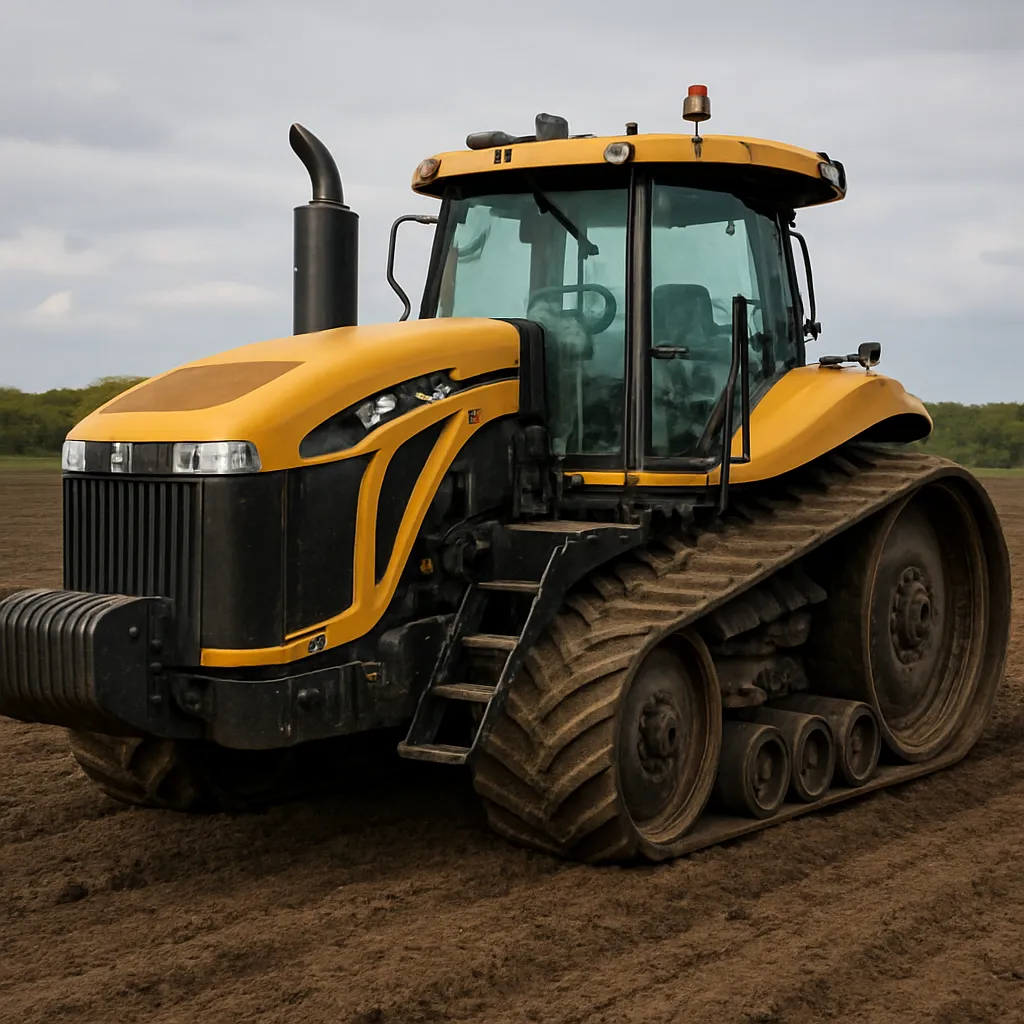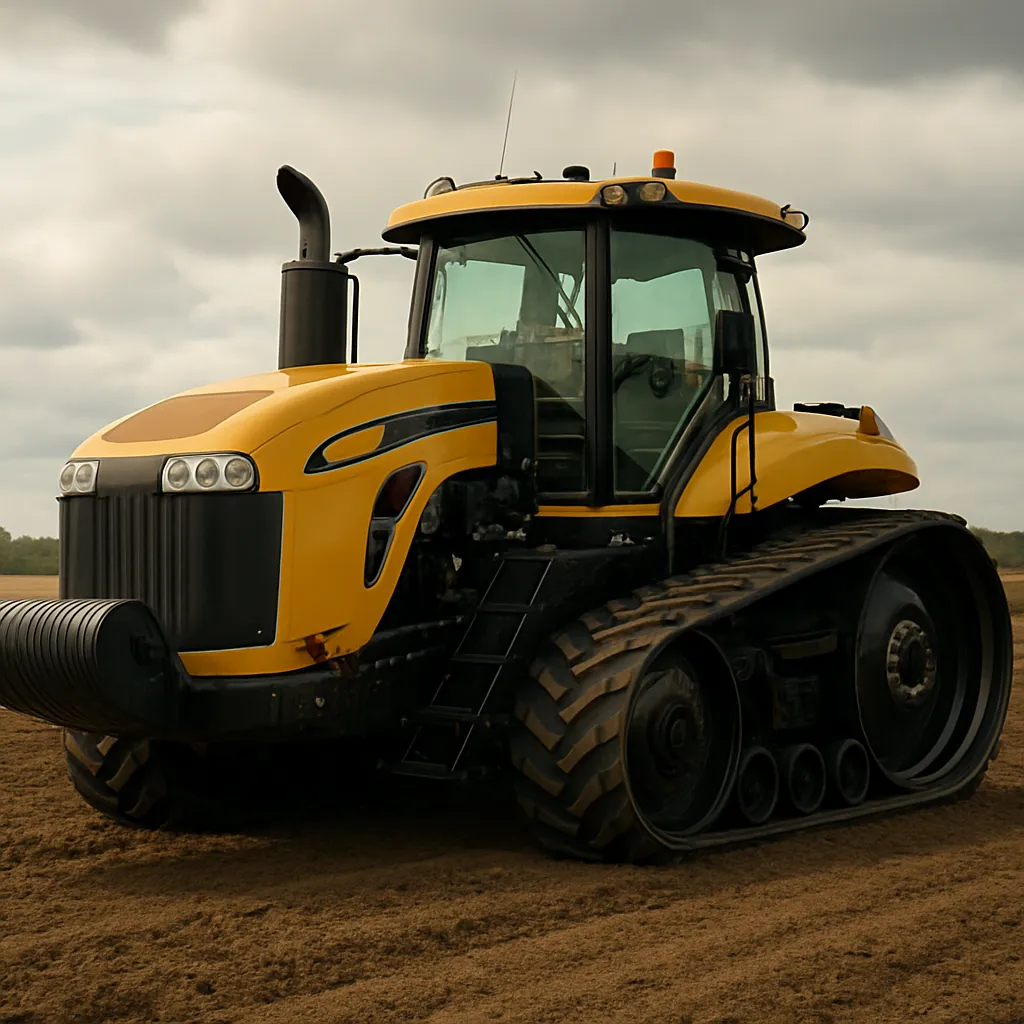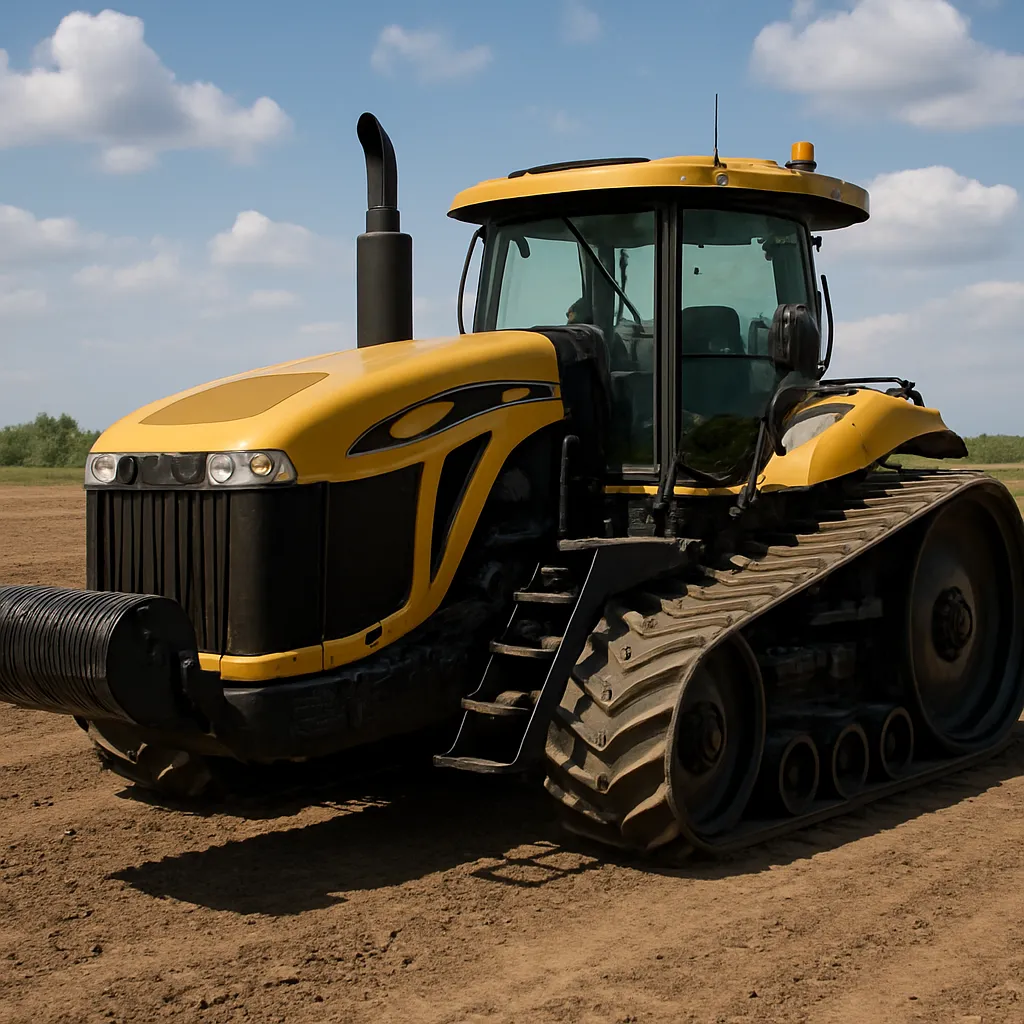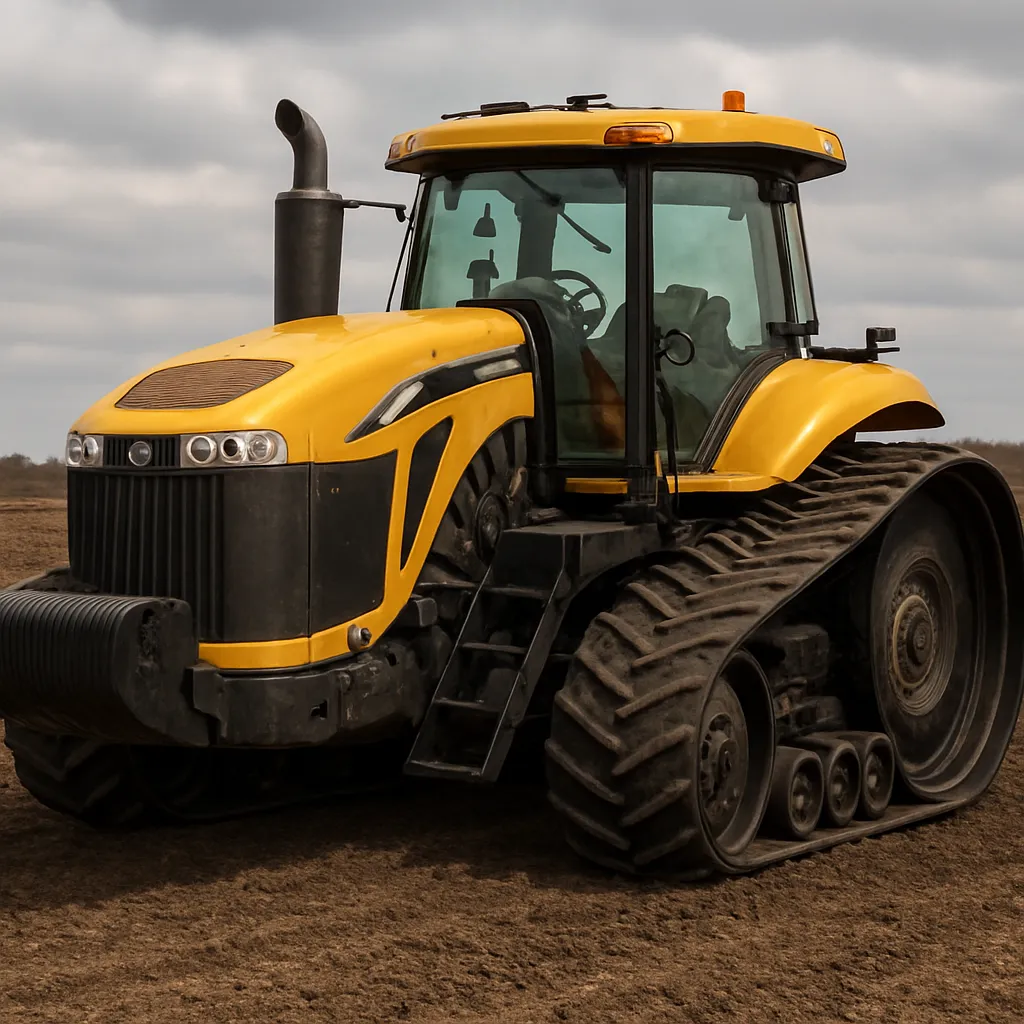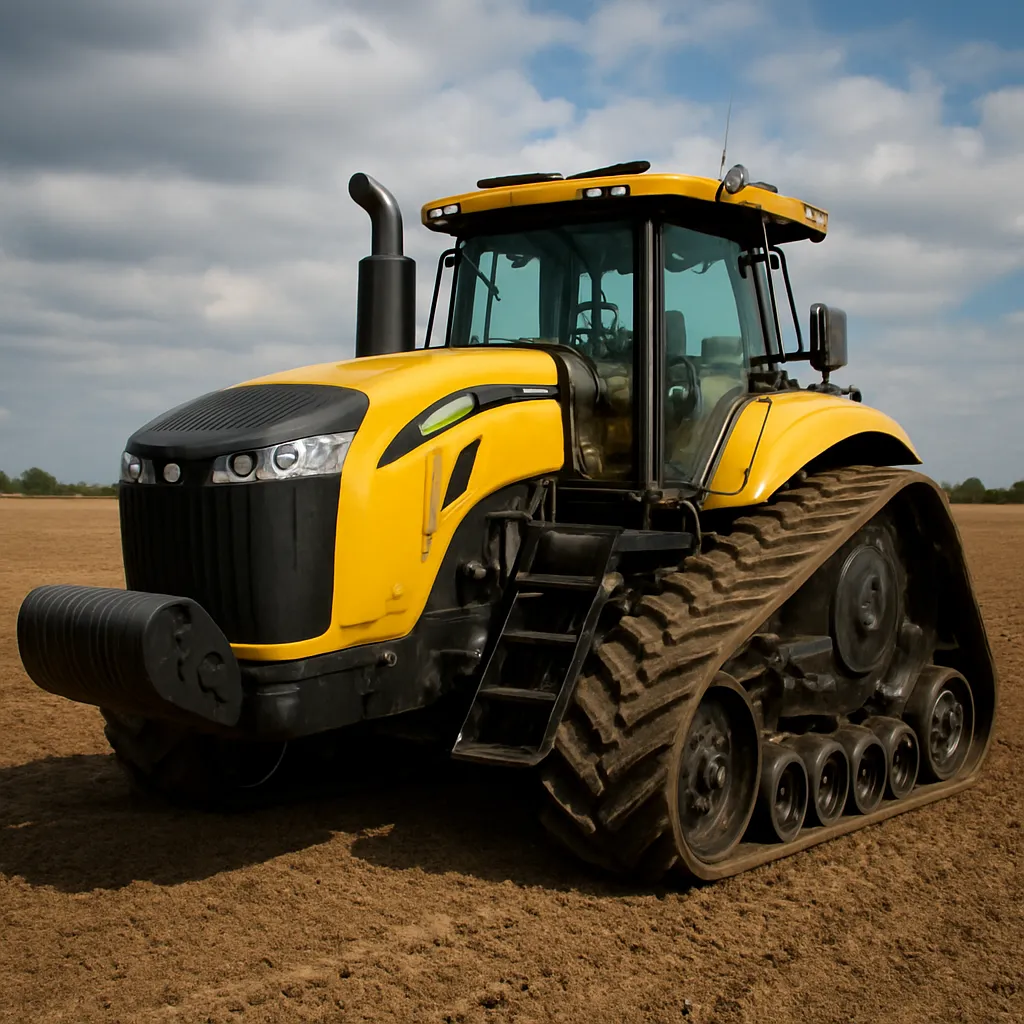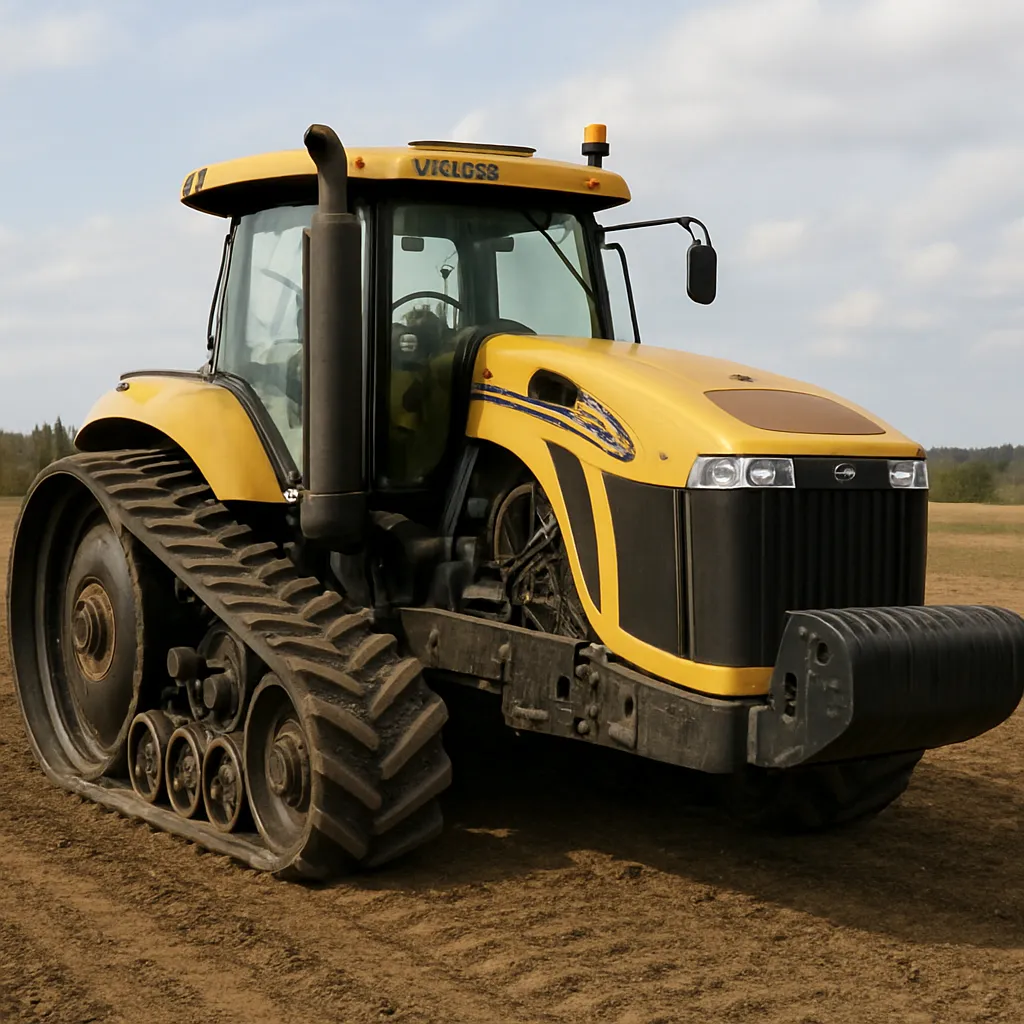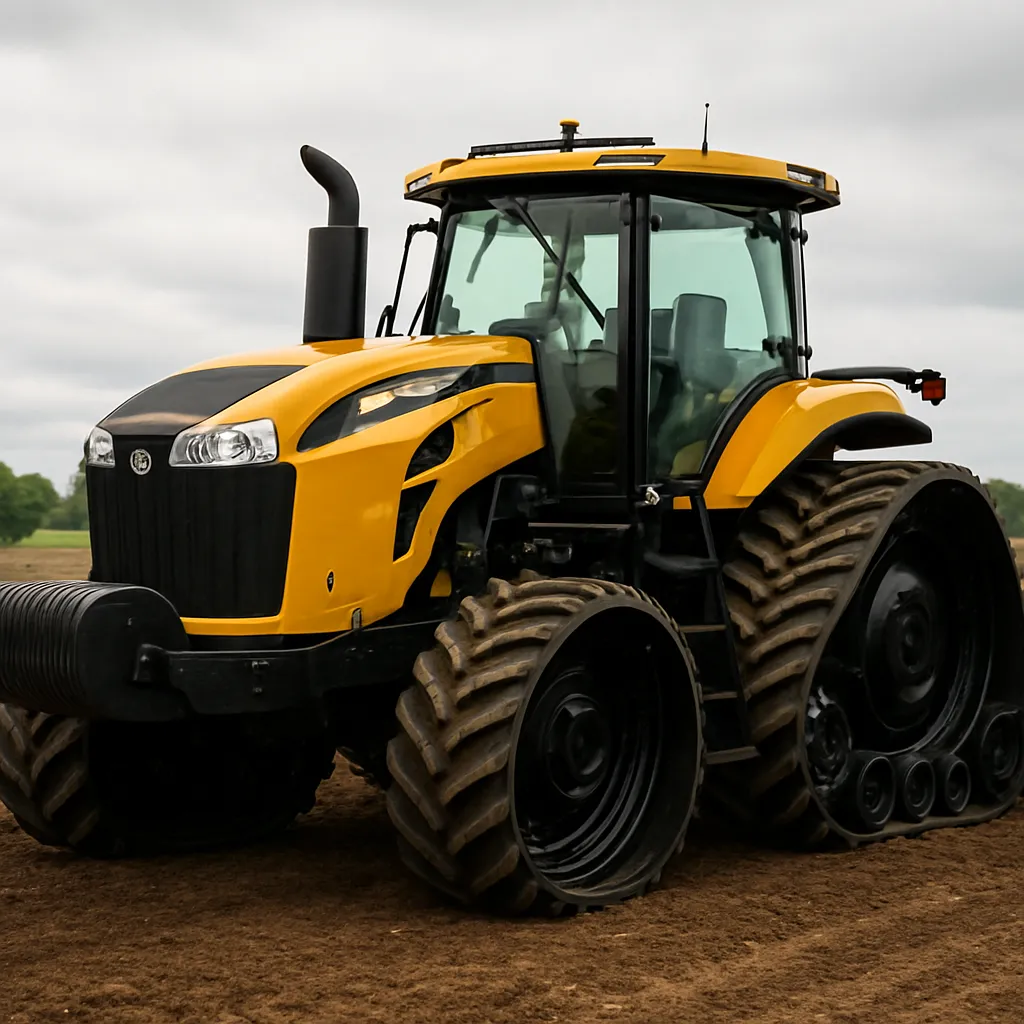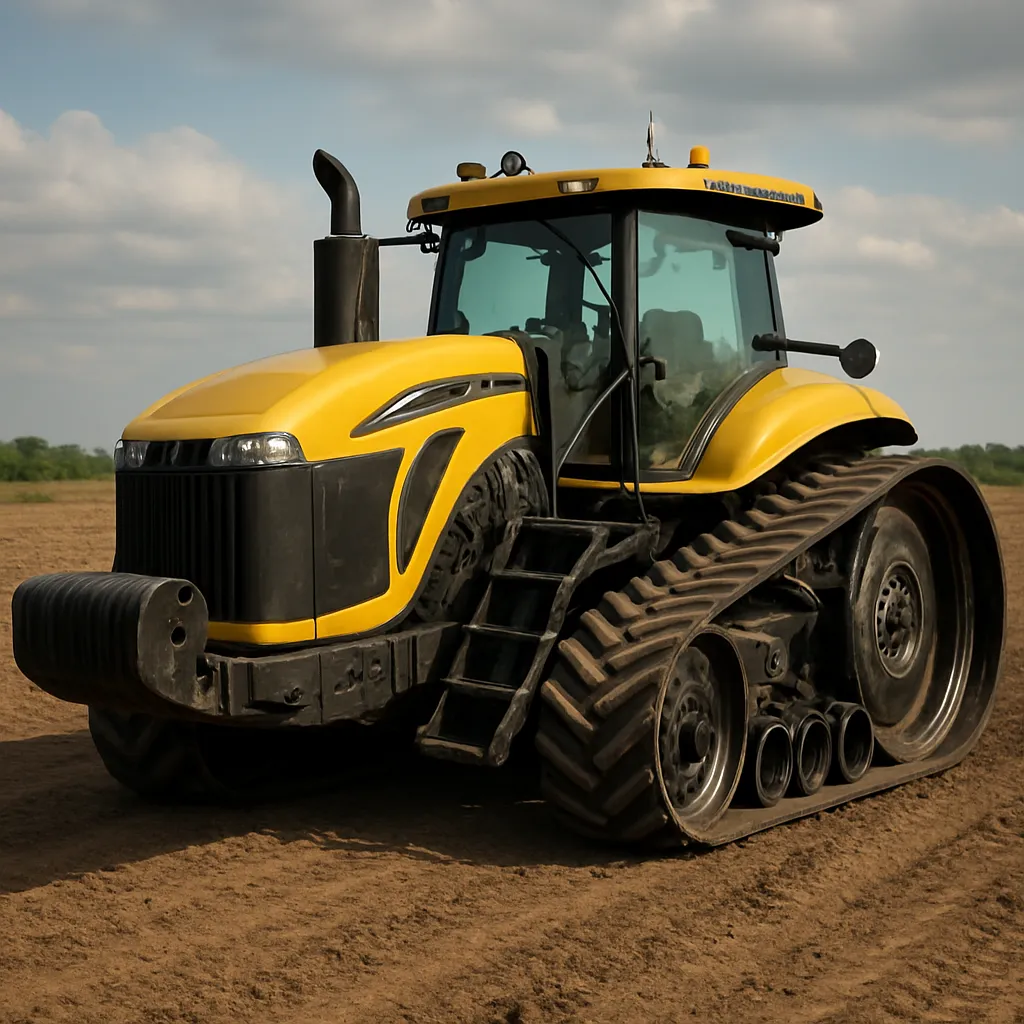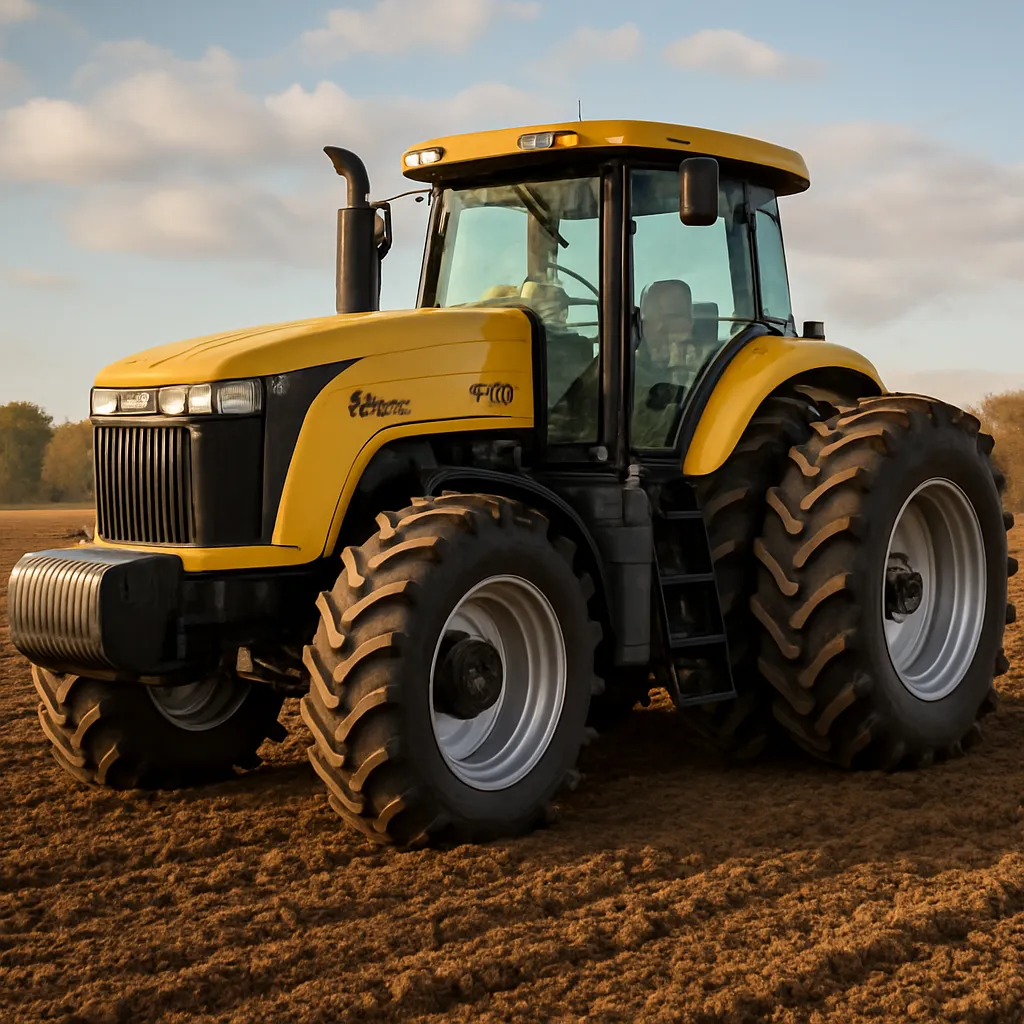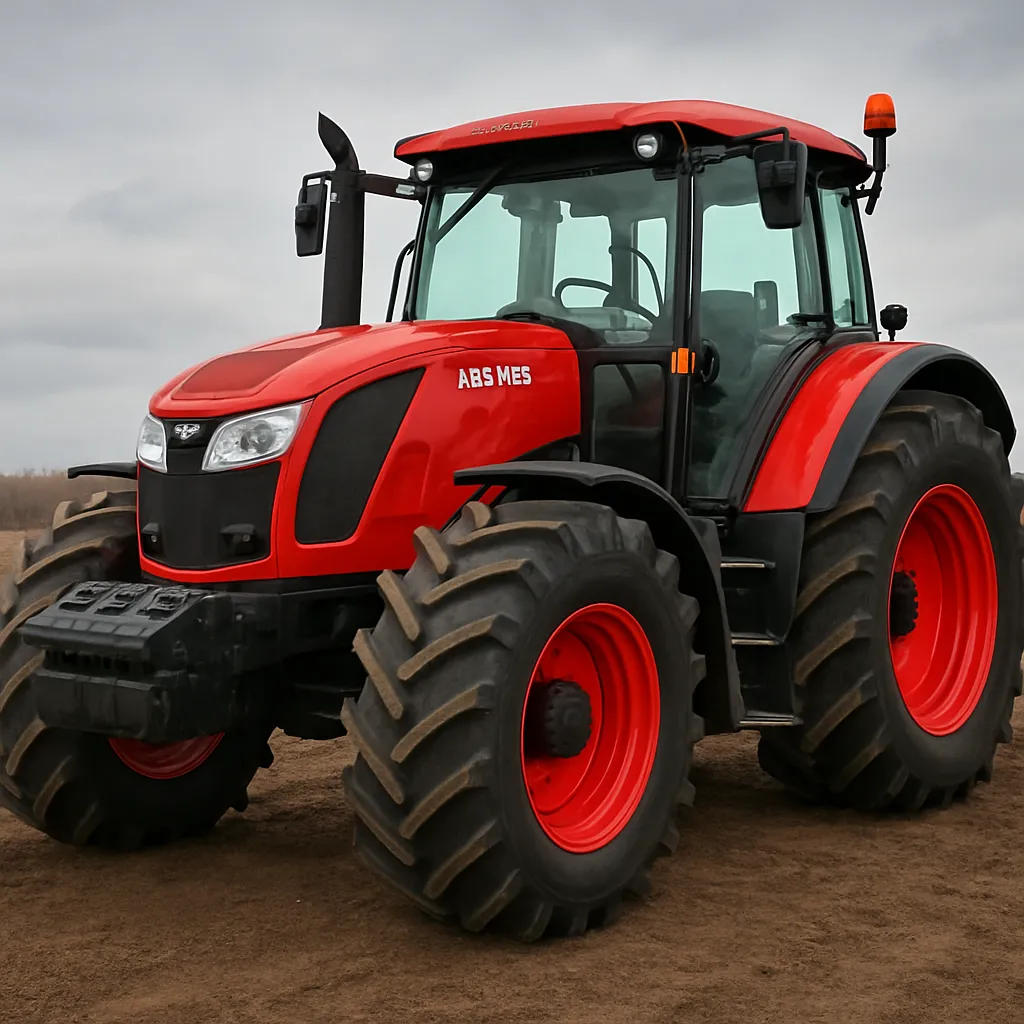
This article presents a comprehensive look at the Zetor 180 HSX tractor — its intended uses, typical technical characteristics, operational strengths and weaknesses, and practical advice for owners and operators. The focus is on practical information: how the model fits into modern agriculture and contracting work, what to expect in terms of performance and maintenance, and which attachments and working conditions showcase its best qualities. Where specific numerical data are uncertain or vary by configuration and production year, I provide typical ranges for this class and explain how those figures affect real-world use.
Overview and background
Zetor is a long-established manufacturer known for producing robust agricultural tractors aimed at operators who value durability and straightforward serviceability. The designation 180 HSX suggests a model positioned in the higher-power segment of the lineup, intended for medium-to-heavy tasks on farms and for contract work. While model nomenclature and equipment levels can vary by market and production year, the 180 HSX is typically associated with features that make it suitable for intensive field work and towing heavy implements.
Position in the product range
- Power class: Typically in the 150–190 horsepower range (engine gross power), placing it among tractors used for large-field cultivation, heavy tillage, and transport.
- Target users: Larger mixed farms, contractors, and enterprises needing a versatile, high-traction machine.
- Competitors: Similar tractors from other European and global manufacturers that focus on straightforward mechanical designs rather than ultra-high-tech electronics.
Design philosophy
The Zetor 180 HSX commonly follows a practical design philosophy: robust mechanical components, easy-access service points, and modular options for hydraulics and transmissions. The goal is to offer a workhorse that can be maintained by local workshops without dependence on highly specialized diagnostic tools. This approach appeals to operators prioritizing reliability, low lifecycle cost, and long service intervals.
Technical characteristics and typical specifications
Exact specifications for the Zetor 180 HSX depend on the year of manufacture and chosen configuration (cab options, transmission type, hydraulic package, ballast and tires). The numbers below reflect typical values and ranges for tractors in this power segment. If you require factory-certified figures for a specific year or serial number, consult the official manual or dealer documentation.
Engine and performance
- Engine type: turbocharged diesel engine with charge air cooling in many configurations — designed for continuous heavy-duty operation.
- Power output: typically in the range of 150–190 hp (gross), with PTO power often around 10–15% lower than engine-rated power depending on drivetrain losses.
- Torque: robust mid-range torque for traction and draft work; torque curve optimized for field speeds rather than high top speed.
- Fuel system: direct injection or common-rail depending on the generation; fuel efficiency designed for long working days.
Transmission and driveline
- Transmission: multiple options historically available — synchronized gearboxes, semi-powershift or full powershift ranges; many units feature several gears with creeper options for low-speed implements.
- Four-wheel drive and differential locks common, enabling high traction in sticky soils and on slopes.
- PTO (Power Take-Off): 540/1000 rpm options typically offered; independent PTO is preferred for safe implement operation.
Hydraulics and lifting
- Hydraulic system: medium-to-high flow hydraulics to support multi-function implements — flow rates vary with pumps but often are configured to handle front loaders, mounted ploughs, and hydraulic motors.
- Rear linkage/lift capacity: generally substantial, in the range that allows handling large mounted seeders, heavy ploughs and disc harrows.
- Auxiliary valves: multiple spool valves available for advanced implements; mechanical or electronic controls depend on the specification level.
Weight, dimensions and tires
- Operating weight: heavy enough to ensure traction; ballast options allow optimizing for different implements and fields.
- Tire options: wide range including low-pressure flotation tires for wet soils or narrow-profile for row crop work.
Typical fuel consumption for tractors in this class depends on load, implement and terrain. Under full draft, consumption may be in the order of several dozen liters per hour; under light transport it will be much lower. Real-world fuel efficiency depends on matching gear, engine speed and implement design.
Applications and real-world uses
The Zetor 180 HSX is designed to be a versatile performer across many agricultural and non-agricultural applications. Its balance of power, hydraulics and PTO capability makes it suitable for sustained heavy work as well as multi-tasking across the farm.
Primary agricultural uses
- Tillage and soil preparation: spring and autumn ploughing, disc harrowing, cultivation of large hectares where consistent power and traction are required.
- Sowing and planting: pulling large seed drills and planters with hydraulic depth control.
- Crop protection and sprayer work: supporting mounted and trailed sprayers, where stable PTO and hydraulic delivery are important.
- Harvest support: powering grain augers, header transport and towing heavy trailers during harvest season.
Contracting and municipal work
- Roadside mowing, snow clearing and general municipal tasks when fitted with front loader, snowplough or flail mowers.
- Trailed or mounted earthmoving implements for contractors, such as subsoilers, rotary hoes and compactors.
- Timber and forestry support with protective guarding and suitable tires or tracks.
Specialist tasks and attachments
A machine in this group is often used with front loaders, heavy-duty balers, large seeders, and powered implements like PTO-driven shredders and grinders. The vehicle’s hydraulics and linkage capacity dictate which implements can be used efficiently; with the right specification, the Zetor 180 HSX becomes a single-vendor platform for a wide fleet of implements.
Operational strengths and practical considerations
Understanding where the Zetor 180 HSX excels, and where care is needed, helps in buying decisions and daily operations. Below are key aspects to consider.
Strengths
- Robustness: Built for heavy-duty work; components are sized to tolerate demanding conditions and years of high-hour service.
- Serviceability: Mechanical systems laid out for easier access mean lower downtime and more options for local workshops.
- Versatility: Compatible with a wide range of implements for crops, livestock support and contract work.
- Traction and stability: Substantial ballast and 4WD systems allow efficient draft work even in challenging soils.
Considerations and potential limitations
- Weight and ground compaction: heavier machines increase compaction risk; use wider tires or tracks where required.
- Fuel consumption: higher-power tractors consume more fuel under continuous load, and efficient operation requires matching the implement to the tractor size.
- Comfort and electronics: depending on specification, older or simpler variants may lack the advanced cab comfort and precision farming electronics found on premium models.
Maintenance, common issues and lifecycle
Maintenance is a major factor in longevity and operational cost. The Zetor 180 HSX’s mechanically straightforward design encourages routine upkeep that can be performed by well-equipped local workshops.
Recommended maintenance practices
- Regular oil and filter changes according to operating hours and manufacturer’s schedule to protect the engine and hydraulic systems.
- Inspection of the cooling system and intercooler (if turbocharged) to avoid overheating during long stretches of heavy work.
- Checking driveline components, universal joints and final drives for wear; keep differential and gearbox oils at specified levels.
- Hydraulic system checks: keep hoses and seals in good condition, monitor pump pressure and flow, and replace worn spool valves as required.
- Tire condition and ballast adjustments to optimize traction while minimizing soil compaction.
Common wear points and repairs
- PTO clutches and driveline U-joints due to high cyclic loads.
- Hydraulic seals and valves, especially in machines that frequently use heavy implements.
- Transmission wear in units with less advanced lubrication or those used extensively for shuttle/transport work at high loads.
A well-maintained machine of this class can deliver many thousands of hours of service. Replacement component availability, dealer support and the local aftermarket influence lifecycle cost heavily — one reason why Zetor’s emphasis on conventional mechanical solutions appeals in markets where simple, reliable repair is prioritized.
Market availability, variants and buyer advice
The exact configuration of a Zetor 180 HSX can vary. Buyers should assess the tractor’s specification carefully against their needs, and consider local support and spare parts availability.
Variants and options
- Transmission choices: synchronized, powershift, or powersplit options depending on model year and intended use.
- Hydraulic packages: basic to high-flow systems; additional spool valves and front linkage may be optional.
- Cab packages: basic ROPS-only versions for cost-conscious buyers, or fully-equipped cabs with climate control and advanced controls for operator comfort.
- Tire and ballast packages tailored for row crops, arable, or heavy draft work.
Purchasing recommendations
- Specify the work profile: choose transmission, hydraulics and PTO options that match your most frequent tasks rather than the occasional heavy job.
- Inspect service history: for used machines, documented maintenance and evidence of proper servicing significantly reduce purchase risk.
- Check for common upgrades: some owners fit improved cooling, auxiliary pumps or enhanced electronics — evaluate whether such upgrades add value for your operation.
- Evaluate resale and parts support: local dealer networks and aftermarket suppliers improve long-term ownership economics.
Summary and final notes
The Zetor 180 HSX represents a high-capacity, practical tractor solution for larger farms and contractors who value reliability, ease of maintenance and multi-purpose capability. While exact numeric specifications depend on the configuration and production year, tractors in this class typically offer strong draft performance, substantial rear linkage lift, and multiple PTO options suitable for heavy mounted and trailed implements. Operational success with a machine like the 180 HSX depends on matching the tractor to the workload, maintaining regular service intervals, and choosing the correct tires and ballast to balance traction and soil health. For buyers and users, the machine’s enduring appeal is grounded in its straightforward engineering and practical versatility.
If you need model-specific technical sheets, factory data for a particular production year, or a side-by-side comparison with similarly powered tractors from other brands, I can prepare those details on request.