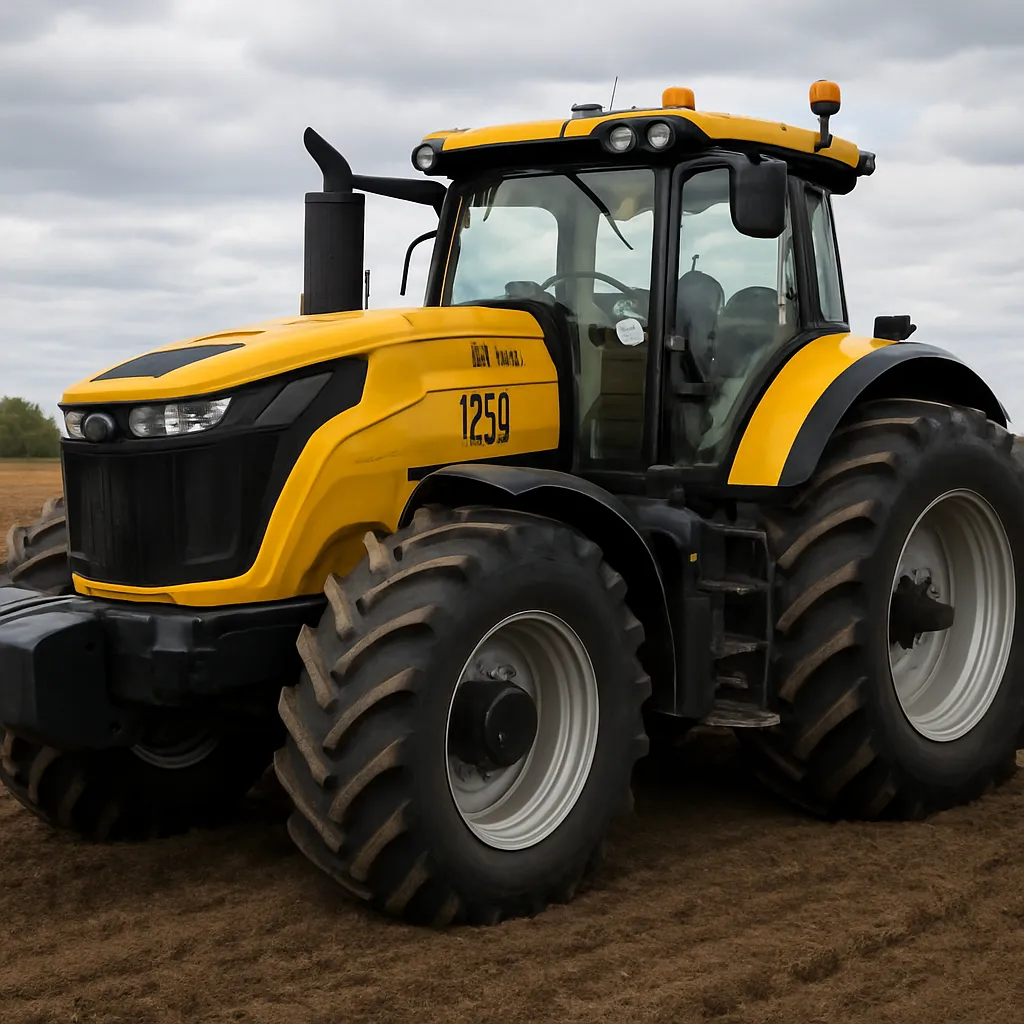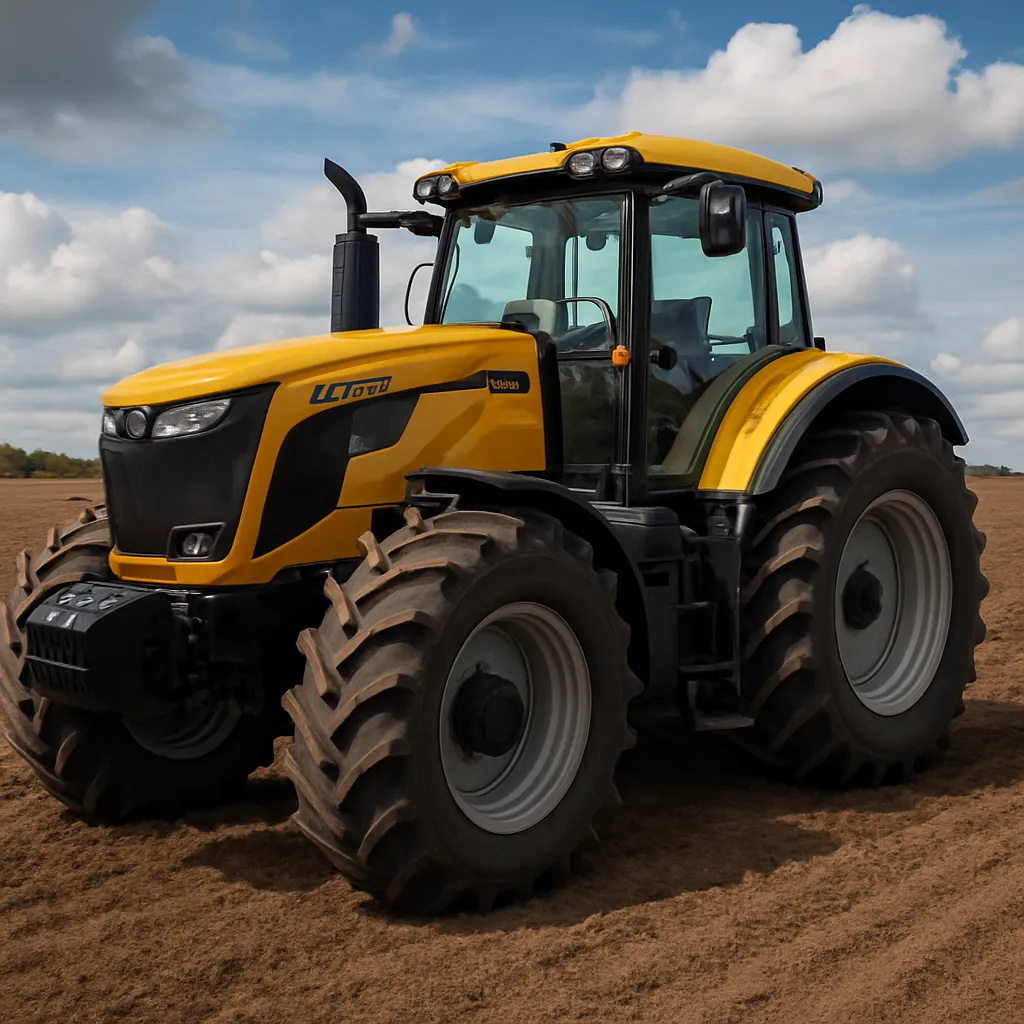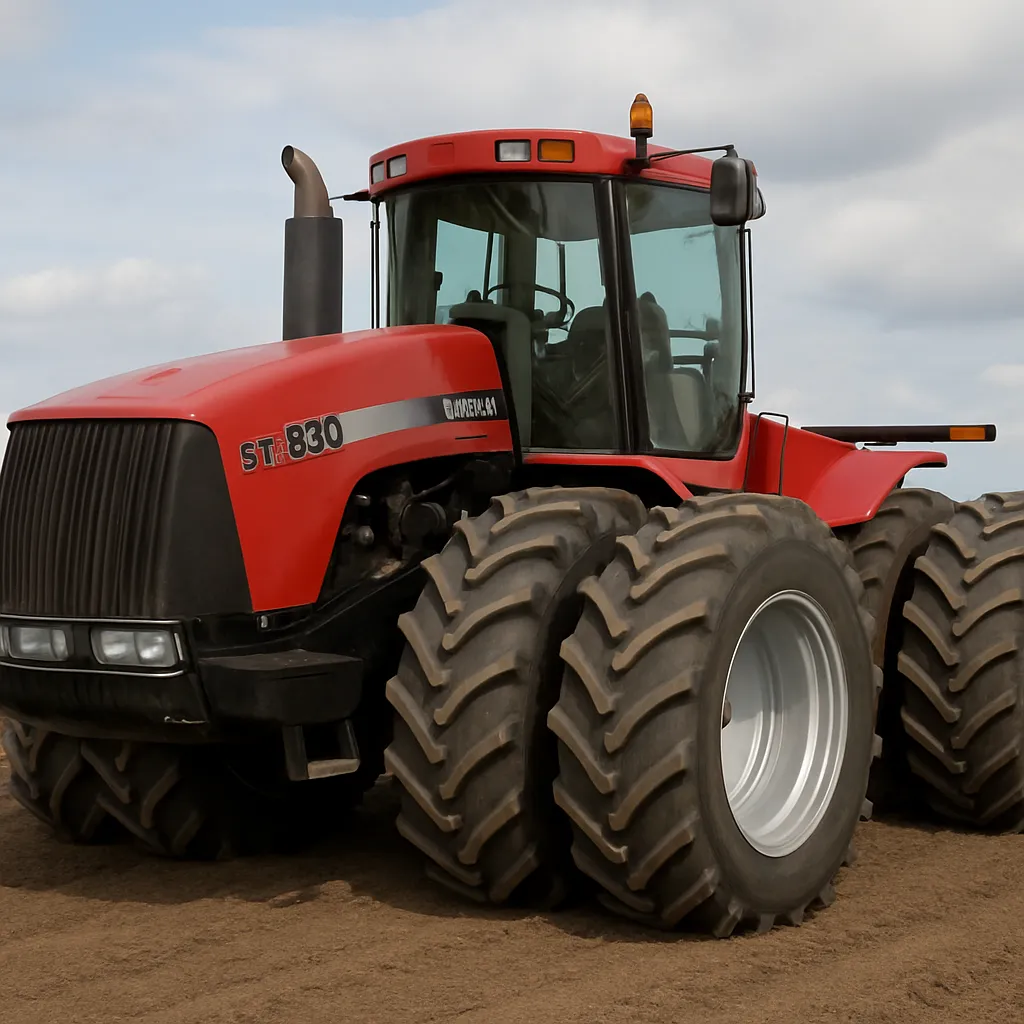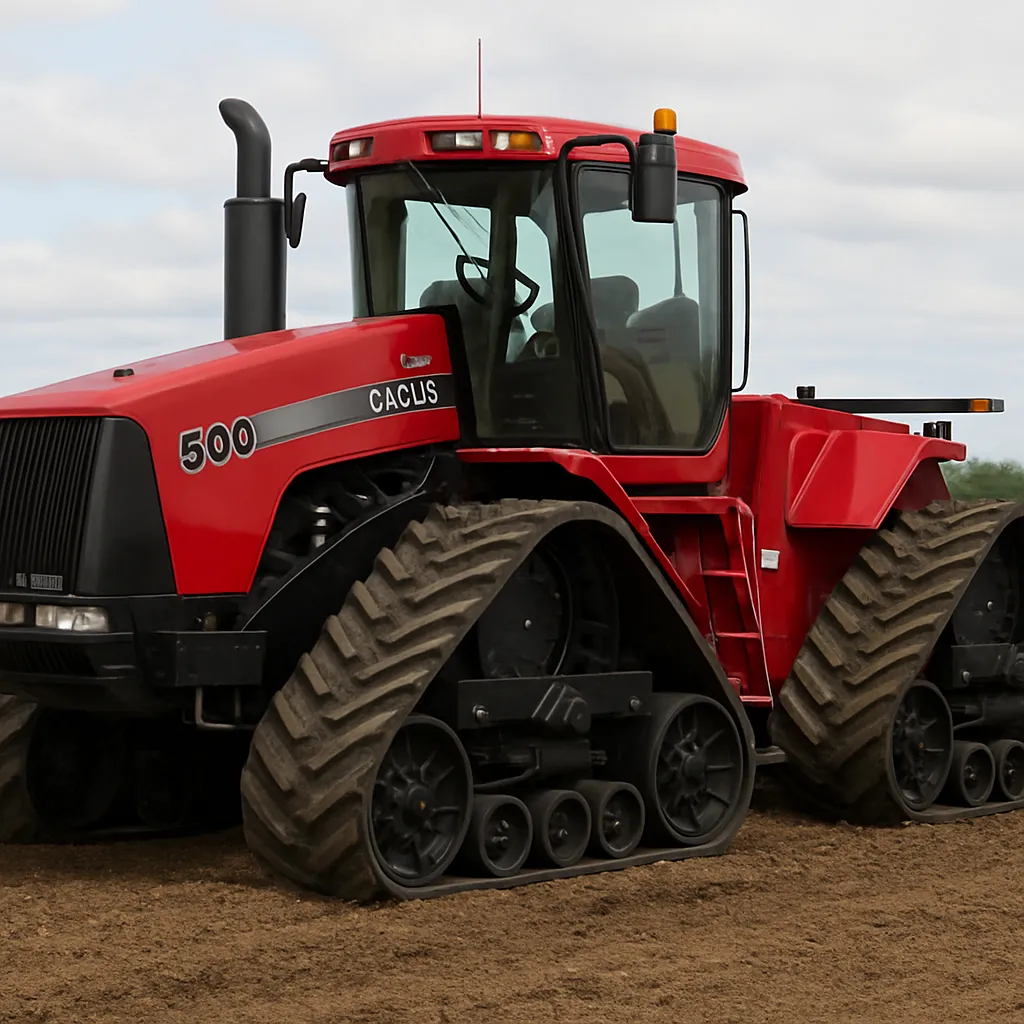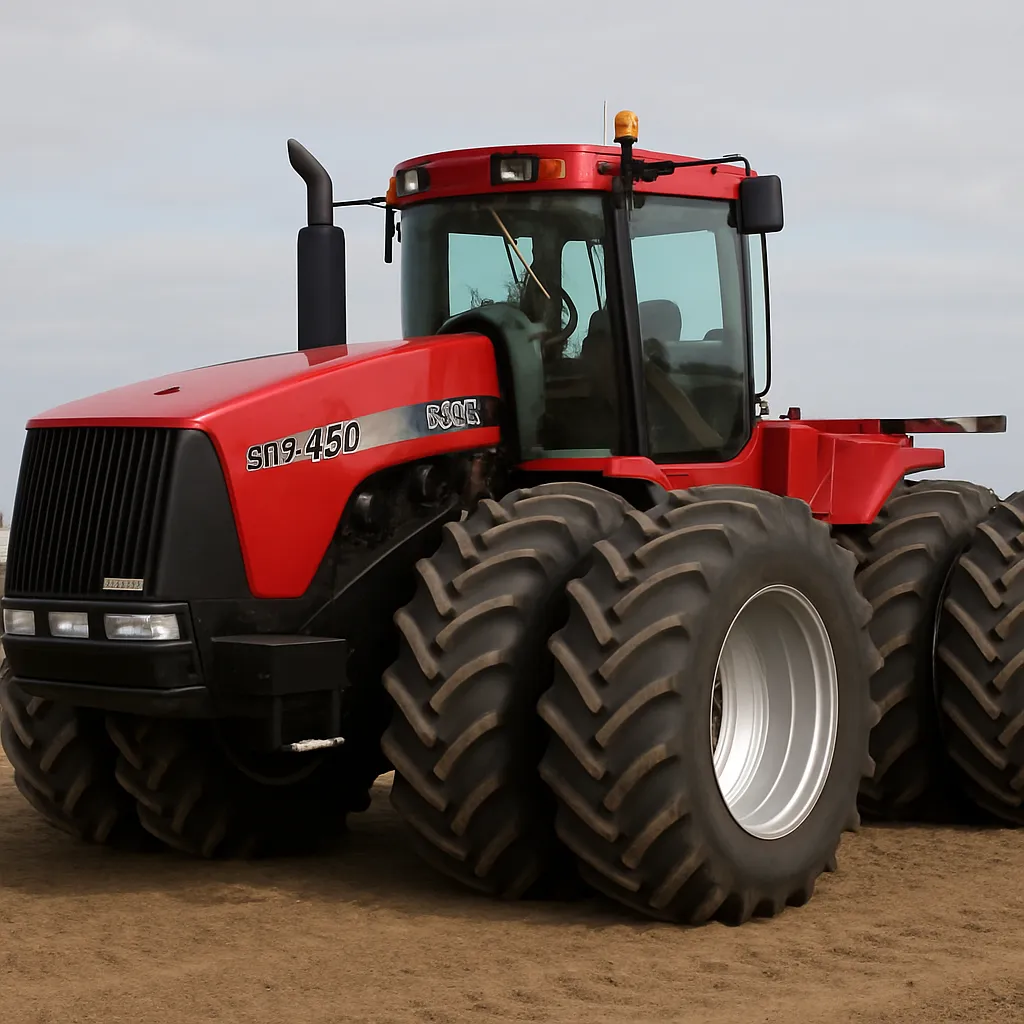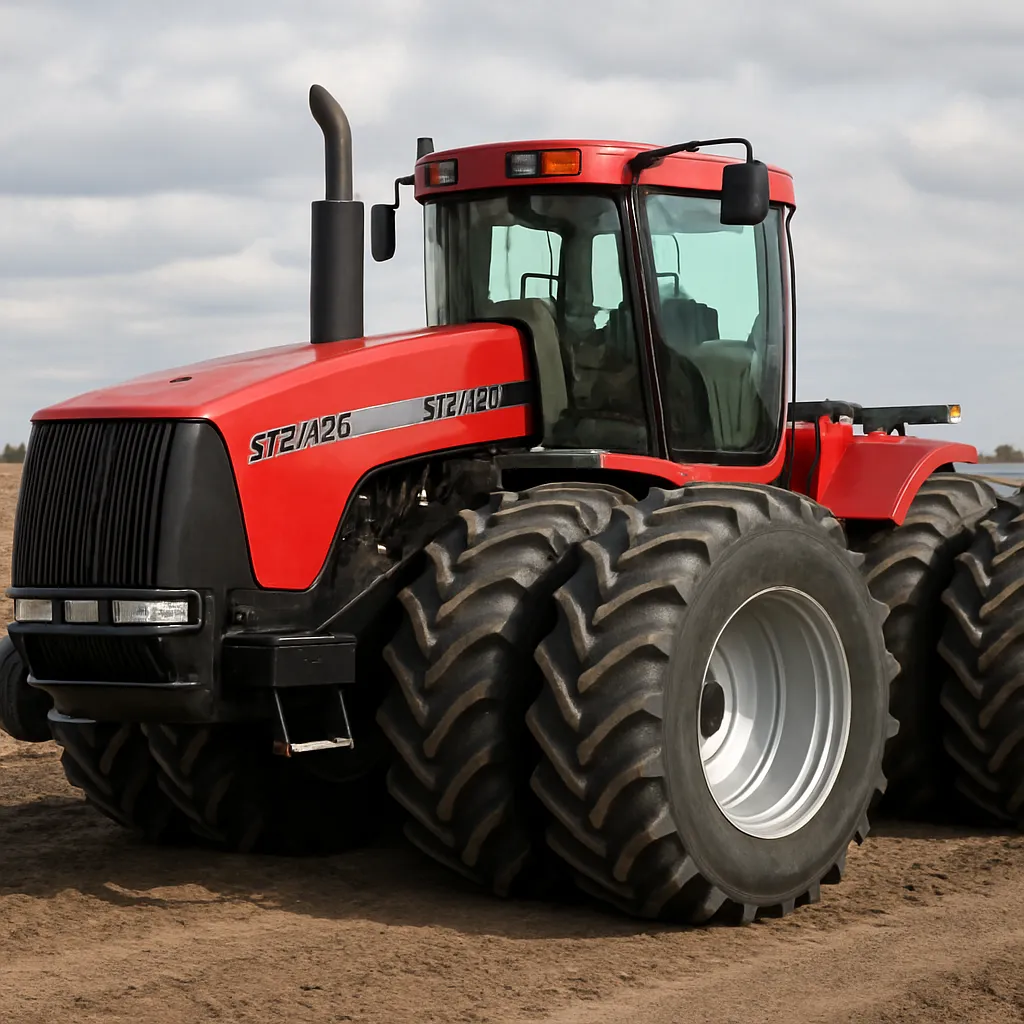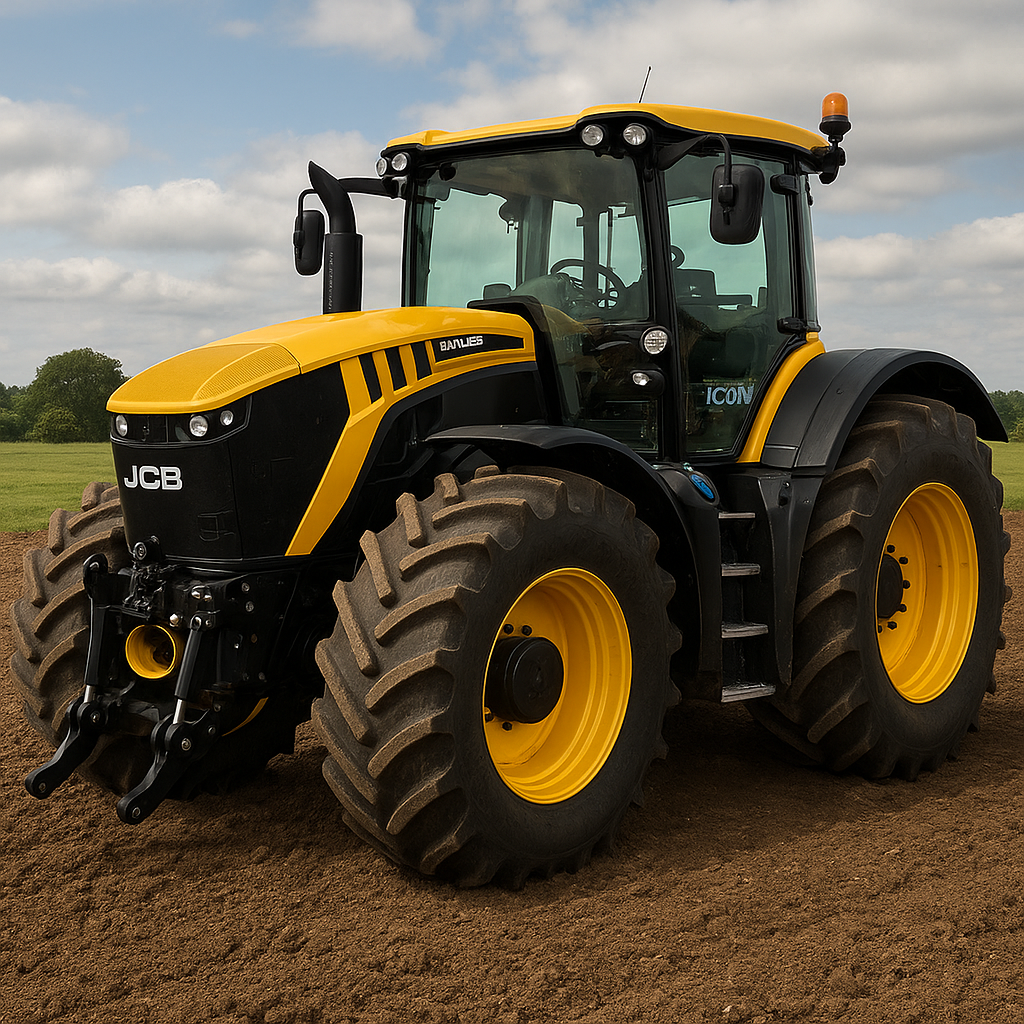
The JCB Fastrac 8330 iCON is a member of JCB’s high-speed agricultural tractor family, engineered to combine farm-grade capability with road-going performance and advanced electronics. This machine aims to bridge the gap between traditional field tractors and transport-oriented machinery, offering a package that emphasizes power, comfort and long-distance productivity. In the following sections we’ll explore its design philosophy, technical characteristics, typical applications, operator features, and practical considerations for ownership and operation.
Overview and design philosophy
The Fastrac line has always been distinctive for its full-frame chassis, long wheelbase and focus on stable, comfortable travel at higher road speeds. The Fastrac 8330 iCON continues this lineage while integrating modern control systems and operator conveniences. JCB designed this tractor for farms and contractors who require a machine capable of rapid movement between fields, efficient towing and heavy draft work without sacrificing on-cabin ergonomics.
Key elements of the design include a rigid central frame with suspended axles, a purpose-built cab for visibility and ergonomics, and modular attachment capability for a range of implements. Emphasis is placed on balancing high on-road speeds with precise tractor functions in the field, which makes the 8330 iCON especially suited to mixed operations where time spent traveling between jobs is significant.
Technical characteristics and typical specifications
Exact specifications for the JCB Fastrac 8330 iCON can vary by market and optional equipment, but the model typically presents a blend of high horsepower and advanced drivetrain features. Below are representative technical highlights you can expect from this class and model:
- Engine: 6-cylinder turbocharged diesel producing around 320–340 hp depending on rating and emissions package. JCB often tunes its engines for broad torque delivery to suit both haulage and fieldwork.
- Transmission: Advanced powershift or stepless-type control depending on the iCON options; engineered for smooth acceleration and efficient fuel use during road transit and field tasks.
- Top road speed: Designed for higher road speeds than conventional tractors—commonly certified for up to 40–65 km/h (depending on legal/market settings and gearing), allowing fast transfers between sites.
- Hydraulic capacity: High-flow hydraulic circuits to support modern implements—typical systems deliver over 180–210 L/min with multiple remote valves and electronic control options.
- PTO: Rear PTO with selectable speeds (e.g., 540/1000 rpm) and optional front PTO depending on specification.
- Axles and suspension: Full suspension system with independent front and rear axle suspension designed to provide stable handling at speed and comfort in transit; robust axles for heavy drawbar loads.
- Weight and payload: Gross vehicle weights and permissible axle loads are configured for high-capacity towing and transport; ballast and hitch ratings are set to handle heavy trailers and mounted implements.
- Cab and ergonomics: Spacious, low-vibration cab with good visibility, climate control and operator-focused controls. Integrated touchscreen displays for machine management are often standard on the iCON variant.
Because JCB offers multiple optional packages, owners can tune the 8330 iCON for priorities such as maximum towing, high hydraulic throughput for specialist implements, or reduced-speed field optimization. Always consult factory specifications for precise numbers relevant to your region.
Applications and typical use cases
The JCB Fastrac 8330 iCON is designed to perform a variety of tasks that require both heavy-duty tractor capabilities and efficient on-road mobility. Typical applications include:
- Long-distance haulage: Transporting grain carts, trailers and specialist implements between fields or farms at higher speeds than classic tractors allows, reducing transit time and labour costs.
- Arable operations: Primary tillage, sowing and precision work where efficient field speeds and continuous power delivery are essential.
- Contracting and mixed farming: Contractors who move frequently between sites benefit from the Fastrac’s road manners combined with high hydraulic capacity and strong hitch ratings.
- Forage and baling: High PTO and hydraulic outputs make the 8330 iCON suitable for large balers, forage harvesters and tow-behind equipment.
- Haulage with articulated or trailed equipment: Low rolling resistance and stable chassis allow heavy loads to be moved safely at speed.
- Specialist tasks: With optional front linkage/PTO and bespoke hydraulic setups, it can be used for vacuum tankers, seed drills or field sprayers requiring both power and mobility.
Overall, the 8330 iCON is well-suited to operations where the balance of road and field work is critical—such as regional farms, large estates and contractor fleets.
Operator comfort, controls and technology
One of the Fastrac series’ traditional strengths lies in cab comfort and ergonomics, and the iCON iteration introduces updated electronics and user interfaces. Notable features and technologies often associated with the 8330 iCON include:
- Advanced cab suspension and low-vibration design for reduced operator fatigue during long road journeys or extended working days.
- Intuitive touchscreen displays for machine settings, diagnostics and implement control. Menus typically support ISOBUS functionality and precision farming interfaces.
- Telematics and remote monitoring: Options for fleet management and remote diagnostics that help reduce downtime and streamline maintenance planning.
- Driver assistance: Electronic aids such as cruise control, auto-engage hydraulics, GPS guidance compatibility and ramped speed control contribute to consistent performance and reduced operator workload.
- Visibility and safety: Large glazed areas, optional surround cameras and LED lighting packages for safe night and road operations.
These systems combine to make the 8330 iCON a productive and user-friendly machine for operators who must manage complex daily routines across widely dispersed work sites.
Performance, efficiency and economy
Performance in real-world conditions depends on specification, implement choice and operator technique. The Fastrac 8330 iCON is aimed at delivering efficient work cycles through:
- High torque at low engine speed for fuel-efficient pulling in the field.
- Optimized transmissions that reduce unnecessary engine revs during road transfer and allow rapid acceleration under load.
- Variable hydraulic flow to match demand, minimizing wasted power usage.
- Telematics-based maintenance scheduling to reduce downtime and identify fuel-inefficient operating patterns.
Owners typically find that the 8330 iCON’s ability to move quickly between jobs translates into higher daily productive hours per machine compared to slower conventional tractors, which can improve return on investment for farms with dispersed land or for contractors with multiple client sites.
Maintenance, serviceability and ownership considerations
JCB designs the Fastrac to be serviceable with easily accessible maintenance points, though the complexity of modern engines and electronics does mean a structured maintenance regime is required. Points to consider for ownership include:
- Scheduled engine and drivetrain servicing to maintain emissions compliance and long-term durability.
- Hydraulic filter and fluid change intervals—high-flow systems require attention to avoid premature wear.
- Monitoring of suspension components and axle bearings, particularly if the tractor is used heavily on public roads or with high mileages.
- Software updates and telematics subscriptions for the latest functionality and remote support.
- Availability of parts and authorized service centers in your region—important for minimizing downtime when the tractor is critical to operations.
When compared to traditional tractors, the Fastrac’s advanced systems can mean slightly higher routine service demands, but the operational gains in speed and versatility tend to justify these requirements for many operators.
Market reception, statistics and awards
Since its introduction and subsequent updates, the Fastrac family has been recognized for bringing a new approach to tractor mobility. While specific sales figures for the 8330 iCON model vary by year and region, the broader trends show strong interest from large-scale arable farms and contractors. Industry feedback often highlights the following statistical and reception points:
- Fastrac models typically command a premium price relative to comparable horsepower conventional tractors because of their unique chassis, suspension and road-capability features.
- Top road speed ratings (up to around 65 km/h in selected markets) influence total daily utilization, with operators reporting substantial time savings on multi-site routes.
- Fuel efficiency figures are highly application dependent, but JCB’s tuning for broad torque bands tends to yield competitive specific fuel consumption in demanding workloads.
- The platform has earned several product recognition notes in trade publications for innovation in combined on-road/field performance, cab comfort and operator ergonomics.
For precise, up-to-date sales or regional adoption statistics, consult JCB’s official releases or local dealer reports, since numbers shift with model years, optional configurations and changes in farm investment cycles.
Strengths, limitations and purchasing advice
Strengths of the JCB Fastrac 8330 iCON include its combination of speed and stability on the road, a comfortable and ergonomic cab for long shifts, and flexible hydraulics and hitching options that support a wide range of implements. The tractor’s reliability and build robustness are commonly praised by users who operate across heavy-duty tasks.
Limitations to consider are the upfront cost relative to more conventional tractors of similar horsepower, potentially higher complexity in electronics and service needs, and the requirement for appropriate licensing and road compliance in some jurisdictions when operating at higher speeds.
Purchasing advice for prospective buyers:
- Evaluate your operation’s split between road and field work. The 8330 iCON shines when transit time is a significant portion of daily use.
- Assess implement compatibility—verify hydraulic flow and hitch capacities meet your largest implements’ requirements.
- Confirm service network availability and consider extended warranty or telematics-based service packages to maximize uptime.
- Compare total cost of ownership (including potential productivity gains from faster transit) rather than only initial purchase price.
Real-world examples and user scenarios
Consider the following scenarios that illustrate where the Fastrac 8330 iCON can deliver value:
- Large regional arable farm: A farmer managing multiple fields spread across several kilometers uses the 8330 iCON to move seeders and sprayers quickly between fields, cutting non-productive transit time and enabling more timely field operations during tight seasonal windows.
- Contracting business: A contractor handling baling, harvesting and haulage moves from client to client during a single day; the Fastrac’s road speed and comfort reduce operator fatigue and increase the number of productive trips.
- Specialist slurry and nutrient operations: With high hydraulic capacity and towing strength, the machine handles large tanker loads and pumping equipment while meeting road-speed needs for multi-site coverage.
Summary
The JCB Fastrac 8330 iCON is positioned as a versatile, high-performance agricultural tractor for operations that require both robust field capability and efficient road travel. With a focus on efficiency, comfort, hydraulics and telematics, it brings a compelling proposition to farms and contractors who value mobility and productivity. Potential buyers should weigh the operational benefits—particularly time savings during transit—against acquisition and service considerations to determine whether the 8330 iCON matches their specific working profile.