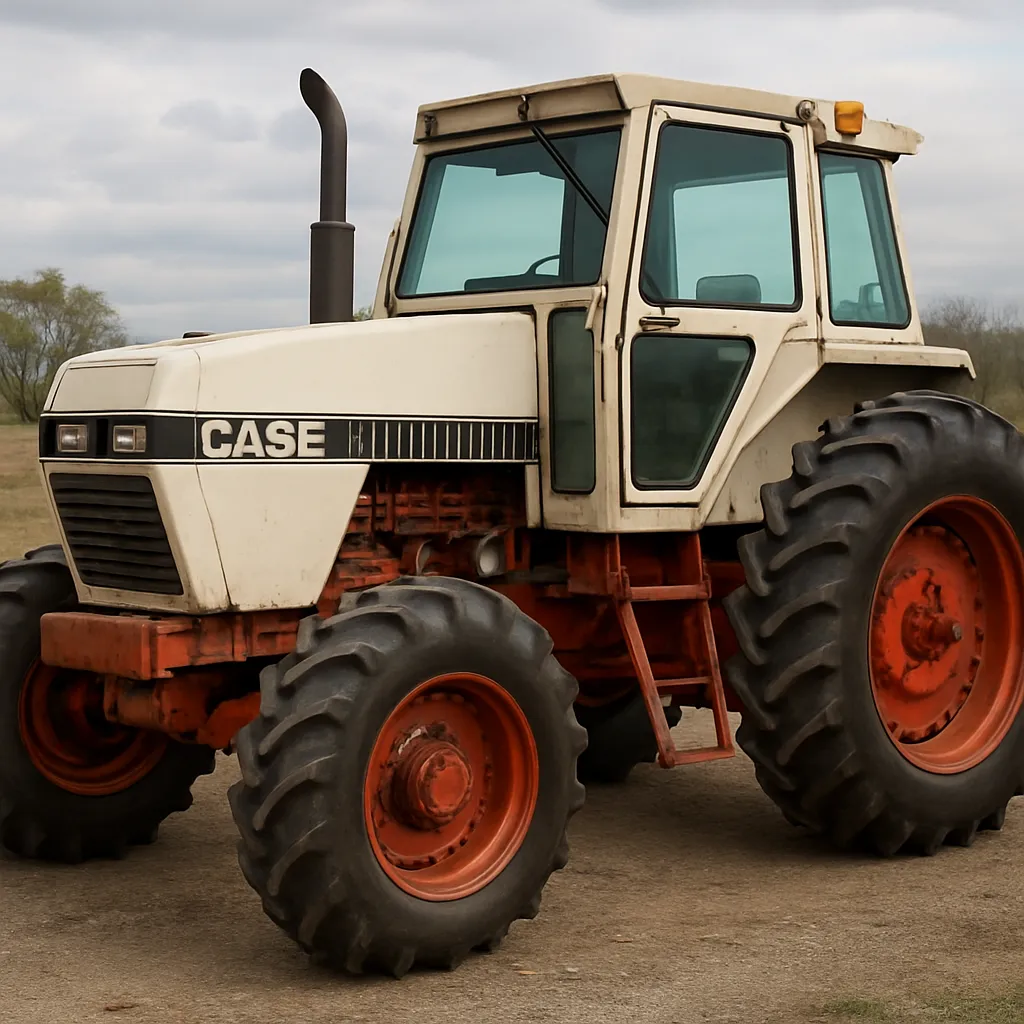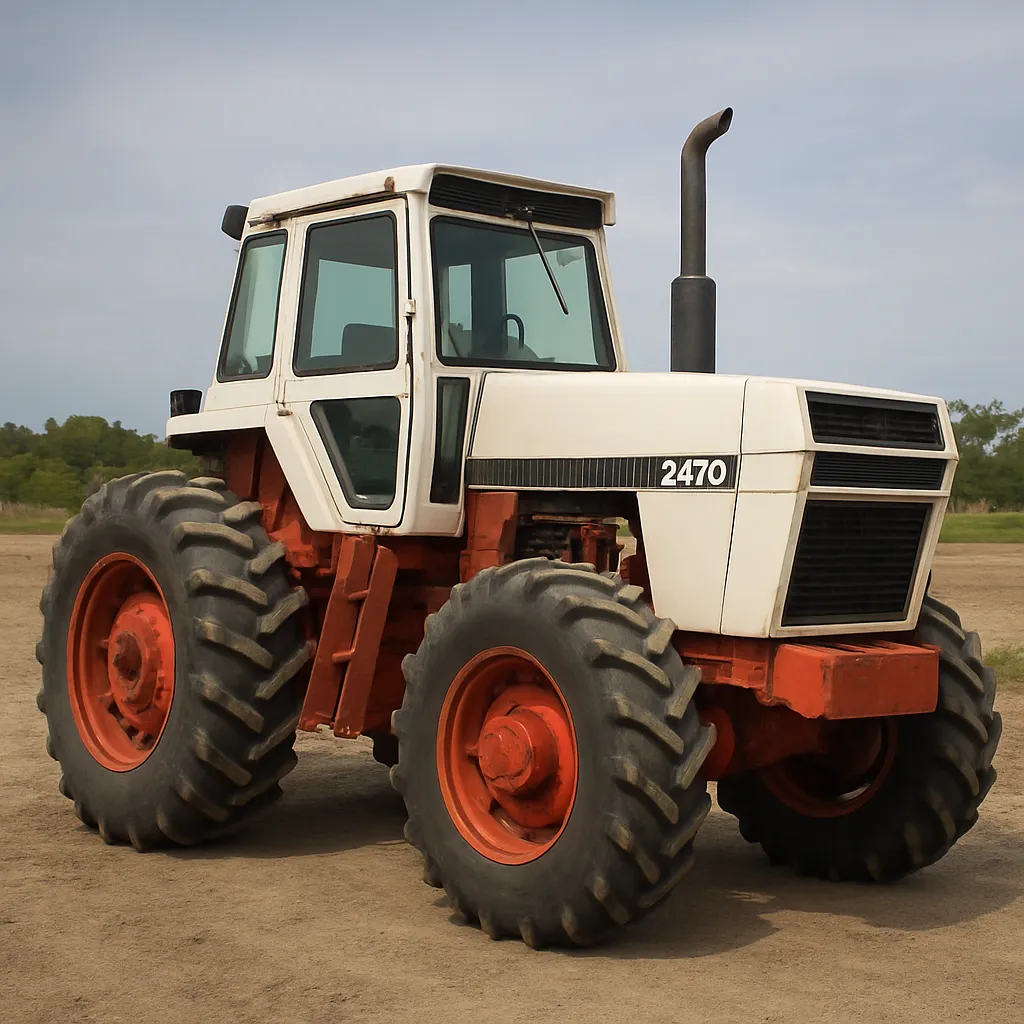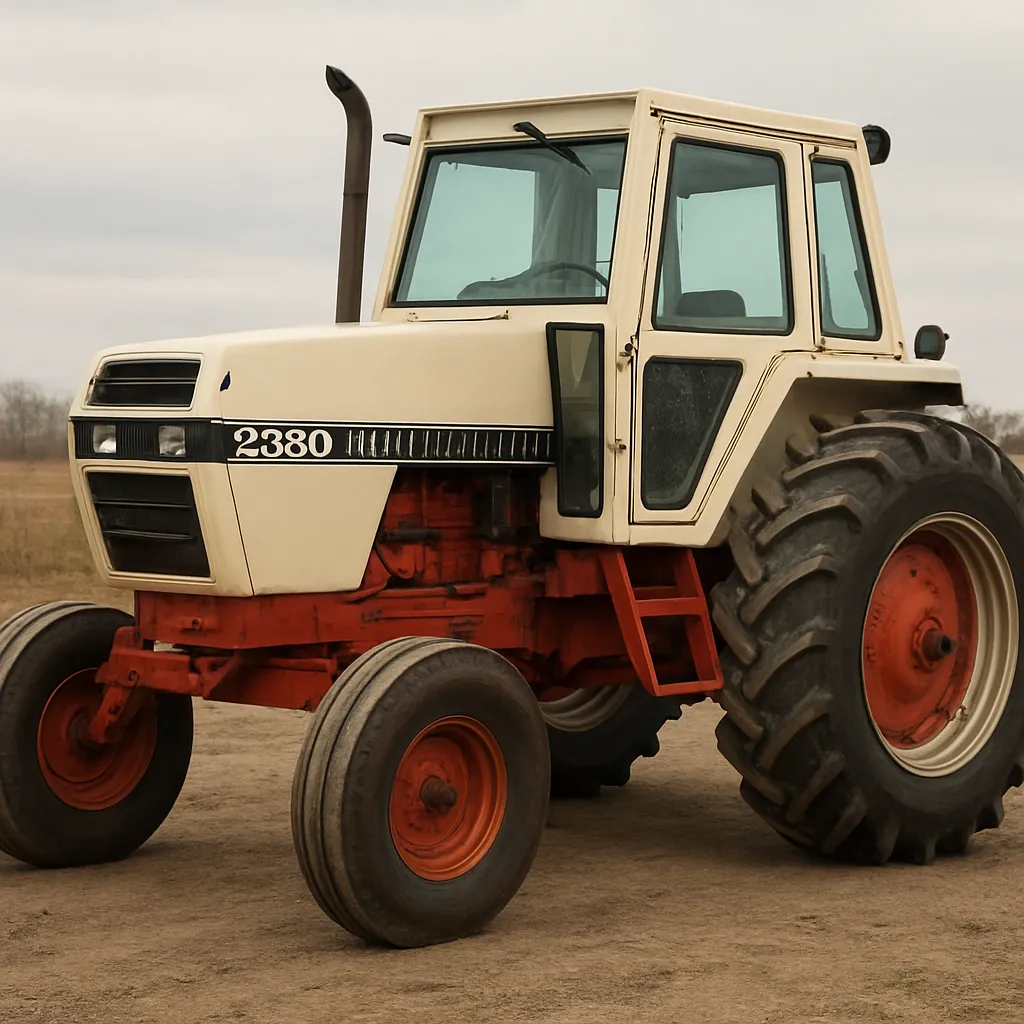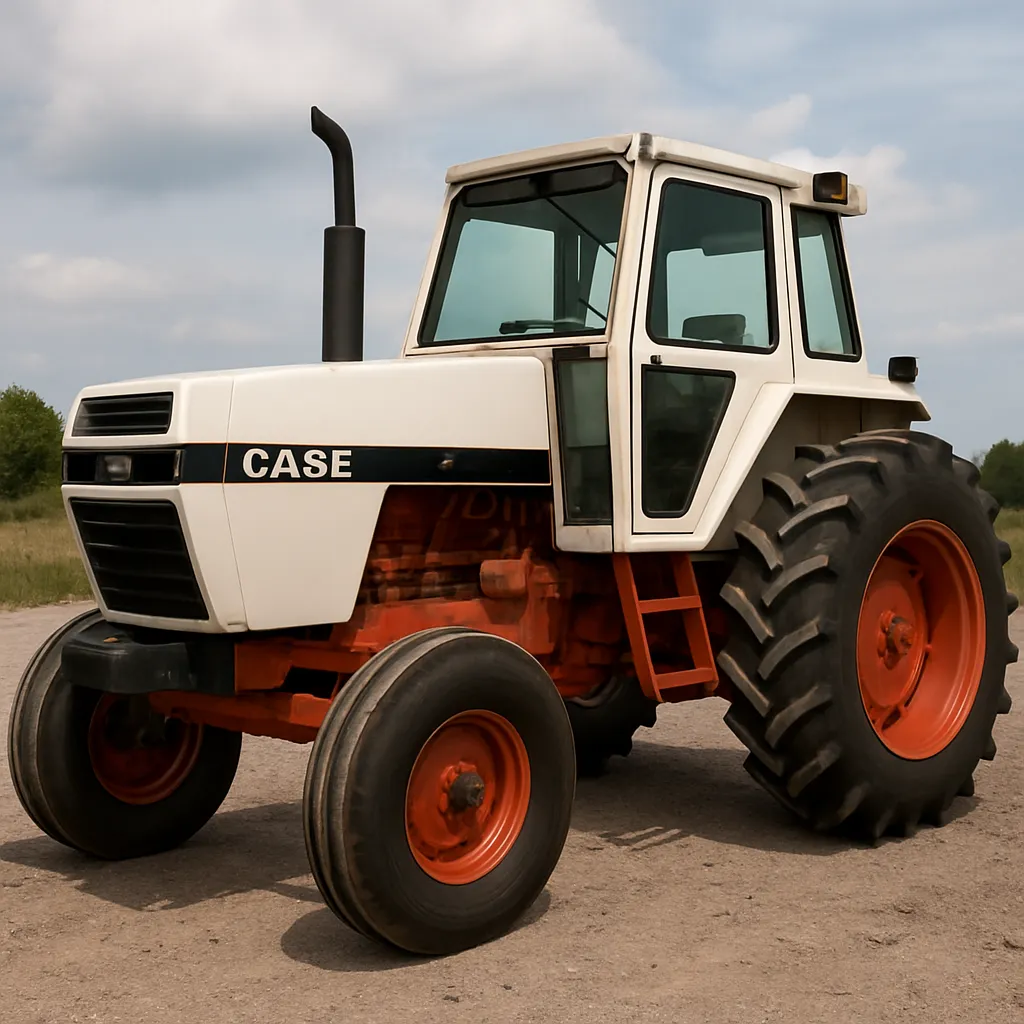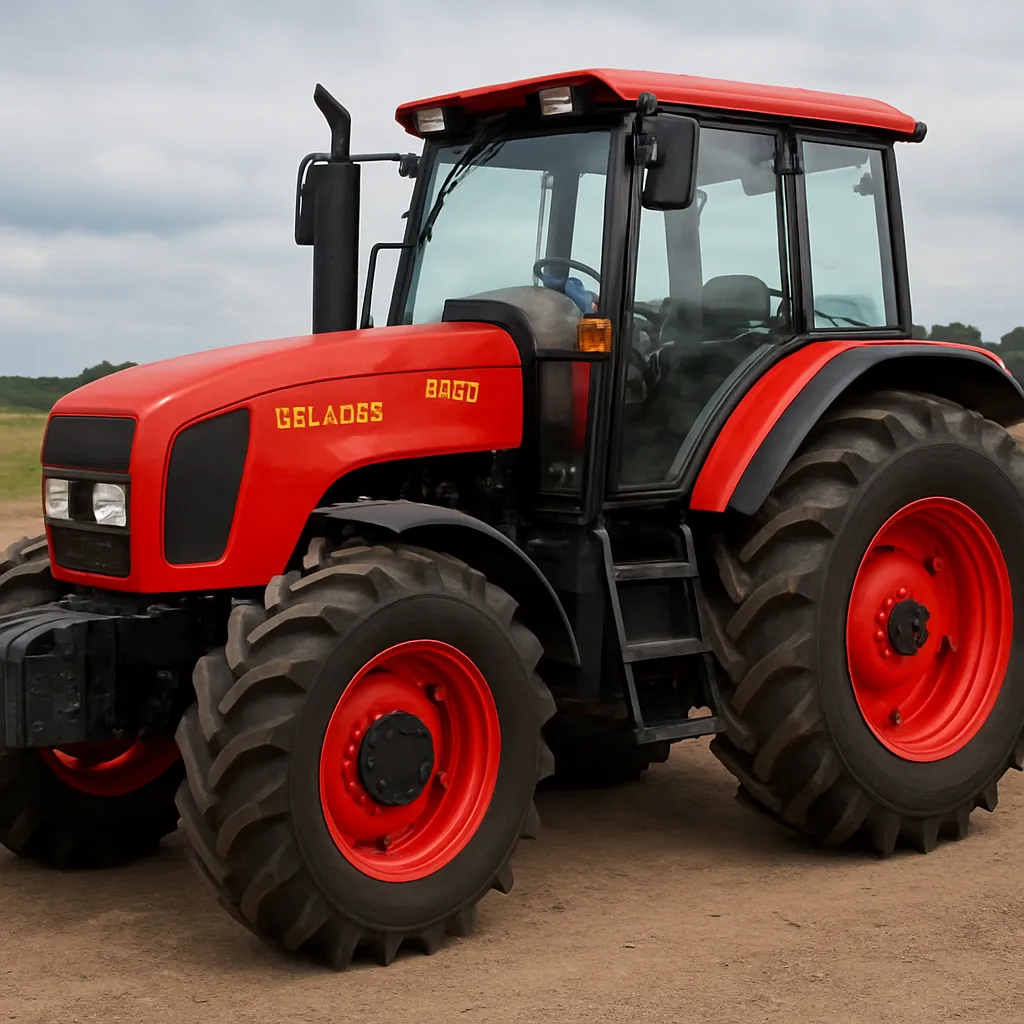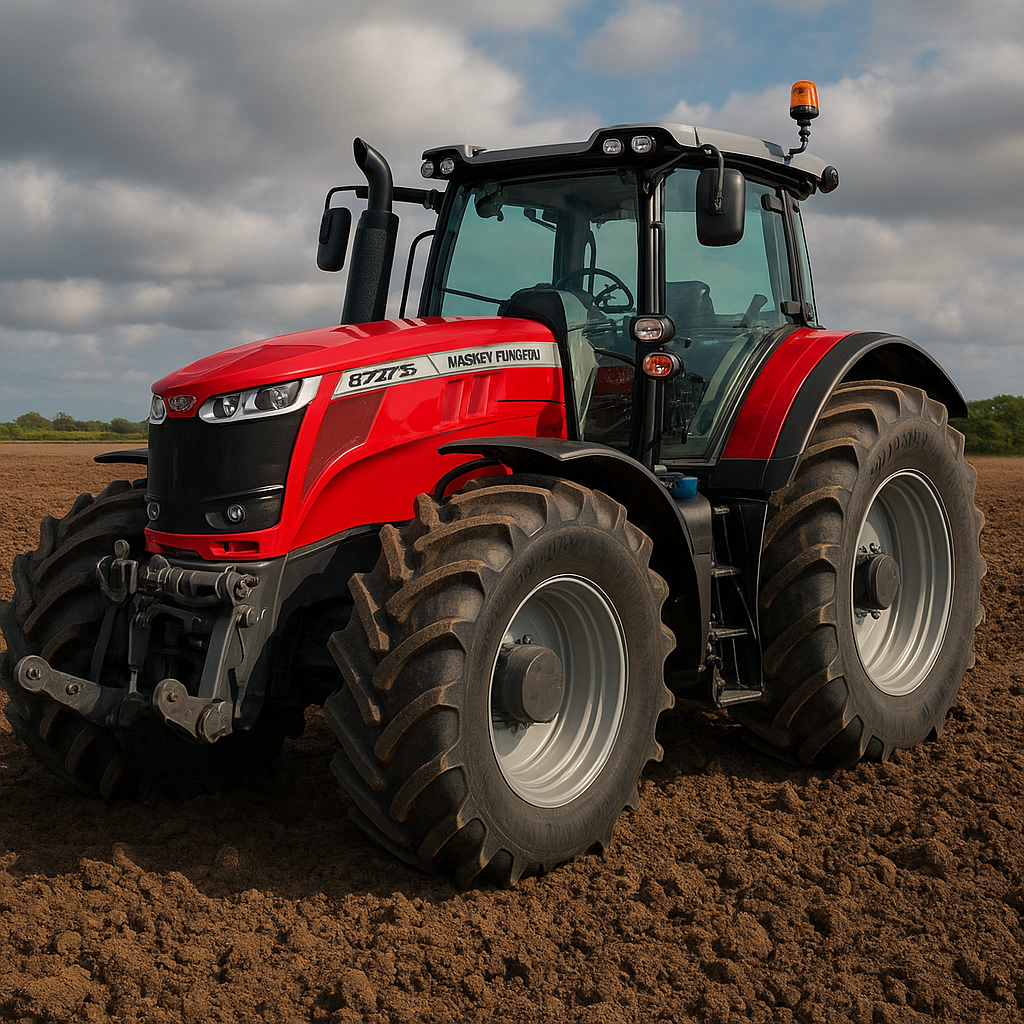
The Massey Ferguson 8731 S is a heavyweight contender in the modern agricultural tractor market, designed to meet the demands of large-scale farming, heavy tillage, and specialized field operations. Combining contemporary engine technology, a robust chassis, and operator-focused cabin ergonomics, the 8731 S aims to balance raw power with efficiency and versatility. In this article we will explore its design, technical characteristics, applications, and the features that make it a compelling choice for contractors, arable farmers, and mixed operations seeking reliable high-horsepower equipment.
Overview and design philosophy
The 8731 S belongs to Massey Ferguson’s lineup of high-powered tractors engineered to deliver consistent performance in a wide range of conditions. The chassis and drivetrain are built to withstand prolonged heavy-duty use, while the platform retains enough flexibility to accept a large variety of implements. Massey Ferguson’s engineers focused on three core priorities: durability, operator comfort, and fuel efficiency. These priorities shape the machine’s overall package, from engine tuning to hydraulic capability and cab layout.
The external design reflects modern agricultural styling—clean lines, accessible service points, and significant cooling capacity to maintain optimal temperatures under heavy loads. The front axle and suspension systems offer improved ride quality and traction control, which are essential when operating large implements or transporting heavy loads on public roads.
Engine, emissions and performance characteristics
At the heart of the 8731 S is a powerful turbocharged diesel engine from AGCO Power or another supplier within the AGCO group, tailored to meet current emissions standards such as Stage V / Tier 4 Final depending on market. Engine management systems optimize fuel delivery and turbo boost to provide consistent torque across the working range, which benefits tasks requiring steady drawbar pull—ploughing, subsoiling or heavy seedbed cultivation.
- Power delivery: The tractor delivers substantial rated and maximum power suitable for high-horsepower tasks. Depending on configuration, the 8731 S commonly operates in the mid-to-high hundreds of horsepower bracket, offering strong torque reserves for heavy implements.
- Torque management: Electronic torque control and engine maps allow the tractor to maintain rpm under load, increasing productivity and preventing bogging in challenging soil conditions.
- Emissions: Aftertreatment solutions such as a diesel particulate filter (DPF) and selective catalytic reduction (SCR) help achieve compliance with modern emissions standards while minimizing power compromises.
The combination of advanced combustion control and efficient exhaust aftertreatment results in a machine that is not only powerful but also designed to meet regulatory requirements and reduce long-term operating costs through improved fuel consumption.
Transmission and driveline options
Massey Ferguson offers versatile transmission choices for the 8731 S to suit different operator preferences and workload profiles. Options generally include advanced continuously variable transmissions (CVT) or step-based powershift transmissions optimized for both field and transport work.
- Continuously variable transmission (CVT): Provides seamless speed changes, excellent control at low speeds for header or loader work, and efficient engine-rev management for fuel savings during road transport.
- Powershift options: Robust powershift variations allow rapid acceleration and quick gear changes for heavy draft work while retaining durability for long hours of operation.
- 4WD and differential locks: A strong driveline with selectable differential locks ensures traction in wet or loose soils, improving pull-through and minimizing wheel slip.
These driveline options are designed to maximize the tractor’s versatility, making it suitable for everything from high-speed transport of implements to slow, high-torque soil-engaging work.
Hydraulics, PTO and implement compatibility
A strong hydraulic system is essential for the 8731 S because modern implements demand high flow rates and responsive control. The hydraulic package for this tractor typically includes high-flow pumps, multiple remote valves, and precise electronic control.
- Hydraulic flow: High-capacity hydraulic pumps support implements that require substantial oil flow—seeders with active downforce, large cultivators, and mounted or trailed sprayers with hydraulic folding systems.
- Rear linkage: The rear three-point hitch features high lift capacity enabling the use of large mounted implements and ensuring safe, stable lifting even with heavy loads.
- PTO options: Standard PTO speeds include 540 and 1000 rpm, and may include economy PTO modes or an optional 1000E (economy) setting to reduce engine rpm at a given implement speed for improved fuel economy.
Compatibility with modern implements is a design hallmark—electronic hitch control and ISOBUS compatibility mean the 8731 S can integrate with precision implements and control systems for automated functions and data exchange.
Cab design, ergonomics and operator features
Operator comfort is a critical element for high-hour workdays, and the 8731 S cab introduces features to reduce fatigue and improve productivity. Ergonomic controls, excellent all-around visibility, and climate control systems help operators maintain focus and effectiveness.
- Seating and suspension: Air-suspended seats with multiple adjustments and suspended cab options are available to reduce vibration and improve comfort over rough terrain.
- Intuitive controls: Joystick and armrest-mounted controls place hydraulic and transmission functions within easy reach, enabling precise implement operation.
- Display and telematics: A central touchscreen and telematics connectivity (such as MF Connect) offer vehicle diagnostics, performance monitoring, and remote data transmission for fleet management and precision farming integration.
Acoustic insulation and HVAC systems maintain a pleasant working environment, while LED lighting packages ensure extended visibility during early-morning or late-evening operations.
Applications and real-world use cases
The 8731 S is designed to serve large-scale arable farms, contractors and mixed operations that require a high level of adaptability and continuous performance. Typical applications include:
- Tillage and primary cultivation: With its high torque and robust linkage, the tractor is ideal for deep ploughing, subsoiling and heavy cultivator work.
- Seeding and planting: Stable hydraulic flow and precise hitch control make it suitable for pulling large seed drills and precision planters across varied soils.
- Transport and hauling: The combination of high-speed transmission options and strong braking systems makes long-distance field-to-market runs efficient and safe.
- Specialized tasks: With proper attachments the tractor can be used for hauling slurry tanks, powering large balers, operating mining-style tillage rigs or supporting forestry and municipal tasks where heavy pulling power is needed.
Contractors appreciate the 8731 S for its ability to swap between heavy tillage and transport tasks with minimal downtime, while large-scale farmers value its capacity to clear broad acreages quickly and consistently.
Fuel efficiency, economy and operational statistics
Fuel economy is a crucial metric for large tractors because operating hours and diesel costs directly affect profitability. The 8731 S incorporates several strategies to improve efficiency:
- Engine management: Adaptive engine maps and turbocharging improve combustion efficiency across load ranges.
- Transmission optimization: CVT or advanced powershift units allow the engine to run at the most efficient rpm for a given load and speed.
- Implement control: ISOBUS and automated guidance systems minimize overlaps and reduce redundant passes, lowering total fuel consumption per hectare.
Typical fuel consumption depends on task intensity and configuration. For heavy draft work, hourly fuel use can be significant, while transport and lighter tasks reduce hourly consumption. Operators commonly report fuel savings versus older machines of the same power class through improved engine efficiency, automated management and reduced idle time.
Maintenance, serviceability and total cost of ownership
Easy access to service points and extended service intervals are important for minimizing downtime. The 8731 S was designed with these factors in mind:
- Accessible maintenance points: Routine checks and filter changes are simplified by centralized and easily reachable components.
- Modular components: Critical systems such as hydraulics and electronics use modular units, allowing quicker replacement and less time in the workshop.
- Remote diagnostics: Telematics platforms permit remote troubleshooting and proactive maintenance scheduling based on actual usage data.
When evaluating total cost of ownership, buyers should consider fuel consumption, service intervals, resale value and productivity gains from reduced work time. The robust build and brand support network often translate to favorable residual values for well-maintained machines.
Safety systems and electronic aids
Modern tractors are increasingly software-driven, and the 8731 S includes several electronic aids to improve safety and operational precision:
- Stability and traction control: Automatic differential management and traction control systems enhance performance in slippery conditions.
- Brake and transport safety: High-capacity brakes and stability systems ensure safe transport of heavy loads at road speeds, often up to or near 40–60 km/h depending on regional regulations and configuration.
- Guidance and automation: Compatibility with automated steering and guidance reduces operator fatigue, maintains consistent field passes and minimizes overlap, thereby improving safety and efficiency.
These systems not only protect the operator and machine but also contribute to consistent output and predictable operating costs.
Comparative advantages and market position
In a crowded market of high-horsepower tractors, the 8731 S competes on a combination of reliability, operator comfort and adaptability. Its main strengths include:
- Robust build quality for prolonged heavy-duty use.
- Versatile implement compatibility thanks to ISOBUS readiness and generous hydraulic output.
- Strong dealer and service network that provides parts and technical support across many agricultural regions.
Compared to rivals, the 8731 S often stands out for its balance between advanced electronics and straightforward mechanical design, allowing operators to benefit from automation without sacrificing tried-and-true durability.
Environmental considerations and sustainability
As agriculture moves toward more sustainable practices, tractors like the 8731 S play a role in reducing the environmental footprint of farm operations. Strategies include:
- Reduced fuel consumption through engine and transmission optimization.
- Precision farming compatibility which reduces overlap, chemical, and seed waste.
- Long service life and recyclability of key components to lower lifecycle impacts.
Implementing this tractor as part of an integrated precision farming approach can lower per-hectare emissions and resource consumption when compared with less efficient, older machinery.
Conclusion
The Massey Ferguson 8731 S represents a modern solution for large-scale agricultural challenges, combining substantial power, advanced hydraulics and operator-focused features within a durable package. Its adaptability makes it suitable for a wide range of tasks—from deep tillage and seeding to heavy transport and specialized implements—while telematics and precision-farming compatibility support improved productivity and reduced operational costs. For operators looking to upgrade to a high-horsepower, versatile machine that balances comfort and efficiency, the 8731 S is a compelling candidate.
Key attributes at a glance
- Power and torque: High-rated engine output with strong torque curves suitable for heavy draft work.
- Hydraulic performance: High-flow hydraulics and powerful rear linkage for large implements.
- Operator environment: Comfortable, well-appointed cab with advanced controls and telematics.
- Serviceability: Designed for straightforward maintenance and remote diagnostics.
- Versatility: Suitable for arable farms, contractors and mixed operations requiring high productivity.