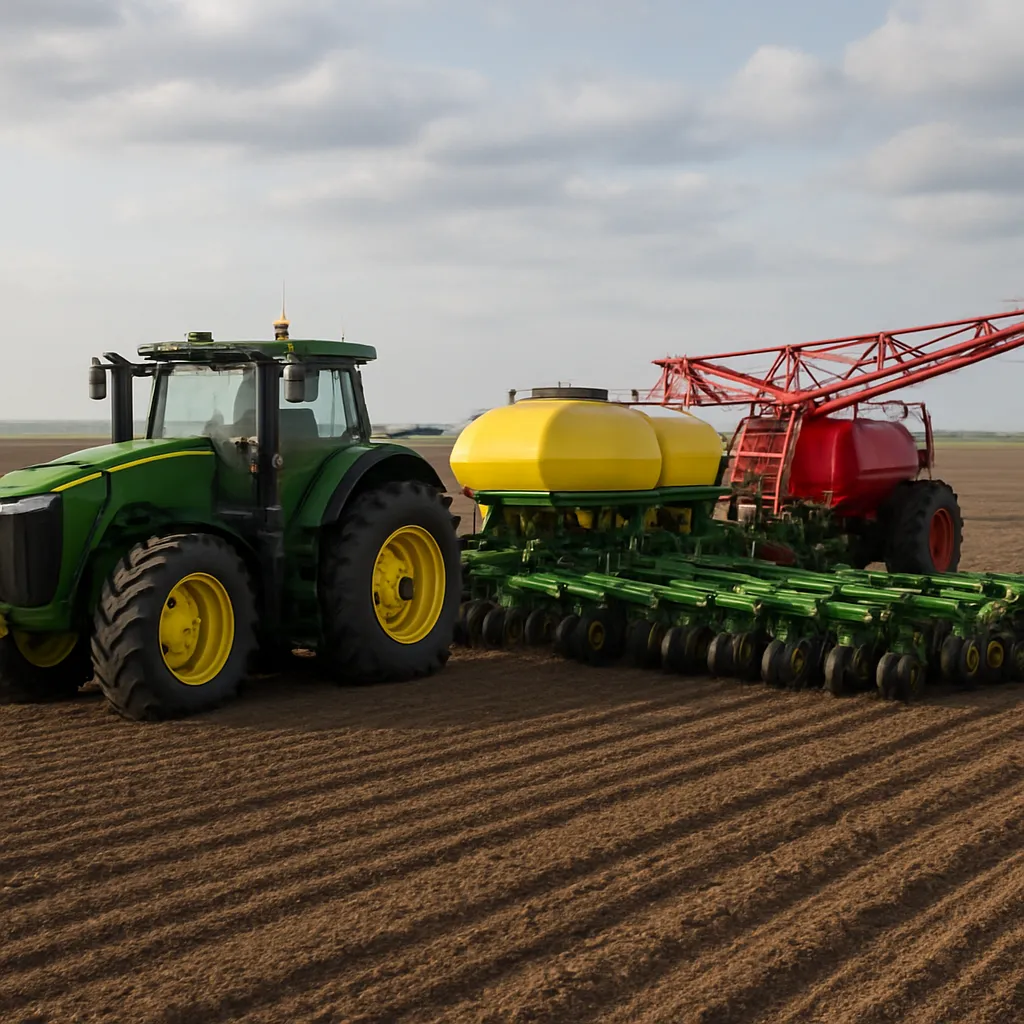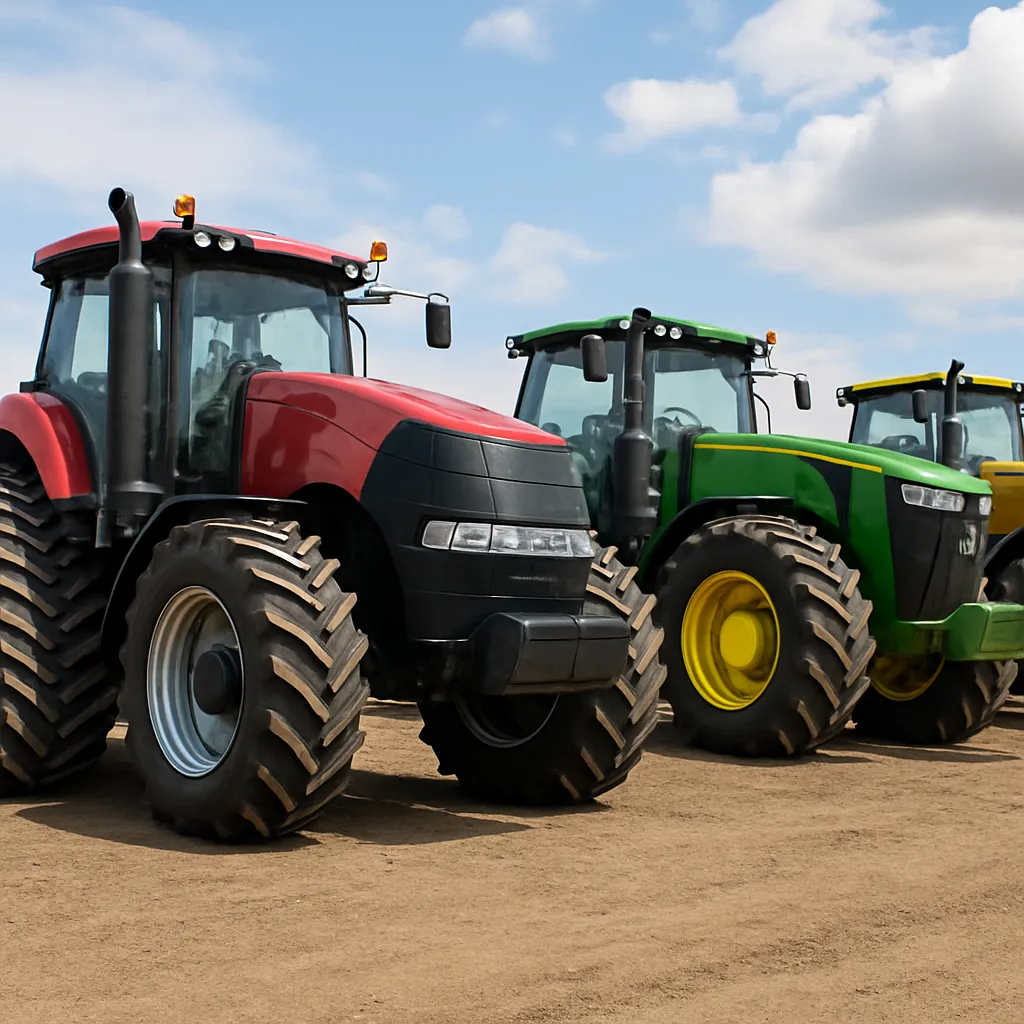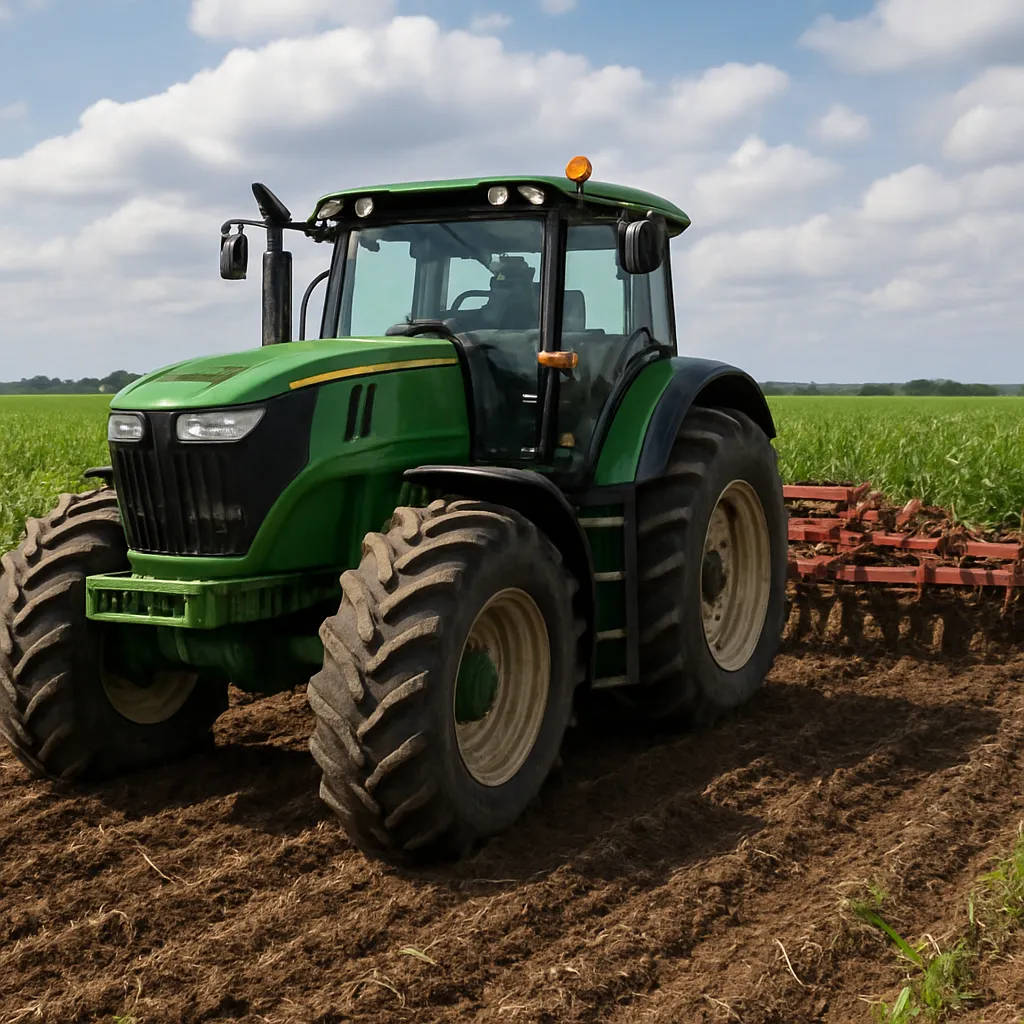
The pursuit of greater field coverage and higher yield has driven the development of colossal tractors capable of transforming farming landscapes. These mechanized giants deliver unprecedented power and resilience, revolutionizing how modern agribusiness tackles large-scale cultivation. This article examines the cutting-edge engine technology behind the world’s most massive tractors and explores the engineering feats that make them indispensable assets on mega-farms.
Evolution of Mega Tractors
The journey from early agricultural machines to today’s mega-tractors is a testament to continuous innovation. In the early 20th century, tractors typically featured low horsepower and simple mechanical drivetrains. As farms expanded, so did the demand for machines capable of handling larger implements and heavier loads. Manufacturers responded by increasing engine displacement, optimizing chassis strength, and integrating advanced transmission systems.
Key Milestones in Tractor Development
- 1900s: Introduction of the first diesel-powered models, offering better efficiency than gasoline engines.
- 1950s: Emergence of turbocharged variants to boost horsepower and maintain consistent performance under load.
- 1980s: Electronic fuel management systems revolutionize fuel injection, improving both responsiveness and emissions control.
- 2000s: Shift toward four-axle configurations to distribute weight and increase traction for ultra-large implements.
- 2010s: Integration of precision agriculture electronics and autonomous guidance systems for optimized field operations.
Today’s mega-tractors routinely exceed 600 horsepower and can handle implements spanning more than 20 meters. These machines embody a fusion of heavy-duty mechanics with digital intelligence, elevating farming efficiency to new heights.
Advanced Engine Technologies
At the heart of every mega-tractor lies an engine designed to deliver immense torque at low revs, ensuring steady traction in demanding soil conditions. Achieving this requires innovations in turbocharging, emission aftertreatment, and materials engineering that can withstand intense operating stresses.
Turbocharging and Twin-Stage Boost Systems
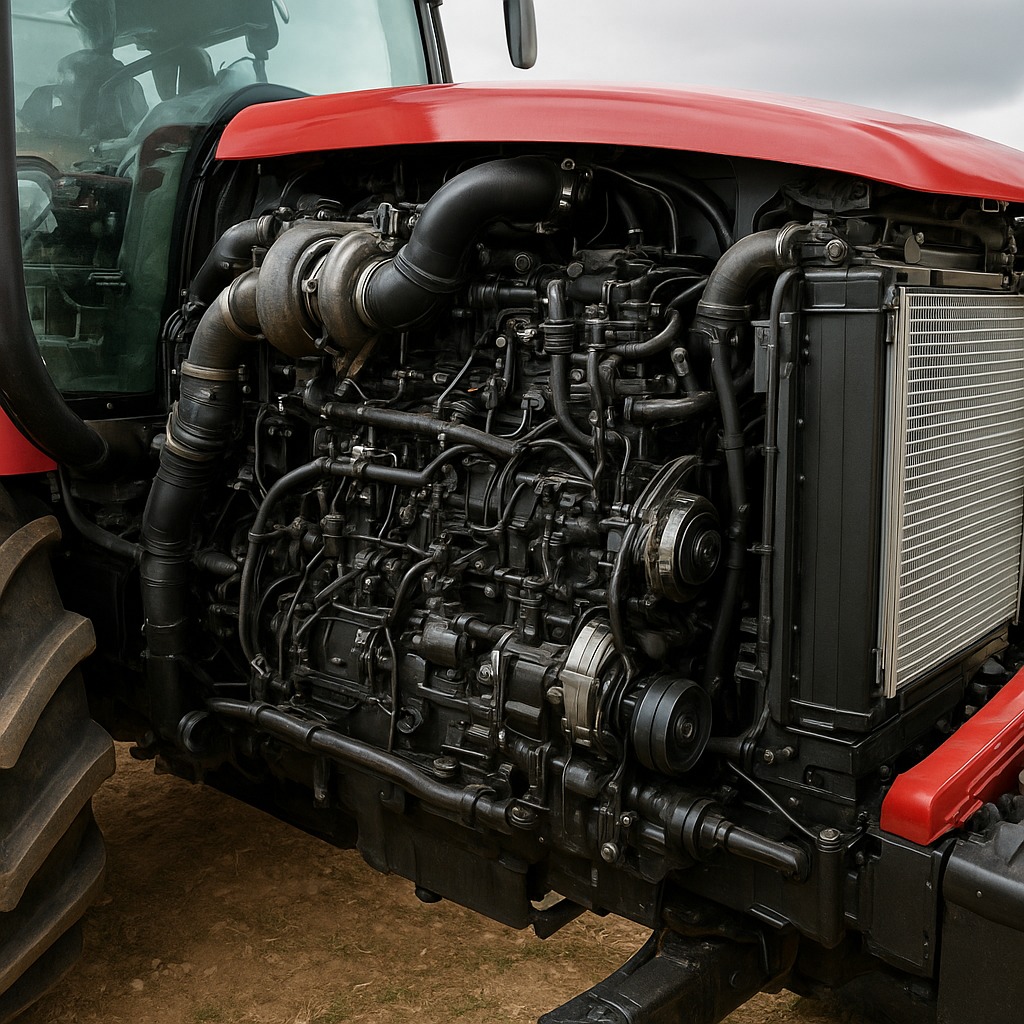
Turbochargers force more air into the combustion chamber, amplifying power without significantly increasing engine size. Mega-tractors often employ twin-stage turbocharging: a high-pressure unit for rapid throttle response and a low-pressure stage for sustained power delivery. This dual system minimizes turbo lag and maintains optimal boost across various engine speeds.
Selective Catalytic Reduction and Emissions Control
Meeting global emissions regulations poses a challenge for large-displacement engines. Selective Catalytic Reduction (SCR) systems inject urea-based solutions into the exhaust stream, converting nitrogen oxides into harmless nitrogen and water. Coupled with diesel particulate filters (DPF) and exhaust gas recirculation (EGR), these technologies ensure compliance while preserving efficiency.
Advanced Fuel Injection and Electronic Management
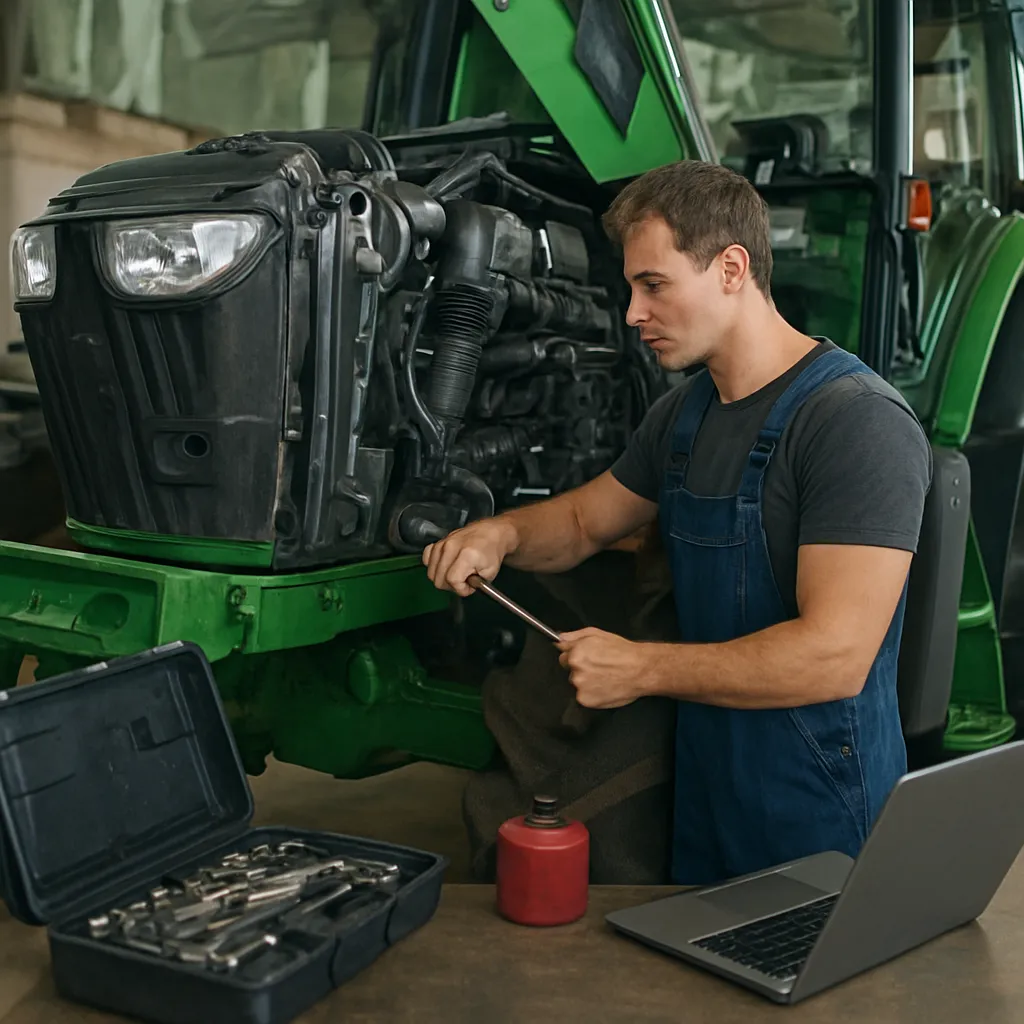
Modern fuel injection systems employ high-pressure common rails and piezoelectric injectors to deliver precise fuel metering. Electronic Control Units (ECUs) monitor combustion parameters in real time, adjusting injection timing and duration to optimize power output and reduce fuel consumption. This level of control also enhances cold-start reliability and overall durability.
Case Studies of Record-Breaking Tractors
Several models have set new benchmarks in power and size, capturing the imagination of farmers worldwide. Below are highlights of some of the most impressive tractors in operation today.
Model A: 700-HP Four-Axle Behemoth
- Engine: 16.2L inline-six with twin-stage turbocharging
- Transmission: 32-speed power shuttle with automated shifting
- Features: Integrated precision guidance, adjustable track widths, full LED lighting package
- Performance: 2,500 Nm of torque at just 1,200 RPM
This tractor excels in wide-scale tillage and subsoiling operations. Its robust powertrain enables attachment of implements weighing over 15 tons, making it ideal for mega-farm environments.
Model B: The Hydrogen-Assisted Prototype
- Engine Hybridization: Hydrogen-diesel dual-fuel system
- Emission Profile: Up to 40% reduction in CO2 output
- Cooling System: Advanced thermal management for prolonged high-load cycles
- Innovations: Integrated air suspension for ride comfort and soil preservation
While still in prototype phase, this model demonstrates the potential for alternative fuels in heavy agricultural applications. The hydrogen-diesel system reduces overall sustainability concerns without sacrificing torque or reliability.
Model C: The Autonomous 650-HP Tractor
- Drive System: Four-wheel drive with dynamic traction control
- Guidance: GPS RTK with sub-inch accuracy
- Sensors: LiDAR and multi-spectral cameras for obstacle detection
- Operator Interface: Remote monitoring dashboard via mobile app
Fully capable of unattended operation, this tractor showcases how robotics and AI can transform farming workflows. It autonomously adjusts implement depth and steering to optimize field coverage while monitoring engine parameters to prevent overheating.
Future Directions in Engine Design
The next wave of mega-tractor engines will likely emphasize even greater efficiency and reduced environmental impact. Research is underway in areas such as homogeneous charge compression ignition (HCCI), advanced hybridization, and enhanced materials for lighter engine blocks.
HCCI and Low-Temperature Combustion
HCCI engines ignite a homogeneous air-fuel mix through compression, resulting in lower combustion temperatures and reduced NOx formation. While controlling the combustion process presents challenges, successful implementation could slash emissions without sacrificing power.
Electrification and Hybrid Drives
Combining electric motors with traditional engines offers instant torque assistance and regenerative braking. In high-horsepower tractors, hybrid systems can smooth power delivery and enable engine downsizing. Energy recovered during deceleration can drive auxiliary systems, enhancing overall efficiency.
Advanced Materials and Additive Manufacturing
Lightweight, high-strength alloys and 3D-printed components allow for intricate cooling passages and optimized structural elements. These innovations reduce engine weight while improving thermal conductivity and resistance to wear, extending maintenance intervals and durability.
Conclusion
The evolution of mega-tractor engine technology has brought remarkable gains in horsepower, torque, and operational versatility. From turbocharged diesel giants to hybrid and hydrogen-assisted prototypes, these machines define the future of large-scale agriculture. As research continues to push the boundaries of efficiency and sustainability, the next generation of engines promises even greater performance, ensuring that mega-farming equipment remains at the forefront of modern agronomy.