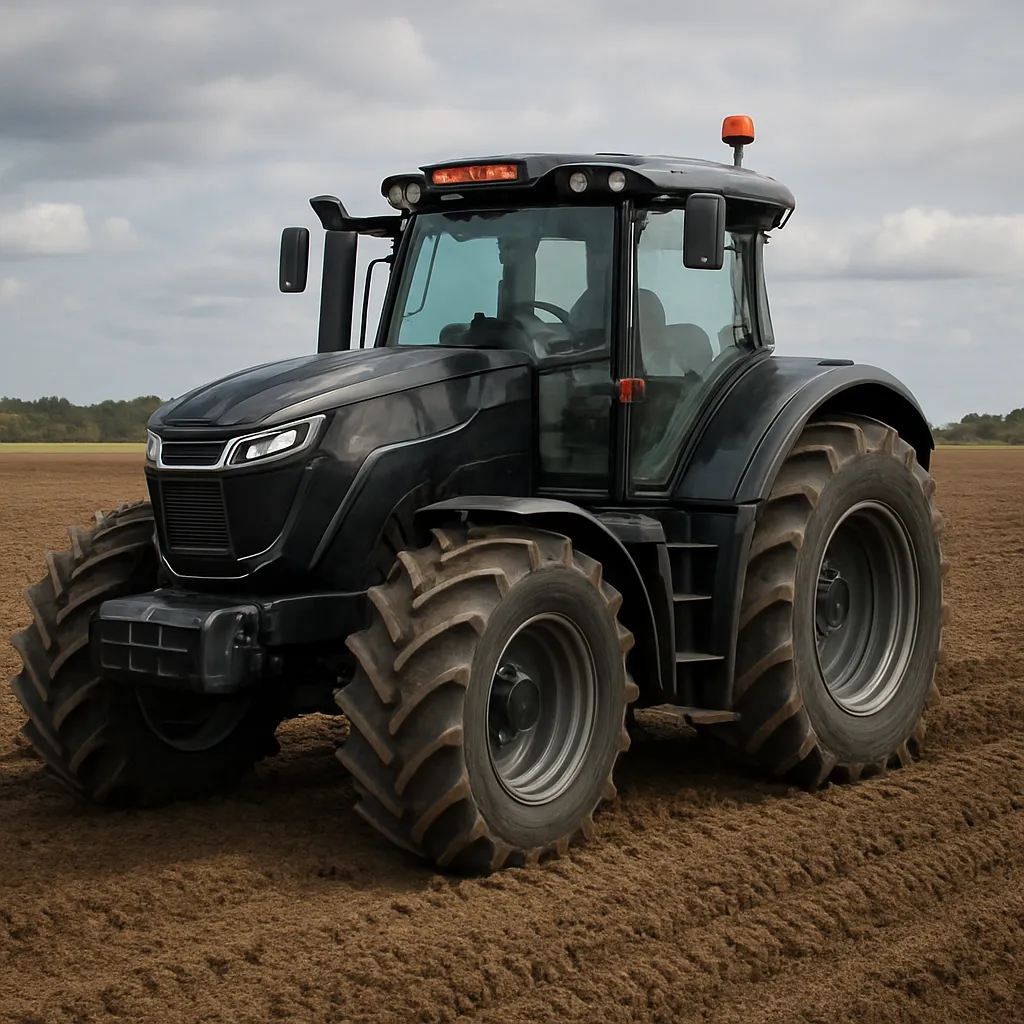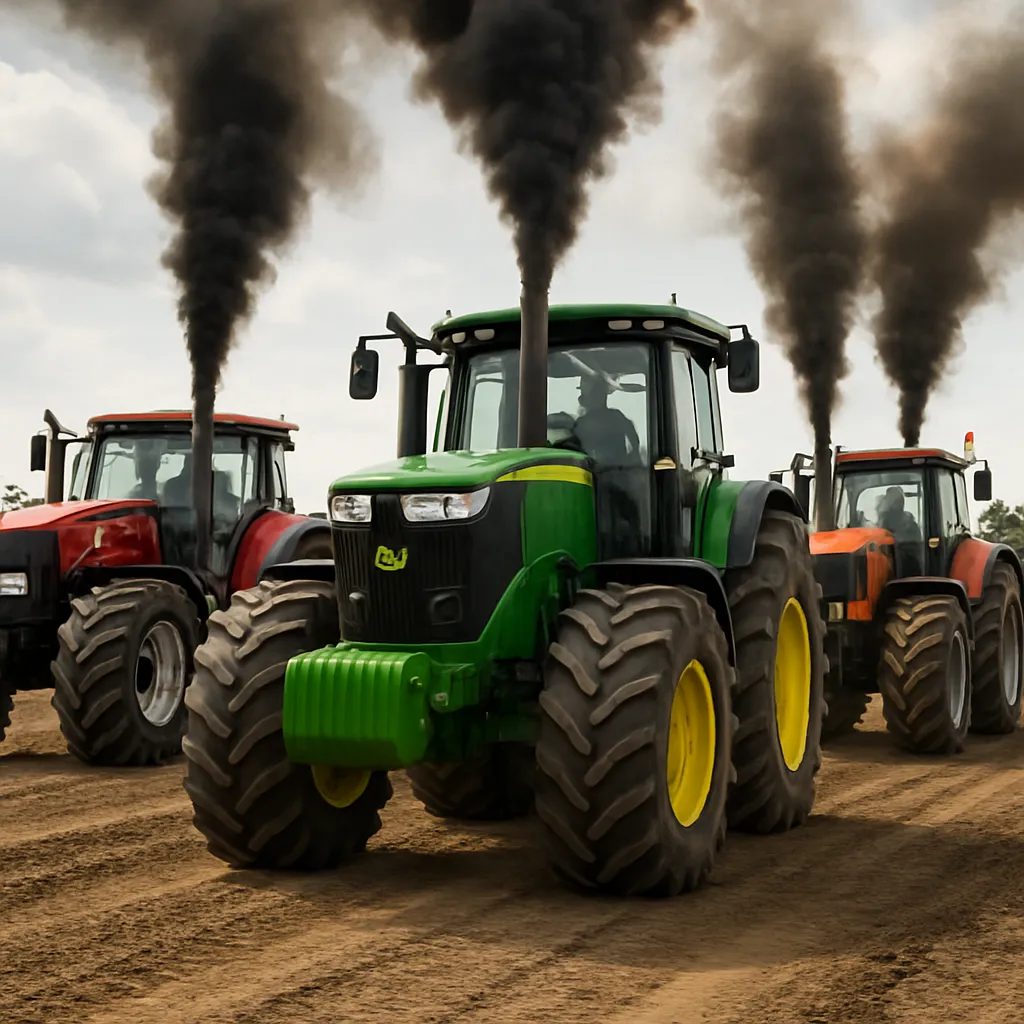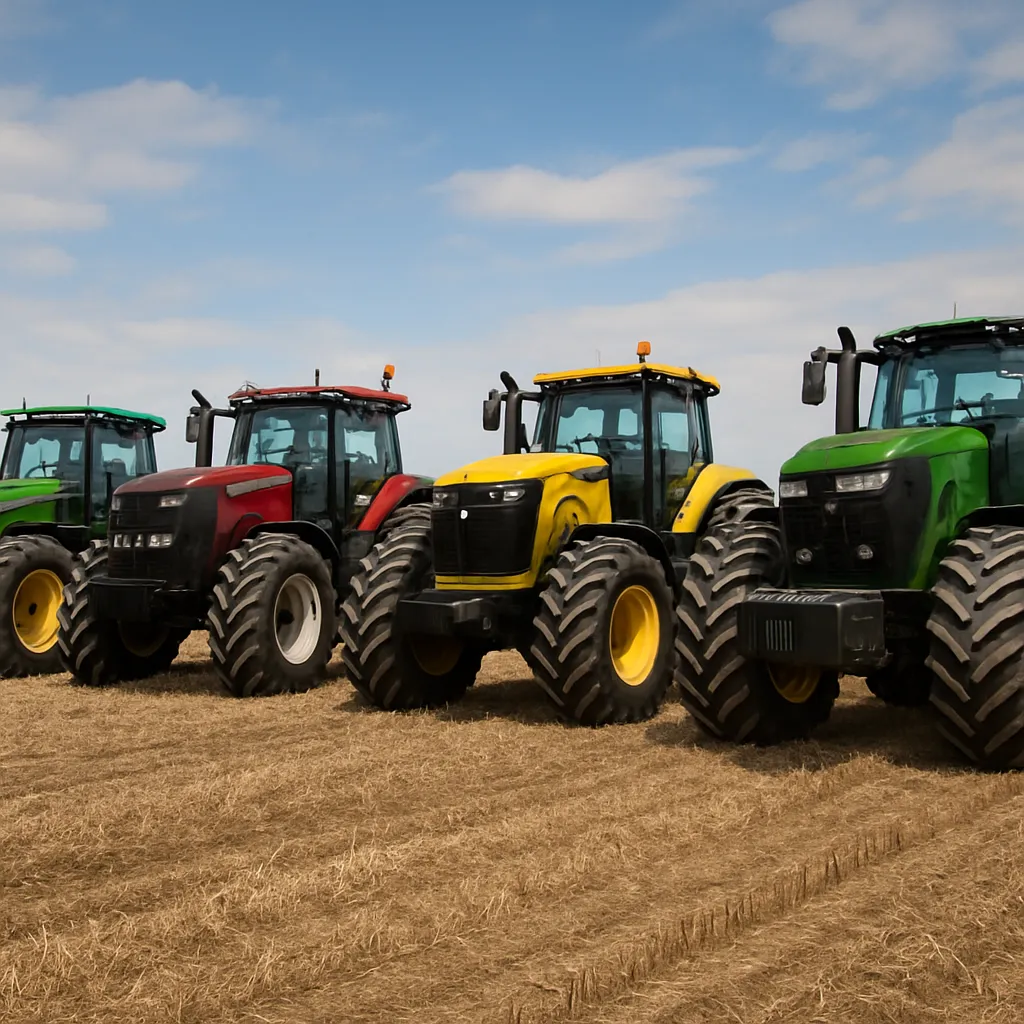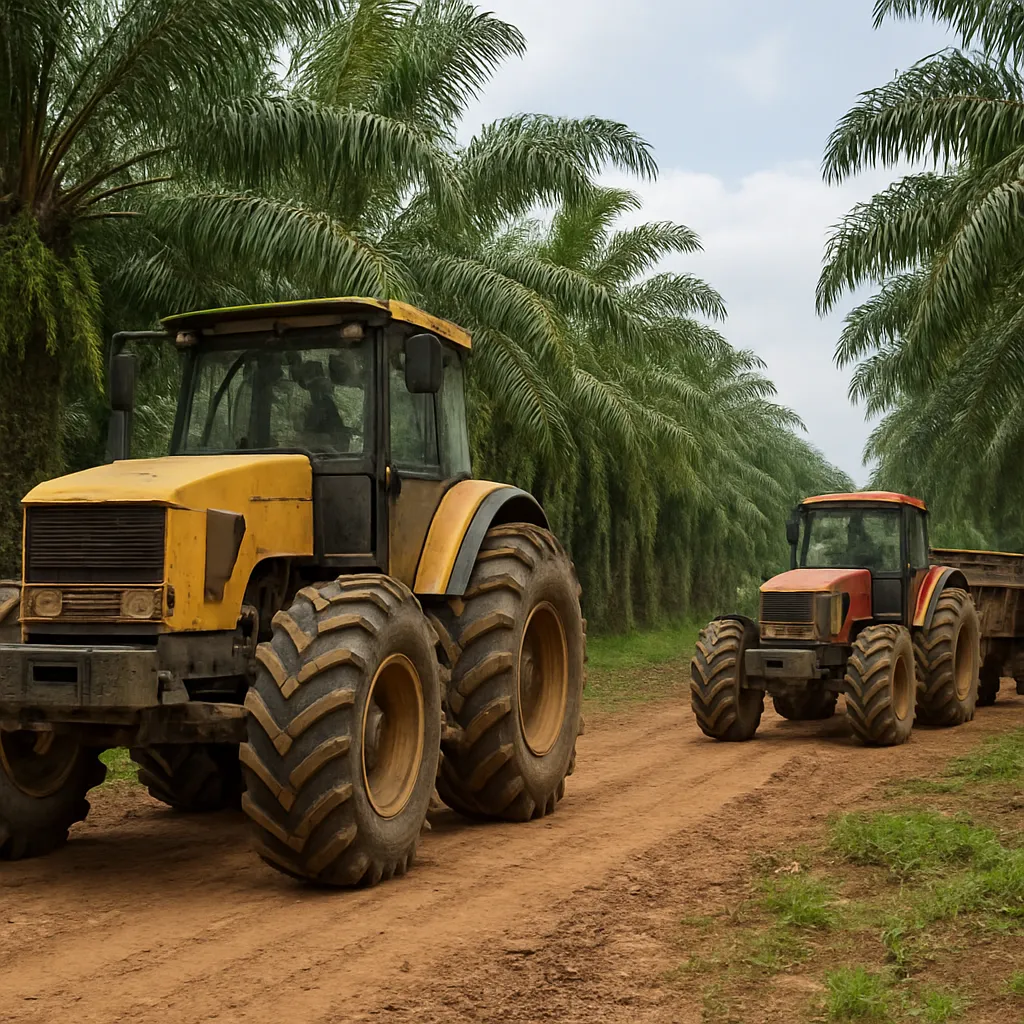
The pursuit of greater power and unmatched performance has driven the evolution of agricultural machinery for decades. Today, Claas stands at the forefront of this movement, pioneering massive tractors that redefine the boundaries of efficiency and precision in the field. From the initial milestones in mechanized farming to the latest record-setting behemoths, this article examines how Claas has engineered some of the biggest tractors ever built, their groundbreaking features, and the implications for the future of modern agriculture.
Evolution of Giant Farm Machines
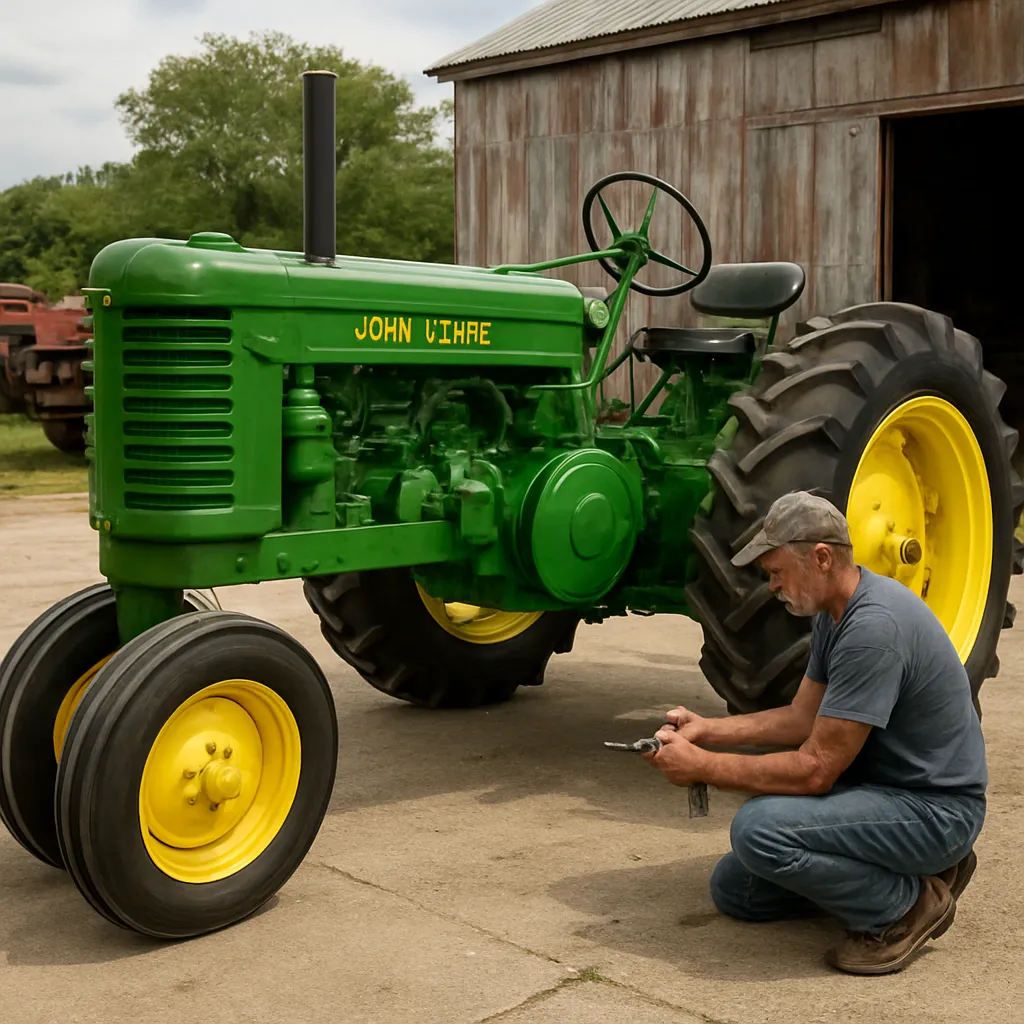
The history of large-scale tractors stretches back to the early 20th century, but it accelerated dramatically in the post-war era. As farms expanded in size and scope, the need for machines capable of handling extensive acreage quickly grew. Claas, founded in 1913, gained prominence by introducing innovations that blended raw horsepower with intuitive controls.
- 1920s–1940s: Introduction of tracked tractors and basic hydraulics
- 1950s–1970s: Shift to four-wheel drive and higher engine output
- 1980s–1990s: Electronic management systems and comfort cabs
- 2000s–Present: Emphasis on connectivity, precision guidance, and sustainable fuel consumption
This timeline shows how each era brought a leap in capability. Claas embraced new materials and computational design, allowing engines to be more compact yet deliver astonishing power outputs. By the early 2000s, the launch of its flagship models signaled a new chapter in the production of super-sized tractors.
Record-Breaking Claas Models
Claas’s dedication to pushing limits produced several standout machines, each eclipsing its predecessor in terms of scale and capacity. Below are three particularly noteworthy models:
Claas Xerion 5000
- Engine Power: 530 hp, six-cylinder diesel
- Transmission: CVT (Continuously Variable Transmission) for seamless speed control
- Highlights: Rotating cab design for 360° visibility, advanced telematics
The Xerion 5000 combined immense traction with operator comfort, allowing for long shifts with minimal fatigue. Its innovation in cab rotation made tasks such as coupling implements and road transport effortless.
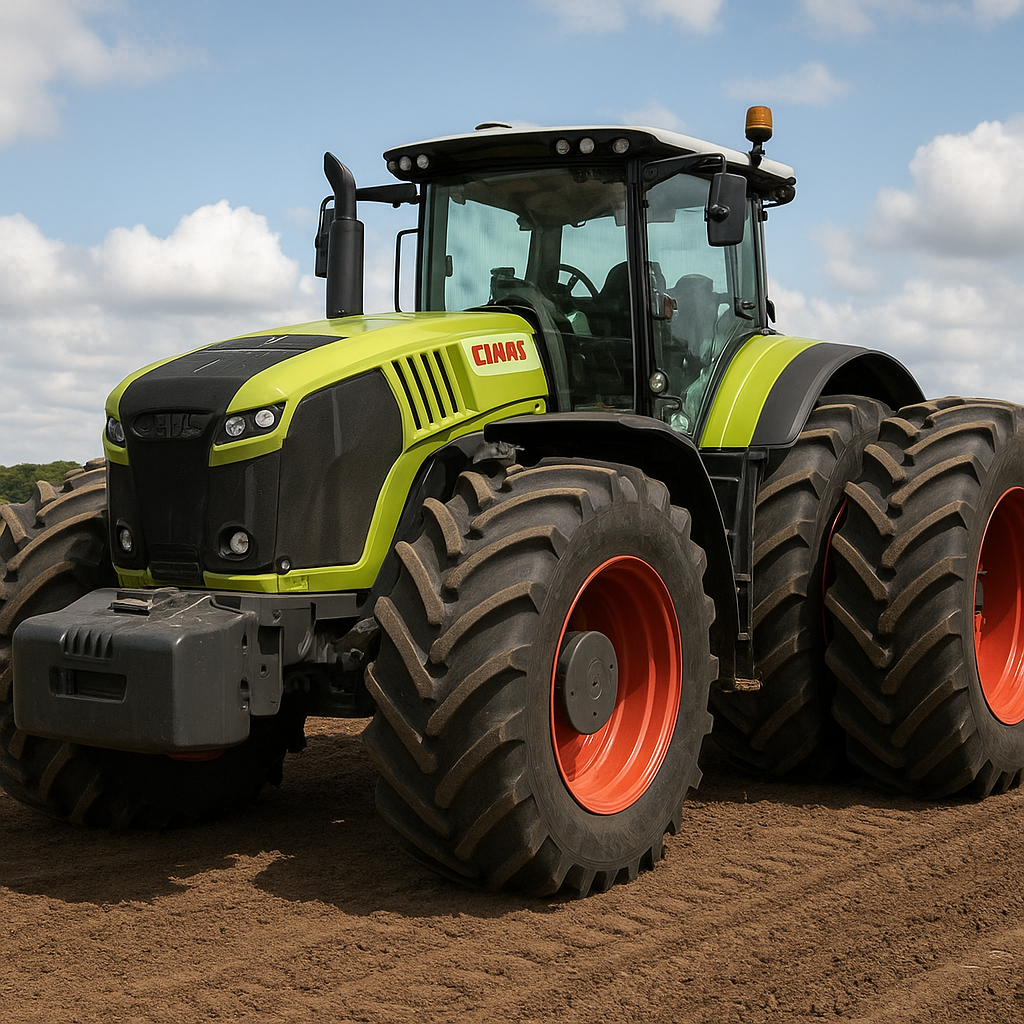
Claas Axion 900 Series
- Engine Power: Up to 415 hp
- Features: Six-speed automatic transmission, integrated auto-steer
- Unique Aspect: Modular design enabling rapid adaptation to diverse tasks
Though slightly less powerful than the Xerion 5000, the Axion 900 Series excelled in versatility. Farmers valued its ability to switch between tillage, baling, and sprayer towing without extensive downtime.
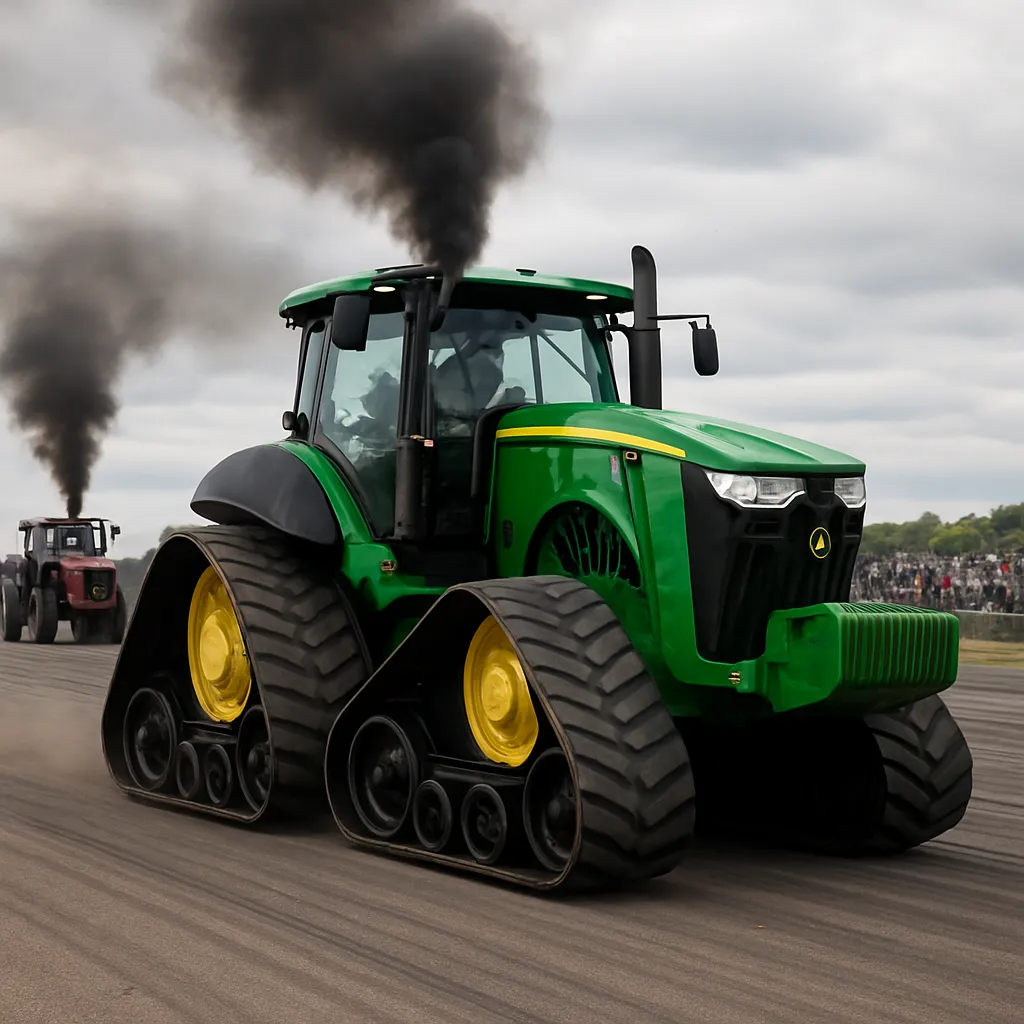
Claas Terra Trac Concept
- Concept Power: Projected 600–700 hp range
- Drive System: Articulated frame with full-track undercarriage
- Future Tech: Autonomous operation potential, hydrogen fuel cells exploration
Unveiled as a concept, the Terra Trac envisions a future where sustainability and colossal power co-exist. Tracks distribute weight more evenly, reducing soil compaction and enabling traction in challenging conditions.
Key Technological Innovations
Behind every enormous Claas tractor lies a suite of advanced technologies designed to optimize field operations and reduce environmental impact. Several breakthroughs stand out:
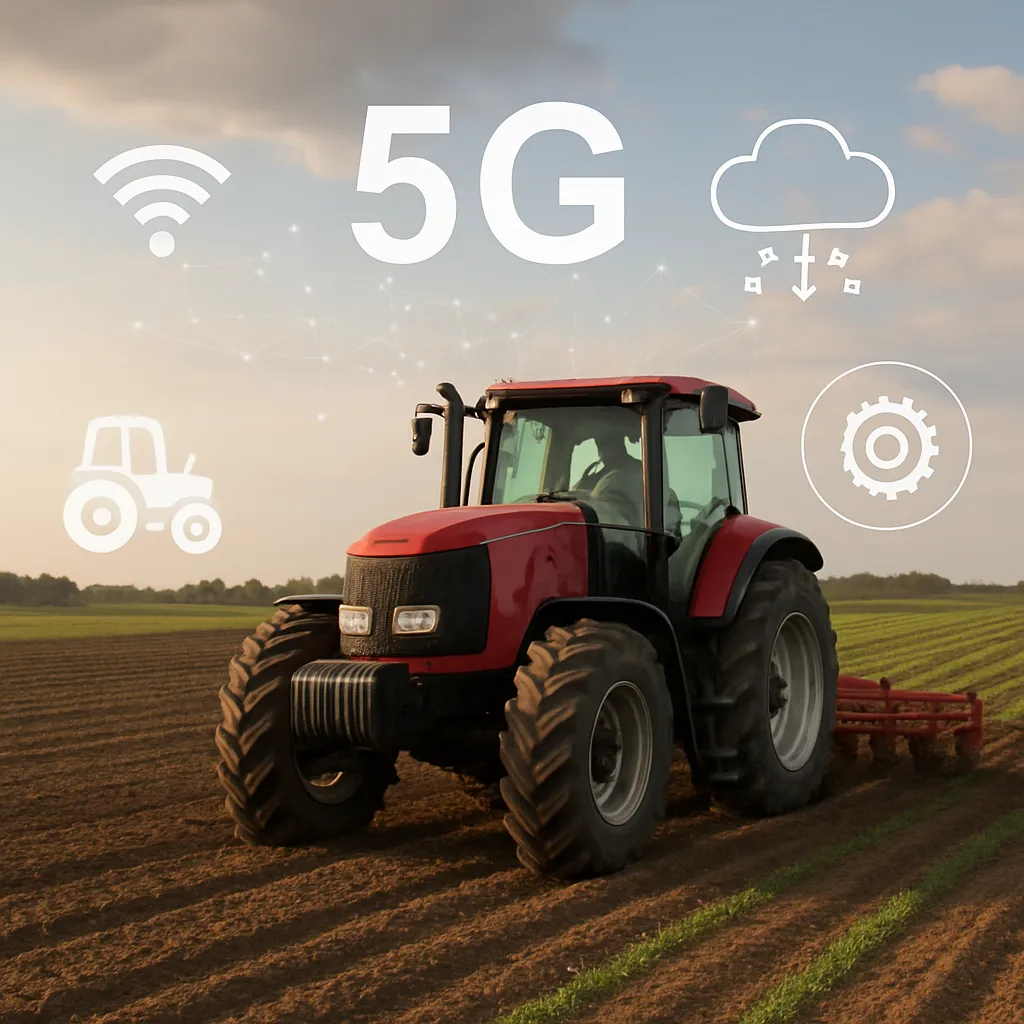
- Telematics Systems: Real-time monitoring of engine health, fuel usage, and work rates via cloud connectivity
- Auto-Steer and Guidance: Sub-inch GPS accuracy for precise headland turns and straight passes
- Adaptive Load Control: Automatic adjustment of torque distribution between axles for maximum traction
- Eco-Power Modes: Dynamic engine mapping to minimize fuel burn at varying workloads
- Operator Assistance: Haptic feedback controls and panoramic cabs for improved situational awareness
These features not only enhance output but also cut down on idle time and operator stress. As demand for data-driven farming rises, Claas’s integrated platforms allow seamless integration with farm management software, ensuring every hectare is farmed with optimal resource allocation.
Impact on Modern Agriculture
The introduction of massive tractors by Claas and other manufacturers has fundamentally altered how large farms operate. Benefits include:
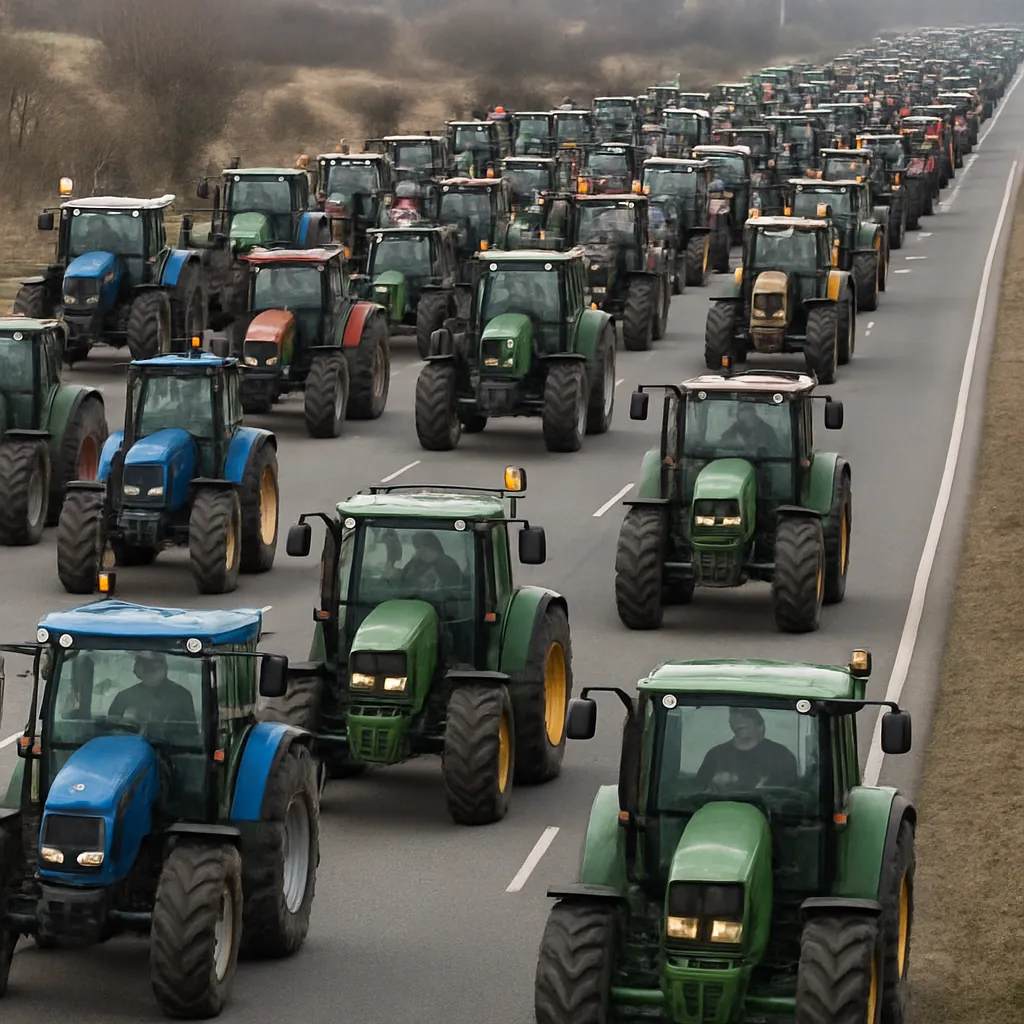
- Reduced Passes: Wide implements and high efficiency mean fewer soil compaction passes
- Time Savings: Faster field coverage in tight weather windows
- Labor Optimization: One operator can oversee vast tracts, aided by autonomous features
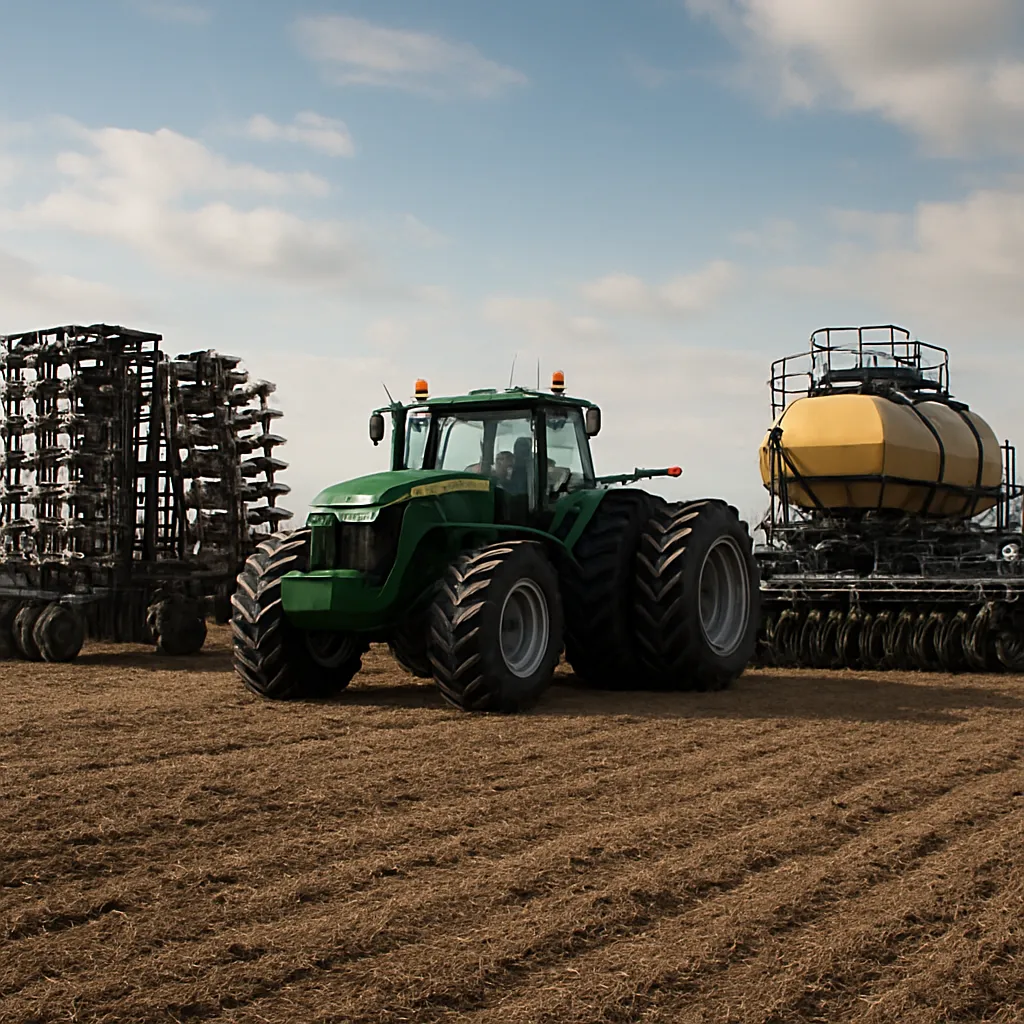
- Versatility: Modular attachments for seeding, tillage, spraying, and harvesting
However, these advantages come with challenges. High initial investment and maintenance complexity require careful cost-benefit analysis. Moreover, not all farms need hundreds of horsepower, so matching machine size to operational scale remains crucial.
Future Directions and Sustainability
Looking ahead, Claas is exploring avenues to ensure that its future giants align with global sustainability goals. Key focus areas include:
- Alternative Fuels: Trials with biodiesel blends and hydrogen prototypes
- Emission Reduction: Compliance with the latest Stage V and Tier 5 emissions standards
- Lightweight Materials: Use of carbon composites and high-strength alloys to cut overall mass
- Electric Drives: Hybrid and fully electric powertrains under development for medium-duty applications
These efforts aim to balance the relentless pursuit of innovation with responsible stewardship of natural resources. As environmental regulations tighten worldwide, Claas’s R&D departments are collaborating with universities and research institutions to pioneer next-generation powertrains and agronomic solutions.
Conclusion
Claas’s journey from pioneering harvesting machines to the architects of the world’s largest tractors underscores the company’s commitment to redefining agricultural potential. With each model, engineers push the envelope of engineering prowess, ensuring that farmers can achieve more with less time and fewer inputs. As the industry marches toward automation and sustainability, Claas’s record-breaking giants will continue to shape the future landscape of global food production.