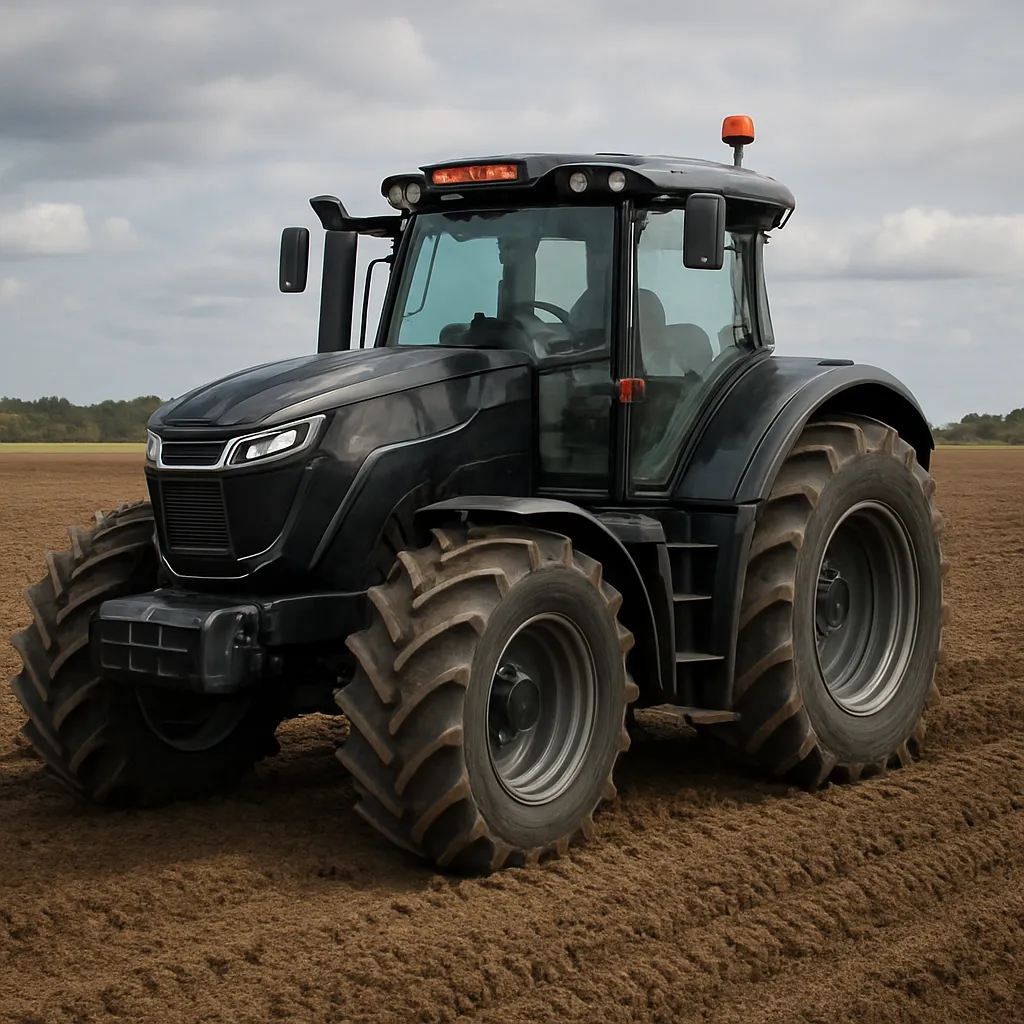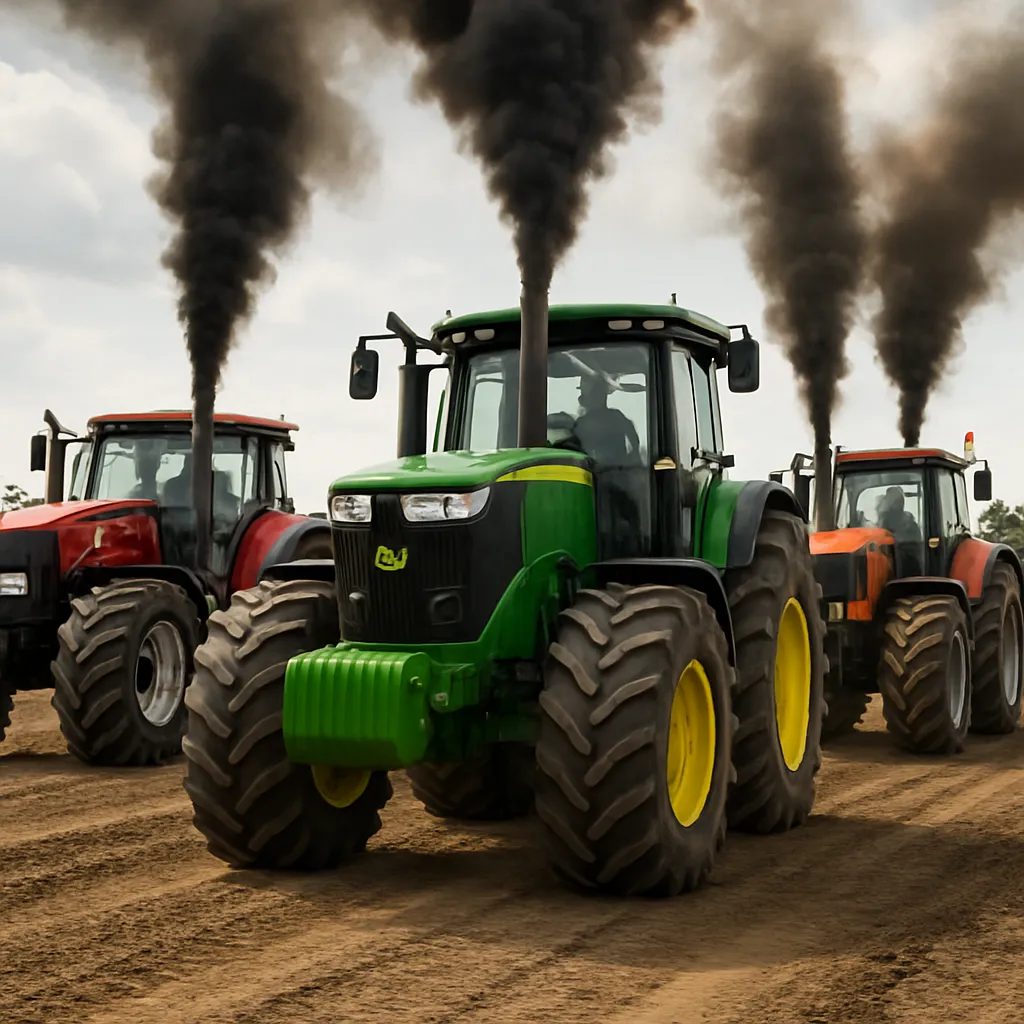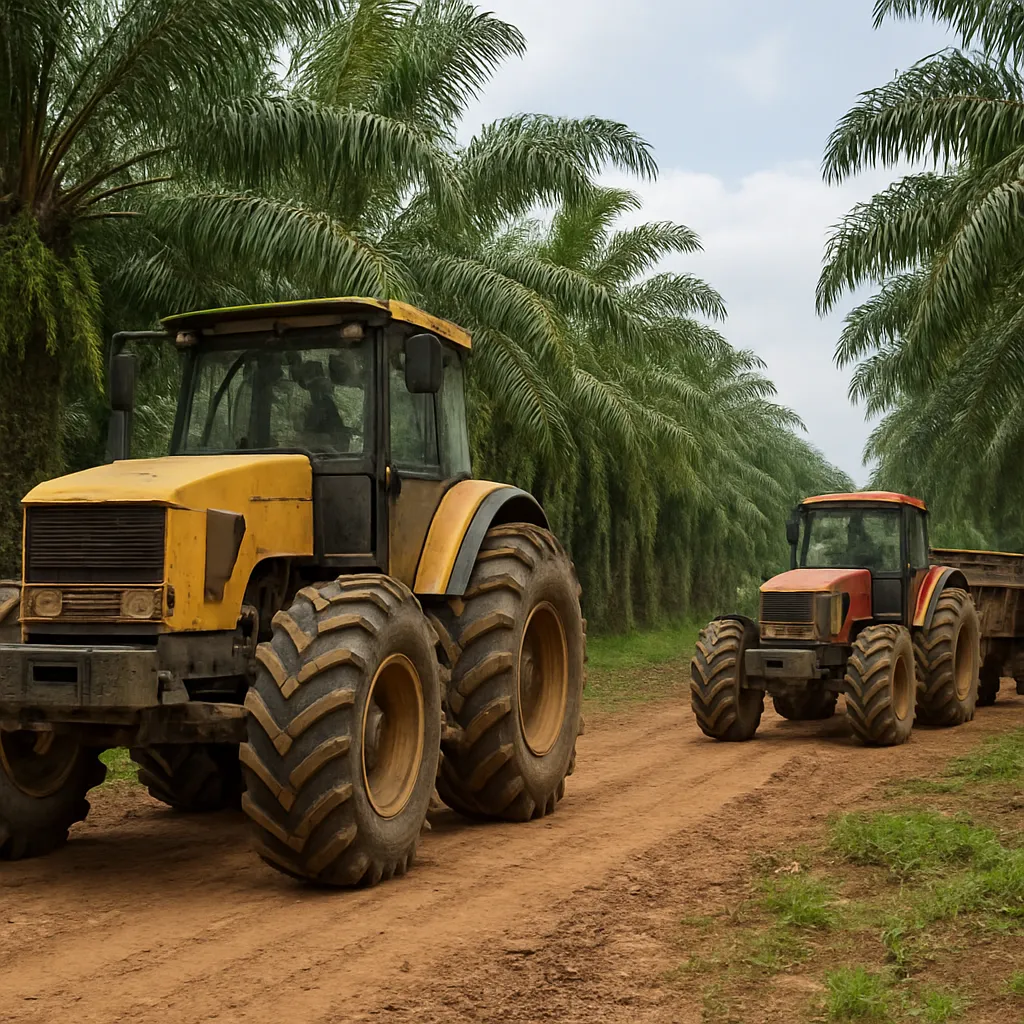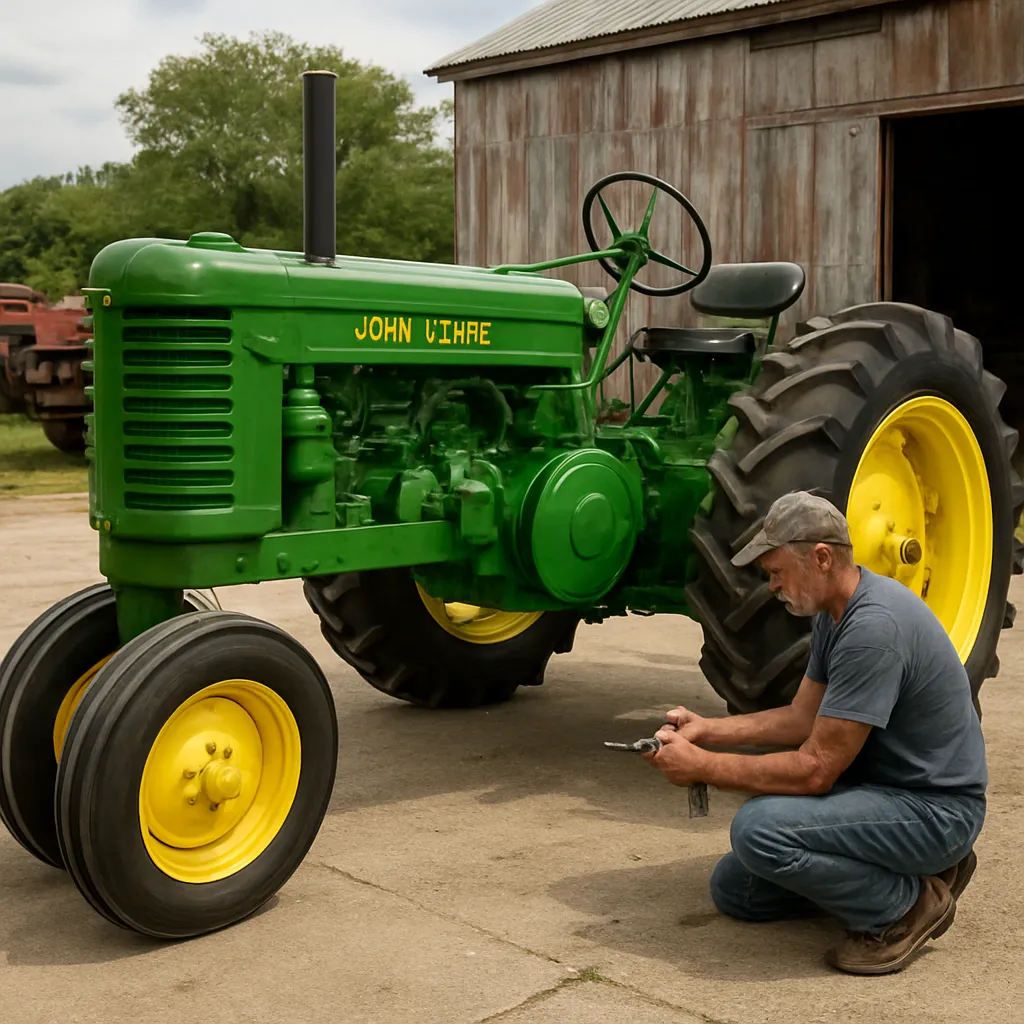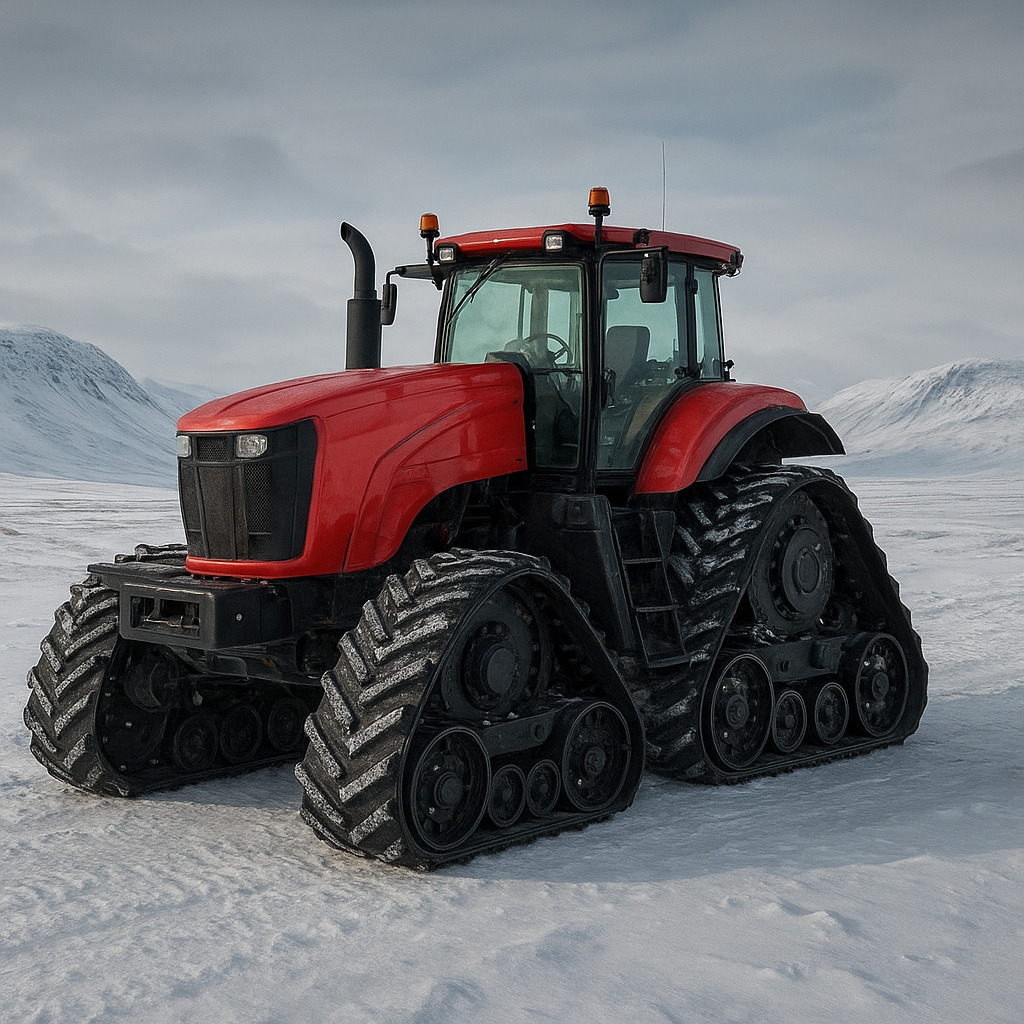
The vast, frozen landscapes of the Arctic demand specialized machinery capable of operating under extreme conditions. Giant tractors, designed to conquer icy plains and rugged permafrost, represent the pinnacle of cold-climate **engineering**. These colossal vehicles combine advanced **innovation**, robust materials, and unparalleled **mobility** to support mining, oil exploration, and infrastructure projects in regions where temperatures can plummet below –40 °C.
Background of Arctic Operations
Remote Arctic locations pose unique challenges for heavy equipment. The persistent **permafrost** layer demands careful ground preparation, while shifting ice and seasonal thaw cycles threaten stability. Traditional agricultural tractors are ill-suited to this environment; only machines with specialized adaptations can maintain traction and performance. Since the mid-20th century, manufacturers have invested heavily in research to create giants that can handle loads exceeding 50 tons, tow massive trailers while laying pipelines, and navigate snowdrifts several meters deep.
- Historical Evolution: From modified military vehicles to purpose-built monsters.
- Key Industries: Mining, oil and gas, renewable energy installations.
- Environmental Regulations: Minimizing ground disturbance and emissions.
- Logistical Hurdles: Transporting machinery via ice roads and offshore vessels.
Design Features of Giant Arctic Tractors
Engine and Power
At the heart of every Arctic behemoth lies a high-displacement engine capable of generating over 1,000 kW of power. These diesel units employ multi-stage turbocharging and advanced fuel heating systems to ensure reliable ignition at frigid temperatures. Preheating circuits circulate warmed coolant, while specialized glow plugs focus heat directly into combustion chambers. Redundant start-up modules reduce the risk of failure during critical operations. Given the harsh cold, lubricants are formulated to maintain consistent viscosity down to –60 °C, protecting internal components from wear and catastrophic damage.
Traction and Mobility
A primary concern in Arctic terrains is maintaining **traction** on ice and snow. Giant tractors utilize extra-wide, low-pressure tires with deep, multidirectional treads that distribute weight evenly across delicate permafrost surfaces. Some models feature track extensions—rubberized steel chains that wrap around the tires for enhanced grip. Active suspension systems adjust ride height dynamically to compensate for uneven terrain, while automatic tire inflation systems respond to punctures or slow leaks, ensuring continuous operation without manual intervention.
Materials and Durability in Extreme Cold
Metallurgy and Structural Integrity
Materials selection is critical for the **durability** of Arctic tractors. High-strength, low-alloy steels resist brittle fracture at low temperatures, while aluminized components offer weight savings without sacrificing toughness. Critical weld joints undergo ultrasonic inspection and cryogenic testing to detect micro-cracks invisible to standard methods. Composite panels reinforce engine housings, improving insulation against thermal shock and reducing noise levels for operator comfort in enclosed cabs.
Hydraulic Systems and Fluid Management
Fully sealed, positive-displacement hydraulic pumps deliver precise movements for articulated steering and large-scale attachments. Cold-weather hydraulic fluids contain specialized pour-point depressants, maintaining flow characteristics in subzero environments. Heat exchangers integrated into the hydraulic circuit reclaim thermal energy from exhaust gases, keeping critical components within optimal operating ranges. Multiple filtering stages trap contaminants that could clog narrow passages in actuators under high pressure.
Applications and Field Performance
Giant Arctic tractors serve as the workhorses of polar industry, performing tasks that range from heavy haulage to earthmoving and drilling support. In mining operations, they tow multi-car train systems loaded with ore and overburden across unpaved ice roads, often operating 24/7 through the polar night. Pipeline contractors rely on these machines to pull trenching machines and sidebooms, laying hundreds of kilometers of pipe across tundra while minimizing ground disturbance to preserve fragile ecosystems.
- Snow-clearing attachments with front-mounted plows and rear-mounted blowers.
- Modular flatbeds for transporting prefabricated habitat units and drilling modules.
- Specialized lifting arms equipped with quick-coupling hydraulic interfaces.
- Remote telematics systems for continuous monitoring of performance metrics.
Operators benefit from heated cabins outfitted with multi-point suspension seats, panoramic visibility, and integrated HVAC systems. On-board computers analyze sensor data—such as tire pressure, hydraulic temperature, and engine load—alerting maintenance crews to potential issues before they lead to downtime.
Maintenance Strategies in Remote Environments
Maintaining giant tractors hundreds of kilometers from the nearest repair facility demands a robust field service plan. Service crews travel with mobile workshops containing spare parts for critical assemblies—hydraulic pumps, filters, belts, and electronic control modules. Lubrication schedules double in frequency compared to temperate zones, and all maintenance points feature quick-access panels to expedite repairs in harsh weather. Drone-based inspections supplement human efforts, capturing thermal imagery to detect overheating or insulation failures in hard-to-reach areas.
Innovation and Future Developments
Looking ahead, manufacturers are exploring hybrid-electric powertrains to reduce fuel consumption and emissions in the fragile Arctic environment. Battery packs are designed with integrated heating elements to maintain capacity at low temperatures, while flywheel energy storage systems provide instant torque bursts for challenging maneuvers. Research into autonomous operation promises to enhance safety and efficiency by removing human error in regions where exposure to extreme cold presents significant hazards.
- Remote Control and Autonomy: Advanced LiDAR and radar sensors for obstacle detection.
- Energy Recovery: Regenerative braking systems adapted for low-temperature operation.
- Lightweight Materials: Graphene-reinforced composites to reduce overall weight.
- Eco-Friendly Coolants: Biodegradable, non-toxic fluids for minimal environmental impact.
The convergence of cutting-edge **innovation**, sustainable practices, and rigorous testing ensures that giant tractors of the Arctic will continue to evolve, meeting ever-greater demands while safeguarding one of the planet’s most vulnerable regions.