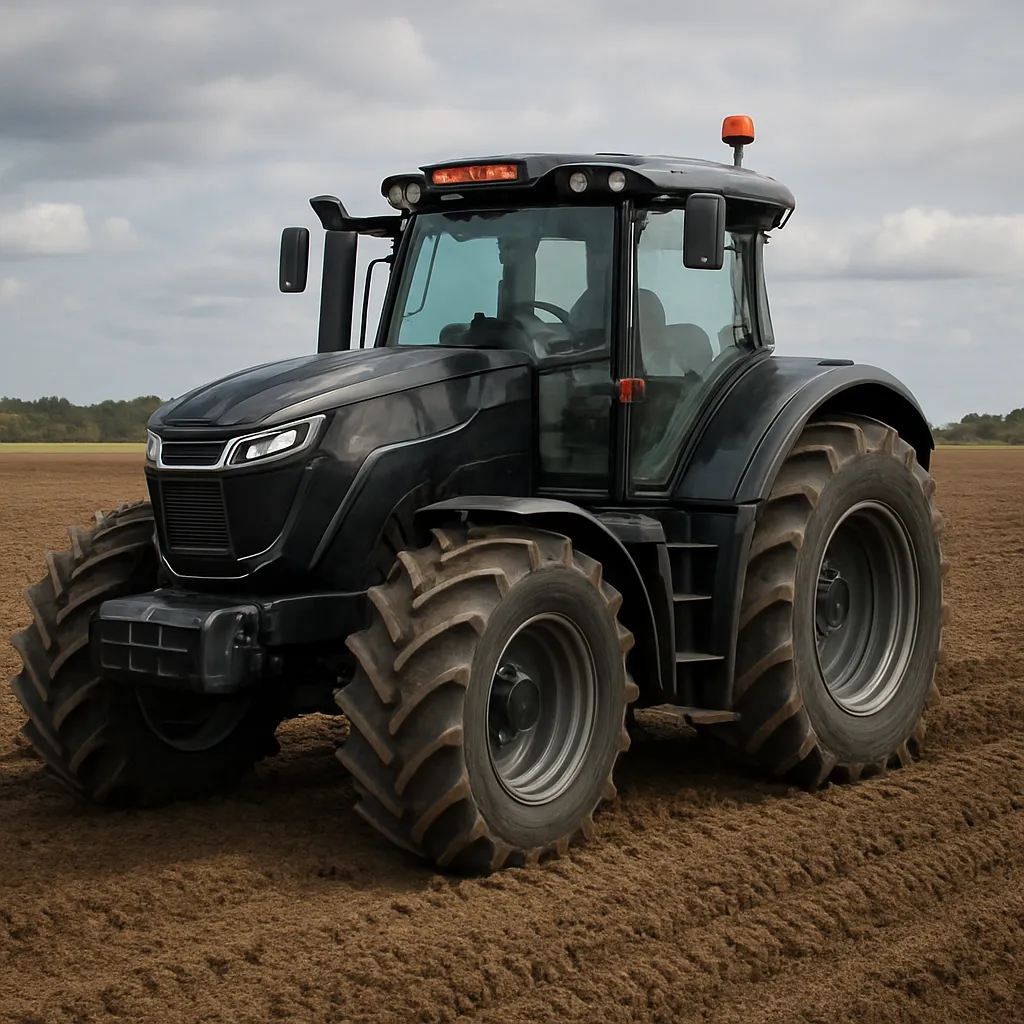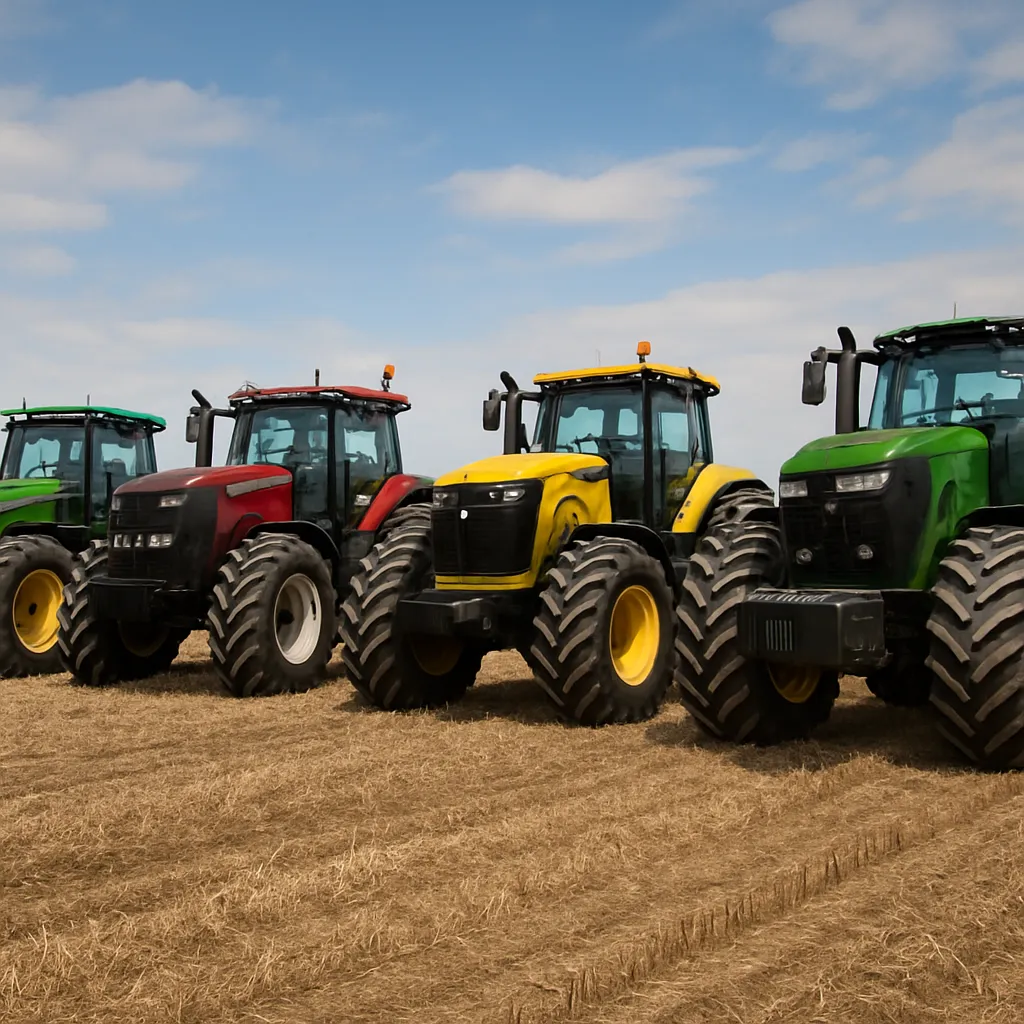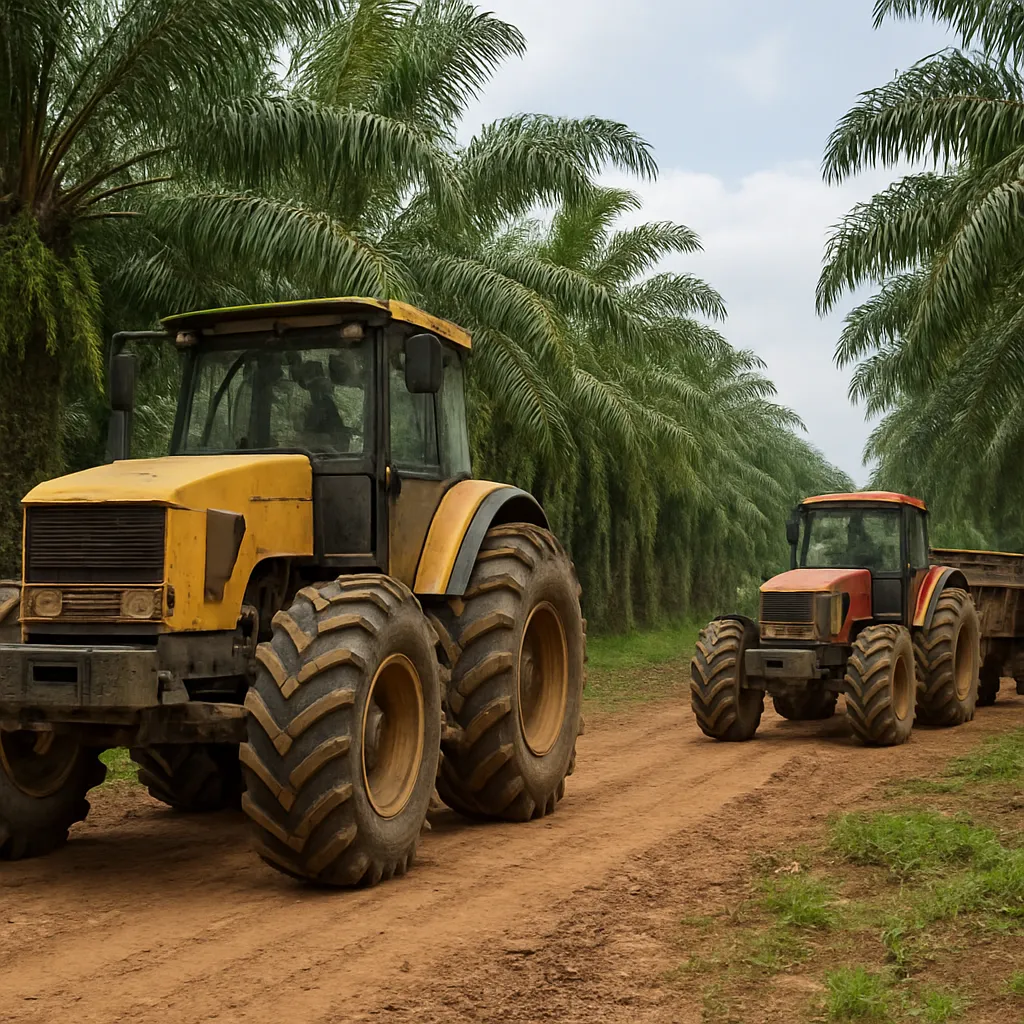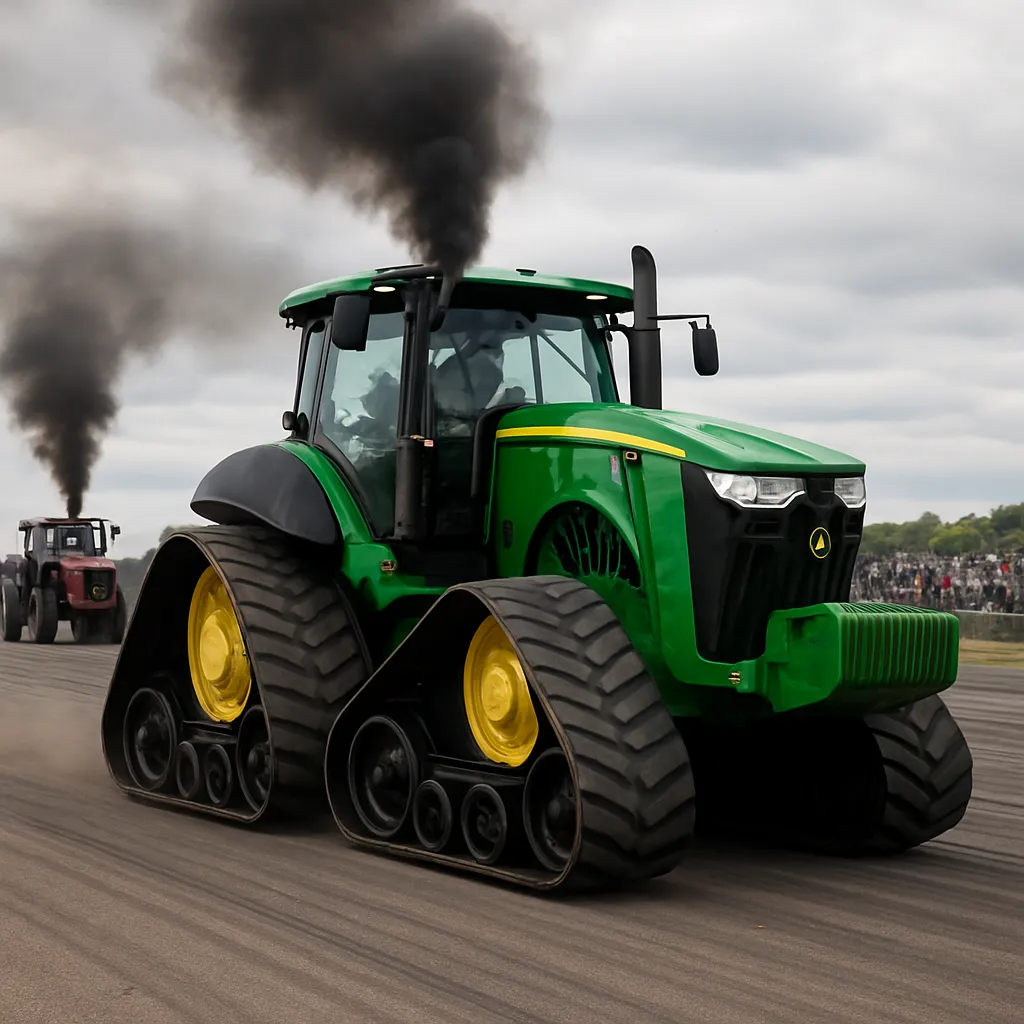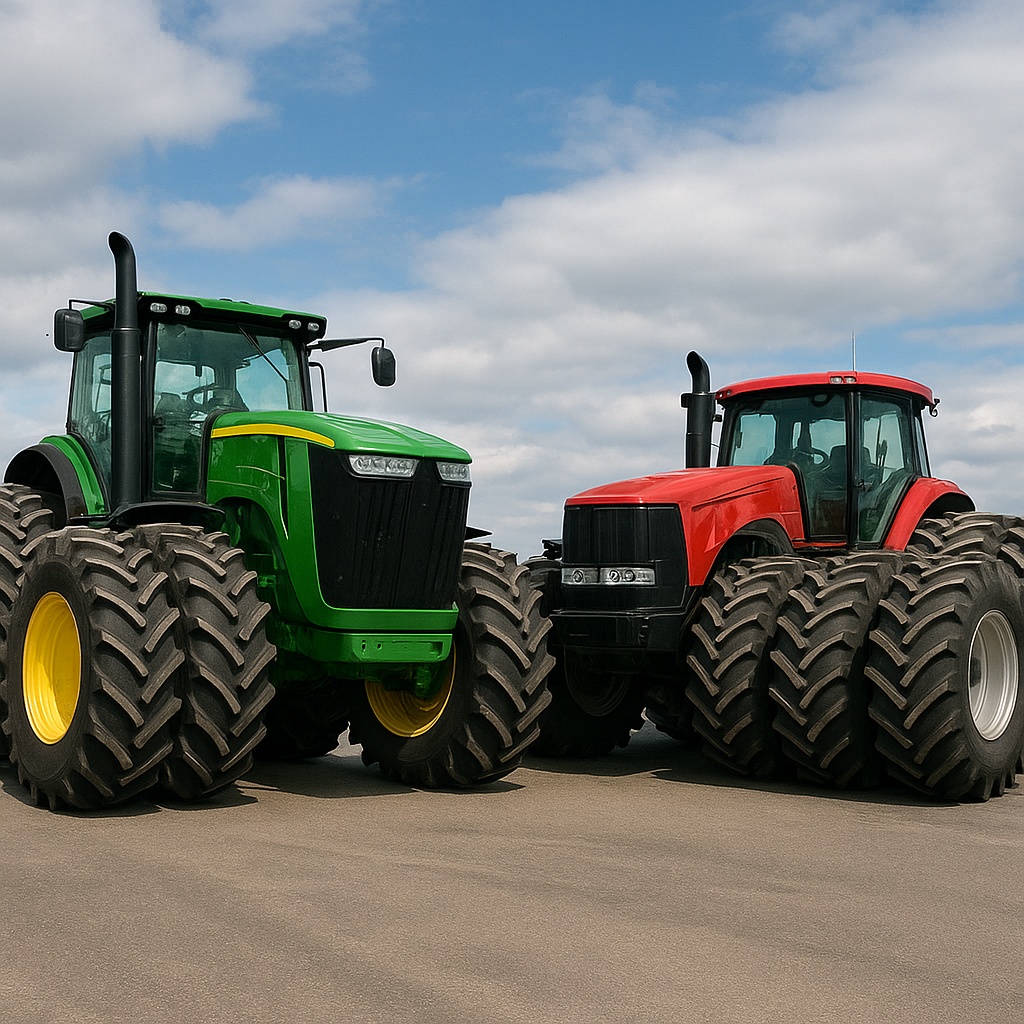
Across expansive fields and challenging terrains, the agricultural world has witnessed the rise of tractor behemoths that redefine the limits of modern farming. These colossal machines blend raw power with advanced technology to optimize productivity and reshape traditional crop management. In this article, we explore the progression, record-breaking models, design breakthroughs, and emerging trends that define the world’s tallest and widest tractor designs.
Evolution of Giant Tractors
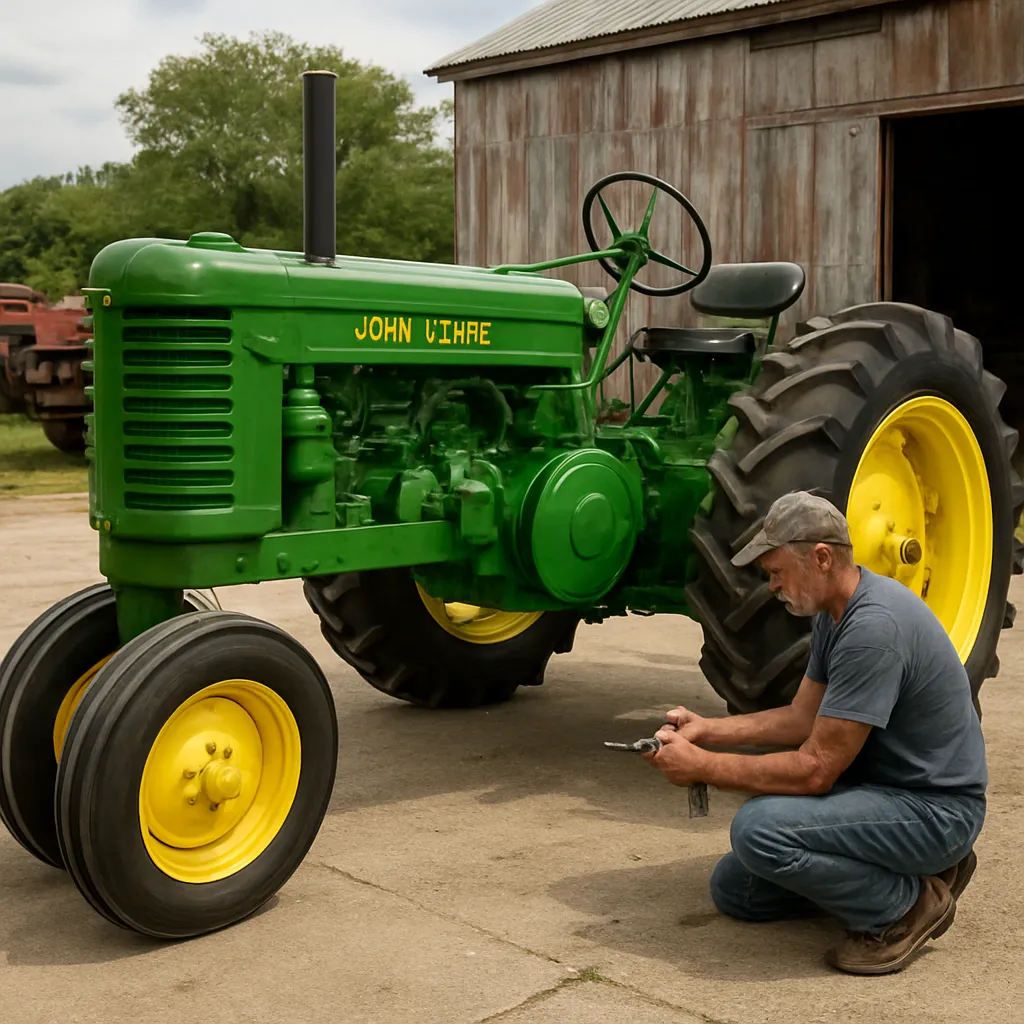
The journey from horse-drawn plows to today’s sky-scraping tractors highlights a century of relentless pursuit for greater efficiency and scale. Early 20th-century tractors, often under 50 horsepower, revolutionized small farms but lacked the capacity to serve large industrial operations. As global demand for food surged during mid-century, manufacturers like John Deere, Case, and Massey Ferguson introduced machines exceeding 100 horsepower, marking a pivotal shift toward mechanized monoculture.
- 1920s – Introduction of the Fordson Model F, one of the first mass-produced tractors.
- 1950s – Emergence of four-wheel drive prototypes with enhanced torque for heavy tillage.
- 1970s – Breakthrough in hydraulic systems, enabling implements to be raised and lowered effortlessly.
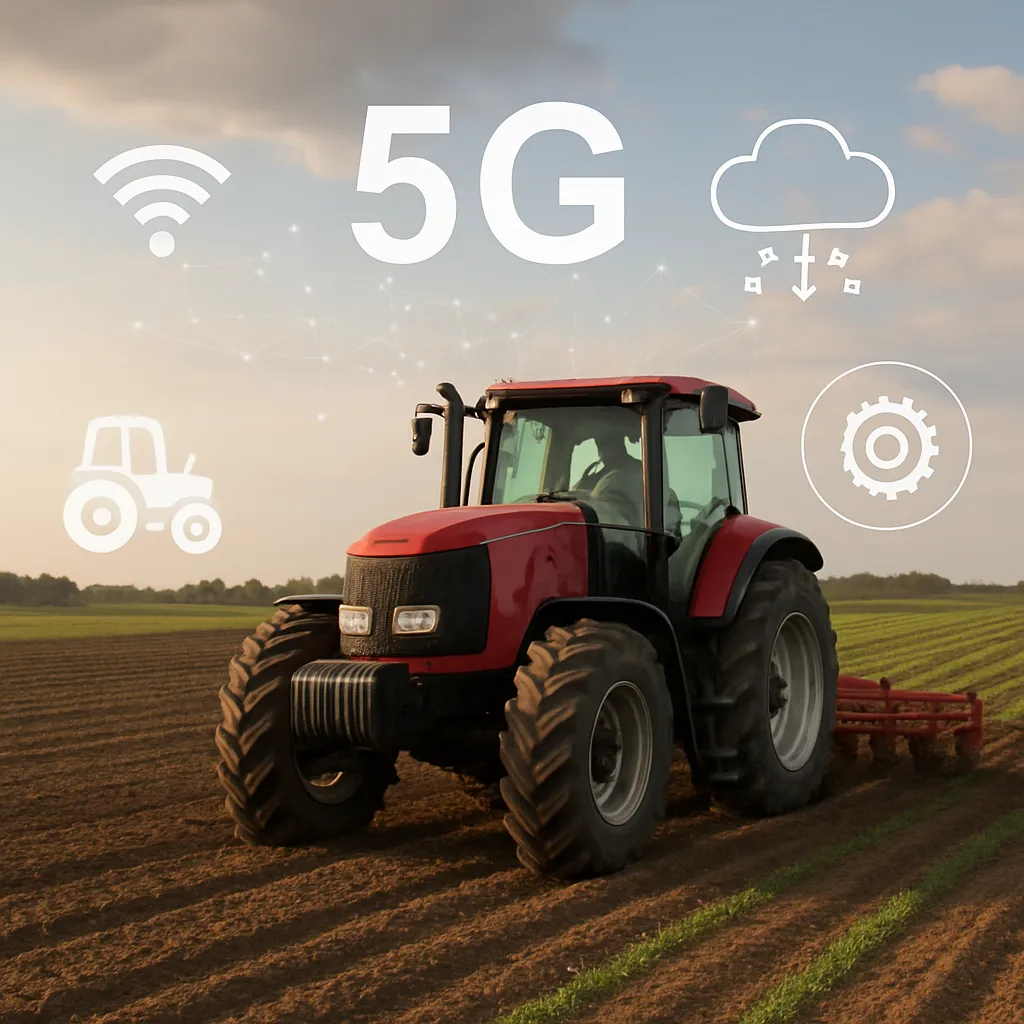
- 1990s – Advent of precision guidance and GPS integration, paving the way for precision agriculture.
By the early 2000s, the agricultural sector demanded machines that could cover more acres per hour without soil compaction. This requirement spurred the development of tractors with wider track widths, higher ground clearance, and multi-axle configurations. Today’s giants feature cab heights that tower above ordinary farm equipment, delivering unparalleled visibility and operator comfort.
Record-Breaking Tractor Models
The race to claim the title of the world’s tallest or widest tractor has produced some truly groundbreaking designs. These machines are not only engineering marvels but also cultural icons in regions where farming scales have grown exponentially.
Big Bud 747
Regarded as the original mega-tractor, the Big Bud 747 remains the undisputed heavyweight champion of horsepower. Built in 1977, it boasts a staggering 1,100 HP and measures over 27 feet in length with dual rear wheels designed to distribute its immense weight. Its four-wheel drive and colossal footprint allow it to till up to 1,200 acres per day under optimal conditions.
BW-10000
Developed in Eastern Europe, the BW-10000 pushes the boundaries of width with a chassis exceeding 11 meters and adjustable track widths to minimize soil disturbance. Equipped with an 800 HP engine and advanced traction control, it exemplifies how engineering can balance raw strength with ground preservation.
Steyr Tractors with TERRA TRAC
While not the tallest, Steyr’s adoption of continuous rubber tracks rather than wheels has set new standards in mass distribution. These tractors can span widths up to 10 meters when multiple track modules are linked, delivering both flotation over soft soil and exceptional lateral stability.
Design Innovations and Technical Challenges
Creating a tractor that soars above conventional dimensions demands solutions to numerous engineering hurdles. Manufacturers must reconcile size, weight, power delivery, and transportability—all while adhering to strict agricultural and road regulations.
Structural Integrity
As height increases, the risk of rollovers on uneven fields grows. Reinforced frames, low center-of-gravity designs, and tilt sensors combined with active suspension systems help maintain stability during sharp turns or on sloped ground. Some models integrate automatic leveling to keep the cab perfectly horizontal.
Powertrain and Transmission
Delivering thousands of horsepower through drivetrains requires robust gearboxes, continual lubrication systems, and heat-dissipation mechanisms. Many of the widest tractors use multi-speed continuously variable transmissions (CVTs) for seamless speed changes and optimal fuel efficiency.
Soil Conservation
Wider tractors can exert immense pressure, potentially compacting soil and degrading yields over time. To combat this, designers employ large dual or modular tires, track systems, and adjustable ballast to spread weight across a larger area. Such measures ensure that the tractor’s benefits do not come at the cost of future productivity.
Logistics and Transportation
Transporting a 15-meter-wide tractor between fields or across regional borders is no small feat. Many machines feature quick-detach implements and foldable extensions to comply with road width limits. Specialized trailers with extendable axles and pilot vehicle escorts often accompany these giants during transit.
Emerging Trends in Mega-Tractor Development
The next generation of towering tractors is shaping up to be more intelligent, automation-driven, and sustainability-focused. Farmers and manufacturers alike recognize the need for machines that not only expand capacity but also reduce environmental impact.
Electric and Hybrid Powertrains
With carbon emissions under increasing scrutiny, electric and hybrid mega-tractors are gaining traction. Battery packs integrated into the chassis power electric motors at each wheel, offering instantaneous torque and regenerative braking. Hybrid models combine diesel generators with electric drive systems to extend operational range while cutting fuel consumption.
Autonomous Operation
Self-driving tractors equipped with LiDAR, radar, and high-resolution cameras can navigate vast fields with centimeter-level accuracy. Autonomous gating, headland turns, and implement adjustments free operators to oversee multiple machines simultaneously, elevating farm management to a command-center level.
Smart Implements
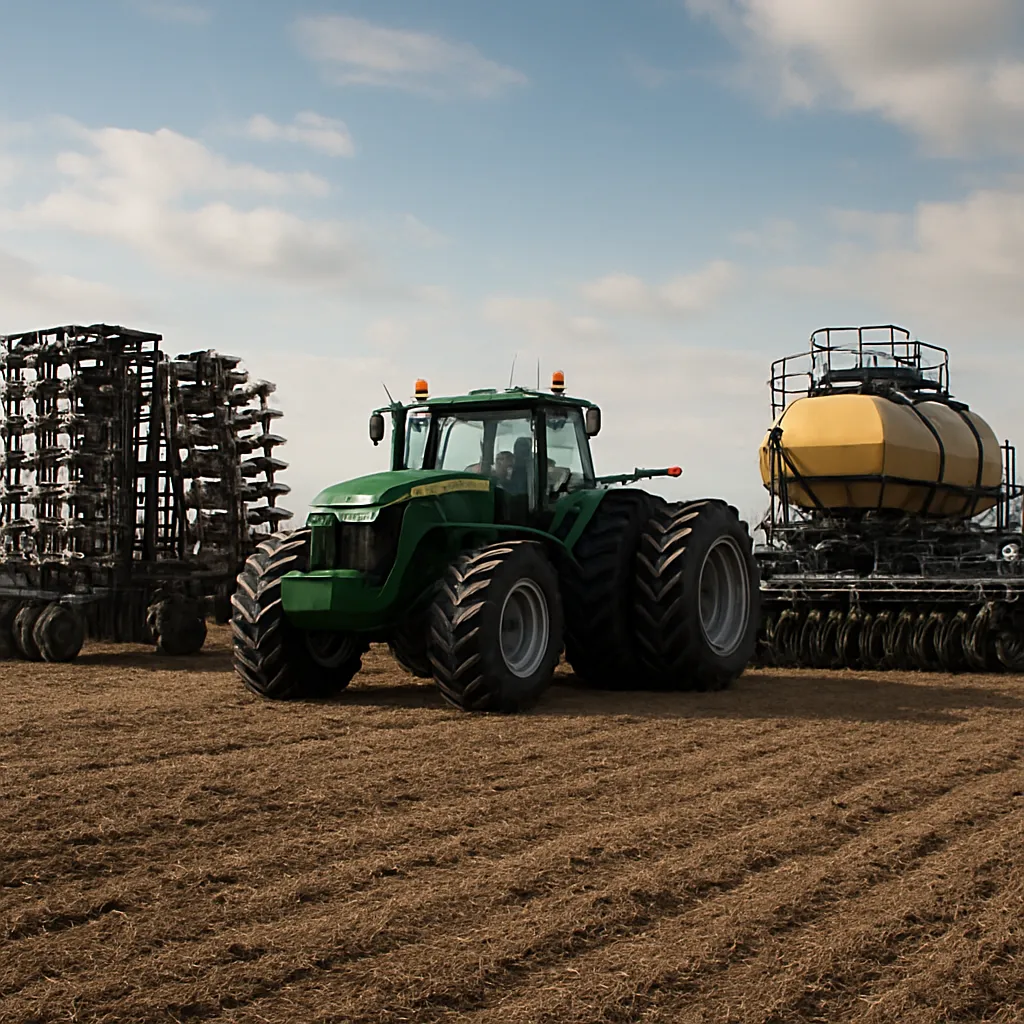
Implement integration is undergoing its own revolution. Drills, plows, and sprayers now feature onboard sensors and data links that communicate with the tractor to optimize depth, pressure, and application rates in real time. This synergy enhances yield while conserving seeds, fertilizers, and agrochemicals.
Materials and Manufacturing
Advanced composites and high-strength alloys are being introduced to reduce overall weight without compromising durability. Additive manufacturing techniques (3D printing) produce customized hydraulic manifolds and brackets, shortening production cycles and enabling rapid prototyping of next-gen components.
Impact on Global Agriculture
The proliferation of the tallest and widest tractors is transforming how large-scale farms operate worldwide. From grain belts in North America to vast plantations in Australia, these machines significantly reduce labor requirements and operational windows, allowing farmers to respond quickly to weather shifts and market demands.
- Increased throughput: Mega-tractors can cover double the acreage in the same timeframe as traditional units.
- Cost efficiency: Despite high upfront investment, their fuel economy per hectare often undercuts smaller tractors when fully utilized.
- Precision farming synergy: Integration with satellite guidance ensures inputs are applied exactly where needed.
However, the shift toward oversized equipment can marginalize smallholders and accentuate consolidation trends in the agricultural sector. Policymakers and co-ops must balance technological advancement with support for diverse farm operations to ensure food security and rural livelihoods.