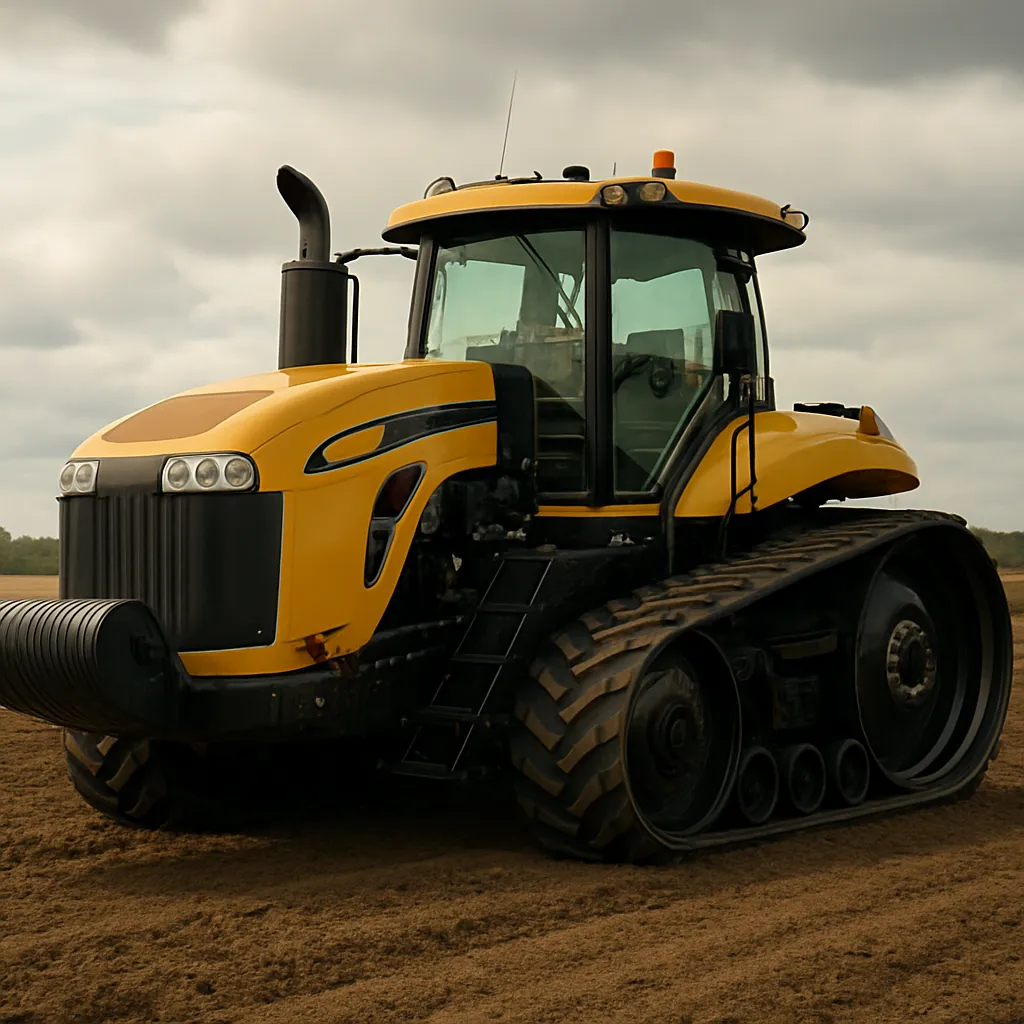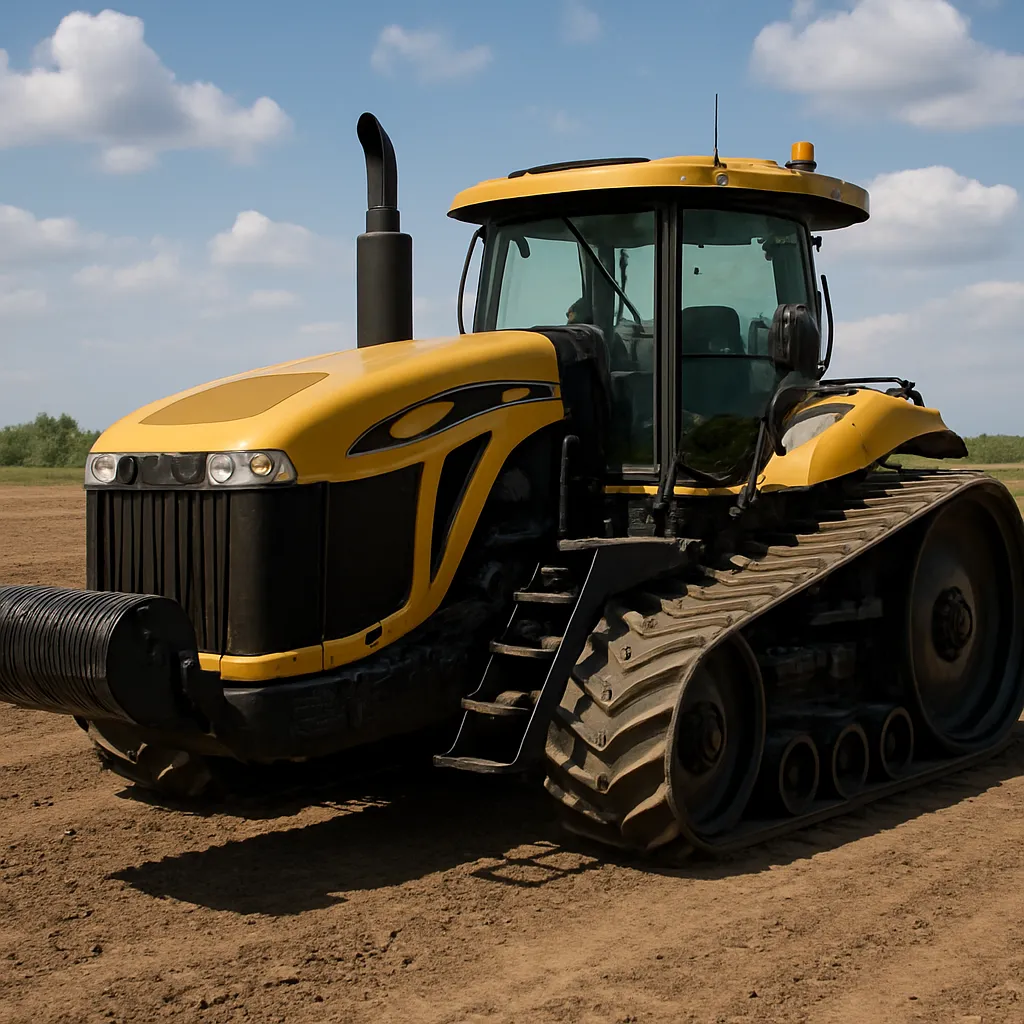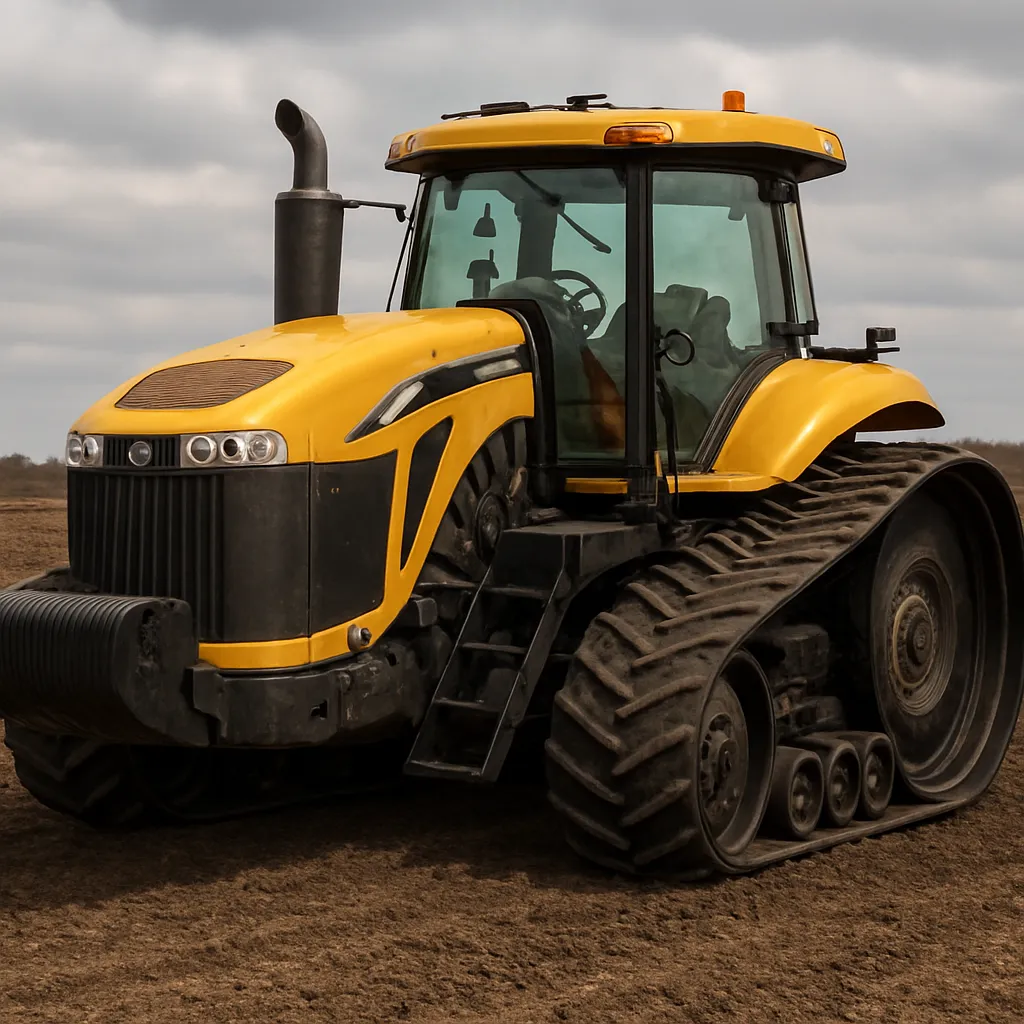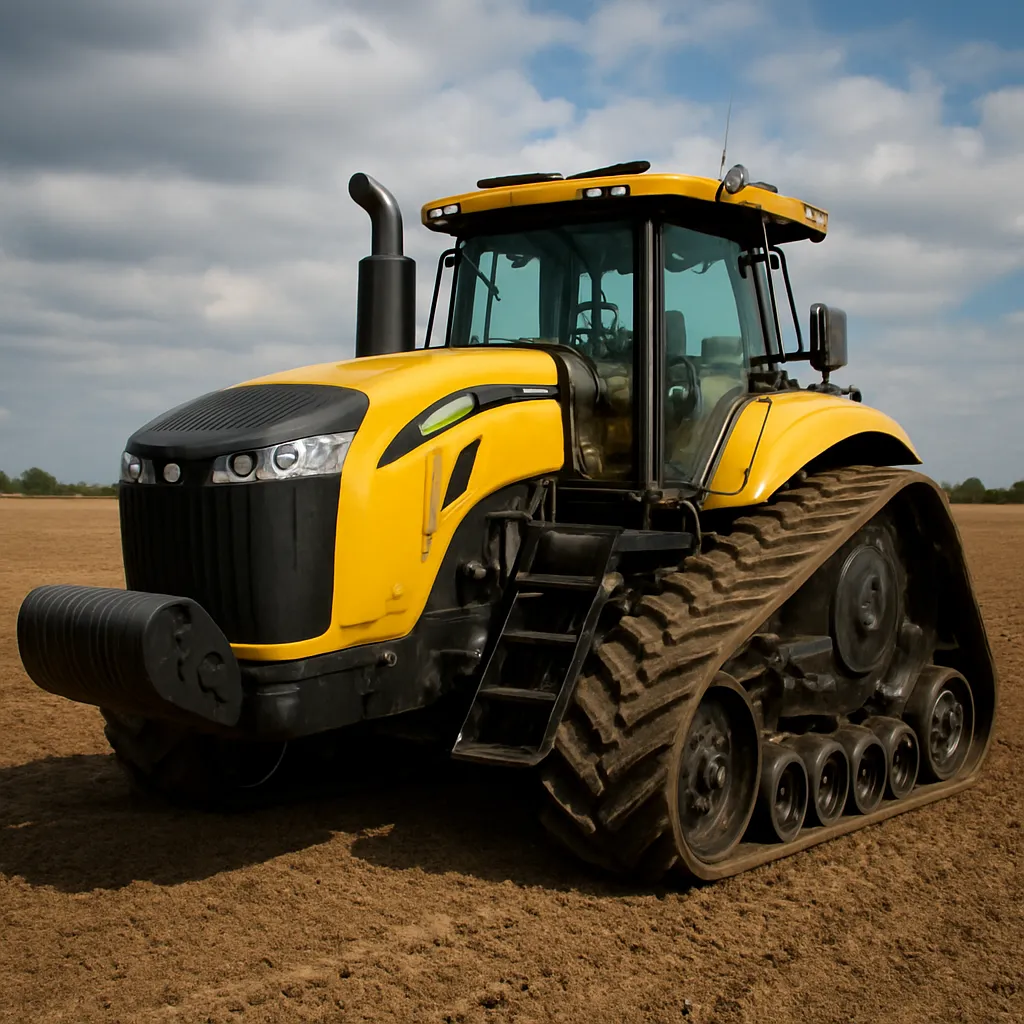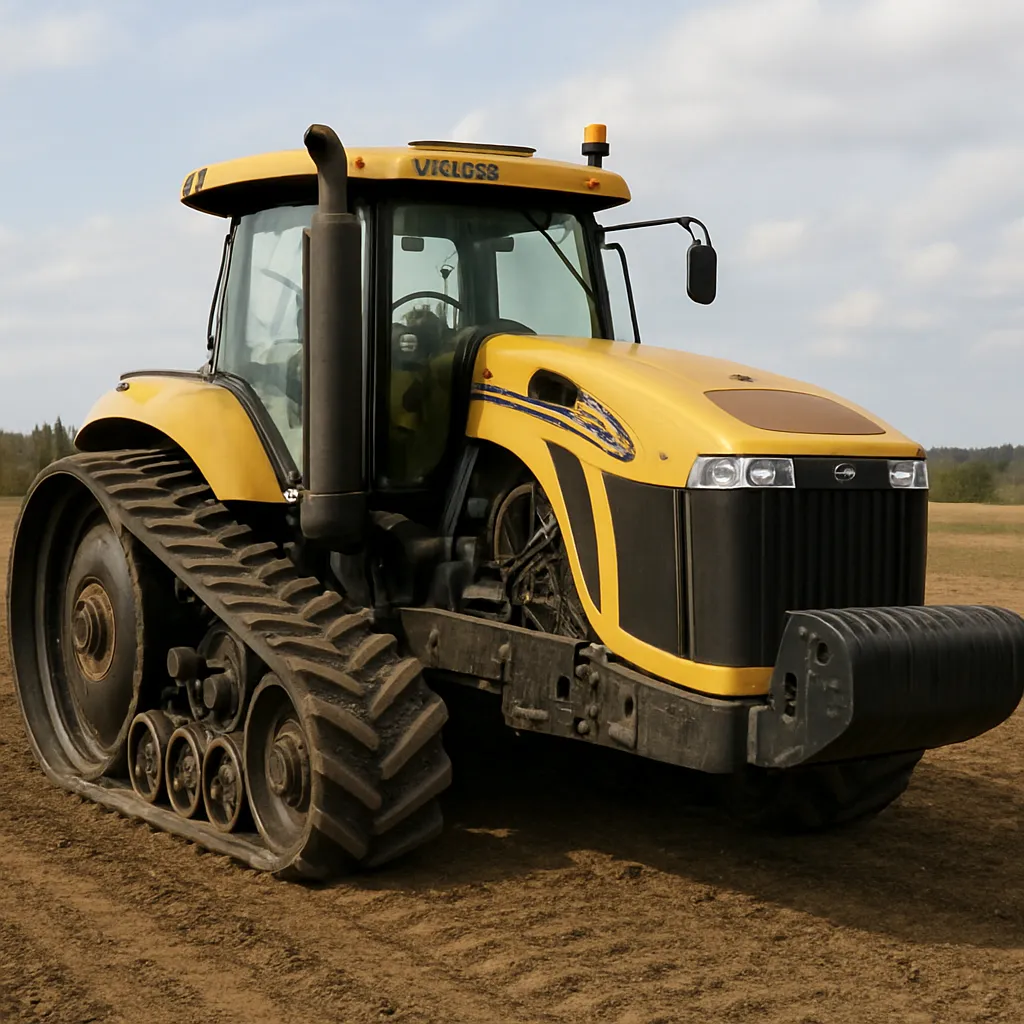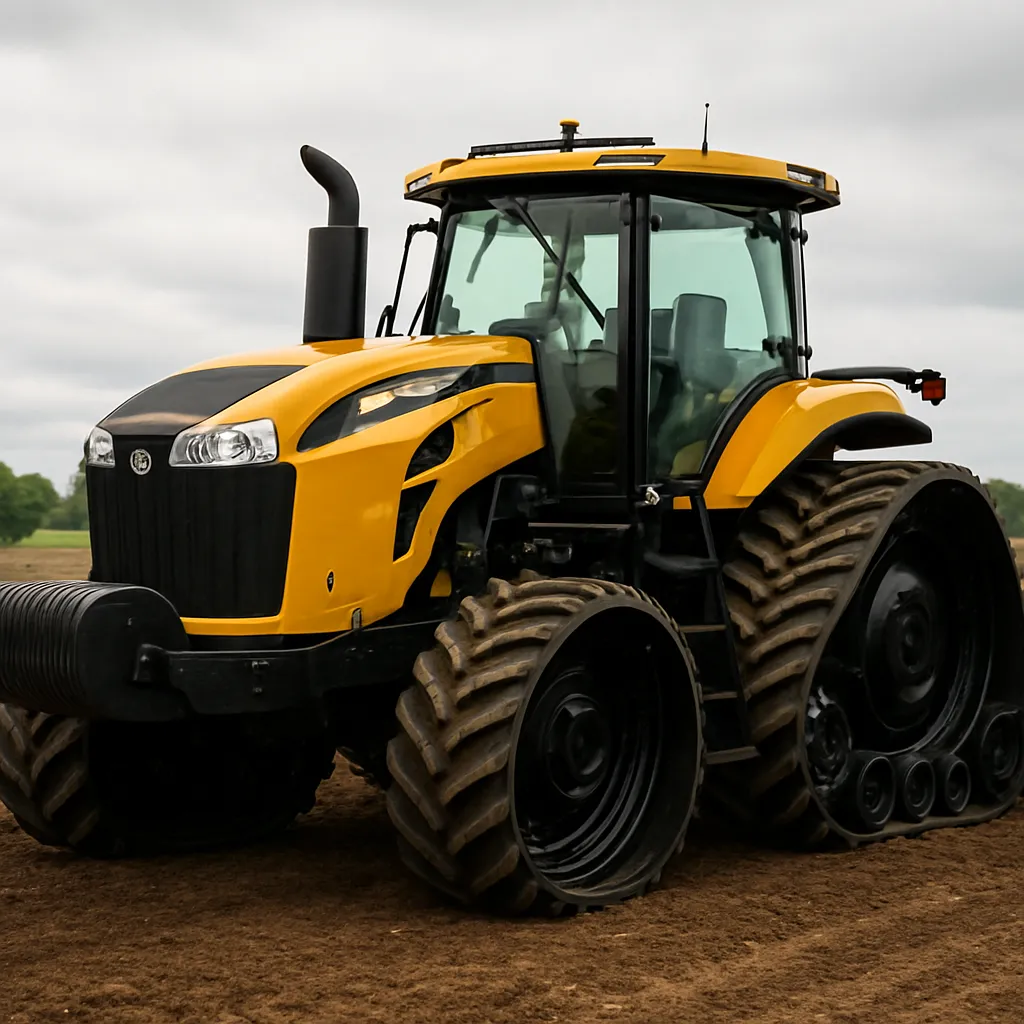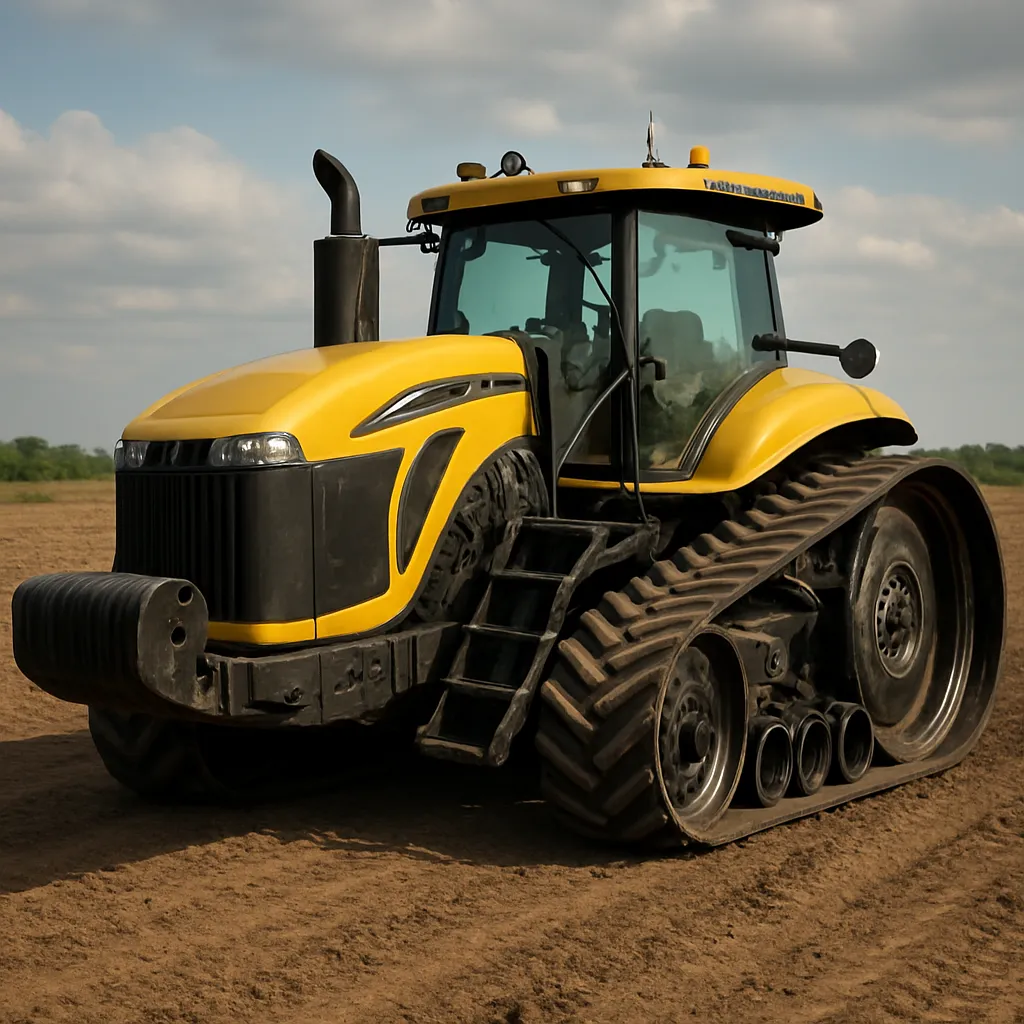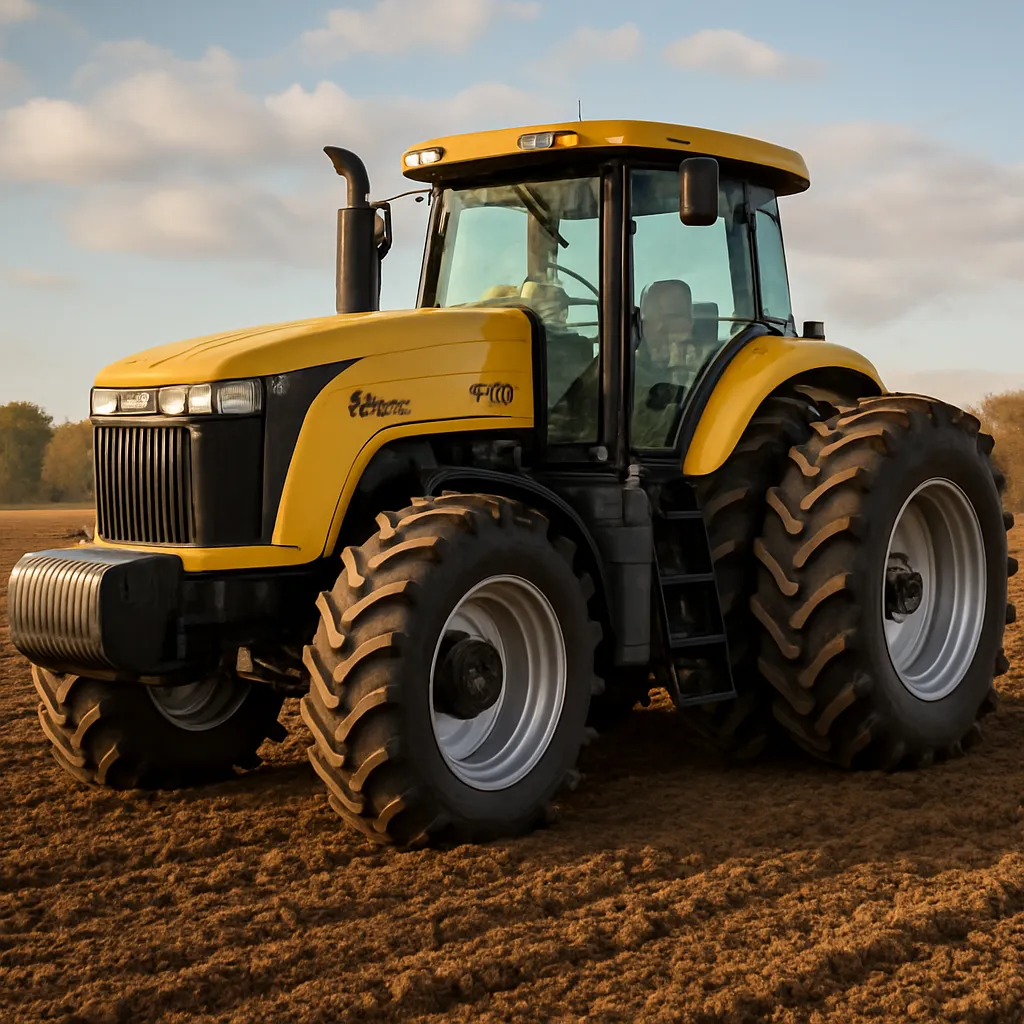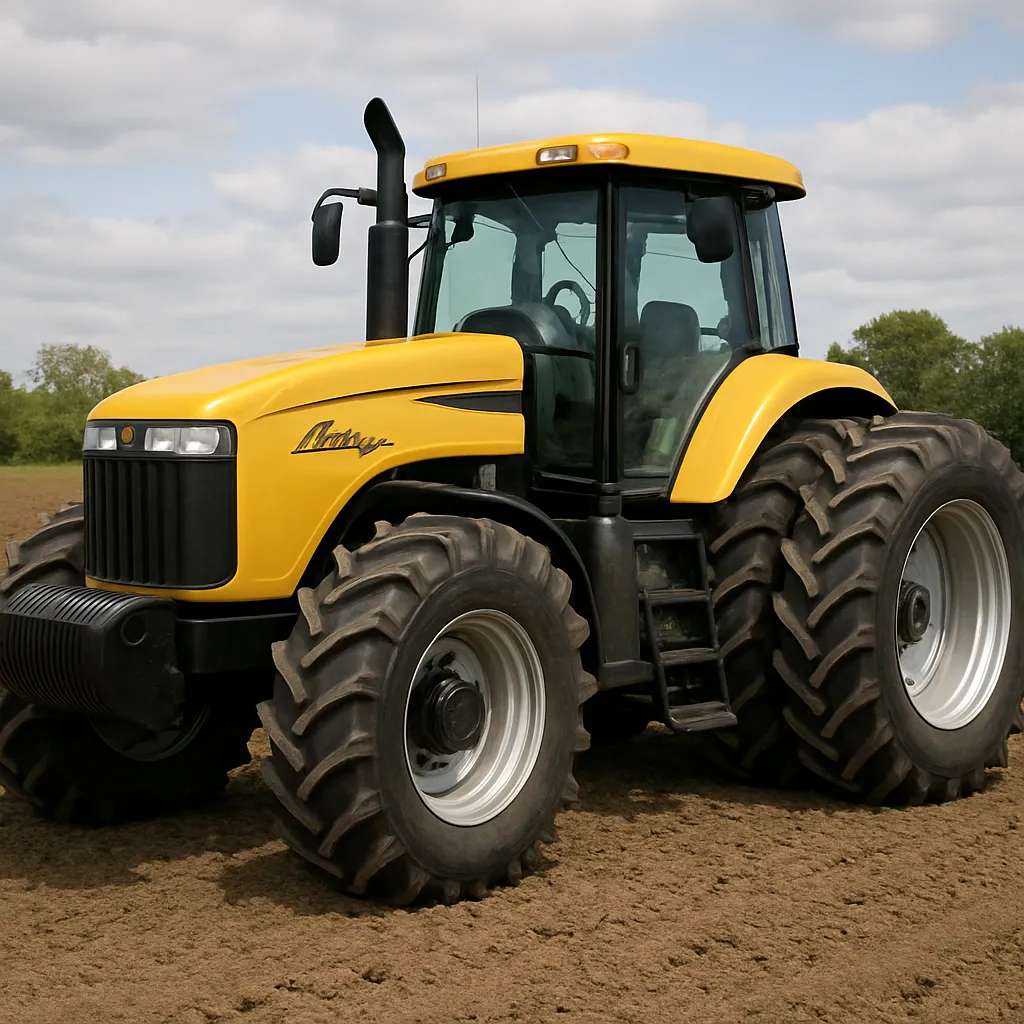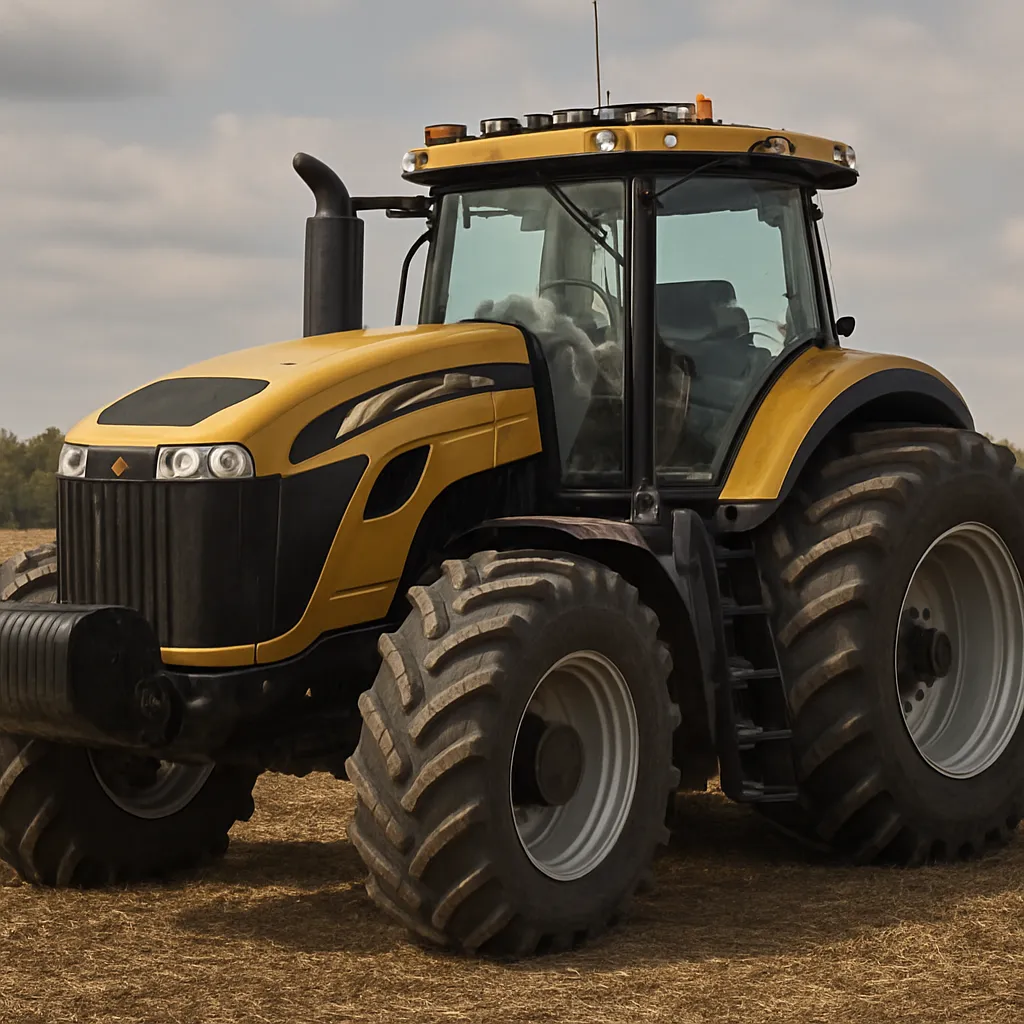
The Challenger MT955E is a heavy-duty agricultural tractor designed for large-scale farming, high-intensity soil preparation, and demanding fieldwork. Characterized by its robust construction and tracked undercarriage, this model blends raw capability with features intended to improve operator comfort and long-term reliability. The following article explores the design, typical specifications, practical applications, operational considerations, economic factors, and tips for maximizing the performance of the MT955E. Throughout the text, several key concepts are emphasized to guide owners, operators, and fleet managers.
Design and Technical Specifications
At the heart of the MT955E is an emphasis on durable engineering and optimized field traction. The tractor’s architecture centers around a durable chassis that supports a tracked undercarriage, a high-capacity engine, and robust power transmission components built to handle intensive agricultural tasks. The Challenger MT955E was marketed to customers who needed consistent power delivery across large fields, variable soil conditions, and long operational shifts.
Engine and Performance
The MT955E typically features a high-displacement diesel engine tuned for torque and continuous output rather than short bursts of speed. Depending on series and year of manufacture, engine ratings vary; common reported ranges for comparable machines put the rated horsepower in the mid-to-high hundreds. For planning purposes, expect:
- Typical engine power: approximately 350–490 HP (varies by configuration and tuning).
- Torque-optimized powerband for pulling large implements at low ground speed.
- Electronic engine management on later units for improved fuel delivery and emissions control.
The MT955E places a premium on continuous drawbar and PTO (power take-off) performance. PTO systems are designed to supply steady power to heavy-mounted and trailed implements, while the drawbar and hitch systems accommodate large ploughs, cultivators, and seeders.
Under Carriage and Tracks
A defining feature is the tracked undercarriage, which differentiates the MT955E from wheeled tractors in terms of soil interaction and traction. Tracked systems provide several operational advantages:
- Improved traction and reduced slippage on soft or uneven ground.
- Wider contact area for better flotation, distributing weight and minimizing compaction.
- Enhanced stability on slopes and when pulling heavy implements.
Track widths, belt types, and suspension characteristics can change depending on aftermarket choices or factory options. Maintenance schedules for tracks differ significantly from wheeled axles and require attention to tension, idler wear, and track lugs.
Transmission and Drivetrain
The MT955E’s drivetrain typically pairs the engine with a heavy-duty transmission that emphasizes durability and smooth power transfer. Common features include:
- Multi-range gearbox or continuously variable-like solutions on later model variants.
- Robust final drives sized to handle high torque loads and repeated heavy pulls.
- Advanced hydraulics and electronic controls on newer models for precise implement management.
The transmission design aims to balance responsive field operation with long component life; service intervals and preventative care are important to protect these high-value systems.
Applications and Field Performance
The Challenger MT955E is designed for operations where large implements and continuous high-power output are the norm. Its primary uses span multiple large-scale agricultural tasks and some non-agricultural heavy duties. The machine performs best in settings where its strengths in traction and sustained power can be fully utilized.
Primary Agricultural Uses
- Tillage: Pulling wide chisel ploughs, heavy cultivators, and primary tillage rigs over large acreages.
- Seeding and Planting: Operating large air drills and planters that require consistent ground speed and stable hitch dynamics.
- Field Cultivation: Finishing work with heavy harrows, rollers, and packers where traction and even soil contact matter.
- Hay and Forage: Towing large rakes and mowers in operations where reduced soil compaction is advantageous for future crop growth.
Secondary and Specialized Uses
Beyond conventional crop production, the MT955E finds roles in specialty circumstances:
- Large livestock operations for bedding, feedlot maintenance, and moving heavy feeders or wagons.
- Contracting work where contractors provide tillage, planting, or finishing for multiple farms in a season.
- Infrastructure and land management tasks—diking, drainage installation, or haulage over soft ground—where tracked flotation helps preserve soil structure.
Field Performance Considerations
Operational performance depends on matching tractor configuration to the implement and soil conditions. For example, the tracked undercarriage yields superior traction in wet or loamy fields but can be overkill on light soils where a wheeled tractor could be more fuel-efficient. Key considerations include:
- Implement width and weight—ensuring hitch capacity and stability are sufficient.
- Soil type and moisture—tracks are best for reducing slippage in heavy or wet soils.
- Transport needs—tracked machines can be slower on roads and may require specific permits or transport solutions.
Operation, Comfort and Safety
The MT955E places emphasis on operator ergonomics and safety in prolonged field operations. Cab design, controls, and monitoring systems are engineered to reduce fatigue while maximizing visibility and control precision.
Cab Features and Ergonomics
- Comfortable seating with adjustable controls for long shifts.
- High-visibility cab layout for monitoring implements and field edges.
- Climate control and sound insulation to reduce fatigue and improve concentration.
Modern iterations or similarly equipped units include electronic monitors to track engine load, fuel consumption, GPS-ready systems for assisted steering, and telematics for remote diagnostics. These features can significantly reduce downtime and improve field efficiency when combined with a data-driven management approach.
Safety Systems
Standard and optional safety elements include rollover protection integrated into the cab structure, emergency engine cutoffs, clear lighting packages for dawn/dusk work, and operator presence systems. Because tracked vehicles behave differently from wheeled tractors near gradients and in tight turns, operator training is critical.
Maintenance, Reliability and Lifecycle Costs
Long-term ownership of a heavy tracked tractor like the MT955E requires attention to scheduled maintenance and component replacement cycles. While tracks and heavy-duty drive components reduce certain risks (e.g., wheel slip and flats), they introduce specialized maintenance demands.
Routine Maintenance Tasks
- Regular track inspections for wear, tension adjustment, and idler condition.
- Engine servicing—oil changes, fuel filters, and careful monitoring of turbochargers and cooling systems.
- Hydraulic system checks—fluid condition, hose integrity, and filter replacement.
- Transmission and final drive inspections for leaks, wear, and correct fluid levels.
Planned maintenance and prompt repairs reduce the likelihood of catastrophic failure during peak seasons. Many operators adopt seasonal rebuild schedules for tracks and rotating components to avoid mid-season downtime.
Reliability and Common Issues
The MT955E’s strengths—heavy-duty components and robust design—tend to yield good operational longevity when maintained properly. Common issues for tracked tractors include track wear, undercarriage component fatigue, and the need for precise alignment to prevent uneven track consumption. Electronics and sensors on later models require periodic software updates and skilled diagnostics when malfunctions occur.
Economic Considerations and Market Position
Investing in or contracting an MT955E involves analyzing upfront cost, operating expenses, and the value of performance gains. Tracked tractors typically have higher purchase and maintenance costs than wheeled counterparts but can enable savings by increasing work rates, reducing pass counts, and preserving soil health.
Acquisition and Operating Costs
- Higher acquisition cost compared to similar-horsepower wheeled tractors due to track systems.
- Specialized maintenance and potential higher replacement cost for tracks and final drives.
- Fuel consumption varies with task intensity; approximate field fuel use may range from 20–45 liters per hour depending on workload and configuration.
When evaluating cost-effectiveness, consider:
- Work rate improvements—tracks can permit larger implements and fewer passes to achieve the same field result.
- Soil health benefits—reduced compaction can improve yield over time, offering long-term return on investment.
- Resale value—well-maintained tracked machines from reputable brands often retain market value for contractors and large farm operations.
Market and Replacement Parts
Parts availability varies by region and model year. Established dealer networks for Challenger and affiliated brands generally provide critical components, but some track-specific parts may have longer lead times. For fleet managers, maintaining an inventory of commonly replaced items—filters, track tensioners, idler bearings—helps reduce downtime.
Environmental and Agronomic Impact
One of the notable agronomic advantages of tracked tractors is their potential to minimize soil compaction and preserve soil structure. By distributing weight over a larger area, these machines reduce the depth and severity of compacted layers that can inhibit root growth and reduce water infiltration.
Soil Compaction and Crop Response
Reduced compaction from tracked systems can lead to improved root development and water uptake, which may translate into yield benefits, particularly in heavy soils or seasons with wet conditions. However, the degree of benefit varies with soil type, crop, and management practices.
Fuel Use and Emissions
Heavy tractors consume significant fuel under load. Implementing efficient field planning—matching tractor horsepower to implement demands, reducing unnecessary tillage passes, and using precision guidance—can lower fuel consumption and emissions over the season. Newer MT series tractors with electronic engine management often show better fuel efficiency than older models.
Practical Tips for Owners and Operators
To maximize the life and productivity of a Challenger MT955E, focus on matching the tractor to the job, maintaining key systems, and training operators on tracked-vehicle behavior.
- Pre-season Preparation: Conduct comprehensive inspections of the undercarriage, engine, hydraulics, and electronics before the busy season. Replace worn idlers and adjust track tension as needed.
- Match Implements Correctly: Avoid pairing the tractor with undersized implements that cause excessive engine lugging or oversized implements that exceed hitch capacities.
- Operator Training: Teach operators the differences in turning radius, braking, and transport behavior for tracked vehicles.
- Fuel and Fluid Management: Use recommended fuels and lubricants and keep spare filters and seals on hand during peak operation times.
- Data and Telematics: If equipped, use GPS and monitoring tools for efficient field passes and to track operating hours and fuel use for cost accounting.
Common Configurations and Optional Equipment
Fleet managers often tailor the MT955E to their needs with optional packages and aftermarket equipment. Common options include differing track widths, reinforced undercarriage kits for extreme-duty use, upgraded hydraulic packages, and enhanced cabs with precision guidance systems.
- Track width and length variants for different flotation needs.
- High-flow hydraulics for power-hungry attachments.
- Enhanced cab packages including air-ride seats and integrated display systems.
- Front weights or ballast options to optimize traction balance for specific implements.
Summary of Typical Technical Data (Approximate)
Below is a summary of commonly reported figures for tractors in the same class as the MT955E. Values are approximate and vary by year, factory options, and regional specifications:
- Rated engine power: ~350–490 HP
- Operating weight: ~18,000–26,000 kg (varies with tracks and ballast)
- Fuel tank capacity: ~700–1,200 liters (model dependent)
- Typical field fuel consumption: ~20–45 liters/hour (task-dependent)
- Top transport speed: ~30–40 km/h (on-road configured variants)
- Hitch capacity and PTO ratings: sized to support large-mounted and trailed implements used in commercial agriculture
These figures are intended to give a practical sense of scale and operating expectations. Consult specific manufacturer documentation or dealer specifications for exact ratings on a given MT955E unit.
Final Considerations for Purchasers and Fleet Managers
Choosing the MT955E—or a tracked tractor in its class—should be driven by the scale of operations, soil conditions, and the mix of implements used. For large farms and contractors operating heavy tillage equipment or working in frequently wet soils, the benefits in traction, flotation, and reduced compaction often justify the higher acquisition and maintenance costs. Conversely, operations focused on lighter tasks or frequent road transport may prefer wheeled tractors for lower maintenance complexity and transport convenience.
Key decision factors include implement compatibility, annual operating hours, operator training, and long-term soil management goals.
When selected and maintained appropriately, the Challenger MT955E stands as a capable tool for modern large-scale agriculture—combining robust mechanical systems, the advantages of tracked flotation, and options for operator comfort and precision farming technology. Its real-world value is realized when matched to its ideal tasks: heavy, continuous fieldwork where traction and stable power delivery are paramount.