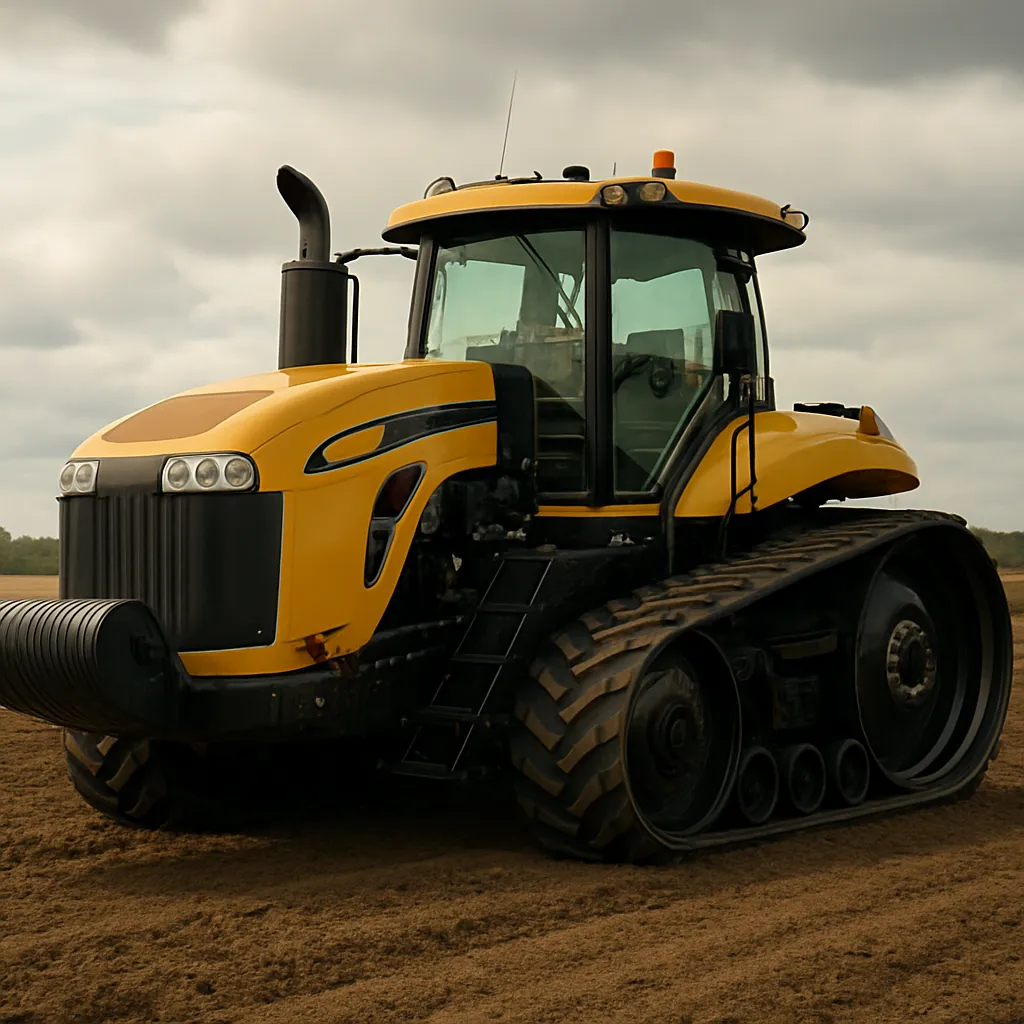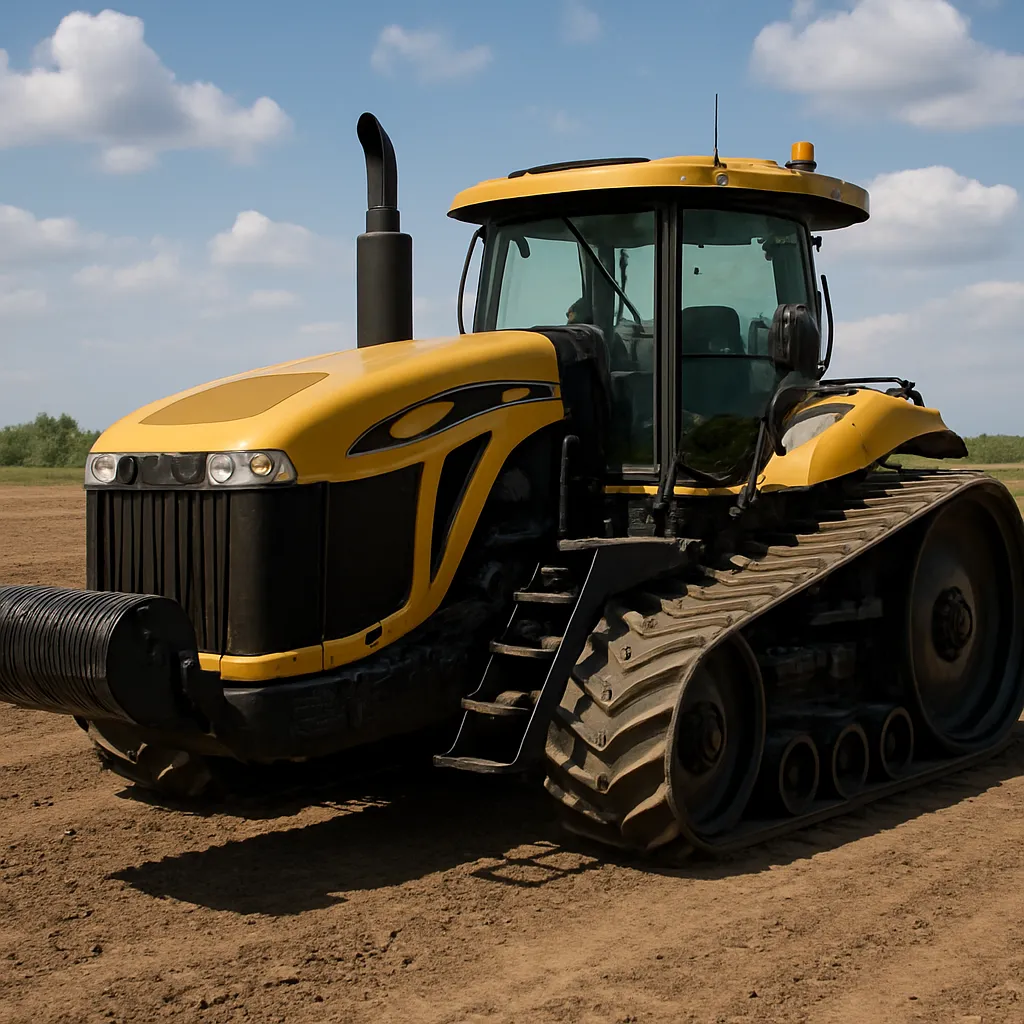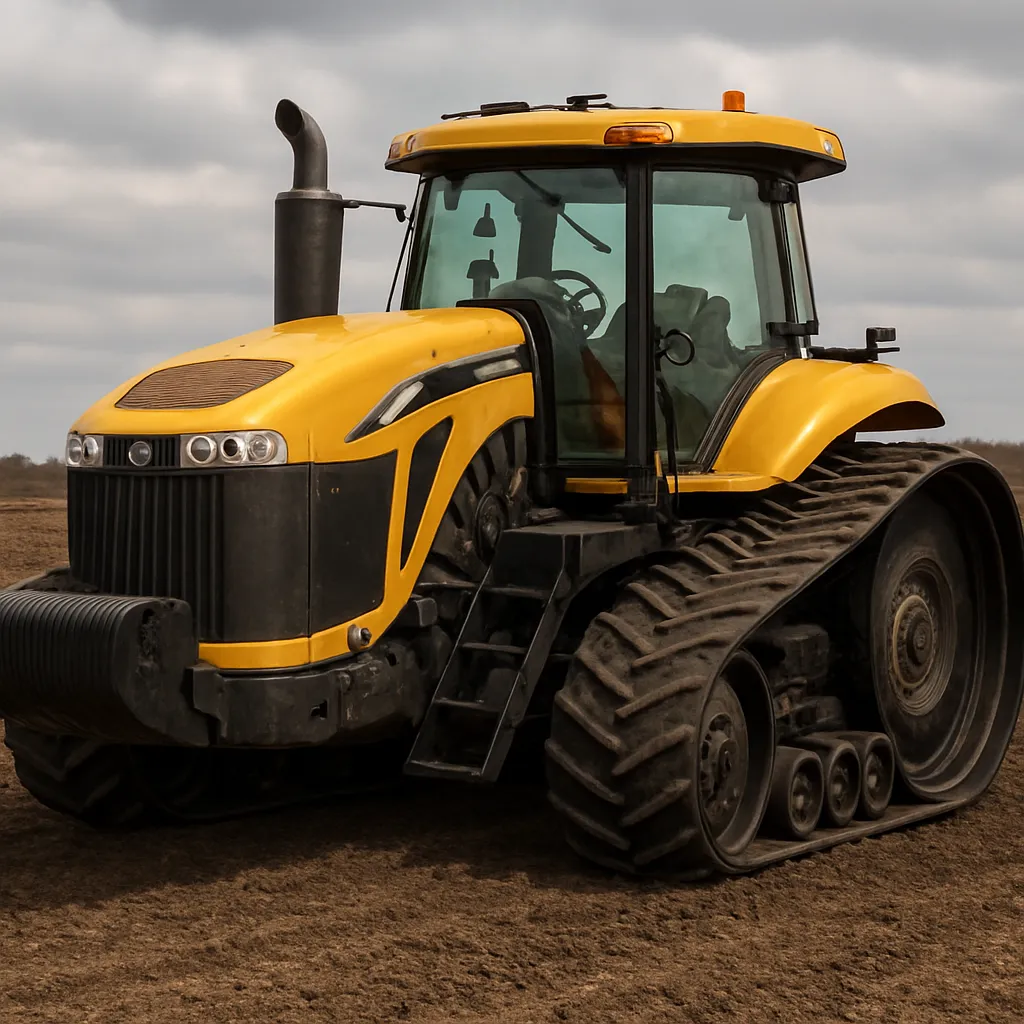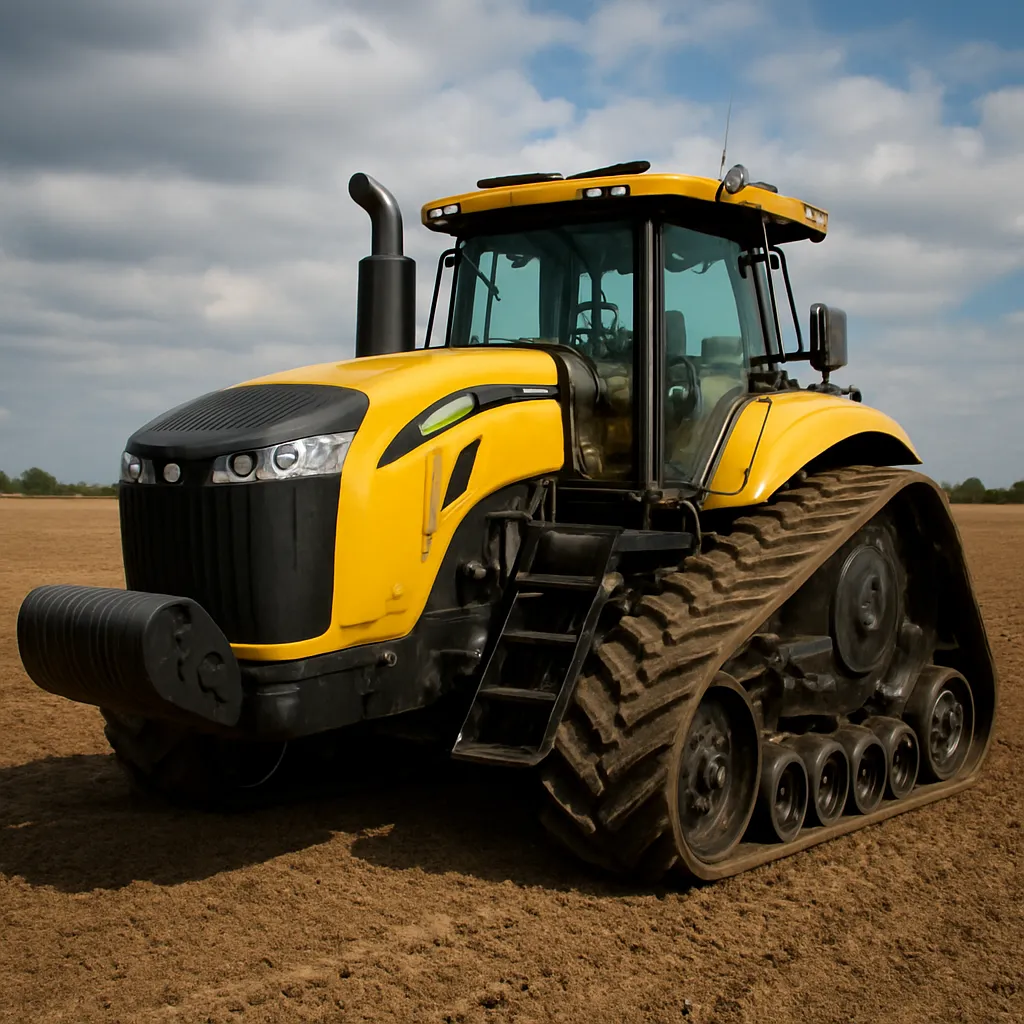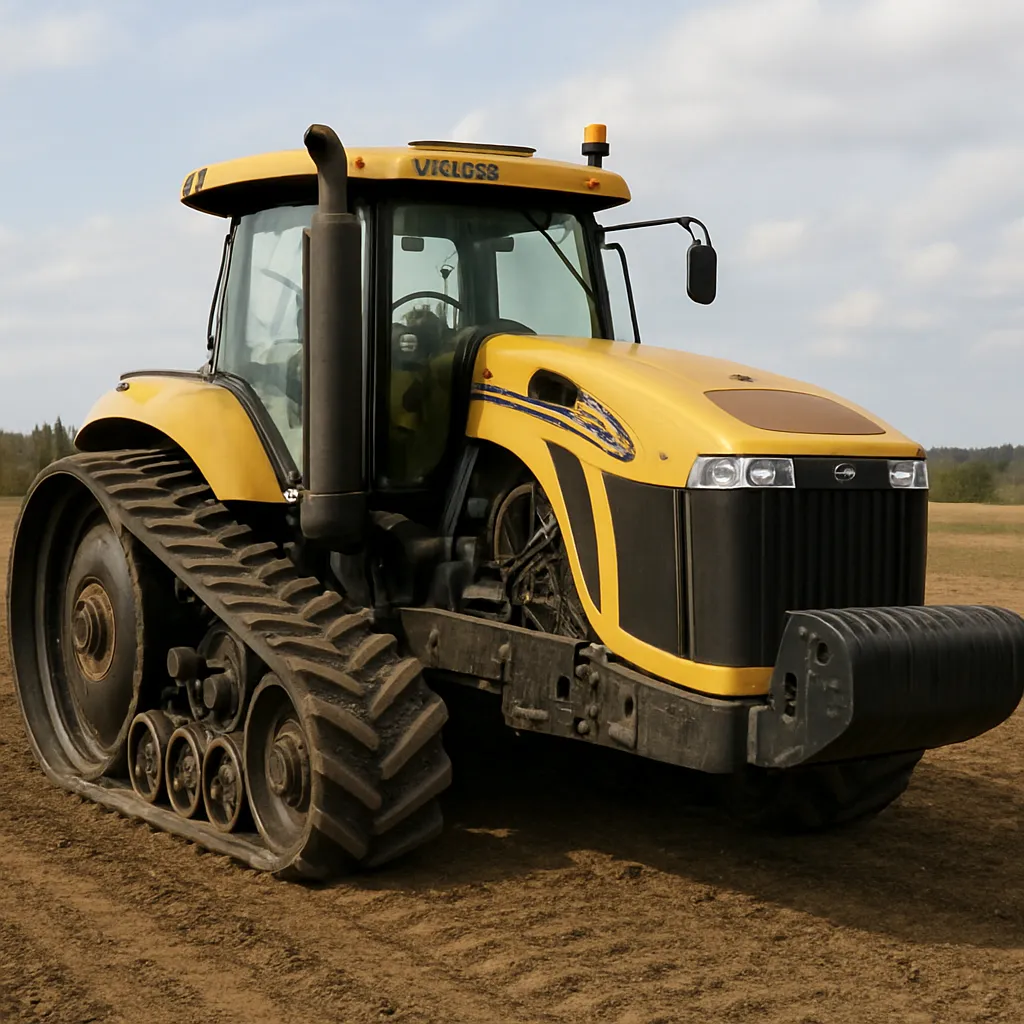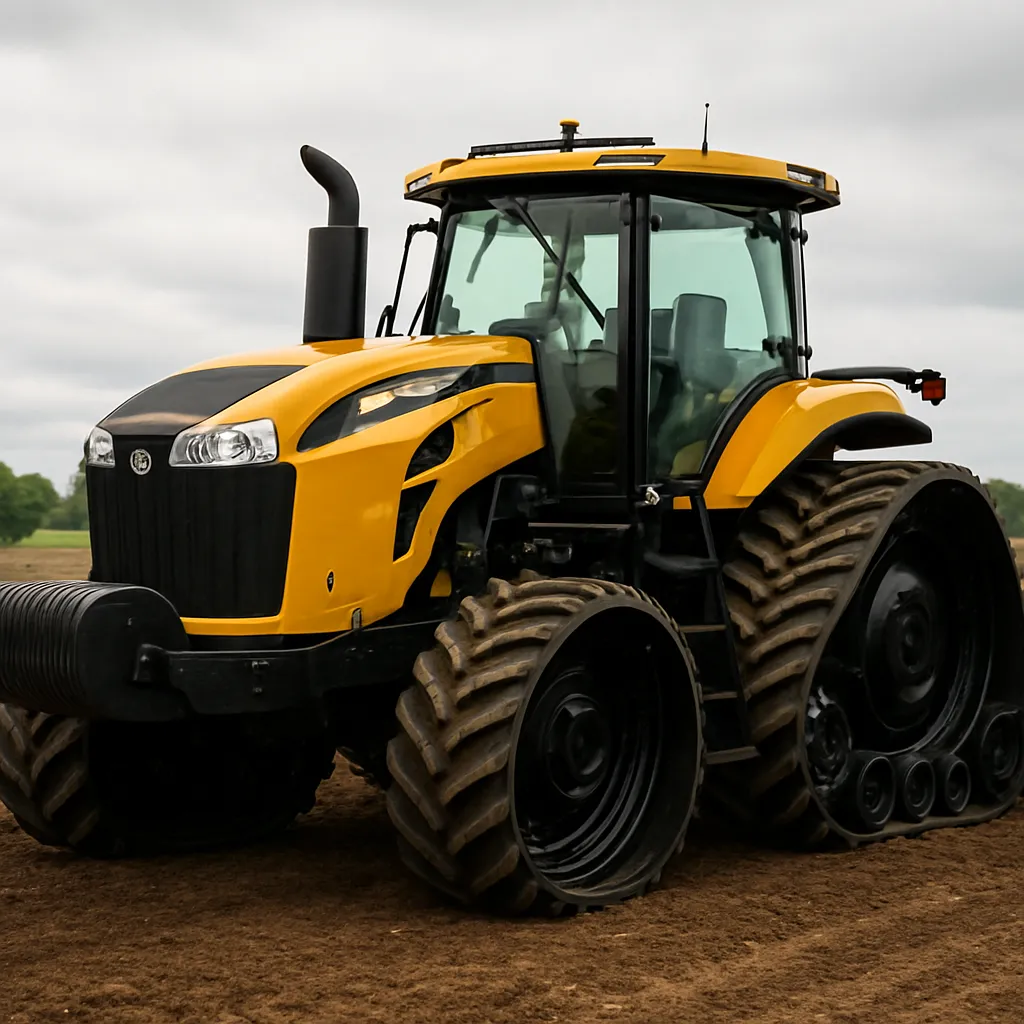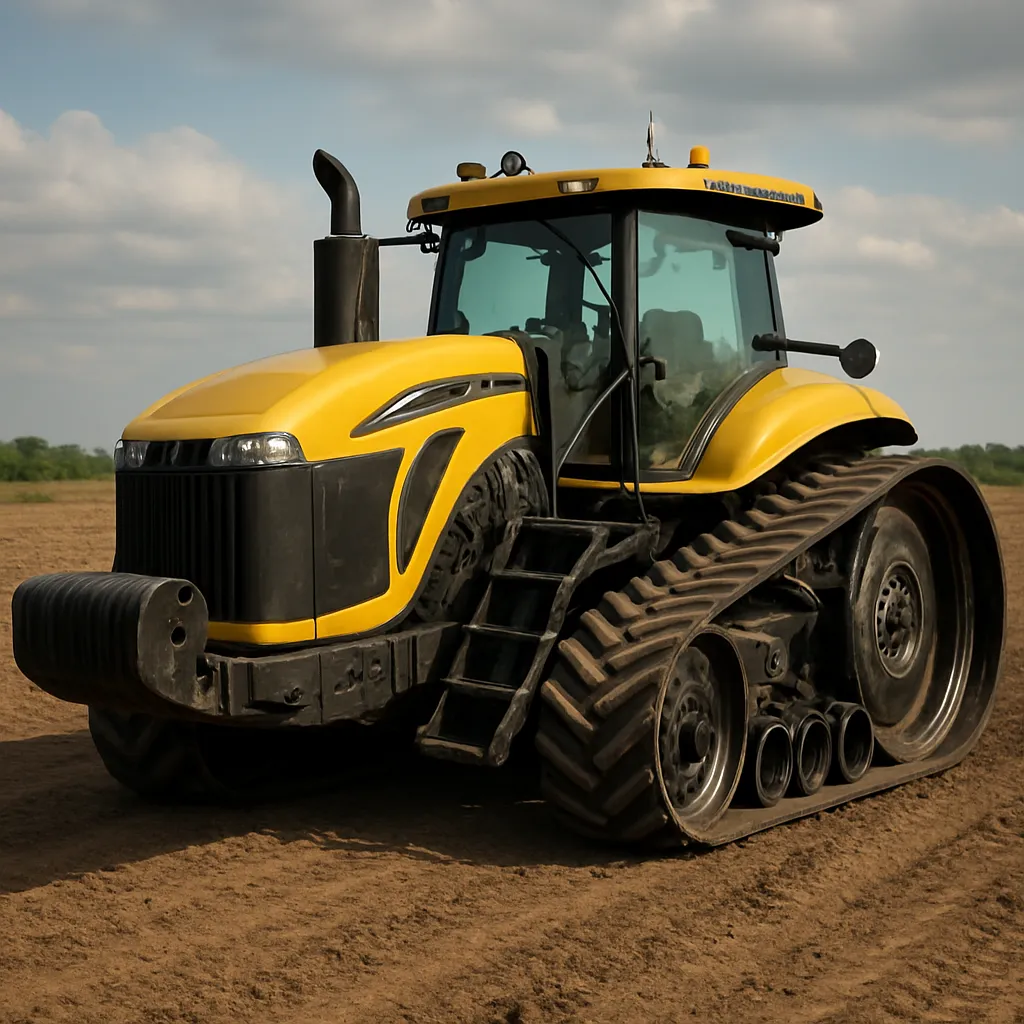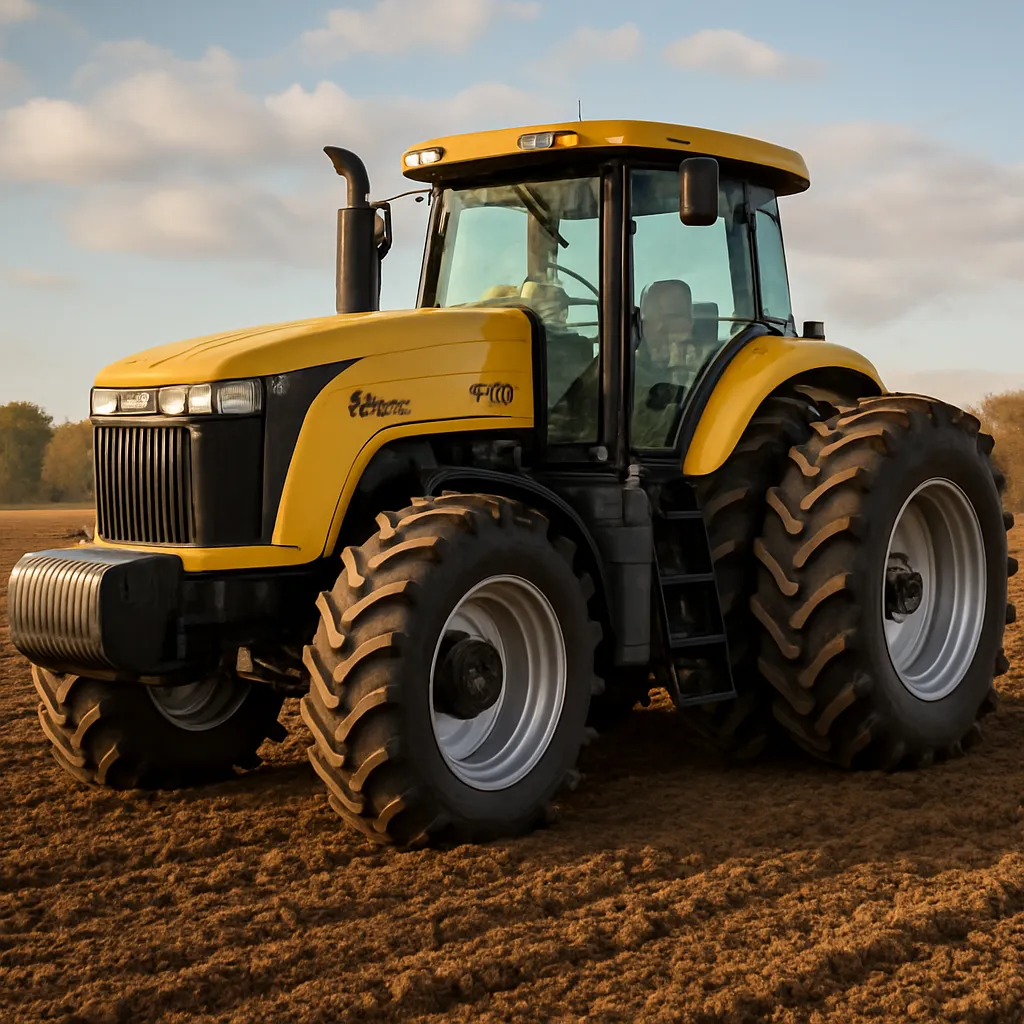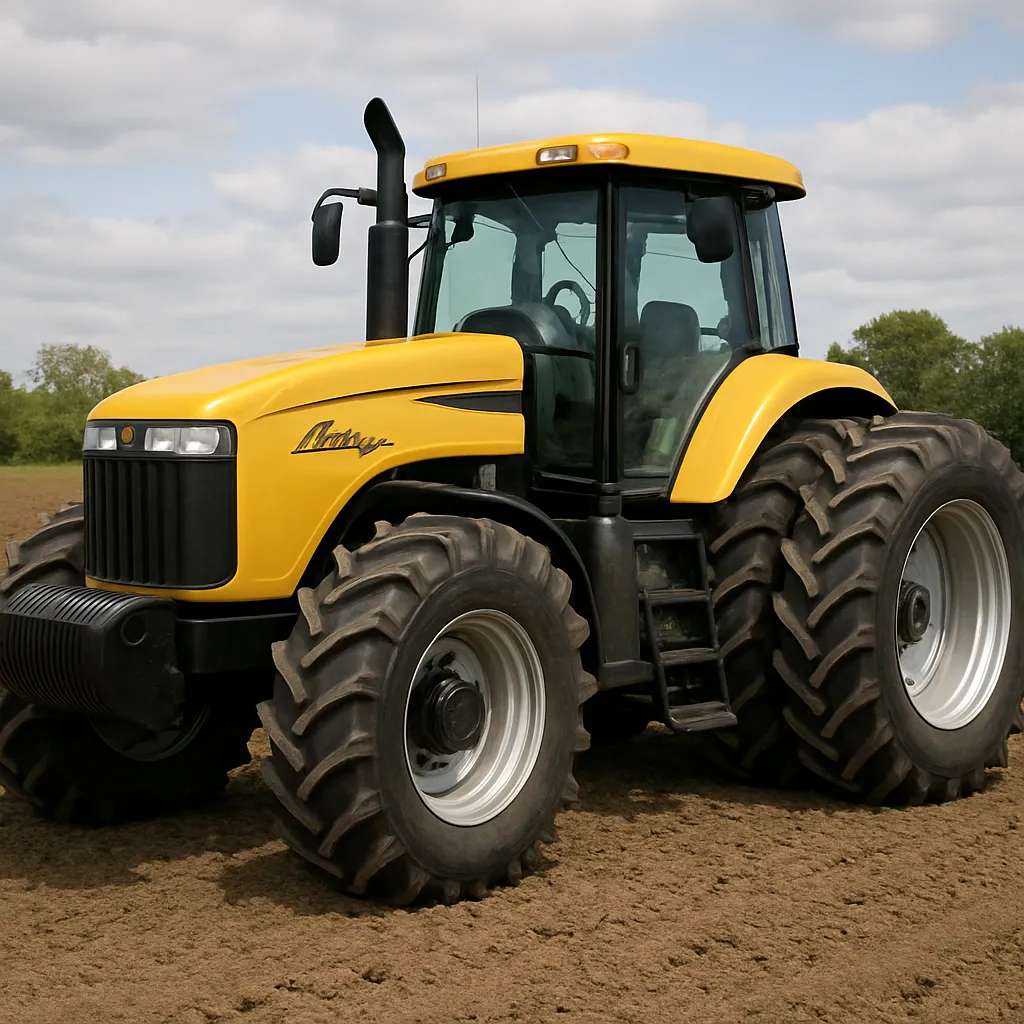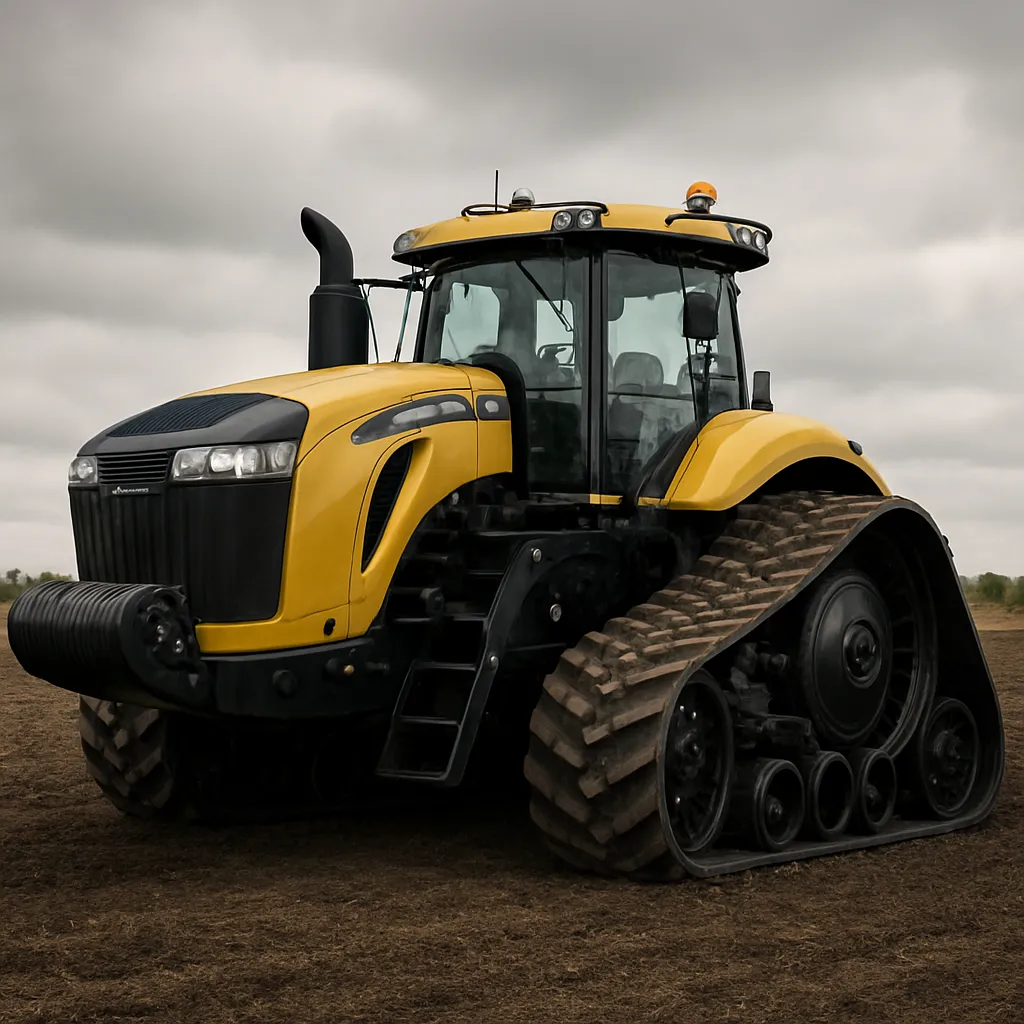
The Challenger MT965E is a heavy-duty, tracked agricultural tractor designed for large-scale farming operations that require exceptional traction, low ground pressure and high implement compatibility. Combining proven mechanical simplicity with modern electronics and operator comforts, the MT965E occupies a place among the machines chosen for demanding tillage, seeding and high-speed field applications. In this article we explore the tractor’s design, typical uses, technical highlights, maintenance and practical considerations to help owners, operators and farm managers understand where the MT965E most effectively fits into modern agriculture.
Design and Technical Overview
The MT965E is built around a purpose-driven chassis and track system intended to deliver continuous contact with the ground over a wide contact patch. The overall architecture prioritizes stability, drawbar pull and the ability to tow or carry large implements while minimizing soil compaction. The basic engineering philosophy is to trade small-turn maneuverability for sustained field performance and high traction efficiency, making the tractor suitable for primary tillage, large planters, and heavy transport tasks on the farm.
Engine and Powertrain
The MT965E typically features an industrial-grade diesel engine calibrated to deliver high torque across a broad rpm band, which is critical for pulling heavy implements and maintaining consistent ground speed under load. The engine is matched to a transmission and final drive system built for durability and predictable power delivery. Modern versions of the platform incorporate emission control systems to comply with contemporary regulations—commonly including electronic fuel management, turbocharging, and exhaust aftertreatment where applicable.
Key traits of the powertrain include robust torque reserves for low-speed work, simplified service points for easier maintenance, and modular components that allow field technicians to diagnose issues quickly. The power and torque figures vary with configuration and market specifications, but the MT900-series tractors (the family that MT965E belongs to) are positioned in the high-horsepower class among agricultural tractors, intended to match or exceed the performance of large wheeled tractors in many heavy-duty duties.
Tracks and Undercarriage
A defining feature of the MT965E is its rubber track undercarriage. Tracks deliver two main advantages: significantly increased tractive effort and a much larger footprint compared with wheels, which reduces ground pressure. This allows the tractor to work in softer soils and earlier in the season without excessive rutting. The undercarriage design includes:
- Wide rubber tracks that distribute weight
- Heavy-duty idlers and rollers for longevity
- Adjustable track tensioning systems to maintain correct alignment
- Protection and seals to minimize ingress of debris
Due to their construction, tracked systems require specialized maintenance routines (track tensioning, inspection of rubber condition and undercarriage components), but in return they provide superior traction and stability when pulling large implements or carrying heavy loads on varying terrain.
Applications and Typical Uses
The MT965E is primarily targeted at operations where scale and consistency matter. Farms that need to cover large areas efficiently, handle high-horsepower tillage equipment, or operate in soft-field conditions are common users. Typical applications include:
- Primary tillage: deep plowing and heavy chisel work where sustained traction is essential
- Seedbed preparation and conservation tillage: where uniform ground contact reduces variability in seeding depth
- Large-scale planting and seeding: pulling wide planters or air drills at consistent forward speeds
- Heavy transport and hauling: moving large wagons or trailers in-field and on roads when allowed
- Specialty high-drawbar tasks: sugar beet, cotton defoliation equipment and other high-resistance implements
- Land reclamation and earthmoving chores on farms or contracting jobs
In addition to traditional farm uses, owners sometimes employ tracked tractors like the MT965E in contract work, forestry site prep and other non-crop tasks where traction, flotation and drawbar capacity make tracked machines more suitable than wheeled tractors.
Technology, Controls and Operator Environment
Even though the MT965E emphasizes mechanical robustness, it commonly integrates relevant electronic and comfort features to improve productivity and reduce operator fatigue. Modern tractors in this class usually include:
- Precision guidance compatibility (GPS/GLONASS/GNSS) and auto-steering systems to minimize overlaps and maximize field efficiency
- ISOBUS-compatible implement control to facilitate plug-and-play connections with modern implements
- Onboard telematics for remote monitoring of machine health, fuel use and productivity metrics
- Comfort features in the cab such as climate control, vibration damping and ergonomic seating to sustain long shifts
These systems are important because the value of a high-horsepower tractor is strongly linked to the hours it can operate productively. Automation and precision systems reduce operator input for repetitive tasks, while telematics allow managers to schedule maintenance and monitor field performance.
Control Layout and Safety
Control ergonomics are designed for long hours: intuitive joysticks for implement and transmission control, clear displays for machine parameters, and safety interlocks for implement coupling. Visibility from the cab is optimized to monitor wide implements and attachments.
Performance, Fuel Efficiency and Environmental Considerations
Performance for the MT965E is measured by how effectively it converts engine power into ground work — traction, speed consistency and the ability to sustain high drawbar loads. Tracked tractors often out-perform wheeled tractors in terms of traction-to-weight ratio, allowing heavier implements to be used with less wheel slip and reduced fuel wasted in spinning wheels.
Environmental considerations include compliance with emissions standards (e.g., Stage IV, Tier 4 final where applicable), which are achieved via systems such as selective catalytic reduction (SCR), diesel oxidation catalysts (DOC) and diesel particulate filters (DPF). These technologies reduce NOx and particulate emissions but add complexity to the aftertreatment systems and maintenance schedules.
Fuel efficiency for any high-horsepower tracked tractor depends on application and field conditions. Key variables are implement load, soil condition, travel speed and operator technique. In general, the efficient transfer of power to the ground—thanks to the tracked undercarriage—can reduce the fuel wasted through wheel slip versus comparable wheeled machines, particularly during heavy draft work. Precision farming tools such as variable-rate seeding and auto-guidance also reduce overlap and improve the farm-level efficiency of operations.
Maintenance, Reliability and Service
Robustness and serviceability are central to the operational economics of machines like the MT965E. Maintenance considerations include engine service intervals, undercarriage inspection, and monitoring of hydraulic and transmission systems. Important maintenance practices are:
- Regular track tension and wear checks to prevent accelerated undercarriage damage
- Scheduled oil and filter changes for engine, transmission and hydraulics based on operating hours and load
- Inspection and servicing of aftertreatment systems to avoid derate or downtime
- Routine greasing of pivot points and mechanical linkages
- Using manufacturer-recommended consumables to preserve warranty and component life
Many fleet operators complement manufacturer service with on-site preventive maintenance programs and spare-parts inventories for high-wear items. A strong dealer network and easy access to replacement components greatly reduce downtime.
Common Service Intervals and Practices
Typical service rhythms for high-horsepower materials include daily pre-start inspections (fluids, leaks, tire/track condition), intermediate checks every 50–250 hours (depending on component), and major services around 500–1,000 hours or per the manufacturer’s schedule. Maintaining correct track tension and cleanliness of the undercarriage plays a large role in long-term reliability.
Attachments and Compatibility
The MT965E supports an array of implements and attachments designed for large-acreage farming:
- Large plows and cultivators for primary tillage
- Wide seed drills and air seeders for efficient planting
- Heavy disc harrows and compactors for residue management
- High-capacity sprayers and nutrient applicators (in pull-type configurations)
- Transport wagons and heavy trailers for in-field logistics
Compatibility with modern implements is typically ensured through standardized hitching systems and hydraulic/external electrical connections (ISOBUS), allowing the tractor to be integrated easily into a contemporary implement fleet.
Market Position, Ownership Economics and Use Cases
MT965E-class tractors are an investment oriented toward very large farms, custom operators and land managers who need reliable, high-capacity machinery. Ownership economics should be evaluated over the machine’s productive life, taking into account:
- Depreciation and resale value in regional markets
- Fuel consumption relative to work performed (cost per hectare)
- Service and parts availability from dealer networks
- Operator training needs and safety compliance
- Potential for multi-season and multi-role use to maximize utilization
For many operations, renting or hiring contracting services that operate machines like the MT965E can be an economical alternative to outright ownership, especially when peak-season demand is variable and ownership would leave the machine idle for long periods.
Practical Considerations Before Purchase
When evaluating a tracked tractor such as the MT965E, buyers should consider:
- Soil types and typical field conditions—does the farm benefit from lower ground pressure and higher traction?
- Available implements—are the implements sized and configured to take full advantage of the tractor’s horsepower?
- Transport logistics—tracked machines may be limited by road speed and local regulations for road travel
- Dealer support and local service—ensure parts and qualified technicians are available in your area
- Training and safety—tracked tractors have different handling characteristics that operators must learn
Matching machine capabilities with farm workflows and seasonal peaks is essential to achieving a satisfactory return on investment.
Conclusion
The Challenger MT965E represents a class of agricultural machinery built for sustained, heavy-duty fieldwork where traction, flotation and implement compatibility are decisive factors. Its tracked undercarriage and heavy-engine architecture make it particularly suited to large-scale arable farms, contractors and operations facing soft or variable soils. While the total cost of ownership includes higher initial outlay and specialized maintenance, the payoff comes in consistent field performance, reduced soil compaction and the ability to pull wide, high-capacity implements efficiently. For managers and operators deciding whether the MT965E fits their fleet, a careful assessment of field conditions, utilization rates, service infrastructure and implement compatibility will yield the best outcome.