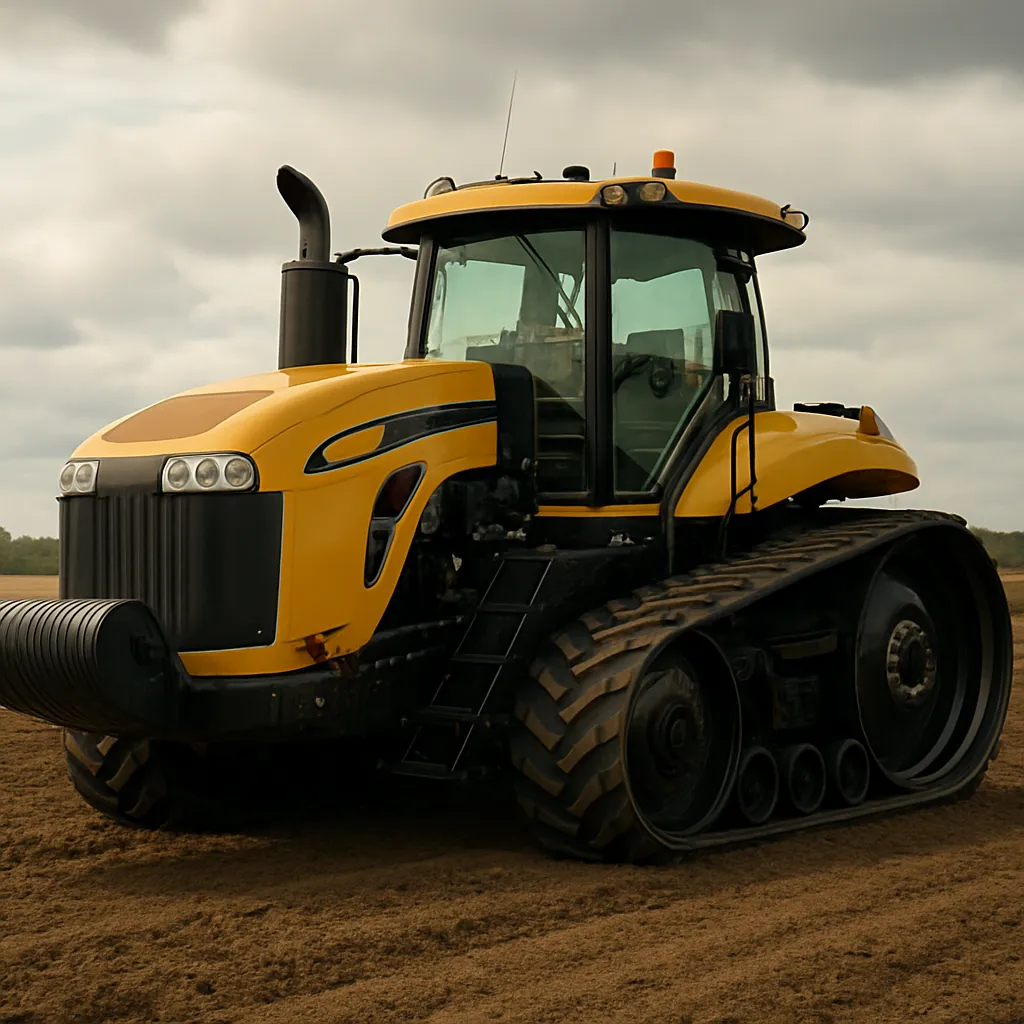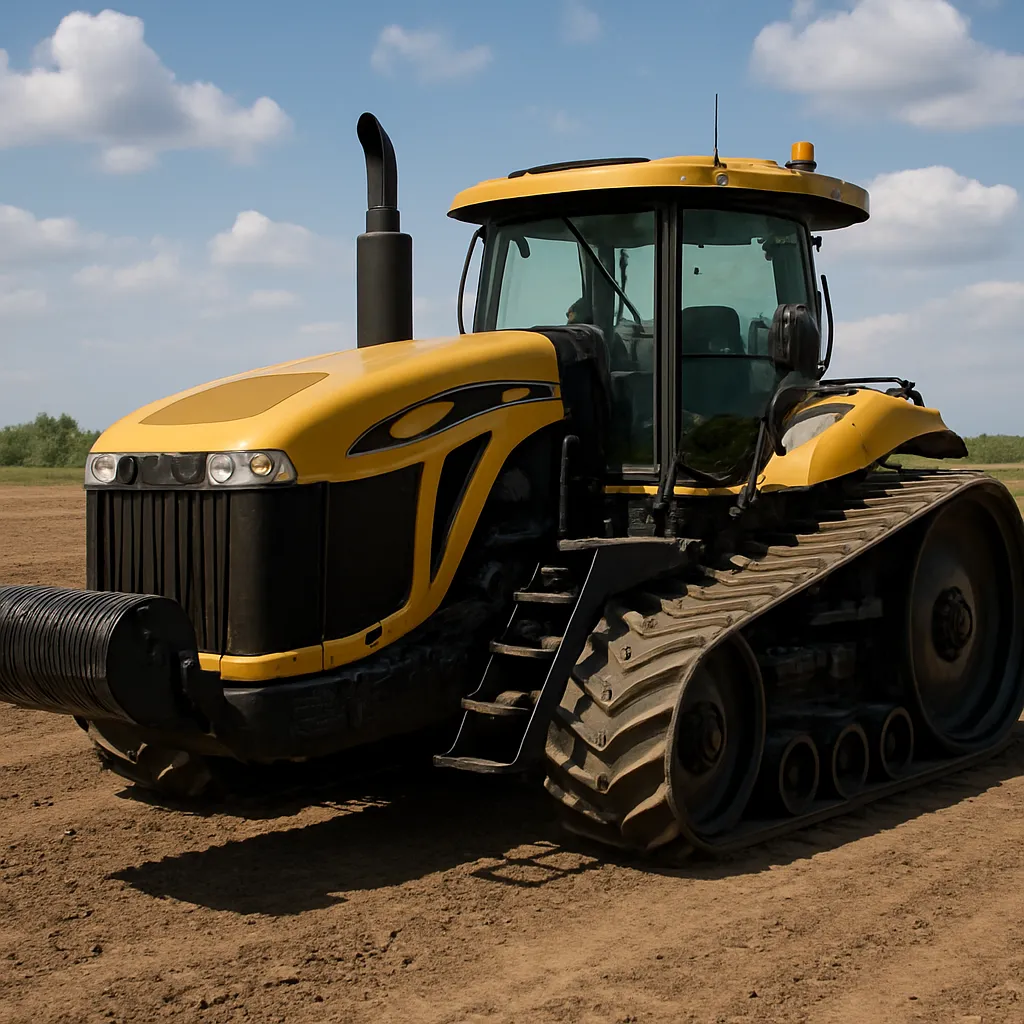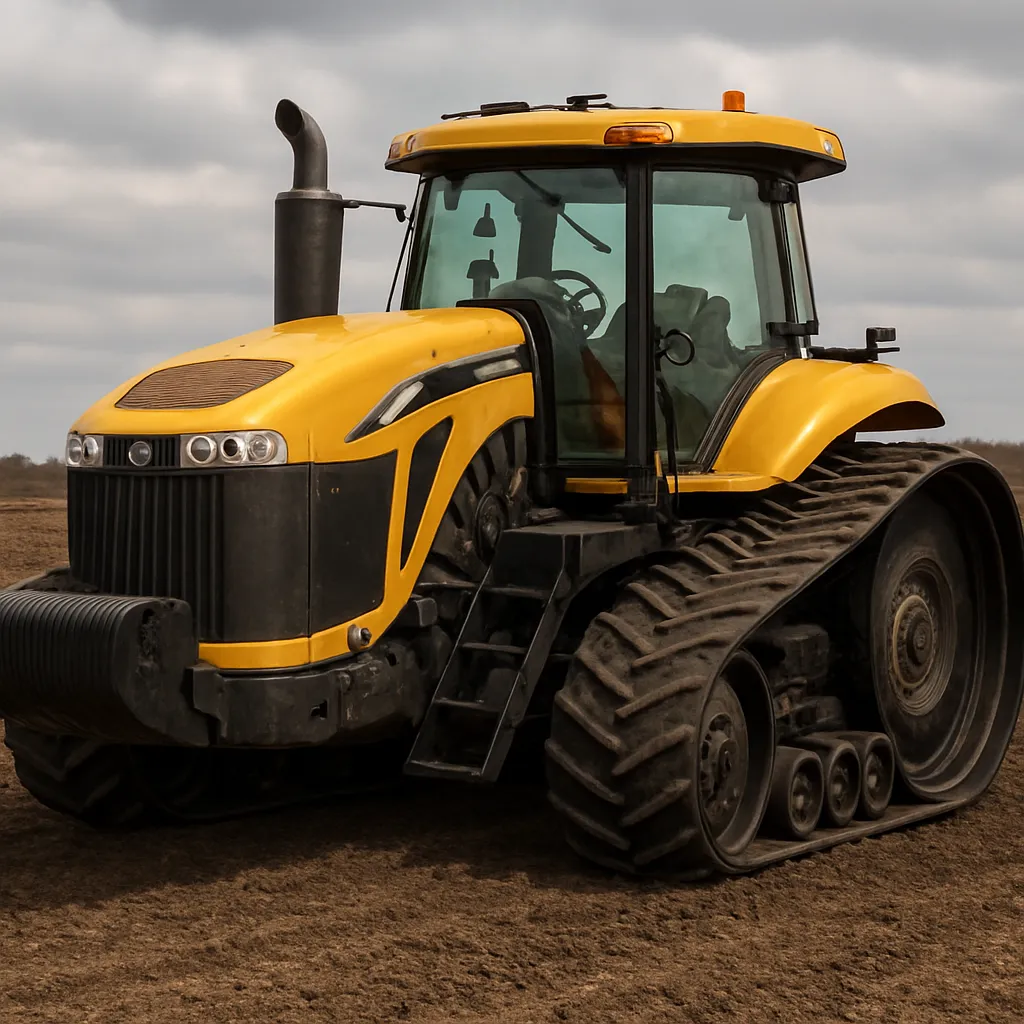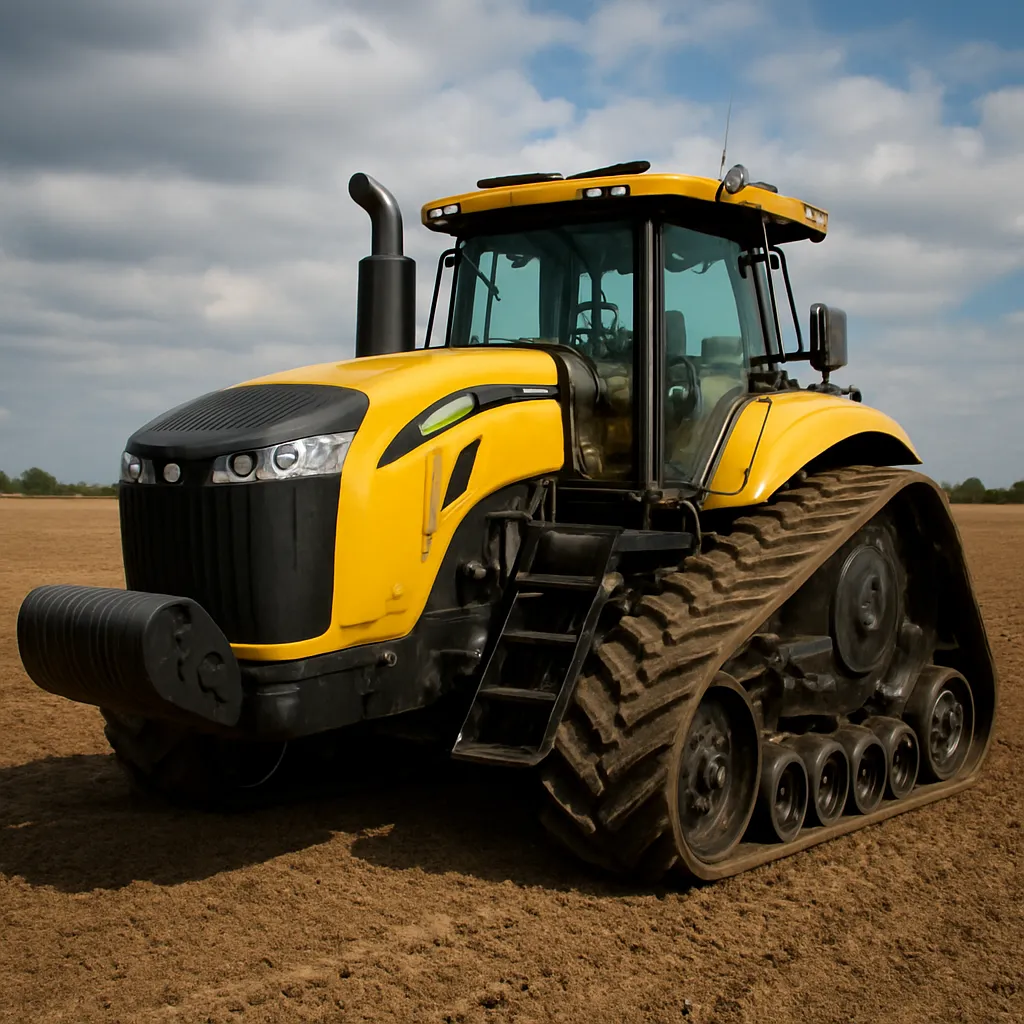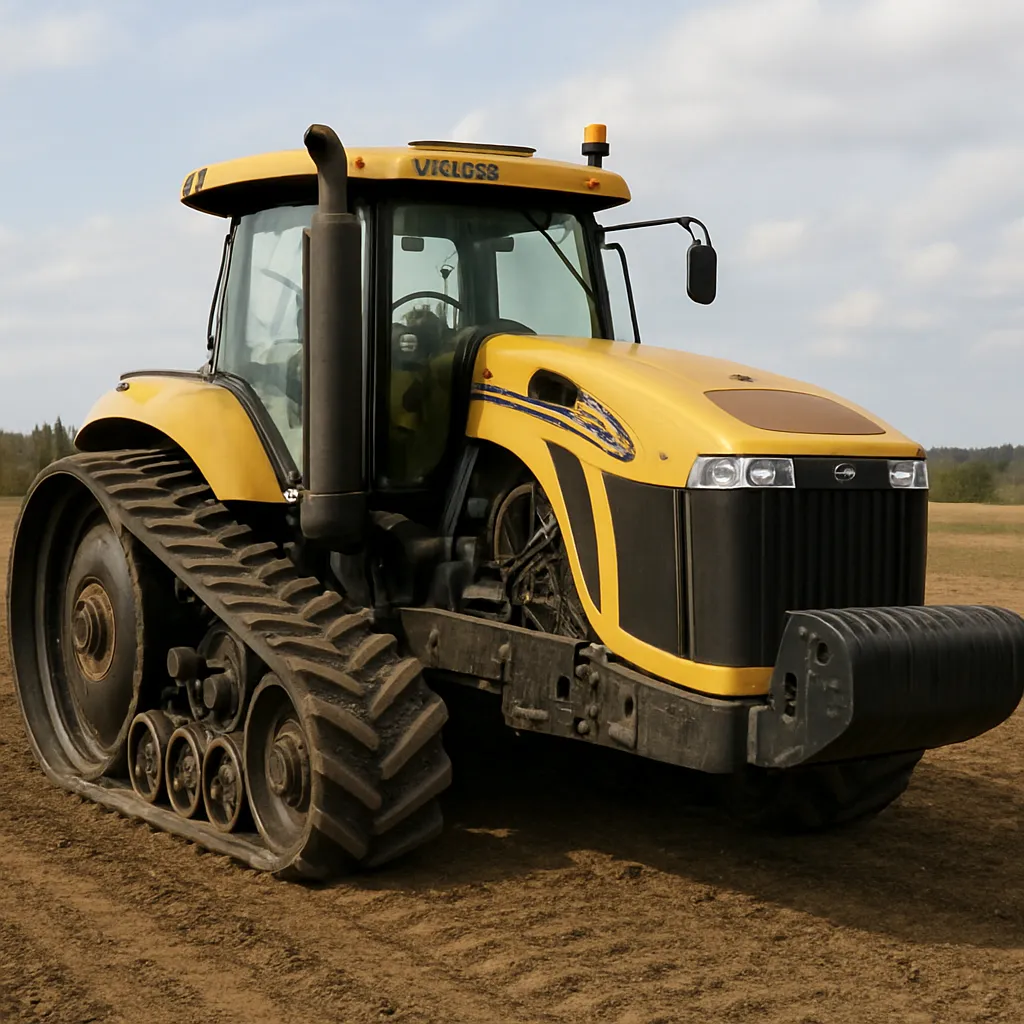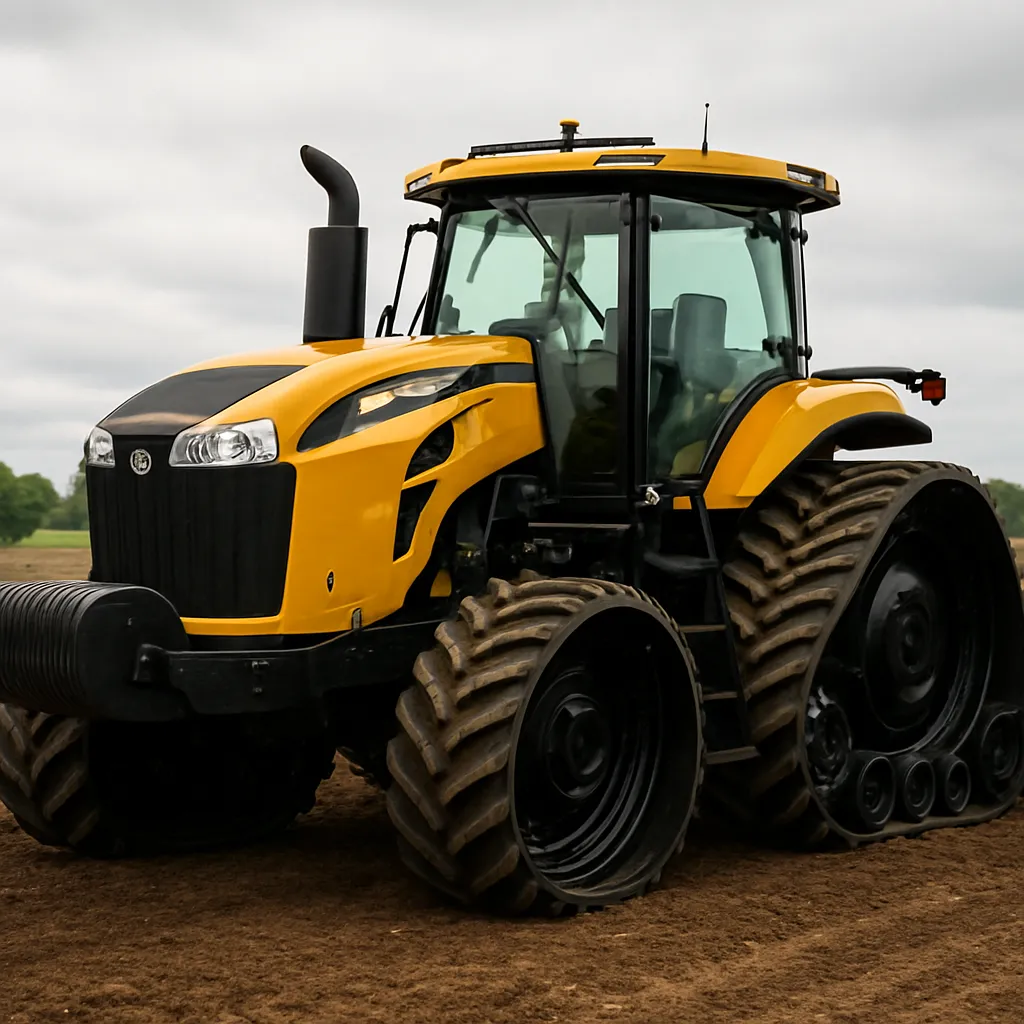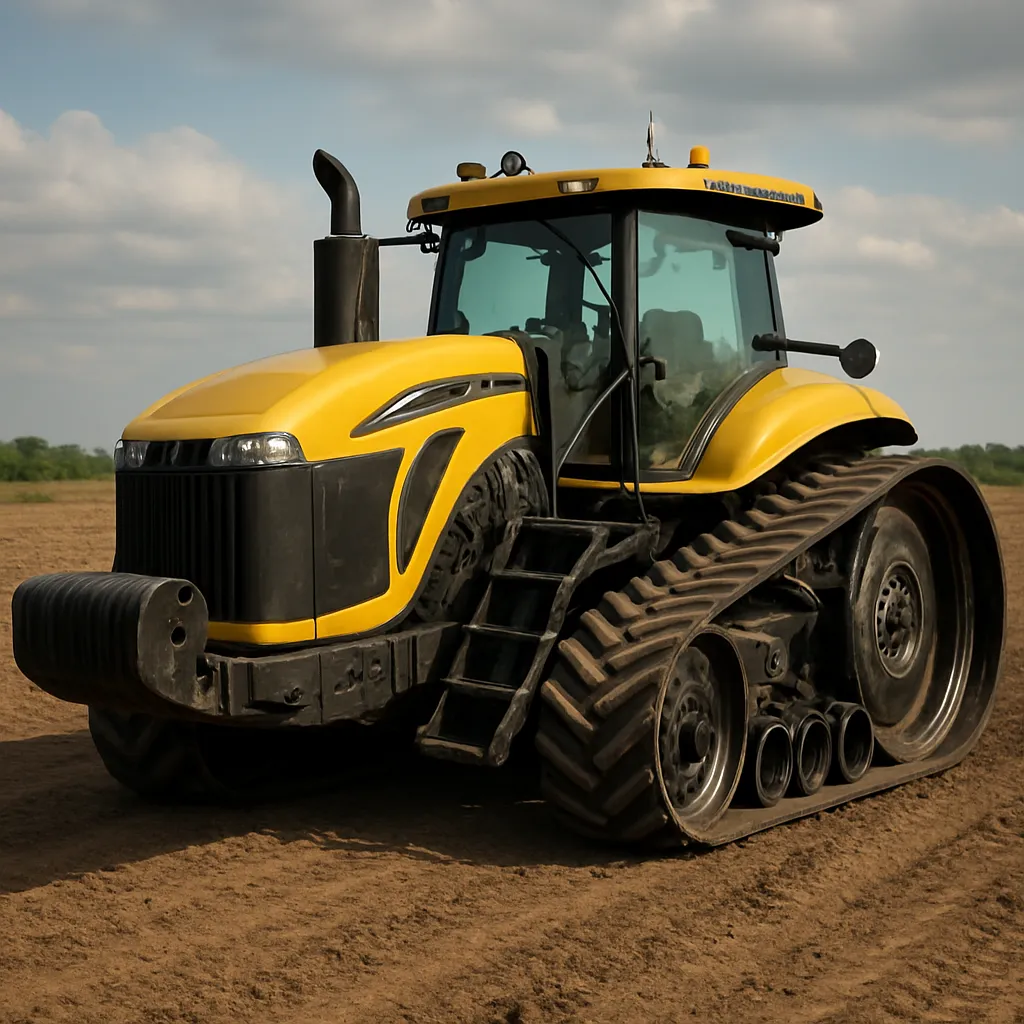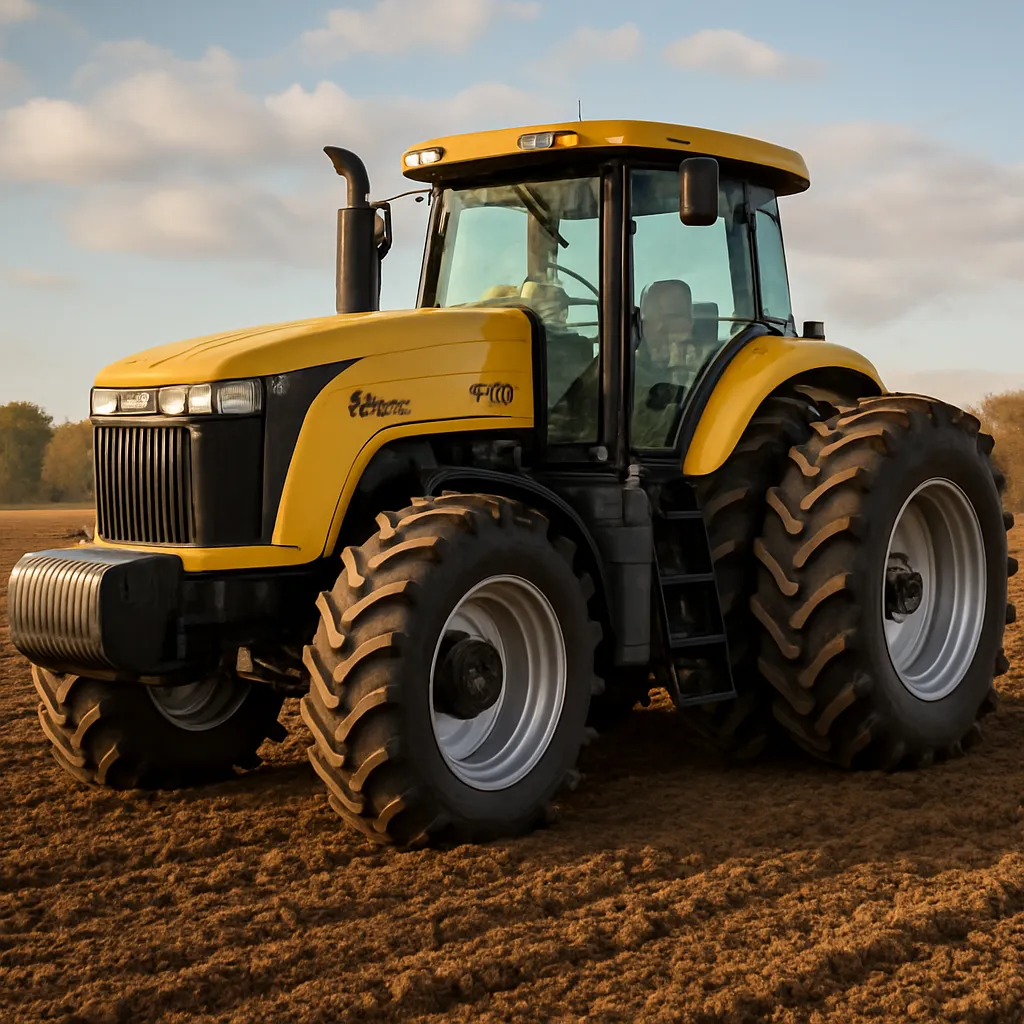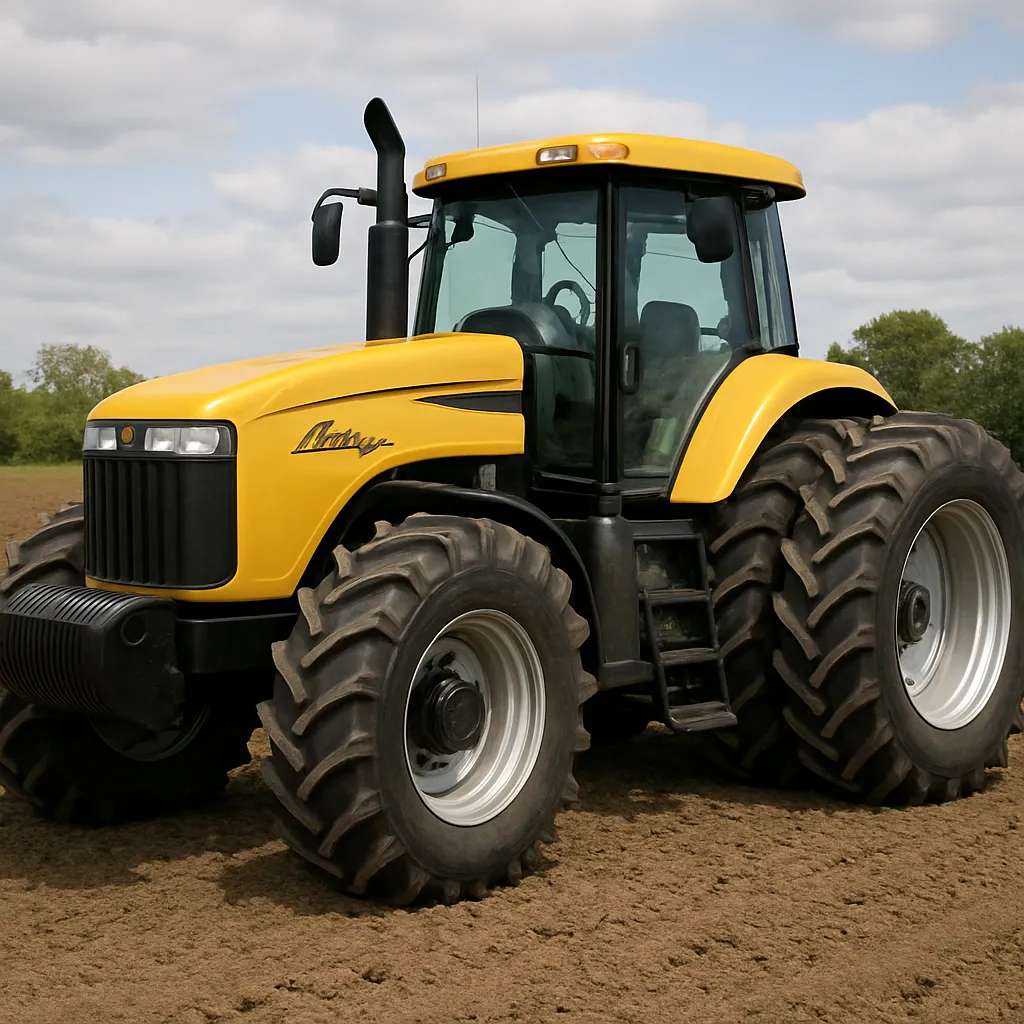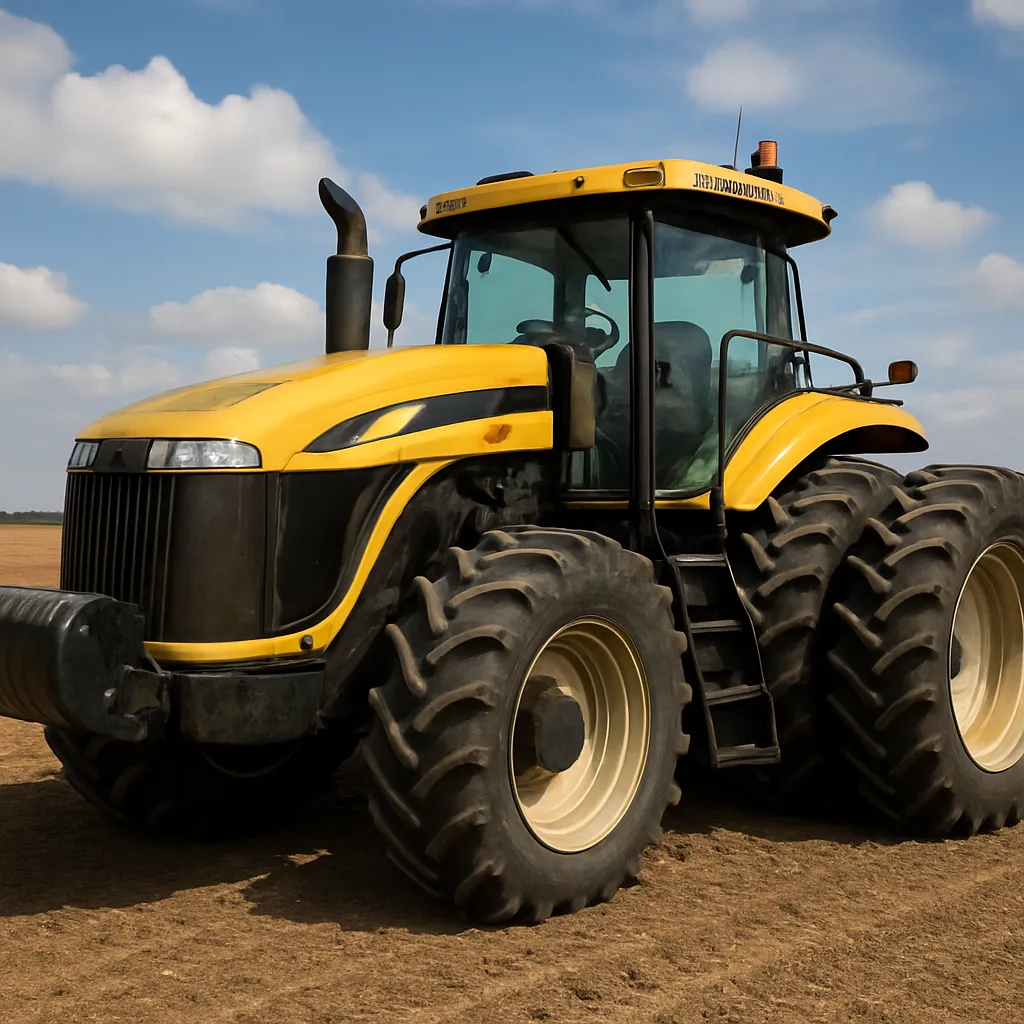
The Challenger MT965B is a heavy-duty agricultural tractor designed for large-scale farming operations and demanding field work. Renowned for its robust construction and tracked undercarriage, this model belongs to the lineage of MT900-series tractors originally developed to deliver high traction and consistent field performance. In the following sections we explore the technical characteristics, typical applications, operational advantages, maintenance considerations and market placement of the MT965B, offering practical information for operators, fleet managers and agricultural contractors.
Design, powertrain and technical characteristics
The MT965B was engineered to meet the needs of professionals who require continuous, dependable power across varied soil types and weather conditions. A hallmark of its design is the use of a tracked running gear—intended to improve flotation and reduce ground pressure compared with wheeled tractors. This solution enhances field productivity by enabling higher pull forces without excessive soil compaction and slippage.
Engine and power delivery
This model is positioned in the upper power segment of agricultural tractors and typically features an engine delivering power in the range of approximately horsepower class engines commonly used in large-scale tillage and seeding operations. The powerplant is tuned for high low-end torque to maintain consistent pull under load and to optimize fuel burn when pulling heavy implements or during continuous deep tillage passes. The torque curve and transmission pairing focus on delivering usable power at working speeds rather than peak numbers on a dyno.
Undercarriage and traction
The most visible and functionally significant element of the MT965B is its tracked undercarriage. Tracks provide superior ground contact area and the ability to distribute weight across a larger footprint, which reduces soil pressure and increases pull efficiency. In practice, this means better acceleration under load, improved traction on slopes and softer soils, and reduced crop damage in wet conditions. Track systems on these tractors are engineered for durability, incorporating reinforced belts, robust sprockets and tensioning systems to cope with heavy agricultural use.
Transmission, hydraulics and implements
Transmission choices for tractors of this class emphasize smooth power transfer and flexibility across a wide speed range. The MT965B is typically paired with a transmission that offers a number of forward and reverse ranges optimized for fieldwork and transport. The hydraulic system is sized to support large implements—plows, discs, seed drills, multi-section cultivators, and mounted or semi-mounted tools—providing sufficient flow and pressure for multi-function control and modern implement demands.
Cab and operator environment
Operator comfort and control are integral to the MT965B’s design. The cab is built for long hours, with ergonomic controls, climate control, and good visibility over the front of the machine and the attached implement. Many units can be equipped with factory or aftermarket precision guidance and telematics systems, making them suitable platforms for contemporary precision agriculture workflows.
Primary applications and field use
The MT965B is aimed at large farms, custom operators and contractors who require high-power tractors for continuous, high-intensity fieldwork. Its capabilities make it especially effective in the following roles:
- Primary tillage and deep ripping — Pulling large chisel plows, disc harrows and subsoilers where high drawbar force is needed to penetrate and fracture compacted layers.
- Secondary tillage and seedbed preparation — Operating multi-section cultivators and heavy finishing equipment over wide swaths with minimal wheel slip.
- Seeding and planting with large air drills — Providing steady forward speed and minimal soil disturbance while towing high-capacity planters and drills.
- Land management and drainage work — Grading, leveling and pulling specialized implements to prepare fields or maintain drainage systems.
- Specialty uses — In some regions, tracked tractors are used for heavy sugarcane operations, large vegetable or root crop production, and other demanding crop systems where reduced soil compaction is important.
Because tracks reduce slippage and improve traction, the MT965B is also advantageous in wet or marginal conditions where wheeled tractors might suffer excessive soil disturbance. This enables operators to extend working windows and complete large tasks earlier or later in the season.
Key advantages and operational considerations
When evaluating the MT965B for a fleet, several strengths and considerations emerge. Understanding these helps match the tractor to operational needs and maximize return on investment.
Advantages
- Improved ground contact and traction compared with equivalent wheeled tractors, allowing higher effective tractive power in the field.
- Reduced soil compaction due to greater contact area—this can improve long-term soil health and crop yields in sensitive rotations.
- Enhanced stability on slopes and better performance in soft or muddy fields, allowing operations to continue in marginal conditions.
- Platform flexibility: the MT965B can pull a wide variety of large implements commonly used on large farms or by contractors.
- Cab features and options for modern precision agriculture tools make it a workhorse that can integrate into digital farm management systems.
Operational considerations
- Tracks have a different wear profile and maintenance regime compared to tires; operators must monitor track tension, belt condition, sprocket wear and mud accumulation to preserve longevity.
- Transport speed and maneuverability on roads are typically more constrained than for wheeled tractors; logistics planning for moving between sites is important.
- Initial purchase price and some service costs may be higher than for comparable wheeled models, although total lifetime cost depends on utilization and maintenance discipline.
- Fuel consumption can be substantial under heavy load. Management practices such as proper implement sizing, appropriate gear selection and careful route planning help control fuel costs and increase field efficiency.
Maintenance, durability and service tips
Durability and predictable maintenance are essential for tractors that operate hundreds or thousands of hours each season. The MT965B’s design acknowledges this by emphasizing robust components and service accessibility, but careful maintenance planning remains critical.
Routine checks and preventive care
- Daily visual inspections for track condition, tension and foreign material lodged in the undercarriage.
- Regular lubrication of pivot points, idlers and track rollers per manufacturer schedules.
- Monitoring hydraulic fluid quality and levels; replacing filters at recommended intervals to protect pumps and valves.
- Scheduled engine servicing—oil, filters, cooling system checks—to safeguard longevity and maintain performance.
- Electronic systems and sensor checks for any precision or guidance hardware installed; proper calibration ensures optimal implement performance.
Undercarriage care
Undercarriage wear is one of the largest cost centers for tracked tractors. Minimizing abrasive exposure, keeping tracks properly tensioned, and avoiding excessive on-road travel where possible will extend life. A predictable program for inspection and replacement of worn belts, rollers and sprockets helps prevent unplanned downtime.
Operator training
Operators should receive training specific to tracked machines, as driving technique affects wear and fuel consumption. Smooth acceleration, judicious use of differential lock systems where fitted, and proper turn procedures help maintain the mechanical integrity of the undercarriage and transmission.
Comparisons, market role and lifecycle economics
In the high-horsepower tractor segment, the MT965B competes with other tracked and four-wheel-drive models from major manufacturers. The key differentiators for potential buyers are how the tractor’s track-based benefits align with their agronomic needs and operational patterns.
Comparative strengths
- Compared to wheeled tractors of similar rated power, the MT965B typically delivers higher effective tractive performance in soft soils and lower peak soil compaction.
- Against other tracked models, the MT965B’s appeal lies in its balance of durability and operator comfort, along with configuration flexibility for a wide range of implements.
Economics over the lifecycle
When assessing long-term cost, it is important to account for:
- Initial acquisition cost and financing terms.
- Operating costs including fuel, tires or tracks, and consumables.
- Maintenance and major service intervals—particularly undercarriage replacement cycles for tracked machines.
- Resale value and market demand for tracked tractors in the regional resale market.
For many large-scale operations, the productivity gains from reduced slippage, extended field days and improved traction translate into tangible economic benefits that offset higher acquisition or service costs. The balance depends on local soil types, crop systems, and operational intensity.
Technology integration and modern features
Recent trends in agricultural machinery place a strong emphasis on connectivity and precise implement control. The MT965B is capable of being equipped with modern technology packages that align with these trends.
Precision farming and electronics
Compatibility with guidance systems and implements—often facilitated by standards such as ISOBUS—allows the MT965B to serve as a central machine in precision workflows. Automated steering, section control, and real-time data collection enable reduced overlap, optimized input application and detailed field records.
Telematics and fleet management
Many owners fit telematics systems to monitor machine location, hours, fuel use and diagnostic alerts. These systems support proactive maintenance, optimize utilization across multiple jobsites and improve the efficiency of large contracting operations.
Practical purchasing and operating advice
Potential buyers should consider operational match, local service support and total cost of ownership. Below are practical guidelines when evaluating an MT965B for purchase or lease.
- Assess the typical tasks and match implement sizes to the tractor’s pulling capacity—oversizing leads to excessive fuel use and wear; undersizing wastes potential productivity.
- Confirm local dealer and parts availability for tracked undercarriage components and major service work.
- Consider the logistics of moving tracked tractors between fields and the cost/time trade-offs of using specialized transport.
- Negotiate warranty and service plans that include coverage for track wear or undercarriage components if possible.
- Plan operator training to maximize efficiency and minimize unnecessary wear on the drivetrain and tracks.
Environmental and agronomic impacts
Tracked tractors such as the MT965B influence soil management strategies. The reduced point loading of tracks compared to dual-wheel setups can be beneficial for soil structure and root development, particularly in fields with heavy soils or when high axle loads from wheeled alternatives cause compaction layers.
Less slippage also reduces fuel-waste and can lead to lower CO2 emissions per hectare cultivated, though absolute fuel usage for heavy work remains considerable. Adopting precision techniques and appropriately sized implements helps optimize input efficiency.
Summary and final observations
The Challenger MT965B is designed as a high-capacity, track-equipped agricultural tractor that meets the needs of operators who demand consistent pulling power, improved flotation and adaptability to heavy implements. Its strengths include enhanced traction, lower soil impact under many conditions, and a platform suitable for modern precision tools. Careful maintenance of the undercarriage and informed operational practices are essential to control service costs and maximize uptime. For large farms and contractors, the MT965B remains a compelling option when the agronomic conditions and operational profile demand a tracked solution.
Whether the priority is expanding the working window in marginal weather, reducing compaction effects on sensitive fields, or pulling very large implements efficiently, the MT965B provides a proven platform. Attention to support networks, training and lifecycle economics will determine whether it is the best fit for a specific operation. With proper care, this type of machine can be a cornerstone of a high-output agricultural enterprise, combining raw pulling ability with the systems needed for contemporary precision farming.