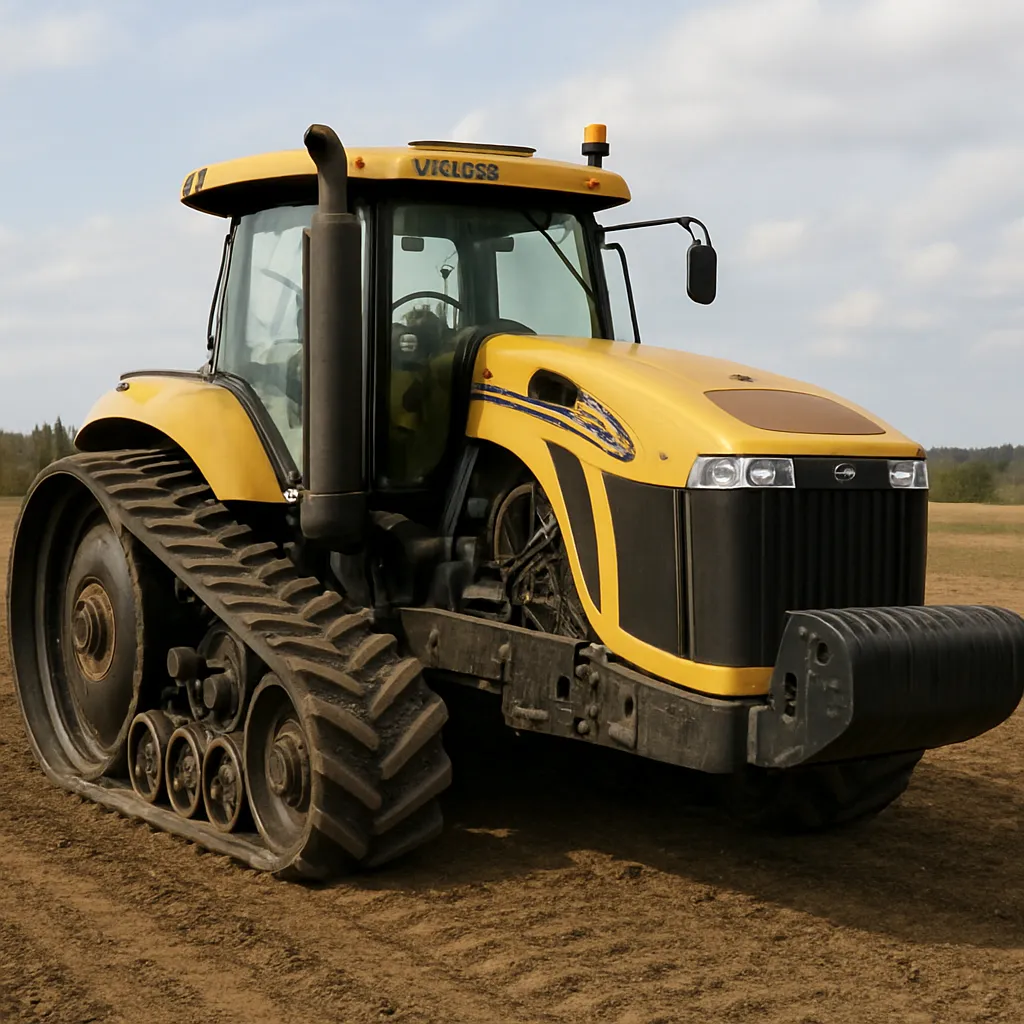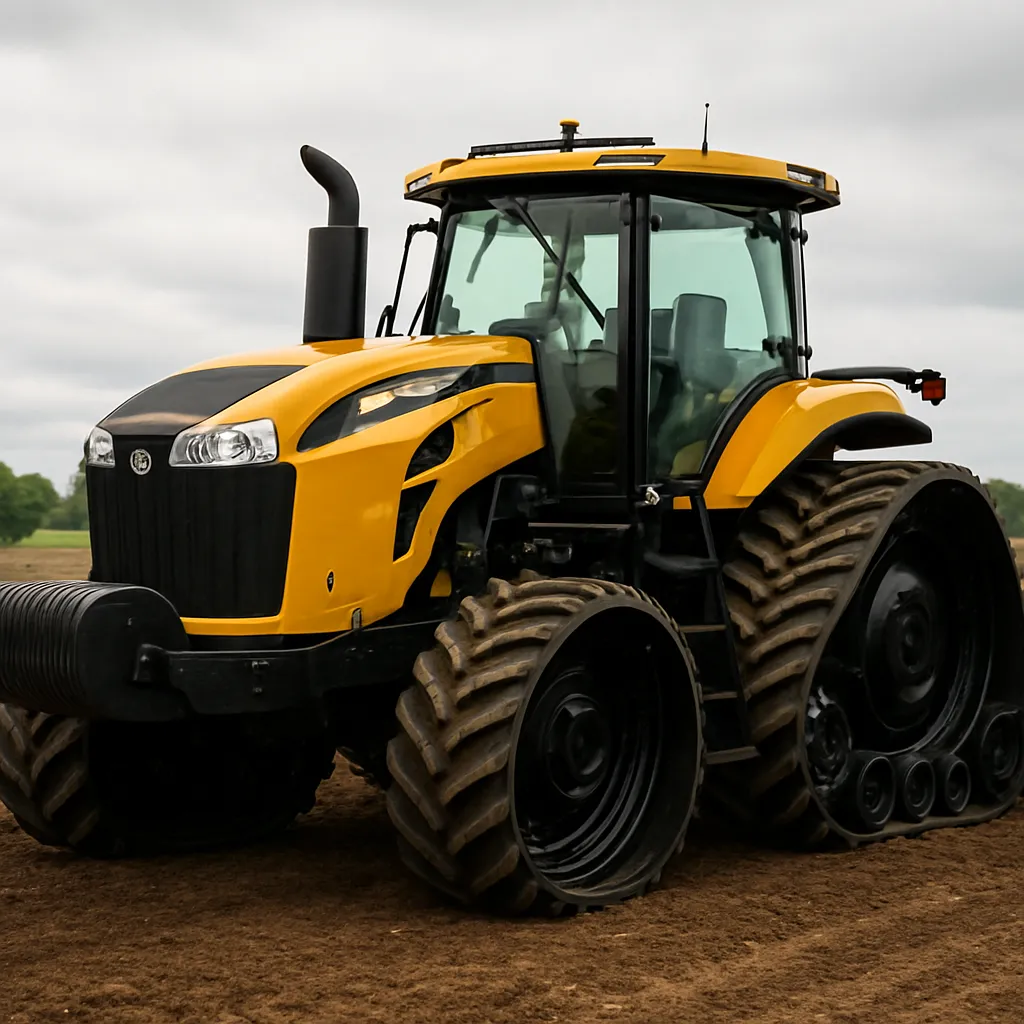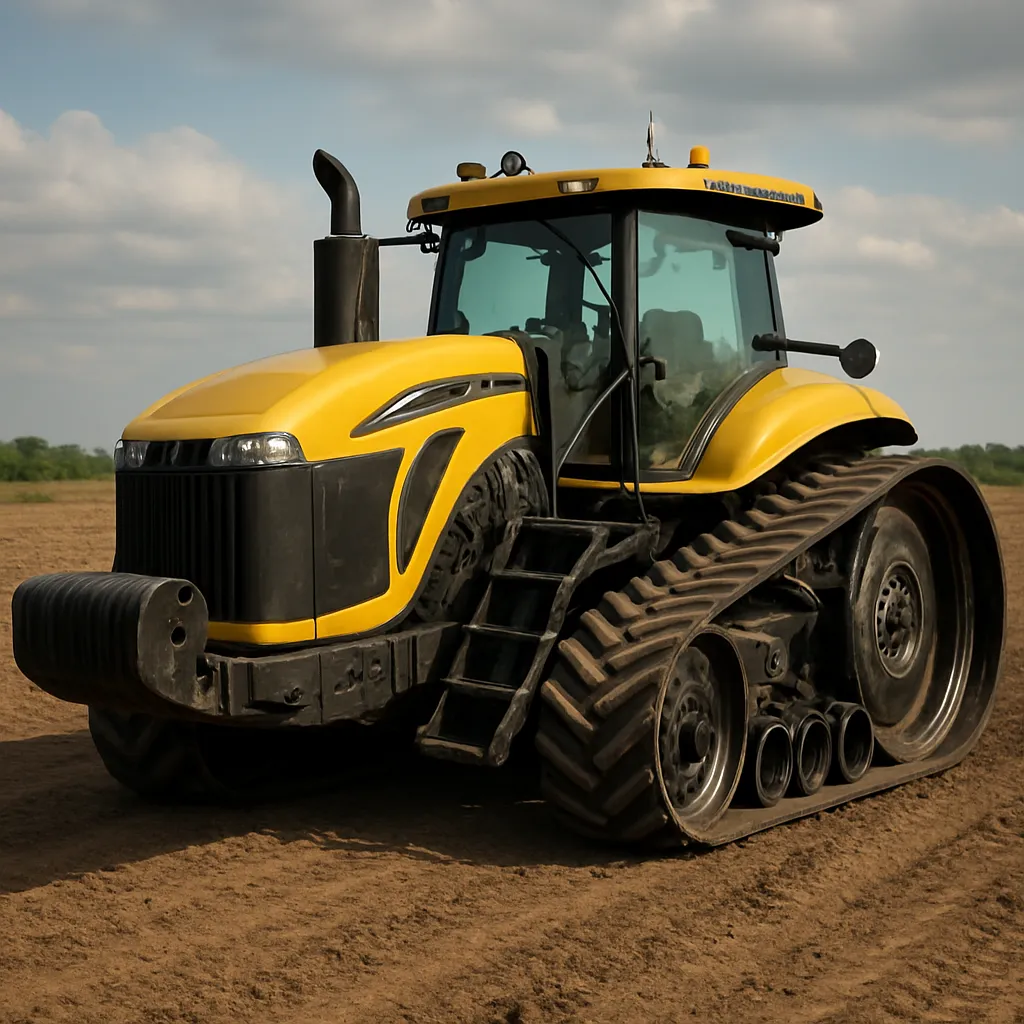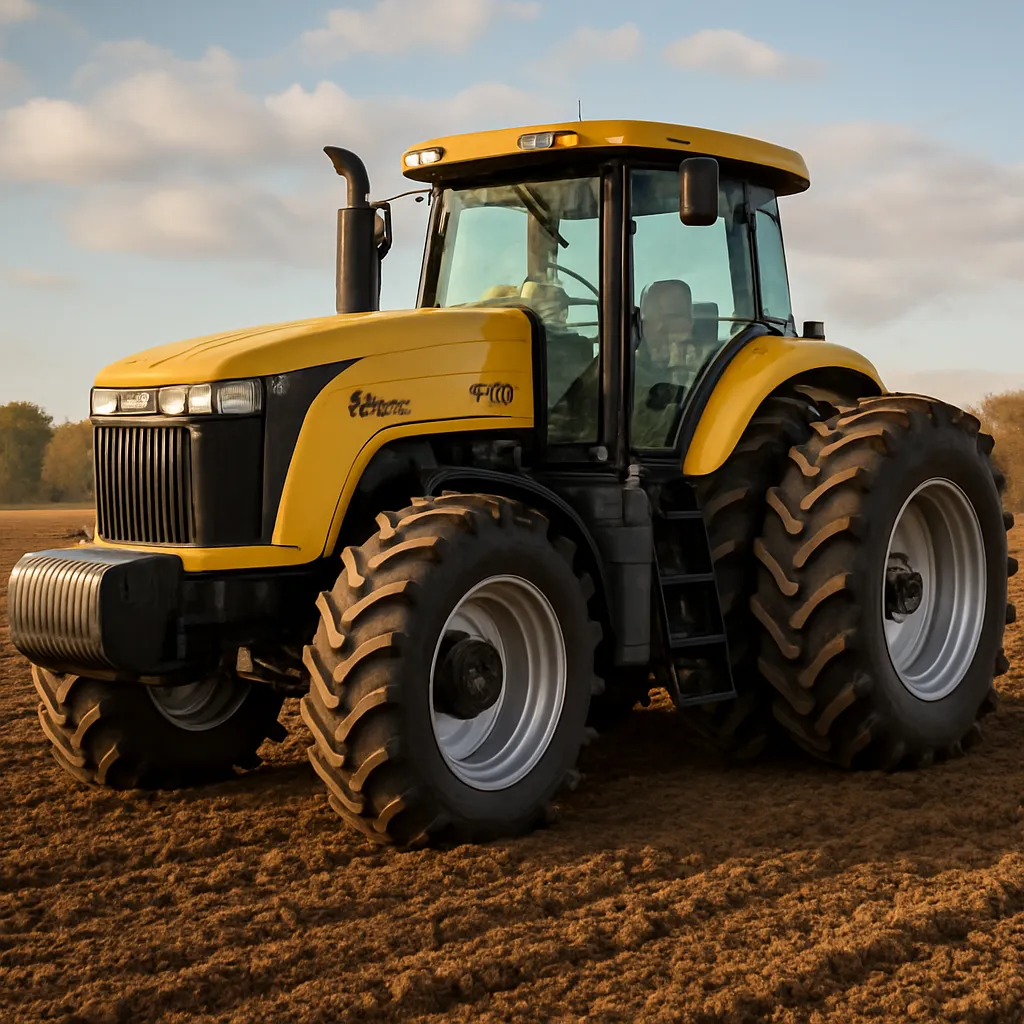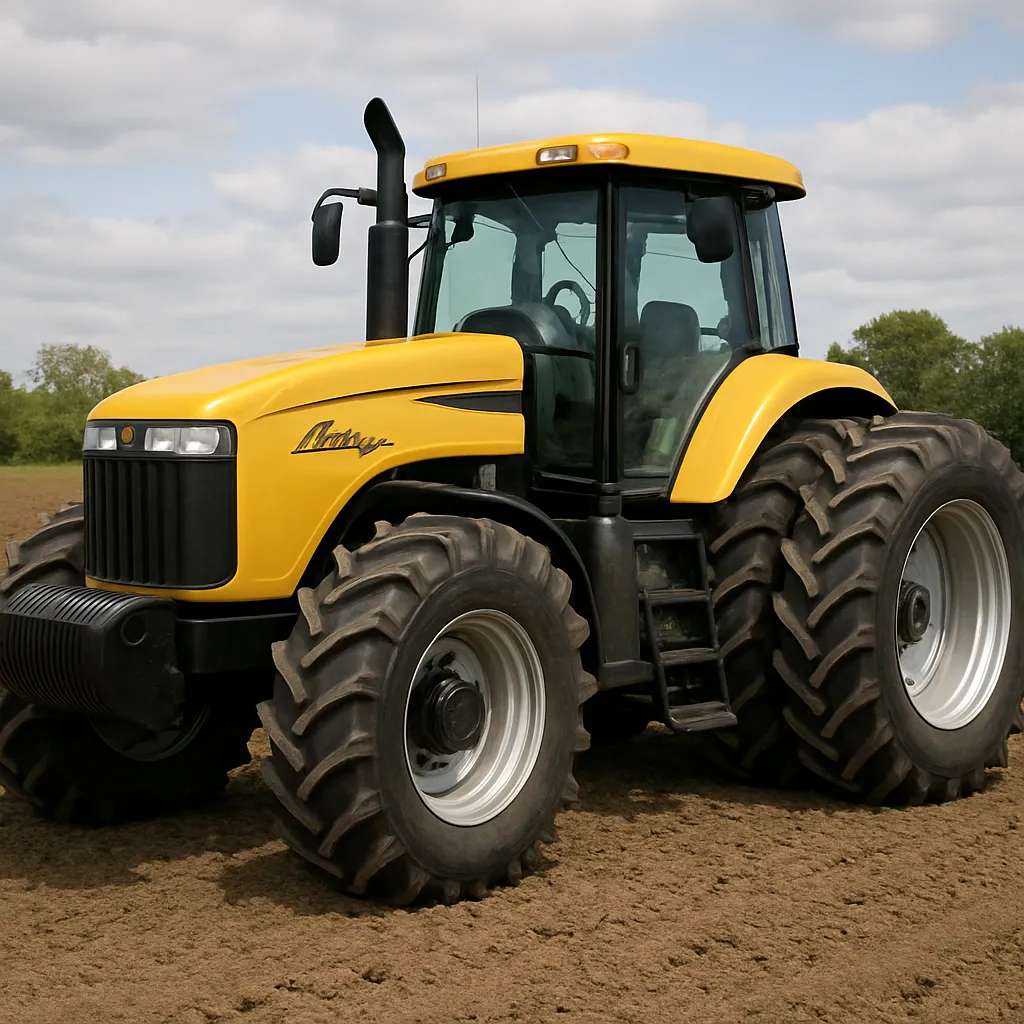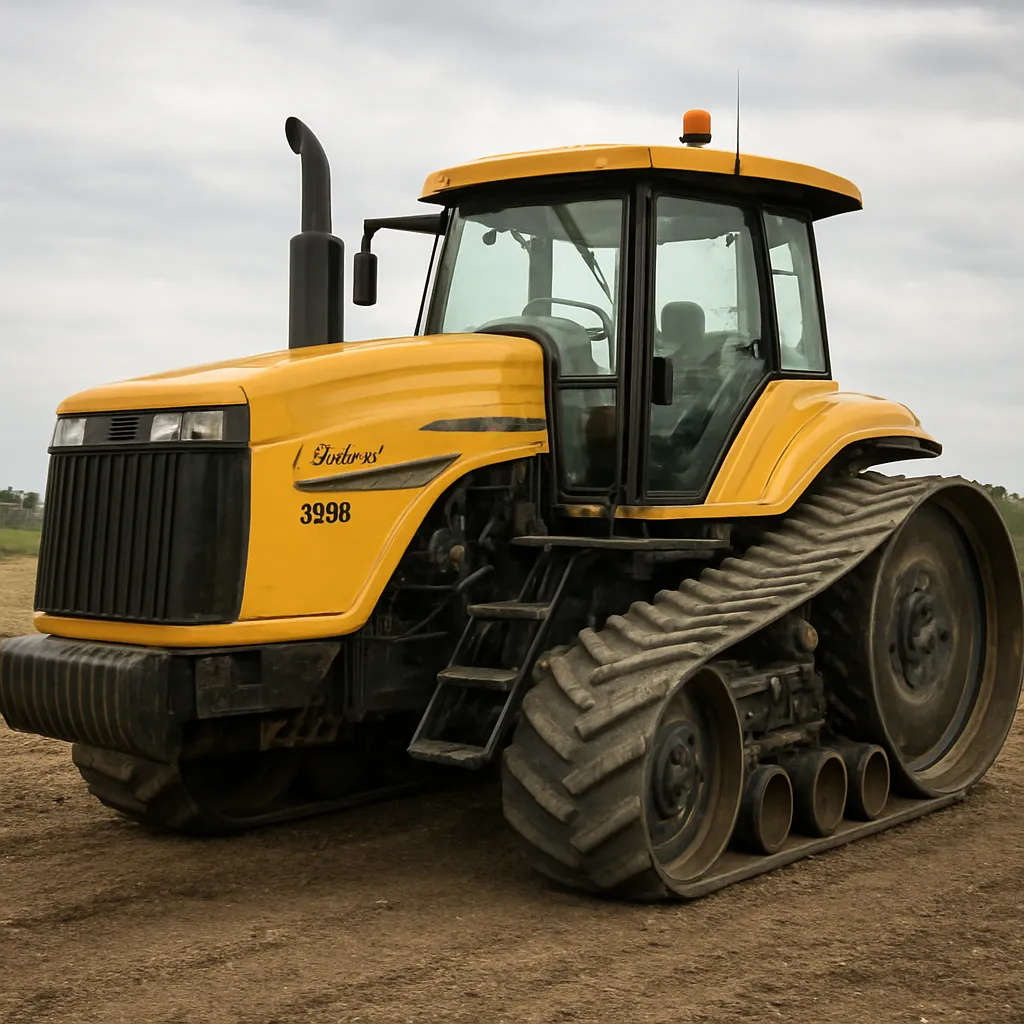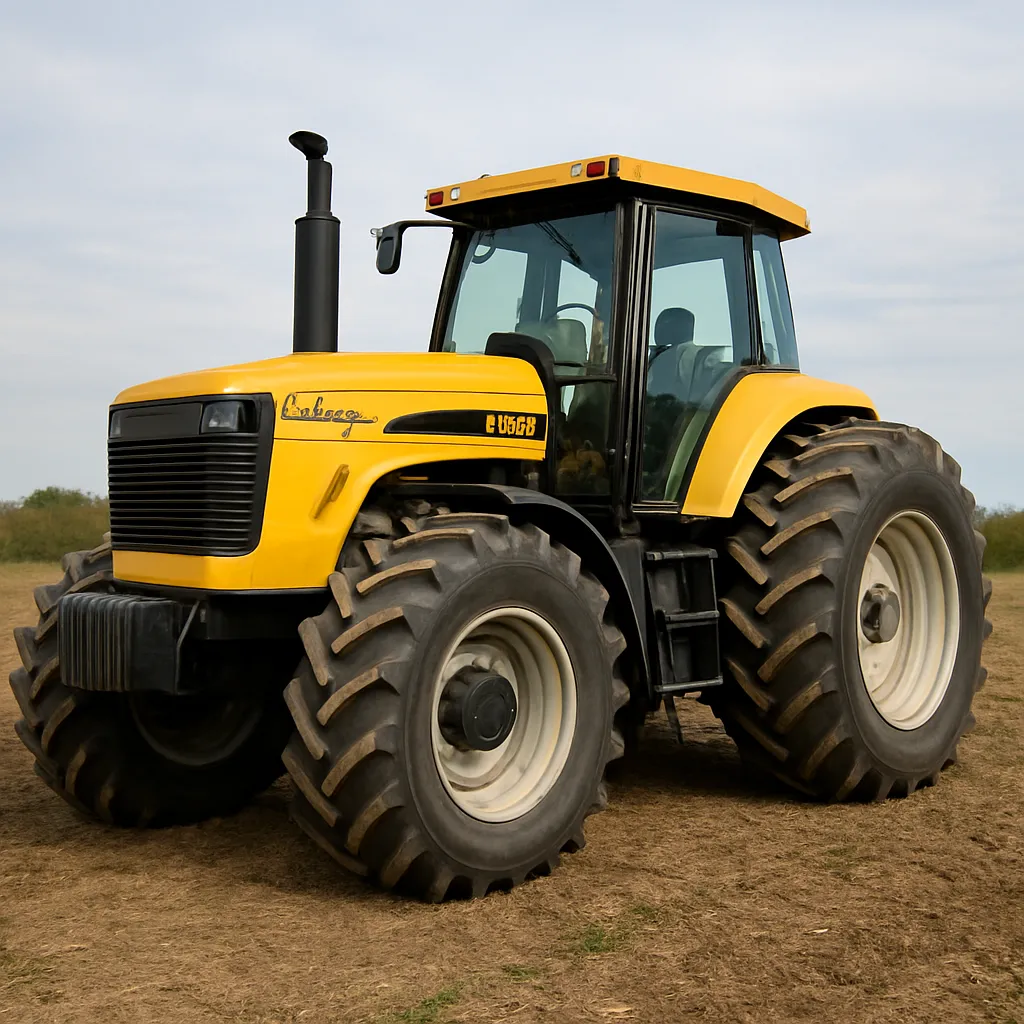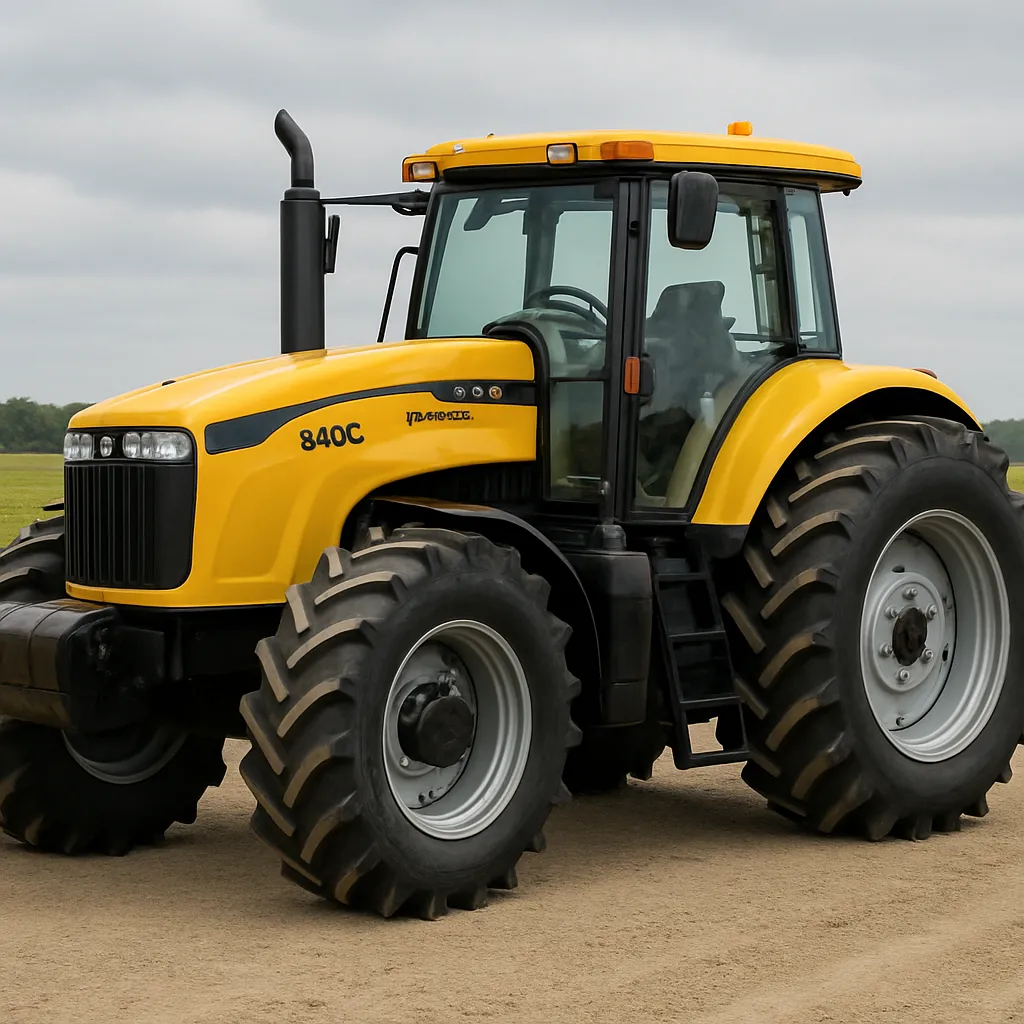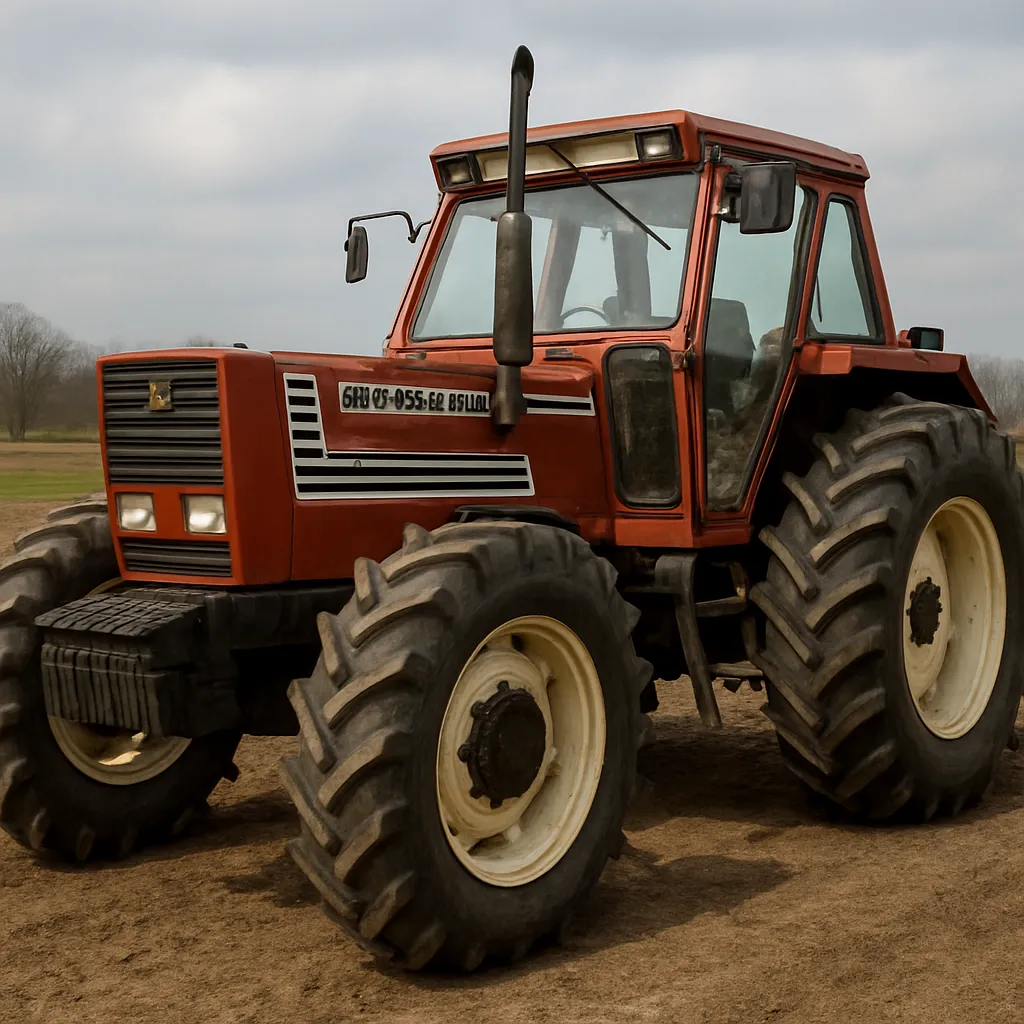
The Fiat 180-90 Super remains a notable example of Italian tractor engineering from the era when manufacturers focused on combining high power with durability. This article explores the model’s background, technical characteristics, practical applications, and long-term significance. Below you will find detailed descriptions, typical specifications, operational uses, and guidance for owners and collectors. The aim is to provide a comprehensive, readable reference for farmers, mechanics, restorers, and enthusiasts interested in the Fiat 180-90 Super.
Overview and history
The Fiat 180-90 Super is part of a family of large agricultural tractors produced by Fiat Trattori (later FiatAgri) during the late 20th century. Fiat progressively expanded its lineup to meet the needs of larger farms and contractors who required greater tractive effort, robust hydraulics and reliable power units. The 180-90 series was designed to sit near the top of Fiat’s range, intended for heavy tillage, large implements and high-hour applications.
Fiat as a brand leveraged decades of experience in agricultural engineering to make tractors that combined practical simplicity with advanced features for the time. The 180-90 Super represented an evolution within the model line: improved cooling, strengthened drivetrain components, and optional equipment packages that broadened the machine’s suitability for diverse tasks. The suffix Super typically indicates enhanced equipment or a performance-tuned variant compared with base models.
Design philosophy
The fundamental design philosophy behind the 180-90 Super emphasized a balance of power, durability and operator comfort. Fiat aimed to provide a machine capable of long working days in the field while remaining serviceable with moderate workshop facilities. Robust cast-iron components, straightforward mechanical controls and widely available spare parts helped establish the model’s reputation for reliability.
Production context and markets
The 180-90 series found markets across Europe, Latin America, Africa and other regions where large-scale cropping and mixed farming required high-power tractors. Fiat’s distribution network and licensing agreements in various countries supported broad aftermarket availability. Over time, the model was succeeded by newer series with updated emissions controls and electronics, but many 180-90 Supers continued to work effectively for decades due to their conservative mechanical design.
Technical specifications and variants
Exact technical data can vary by year, market and factory options. The following figures describe typical specifications and commonly encountered variants of the Fiat 180-90 Super. Use these as a baseline; always consult the identification plate and manufacturer documentation for a specific machine.
- Engine: Inline diesel, typically 6-cylinder for high-power applications. Engines fitted to this class of tractor often featured mechanical fuel injection and robust cast blocks to tolerate heavy loads and high hours.
- Rated power: Approximate range 150–190 hp (engine gross). Tractor model numbers in Fiat nomenclature often reflect relative power class rather than precise horsepower. The 180-90 Super commonly develops power in the high 100s to support heavy draft implements.
- PTO: Rear PTO standard, typically configured for 540 and optional 1000 rpm speeds. PTO power tends to be lower than engine gross power; expect effective PTO output around 120–160 hp depending on condition and configuration.
- Transmission: Multiple-speed synchromesh or partial synchromesh transmissions with a wide selection of forward and reverse gears. Some versions include creeper ranges or power shift options in later iterations.
- Drive: Available in two-wheel drive and four-wheel drive (4WD) versions. 4WD variants include locking differentials and heavier axles for improved traction.
- Hydraulics: Open-centre hydraulic systems with high-capacity pumps to operate large three-point linkage implements and auxiliary circuits. Lift capacities in the rear can typically handle large ploughs and mounted equipment.
- Weight: Operating weights generally in the region of 5,000–7,000 kg depending on configuration, ballast and front implements.
- Top speed: Road speeds typically up to 30–40 km/h depending on transmission and gearing selected.
- Fuel tank: Fuel capacities in the range 150–300 litres depending on the chassis and optional tanks, enabling long operating periods without refuelling.
Several factory and aftermarket variants exist. These include narrow-track versions for orchards or vineyards, dual-wheel and twin-wheel rear configurations for improved traction and flotation, and special front-loader packages with reinforced frames and hydraulic circuits. Some markets received localized models under licensing agreements, which may show small differences in engine tuning, accessories and emission controls.
Notable mechanical features
- Robust engine block and mechanical injection for serviceability in remote regions.
- Heavy-duty clutch and gearbox assemblies to accept high torque from the engine.
- Large-capacity cooling systems to maintain thermal stability during prolonged heavy work.
- Simple but effective hydraulic linkages, with options for flow-sharing or higher capacity pumps on later machines.
- Optional differential locks, front and rear, improving traction in soft soil.
Applications and typical use cases
The Fiat 180-90 Super was intended as a general-purpose heavy-duty agricultural tractor. Its practical applications span a wide array of tasks where high power and durability are required. Key uses include:
- Tillage: Primary and secondary tillage including ploughing, discing, subsoiling and cultivator work. The machine’s drawbar and hydraulic power are well matched to large multi-furrow ploughs and deep loosening implements.
- Seeding and planting: Pulling large seed drills and planters for cereal crops on medium to large farms.
- Transport and cartage: Moving heavy trailers and tanker units on the farm or short-distance haulage on roads thanks to substantial torque and optional high-speed gears.
- Forage and silage: Operating forage wagons, large balers and silage machinery where sustained PTO power is needed.
- Contracting: Suitable for contractors who require a versatile high-power machine for a variety of work across several farms.
- Specialized attachments: With appropriate mounting and hydraulics, the 180-90 Super can be fitted with front loaders, snow blowers, mower decks and other tools for mixed-use farms or municipal tasks.
- Forestry and land clearing: In appropriate configurations (ROPS/cab protection and forestry tires), the tractor can support winching and heavy drag operations.
Because of its power and versatility, the Fiat 180-90 Super often served as a farm’s lead tractor, carrying out the heaviest field operations while smaller machines handled lighter duties. Its ability to accept large implements and sustain long hours made it popular on mixed farms and among contractors in regions with sizable arable acreage.
Operation, maintenance and ownership considerations
Owning and operating an older high-power tractor requires attention to a few critical areas to maintain reliability and safe operation. The Fiat 180-90 Super is not exception: routine maintenance practices and a sensible inspection routine help extend service life and reduce downtime.
Routine maintenance checklist
- Engine oil and filter changes at regular intervals; monitor oil pressure and consumption.
- Fuel system maintenance: clean or replace filters, bleed air from the lines, and inspect injectors when performance or starting is degraded.
- Cooling system: check coolant levels, radiator condition and thermostats; flush periodically to avoid corrosion and overheating.
- Transmission and gearbox: regular fluid checks and changes; inspect clutch wear and adjust where serviceable.
- Hydraulics: monitor pump performance, change filters and hydraulic oil at recommended service intervals; inspect seals and hoses for leaks.
- Axles and drive components: grease points, inspect U-joints and final drives for wear.
- Brakes and steering: ensure safe stopping and precise control; address spongy brakes or steering play promptly.
Availability of parts is an important consideration. Large Fiat models from this era benefit from a wide parts network, aftermarket suppliers and a community of owners. Still, rare components or region-specific options may require searching salvage yards, online marketplaces or specialized suppliers. Many owners keep a small stock of common expendables (filters, belts, seals) to minimise downtime during the busy season.
Fuel and efficiency
Fuel consumption for a tractor of this class depends on the load, PTO use and terrain. Typical hourly fuel consumption under moderate to heavy work might range from 18 to 35 litres per hour; these figures vary widely with implement type and operating style. Efficient matching of implements, correct tire pressure and sensible gearing can reduce consumption and operating costs.
Operator environment and safety
Worker comfort and safety were progressively improved in successive iterations of this model. Cab options with heating and sound insulation were available on many examples, and later Super variants may include better seats, improved controls and ventilation. Always verify that a functioning ROPS or full cab is fitted and that safety systems (lights, mirrors, braking) comply with local regulations.
Legacy, collectibility and modern relevance
The Fiat 180-90 Super has enduring appeal among certain segments of the farming and vintage tractor community. Its combination of simple mechanical systems and high capability makes it a candidate for both continued working life and restoration projects.
Why it remains relevant
- Reliability: Conservative engineering and robust components mean many units still operate today.
- Parts availability: Fiat’s broad manufacturing reach and aftermarket ecosystem support owners seeking replacement components.
- Versatility: The tractor’s capability to perform a variety of heavy tasks keeps it useful on medium and large farms.
- Affordability: In many markets, these tractors present an economical route to high horsepower compared with modern new machines, though trade-offs include higher fuel use and fewer modern electronics.
Collecting and restoration
For collectors, the Fiat 180-90 Super can be an attractive restoration candidate. Restorers often focus on paint and decal work, seat and cab refurbishment, and mechanical refreshes such as engine overhauls and gearbox servicing. Well-restored examples appear at agricultural shows and vintage tractor rallies, where they are appreciated for their agricultural heritage.
Environmental and regulatory considerations
Older diesel engines typically do not meet modern emissions standards. In regions with strict anti-pollution rules, owners may face operational restrictions or require retrofitting with diesel particulate filters or other solutions. For many, the machine’s continuing use is balanced against cost, local regulations and the availability of compliant alternatives.
Practical advice for prospective buyers
If you are considering purchasing a Fiat 180-90 Super, whether for work or restoration, here are practical steps to guide a prudent acquisition:
- Inspect maintenance history and service records. A well-documented past strongly suggests a longer remaining working life.
- Check for structural damage: look for frame cracks, bent axles, or significant rust in critical areas.
- Perform a running test: observe engine behavior, smoke color, gearbox engagement, PTO operation, hydraulic response and brake performance.
- Evaluate hours and wear: high hours do not necessarily mean the tractor is unserviceable, but they do indicate areas likely to need attention soon.
- Confirm parts availability: check whether required spares for identified issues can be sourced locally or through reliable mail-order suppliers.
- Estimate total cost of ownership: include purchase price, immediate repairs, necessary consumables, and ongoing fuel and maintenance expenses.
Purchasing a well-maintained Fiat 180-90 Super can deliver robust service for many years, especially on farms where the operator appreciates straightforward mechanical systems and prefers to do routine servicing in-house.
Summary
The Fiat 180-90 Super is a workhorse-class tractor that blends power, durability and practical engineering. While exact specifications vary by market and configuration, typical examples provide substantial engine output, capable hydraulics and versatile drivetrains suitable for demanding farm work. Its continued presence in fields around the world is testament to a design that prioritised long life and ease of repair. For operators seeking a capable high-horsepower used tractor or enthusiasts restoring classic agricultural machinery, the 180-90 Super remains a compelling choice.
Note: Specific numeric specifications (power, displacement, weight and fuel capacity) can differ between model years and regional variants. When exact data are required for a particular serial number or year, consult the machine’s plate, factory documentation or trusted dealer archives.