The evolution of agricultural machinery has ushered in an era where 24/7 reliability transforms how farms operate. Among these innovations, the emergence of the world’s largest tractors stands out, enabling producers to maximize productivity under the most demanding conditions. This article delves into the impressive rise of these mechanical giants, explores their groundbreaking features, and examines both the challenges they face and the future prospects that await them.
Growth of Biggest Tractors in Modern Agriculture
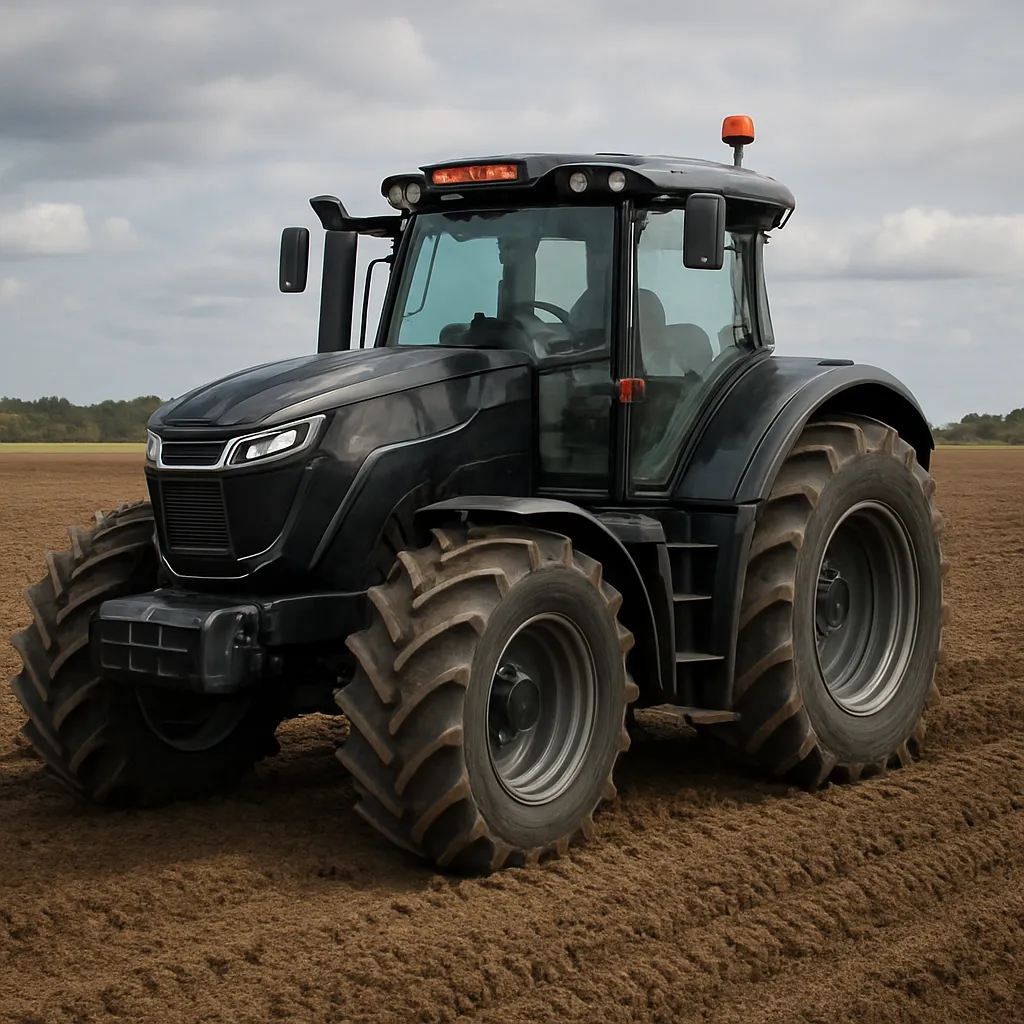
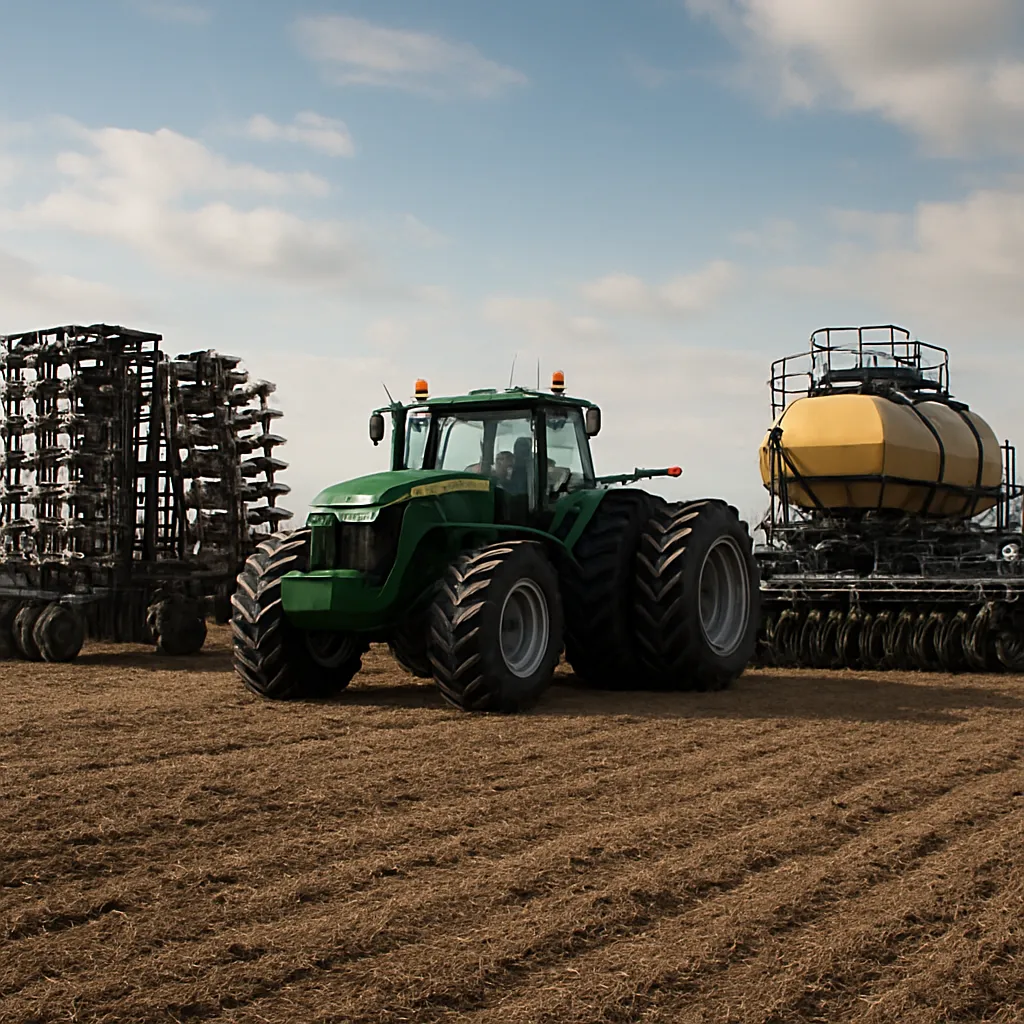
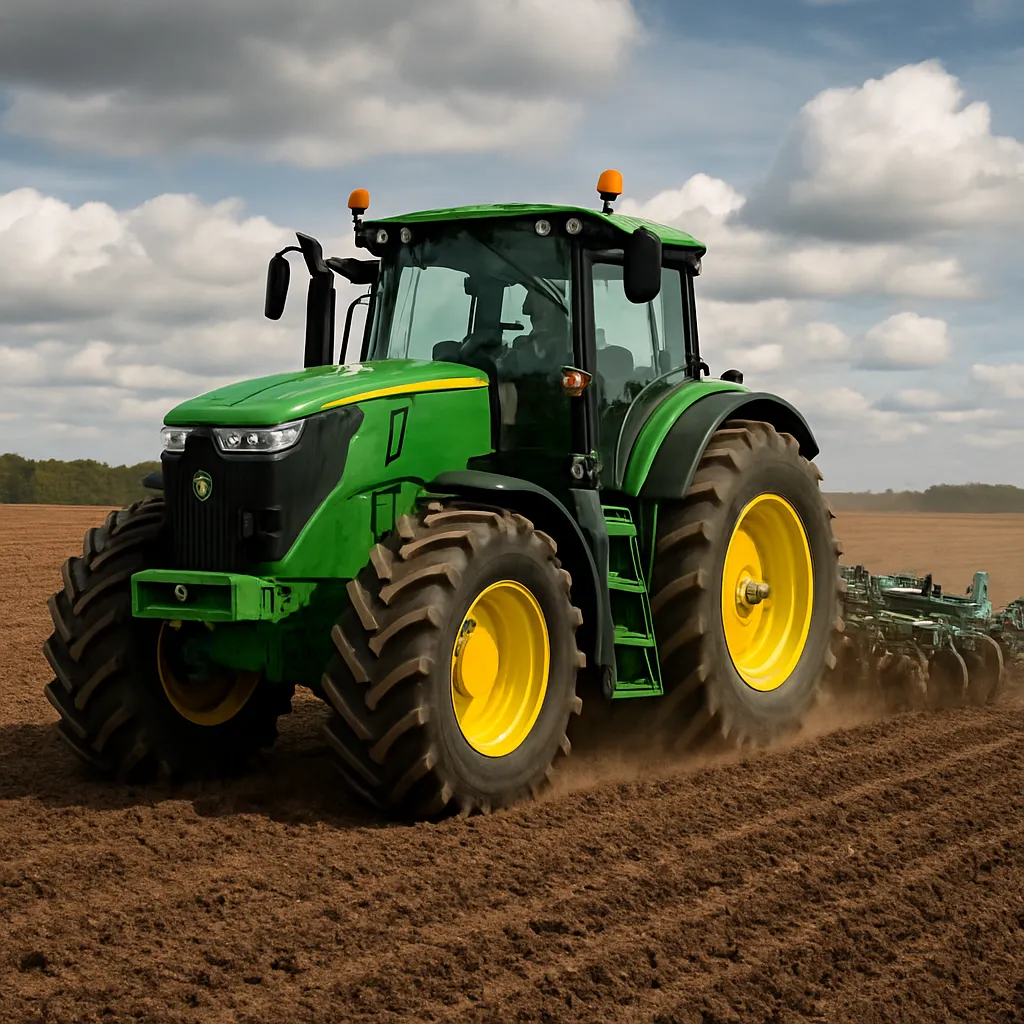
Over recent decades, farming enterprises have expanded in scale and complexity. This expansion has driven manufacturers to design tractors with unprecedented power and capacity. Gone are the days when a modest 100 horsepower machine sufficed; today’s behemoths boast outputs exceeding 600 horsepower, tackling thousands of acres during peak seasons.
Several factors have fueled this growth:
- Rising land consolidation demands machinery that can cover large tracts quickly.
- Labor shortages press operators to rely on fewer, more capable machines.
- Global food demand pushes for enhanced field efficiency and reduced downtime.
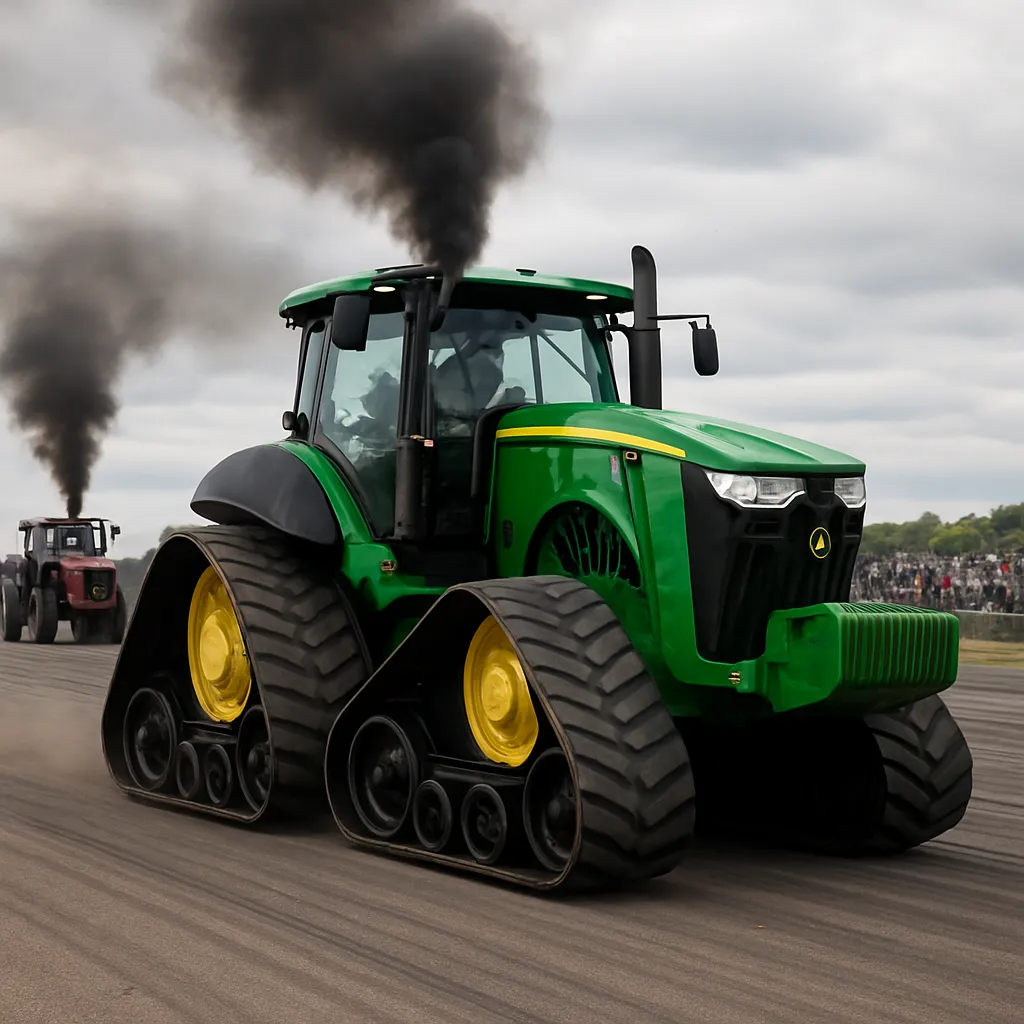
Consequently, a new generation of tractors redefines the term “heavy-duty,” sporting tracks instead of wheels, dual-cab configurations, and specialized attachments that transform them into mobile powerhouses for seeding, tilling, and hauling.
Major Manufacturers and Milestones
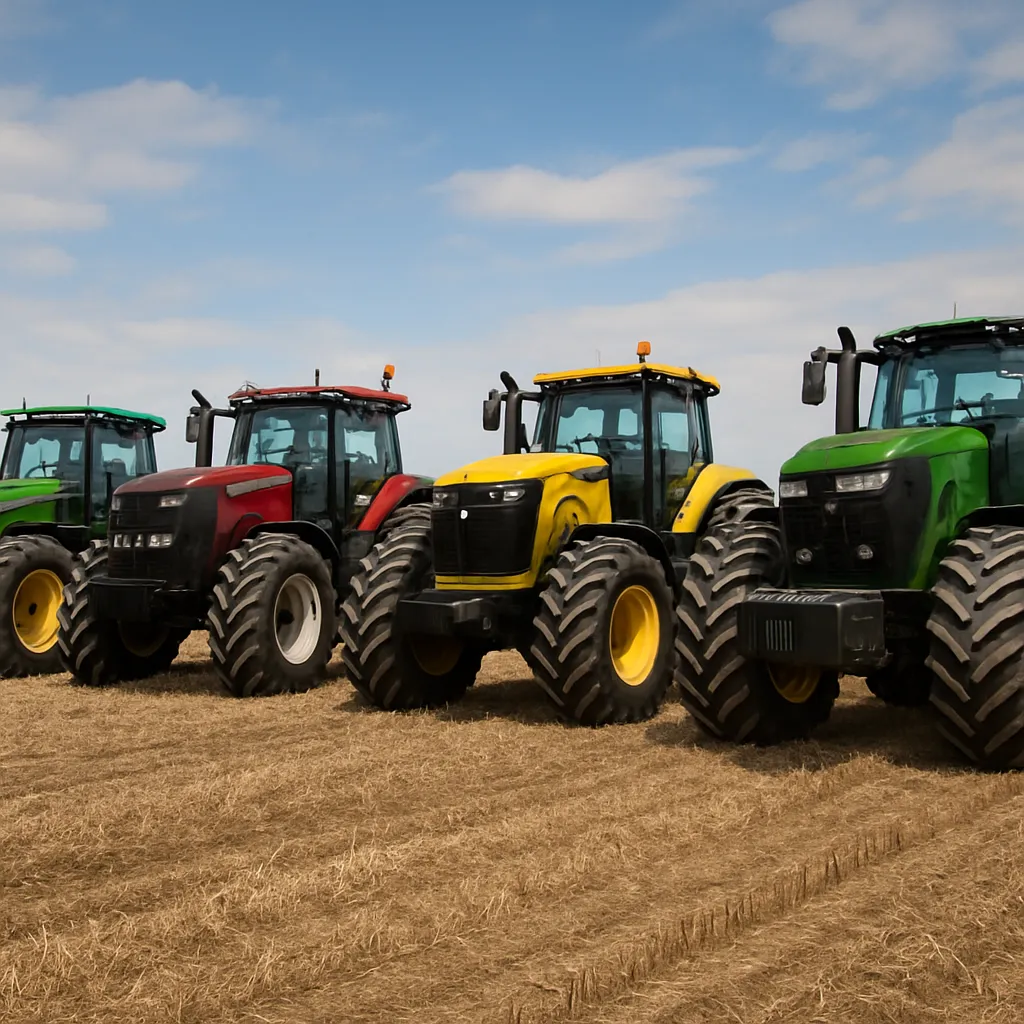
A handful of companies dominate this niche market, each boasting signature models:
- John Deere unveiled the 9RX series, pairing four tracks with up to 620 engine horsepower.
- Case IH introduced the Steiger series, reinforcing its legacy with a 614-horsepower flagship.
- Fendt fields the 1100 Vario MT, combining a hydro-mechanical transmission with 517 horsepower for precision control.
- Massey Ferguson and New Holland continue to push boundaries, integrating advanced telemetry and modular implements.
These milestones not only underscore manufacturer competition but also highlight the relentless pursuit of improved efficiency and performance on an industrial scale.
Key Features and Innovations
The success of the biggest tractors hinges on a suite of innovative technologies designed for optimal productivity and operator comfort. Core features include:
- High torque diesel engines calibrated for low-end power delivery.
- Continuous track systems that distribute weight evenly, reducing soil compaction.
- Cabins equipped with climate control, air-ride suspension, and panoramic visibility.
Precision and Automation
The integration of GPS guidance and precision planting tools enables sub-inch accuracy in row placement, minimizing overlaps and gaps. Many models now support:
- Autosteer functions that allow for straight and repeatable passes.
- Data logging for yield mapping and application records.
- Autonomous operation prototypes that can complete field tasks with minimal human input.
Such capabilities ensure that producers optimize seed use, fertilizer application, and fuel consumption—vital for both profit margins and environmental stewardship.
Engine and Drivetrain Advances
Under the hood, manufacturers emphasize robust designs for extended duty cycles. Features include:
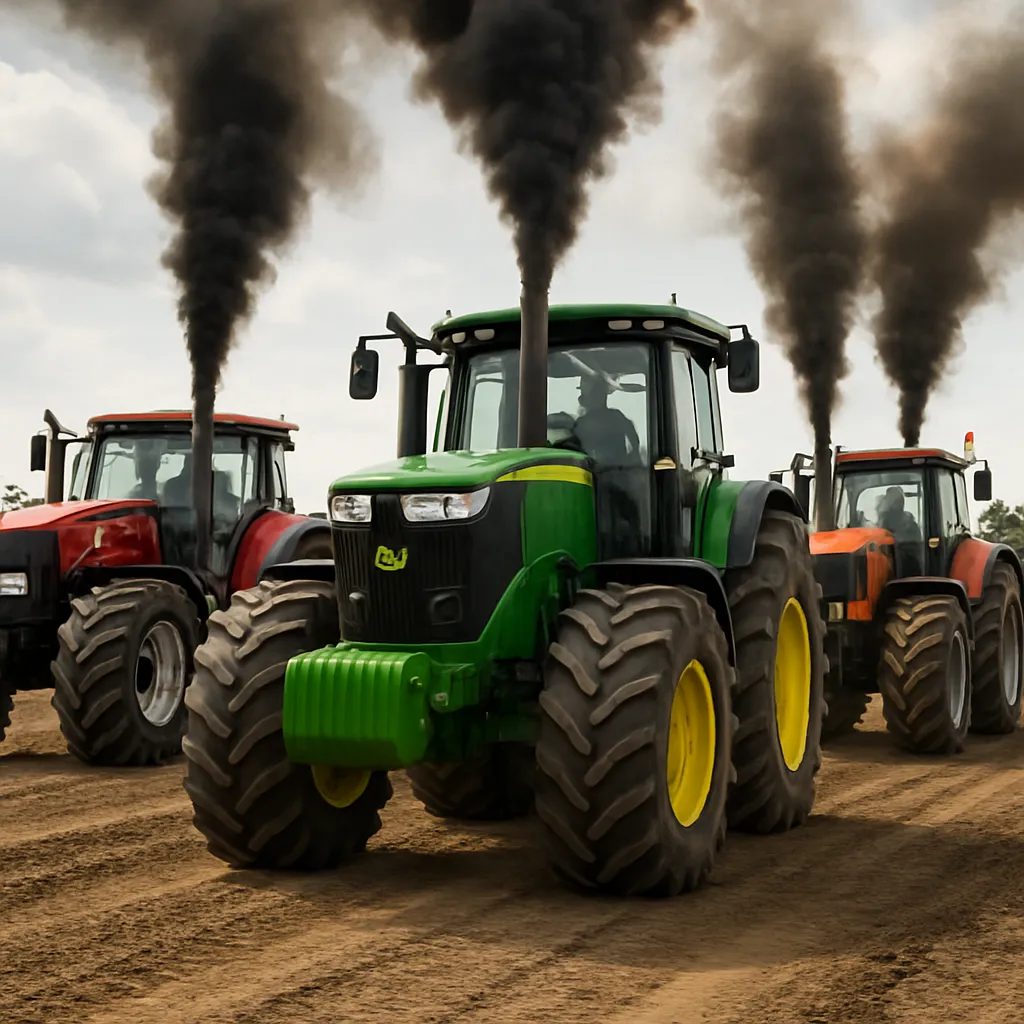
- Selective Catalytic Reduction (SCR) systems to meet emissions standards while preserving power.
- Multi-speed transmissions offering seamless power delivery and reduced operator fatigue.
- Durable components crafted from high-grade alloys to withstand continuous operation.
Combined, these innovations yield impressive fuel economy figures, even under heavy loads, ensuring that the cost per acre tilled remains competitive.
Challenges and Future Prospects
Despite their prowess, the largest tractors face several hurdles. Initial investment costs can exceed half a million dollars, requiring significant capital outlay. Maintenance and repair demand specialized equipment and trained technicians, which may be scarce in remote regions.
Furthermore, extremely large machines can cause soil structure issues if not managed properly. Overly compacted earth reduces water infiltration and root growth, potentially offsetting productivity gains. To counterbalance this risk, many operators adopt controlled traffic farming systems that confine machinery to designated lanes.
Emerging Trends
Looking ahead, several trends promise to redefine the capabilities of big tractors:
- Electrification and hybrid drivetrains aimed at reducing carbon footprints and operational costs.
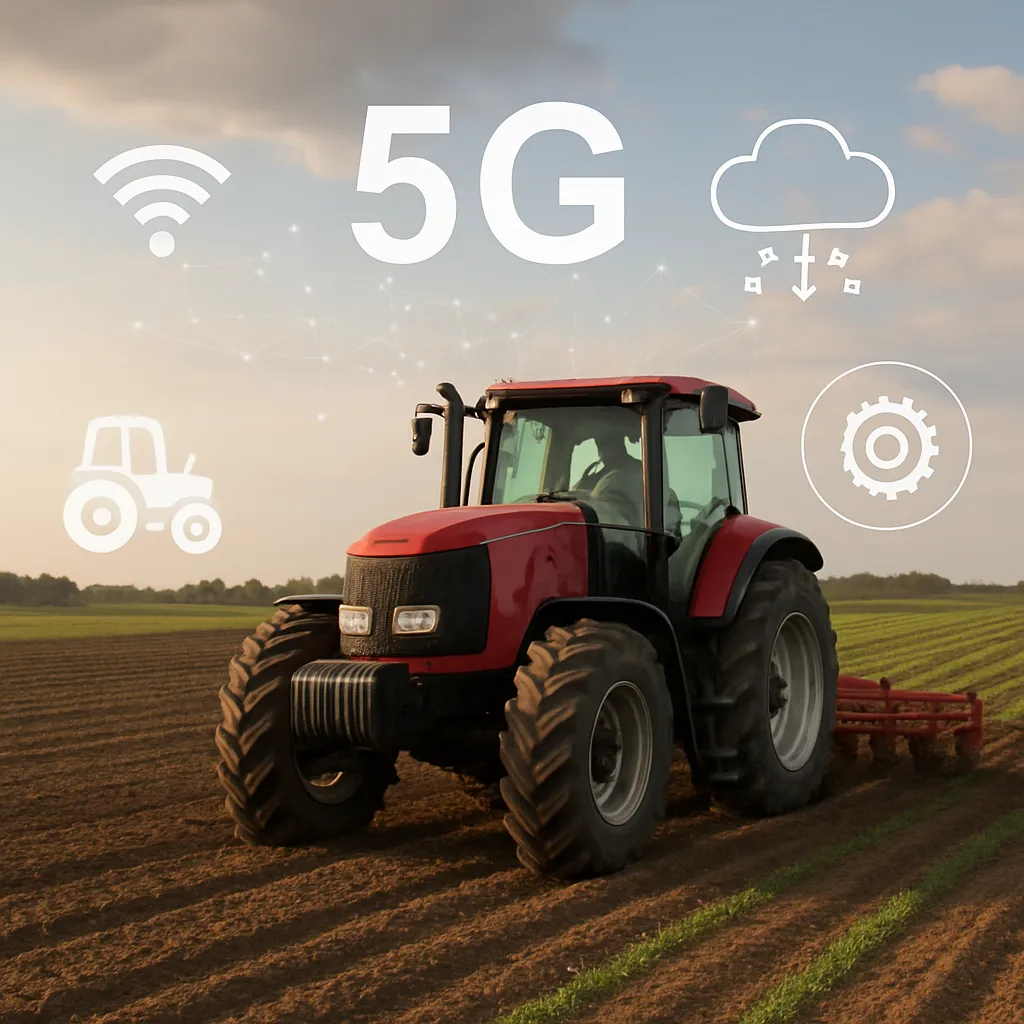
- Enhanced remote diagnostics leveraging cloud-based platforms for real-time performance monitoring.
- Swarm robotics concepts, where multiple smaller units work in tandem, offering flexibility and redundancy.
These developments will further integrate tractors into the broader digital ecosystem of smart farming, ensuring that each pass contributes data to refine future field plans.
Global Impact and Sustainability
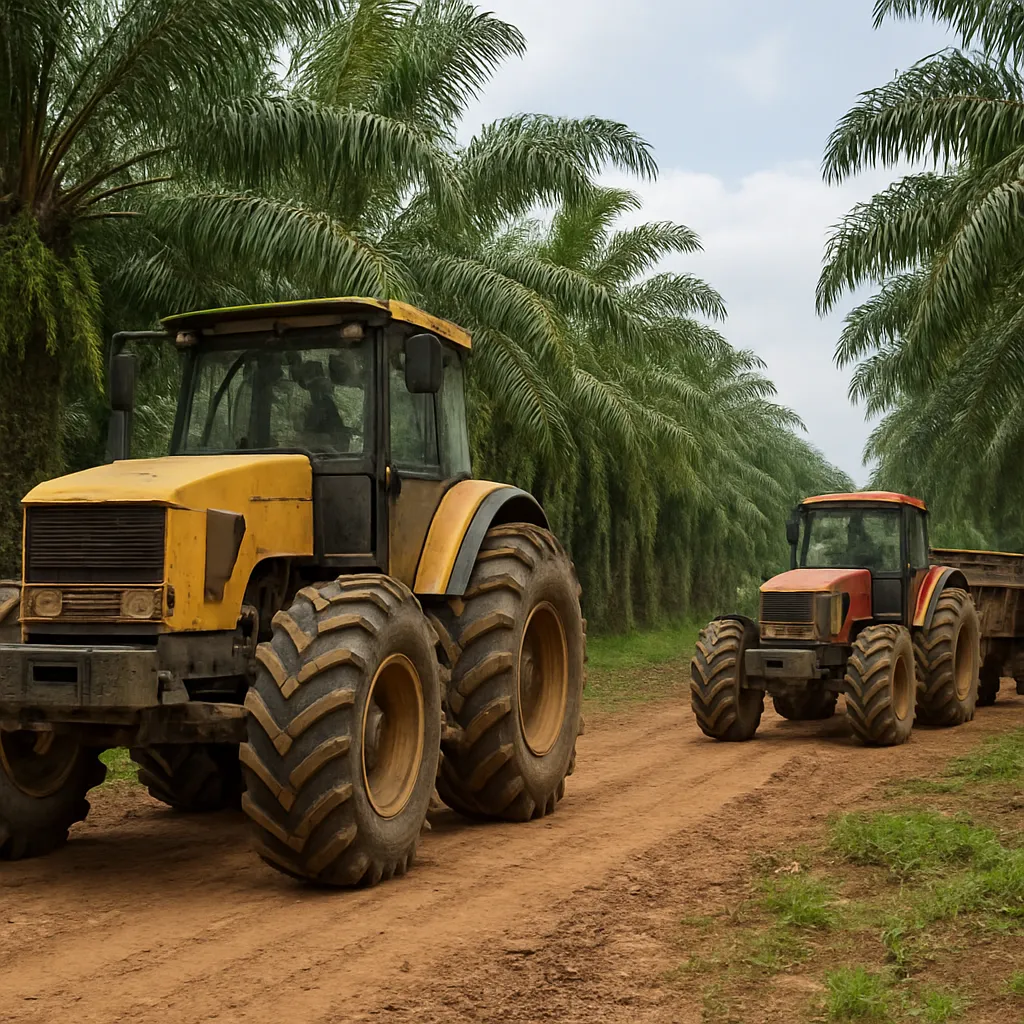
The deployment of mega-sized tractors supports large-scale grain, oilseed, and fiber production, especially in continents like North America, South America, and parts of Eastern Europe. By maximizing operational windows, these machines help farmers plant and harvest within optimal climatic conditions.
At the same time, ongoing research explores how to mitigate ecological footprints through cover cropping, variable-rate application, and carbon sequestration techniques. When combined with the high productivity of modern tractors, these practices can foster more sustainable food systems worldwide.