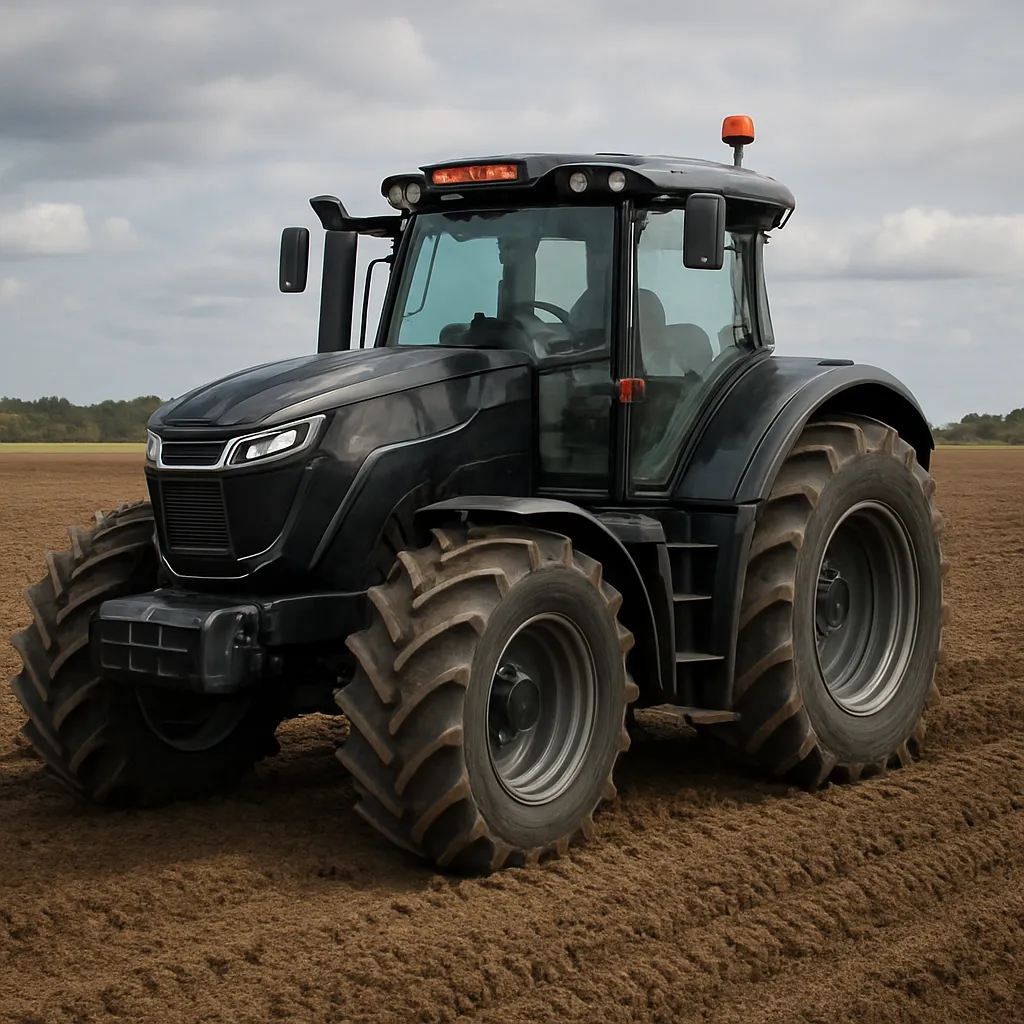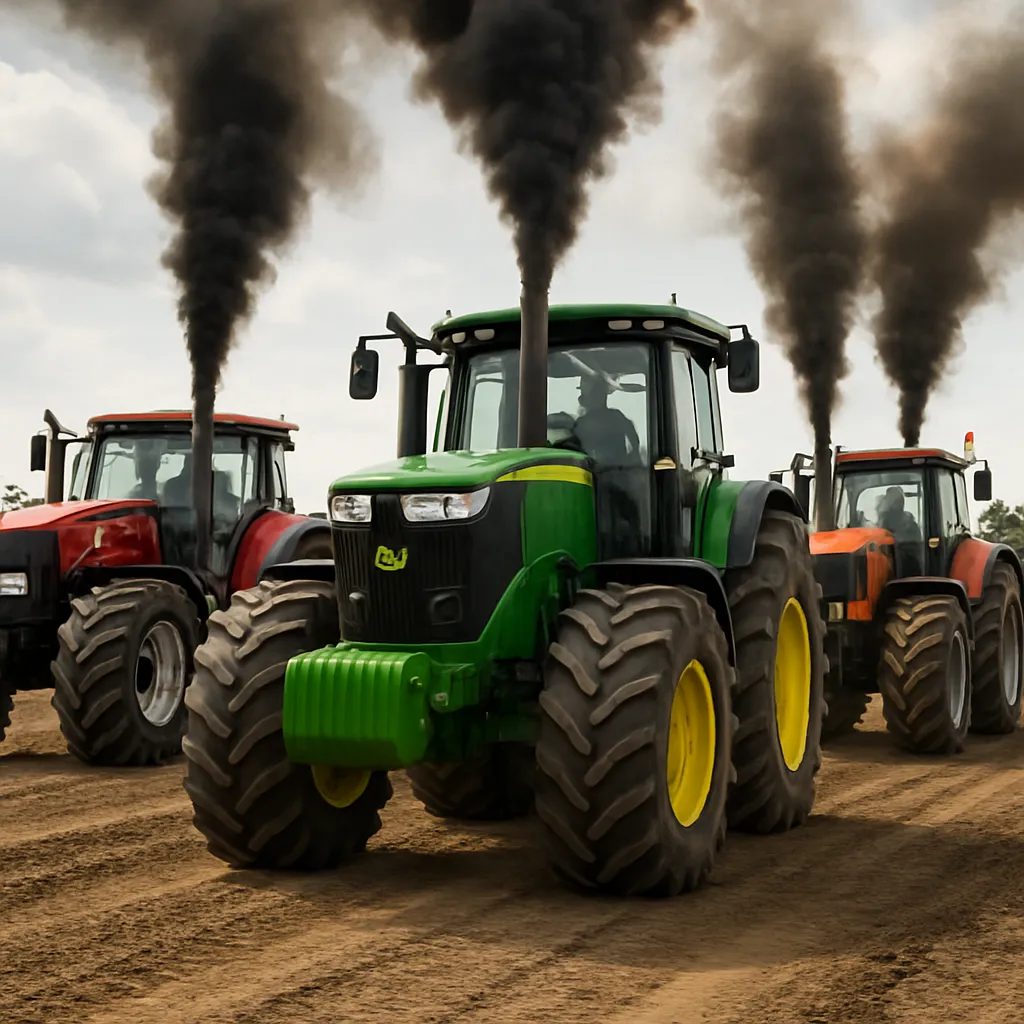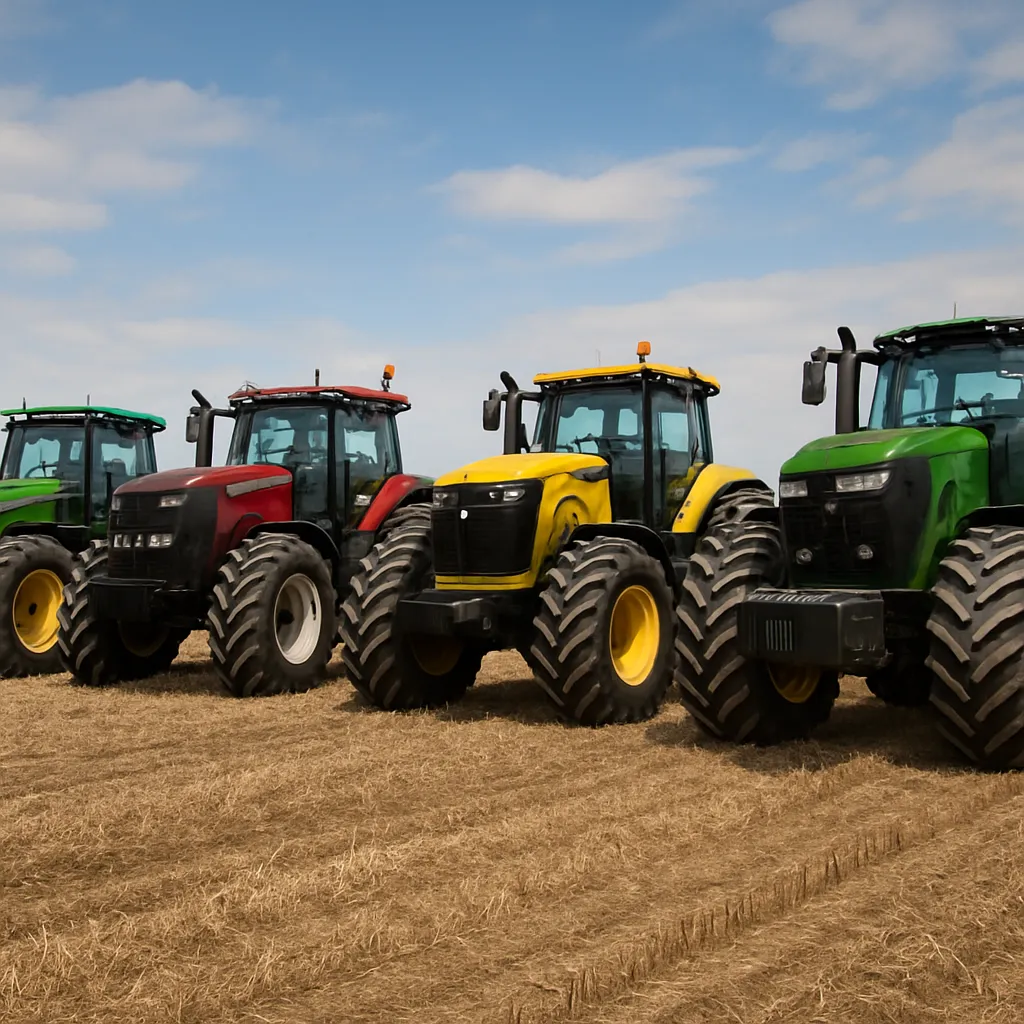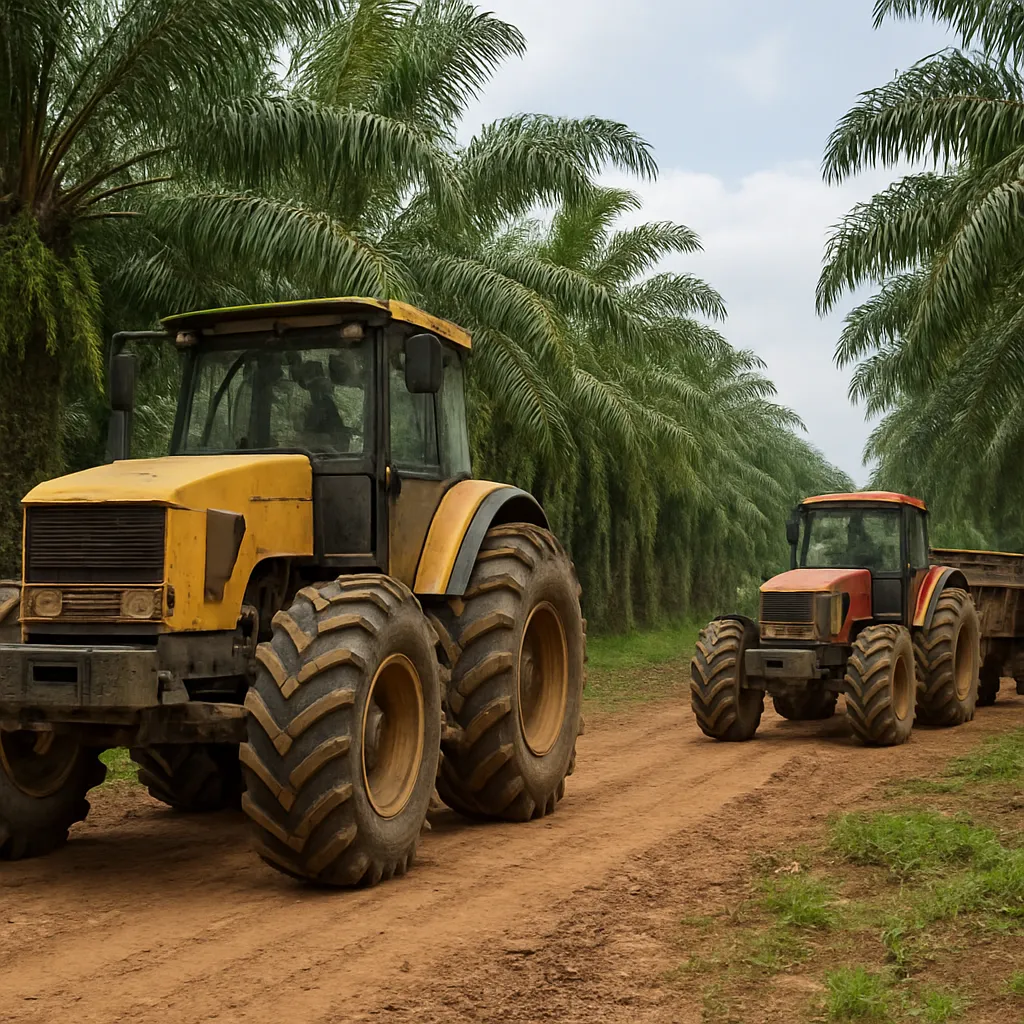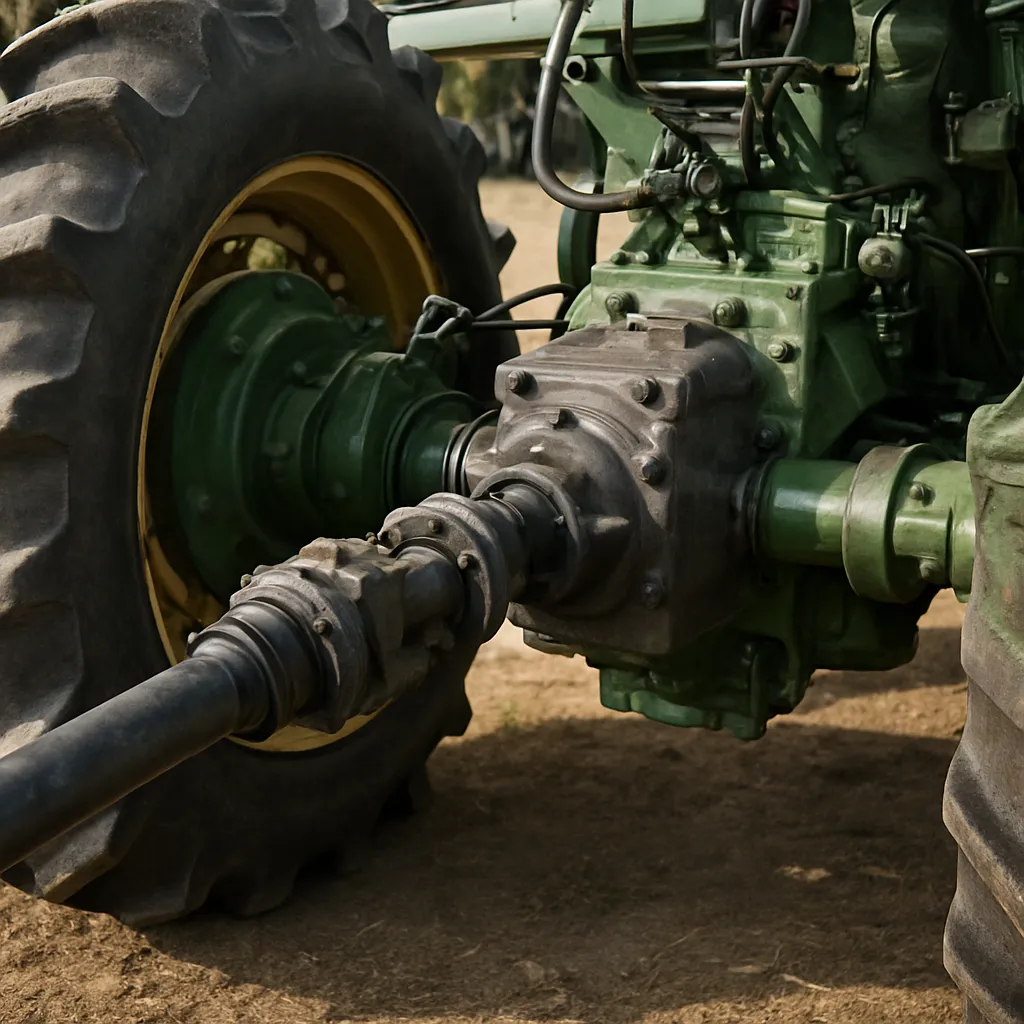
The pursuit of agricultural excellence has led to the creation of some of the most powerful and robust machines on Earth. Among these marvels are the world’s biggest tractors, engineered to deliver staggering levels of torque and horsepower in the most demanding farming and industrial applications. This article examines the critical elements behind these giants’ design, from advanced powertrain systems to state-of-the-art hydraulics and precision transmission controls. Dive into the realm where raw force meets cutting-edge innovation and durability.
Understanding Torque and Horsepower
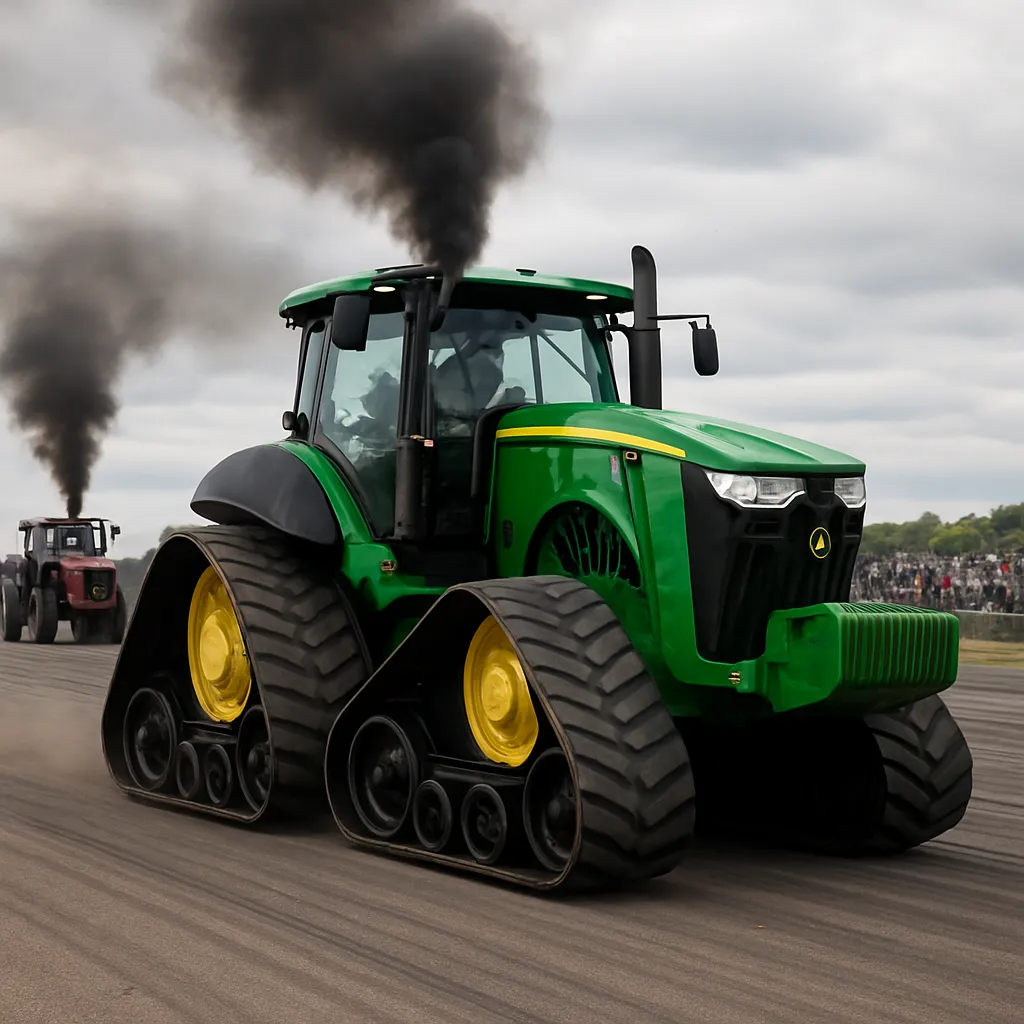
At the heart of every heavy-duty tractor lies a finely tuned balance between torque and horsepower. Torque, measured in pound-feet (lb-ft) or Newton-meters (Nm), represents the twisting force the engine can apply to the drivetrain. Meanwhile, horsepower quantifies the rate at which this work is performed. For the largest tractors, peak torque can exceed 3,000 Nm, enabling these machines to pull massive implements through tough soil conditions.
The Relationship Between Torque and Load
Understanding how torque interacts with load is essential. When a tractor encounters resistance—wet ground, deep tillage, or steep inclines—it needs sufficient torque at low engine speeds to maintain momentum. Designers often focus on achieving a flat torque curve, ensuring nearly constant torque from idle up to mid-range RPM. This design philosophy improves fuel efficiency and reduces unnecessary gear shifts.
Horsepower for Speed and Productivity
While torque enables powerful pulling, horsepower sustains higher operating speeds. High-horsepower tractors, often rated between 400 hp and 600 hp, combine robust torque with optimized engine RPM ranges to support tasks like large-scale planting, spraying, and baling. By coordinating torque and horsepower curves, manufacturers ensure these tractors can handle both heavy draft work and rapid transport between fields.
Powertrain Innovations in the Biggest Tractors
The powertrain is the backbone of any heavy-duty tractor. Recent advances target efficiency, reliability, and environmental compliance without sacrificing raw power. Key innovations include:
- Turbocharged Intercoolers: By forcing more air into the combustion chamber, turbochargers boost torque significantly at low RPM. Intercoolers cool the compressed air, increasing density and combustion efficiency.
- Selective Catalytic Reduction (SCR): Modern engines use SCR systems to meet stringent emissions standards, injecting AdBlue to reduce nitrogen oxide (NOx) output while maintaining peak performance.
- Common-Rail Fuel Injection: High-pressure common-rail systems deliver precise fuel metering, reducing consumption and ensuring smoother power delivery.
- Continuously Variable Transmissions (CVT): Some of the largest tractors now feature CVT designs that eliminate fixed gear ratios, delivering seamless acceleration and optimal torque at all speeds.
Modular Powertrain Architectures
To simplify maintenance and allow for flexible customization, manufacturers are adopting modular powertrain layouts. Engines, transmissions, and final drives can be swapped or upgraded in the field, minimizing downtime and maximizing operational availability.
Transmission Systems and Traction Control
An advanced transmission is crucial for harnessing the engine’s torque. Traditional powershift gearboxes with 16 to 24 forward speeds are still common, but electronic clutches and precision hydraulic controls have revolutionized shift quality and responsiveness.
Under the Hood: Powershift vs. CVT
Powershift transmissions use multiple wet clutches to engage gear sets. High-pressure hydraulics engage and disengage clutch packs, facilitating swift shifts without interrupting torque flow. CVTs, on the other hand, rely on variable pulleys and belts or hydrostatic systems to provide infinite ratios within a set range. While CVTs excel in fuel economy and ease of operation, powershift units often handle higher peak torque levels and heavy draft loads more effectively.
Traction Control and Differential Locking
Maintaining grip under extreme conditions demands sophisticated traction systems. Key features include:
- Automatic differential locks that engage front and rear axles when slip is detected.
- Multi-wheel drive configurations, including 4WD, 6WD, and full 8WD platforms, distributing torque evenly across all wheels.
- Real-time torque vectoring to adjust power flow side-to-side, improving stability on uneven terrain.
Hydraulics and Auxiliary Systems
Beyond propulsion, big tractors must power a variety of implements. High-flow hydraulic systems deliver up to 600 liters per minute at pressures exceeding 200 bar. These systems support:
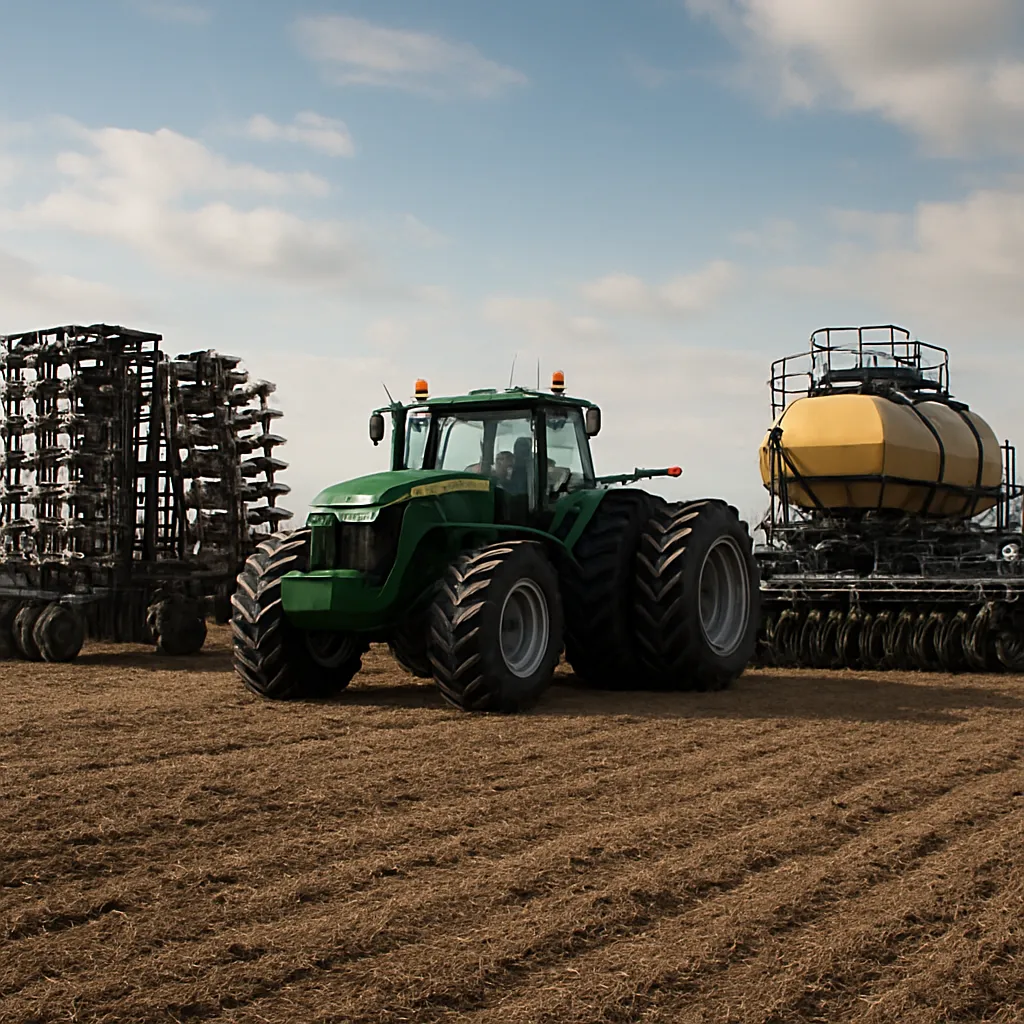
- Three-point hitch operations for heavy plows and seed drills.
- Front loaders capable of lifting several tons with minimal delay.
- Axial-piston pumps for smooth, constant pressure in sensitive tasks like sprayer booms and hydraulic motors.
Climate-Controlled Cab and Electronic Integration
Operator comfort and control enhance productivity. Modern cabs feature climate control, air suspension seats, and fully integrated touch-screen consoles. Electronic systems link GPS guidance, auto-steering, and implement management, creating a seamless interface between the tractor and its attachments.
Future Trends in Heavy-Duty Tractor Engineering
The trajectory of heavy-duty tractor development points toward even greater innovation:
- Electrification: Hybrid diesel-electric drivetrains aim to improve fuel economy and reduce emissions, especially under variable load conditions.
- Autonomous Operation: Self-driving tractors equipped with lidar, radar, and AI can perform repetitive tasks with pinpoint accuracy.
- Smart Implements: Embedding sensors in attachments will allow real-time adjustment of draft, depth, and speed, optimizing field operations.
- Material Science Advances: The use of high-strength alloys and composites in chassis and drivetrain components will lower weight while boosting durability.
As global demand for sustainable agriculture intensifies, the largest tractors will continue to evolve. Engineers will push the limits of engineering to deliver machines capable of handling tougher terrain, heavier loads, and longer hours—all while minimizing environmental impact. The era of mega-torque, mega-horsepower farming has only just begun.