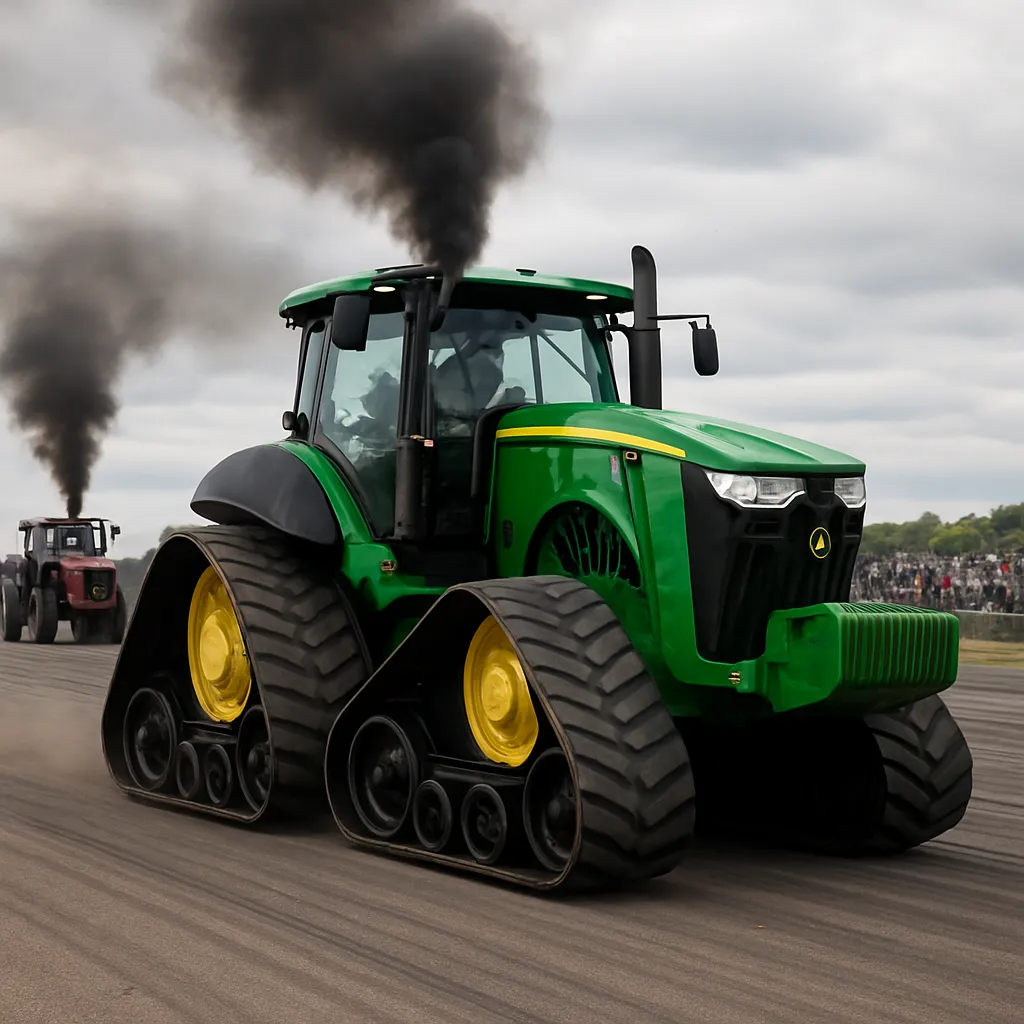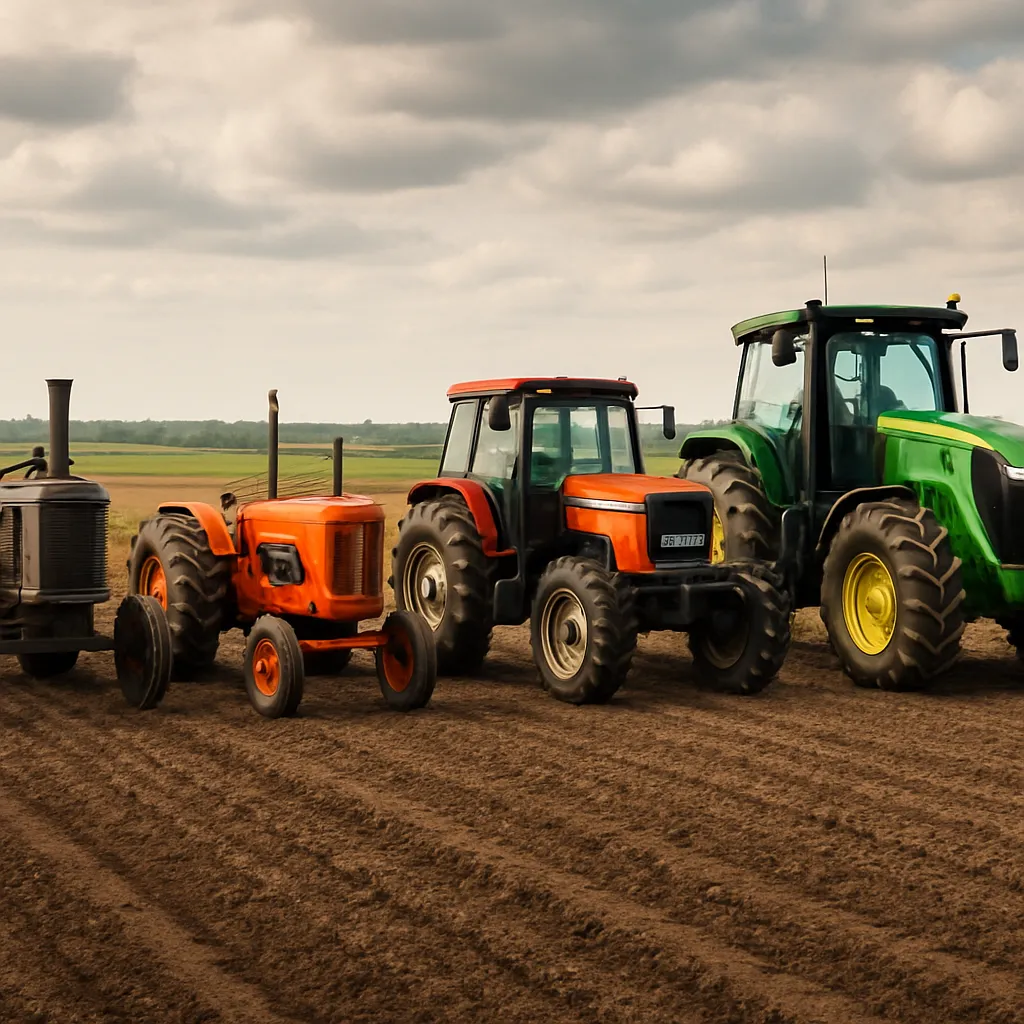
The world of agriculture has been profoundly shaped by the emergence of colossal farming machines. From early steam-powered contraptions to today’s ultra-modern, GPS-guided giants, these monstrous tractors have revolutionized productivity on sprawling farms. This article explores how these behemoths transformed large-scale cultivation, highlights some of the most memorable models in history, examines cutting-edge features, and considers the broader implications for the future of farming.
Evolution of Farm Machinery on a Grand Scale
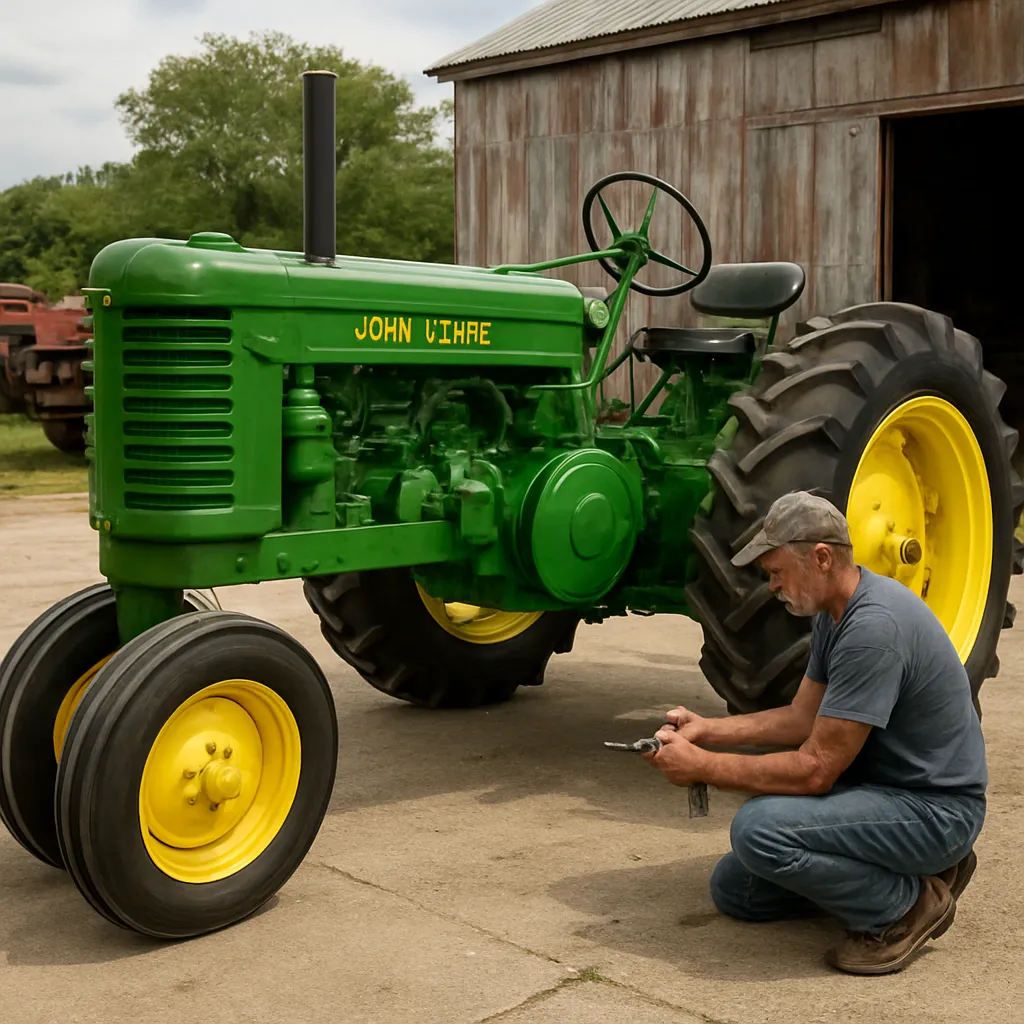
The journey toward today’s mammoth tractors began in the 19th century when pioneers sought ways to replace animal labor with more powerful alternatives. The advent of the steam engine introduced the first self-propelled machines, yet their immense weight and limited maneuverability restricted widespread adoption. By the 1920s and 1930s, internal combustion engines paved the way for more agile and reliable models. Manufacturers competed to pack ever greater horsepower into compact frames, anticipating the growing demand for faster tilling, planting, and harvesting over thousands of acres.
Post–World War II economic expansion fueled investment in agricultural infrastructure. As government policies subsidized large-scale farming, cooperatives and corporate growers sought tractors that could handle heavy implements in a single pass. The push for increased efficiency and reduced labor costs triggered innovations in transmission, hydraulics, and chassis design. Dual and quadruple wheels emerged to distribute weight, improving ground contact and minimizing compaction.
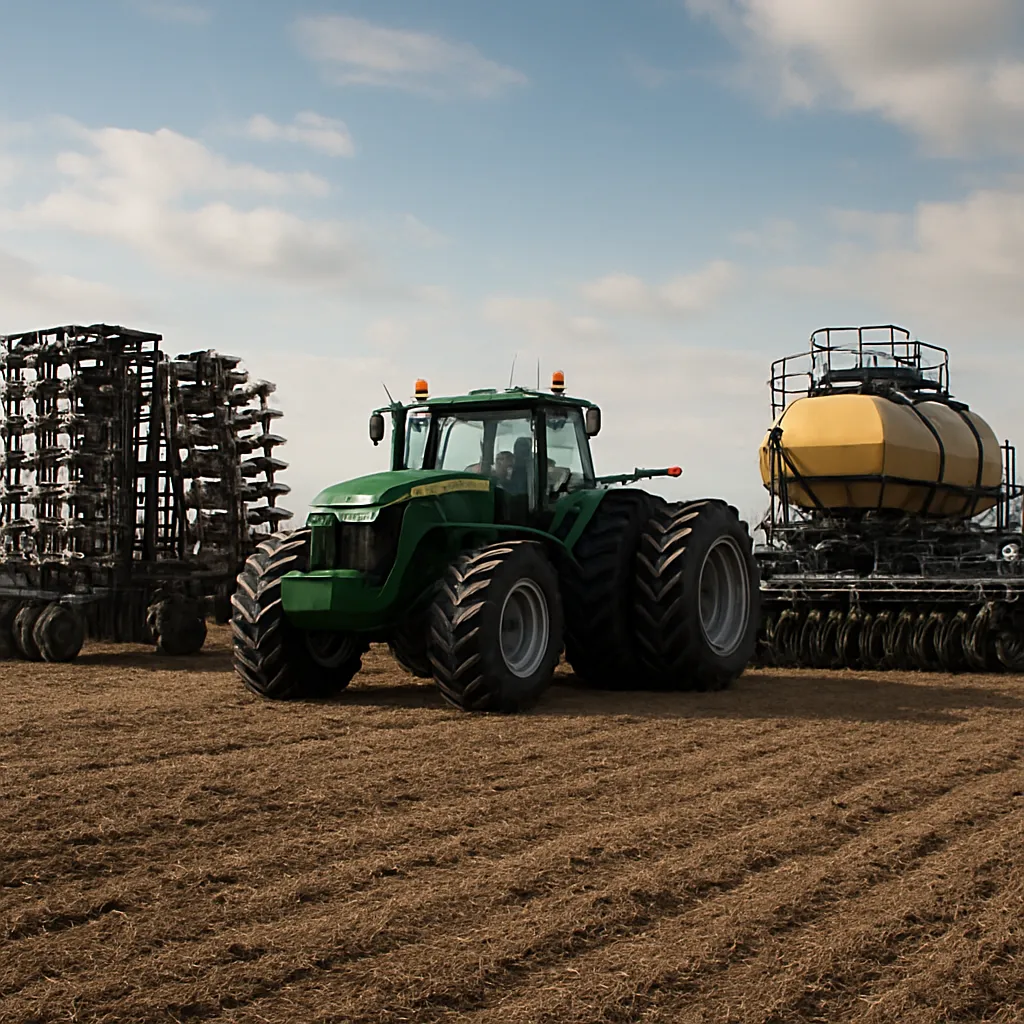
By the late 20th century, the concept of modular power units gave rise to multi-axle configurations capable of handling implements formerly reserved for separate tractors. This era saw remarkable gains in field capacity; a single modern giant could now cover areas that once required multiple machines operating in tandem. Today’s largest tractors exemplify decades of iterative improvements, combining brute force with delicate control systems that ensure uniform seed placement and nutrient application.
Milestone Giants in Tractor History
Case IH Quadtrac 620
Introduced in the early 2000s, the Case IH Quadtrac 620 pushed the boundaries of traction with four independently driven tracks. Delivering up to 620 horsepower, it allowed farmers to maintain speed on slopes and in wet conditions without tearing up soil structure. The innovative track suspension system distributes weight evenly and reduces slippage—critical for maximizing field time during narrow planting windows.
John Deere 9RX Series
John Deere responded with the 9RX series, offering 470 to 620 horsepower in a four-track configuration. Boasting advanced parallel-lift hydraulics and seamless IVT transmission, the 9RX optimized powertrain efficiency. In-cab comfort and a user-friendly control interface showcased how ergonomics and technology could blend to boost operator productivity over long shifts.
Fendt 1038 Vario
Fendt’s record-breaking 1038 Vario claimed the title of world’s most powerful tractor in 2020, delivering a staggering 517 kilowatts (about 707 HP). Its key innovation lay in the e-learning cruise management system, which smartly adjusts engine speed to match implement load, increasing both fuel efficiency and output consistency. Telemetry features allow remote monitoring of performance metrics, ensuring that any maintenance needs are flagged before costly downtime occurs.
Ford County 1490
Dating back to the post–WWII era, the Ford County 1490 weighed nearly 40 tons and generated around 150 horsepower through a Detroit Diesel V8 engine. Though crude by modern standards, its sheer mass and robust construction made it a workhorse for European grain and sugar beet producers. Its legacy lies in demonstrating that spreading weight over multiple axles dramatically increased ground contact, a principle still central to today’s giants.
Technological Innovations Driving Modern Ultra-Large Tractors
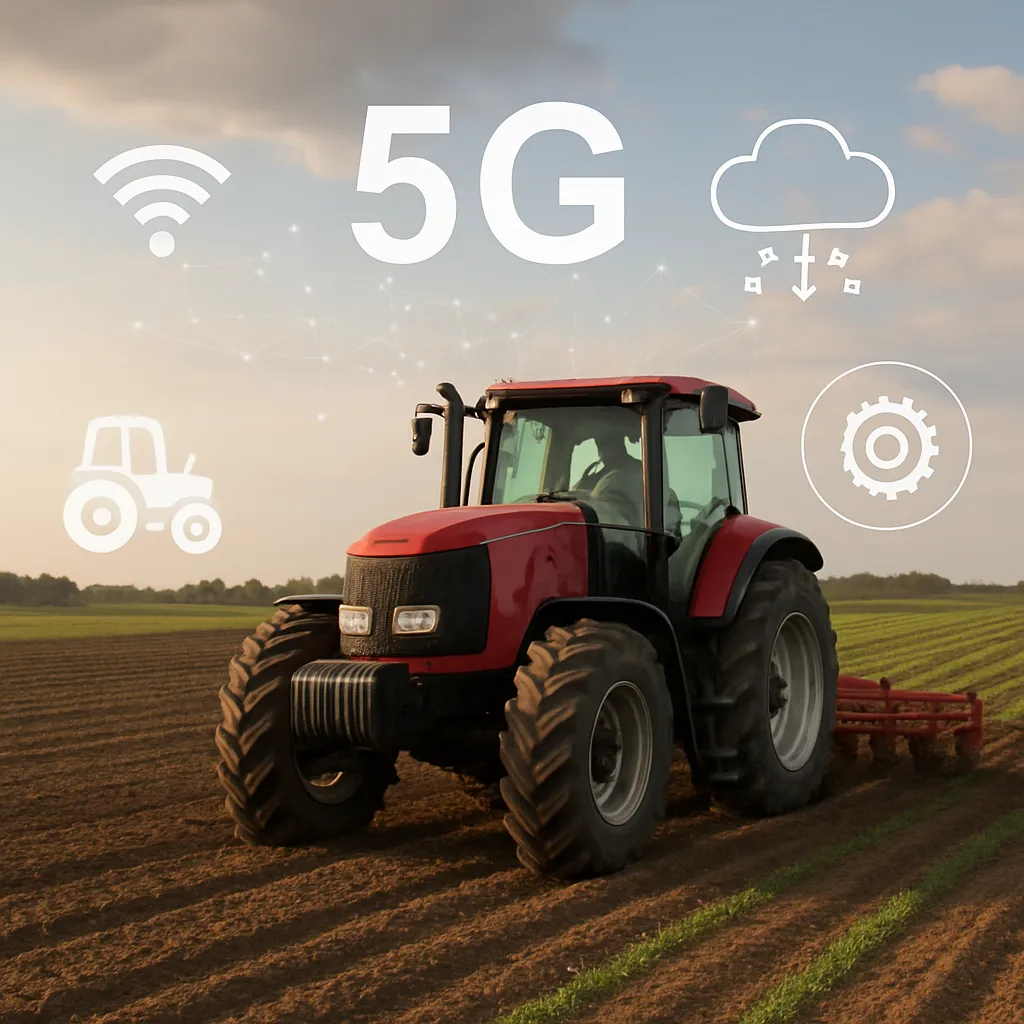
The latest generation of mega tractors integrates a suite of advanced systems aimed at boosting precision and cutting waste. GPS-enabled auto-steer and section control eliminate overlap, reducing seed and fertilizer costs by as much as 10–15%. Sensor arrays measure soil moisture, organic content, and compaction in real time, guiding variable-rate application to optimize yield potential.
Automation has moved beyond simple guidance to include full implement control. With tractor–implement automation (TIA), the tractor communicates with planters or sprayers, adjusting speed and settings on the fly. This level of precision ensures each seed is placed at the ideal depth and spacing, maximizing emergence and uniformity.
Engine and hydraulic systems benefit from electronic management units that continuously assess load and adjust output to maintain peak performance. Combined with advanced telematics, farm managers can track fuel consumption, engine hours, and fault codes from a centralized platform, scaling operations more effectively and planning maintenance before breakdowns.
Economic, Environmental, and Social Impacts
Deploying mega tractors reduces the need for multiple smaller machines and crews, offering significant labor savings. However, such consolidation also raises concerns about reduced employment opportunities in rural areas. Economically, large-scale growers gain an edge through lower per-acre costs, but smaller family farms may struggle to justify the capital investment required for these giants.
Environmentally, innovations that cut fuel use and minimize soil compaction support more sustainability-oriented practices. However, the trend toward ever-larger equipment may exacerbate field size inflation, contributing to monoculture and habitat loss. Policymakers and agricultural organizations now encourage best management practices that balance high-efficiency machinery with crop rotation, cover cropping, and buffer zones to preserve biodiversity.
From a social perspective, the rise of these mechanical behemoths reshapes rural communities. Precision agriculture training programs become essential to equip operators with the skills needed for data-driven farming. In some regions, shared ownership models or custom hire services have emerged, allowing smaller operations to access mega tractors without bearing the full financial burden.
Looking Ahead: The Next Generation of Colossal Tractors
As artificial intelligence, robotics, and renewable energy converge, the future of mega tractors looks both green and autonomous. Experimental hydrogen fuel cells promise zero-emission operation, while on-board AI will diagnose field conditions and machine health without human intervention. Solar-assisted battery hybrids could deliver quiet, emission-free power for sensitive ecological zones.
Ultimately, these technological leaps aim to feed a growing population while conserving precious resources. By combining unprecedented mechanical force with intelligent systems, tomorrow’s tractors will push the frontiers of agricultural productivity, ensuring that large-scale farming remains economically viable and environmentally responsible.