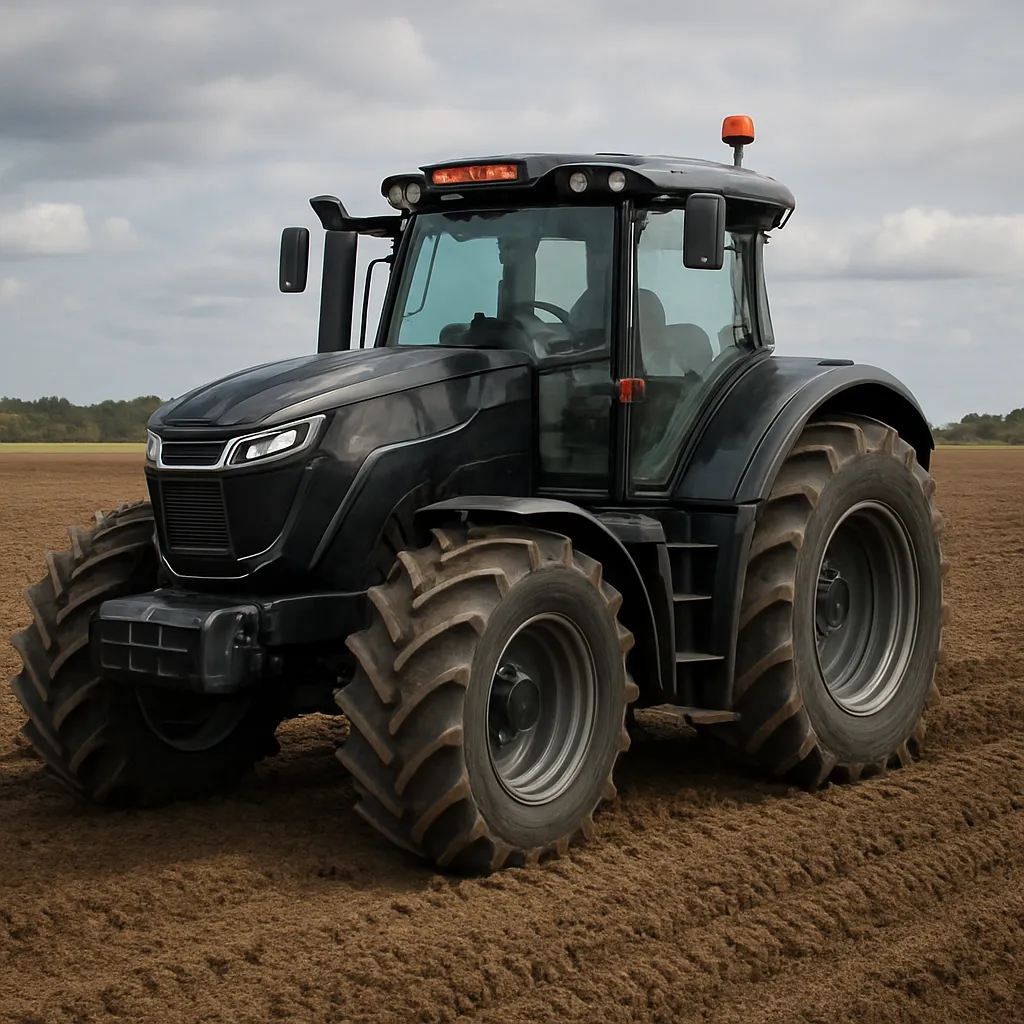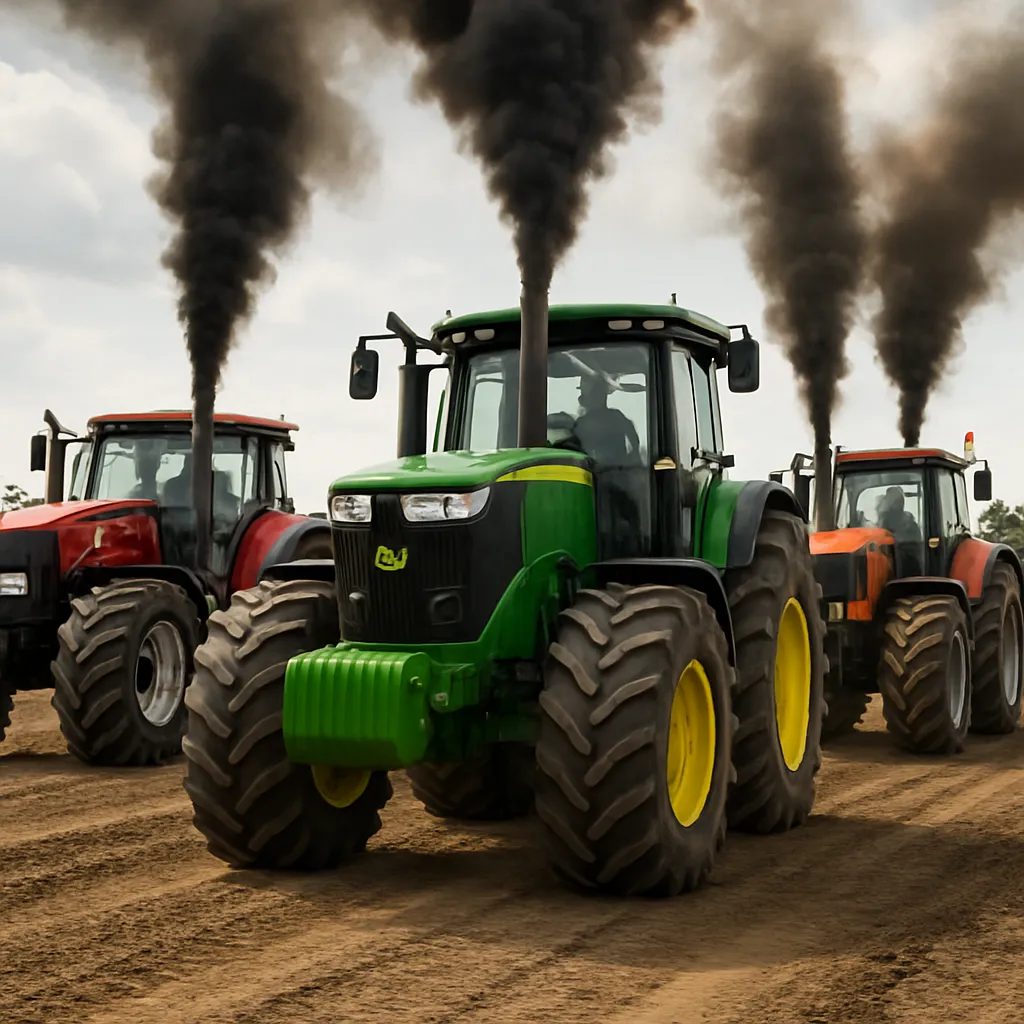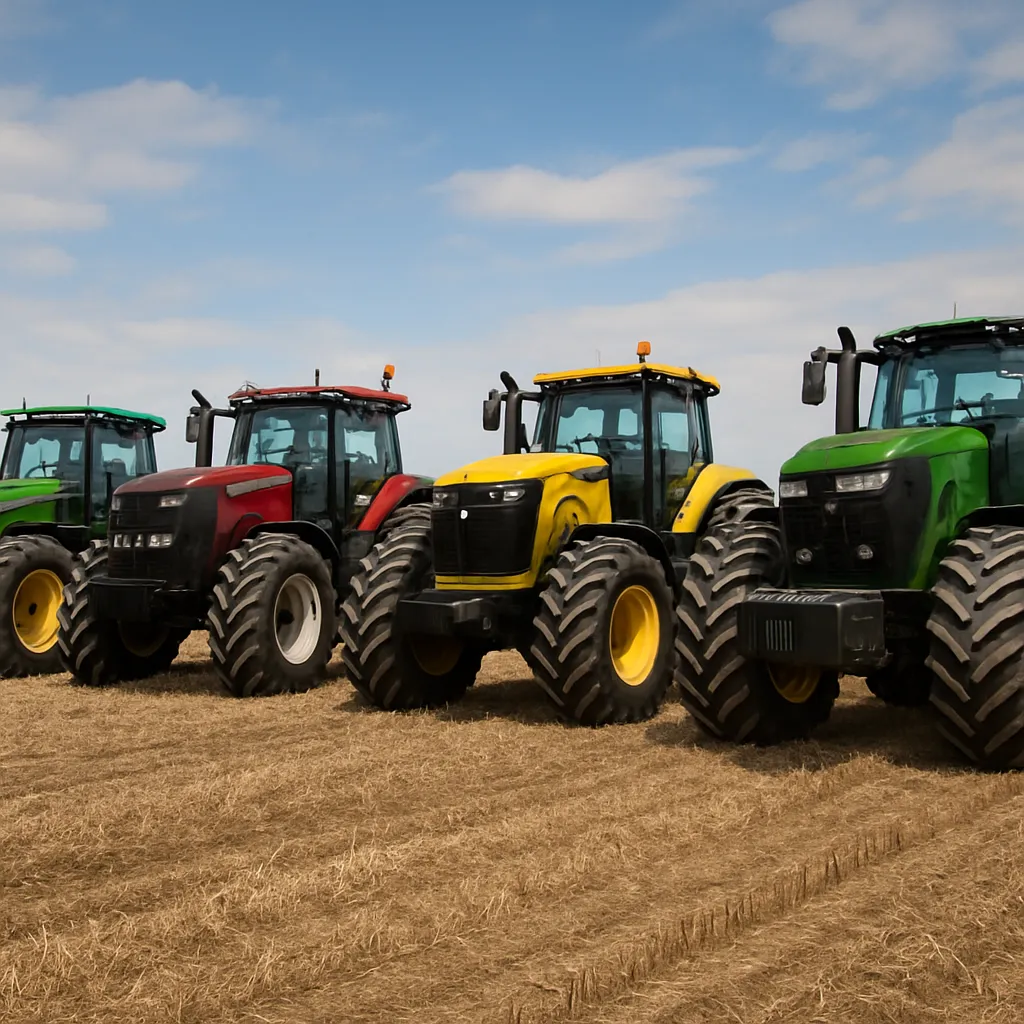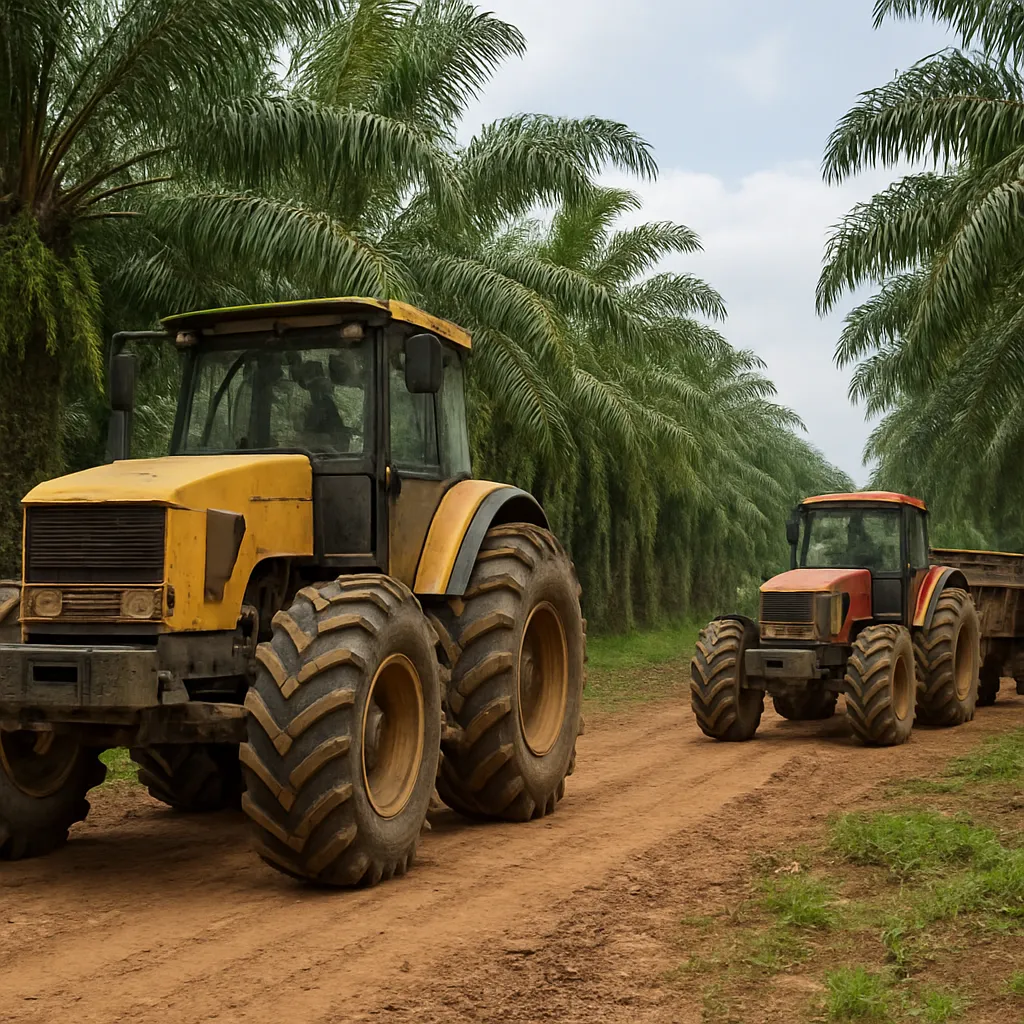
Major players in the agricultural machinery sector are locked in an intense struggle for market leadership. As farmers worldwide demand ever-greater productivity, tractor manufacturers race to deliver machines that blend raw power with cutting-edge technology. This article examines how global giants leverage innovation, strategic partnerships, and bold acquisitions to expand their reach, focusing on the push toward sustainable and connected farming solutions.
Global Market Dynamics and the Quest for Scale
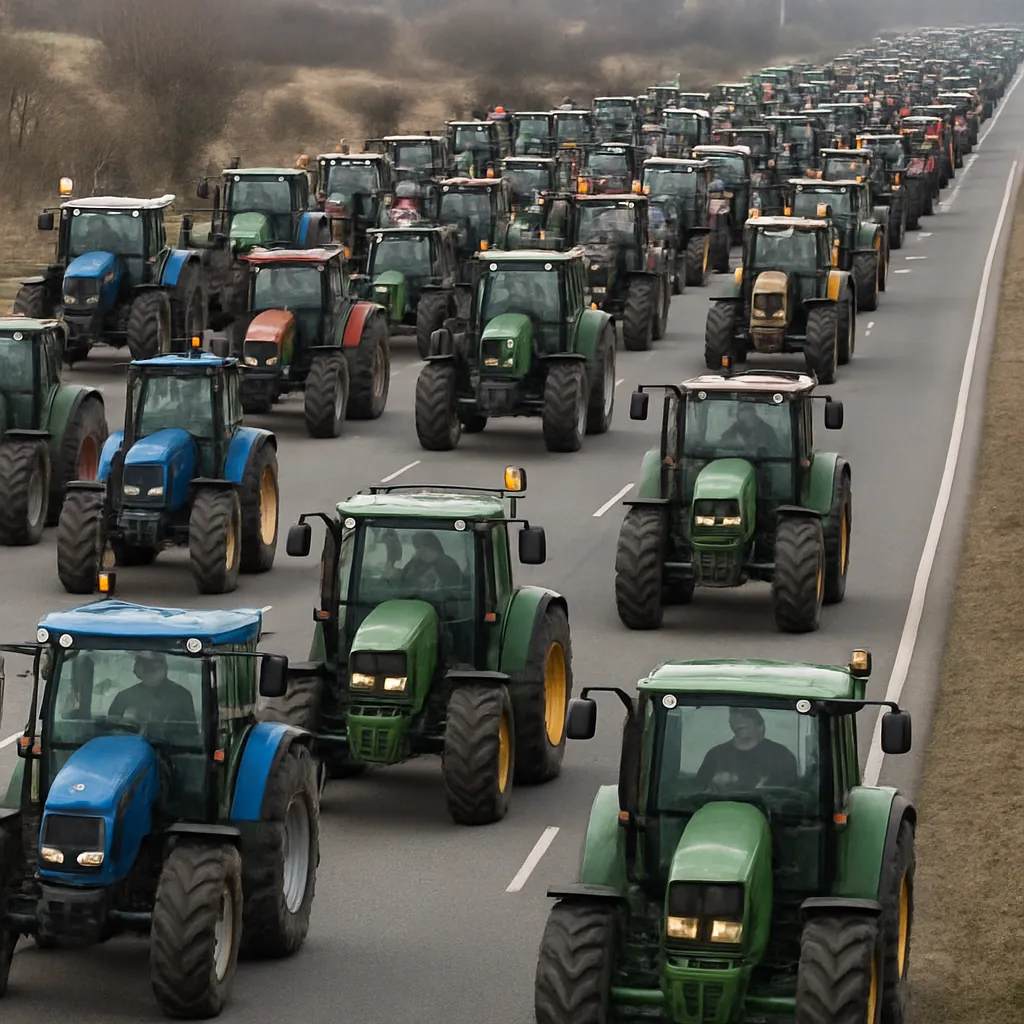
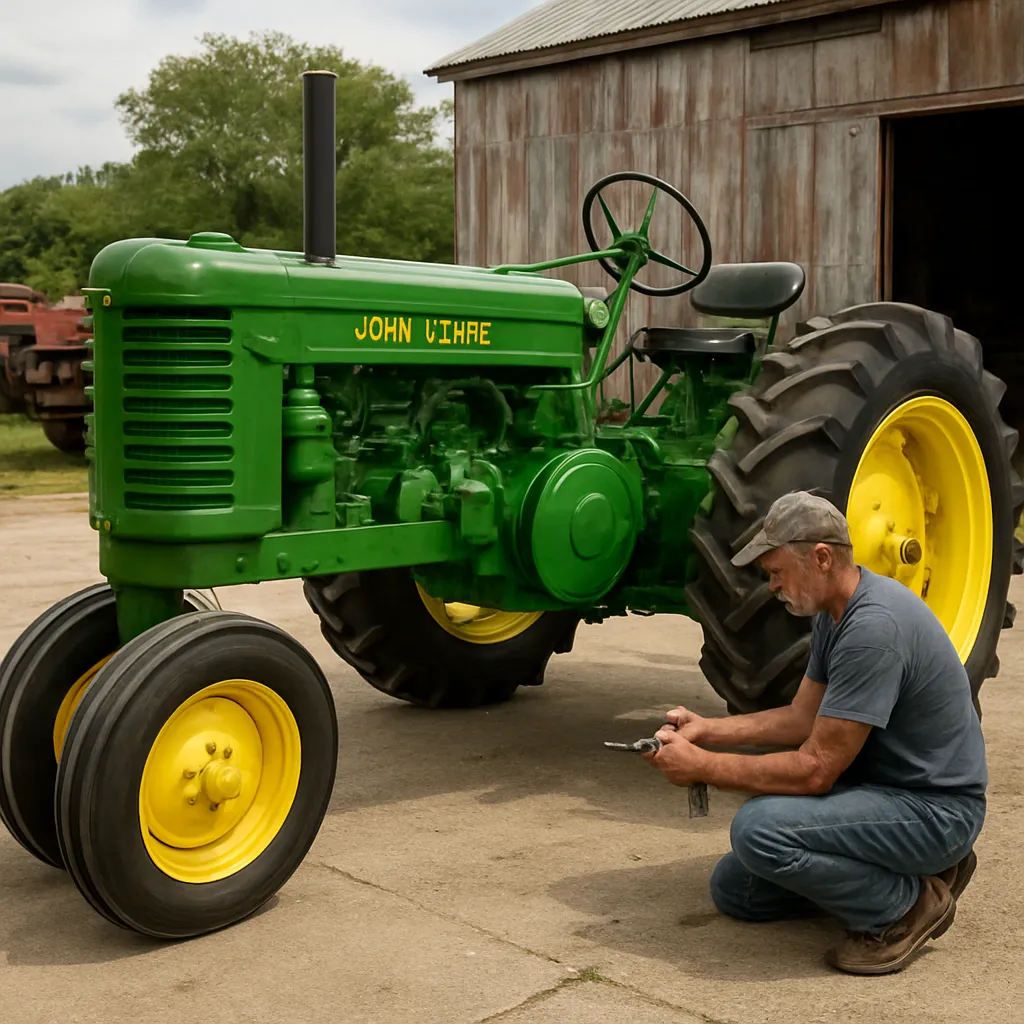
The modern tractor market is shaped by a handful of dominant brands, each vying to outdo the others in sales volume and brand loyalty. Companies like John Deere, CNH Industrial, AGCO, Kubota, and Mahindra account for a substantial share of worldwide revenues. Their reliability and vast dealer networks help maintain customer trust, while aggressive expansion strategies target emerging markets in Asia, Africa, and Latin America.
Regional Penetration
- North America: Long established as the largest tractor market, with John Deere and AGCO leading thanks to their focus on precision agriculture and advanced telemetry.
- Europe: CLAAS and Fendt thrive on high-end tractors featuring emissions controls and connectivity packages, catering to environmentally conscious farms.
- Asia-Pacific: Rapidly growing demand, driven by mechanization in China, India, and Southeast Asia, sees Kubota and Mahindra offering cost-effective models.
- Latin America: Case IH and New Holland push mid-range and heavy-duty tractors for large-scale grain producers, emphasizing efficiency in planting and harvesting.
Economies of Scale
Large tractor brands achieve lower unit costs through high-volume production and global operations. They operate multiple manufacturing plants worldwide, optimizing supply chains to reduce lead times and minimize logistics expenses. This scale advantage allows them to offer financing programs and competitive pricing, further solidifying their market position.
Technological Leadership: From Diesel Giants to Smart Equipment
Power alone no longer suffices. Today’s tractors must integrate advanced electronics, data analytics, and sustainable powertrains. Brands are locked in a race to deliver the next breakthrough that will redefine field operations.
Precision Farming and Autonomy
- GPS-Guided Steering: Autonomous steering systems from John Deere’s AutoTrac to New Holland’s IntelliSteer reduce operator fatigue while ensuring sub-inch accuracy.
- Telematics Platforms: AGCO’s Fuse and Kubota’s Connect gather real-time data on soil conditions, machine performance, and yield, enabling farmers to optimize inputs.
- Robotic Implements: Case IH’s autonomous tractors can be scheduled to work overnight, boosting operational hours without increasing labor costs.
Powertrain Evolution
While diesel engines dominate, the shift toward electrification is accelerating. Mahindra recently launched a hybrid tractor that couples a diesel engine with electric motors to reduce fuel use and emissions. John Deere’s hydrogen fuel cell prototypes point to a future of zero-emission heavy machinery. These developments align with tightening emissions regulations worldwide and the push for more sustainable farming practices.
Strategic Alliances and Mergers: Building the Portfolio
The consolidation trend in the tractor industry continues as companies seek complementary strengths and wider product ranges. By joining forces, brands aim to fill technological gaps, enter new market segments, and spread research and development costs across larger units.
Notable Acquisitions
- AGCO’s acquisition of Precision Planting technologies bolstered its portfolio in high-tech planting solutions.
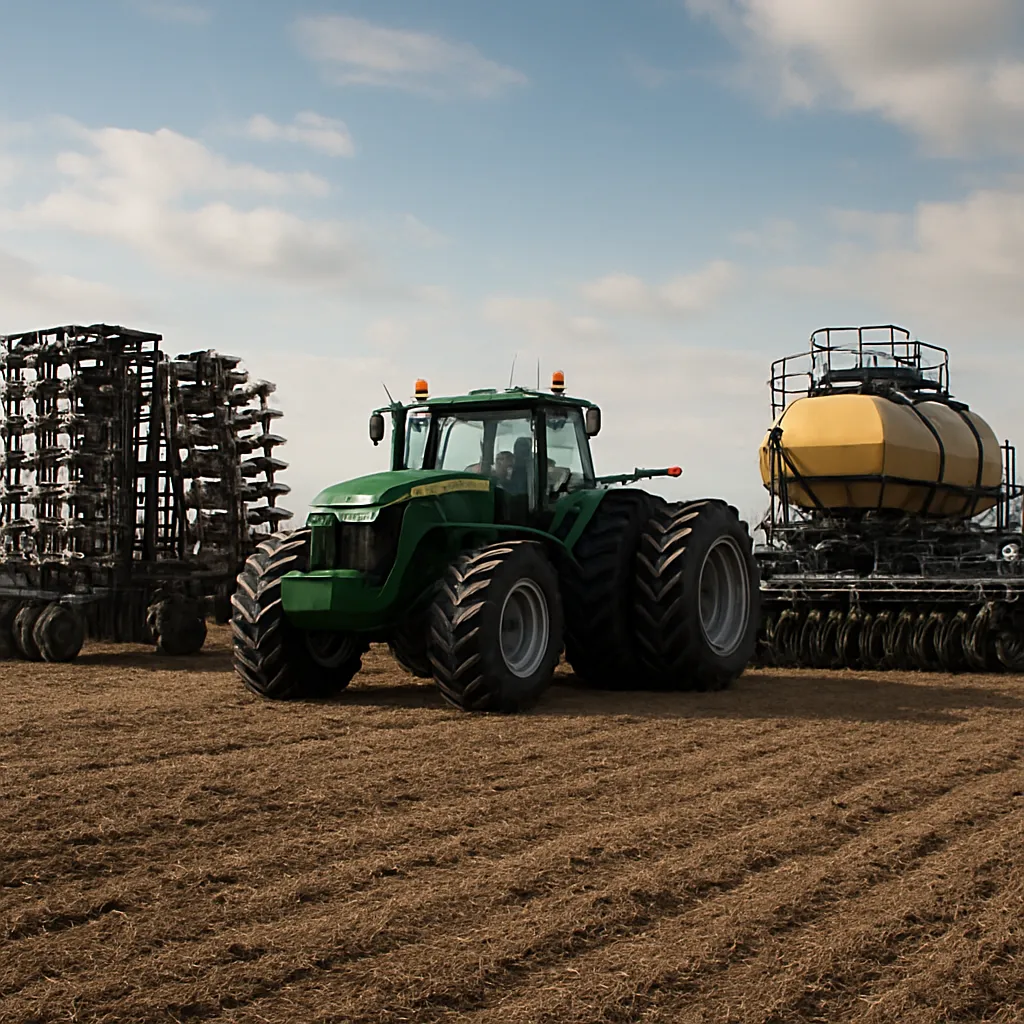
- Kubota’s purchase of Great Plains extended its reach into tillage and seeding equipment.
- Mergers between smaller implement makers and major OEMs improved the compatibility of attachments across multiple tractor platforms.
Joint Ventures and Technology Sharing
Collaborations have multiplied, from CNH Industrial’s partnership with a renewable fuels provider to John Deere’s alliance with leading IT firms for next-gen software. Such deals facilitate rapid technology transfer and minimize development costs.
Future Directions: Connectivity, Sustainability, and Beyond
As global populations grow and arable land remains finite, tractor brands must forge the future of agriculture by embracing digitalization and ecological stewardship. The next era will be defined by fully integrated systems, where tractors, drones, and IoT sensors collaborate seamlessly.
Connected Farm Ecosystems
- Enterprise-level farm management platforms will unify data from every machine, providing actionable insights to maximize yields and reduce waste.
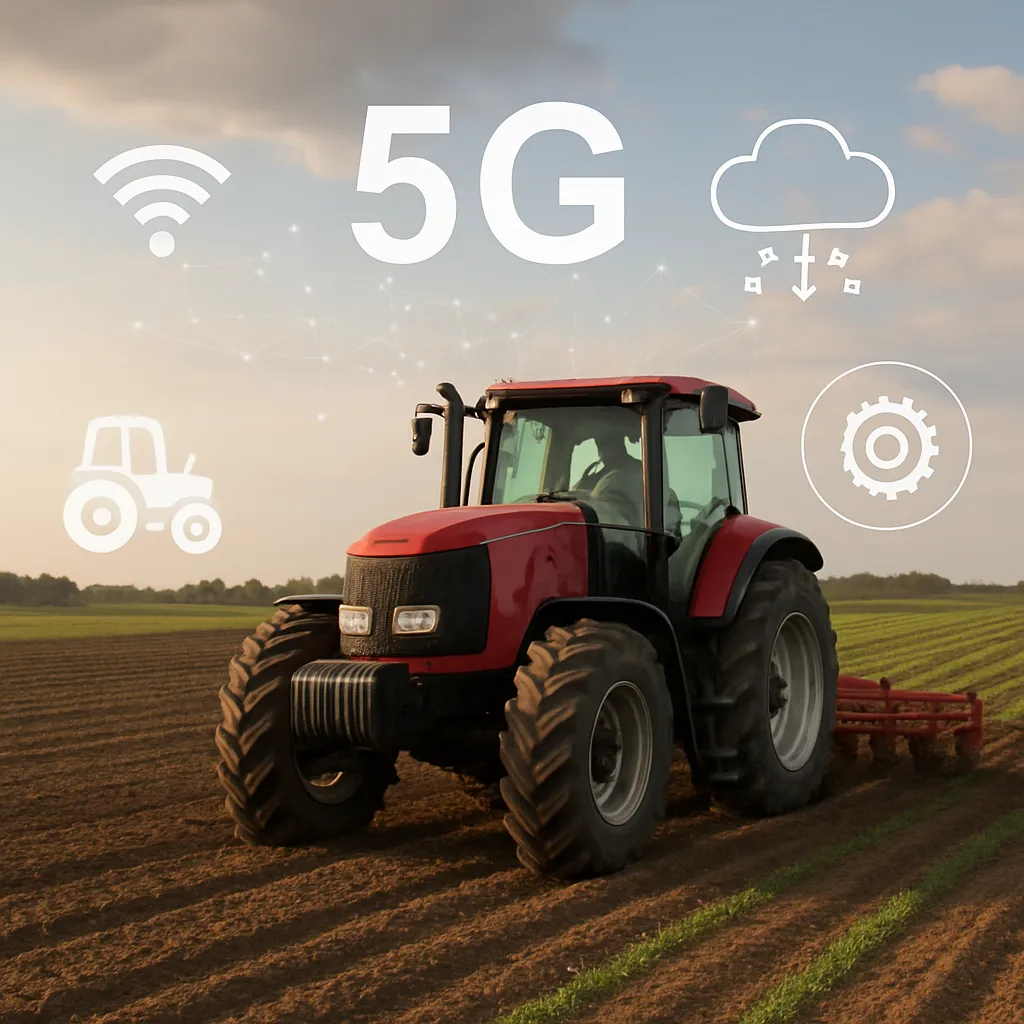
- 5G and satellite connectivity will enable real-time remote diagnostics, predictive maintenance, and over-the-air software updates.
Green Initiatives
Leading brands are investing heavily in sustainable materials and carbon-neutral manufacturing. Biodegradable hydraulic fluids, recycled components, and solar-powered assembly plants are no longer concepts but active projects. By 2030, several manufacturers aim to have zero-carbon footprints in core operations.
Adaptation to Climate and Soil Changes
Climate volatility demands machines that can adapt to diverse conditions, from drought-prone fields in Australia to rain-drenched European pastures. Variable-rate seeding and fertilization, coupled with moisture sensors and adaptive traction control, will help farmers meet these challenges head-on.