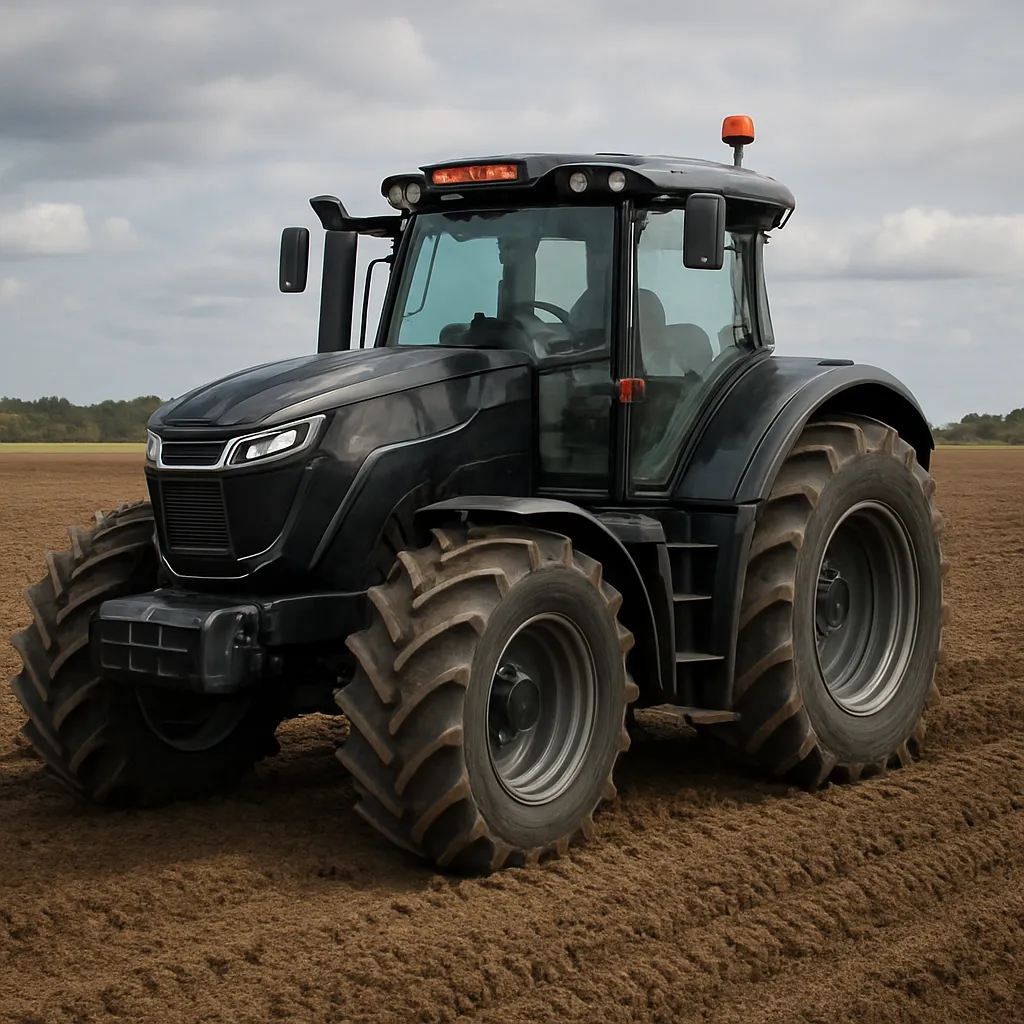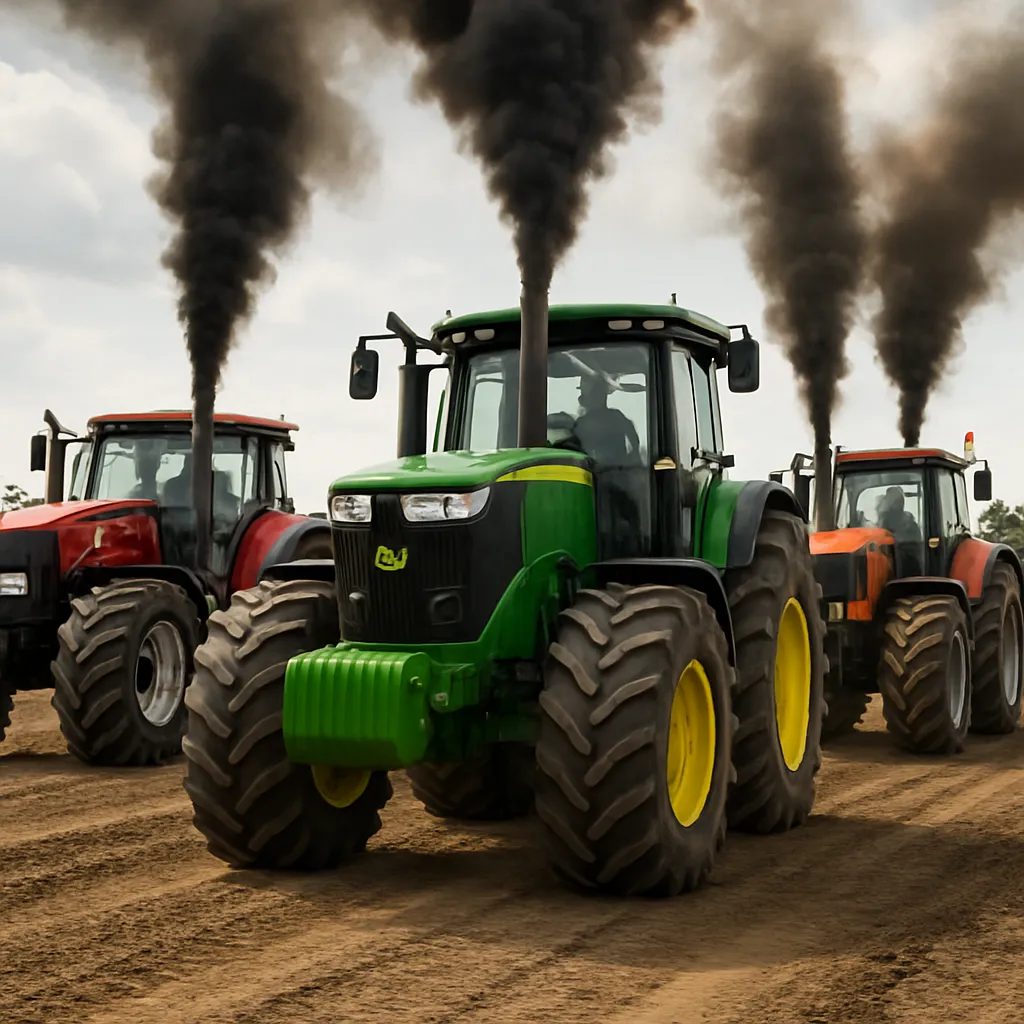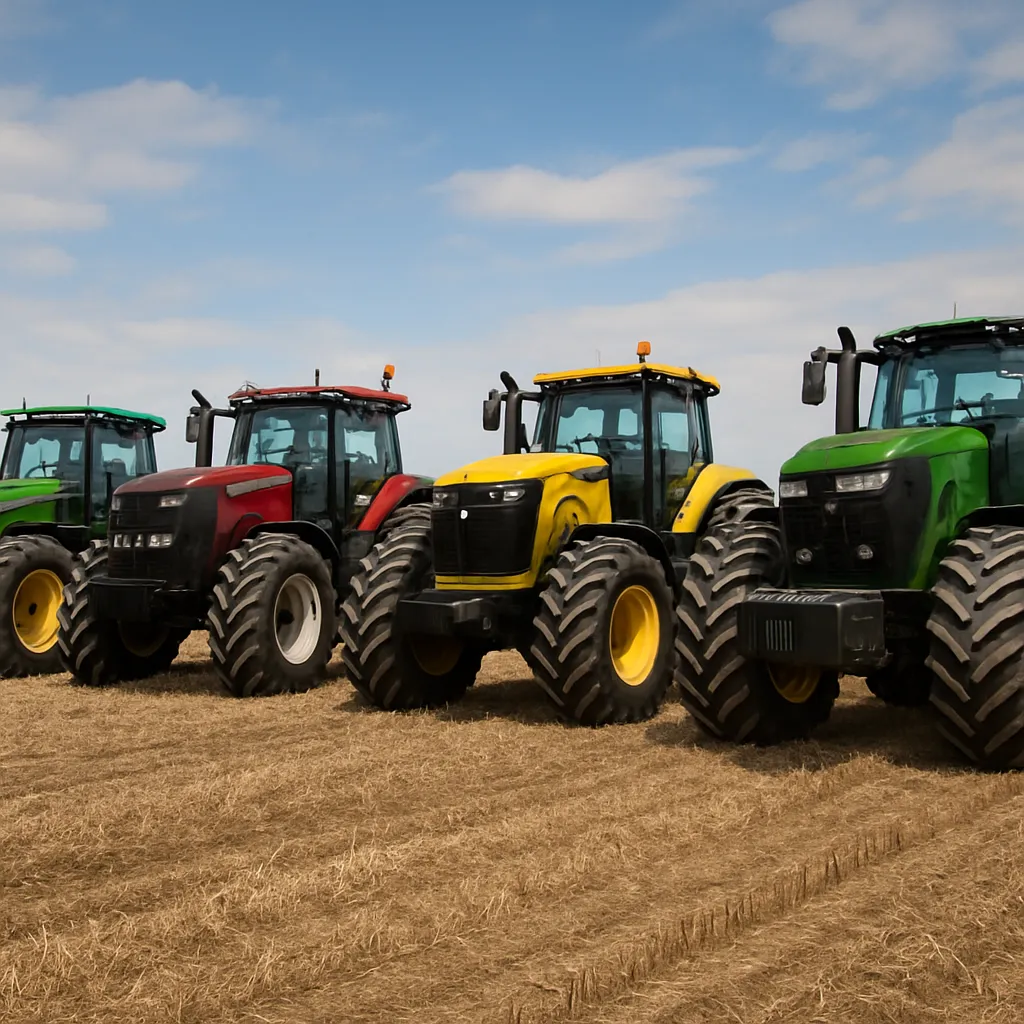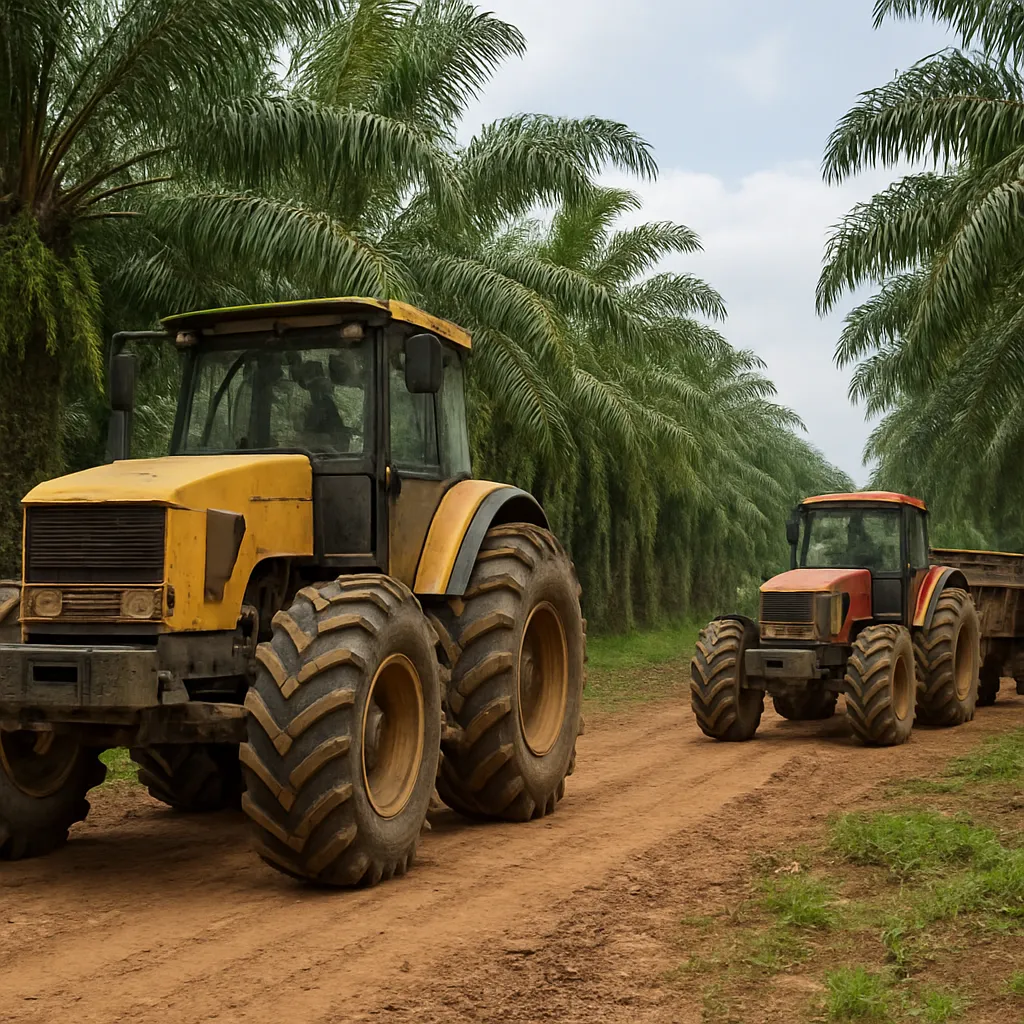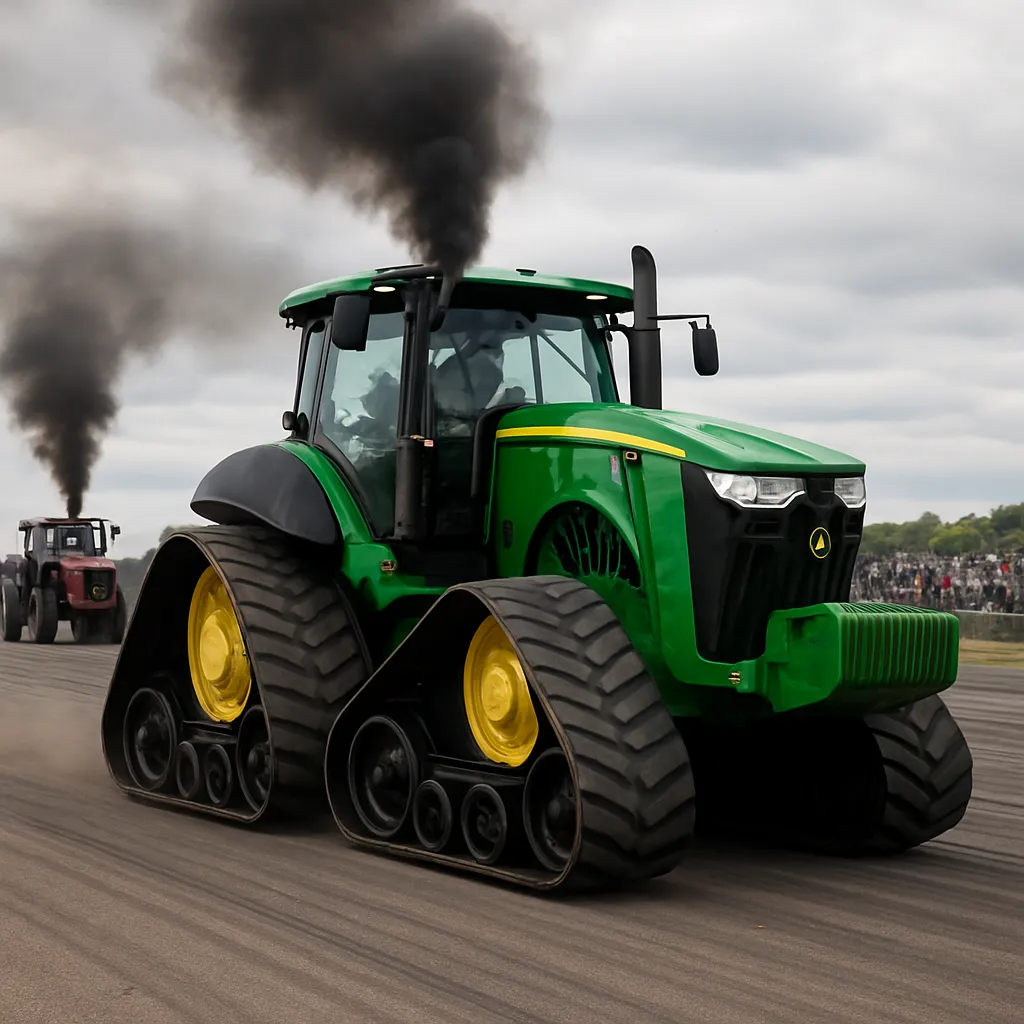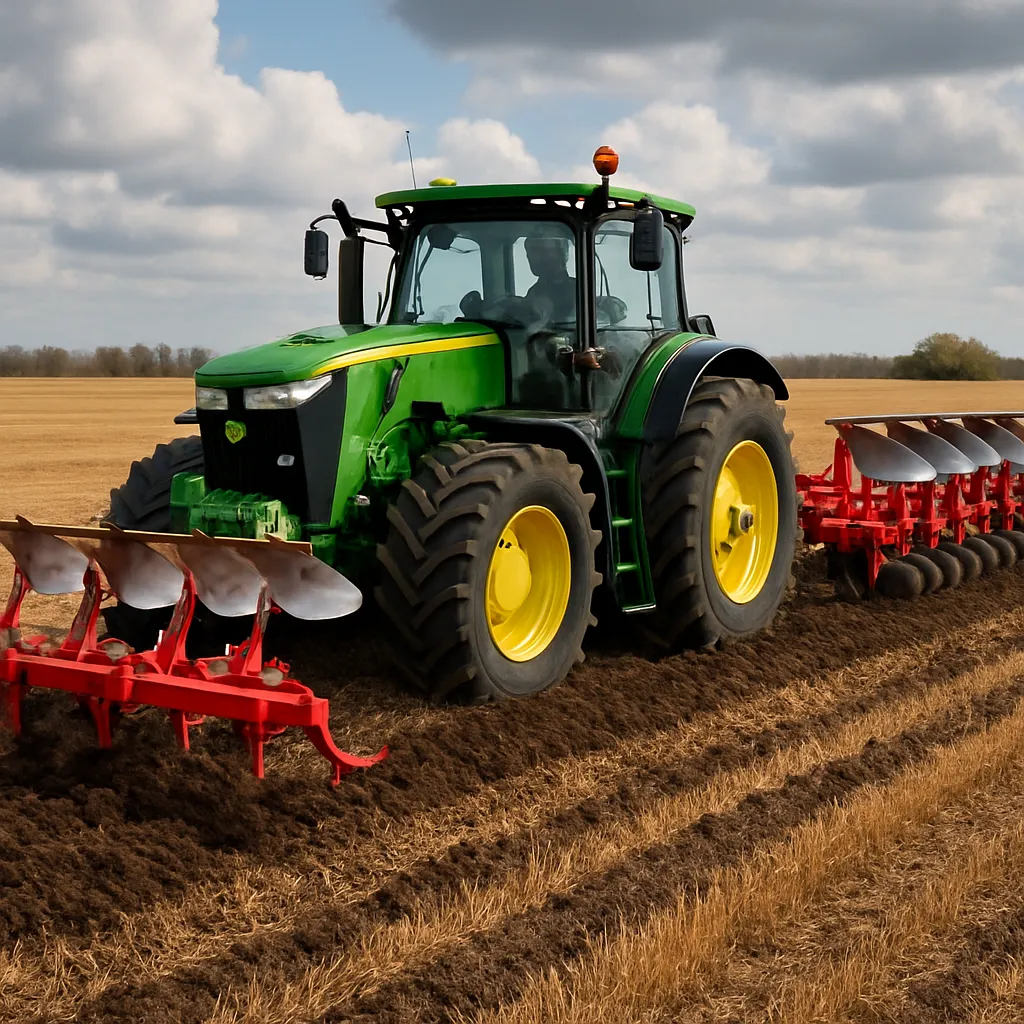
In the world of modern agriculture, the rise of gigantic tractors has revolutionized how farmers tackle massive fields and heavy-duty tasks. These behemoths combine unmatched power, cutting-edge technology, and robust engineering to handle some of the most demanding implements ever designed. From plowing vast tracts of land to towing enormous planters, the biggest tractors on the market emphasize efficiency and reliability.
Evolution of Giant Tractors
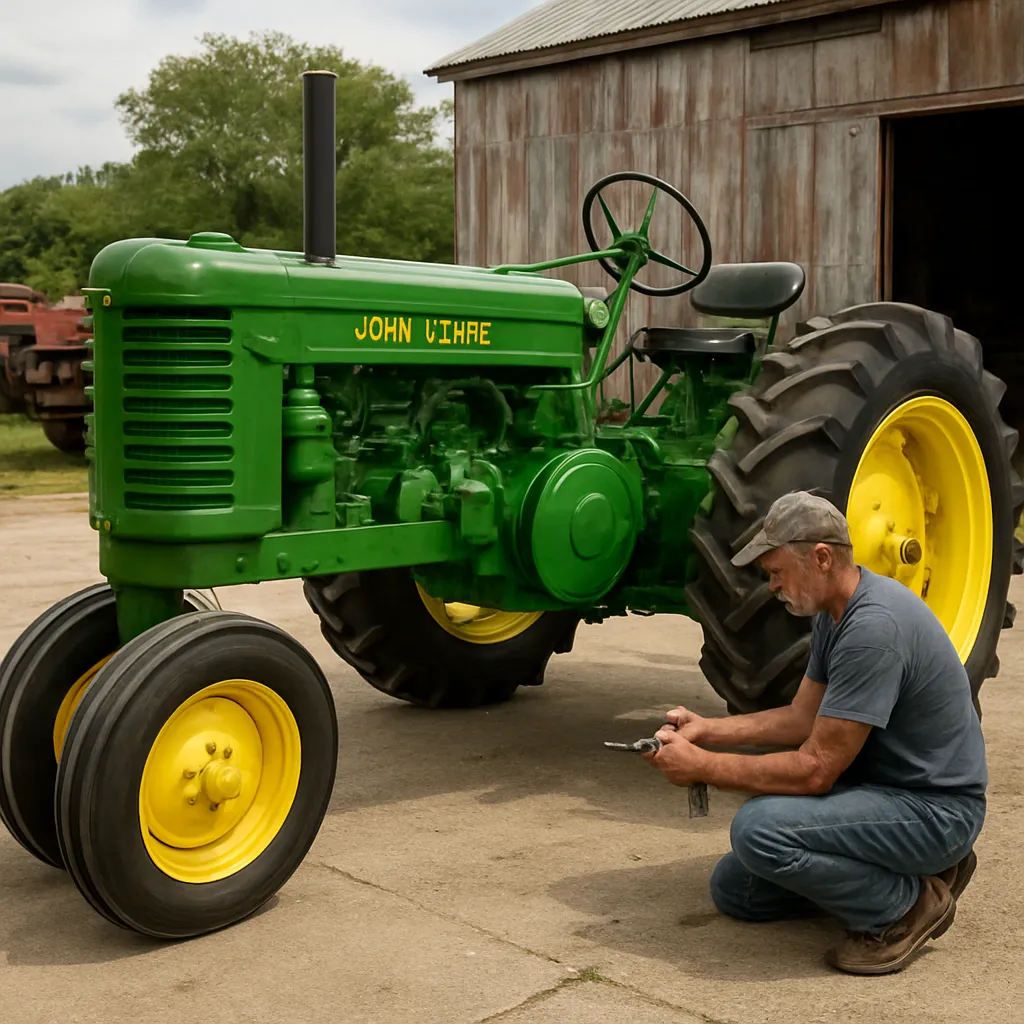
The journey from early mechanized plows to today’s super-sized machines spans over a century. Early 20th-century tractors were often underpowered, with single-digit horsepower ratings and minimal traction. As farms expanded in size, the need for more powerful equipment grew. Advances in engine technology, transmission design, and chassis construction paved the way for modern giants such as the Big Bud 747 and the CLAAS Xerion 5000.
Key Milestones in Tractor Development
- 1920s: Introduction of multi-plow tractors with 15–30 HP engines
- 1960s: Diesel-powered tractors pushing 100–200 HP
- 1980s: Emergence of 300–400 HP four-wheel-drive models
- 2000s: Electronic controls, GPS integration, and 400–600+ HP machines
- 2010s–2020s: Mega tractors surpassing 700 HP, advanced hydraulics, and telematics
These developments have culminated in machines capable of generating more torque and pulling force than ever imagined. Today’s flagship models deliver over 1,000 HP, combining engine fortitude with sophisticated electronics for precision farming.
Engine Power and Mechanical Design
At the heart of a mega tractor lies its engine. Manufacturers equip these machines with huge displacement diesels featuring turbocharging and intercooling. For instance, the Big Bud 747 houses a Cummins KTTA19 engine delivering 930 HP at just 1,900 RPM. Meanwhile, the John Deere 9620R uses a 24.2-liter PowerTech engine with 620 HP and peak torque of over 2,800 lb-ft.
Drivetrain and Transmission
- PowerShift Transmissions: Multiple synchronized gears for smooth shifting under heavy load
- Continuously Variable Transmissions (CVT): Infinitely variable ratios to maintain optimal RPM
- All-Wheel Drive Systems: Distributes torque between front and rear axles for maximum traction
- Dual-Clutch and Wet-Clutch Designs: Rapid engagement for resp
onding to sudden load changes
Robust gearboxes and locked differentials ensure that power reaches every tire, even in soggy or uneven terrain. Some tractors feature torque-sensing hydraulics that automatically adjust power distribution to maintain constant speed during heavy drawbar work.
Mega Attachments and Plow Integration
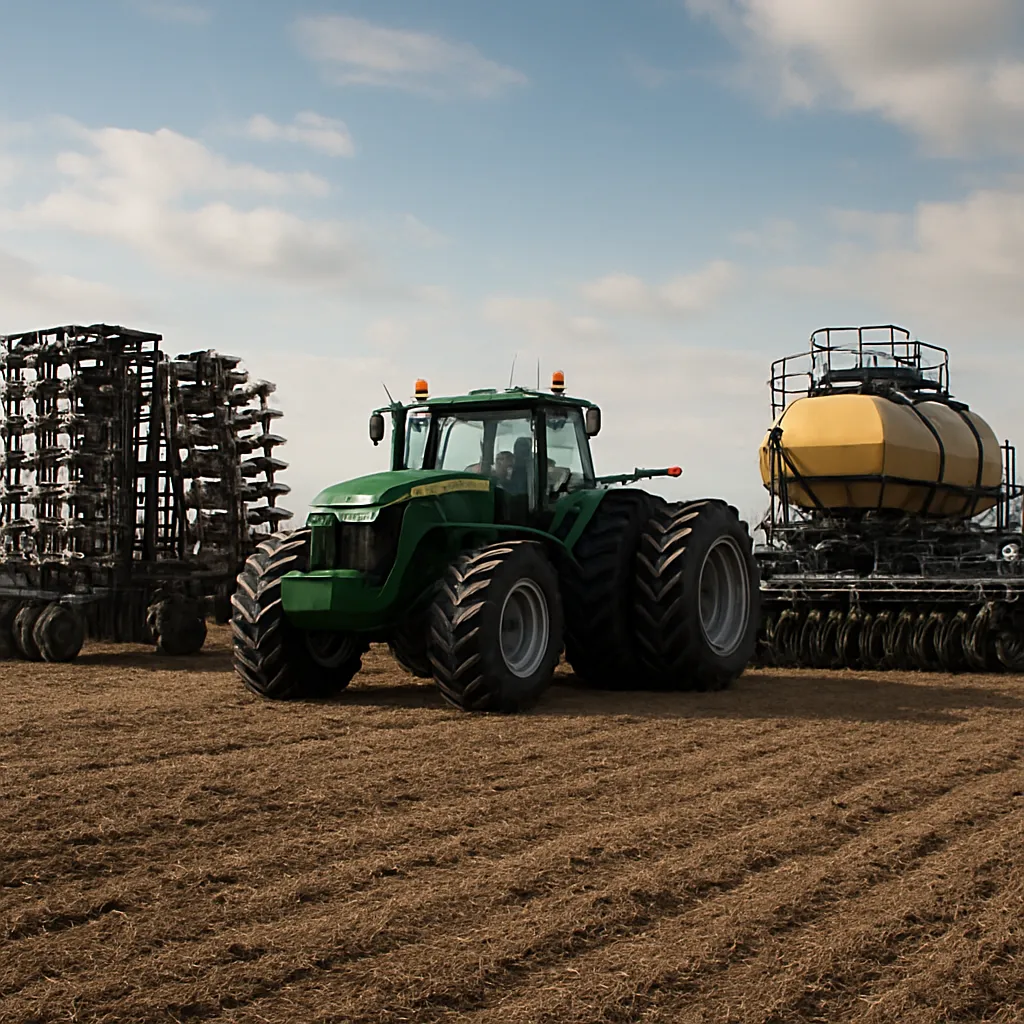
Huge tractors face their greatest challenge when connecting to massive implements. Standard three-point hitches and PTO shafts often prove inadequate for attachments weighing multiple tons. To address this, manufacturers developed reinforced drawbars, dual hitch points, and high-capacity hydraulic circuits capable of lifting and controlling huge plows, cultivators, and seeders.
Types of Heavy-Duty Implements
- Multi-Furrow Moldboard Plows: 8 to 12 furrows, each blade widths exceeding 18 inches, for deep primary tillage
- Disc Harrows: 40+ discs with large notched blades for cutting residue and leveling soil
- Chisel Plows: High-clearance shanks that penetrate hardpan layers, improving subsoil drainage and root growth
- Planter Wagons and Seed Drills: Multi-row configurations (16–24 rows) for high-speed planting
Engineers equip tractors with strong hydraulic systems offering flows of 200–300 liters per minute and pressures up to 300 bar. This capability allows for rapid implement parallel-lift and automatic depth control, ensuring consistent tillage depth across entire fields. Quick-hitch couplers and auto-attach systems reduce downtime when switching between implements.
Operational Efficiency and Precision Farming
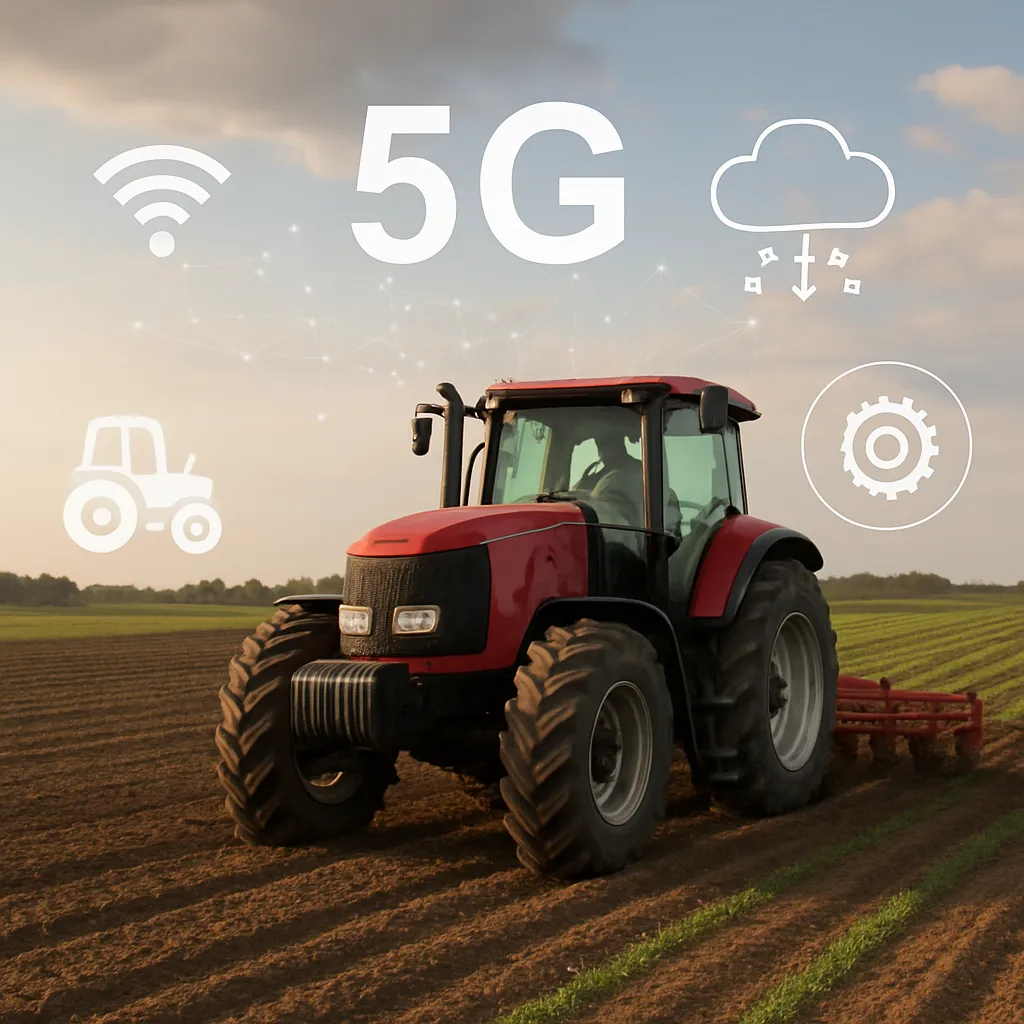
Beyond brute force, mega tractors rely on advanced technology to maximize efficiency. GPS guidance systems, auto-steering, and variable-rate application controls enable operators to work through the night with minimal overlap and precise coverage. Onboard telematics monitor fuel usage, engine parameters, and soil conditions in real time.
Key Technology Features
- Auto-Steer and Rim-Follow: Keeps wheels on consistent lines, even on slopes
- Variable Rate Fertilizer and Seed Application: Adjusts inputs based on soil maps and yield data
- In-Cab Touchscreen Consoles: Centralizes control of transmission, hydraulics, and implement settings
- Remote Diagnostics: Allows dealers to troubleshoot issues and update software without field visits
These capabilities drastically reduce operator fatigue, fuel waste, and soil compaction. By monitoring implement performance and ground speed, modern tractors adapt power delivery dynamically, ensuring both high productivity and environmental compliance.
Terrain Adaptability and Tire Technology
Large tractors must navigate diverse soil types and weather conditions. Advances in tire design, flotation duals, and track systems enhance traction while minimizing soil disturbance. High-flotation tires with low inflation pressures spread machine weight over a larger area, reducing compaction.
Wheels Versus Tracks
- Radial Flotation Tires: Flexible sidewalls, wide tread, and deep lugs for grip
- Track Systems: Steel or composite tracks offer superior traction on soft soils
- Adjustable Tire Pressure Systems: Real-time control of inflation levels via onboard air compressors
Some operators switch between tire and track modules depending on seasonal requirements. Tracked tractors excel in wet fields and muddy conditions, while tires perform better on roads and firm soils, offering faster travel speeds between fields.
Safety, Comfort, and Operator Ergonomics
With cabs towering several meters above the ground, safety features are paramount. Modern tractors offer:
- Rollover Protection Structures (ROPS) and Cabin Air Filtration
- Suspension Seats and Cab Damping Systems to reduce vibration
- 360° Cameras and Obstacle Detection for improved visibility
- Climate Control, Sound Insulation, and Adjustable Controls for operator comfort
Intuitive touchscreen interfaces and programmable hotkeys allow operators to store settings for different implements. This reduces setup time and prevents errors when switching tasks.
Future Trends in Mega Tractor Design
Ongoing research aims at greener, more sustainable machines. Hybrid diesel-electric powertrains and hydrogen fuel cells promise to reduce emissions while maintaining high torque output. Autonomous tractors, guided by artificial intelligence and sensor fusion, will further optimize field operations, cutting labor costs and allowing 24/7 operation under supervision.
As the global demand for food rises, the role of ultra-powerful tractors will only grow. Combining brute force with precision technology, these giants are vital to modern large-scale agriculture, ensuring farmers can cultivate vast acreages with unprecedented speed and accuracy.