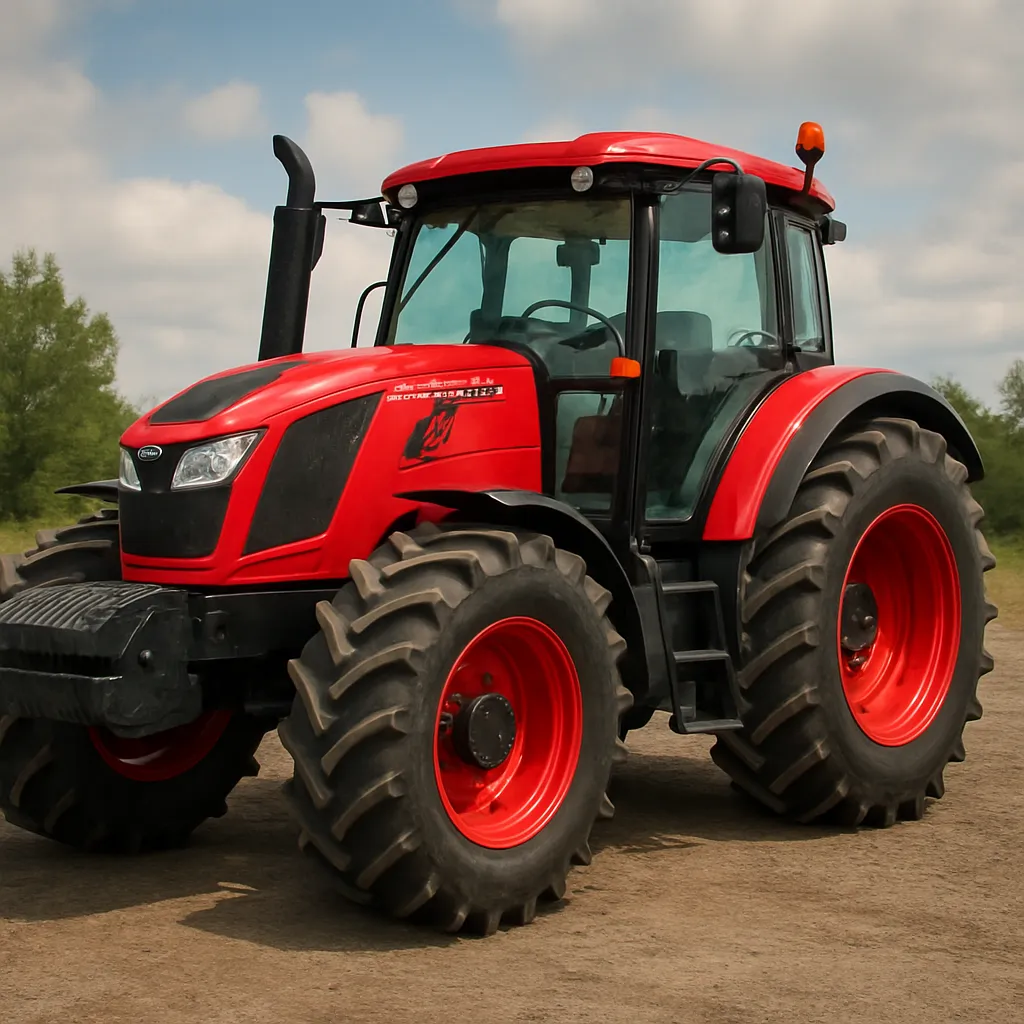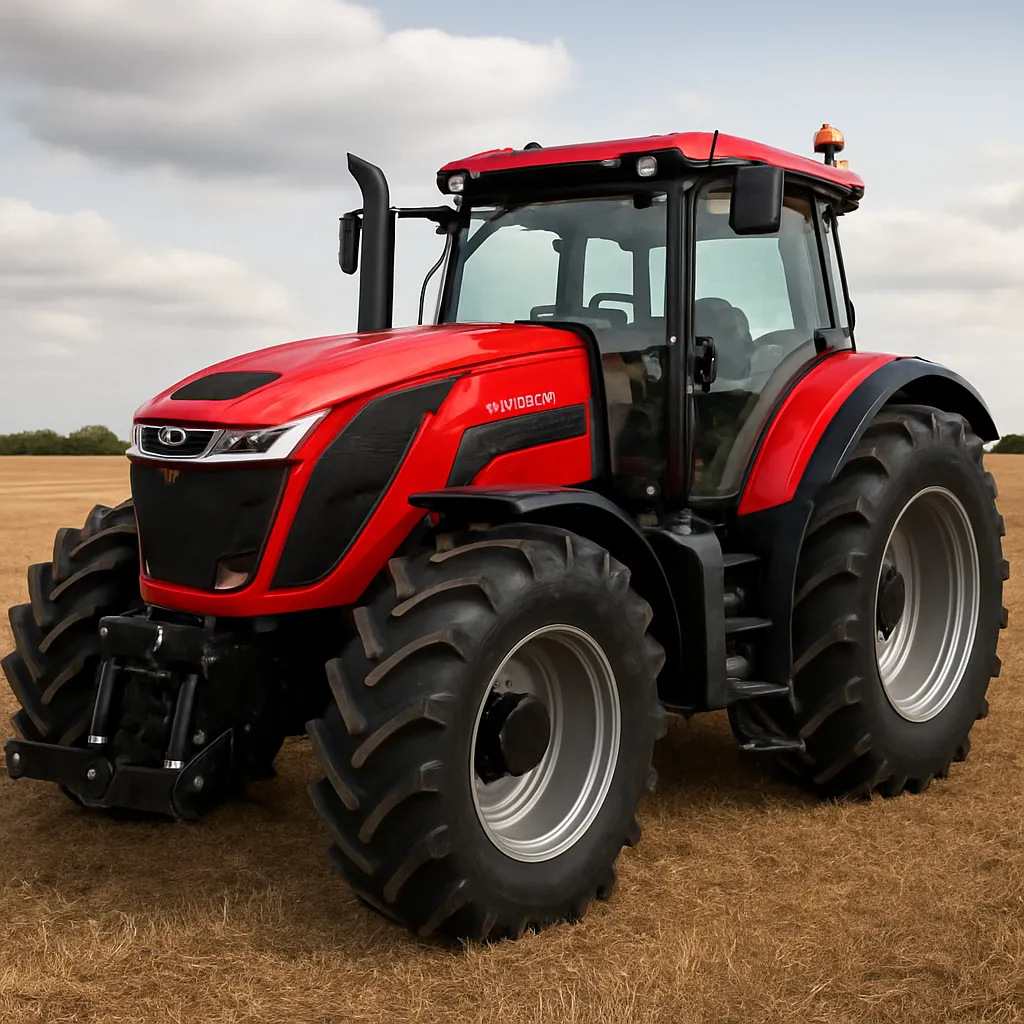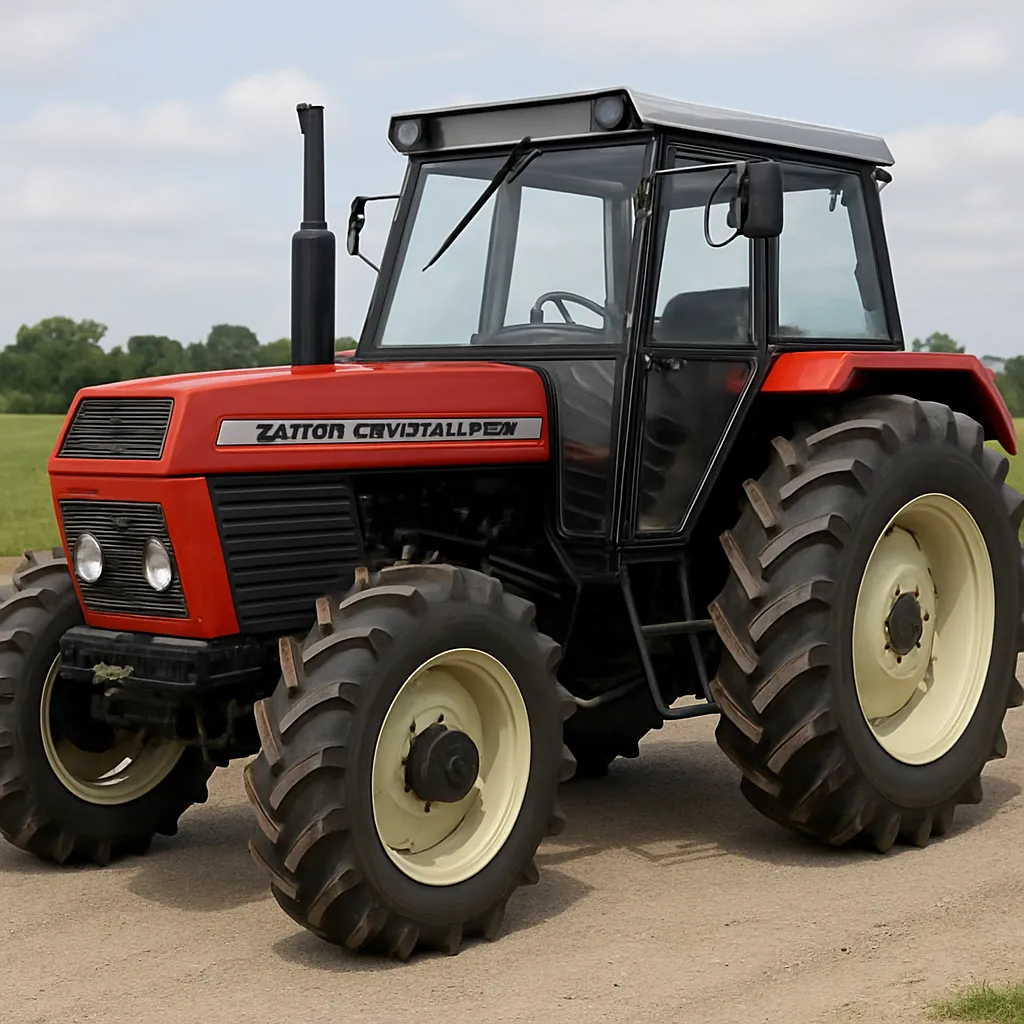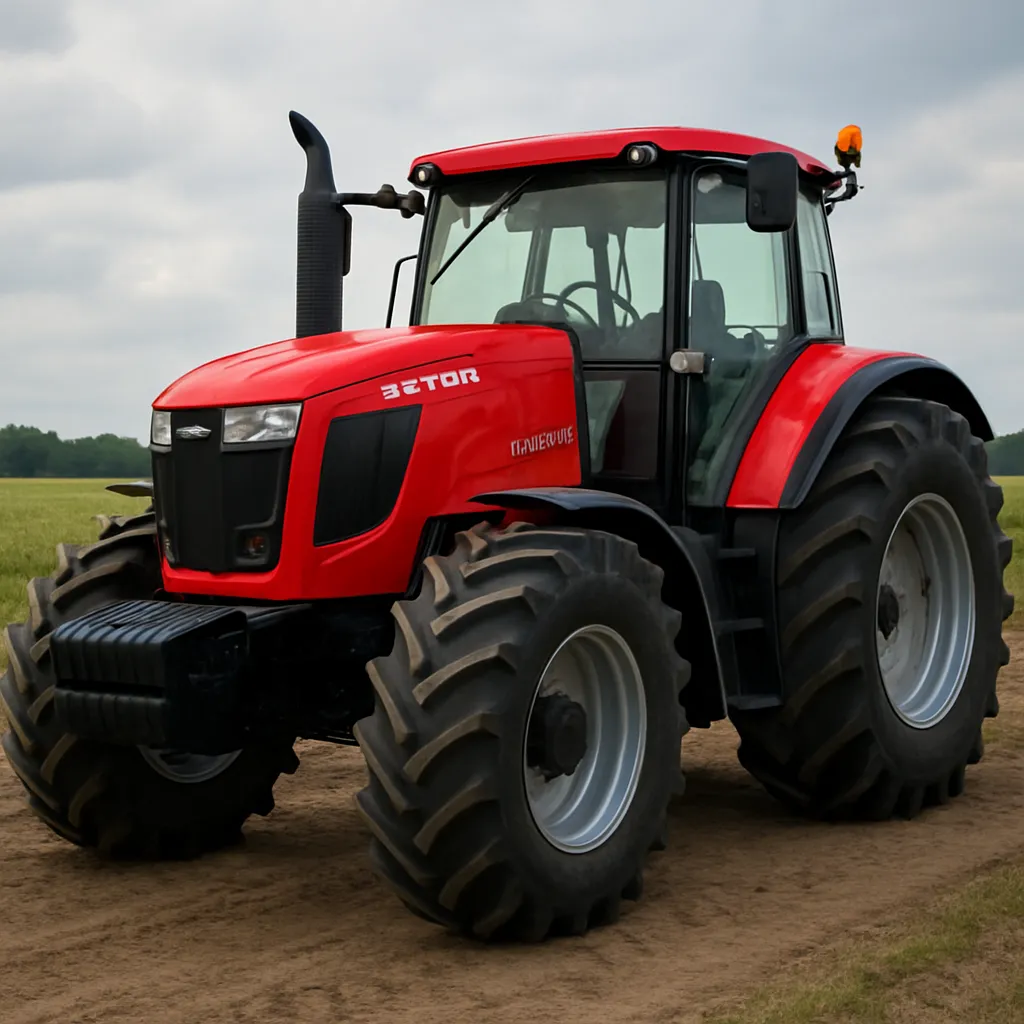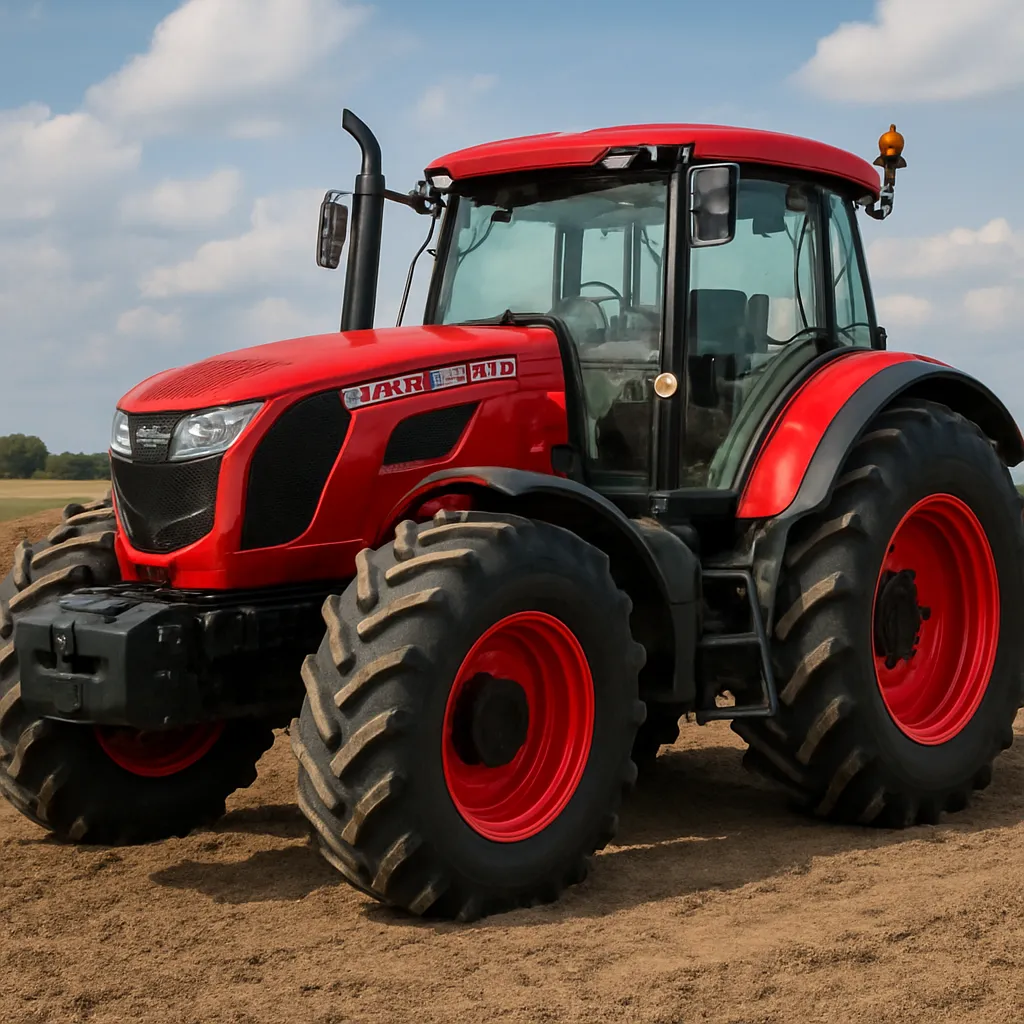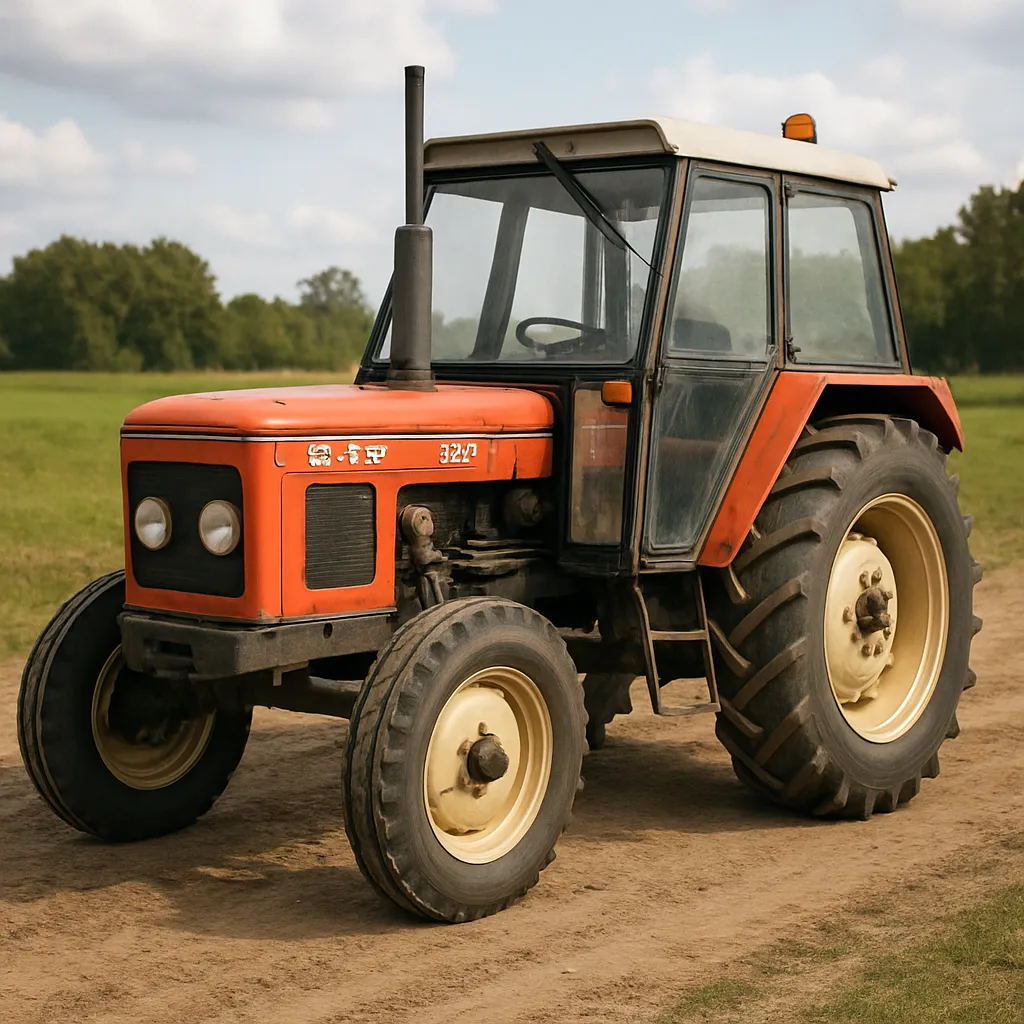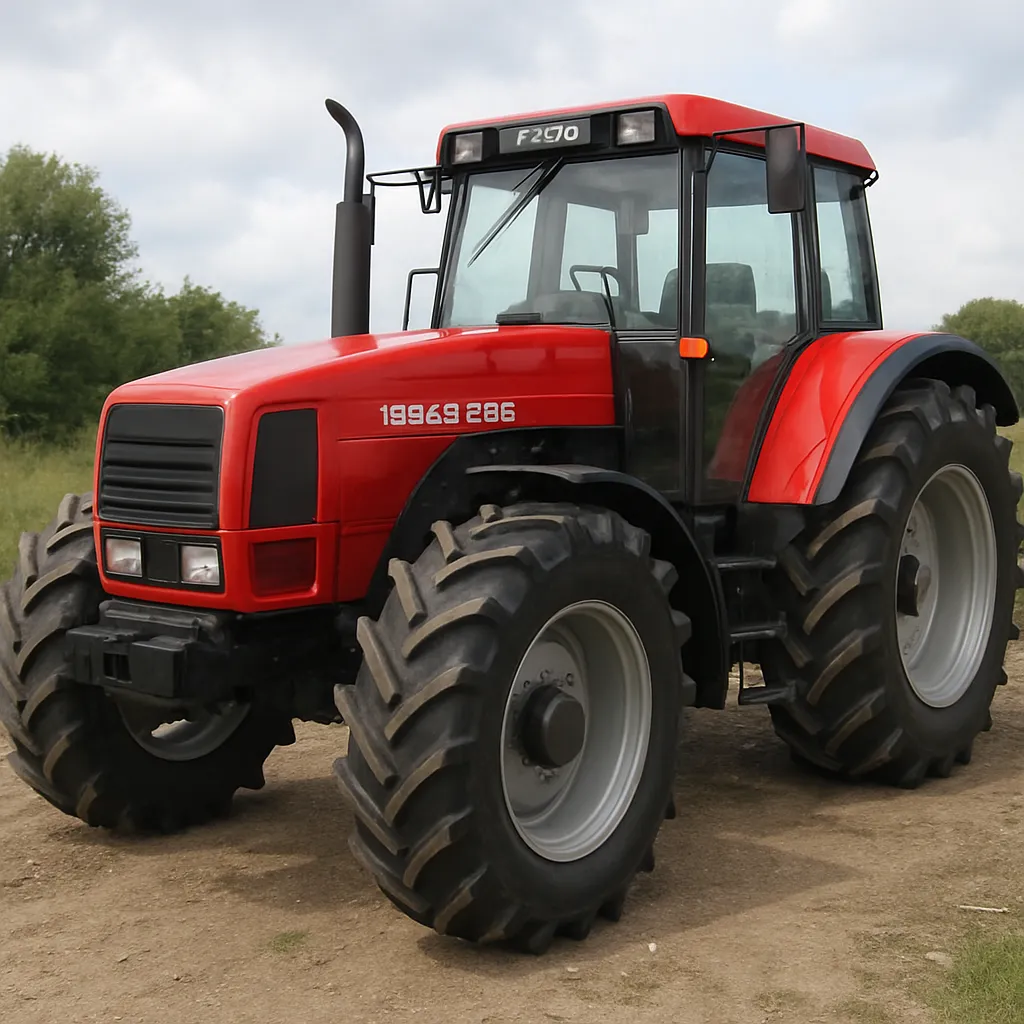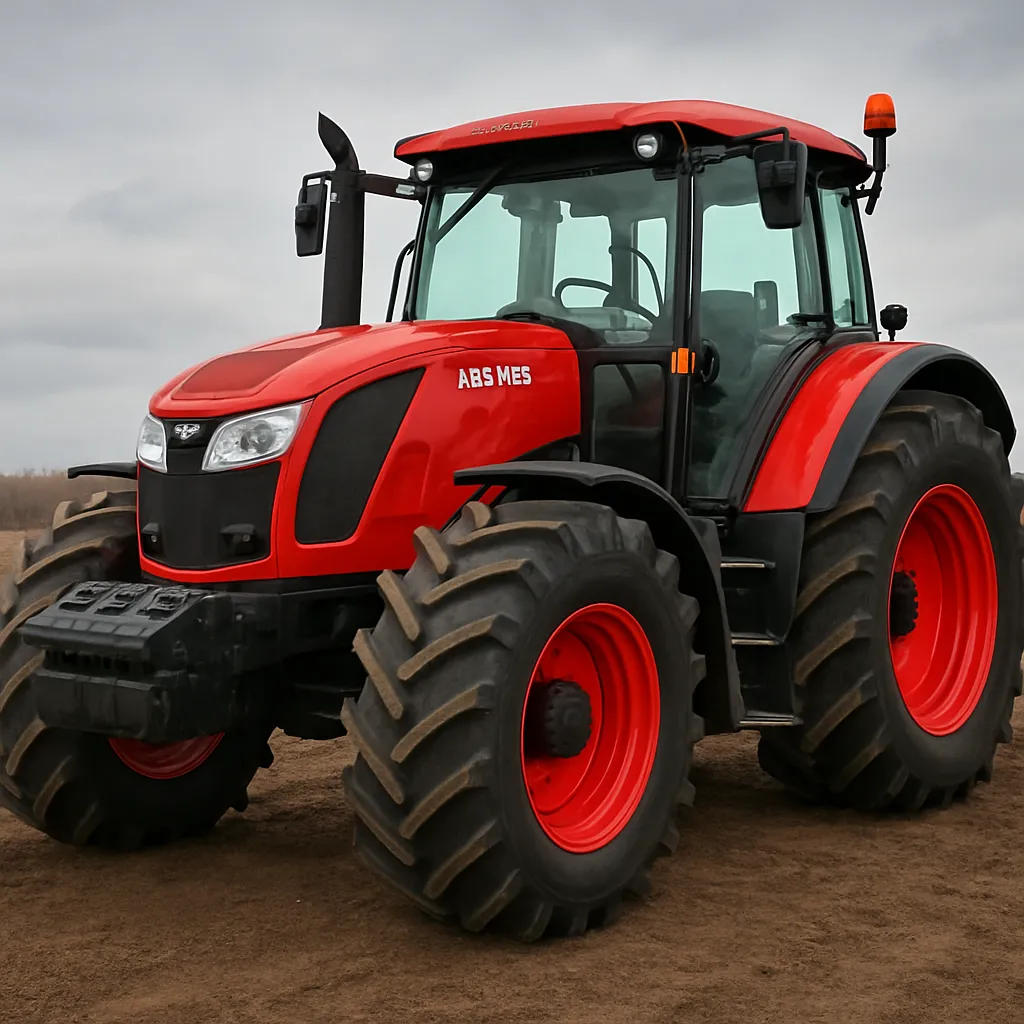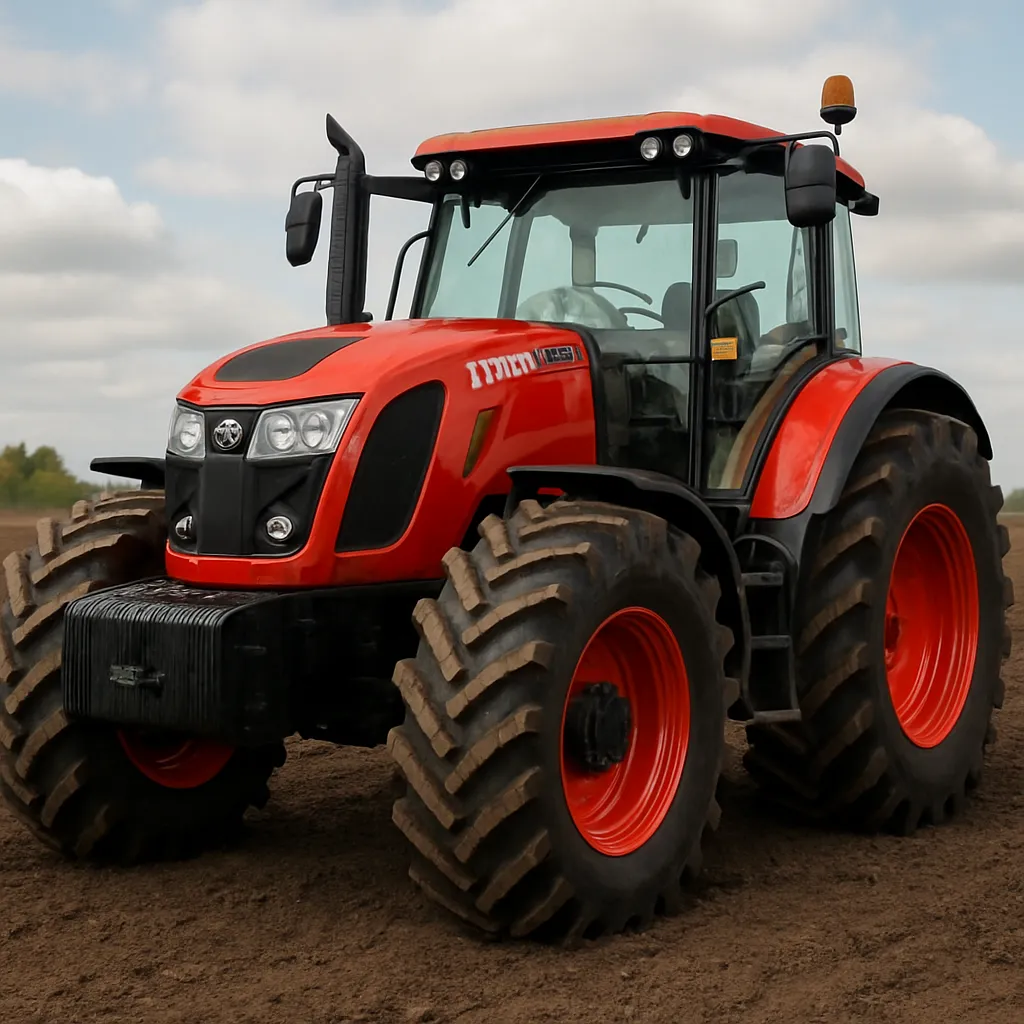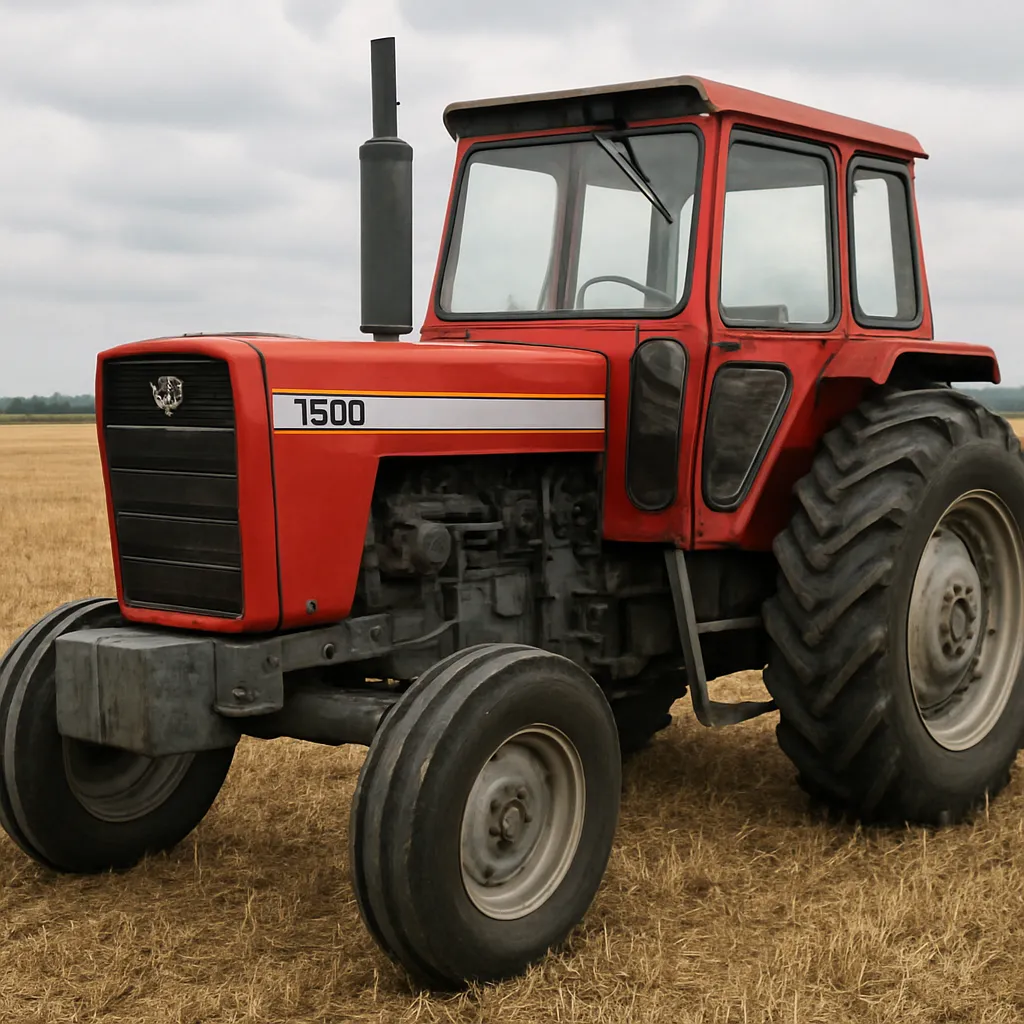
The Massey Ferguson 1500 is a name that evokes practicality, enduring design and broad utility in small-to-medium farm operations and property maintenance. Whether used for light fieldwork, orchard chores, landscaping or municipal tasks, this model—depending on its configuration and production year—has become a recognizable option for buyers seeking a balance of simplicity and capability. In the text below we will explore the tractor’s background, typical technical characteristics, common applications, recommended maintenance practices, and market considerations. The goal is to provide a clear, usable picture of the Massey Ferguson 1500 for owners, prospective buyers and enthusiasts.
Background and context
The brand Massey Ferguson carries a long history in agricultural machinery, and models bearing the company name have served small farms and contractors worldwide. The Massey Ferguson 1500 designation has appeared in various regional markets as part of the company’s strategy to offer compact and utility tractors that bridge the gap between garden tractors and full-size agricultural machines. While production details and exact specifications vary by year and country of assembly, the MF 1500 family typically targets operators who need an economical, easy-to-service machine with enough power and attachments to handle a wide array of tasks.
Heritage and design philosophy
Massey Ferguson’s design philosophy for compact utility models emphasizes robustness, ease of use and versatility. The 1500 series follows this line by offering a straightforward mechanical layout, accessible service points and compatibility with common implements. Rather than pushing the highest horsepower or the most sophisticated electronics, these tractors prioritize a dependable drivetrain, comfortable operator ergonomics and a durable chassis capable of handling repeated daily work. For many operators the appeal is not cutting-edge technology but proven hardware and a mature dealer network for parts and service.
Typical technical characteristics
Exact specifications for the Massey Ferguson 1500 vary by model year and intended market, but there are recurring technical themes that define the series. Below are representative characteristics that reflect common configurations. When evaluating a specific unit, always consult the serial-number-level documentation and the seller for precise data.
Engine and power
- Engine: Most variants are equipped with a diesel engine, designed for fuel efficiency and torque at low rpm. The construction is generally simple, with mechanical injection on older models and more refined injection systems on later releases.
- Horsepower: Typical rated power for the 1500-class tractors tends to fall in the compact utility range. Many units deliver between approximately 30 and 60 horsepower, depending on configuration and whether the rating refers to engine power or PTO output. Exact numbers depend on year and market.
- PTO: A standard rear PTO (generally 540 rpm) is common, with some models offering optional 1000 rpm PTO or independent PTO arrangements for running implements at optimal speeds.
Transmission, hydraulics and chassis
- Transmission: Manual gearboxes with synchronized shifting are widely used, often offering a range of forward and reverse gears designed to match field, transport and implement work. Some versions include power shuttle or hydrostatic transmissions for easier directional changes and smoother operation in loader or loader-plus-implement work.
- Hydraulics: A reliable hydraulic system with a mid-rated pump and one or two remote couplers is typical. Lift capacity on the three-point hitch is sufficient for moderate implements—such as mowers, tillers and small plows—while some models support stronger lift for heavier rear-mounted equipment.
- Chassis and weight distribution: Compact but stout, the 1500’s frame supports front loaders, backhoes and other front-mounted accessories when fitted. Ballast and tire choices allow tuning for traction or softer ground.
Cab and operator environment
Depending on the market and the year, the Massey Ferguson 1500 can come as an open-station tractor, a roll-over protective structure (ROPS) equipped model, or with an enclosed cab offering climate control. Controls are typically laid out for easy reach with simple instrumentation. Ergonomics prioritize visibility and uncomplicated operation rather than the full-featured comfort packages found on larger tractors.
Common applications and implements
The strengths of the 1500-class tractor lie in its versatility. It is a preferred choice for users who require a single machine to perform many tasks across seasons and sites. Typical applications include:
- Agricultural work: Tillage for small plots, planting with small planters, cultivation between rows, and transport of feed and produce around midsize farms.
- Livestock operations: Mucking out barns, feed hauling, snow clearance and hay handling (with a front loader or bale spear).
- Grounds and landscape maintenance: Mowing large grass areas, grading driveways with box blades or graders, and soil preparation for landscaping projects.
- Municipal and contractor use: Street maintenance, light construction support, and groundskeeping at parks or campuses.
- Specialty tasks: Vineyard or orchard work when equipped with narrow-track options and appropriate implements, low-profile tires or protective attachments.
Common implements
- Implements commonly paired with the MF 1500 include front loaders (buckets, forks), backhoes, rotary mowers, flail mowers, rotary tillers, box blades, rear-mounted plows, seeders and sprayers. The three-point hitch category is broad, making this tractor compatible with many aftermarket and factory attachments.
Operation, maintenance and reliability
One of the enduring appeals of the Massey Ferguson 1500 is its reputation for straightforward serviceability and enduring mechanical design. Proper operation and routine maintenance dramatically extend the useful life of any tractor; below are practical guidelines and the reasons they matter.
Daily and periodic maintenance checklist
- Daily: Check engine oil level, coolant, fuel, and hydraulic fluid sight levels; inspect tires for pressure and damage; verify that lights and safety devices work; visually inspect for fluid leaks.
- Every 50–250 hours: Change engine oil and oil filter at manufacturer-recommended intervals; grease all zerks; check and clean air filter elements; inspect belts and hoses.
- Annually or every 500 hours: Replace hydraulic and transmission filters if required; inspect brake and clutch systems; perform a full coolant system check and replace coolant as recommended.
- Storage seasonally: Stabilize fuel if laying up for winter, ensure battery is maintained or stored properly, and protect exposed metal with a corrosion inhibitor if possible.
Reliability factors
Reliability depends on prior maintenance, operating environment and load profile. Strengths of the series include simple mechanical injection on older engines (easier to troubleshoot), a durable transmission design and strong frames that tolerate loader work. Common wear items include clutch plates, hydraulic seals and linkage components—parts that are replaceable and often inexpensive on the 1500 class. Routine servicing and using high-quality filters and fluids will minimize downtime and preserve resale value. Emphasizing preventive maintenance rather than reactive repairs is the best strategy for maximizing uptime and long-term value.
Market considerations, resale and ownership costs
When evaluating a Massey Ferguson 1500, buyers balance purchase price, expected maintenance costs and the availability of parts and service in their region. Because the model family is designed for simplicity, operating costs are typically lower than for larger, highly-electrified tractors. Fuel efficiency and modest service needs often translate to favorable total cost of ownership for small operators.
Used market statistics and pricing guidance
Market values vary widely by region, hours of use, condition, attachments included and service history. In general terms, well-maintained units of comparable compact utility tractors retain a strong portion of their value because of broad demand and the usefulness of compact tractors for many applications. Buyers should expect a broad price spread: lower-priced units may show high hours or need work, while premium examples with low hours and loaders can command considerably higher sums. For accurate benchmarking, check local classifieds, auction results and dealer listings for comparable models and years.
Depreciation and longevity
Depreciation on a tractor like the MF 1500 tends to be gradual relative to passenger vehicles; heavy use will accelerate wear but a tractor that receives consistent servicing can remain productive for decades. Key factors affecting longevity include hours of use (comparable to mileage on a car), load patterns (constant heavy towing or loader work increases wear), and climatic exposure (wet or salty conditions can increase corrosion risk). With careful maintenance, it is common to see these tractors still in daily service after 10–20 years in small-farm or contractor settings.
Safety, operator training and best practices
Safe operation should be a priority. The Massey Ferguson 1500 is designed to be approachable, but heavy implements, uneven terrain and attachment use create risks that must be managed. Employers and owners should ensure operators are trained in safe hitching, proper loader operation, PTO shielding and rollover avoidance. When possible, use ROPS and seat belts, avoid slopes that exceed safe operating angles and never exceed rated capacities for hitches or loaders.
Practical safety checklist
- Always use the PTO shield and never step over a rotating shaft.
- Engage the parking brake and lower implements when leaving the operator station.
- Match tire pressure and ballast to the work being performed to maintain stability.
- Read and follow the manufacturer’s operator manual; inspect safety decals and replace missing or illegible labels.
Choosing the right 1500 for your needs
Selecting a specific MF 1500 requires matching the machine’s specifications to the tasks you expect it to perform. Consider the following decision points:
- Power needs: Choose a powerband that comfortably handles implements you plan to use without running the engine at peak load constantly.
- Transmission preference: If frequent shuttle shifting is required (loader work, municipal tasks), consider options with an easy-to-use shuttle or hydrostatic transmission.
- Attachments: Verify that the three-point hitch category, hydraulic flow and lift capacity match the implements you plan to use.
- Comfort and visibility: If long hours are expected in all seasons, prioritize models with cabs or good ROPS and ergonomic controls.
- Service network: Confirm parts availability and dealer support in your area for quicker turnaround on repairs and routine servicing.
Comparison with similar machines
In the compact utility tractor market, the MF 1500 contends with sibling models from other manufacturers that offer similar power and features. What often distinguishes a buyer’s choice is the dealer network, pricing for key attachments and personal experience with brand reliability. The MF 1500 typically competes well on simplicity and ease of maintenance; competitors sometimes offer more advanced electronics or slightly higher power ratings at the cost of added complexity.
Final notes and practical recommendations
The Massey Ferguson 1500 is a useful, adaptable machine for small farms, estates, contractors and municipal crews who need a dependable workhorse rather than the latest technological bells and whistles. Its strengths lie in reliability, ease of service and compatibility with a wide range of implements. When evaluating one for purchase, focus on service records, hour meter readings, attachment condition and structural integrity—especially the loader mounts and three-point hitch. A thorough test drive under load will reveal clutch, transmission and hydraulic performance issues that are not always obvious from a visual inspection alone.
With appropriate care and sensible use, an MF 1500 can be a long-lived asset that handles mowing, tilling, hauling and lifting chores with competence. Properly matched to its owner’s needs, it remains a practical choice for those who value straightforward mechanics, versatile capability and cost-effective operation.