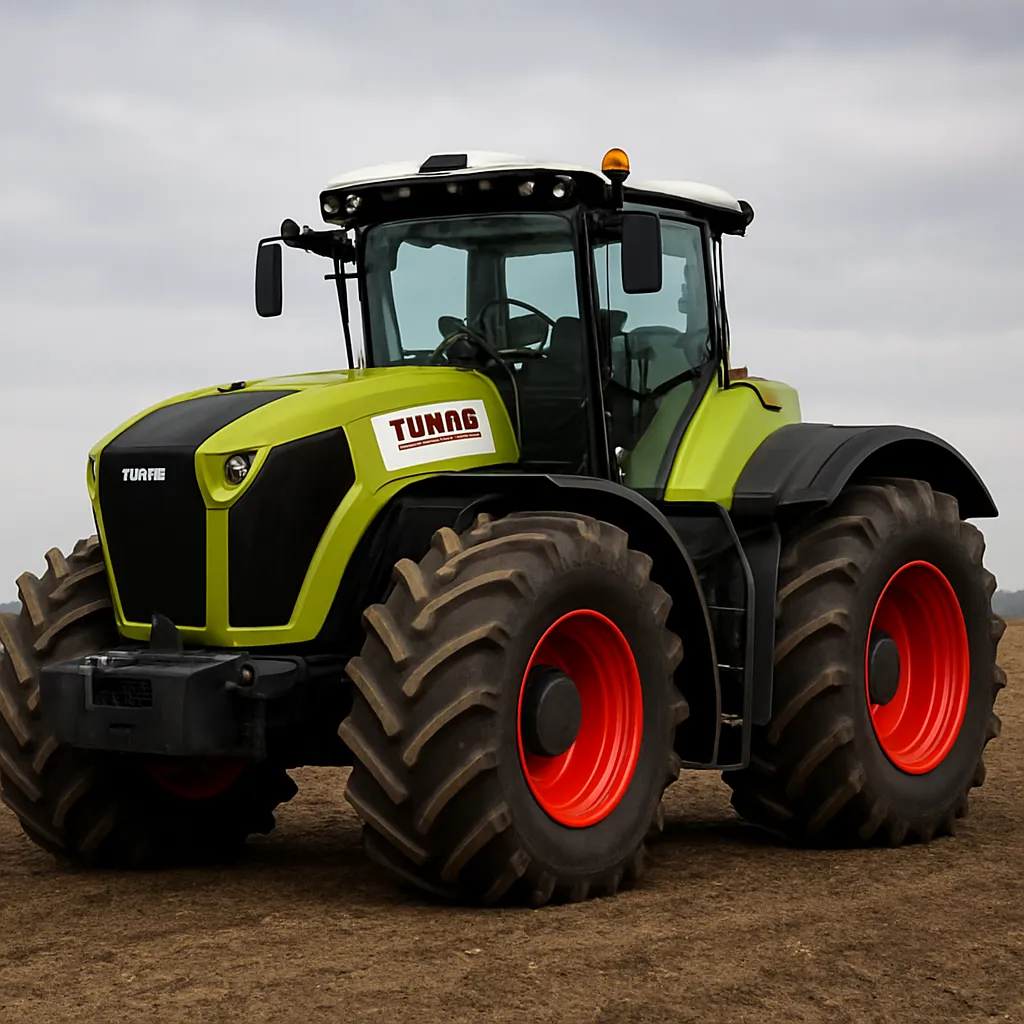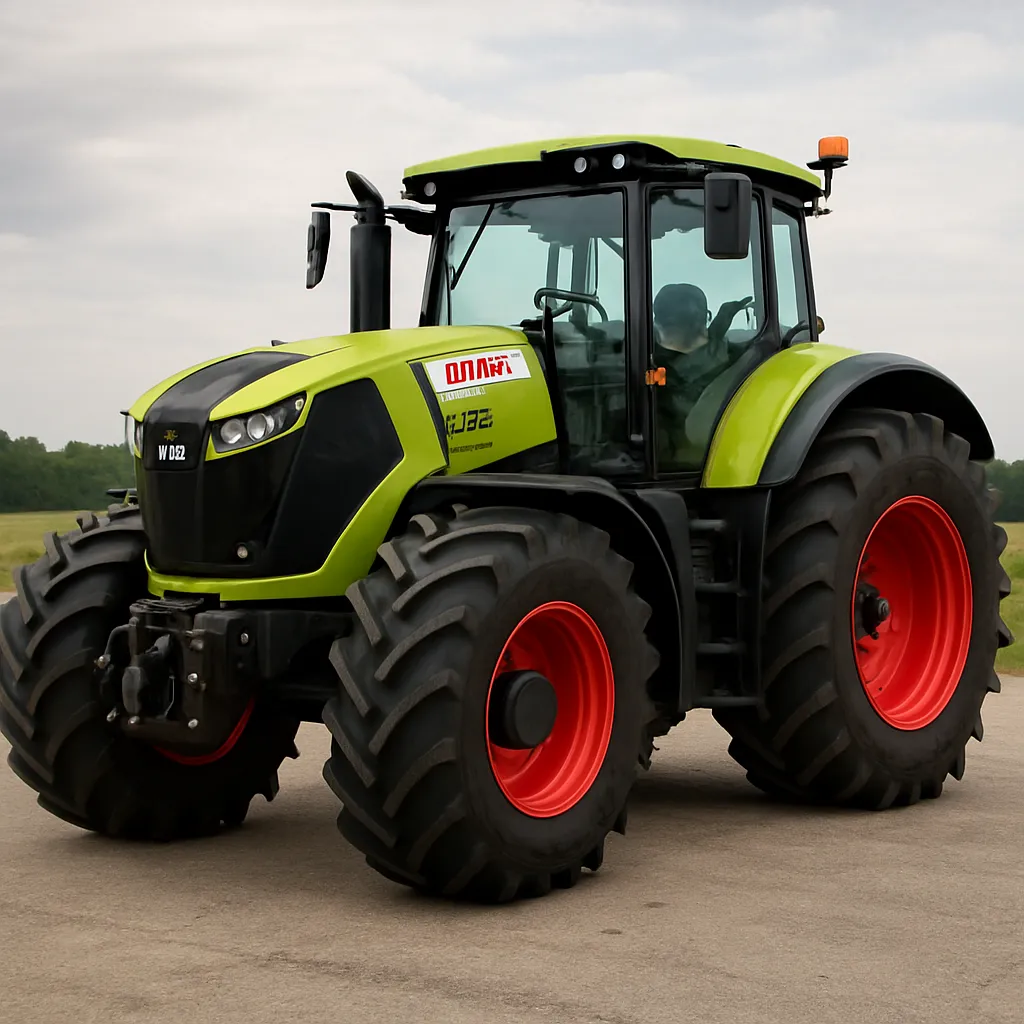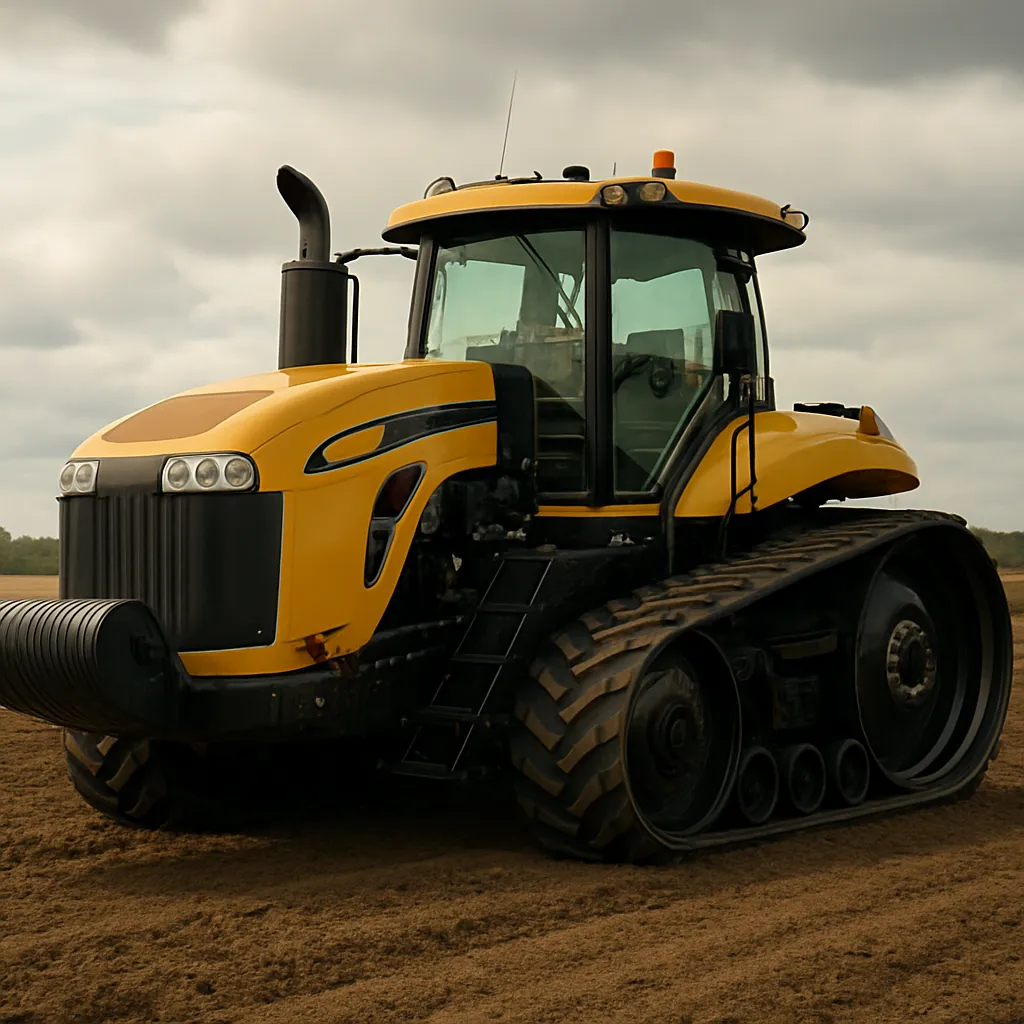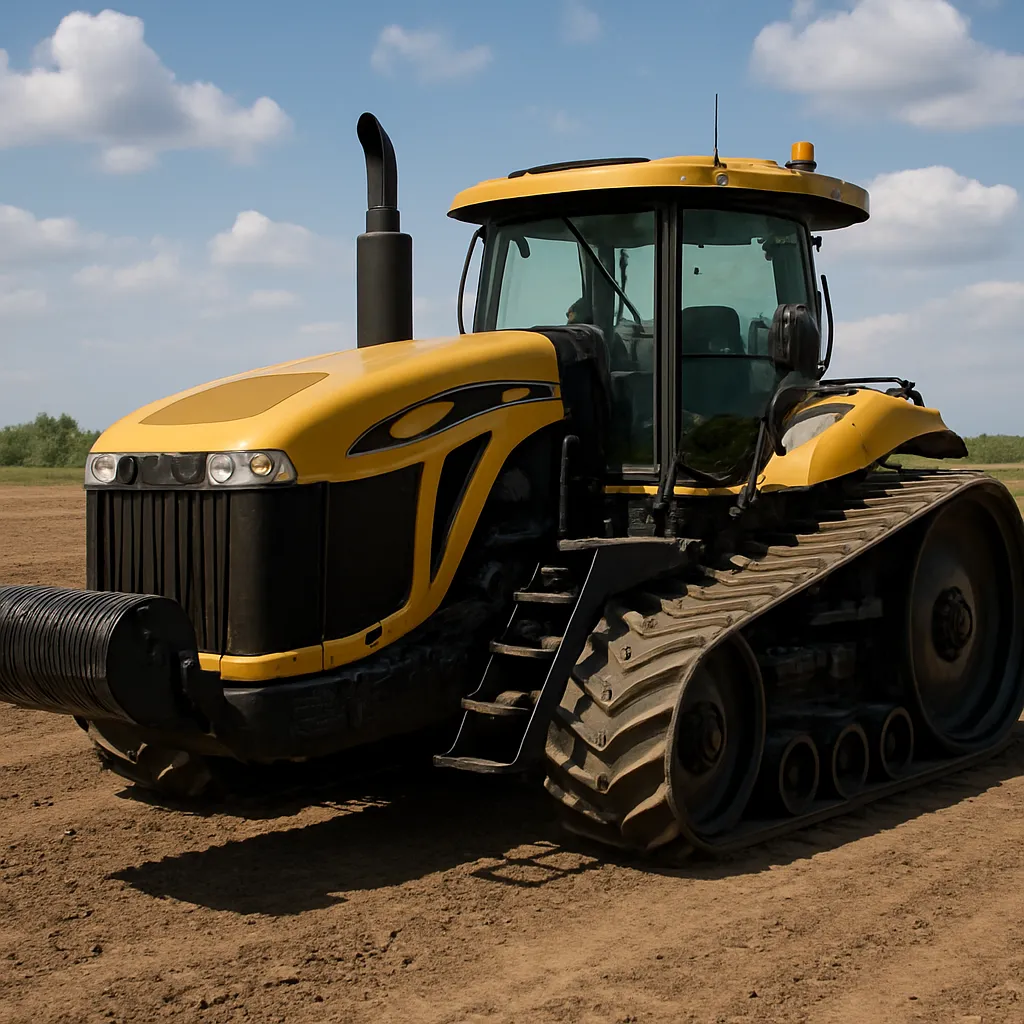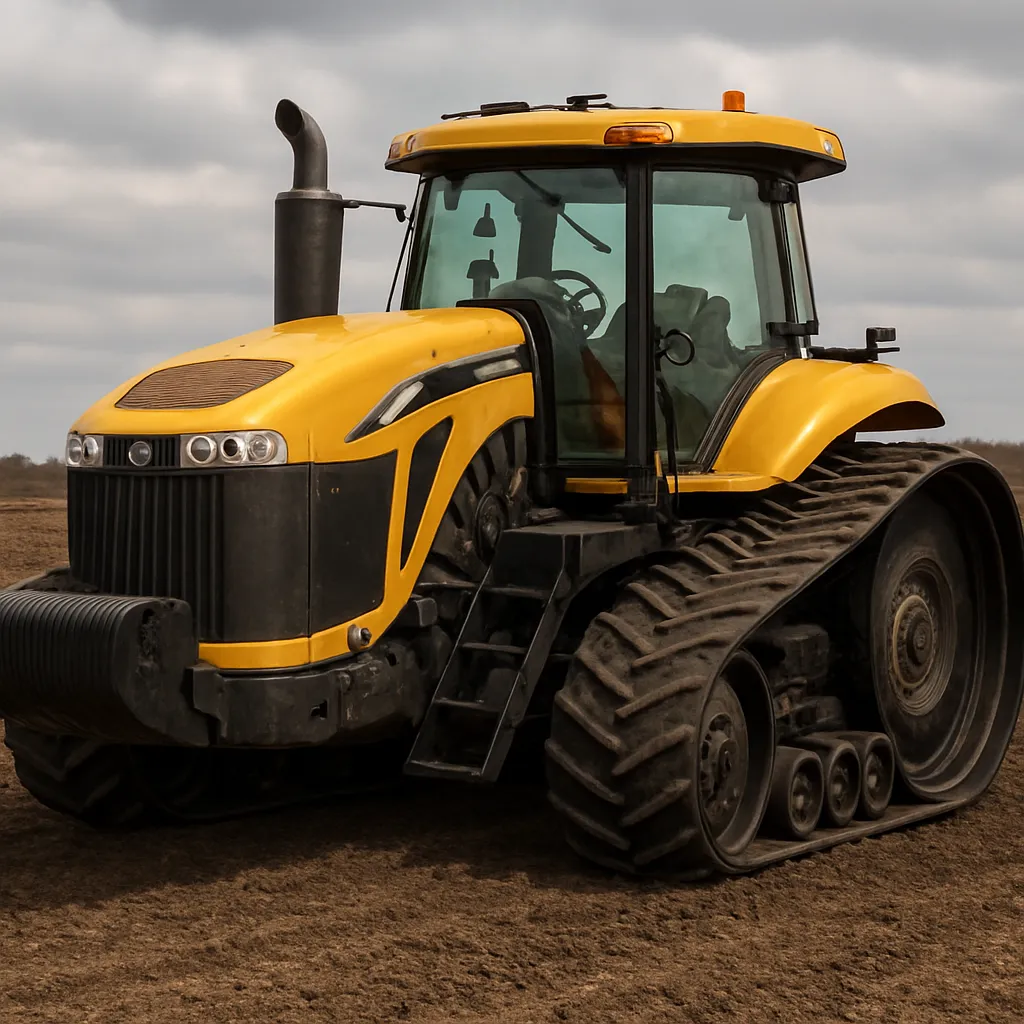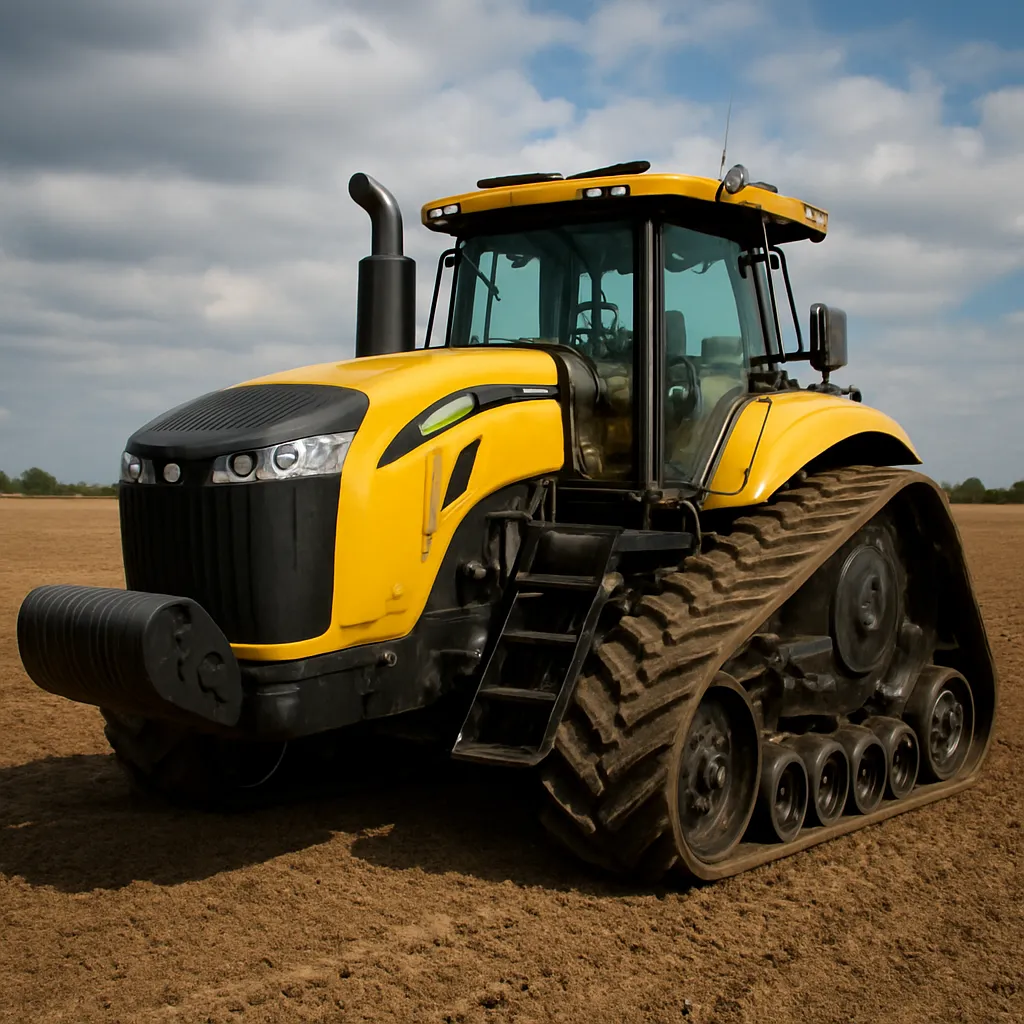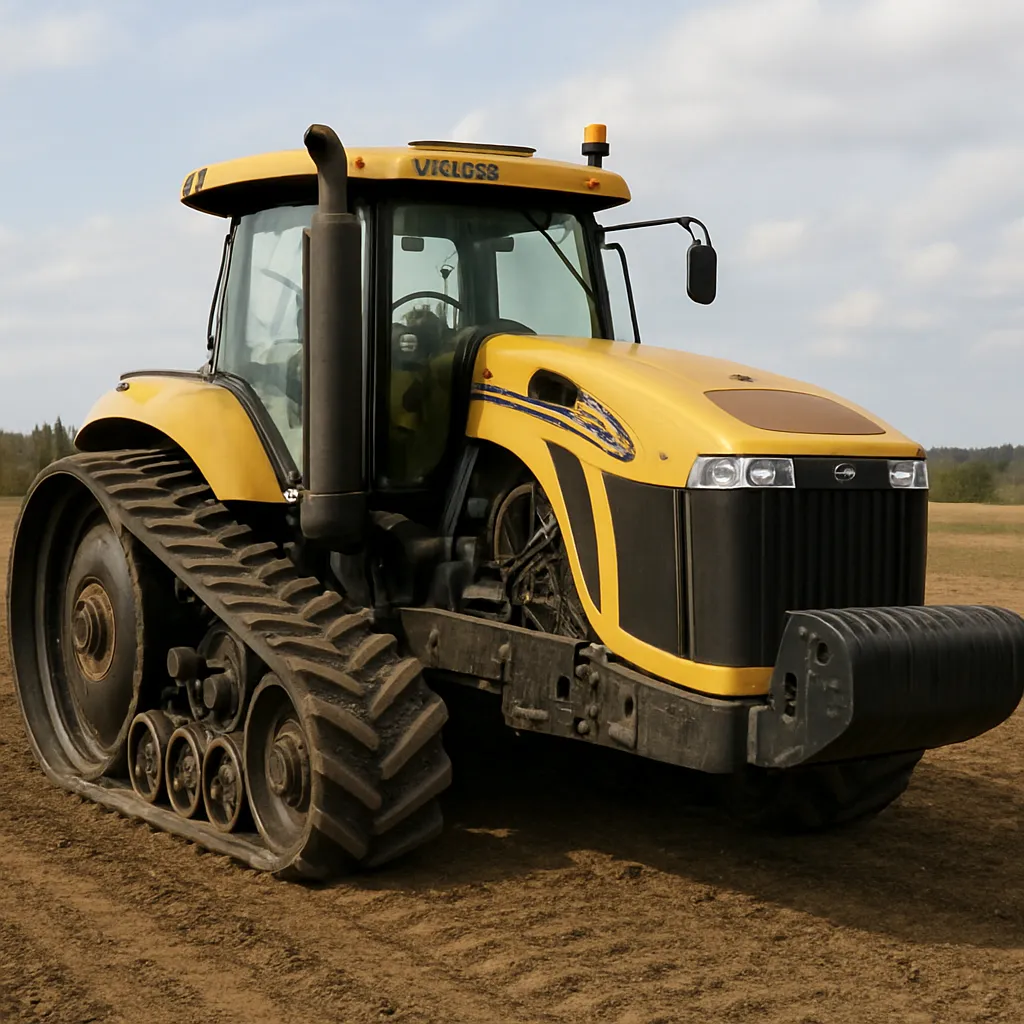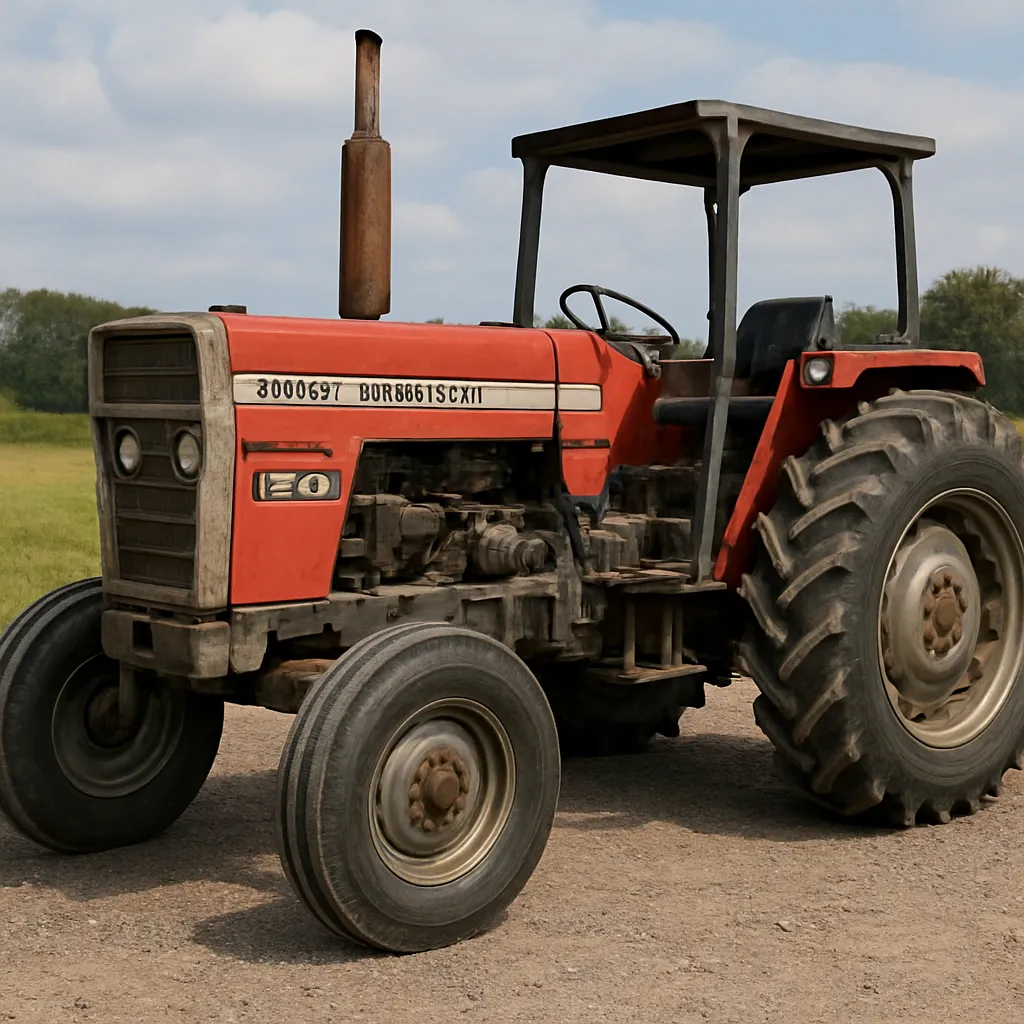
The Massey Ferguson 1200 is a compact to mid-size agricultural tractor that has earned recognition for its practicality, simple mechanics and versatility on small to medium farms. Although specific configurations and exact specifications differ by production year and regional variants, the MF 1200 is widely regarded as a workhorse suited for a broad range of tasks from fieldwork to light industrial and municipal duties. This article explores the design, technical data, typical applications, maintenance considerations, market context and reasons why the model remains of interest to farmers, smallholders and restoration enthusiasts.
Design, engineering and general specifications
The MF 1200 was designed with emphasis on durability, ease of service and adaptability to implements. In many markets it has been sold as a straightforward, no-frills machine built to perform reliably in everyday agricultural tasks. The tractor commonly features a diesel engine, mechanical fuel injection, a conventional PTO and a selection of transmissions aimed at balancing field speed and road travel.
Typical mechanical specifications (approximate)
- Engine type: 3- or 4-cylinder diesel (naturally aspirated in most versions).
- Horsepower: nominal engine power typically in the range of 40–50 hp; rated PTO power often around 35–40 hp depending on condition and configuration.
- Displacement: commonly between 2.5 and 3.5 litres (varies by engine variant).
- Transmission: manual/synchromesh options; common layouts include 8×8, 9×3 or 12×12 gearboxes depending on submodel and era.
- PTO: 540 rpm standard, with some units offering 540/1000 rpm or optional live-PTO arrangements.
- Hydraulics: single or dual remote valves; lifting capacity at the three-point hitch typically in the 1200–2000 kgf range depending on specification.
- Weight: operating weight often around 1,800–2,600 kg depending on cab, ballast and attachments.
- Fuel capacity: around 40–70 litres in many configurations.
Note: these values are general ranges collected from common configurations of the MF 1200 family. Exact data depend on year of manufacture, factory options and whether the tractor has been modified.
Applications and areas of use
The strength of the Massey Ferguson 1200 is its versatility. It was built to serve multiple roles on the farm and beyond, which makes it a popular choice for a variety of operators.
Primary agricultural uses
- Soil preparation — light ploughing, harrowing and seedbed preparation with small-mounted or trailed implements.
- Seeding and planting — pulling seed drills, planters and mechanical seeders appropriate to the tractor’s power class.
- Hay and forage — mowing, raking, tedding and small baling operations when paired with compact balers and loaders.
- Transport — field-to-yard transport of trailers, grains, feed and other materials; compact size enables accessing smaller gateways and farm tracks.
Other common roles
- Loader work — front loaders used for material handling, silage scooping and moving bales. The MF 1200’s horsepower and hydraulics allow many general-purpose loaders to be fitted.
- Orchards and vineyards — narrow-track or modified versions can operate in orchards, smaller fruit farms and vineyards where manoeuvrability matters.
- Municipal and grounds maintenance — mowing, snow clearing with a blade or blower, and light road maintenance in rural municipalities.
- Small-scale construction/forestry support — winches, stump grinders and small trailers can be used in light forestry tasks or civil works on farms.
Durability, reliability and common issues
Part of the MF 1200’s appeal is its mechanical simplicity. The tractor is designed for straightforward service, which contributes to its overall reliability. However, like any ageing machine, it has characteristic wear points and maintenance needs.
Common faults and wear items
- Hydraulic leaks — seals and hoses can deteriorate over time, leading to reduced lift performance and slow implement response.
- Fuel injection wear — older diesel injectors and pumps may require overhaul; symptoms include rough idling and reduced power.
- Clutch wear — heavy use, especially with loaders and repeated high-load engagements, can lead to slip and the need for clutch replacement.
- Electrical system — corrosion on terminals, failing starters or alternators are common in tractors exposed to moisture and long storage periods.
- Cooling system — radiator clogging, corroded pipes or failing thermostats may cause overheating if not regularly maintained.
Maintenance best practices
- Regular oil and filter changes (engine, hydraulic, gearbox) following recommended hours of service.
- Periodic inspection and replacement of belts, hoses and seals to prevent failures in the field.
- Fuel system cleaning and use of quality diesel to avoid injector and pump problems.
- Check & adjust clutch engagement and linkage to maximize service life.
- Greasing all grease points frequently, especially loader mounts, hitch pins and PTO shaft universal joints.
Keeping a simple service log and addressing minor issues promptly extends operational life and maintains resale value.
Attachments and compatibility
A large part of the MF 1200’s utility comes from its ability to accept a wide array of attachments. The tractor is commonly fitted with front loaders, mowers, backhoes, pallet forks and a wide selection of PTO-driven implements.
Typical attachments
- Front loader with bucket or pallet forks — for material handling and farm chores.
- Rear-mounted mowers and flail mowers — for pasture and roadside maintenance.
- Bale spears and grapples — for handling round and square bales.
- Box blade, cultivator and power harrow — for seedbed preparation and land maintenance.
- Post hole digger and rear-mounted auger — for fencing and construction tasks.
- Snow plough or blower — for winter farm and municipal operations.
Compatibility is generally high because the MF 1200 uses standard three-point hitch categories and common PTO speeds; aftermarket and OEM implements are widely available.
Operational considerations and fuel economy
For operators concerned with running costs and efficiency, the MF 1200 delivers reasonable fuel efficiency for its class. Fuel consumption depends heavily on load, duty cycle and condition, but typical fuel usage for steady field work on a 40–50 hp tractor is commonly in the range of 6–12 litres per hour under working conditions. Light transport and idling reduce that figure considerably.
- Economy tips: match implement size to tractor power, avoid heavy wheel slip, keep tyres at correct pressure and maintain the engine and injection system for best efficiency.
- Use of a loader increases fuel consumption if used continuously; intermittent loader tasks have limited impact on overall consumption if the engine load is managed.
Market, pricing and collectibility
The MF 1200 remains attractive to buyers seeking a durable, economical tractor for small to medium operations. Pricing is driven by condition, hours, whether it has a cab, and the regional market for used tractors.
Price ranges (illustrative)
- Project / non-running tractors: lower end of market — often available at a fraction of the cost of working examples.
- Good working examples: moderate pricing reflective of reliability and available parts — in many regions these tractors command a reasonable resale value relative to their simplicity and serviceability.
- Fully restored or low-hour collectors: higher prices can occur when units are in excellent cosmetic and mechanical condition, especially in markets where classic tractors are collected.
Typical price bands vary strongly by country and year; an MF 1200 in working condition might be attractively priced compared with newer compact tractors, making it an economical choice for budget-conscious buyers.
Buying tips and inspection checklist
When considering purchase of a used MF 1200, a careful inspection will reduce the risk of unexpected repair bills. The following checklist focuses on items that commonly determine reliability and future costs.
- Check engine compression and evidence of smoke — heavy smoke can indicate injector or valve issues.
- Inspect hydraulic system for leaks and lifting capacity under load — weakened hydraulics are costly to repair.
- Assess gearbox and transmission engagement — check for grinding, missed gears or slip.
- Review service history, if available — a well-documented service record is a positive sign.
- Verify PTO function and engagement — ensure the PTO engages smoothly and runs true without excessive vibration.
- Look at the chassis for signs of heavy structural damage or weld repairs that might indicate accident history.
- Test the electrical system, lights and charging — broken electrical components can be a nuisance and safety concern.
Restoration, aftermarket support and parts availability
Because Massey Ferguson has been a major global manufacturer for decades, parts availability for earlier series tends to be reasonable. Original equipment manufacturer (OEM) parts, aftermarket replacements and refurbished components are commonly sold through specialist dealers, online marketplaces and tractor salvage yards. For restoration projects, the MF 1200 is a practical candidate—spend on paint, seat refurbishment, wiring and cosmetic pieces can yield a tractor that’s both functional and pleasing to collectors.
- Aftermarket support: many third-party suppliers produce filters, seals, gaskets and wear parts compatible with MF models.
- Restoration communities and online forums provide knowledge sharing, manuals and tips specific to older models.
- Modules often restored include the injector pump, injectors, radiator, starter motor and hydraulic pump.
Safety, ergonomics and operator comfort
While not a luxury tractor, the MF 1200 includes basic safety features and ergonomic considerations that were contemporary for its production period. Cabbed versions provide weather protection, reduced noise and improved operator comfort. ROPS-equipped roll-over protection and seat belts are important safety features that should be present and functional on any working unit.
- Check ROPS integrity and seatbelts — essential for operator safety.
- Inspect brakes and steering response — critical for safe road transit and precise field work.
- Consider adding modern lighting or a beacon if used on public roads or for municipal work.
Why the MF 1200 remains relevant
Several attributes explain the continued relevance of the Massey Ferguson 1200:
- Reliability — Robust construction and simple mechanical systems make it repairable by local mechanics.
- Affordability — older units can be an economical solution for smallholders and hobby farmers.
- Versatility — ability to fit numerous attachments increases utility across seasons.
- Parts availability — large dealer networks and a healthy aftermarket help maintain serviceability.
- Restoration potential — the model has appeal to collectors and enthusiasts who appreciate classic tractor design.
Summary and practical recommendations
The Massey Ferguson 1200 represents a useful balance of simplicity, capability and cost-effectiveness for a wide range of agricultural and light industrial roles. For those seeking a dependable tractor without the complexity and higher costs of modern machines, the MF 1200 is a strong contender. Practical recommendations for potential owners include performing a careful pre-purchase inspection, budgeting for routine maintenance items (hydraulics, injectors, and clutch), and investing in quality attachments that match the tractor’s power class.
For operators and caretakers, a proactive maintenance program—regular oil and filter changes, greasing, checking hydraulic seals and keeping the cooling and fuel systems clean—will maximize years of trouble-free use. Collectors considering restoration should find the MF 1200 approachable because of the availability of parts and community knowledge. Whether used on a small family farm, for grounds maintenance in a rural municipality, or as a restoration project, the MF 1200 continues to be valued for its practical attributes and solid mechanical foundation.