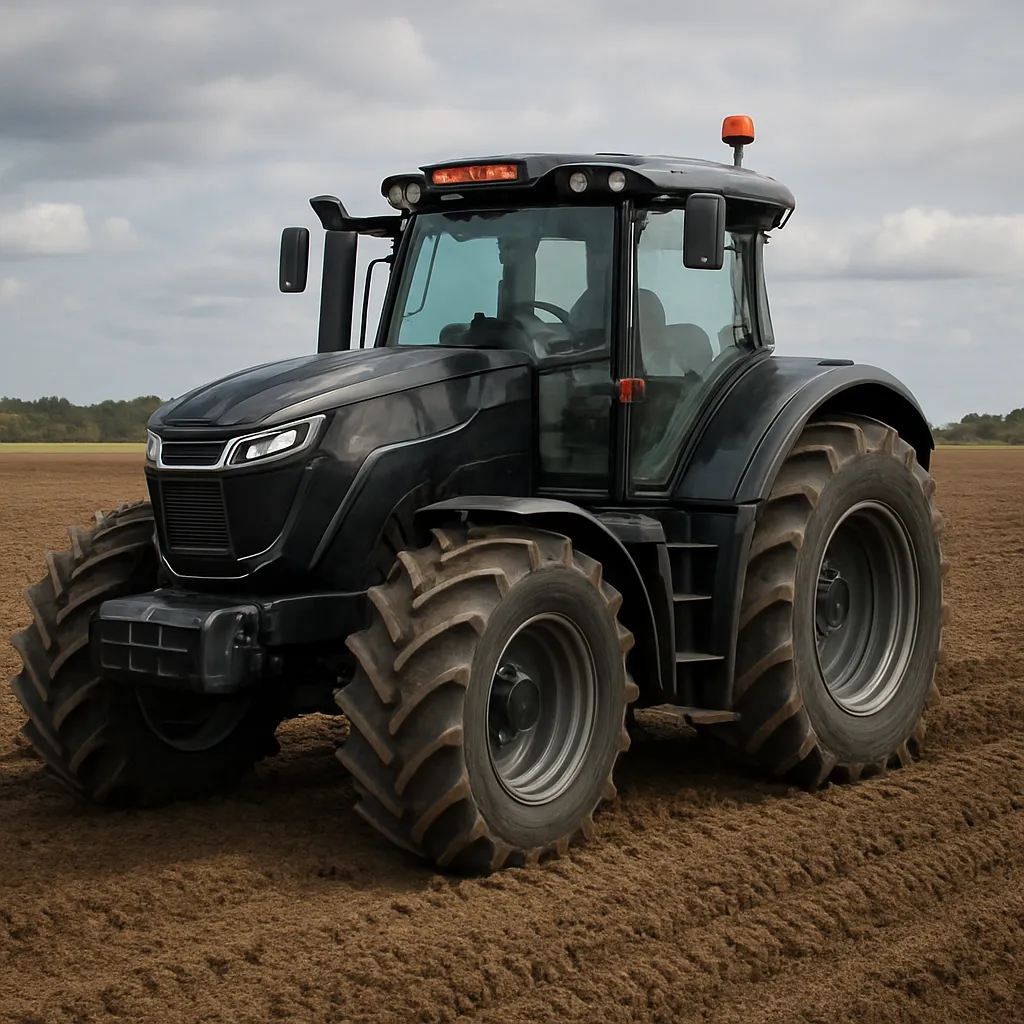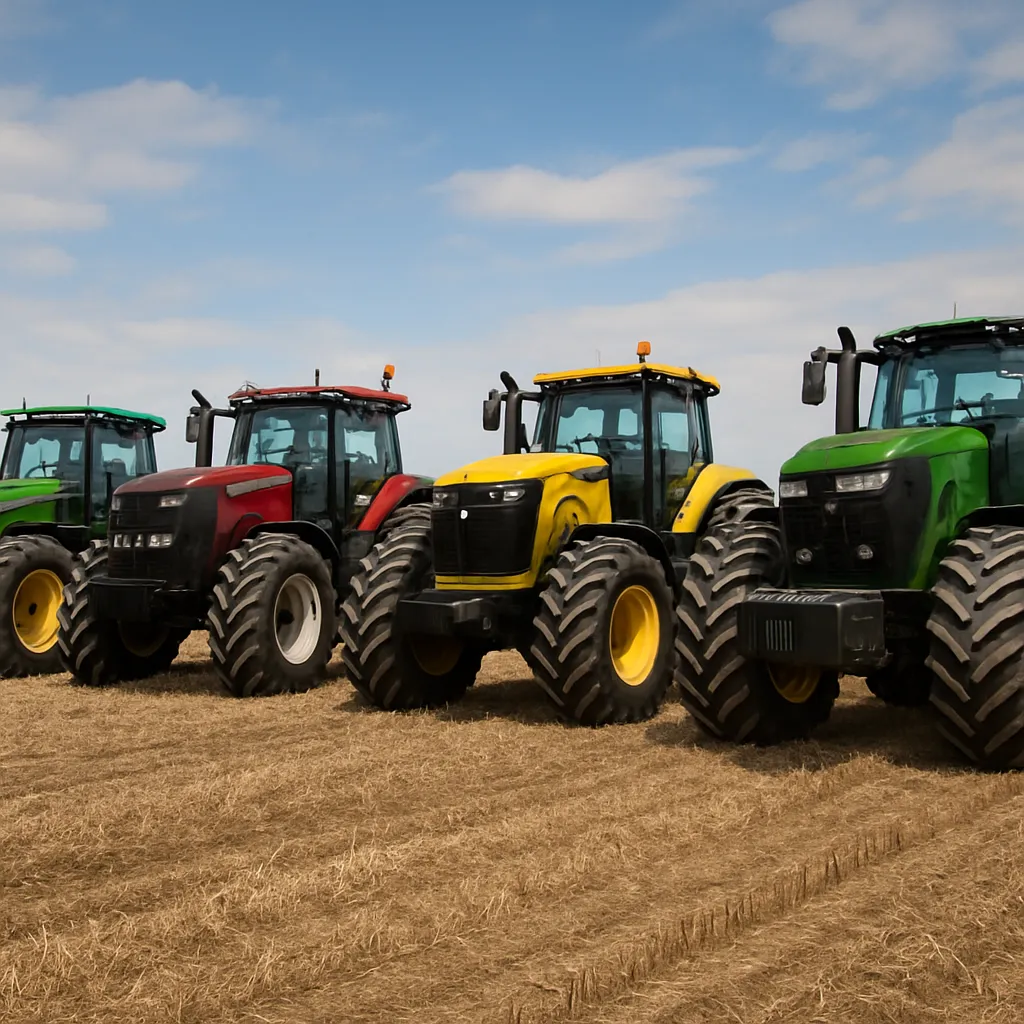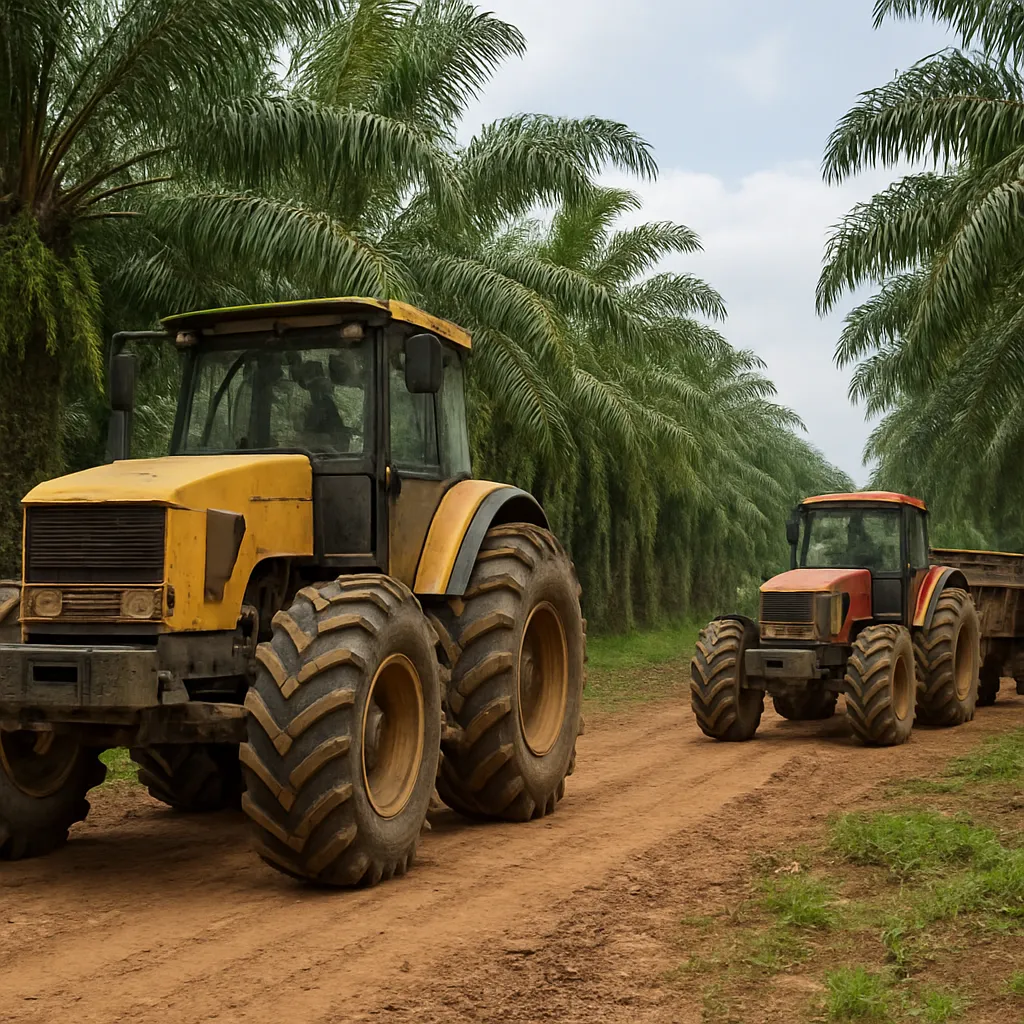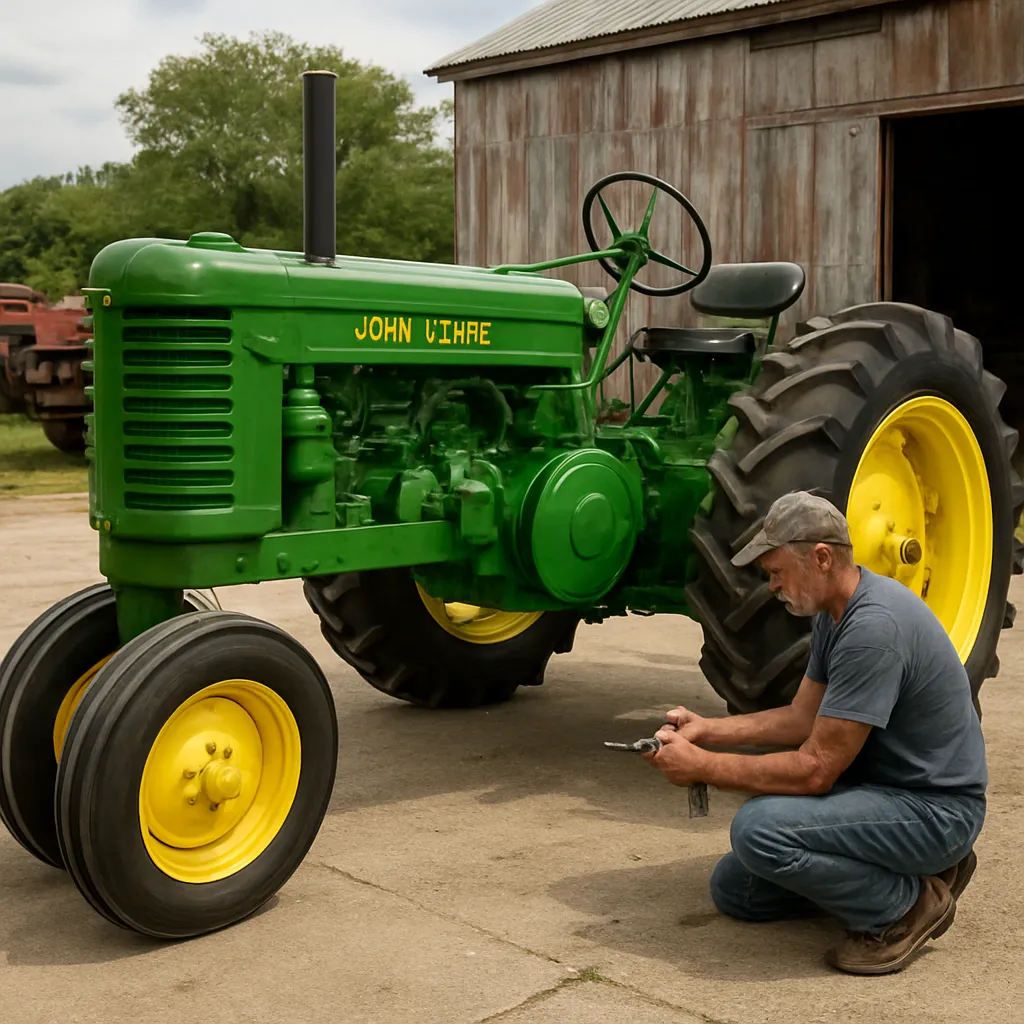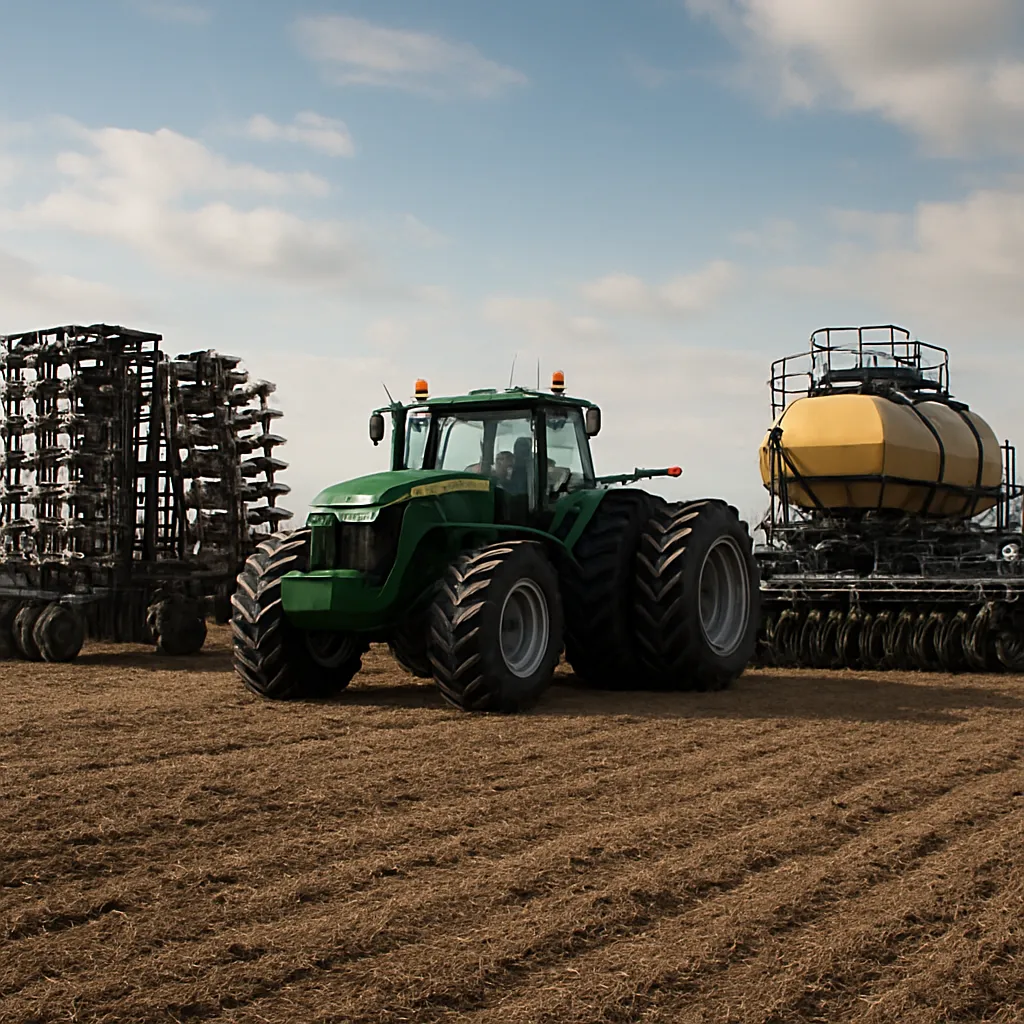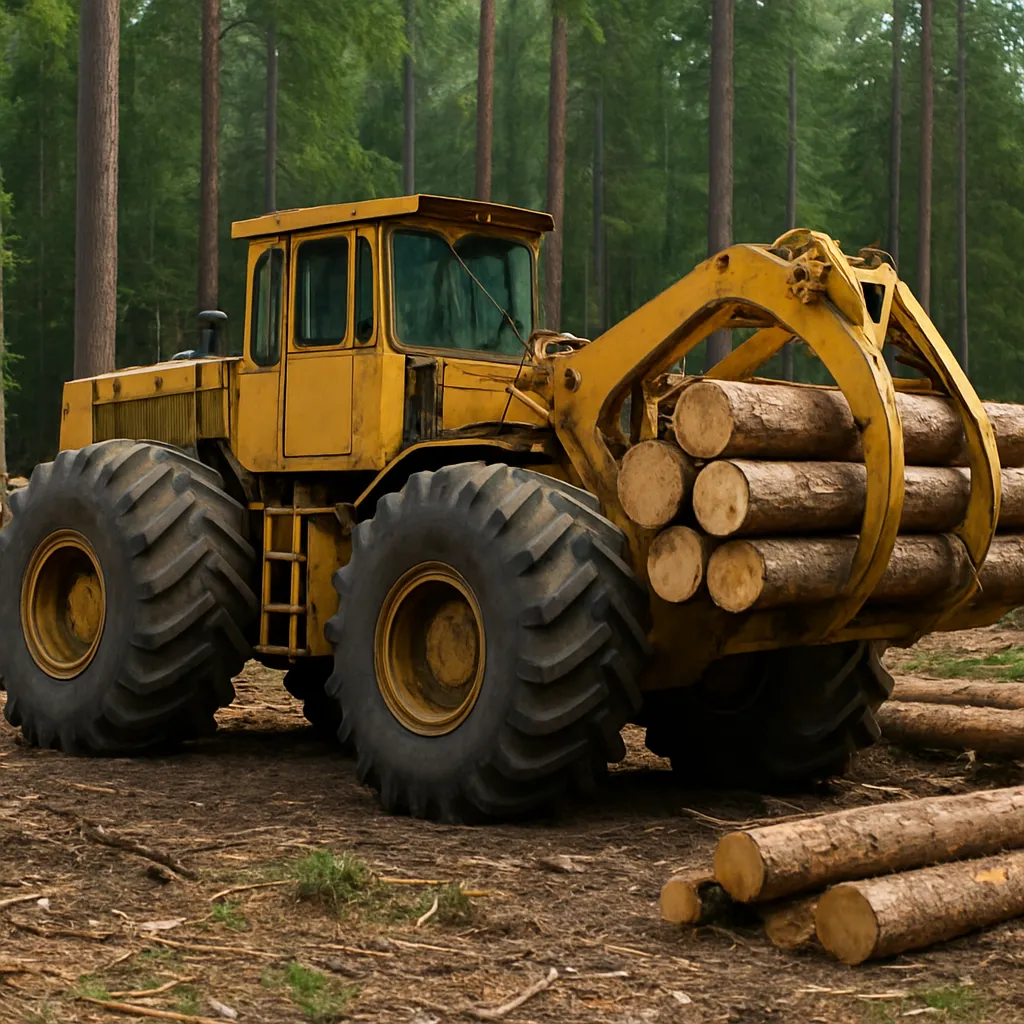
The realm of heavy-duty agriculture and timber harvesting has witnessed the rise of some truly colossal machines. As logging operations demand ever-increasing levels of power, stability, and durability, manufacturers have continually pushed boundaries to create tractors capable of tackling the most challenging environments. This exploration delves into the world of the largest tractors ever deployed in logging applications, examining their design, technological advances, and the impact they have on modern forestry.
Monstrous Power Units in Logging Fields
Logging sites present unique obstacles: steep grades, uneven terrain, and saturated soils. To conquer these conditions, massive tractors deliver staggering amounts of horsepower—sometimes exceeding 600 HP. This raw power translates into enhanced pulling capacity, enabling these machines to haul hundreds of tons of felled timber across remote sites. Beyond sheer power, these tractors are engineered for optimal traction, often featuring multi-axle configurations and specialized track systems that distribute weight evenly and prevent ground compaction.
Engine Configurations and Cooling Systems
At the heart of every behemoth logging tractor is a robust engine package. Manufacturers utilize advanced turbocharging, intercoolers, and high-capacity radiators to manage heat under prolonged heavy loads. Many models employ electronically controlled fuel injection, ensuring precise combustion and improved efficiency. Such systems not only boost performance but also reduce fuel consumption, which is crucial when operating in remote regions where refueling logistics can be a challenge.
Transmission and Drivetrain Innovations
- Hydrostatic drives for seamless speed variation under load
- High-torque planetary gearboxes designed to withstand extreme stresses
- Locking differentials that distribute power to wheels or tracks most in need
These innovations result in unparalleled maneuverability, enabling operators to shift direction and adjust speed smoothly, even when towing multi-ton loads uphill or through thick underbrush.
Top Models of Gigantic Logging Tractors
Several manufacturers have produced standout models that have become legends in forestry circles. Below is an overview of some of the most notable machines.
Case IH Quadtrac Series
The Quadtrac lineup revolutionized the concept of multi-track tractors. Instead of traditional wheels, this series employs four independent tracks, each with its own suspension. The result is unmatched ground contact, reduced slippage, and minimal soil disturbance. With engines rated up to 620 HP, Quadtracs excel at pulling heavy trailers filled with logs over wet or soft ground.
John Deere 9RT Series
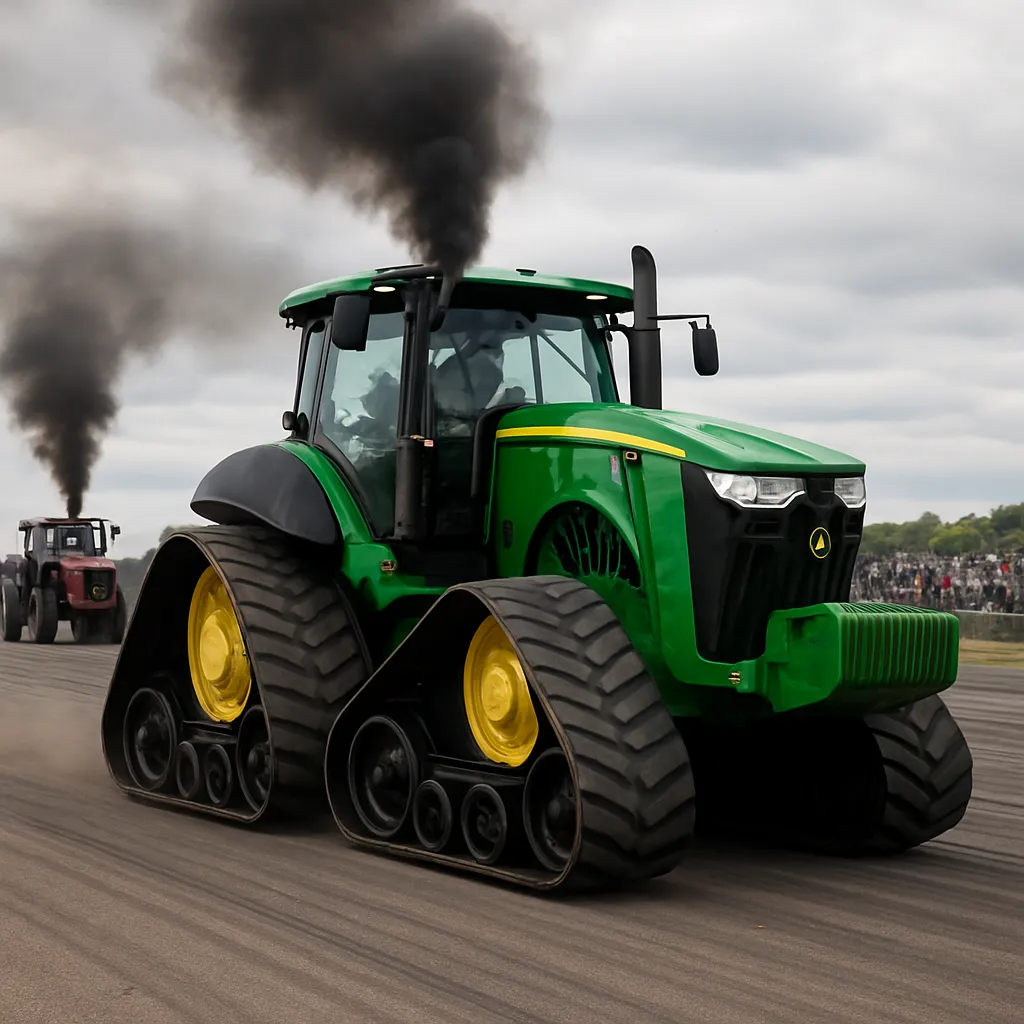
John Deere’s 9RT tractors combine a powerful engine block—peaking at around 670 HP—with a sophisticated undercarriage. The continuous tracks maintain an even footprint, enabling excellent durability under punishing forestry conditions. Active suspension on the track frames absorbs shocks, protecting both the machine and the operator during long logging shifts.
Komatsu 865.1 Forwarder
While technically a forwarder rather than a pure tractor, the Komatsu 865.1 merits mention for its staggering capabilities. With a 272 HP engine, this machine demonstrates that high torque and clever weight distribution can rival brute horsepower. Its eight-wheel, bogie-suspended design provides exceptional stability when carrying large payloads of sawn timber from the felling area to loading sites.
Technological Advances Driving Tractor Evolution
As environmental and economic pressures mount, the forestry industry demands machines that deliver more than just raw muscle. Modern logging tractors incorporate a suite of high-tech features.
Precision Guidance and GPS Integration
GPS-guided steering systems are now commonplace on high-end tractors. These systems allow operators to follow pre-defined paths, reducing soil disturbance and improving overall precision. By mapping timber stands and logging roads, GPS guidance minimizes wasted travel and optimizes fuel use.
Telematics and Remote Monitoring
- Real-time engine diagnostics to prevent catastrophic failures
- Fuel consumption tracking for cost analysis
- Predictive maintenance alerts based on sensor data
With embedded telematics, forestry managers can oversee entire fleets from a central office. Data streams highlight which units are due for service, ensuring continuous operation and avoiding downtime in critical harvest windows.
Automation and Assistive Controls
Some of the latest models incorporate semi-autonomous features. Automated load balancing adjusts hydraulic flows to maintain equilibrium when dragging uneven loads. Assisted hill-hold functions prevent rollback on steep inclines, and obstacle-detection sensors can alert operators to hidden stumps or large rocks. These improvements enhance safety and increase efficiency by allowing less experienced operators to achieve near-professional performance levels.
Environmental Considerations and Future Trends
Modern forestry demands a balance between productivity and ecological stewardship. As a result, tractor design is evolving to address sustainability concerns.
Emissions Reduction Technologies
Tier 4 and Stage V diesel engines have set strict limits on particulate matter and nitrogen oxides. Logging tractors now use selective catalytic reduction (SCR) systems, diesel particulate filters (DPF), and exhaust gas recirculation (EGR) to meet these standards. Such controls reduce the environmental footprint of large-scale logging operations without sacrificing power.
Alternative Fuel and Hybrid Prototypes
Manufacturers are experimenting with hybrid drivetrains that combine diesel engines and electric motors. During low-load tasks—such as positioning logs or idle phases—the electric motor can operate independently, cutting emissions and noise. Additionally, biofuel compatibility is under development, enabling use of locally produced biodiesel blends to further curtail carbon output.
Lightweight Materials and Modular Designs
To reduce ground impact, some tractor frames now incorporate high-strength alloys and composite components. These materials offer superior durability at lighter weights. Modular attachments—ranging from winches to multi-purpose grapples—allow a single tractor chassis to serve multiple roles, from skidding timber to road maintenance, reducing the need for specialized fleets.
Operator Comfort and Safety Enhancements
Spending long hours behind the controls of a massive logging tractor can be physically taxing. Manufacturers have prioritized ergonomic and safety upgrades to improve working conditions.
Advanced Cab Insulation and Suspension
Modern cabs feature multi-layer noise dampening, climate control systems, and air-ride seats that adjust to operator weight. This reduces operator fatigue and helps maintain focus during extended shifts. Tinted, laminated windows and 360-degree camera systems also protect operators from flying debris and improve visibility in dense forests.
Emergency Shutdown and Rollover Protection
All leading models include ROPS (Roll Over Protective Structures) and FOPS (Falling Object Protective Structures). In the event of a rollover or falling branch, these systems safeguard the operator. Integrated emergency engine shutdown protocols can detect sudden tilts or structural breaches, cutting fuel supply and hydraulics to prevent further damage.
Training Simulators and Virtual Reality
To prepare new recruits for the complexities of heavy logging equipment, some companies offer VR-based training simulators. These immersive systems replicate real-world scenarios—such as winch jams or unstable ground—allowing operators to practice responses without risking expensive machinery or personal injury.
Challenges and Prospects for Logging Tractors
Despite remarkable advances, the development of ever-larger logging tractors faces hurdles. Transporting oversized machines to remote sites can require disassembly or special permits. Maintenance in the field demands skilled technicians and a steady supply of parts. Fuel logistics remain a critical concern, particularly in regions lacking infrastructure.
Looking ahead, the quest for greater sustainability and lower operating costs will likely spur further innovation. Electrification of heavy equipment, integration of artificial intelligence for predictive load handling, and continued refinement of low-impact tracks and tires will define the next generation of forestry tractors. As operators and manufacturers adapt to evolving environmental regulations and market pressures, these mechanical giants will continue to shape the face of modern logging operations.