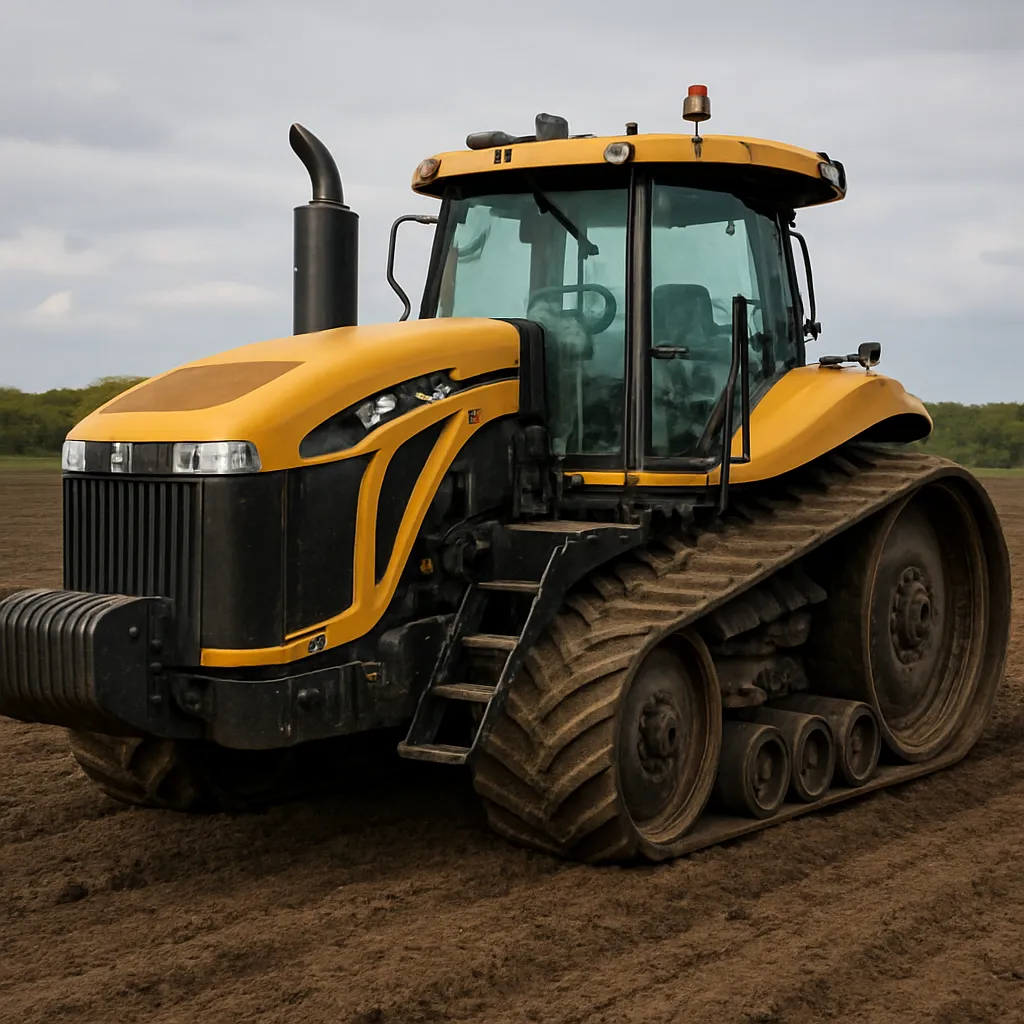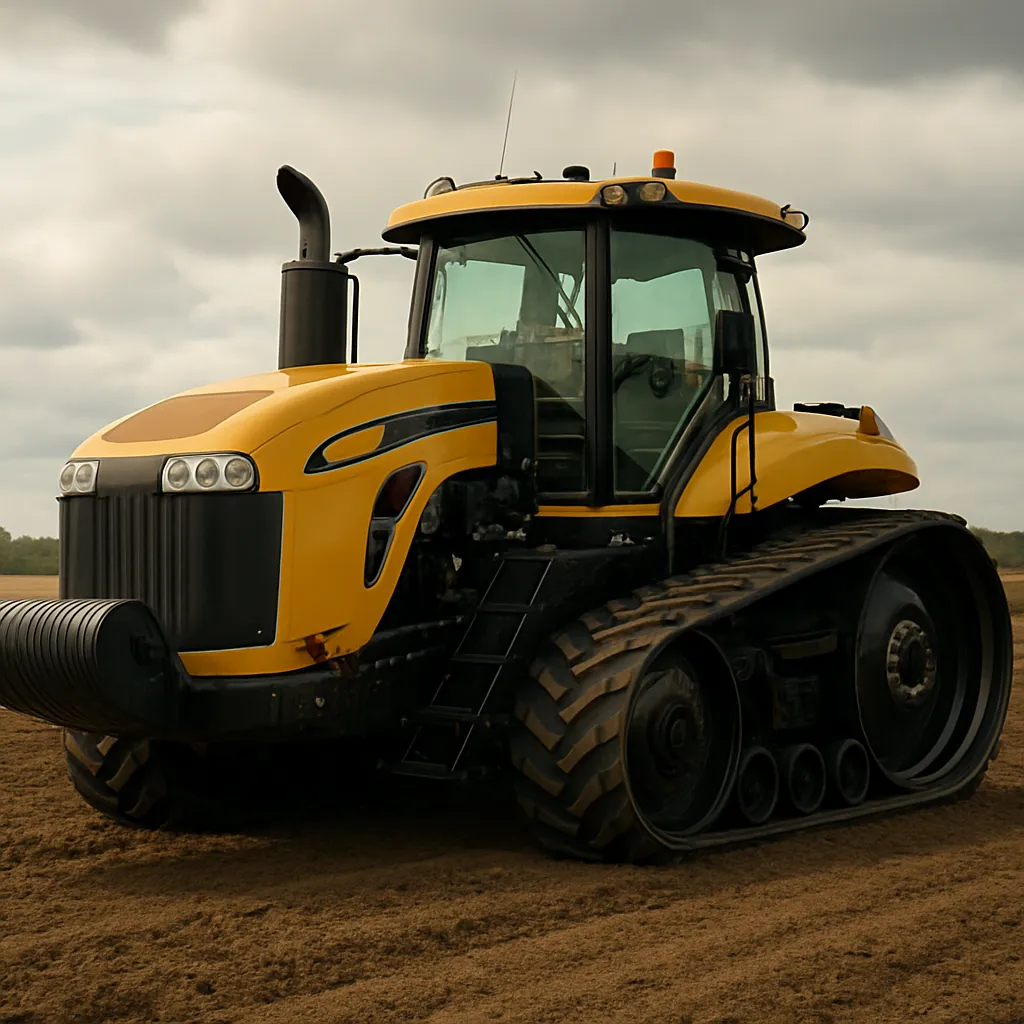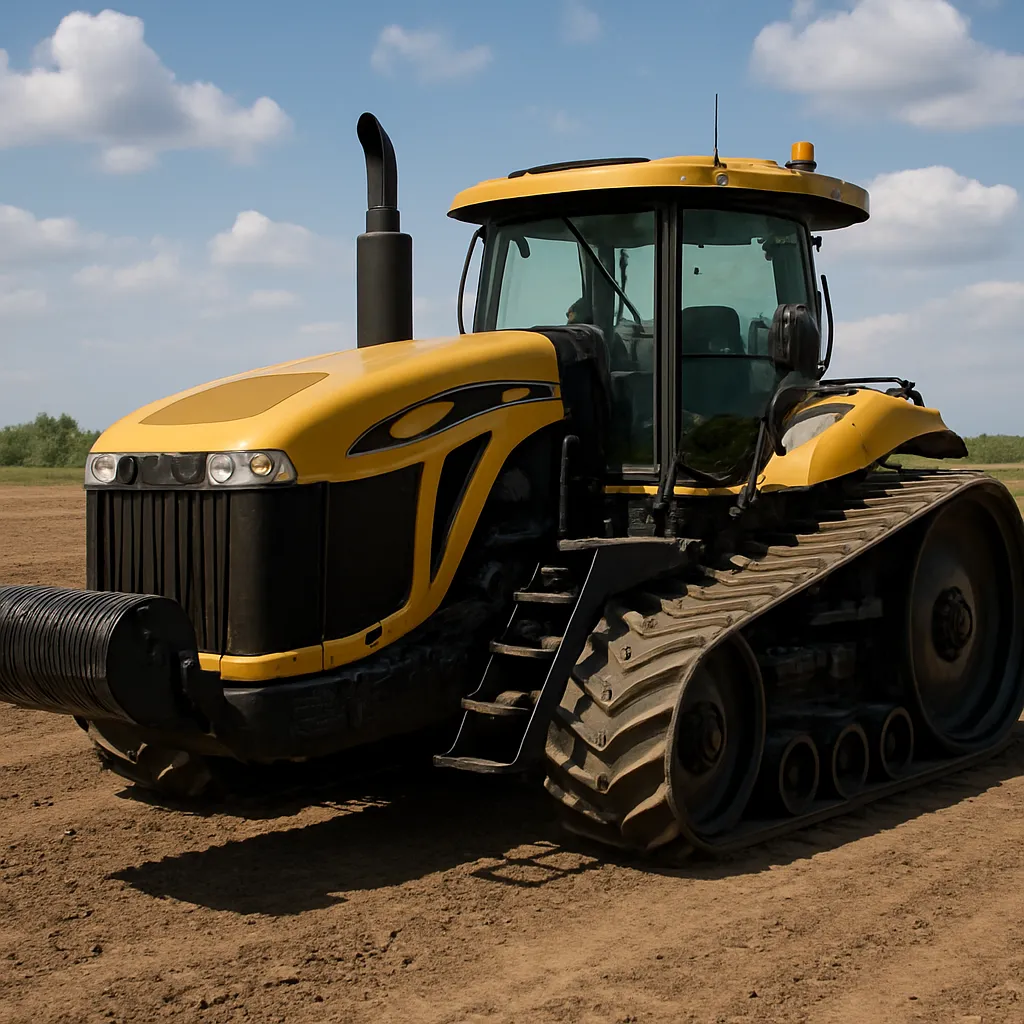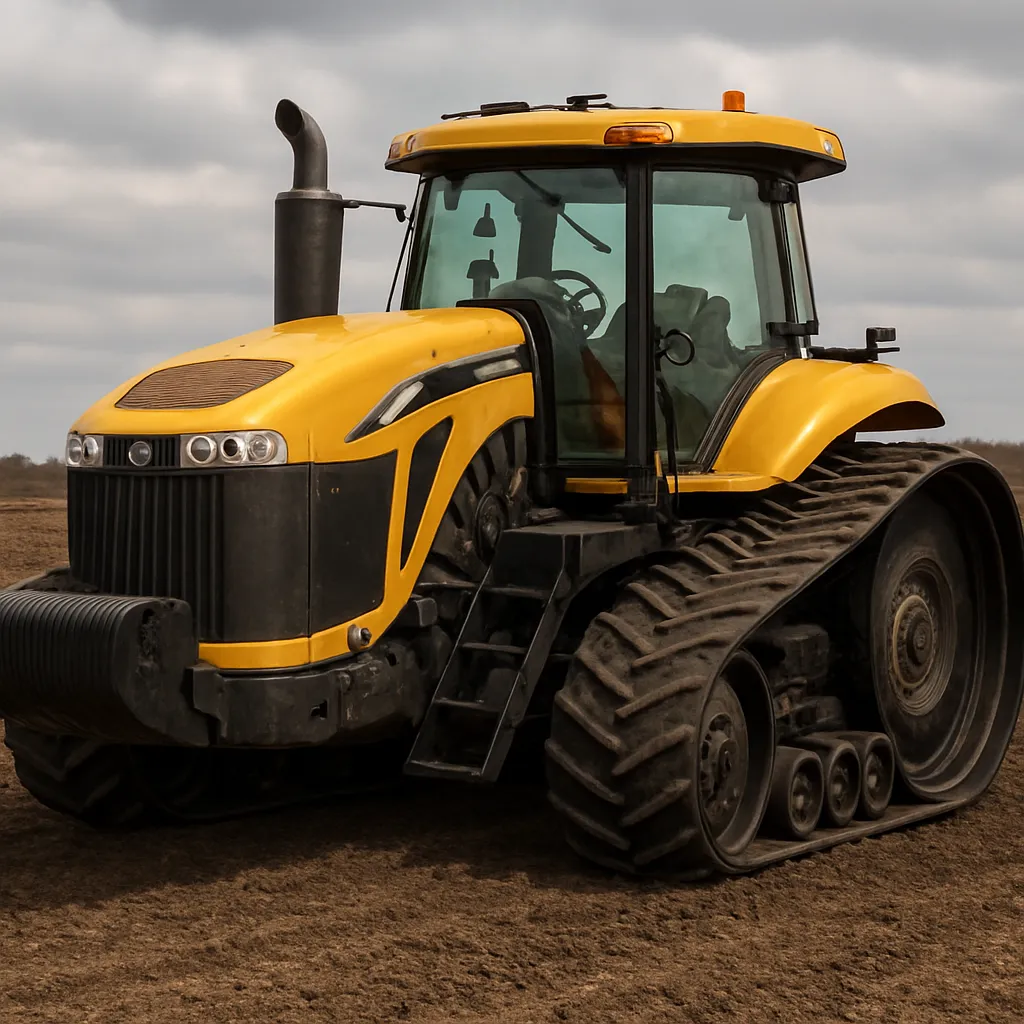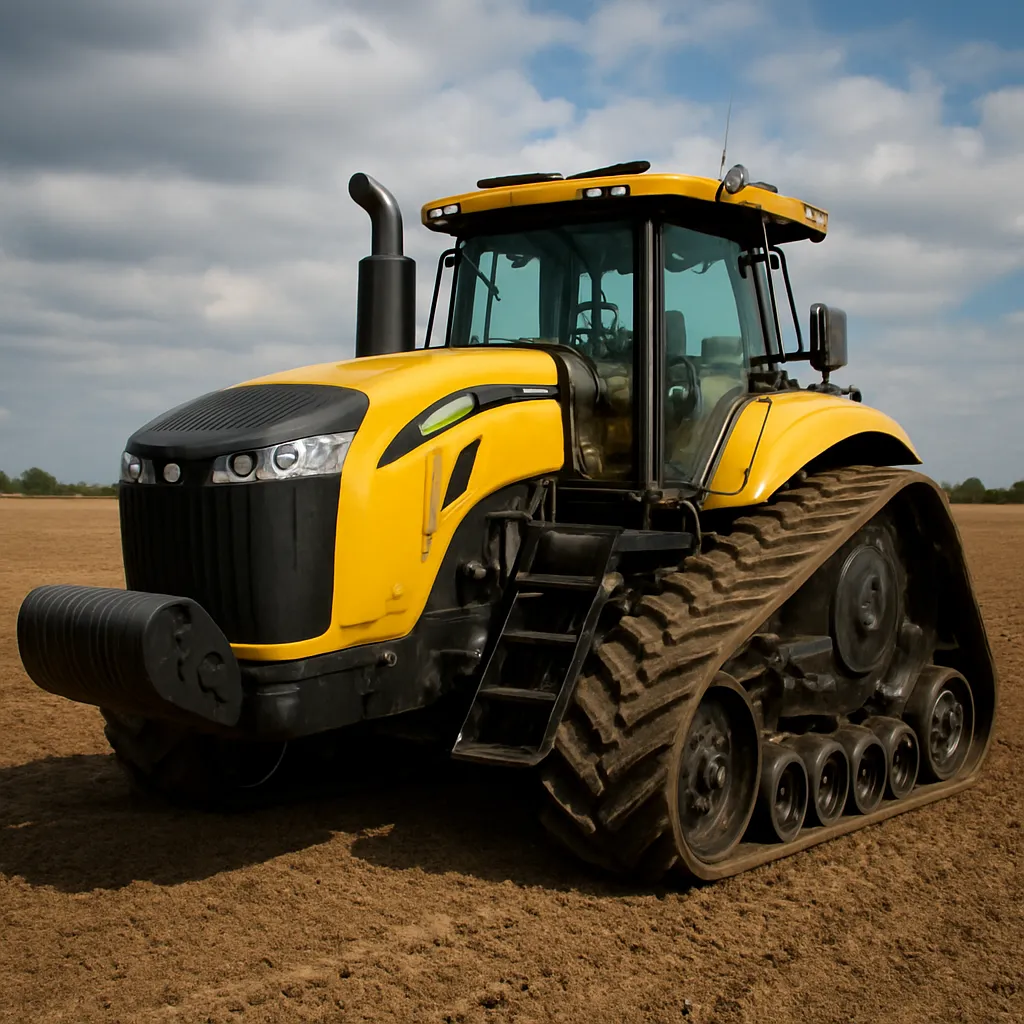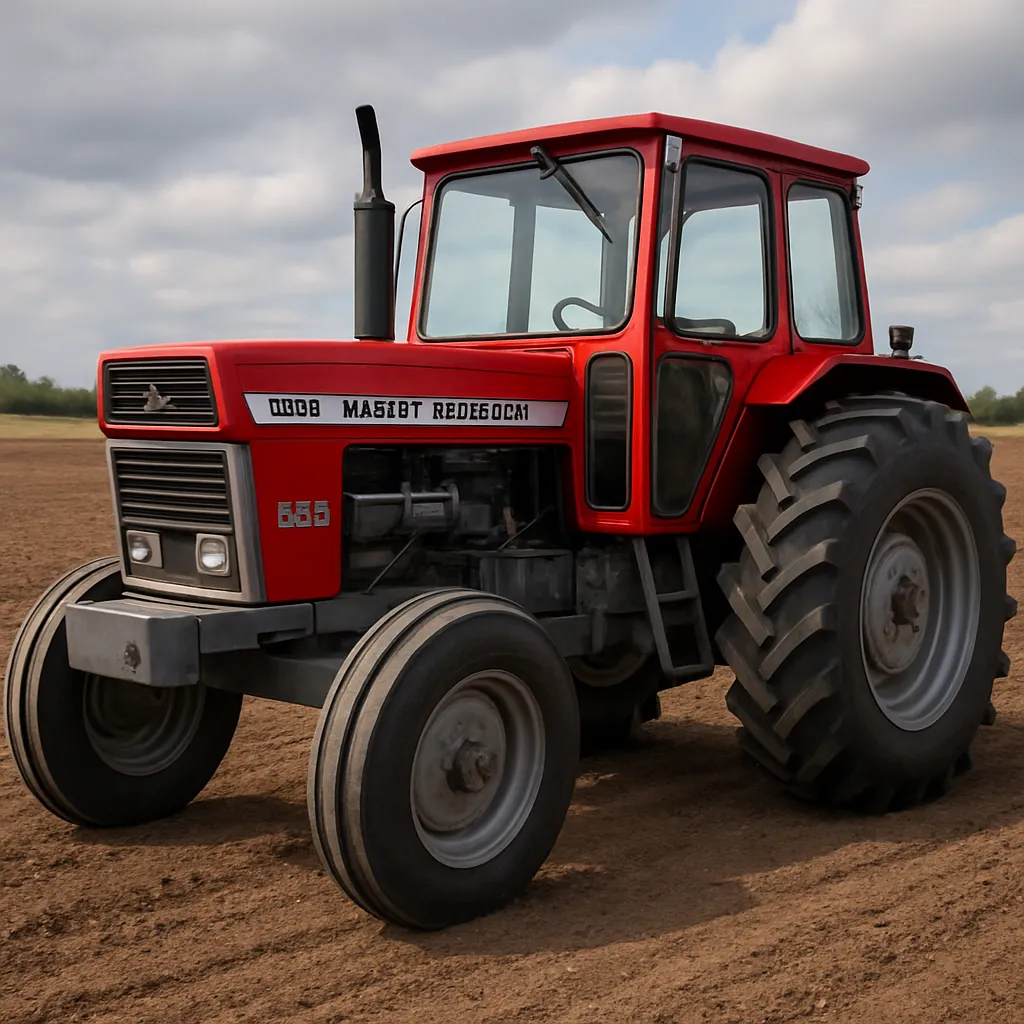
The Massey Ferguson 1250 occupies an interesting place in the lineage of agricultural machinery: recognized by many users for its practical balance of performance, simplicity, and adaptability. Whether used by small family farms, contractors, or hobby farmers, this model — and machines of comparable configuration — have been valued for their straightforward engineering and ability to handle a wide variety of tasks. The following article explores the origins, technical characteristics, typical uses, maintenance considerations, and market position of the Massey Ferguson 1250, offering practical insights and contextual statistics where available.
Overview and Historical Context
The name Massey Ferguson is globally synonymous with agricultural equipment, representing decades of development in tractors, combines, and implements. The Massey Ferguson 1250 (often referred to simply as the 1250) is part of a wider family of utility tractors designed to serve mixed farms and contractors that require a durable, all-purpose machine. Over the years, models labeled with similar numbers have varied by region and production year, so exact features depend on the manufacture date and regional configuration.
The 1250 was commonly marketed as a mid-range utility tractor: more powerful than small garden tractors but not as large or complex as heavy row-crop or high-horsepower tractors. This placement made it attractive to a broad user base. In many regions, machines bearing the 1250 designation appeared during transitional decades when manufacturers focused on increasing operator comfort, improving hydraulic performance, and offering greater modularity for attachments.
Technical Characteristics (Typical and Approximate)
Because production years and regional variants differ, specifications for the Massey Ferguson 1250 can vary. The values below represent common or typical ranges encountered in surviving units, sales literature, and user reports. Where specific data varies widely by model year or option, ranges are provided.
- Engine: Generally a turbocharged or naturally aspirated diesel engine. Reported outputs for tractors in this series commonly range roughly between 60 and 110 horsepower depending on configuration and market variant. The engine design favored mechanical simplicity and ease of servicing.
- PTO (Power Take-Off): Standard 540 rpm PTO is typical, with some configurations offering an optional 1000 rpm PTO. PTO power and responsiveness make the 1250 suitable for a wide range of implements.
- Transmission: Synchromesh or partial synchro transmissions were commonly fitted, often with multiple forward gears (12–24 forward speeds in various configurations) and a few reverse ratios. Some later or upgraded units may have had power-shift or shuttle options.
- Hydraulics: Single or dual pump hydraulic systems with open-center circuits were common. Typical flow rates vary, but many users report adequate lift capacity for mid-sized implements; hydraulic flow is a determining factor for loader performance and auxiliary functions.
- 3-point hitch: Category II was a frequent configuration for mid-range models, allowing compatibility with a wide range of implements.
- Weight and dimensions: Operating weight often falls in the general range of approximately 2,200–3,800 kg, depending on configuration, ballast, and whether a loader or cab is fitted.
- Fuel consumption: Highly dependent on load and use. Users typically report consumption in the approximate range of 5–20 L/hour during work operations, with idling and light-duty tasks at the lower end.
Note: These figures serve as general guidance. For specific unit specifications, the tractor’s serial number and production documents should be consulted.
Applications and Typical Uses
The tractor is prized for its multi-purpose capability. Common applications include:
- Field work: plowing, harrowing, cultivating, and seedbed preparation using conventional implements. The PTO and 3-point hitch allow for direct attachment of many implements.
- Hay and forage operations: mowing, tedding, raking, and baling when matched with appropriate implements and sufficient PTO power.
- Loader work: with a front loader fitted, the 1250 is often used for material handling, loading silage, manure shoveling, and general farm logistics.
- Transport: hauling trailers for crop, feed, or equipment within the farm; some configurations provide comfortable cabs for longer drives.
- Municipal and contracting tasks: snow clearing, roadside maintenance, and groundworks for small contractors, depending on available attachments.
The broad appeal of the 1250 comes from its ability to switch between these tasks with relatively minimal downtime, making it a good choice where one machine must fulfill many roles.
Design Features, Comfort, and Operator Interface
Design choices in the 1250 aimed at an effective compromise between simplicity and operator comfort. Notable features frequently reported by owners include:
- Ergonomic control layout with clearly labeled levers and gauges.
- Optional cab or platform configurations — enclosed cabs with heating and ventilation became more common in later units, improving year-round usability.
- Simple, serviceable engine compartments with straightforward access to filters, dipsticks, and wiring, easing routine maintenance tasks.
- Modular attachment points for front loaders, rear implements, and auxiliary hydraulics.
These elements contributed to the model’s reputation for being user-friendly while retaining mechanical robustness.
Maintenance, Troubleshooting, and Longevity
One reason the Massey Ferguson 1250 remains in active use on many farms is its maintainability. Basic maintenance practices that support longevity include:
- Regular oil and filter changes: diesel engines of this era respond well to disciplined oil maintenance. Changing engine oil and filters at manufacturer-recommended intervals preserves engine life.
- Hydraulic system care: keeping hydraulic fluid clean and replacing filters prevents pump wear and valve block contamination.
- Cooling system attention: periodic inspection of radiators, hoses, and coolant condition prevents overheating and related damage.
- Transmission and PTO service: checking fluid levels, clutch adjustments (where applicable), and inspecting linkage prolong operational life.
- Electrical system checks: corrosion-free connections and good battery condition prevent starting and charging problems.
Common symptoms and troubleshooting pointers:
- Power loss or rough running: often due to fuel filter clogging, injector fouling, or air in the fuel system.
- Hydraulic sluggishness: often attributable to dirty fluid, worn pump, or air ingress.
- Excessive smoke: can indicate injection timing issues, worn rings, or injector problems.
With regular maintenance, many owners report decades of useful life from these tractors, and parts availability from aftermarket and salvage markets helps keep older units operational.
Attachments and Implements
The versatility of the 1250 is amplified by the wide range of compatible implements:
- Plows (moldboard and reversible), discs, and cultivators for soil preparation.
- Seeders and planters for small and medium-scale cropping systems.
- Mowers, tedders, rakes, and balers for hay and forage operations.
- Front loaders with buckets, pallet forks, and bale spears for handling tasks.
- Backhoes and trenching attachments for light construction or landscaping.
- Sprayers and spreaders for crop protection and fertilization.
Compatibility is often determined by the tractor’s hydraulic flow, lift capacity, and PTO horsepower at the implement. Proper match of implement to tractor capacity is essential for both performance and safety.
Market Position, Resale, and Collectibility
The 1250 generally sits in a market niche attractive to value-conscious buyers seeking a reliable multi-purpose machine. On the used market, prices vary dramatically depending on condition, hours of use, presence of cab and loader, and regional demand. Typical resale observations include:
- Low to moderate hours and well-documented service history command premium prices.
- Units with modernized features like upgraded cabs, improved hydraulics, or rebuilt transmissions often attract small contractors and hobby farmers.
- Older, original-condition models may have collector interest in regions where the brand has historical significance.
Because many components are shared across model families, aftermarket parts and remanufactured components are widely available, adding to the machine’s long-term value.
Safety, Regulations, and Operator Best Practices
Safe operation is critical. Recommended practices include:
- Always use seat belts where ROPS (roll-over protective structure) is present.
- Ensure implements are properly attached, with pins and locks secure; check hydraulics for leaks and secure hose routing.
- Follow recommended PTO shielding and never work near an exposed rotating shaft.
- Perform pre-start checks: brakes, steering, lights, tire pressure, and fluid levels.
- Train operators on proper hitching, weight distribution, and how to handle uneven ground to mitigate roll-over risk.
Compliance with local emissions and safety regulations may require specific modifications or inspections, especially for older units put into commercial service.
Performance and Operational Statistics (Observed Ranges)
While precise manufacturer figures are specific to exact model and year, commonly observed operational statistics include:
- Typical fuel consumption during moderate fieldwork: approximately 6–15 liters per hour.
- Plowing productivity (single-furrow to multi-furrow plows): varies with soil type and implement; tractors in this performance class often perform well with single to three-furrow plows.
- Loader cycle times and lift capacity: heavily influenced by hydraulic flow and loader design; many loaders on similar tractors offer lift capacities in the range of 800–1,500 kg at pin height.
- Daily effective working hours: like most farm tractors, optimal productivity is achieved with operator familiarity and proper matching of implement and ground conditions — many users report 6–10 productive hours per day during peak seasons.
These numbers are conservative estimates to help planning and should be validated against specific unit performance and field tests.
Environmental and Economic Considerations
In modern agricultural planning, fuel efficiency and emissions are prominent concerns. Older tractors like the 1250 typically predate stringent emissions controls, which can affect operating costs and regulatory compliance in some regions. Ways to improve environmental performance include:
- Engine tune-ups and regular maintenance to minimize fuel use and emissions.
- Retrofit options such as improved fuel systems or exhaust treatments where locally allowed.
- Efficient work planning to reduce unnecessary travel and idling.
Economically, the 1250 can be an affordable option relative to new tractors, especially for operations that do not require the highest horsepower classes or the latest electronic features. Spare part availability and a large pool of experienced mechanics make total cost of ownership manageable for many buyers.
Legacy and Owner Community
The Massey Ferguson 1250 benefits from a strong owner community and dealer networks in many agricultural regions. Forums, local clubs, and vintage tractor events often include members with deep experience in servicing, restoring, and upgrading these machines. This community knowledge base is valuable for troubleshooting, sourcing parts, and sharing best practices.
Enthusiast groups also contribute to the preservation of older tractors by documenting modifications, creating parts cross-reference lists, and compiling historical data relevant to collectors and working farmers alike.
Final Notes and Practical Advice for Prospective Buyers
If you are considering a Massey Ferguson 1250, practical steps include:
- Request a full service and repair history and verify hours on the tachometer if available.
- Inspect for common wear areas: hydraulic leaks, transmission play, and engine smoke on start-up.
- Check compatibility with your implements: hitch category, PTO type, hydraulic couplers, and loader mounting points.
- Arrange a working demonstration in representative field conditions to assess power, handling, and comfort.
- Consider total cost of ownership, including potential refurbishment, parts availability, and local service expertise.
With careful selection and proper maintenance, the 1250 can serve as a dependable workhorse for diverse agricultural and contract tasks. Its blend of practicality and adaptability continues to make it a sensible choice for many operators seeking value and versatility.