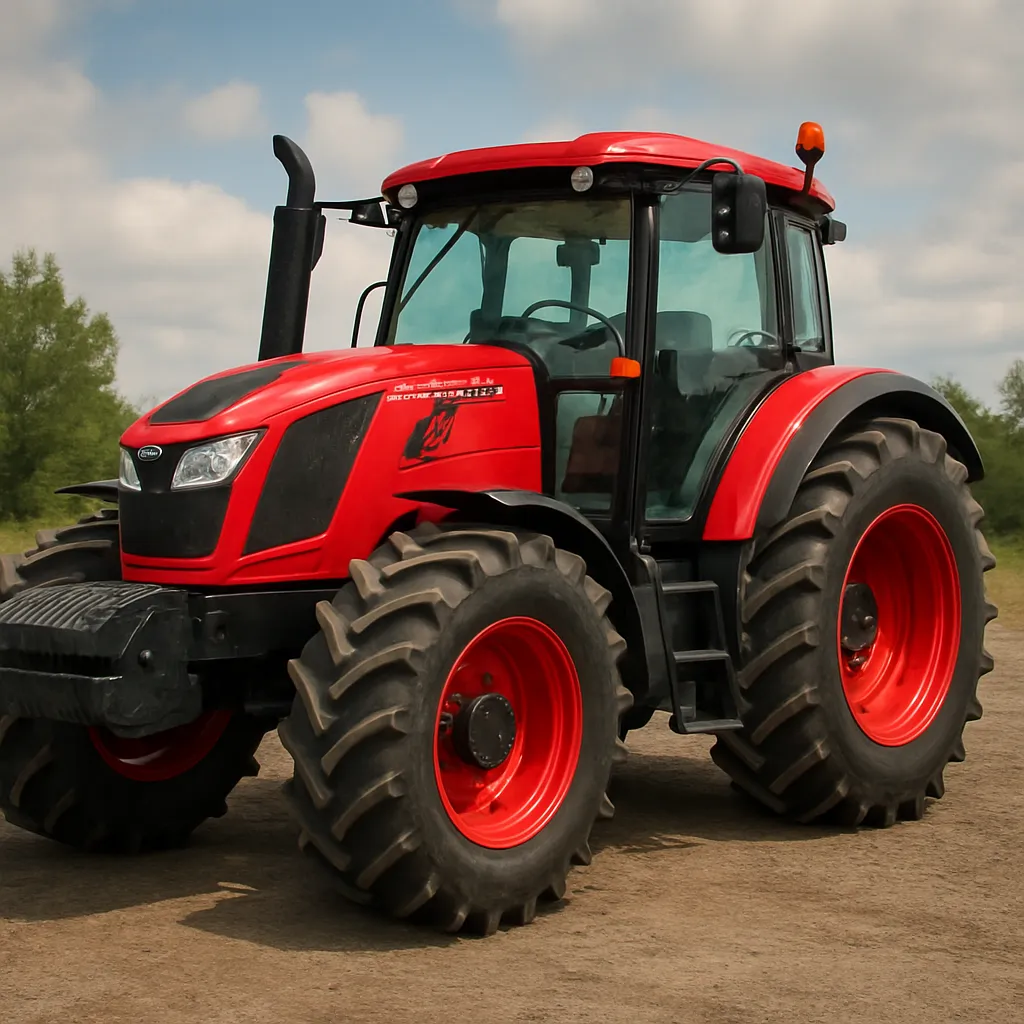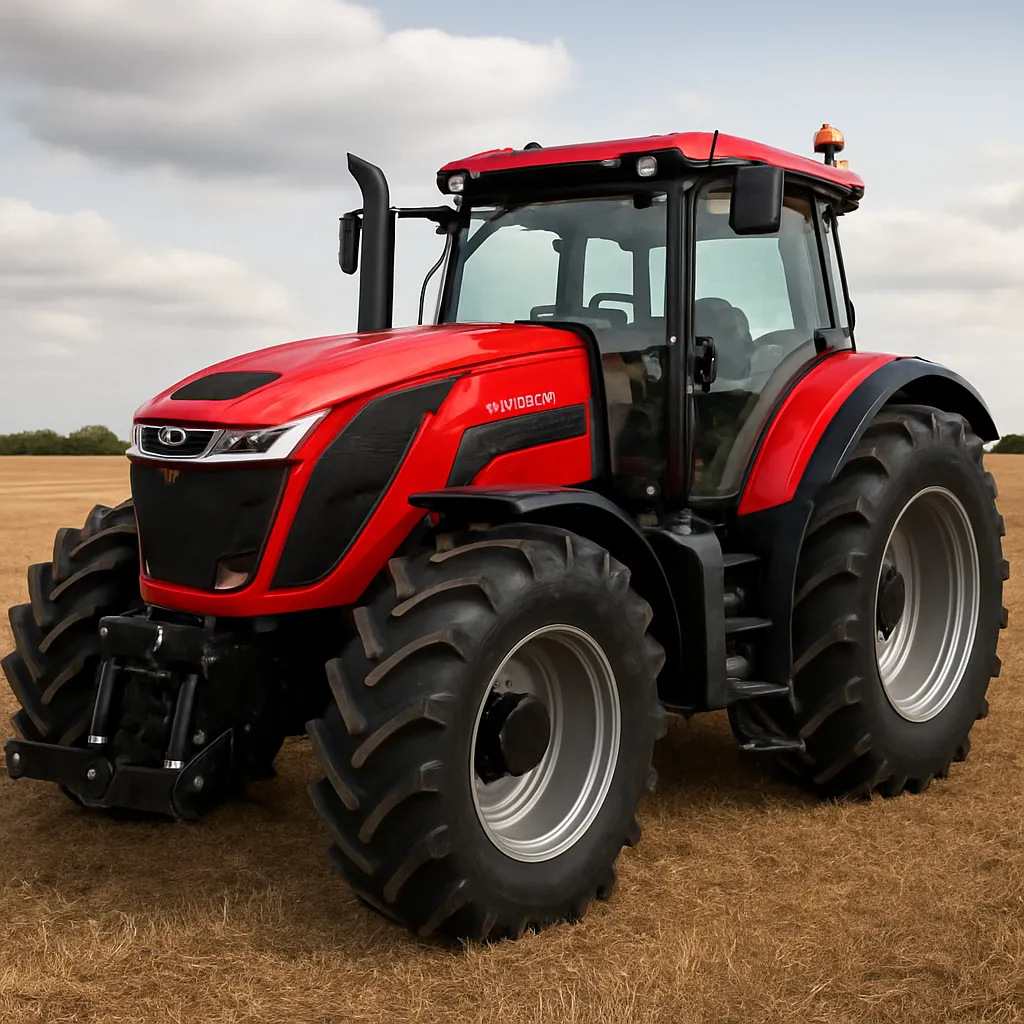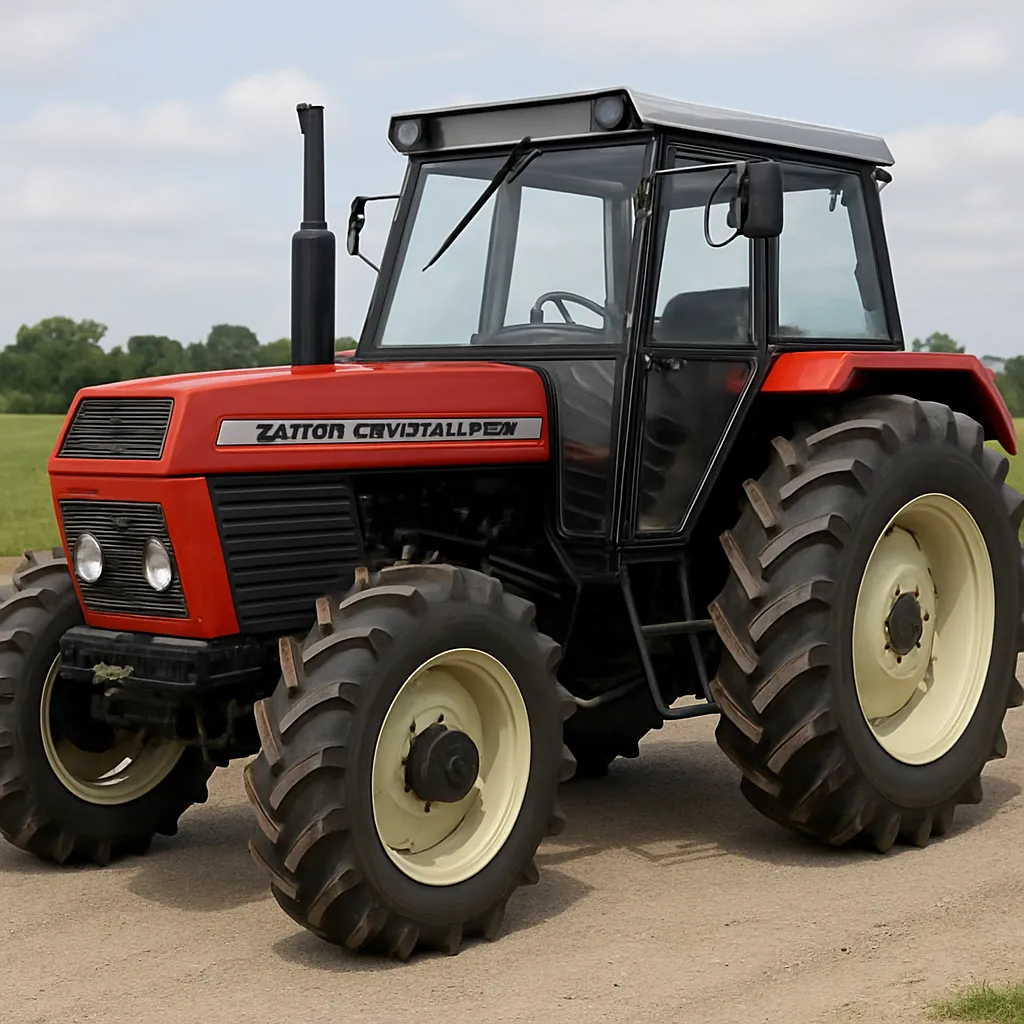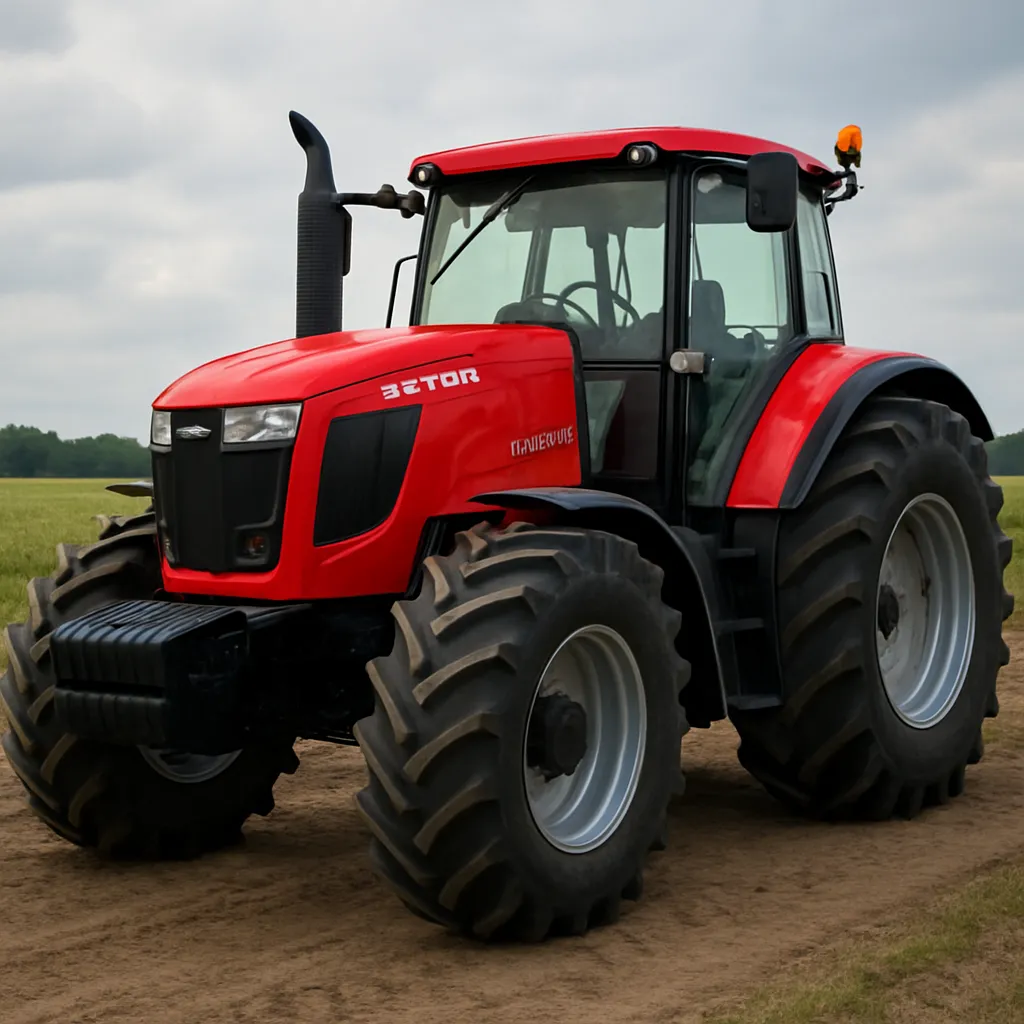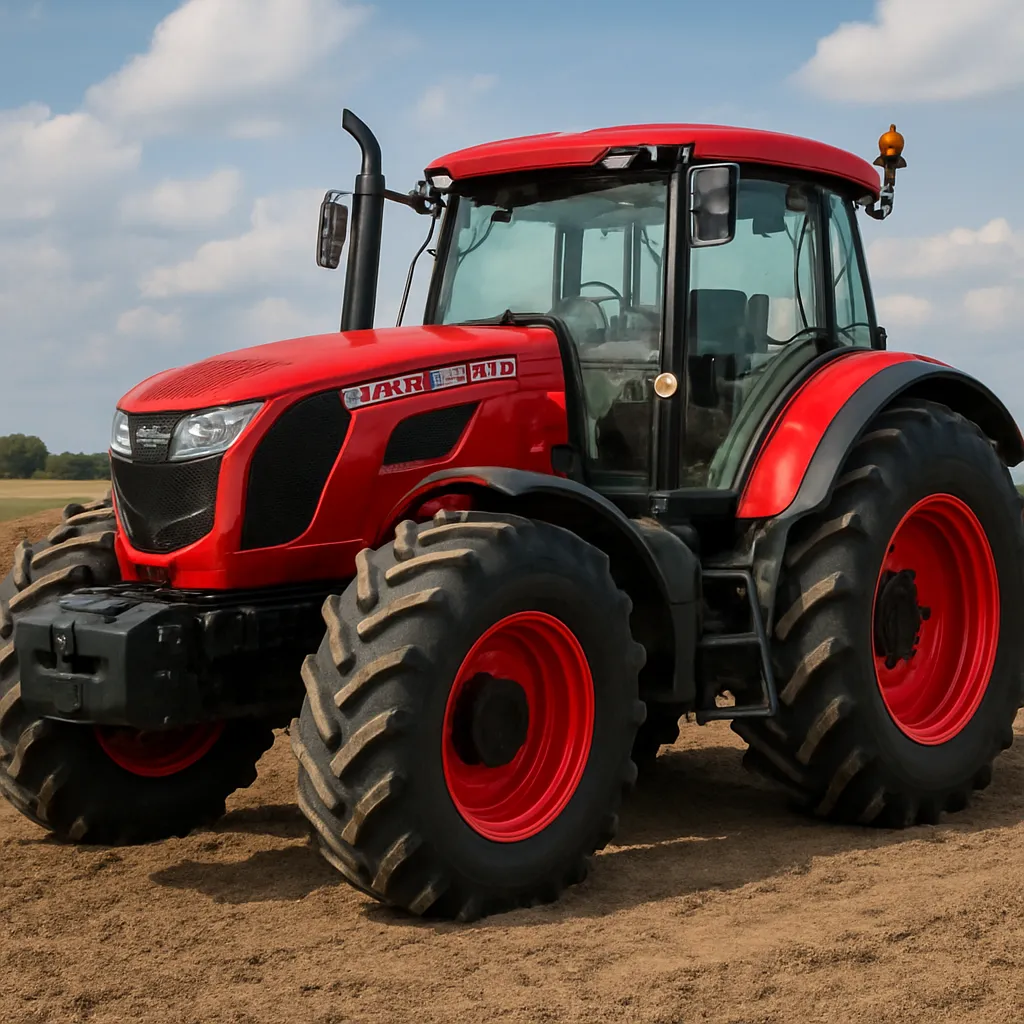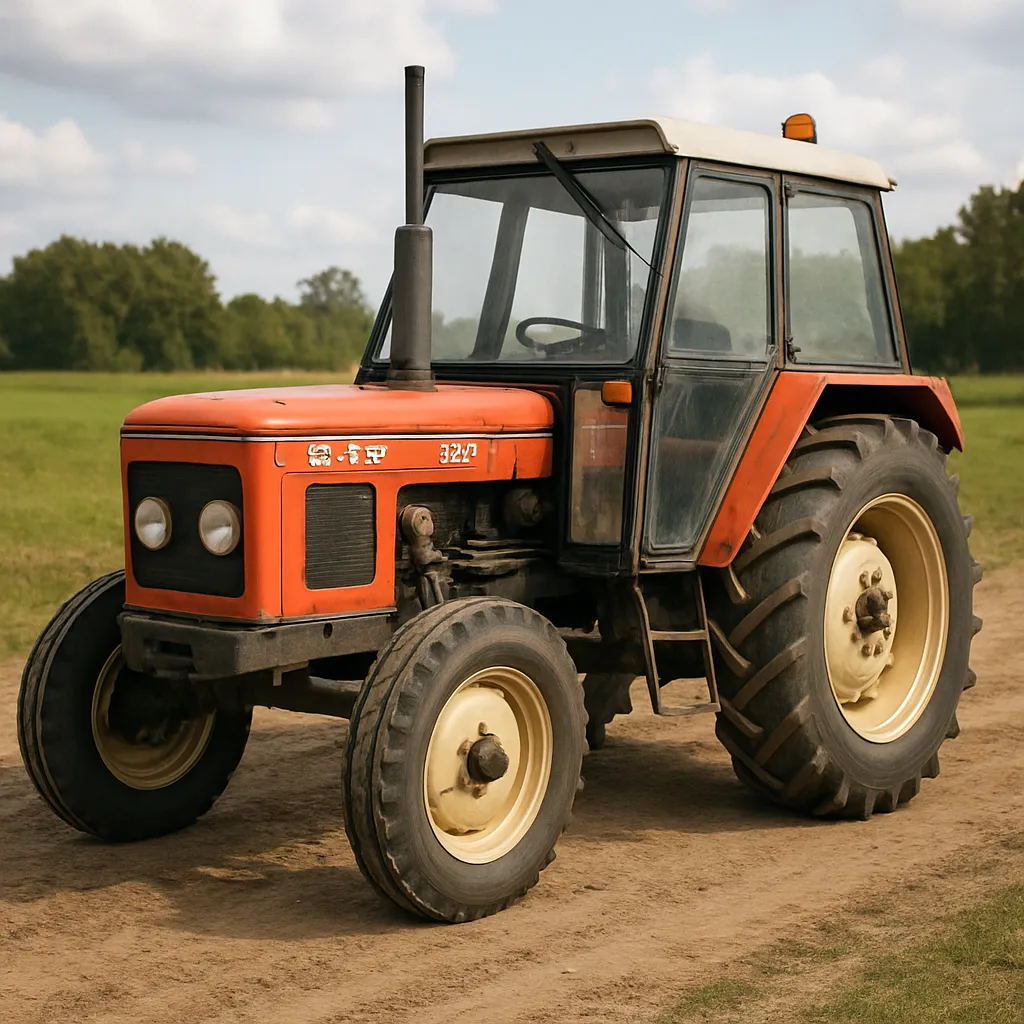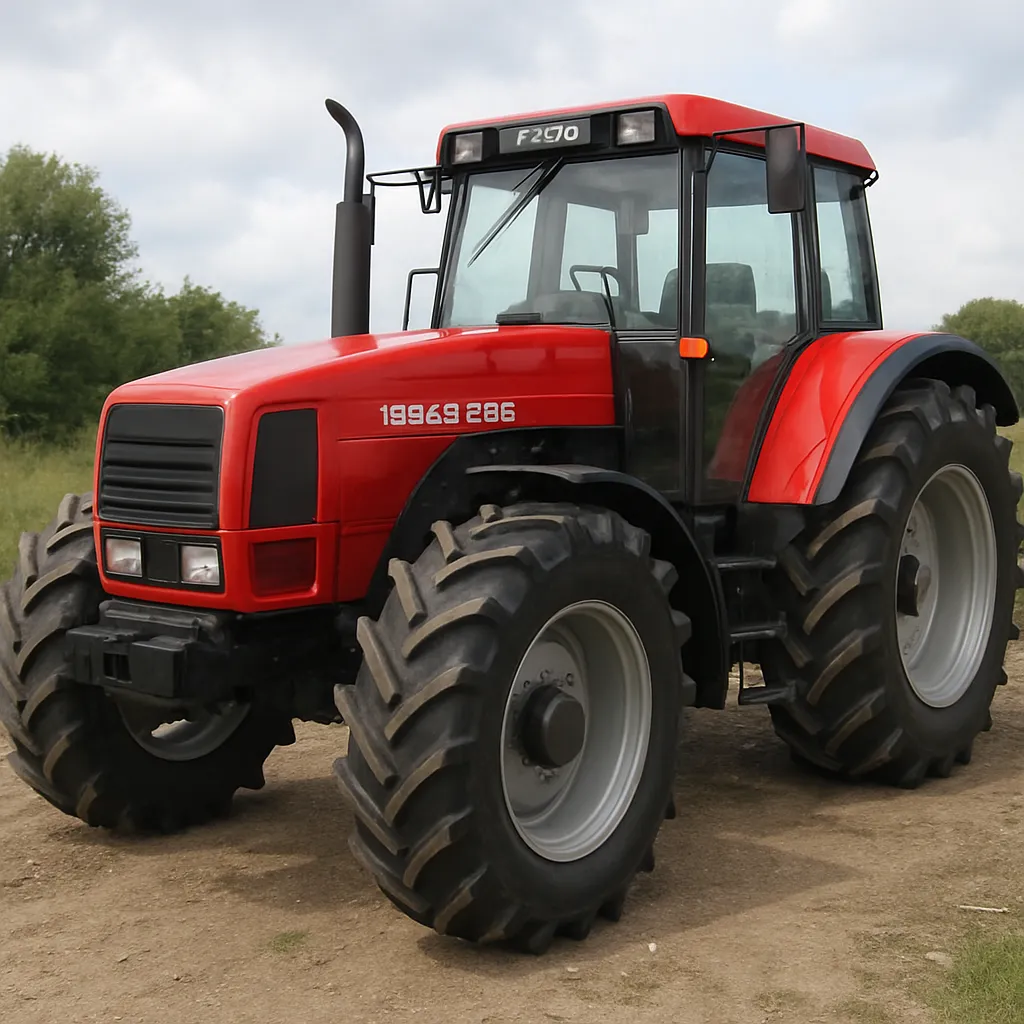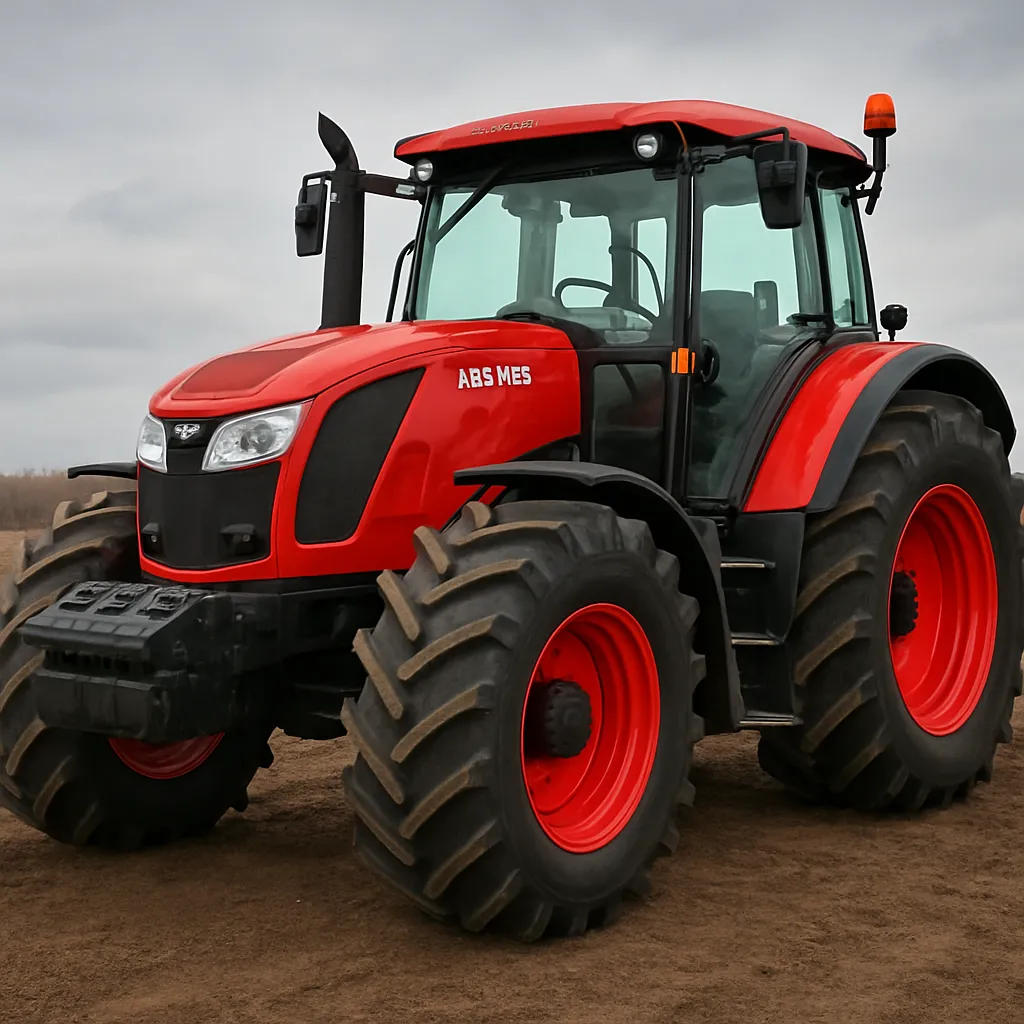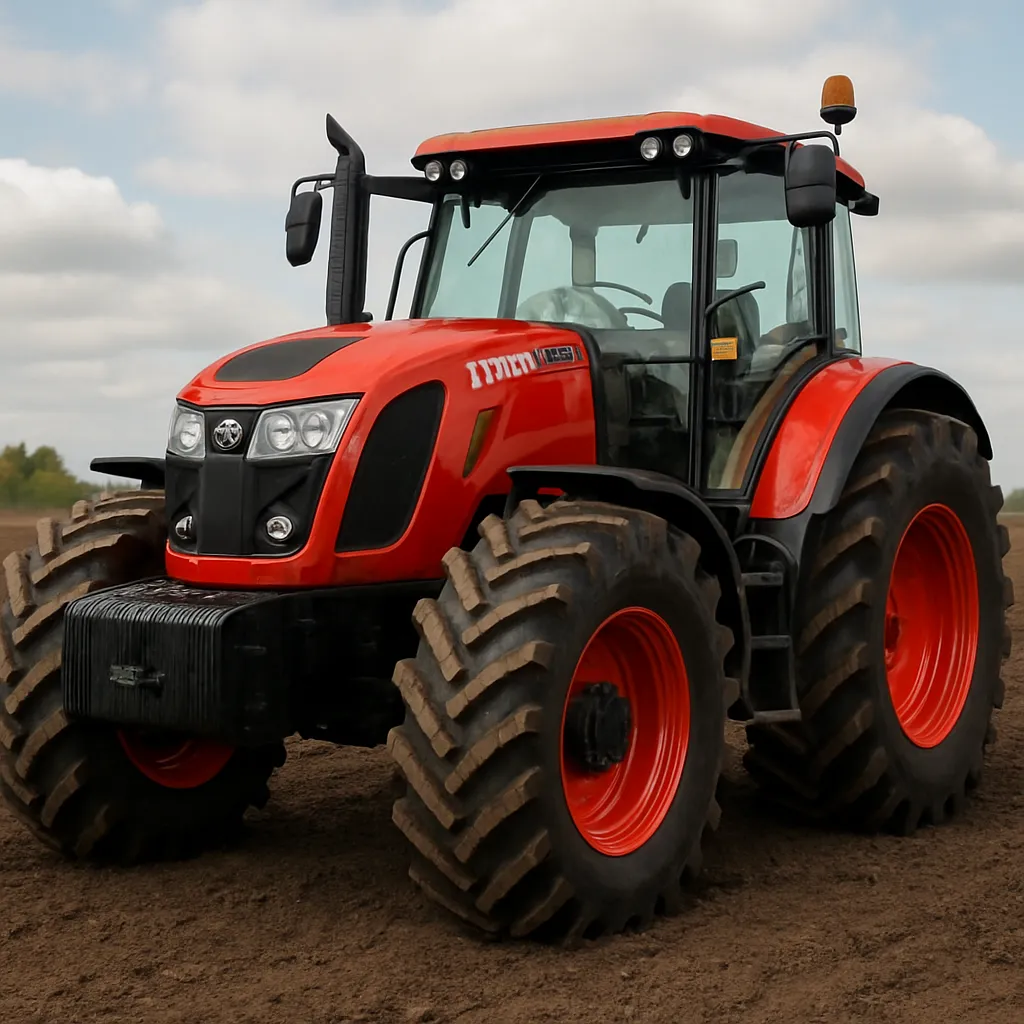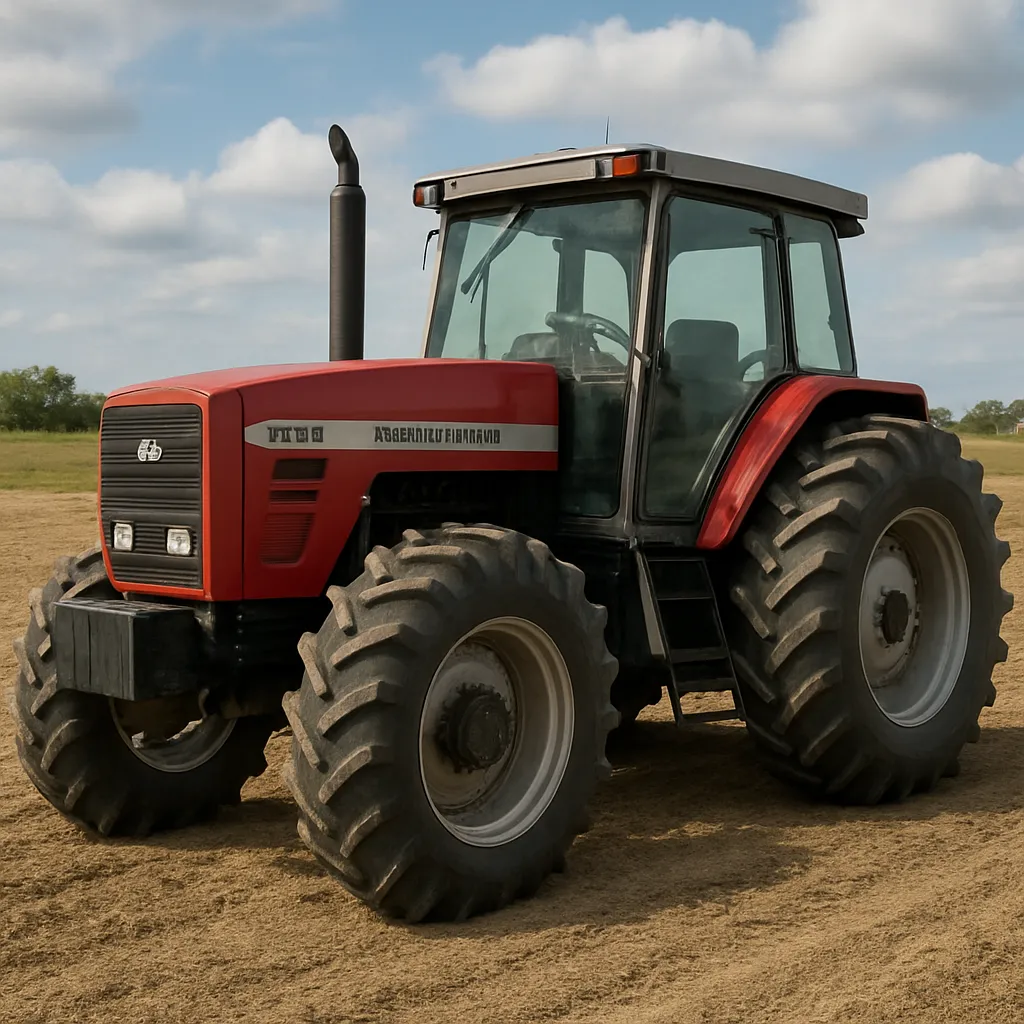
The Massey Ferguson 4840 is a versatile agricultural tractor known for balancing power, reliability, and operator comfort. Used on a wide range of farms and in diverse applications, this model combines practical mechanical solutions with features that support year-round work — from soil preparation to hauling and material handling. The article below explores the design, typical uses, key specifications (approximate where relevant), maintenance considerations, and economic aspects of the MF 4840 to give a comprehensive picture of this tractor and how it fits into modern farm operations.
Design, Engine and Drive Train
The MF 4840 is engineered as a medium-duty agricultural tractor, aimed at farms that require a machine capable of handling fieldwork, transport, and loader tasks without the scale and cost of large, high-horsepower tractors. Central to its performance is the engine, which is built to provide steady torque across a range of engine speeds for consistent implement operation.
Engine Characteristics
- The engine is typically a turbocharged, liquid-cooled diesel unit designed for durability and fuel efficiency. Expect reliable torque delivery at low rpm to support draft and PTO-driven implements.
- Horsepower class: The MF 4840 usually sits in the mid-range of farm tractors. Typical rated engine power is in the neighborhood of approximately 80–100 hp, depending on market and exact configuration.
- Good low-end torque and a modestly sized displacement prioritize fuel economy and longevity over peak power figures.
Transmission and Driveline
- Transmissions offered on similar tractors include synchronized gearboxes or powershift options permitting a range of forward and reverse speeds suitable for fieldwork and road travel.
- Transmission choices often determine usability for loader work versus transport; a smooth shuttle or powershift makes loader operation and frequent direction changes easier.
- Standard configurations may include 2WD and 4WD variants. Four-wheel drive increases traction for heavy draft tasks and wet conditions.
PTO and Hydraulics
- The tractor is commonly equipped with a rear PTO delivering standard PTO speeds (540/1000 rpm options depending on model year and market), enabling a wide range of implements.
- Hydraulics are sized to operate modern three-point implements and external services like loaders; flow rates and system pressure vary by specification but are designed for dependable lift and carry performance.
- Rear linkage lift capacity is a key technical metric that determines compatibility with larger mounted implements; typical mid-class tractors like the MF 4840 support several tonnes of lift at the hitch.
Applications and Typical Uses
Versatility is a hallmark of tractors in this class. The MF 4840 is commonly used across multiple tasks on mixed and arable farms, livestock operations, and contractors with light-to-medium work demands. The tractor’s balance of power and maneuverability makes it a practical choice for operations that require a single machine to perform many duties.
Field Work
- Primary tillage: pulling ploughs and cultivators where consistent traction and torque are necessary.
- Secondary tillage and seedbed preparation: seed drills, power harrows, and disc harrows can be handled effectively when matched to the tractor’s horsepower and PTO output.
- Sowing and applying fertiliser: being able to maintain steady ground speed and PTO performance is important for accurate seeding and spreading.
Transport and Haulage
- Combining fieldwork with road movement makes transmission gearing and braking important; the MF 4840 typically offers comfortable transport speeds for trailer hauling and moving between jobs.
- Loader work: fitted with a front loader, the tractor becomes a key material handling machine for feed, bales, gravel, and silage.
Specialist and Auxiliary Roles
- Orchard and vineyard variants or narrow-track adaptations can be used for specialized crops, though this depends on specific trim levels and options.
- Municipal and contractor roles such as mowing, snow clearing (with front blade), and horticultural tasks when fitted with the relevant implements.
Key Specifications and Performance Data (Approximate)
Specification figures can vary with production year, regional configuration, and optional packages. The numbers below are typical for a mid-range tractor of this type; use them as a general guide rather than absolute values for every MF 4840 in existence.
- Engine power: approximately 80–100 hp (at rated rpm).
- Engine displacement: generally in the 3.5–4.5 litre range for durable diesel blocks in this class.
- PTO ratings: standard rear PTO at 540 rpm; optional 1000 rpm available depending on implement needs.
- Rear linkage lift capacity: commonly between 2,500 and 3,500 kg (2.5–3.5 tonnes) at the hitch, depending on specification.
- Fuel tank capacity: typically 80–120 litres, giving several hours of continuous operation depending on duty cycle.
- Hydraulic flow: service flow rates typically around 40–60 litres per minute on medium-capacity systems (some configurations may offer higher flows for loader operations).
- Operating weight: commonly in the range of 3,200–4,200 kg depending on 2WD/4WD configuration and fitted equipment.
- Top road speed: often around 30–40 km/h depending on gearing and local homologation.
- Fuel consumption: varies widely by load, but average field consumption for tractors this size is frequently around 8–15 litres per hour under typical loads; transport and light work are less.
Interpreting the Numbers
- Horsepower alone does not determine field performance; torque curve and transmission gearing can be equally important for draft work.
- Higher hydraulic flow benefits loader work and implements requiring faster cylinder speeds or higher oil volume.
- Fuel consumption depends heavily on task — heavy ploughing consumes more fuel than light transport at cruising speed.
Operator Comfort, Ergonomics and Controls
Operators spend long hours in the cab, so comfort and usability matter immensely. The MF 4840 typically offers a cab or canopy option with practical ergonomics intended for everyday agricultural work.
- Operator comfort features commonly include adjustable seating, clear instrument layout, and accessible controls for hydraulic and PTO engagement.
- Visibility: good sightlines over the bonnet and to implements are essential for loader and hitch tasks; the MF 4840 design aims to offer unobstructed views.
- Cab features on some configurations may include heating, ventilation, and optional air conditioning for climate control during long shifts.
- Noise and vibration levels are minimized through insulation and engine mounting choices, contributing to reduced operator fatigue.
Attachments, Implements and Versatility
One of the MF 4840’s strengths is its ability to work with a wide spectrum of implements. Farmers often choose a tractor that will handle multiple attachments to keep capital expenditure efficient.
Common Implements
- Rear-mounted ploughs, cultivators, and disc harrows for tillage operations.
- Seed drills and planters for sowing operations.
- Balers and mowers for forage and hay operations, typically driven by the PTO.
- Front loaders with buckets, pallet forks, and bale spears for material handling.
- Spreaders, sprayers, and trailers for nutrient application and transport.
Implement Compatibility Considerations
- Ensure PTO speed and horsepower match implement requirements; heavy-duty PTO-driven equipment may require the 1000 rpm PTO option.
- Check linkage lift capacity and stabilizer strength before mounting large or heavy implements.
- Hydraulic remote valves and coupler types should match implement hoses and flow requirements.
Maintenance, Reliability and Common Issues
Proper preventative maintenance extends lifetime and reliability. Like all agricultural machines, the MF 4840 will perform best with scheduled service and attention to wear items.
- Maintenance priorities include regular oil and filter changes, fuel system upkeep, air filter inspection, and hydraulic fluid/service checks.
- Greasing points on the drive train, linkage, and loader (if fitted) should be serviced according to the manual to reduce wear.
- Battery health, cooling system checks, and brake inspections are essential before heavy-use seasons like planting and harvest.
- Common wear items: tyres, clutch components (on mechanical transmissions), and PTO couplings. Addressing these early prevents secondary failures.
- Modern fuel-injection and turbocharged diesel engines may require occasional injector servicing and attention to fuel quality to avoid contamination problems.
Troubleshooting Typical Problems
- Loss of hydraulic power: check fluid levels, filter condition, and whether remote valves are obstructed.
- Reduced PTO performance: inspect clutch engagement, driveline U-joints, and PTO shaft condition.
- Overheating: verify coolant level, radiator cleanliness, and proper fan belt tension.
Economic Considerations and Ownership Costs
Purchasing and operating a tractor involves capital, fuel, maintenance, and depreciation costs. The MF 4840 often represents a practical balance of purchase price and operational capability for many farms.
- Initial purchase price will vary by region, model year, and configuration (loader, cab, transmission), and is typically lower than larger high-horsepower tractors.
- Operating costs include fuel, maintenance, annual inspections, insurance, and storage. Fuel is usually the single largest ongoing expense.
- Resale and depreciation: durable, well-maintained tractors in this class generally retain reasonable resale value due to broad market demand.
- Cost-per-hour calculations should factor in expected lifetime hours, typical fuel burn, and scheduled major services (e.g., transmission or hydraulic rebuilds at high hours).
Safety and Best Practices
Safe operation protects operators and equipment. The MF 4840, like any tractor, must be used following safety guidelines and proper training.
- Always use rollover protection (ROPS) and wear seat belts if operating without an enclosed cab.
- Engage PTO shields and never work near rotating PTO shafts without the implement dismounted and the engine off.
- Follow rated towing and hitching limits to avoid instability on slopes or during transport.
- Perform daily pre-start checks: brakes, lights, fluid levels, tyres, and visible leaks.
- When using front loaders, keep load low during transport and be mindful of weight distribution to avoid forward tipping.
Comparisons and Market Positioning
The MF 4840 competes with other mid-range tractors from international manufacturers offering similar power, hydraulic capacity, and implement compatibility. Buyers typically evaluate based on local dealer support, parts availability, and total cost of ownership.
- Compared to higher-horsepower tractors, the MF 4840 is more fuel-efficient and less costly to service, but cannot handle very large mounted equipment.
- Compared to smaller compact tractors, it offers more traction, lift capacity, and PTO power for heavier implements.
- Brand reputation, warranty terms, and the dealer network heavily influence buyer decisions in regional markets.
Practical Tips for Buyers and Operators
- Match tractor specification to the heaviest and most frequent tasks rather than occasional peak demands to avoid underutilization or overburdening the machine.
- Consider a used MF 4840 for cost savings; inspect service history, hours, and condition of hydraulics and gearbox before buying.
- Invest in training for operators to maximize productivity and reduce wear through skilled operation (proper gear selection, avoiding lugging, and correct hitching).
- Maintain a parts list for common wear items to reduce downtime during busy seasons.
Conclusion
The Massey Ferguson 4840 represents a pragmatic choice for farmers and contractors seeking a dependable, mid-range agricultural tractor. With balanced horsepower, effective PTO and hydraulic systems, and a focus on operator comfort and ease of maintenance, it fills a versatile role in mixed farming operations. While exact specifications vary by model year and market, the MF 4840’s combination of capabilities makes it well-suited to tasks from tillage and sowing to loader work and transport. Regular maintenance, matching implements to capacity (three-point hitch and PTO), and thoughtful operation maximize life and value, ensuring this tractor remains a productive asset on the farm.