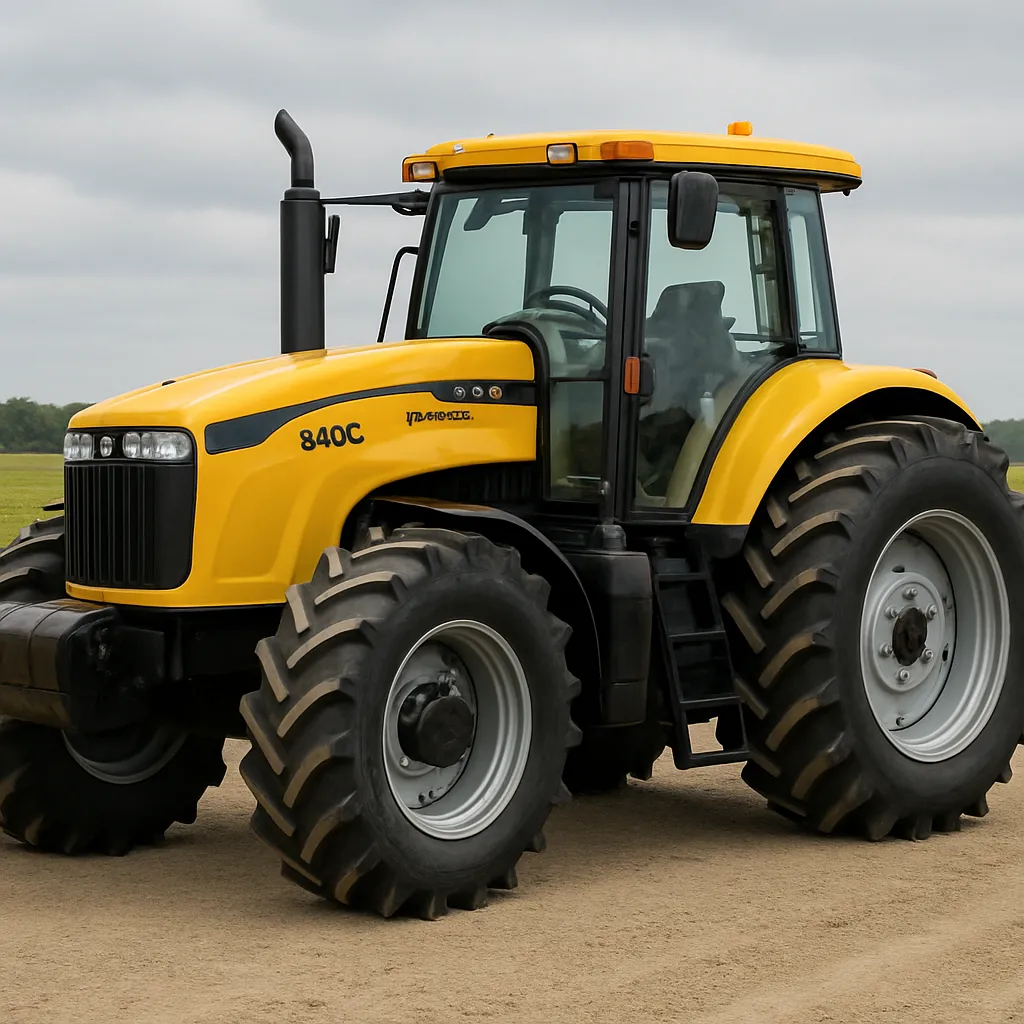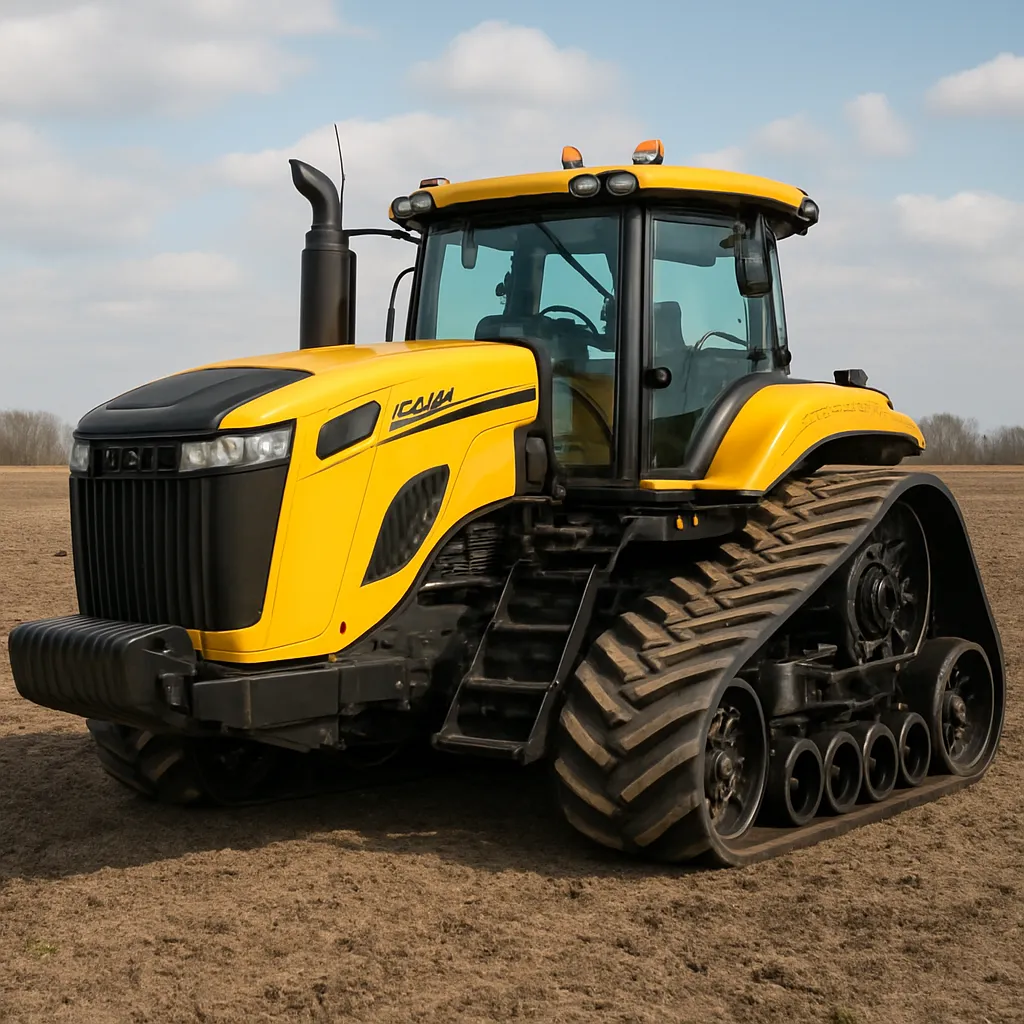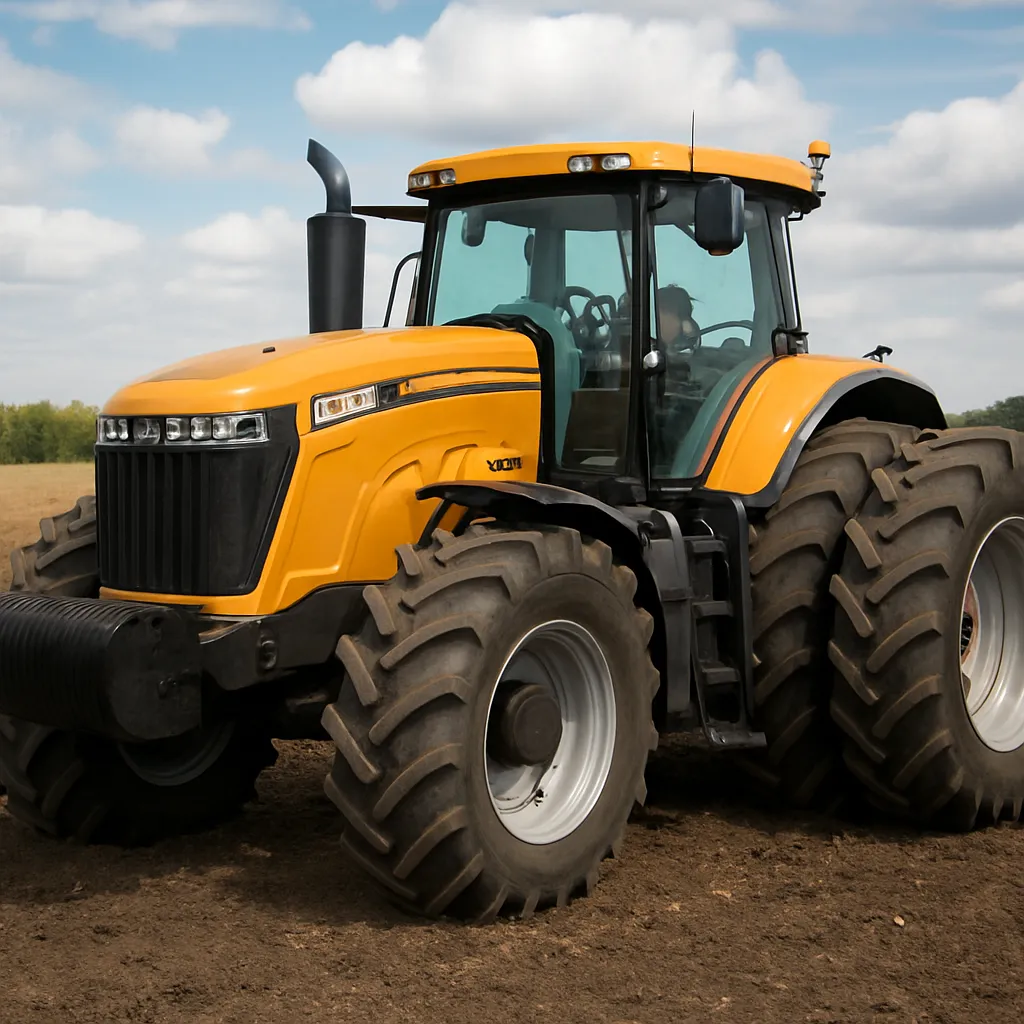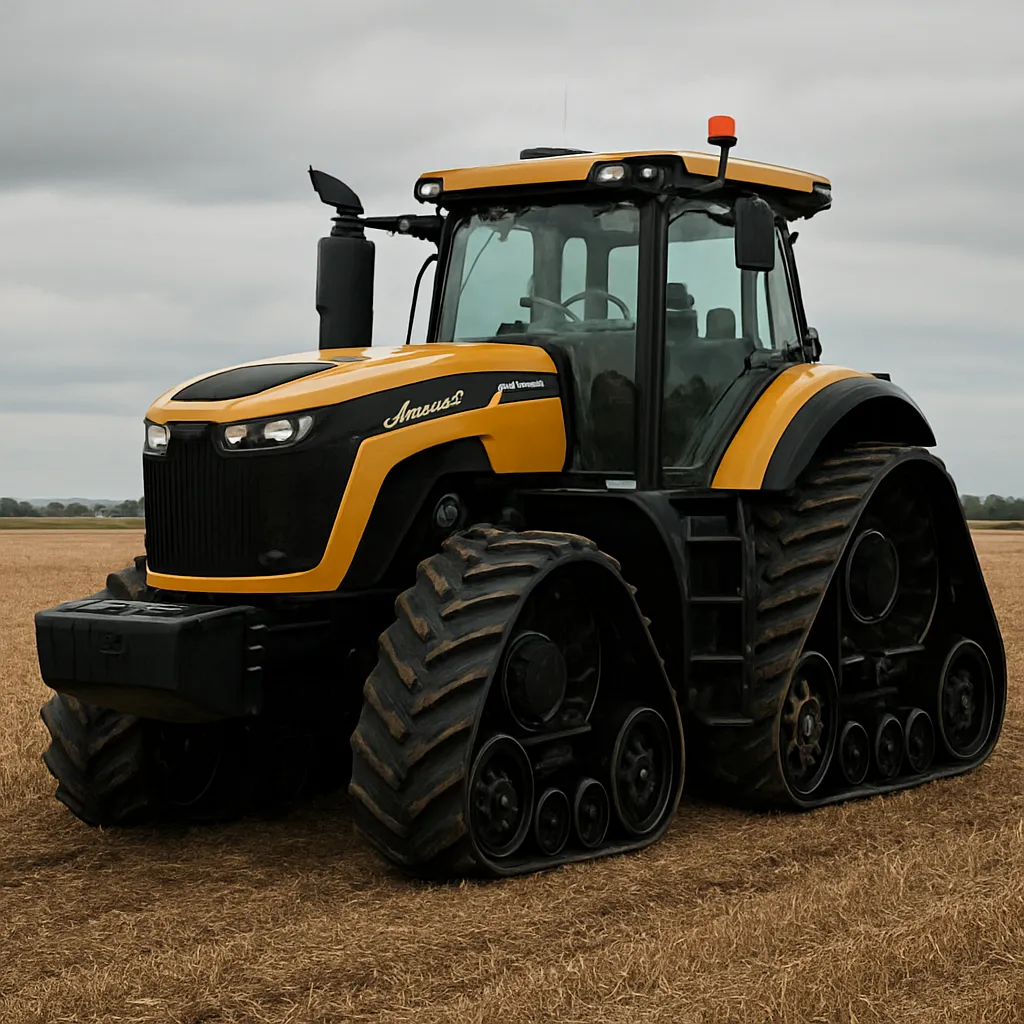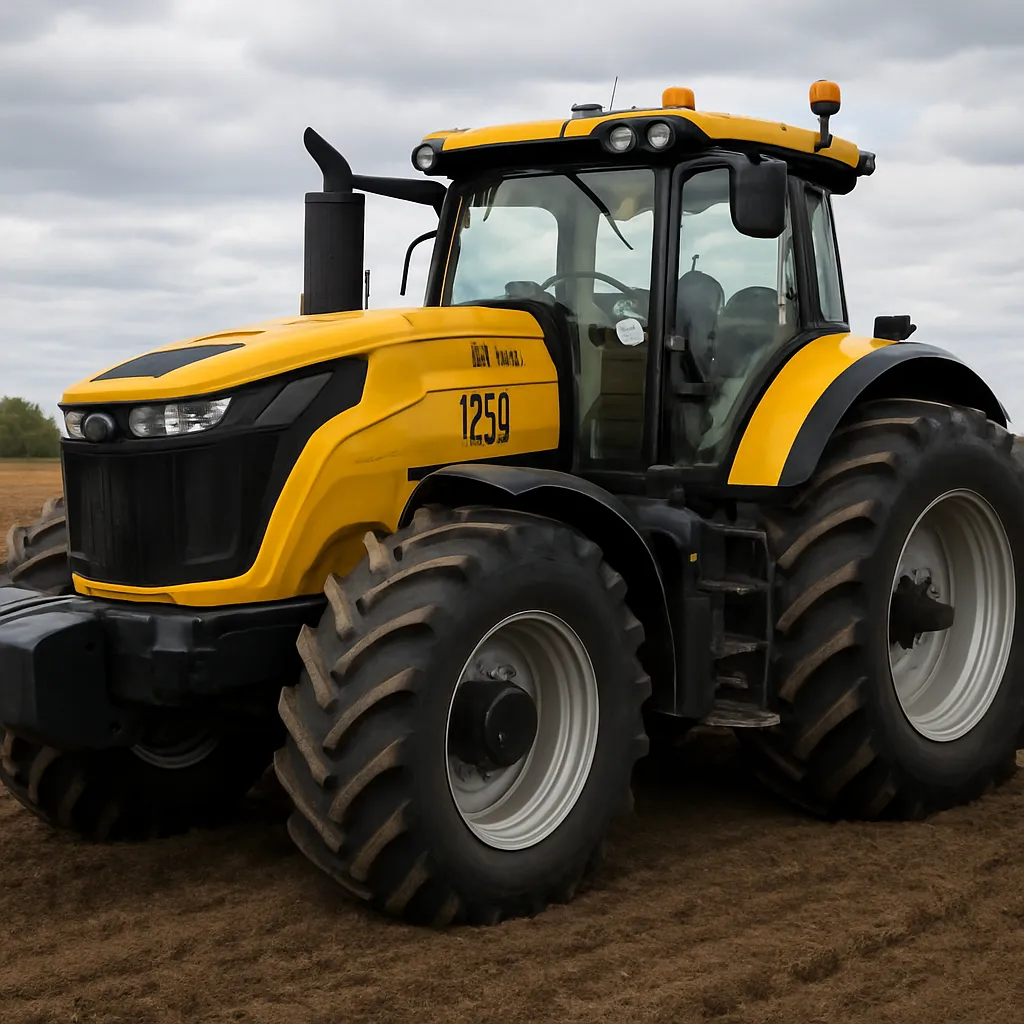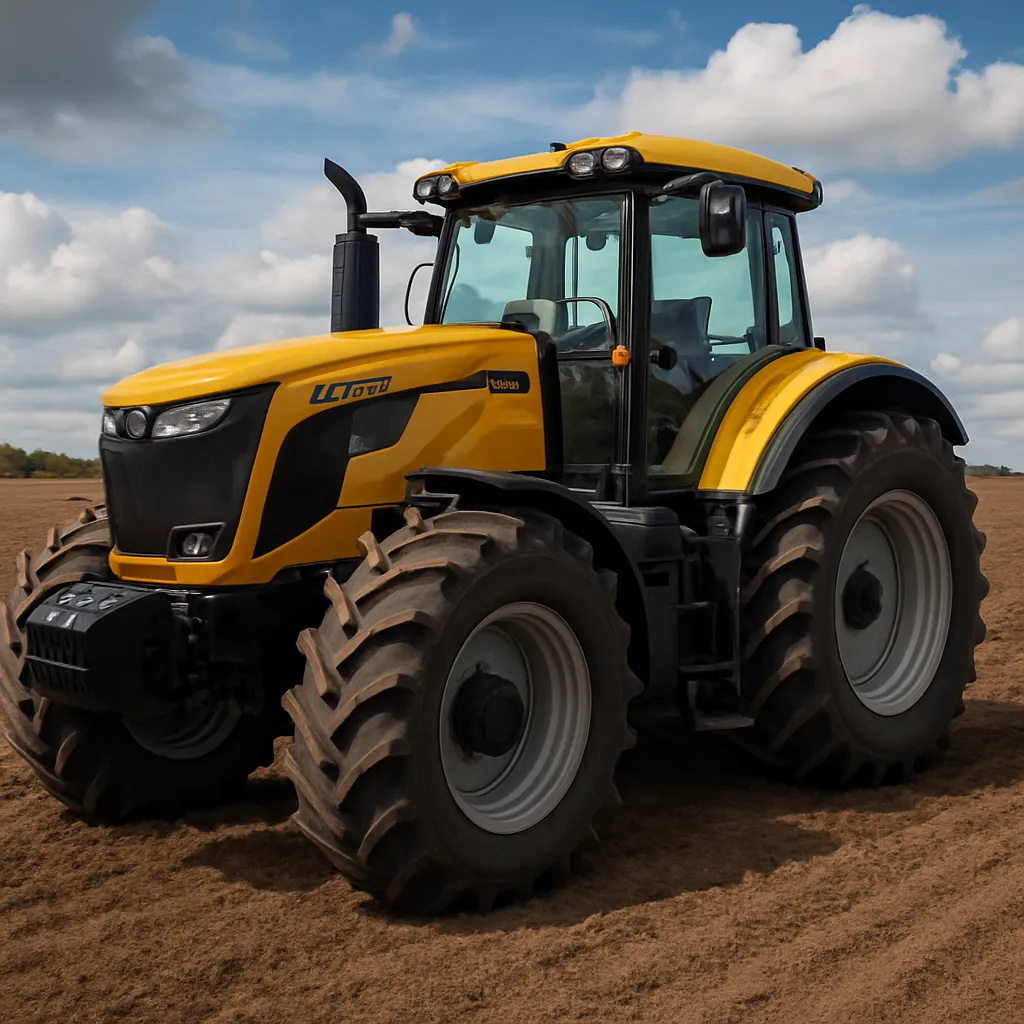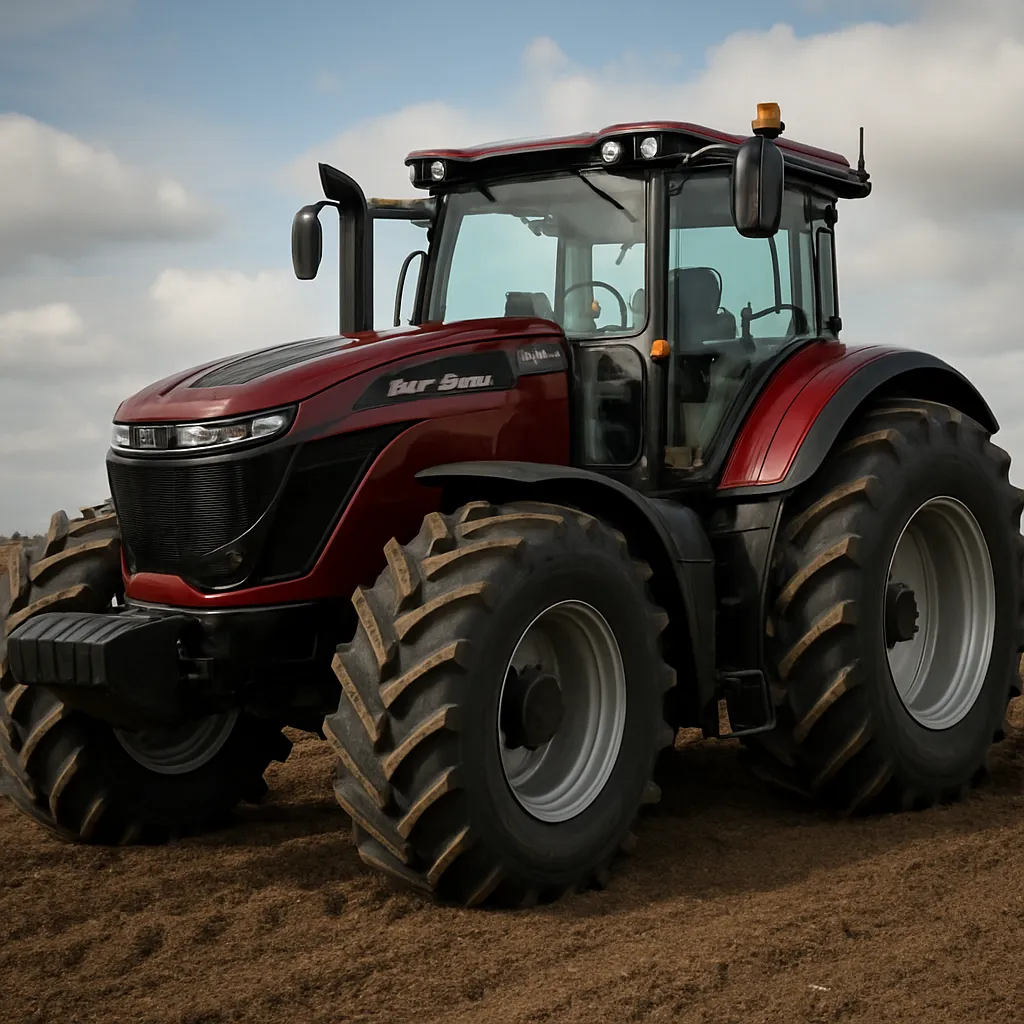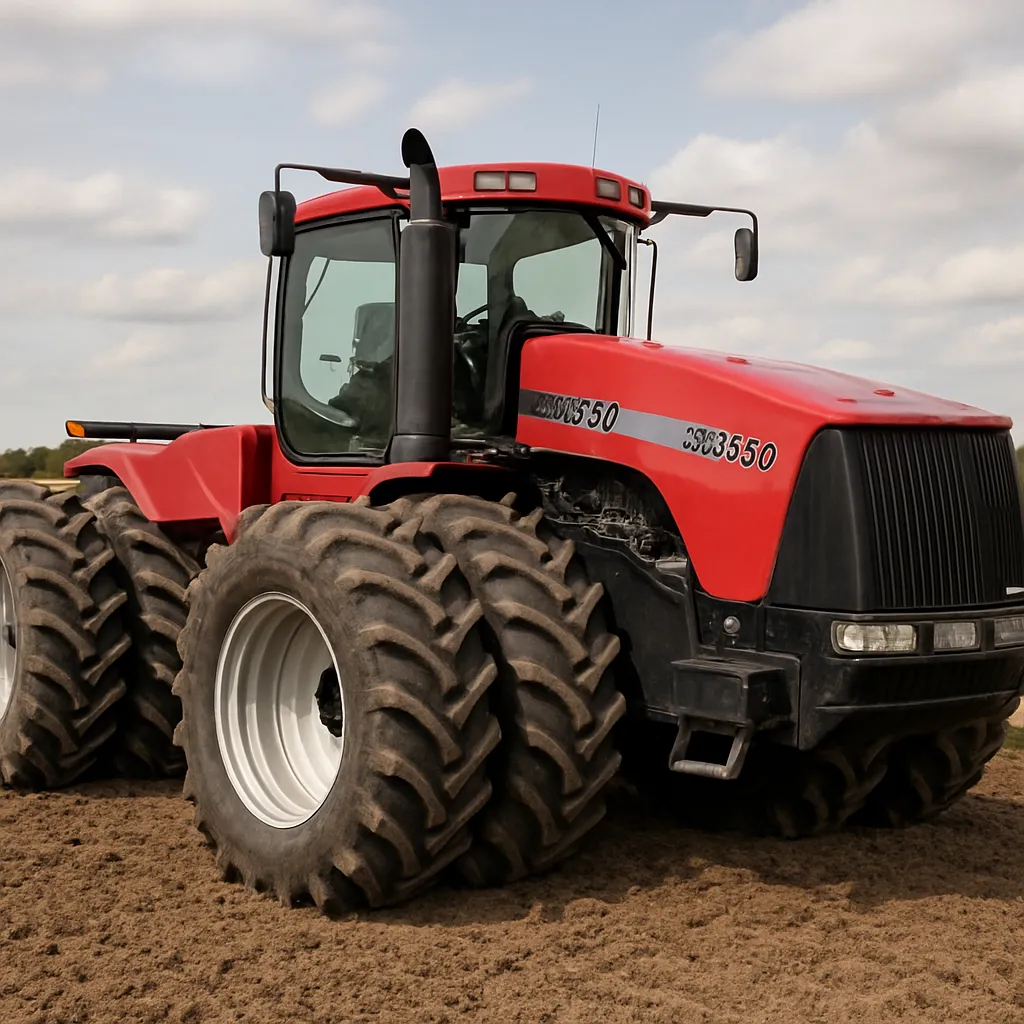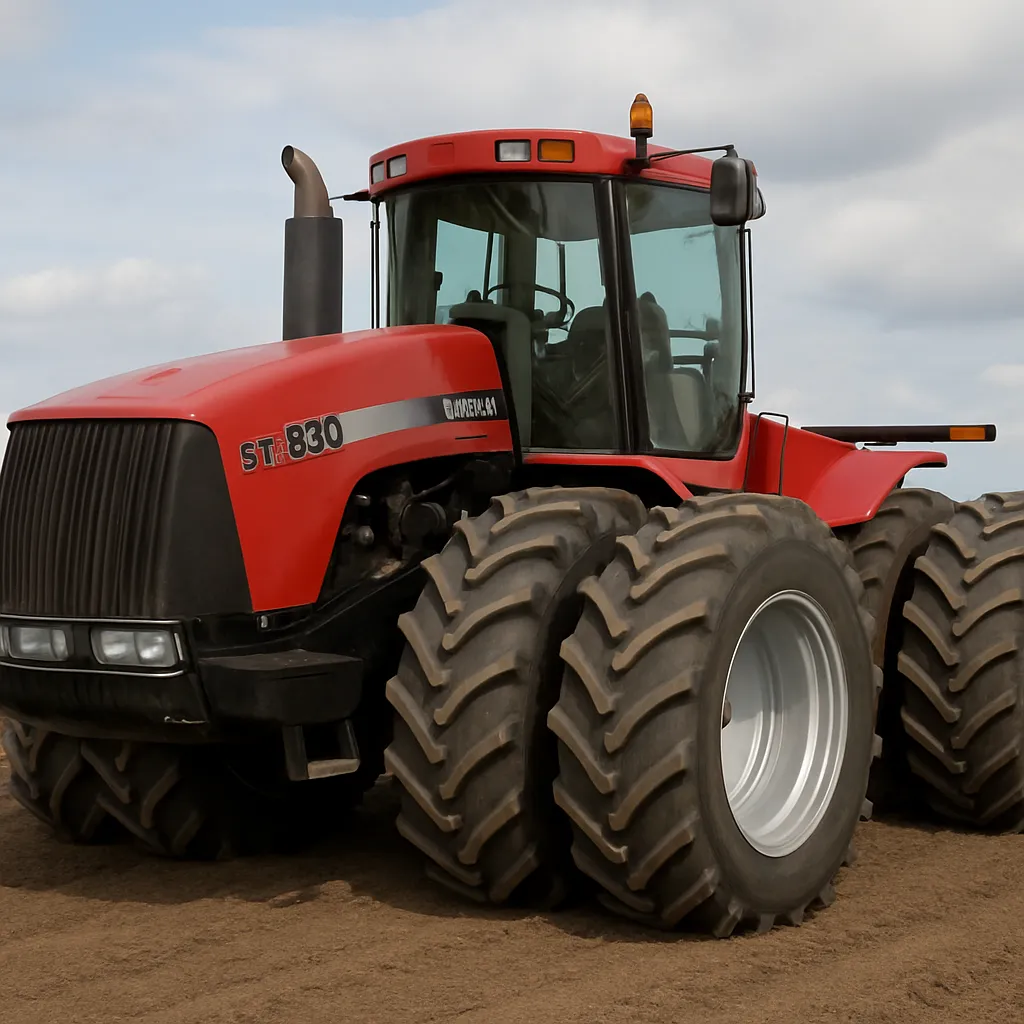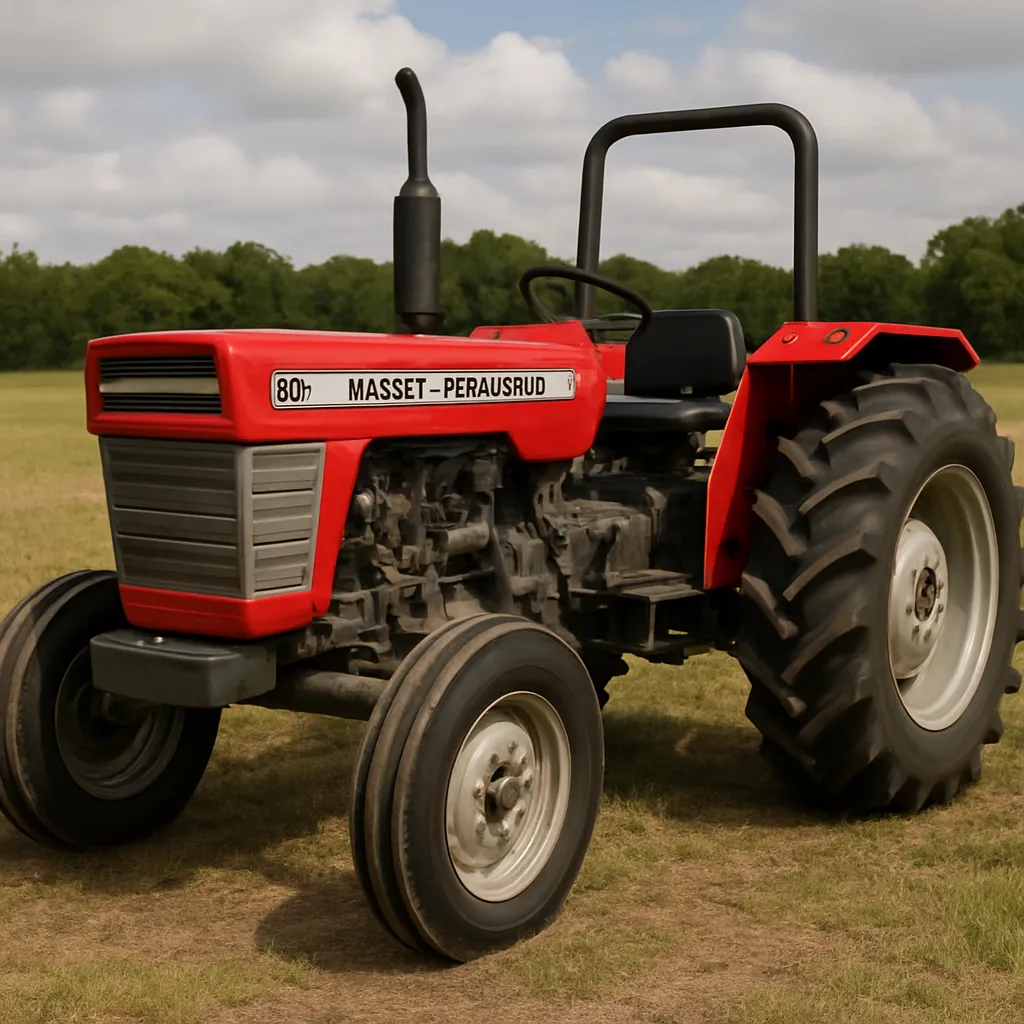
The Massey Ferguson 1800 is recognized by many operators as a versatile member of the Massey Ferguson family of agricultural and utility machines. Whether used on a mixed farm, in municipal fleets, or by contractors for light earthmoving and landscaping, the model name 1800 evokes a balance of robustness and adaptability. This article explores the practical uses, technical characteristics, operational tips, and market context of the Massey Ferguson 1800, with an emphasis on the features that make it a reliable choice for a wide range of tasks.
Overview and positioning
The Massey Ferguson brand, owned by AGCO Corporation, has a long tradition in tractor design, producing machines that span from small sub-compact units to large row-crop and specialty tractors. The designation “1800” has been applied in different markets and eras to machines intended to serve the compact to utility segment — tractors that prioritize ease of use, maintainability, and multi-purpose capability.
In general terms, the MF 1800 models are intended for customers who need a machine capable of performing daily tasks such as tillage, mowing, loader work, material handling, and snow clearance, while still being economical to operate and maintain. They are often chosen by hobby farmers, smallholders, contractors with light-duty needs, and municipal services.
Typical applications and use cases
The strength of the Massey Ferguson 1800 lies in its adaptability. A single tractor can support dozens of implements and accessories, enabling it to serve multiple roles across seasons and job types.
Agricultural uses
- Field work: secondary tillage, seedbed preparation, and pulling light implements such as harrows and seeders.
- Crop maintenance: mowing, spraying (with trailer or boom sprayer), fertiliser spreading, and cultivation.
- Livestock operations: feed distribution, manure handling with a front loader or bucket, and bedding management in barns.
Horticulture, orchards and vineyards
- With narrower wheel or tyre configurations and specialized implements, MF 1800 variants can be suited to vineyard and orchard work where maneuverability and precise width matter.
- Implements such as flail mowers, hedge cutters, and spading machines expand the tractor’s usefulness in managed plantings.
Municipal and contractor roles
- Street and park maintenance: mowing, leaf collection, and debris clearing.
- Winter service: snow ploughing with a front blade or blower attachment.
- Light construction and landscaping: using backhoes, loaders, pallet forks, and grapple buckets.
Specialty and emerging uses
- Small-scale biomass harvesting and handling.
- Integration into low-emission or precision agriculture setups (with modern sensors and telematics where supported).
- Retrofit conversions for alternative energy use (e.g., biodiesel compatibility), given the typical diesel engine platform and straightforward fuel systems.
Design features and technical characteristics
Because the MF 1800 name has been used across different markets and generations, exact technical specifications can vary between model years and optional configurations. The following summary describes common attributes and typical ranges for machines in this segment.
Engine and powertrain
- Typical engine: compact diesel engines with 3- or 4-cylinder layouts, turbocharged options available on higher-output variants.
- Power range: depending on configuration, many MF 1800-class tractors fall in a nominal range of approximately 30–75 horsepower, making them suitable for a broad set of implements without the complexity of larger row-crop tractors.
- Cooling and emissions: modern iterations meet regional emissions standards with common-rail fuel systems or mechanically controlled fuel pumps on older models; cooling systems are designed for steady operation under loader duty cycles.
Transmission and driveline
- Transmission options typically include gearboxes with synchronized shifting (synchromesh), power shuttle (for loader work), and sometimes hydrostatic variants for smooth, easy-to-use speed control in utility scenarios.
- Four-wheel drive (4WD) is commonly available or standard on many versions, improving traction in wet fields or snow; differential locks and limited-slip options are often offered for challenging ground conditions.
- PTO options generally include the standard 540 rpm output, with some models offering 540/540E or 1000 rpm variants depending on implement needs.
Hydraulics and linkage
- Rear three-point hitch: typically Category I or II depending on the tractor’s power and size; hydraulic lift capacity for the rear linkage commonly ranges from roughly 1,200 to 2,500 kg in this class, enabling many popular implements.
- Hydraulic flow: single or dual-pump systems, with flow rates suited for loader cycles, rear remotes, and auxiliary functions. Flow rates and numbers of remote valves vary by specification.
Cabin and ergonomics
- Operator platforms can range from ROPS-only open stations to fully enclosed cab options with heating, ventilation, and sound insulation, improving comfort for long working days.
- Controls are positioned for ease of use: ergonomically arranged levers and optional joystick control for loaders. Visibility forward and to the implements is prioritized for safe operation.
Dimensions, weight and capacities (typical ranges)
- Operating weight: commonly in the range of approximately 1,400–3,000 kg depending on equipment and ballast.
- Fuel tank capacity: often between 40 and 90 litres, balancing runtime with compact design.
- Tire options: broad selection of agricultural, turf, and industrial tires to suit soil compaction and traction requirements.
Implements and attachments compatibility
One of the most valuable attributes of the MF 1800-class machines is their ability to integrate with a wide array of implements. This makes them highly flexible tools for many businesses and farms.
- Front loaders and buckets for material handling and light earthmoving.
- Backhoes and trenching accessories for small excavation projects.
- Mowers (finish, flail, and rotary), conditioners, and mulchers for groundskeeping.
- Ploughs, disc harrows, rotavators and seeders for field operations.
- Snow blades, blowers and salt spreaders for winter municipal work.
- Pallet forks, grapple attachments, and bale spears for handling materials and forage.
Because Massey Ferguson is a long-standing brand, many aftermarket and OEM implements are readily available across regions. The broad dealer network of the manufacturer’s parent company provides access to spare parts, service, and supported attachments.
Maintenance, reliability and operational best practices
Longevity and low total cost of ownership are often cited by owners as key strengths of MF utility tractors. Regular proactive maintenance is essential to preserve reliability and resale value.
Routine maintenance checklist
- Daily: visual inspection, checking engine oil level, coolant level, and fuel supply; inspect tires for pressure and damage; verify operation of lights and basic controls.
- Weekly: check hydraulic fluid level, inspect hoses for wear or leaks, grease fittings on loader and linkage points, check battery terminals and belt tension.
- Seasonal: full engine service (oil and filter change), fuel filter replacement, air filter service, check and adjust valve clearances if applicable, inspect PTO and driveline components.
- Long-term: service transmission and final drives per the manufacturer’s intervals, replace hydraulic fluids and filters on schedule, and ensure emissions-related components are functioning as required by local regulations.
Operational recommendations
- Use the correct lubricant grades and fluids recommended for your climate and application to prolong component life.
- Avoid prolonged high-load operation at low ground speed without adequate cooling; this can stress the cooling system and engine.
- Install and use wheel weights or ballast where necessary to improve traction during front-loader operations — correct ballasting improves safety and lifting capacity.
- Train operators in proper hitching and implement use; improper hitching or overloading the linkage can cause premature wear or unsafe conditions.
Market presence, variants and second-hand considerations
The MF 1800 class has seen multiple variants across regions. Dealers frequently offer both new and used models, with variation in features such as cab options, transmission types, and hydraulic capacity. When evaluating new or used units, prospective buyers should compare specific serial numbers, option lists, and service histories.
Resale and lifetime value
Massey Ferguson tractors typically retain reasonable resale value because of the brand recognition, dealer support, and the availability of spare parts. Factors that influence resale value include hours of operation, maintenance history, presence of a cab, and fitted options like power shuttle transmissions or advanced hydraulic packages.
Choosing a used MF 1800
- Check service records: a well-documented maintenance history is a major positive indicator of future reliability.
- Inspect wear points: loader pins, bucket cutting edges, three-point linkage pins, and PTO shaft condition are practical signs of how hard the tractor was worked.
- Verify hydraulic performance and look for leaks; hydraulic repairs can be expensive if major components need replacement.
- If possible, perform a load test: operate the tractor under realistic working conditions to feel for transmission smoothness, engine performance, and loader response.
Safety considerations and operator comfort
Modern MF 1800 variants are designed with operator safety in mind. Basic safety elements commonly present include ROPS (roll-over protective structures), operator presence controls for PTO engagement, clear visibility from the operator’s seat, and optional enclosed cabins that protect from weather and reduce noise.
- Always ensure ROPS are properly installed and seat belts used where appropriate.
- Use guards around PTO shafts and other exposed rotating parts.
- Keep bystanders clear of implements during operation, and follow recommended hitching and lifting practices for safe handling of loads.
Interesting facts and brand heritage
Massey Ferguson has a long and storied history that contributes to the appeal of models like the 1800. The brand is associated with practical design and a global support network. A few notable points:
- The company’s reputation for producing durable, widely-serviced machines is a major reason farmers and contractors remain loyal to the brand.
- Many MF tractors benefit from standardized parts across model lines, simplifying maintenance and parts sourcing.
- The bright red livery and classic styling elements make the machines instantly recognizable in the field.
Environmental and regulatory context
Tractors in the MF 1800 class must meet regional emissions regulations, which has influenced engine design over time. Newer machines often employ improved fuel systems and after-treatment devices to reduce particulate matter and NOx emissions. Operators can further increase environmental performance through:
- Using low-sulfur diesel or approved biodiesel blends when compatible with the engine.
- Maintaining engines to ensure efficient combustion and lower emissions.
- Employing precision-application implements to reduce unnecessary chemical and fertiliser use.
Final observations
The Massey Ferguson 1800 represents a practical and flexible tractor choice for a broad range of users. Its strengths are versatility, relatively simple mechanical systems that are easy to service, and compatibility with an extensive array of implements. While exact specifications depend on the model year and market-specific options, typical machines in this class offer a balance of horsepower, hydraulic capability, and operator comfort that make them suitable for mixed farm work, municipal tasks, and commercial landscaping.
When considering acquisition, buyers should focus on matching the tractor’s specific configuration (transmission type, hydraulic flow, cab versus ROPS, and three-point lift capacity) to their intended tasks. Regular maintenance, correct ballasting, and using appropriate implements will maximize the machine’s useful life and keep operating costs predictable. For those needing a dependable, multipurpose utility tractor with broad aftermarket support, the MF 1800 remains a solid option within the Massey Ferguson line-up.