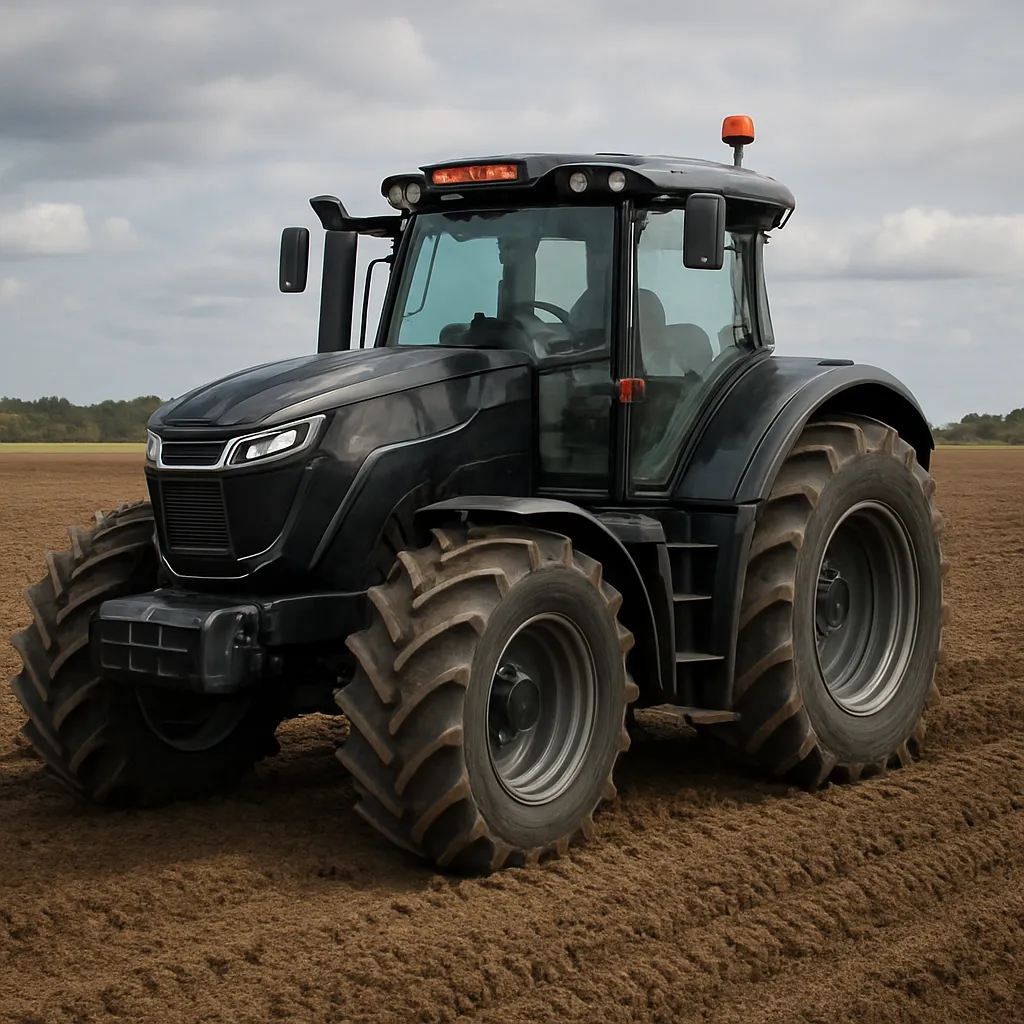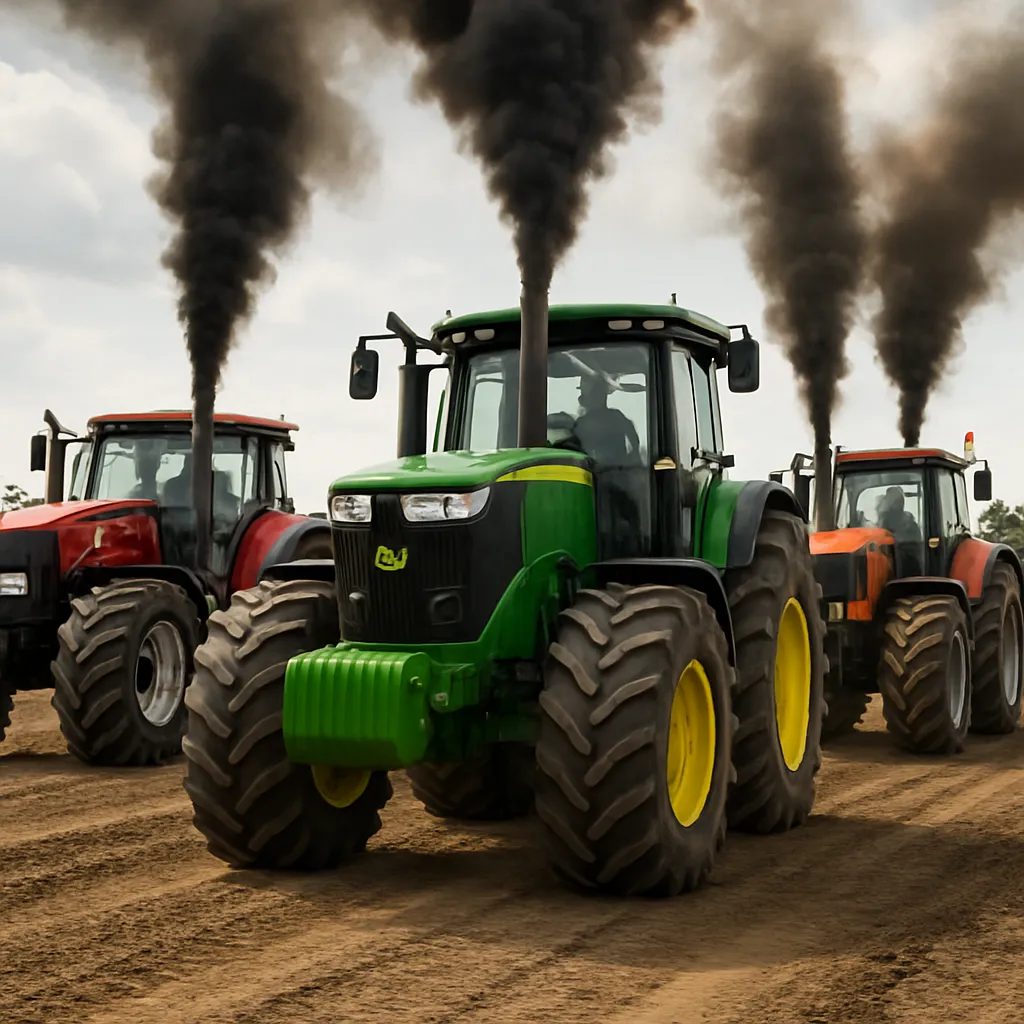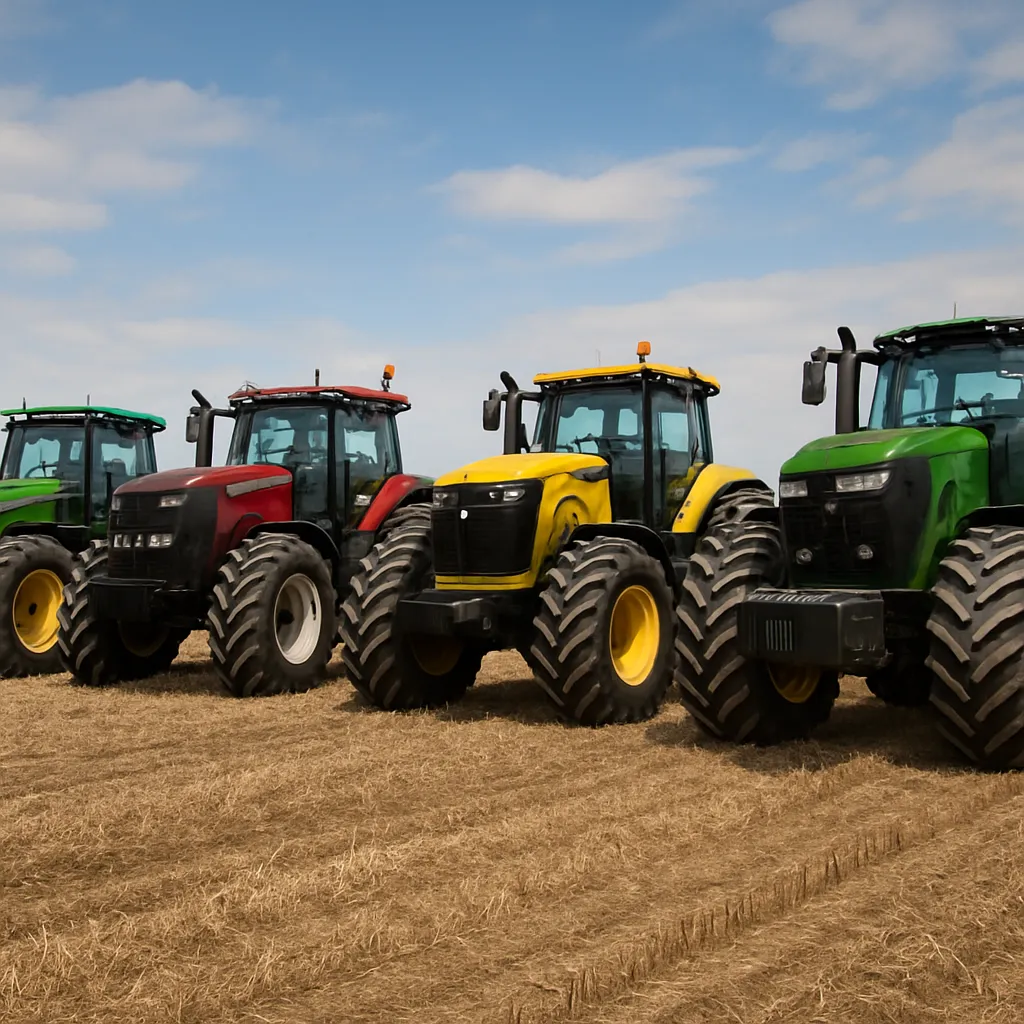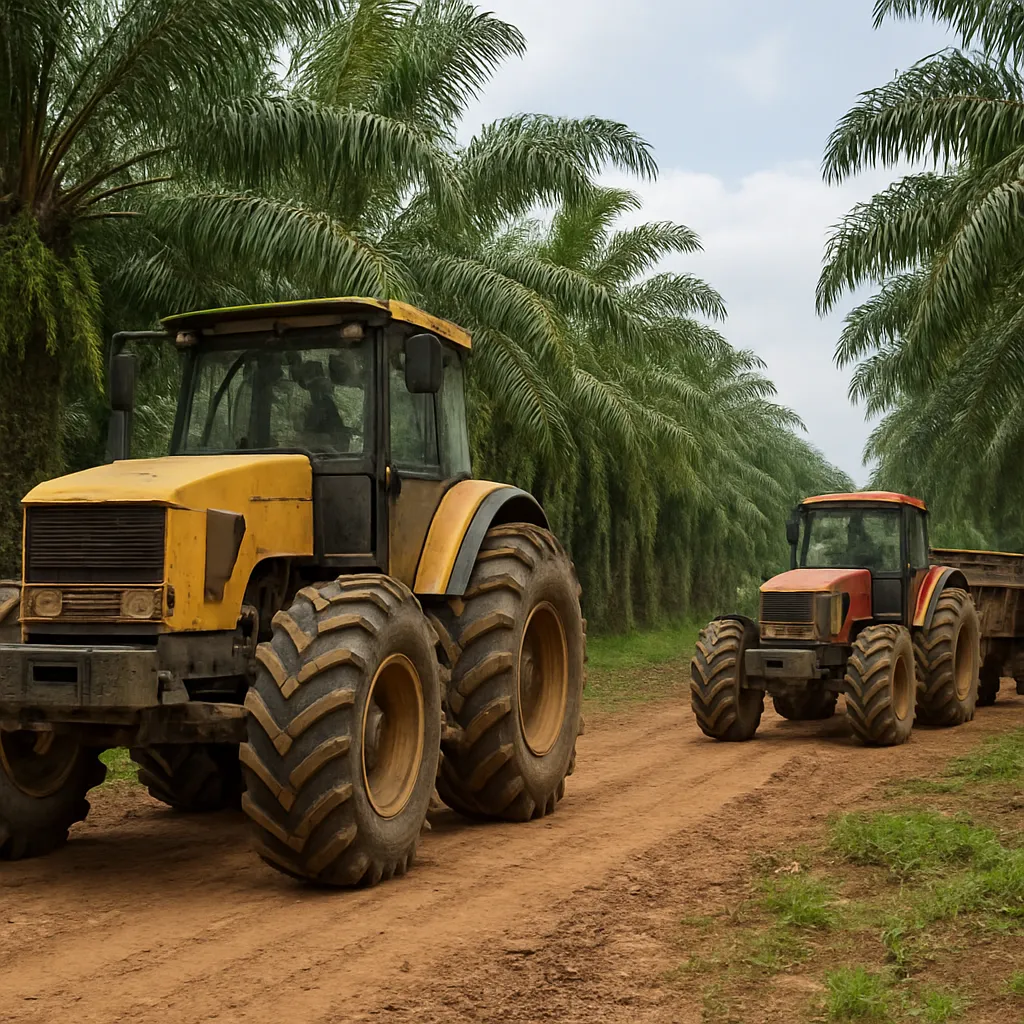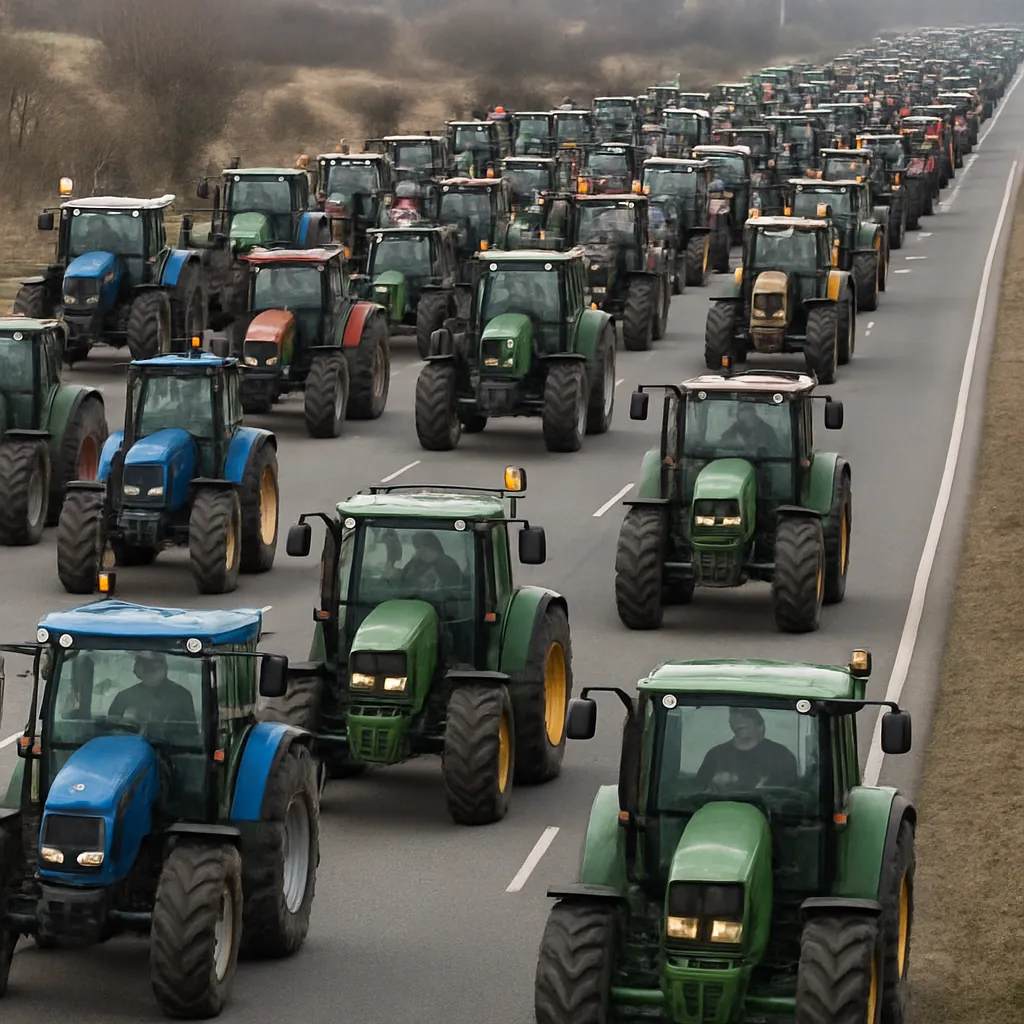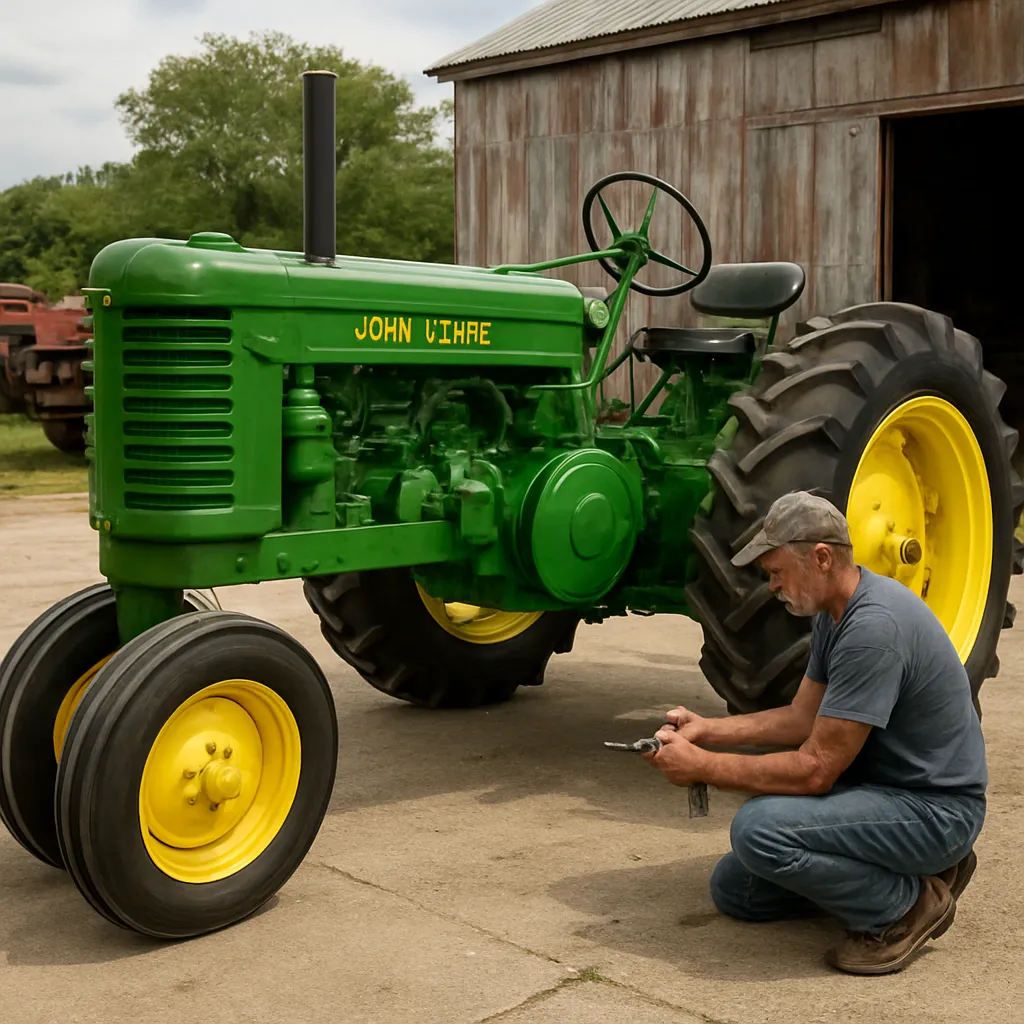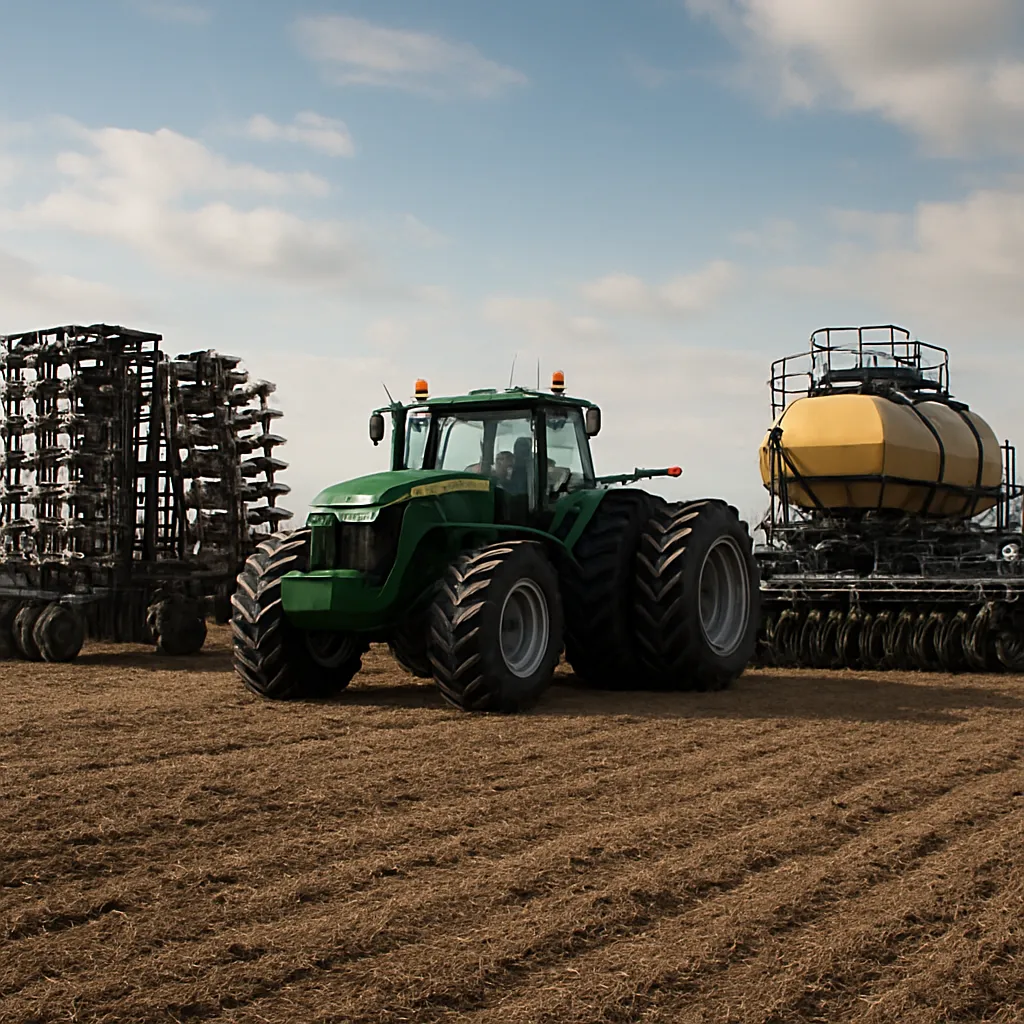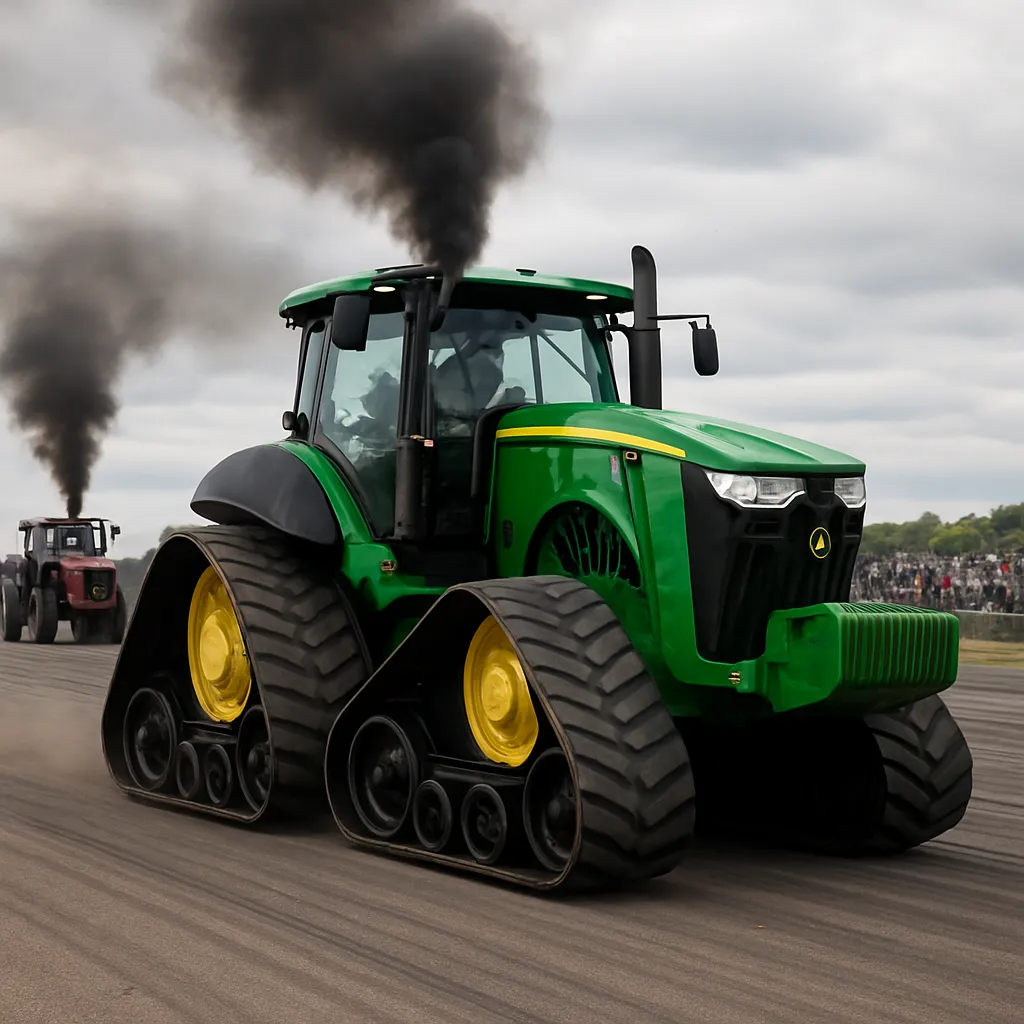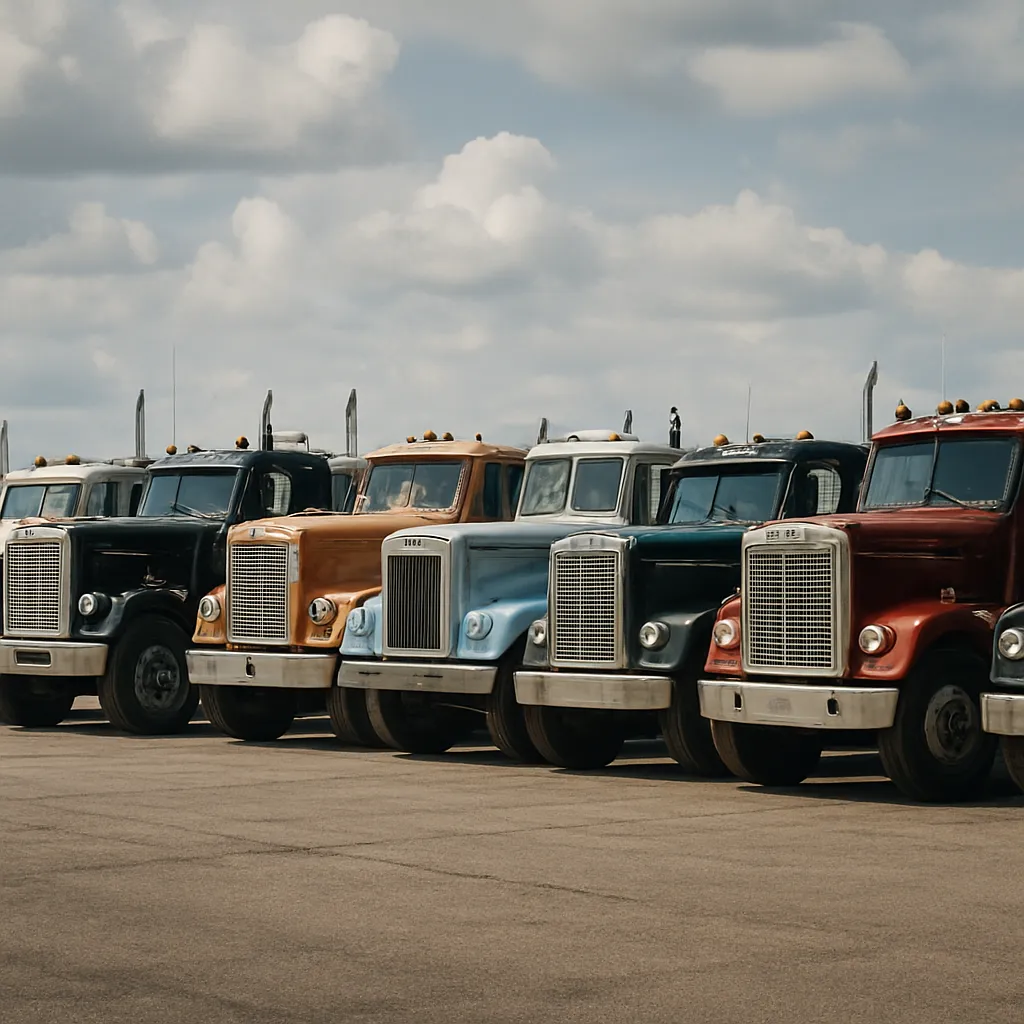
The golden era of farm machinery introduced some of the most powerful and vintage tractors ever built. These mechanical giants not only revolutionized planting and harvesting but also embodied sheer engineering prowess. Their enduring charm lies in a blend of raw horsepower, unmatched durability, and pioneering innovation that still captivates collectors and farmers alike. From dusty fields to modern exhibitions, these legends continue to define the very essence of agricultural greatness.
Origins and Early Mechanization
The Dawn of Mechanical Farming
At the turn of the 20th century, horse-drawn plows and manual labor dominated farmland across the globe. The quest for efficiency fueled inventors to develop self-propelled machines capable of replacing dozens of horses or oxen. Early prototypes focused on simple traction, but soon manufacturers aimed to deliver genuine colossal force with steam engines and internal combustion powerplants.
Key Innovations in Tractor Design
Several breakthroughs paved the way for these behemoths:
- Introduction of robust steel tracks and large rubber tires for better traction and soil protection.
- Implementation of adjustable plow attachments to tackle various soil conditions.
- Development of multi-cylinder gasoline engines that provided sustained powerful performance.
- Integration of hydraulic systems in the 1940s, enabling precise control of implements.
These advancements transformed tractors from experimental contraptions into indispensable tools for modern agriculture.
Iconic Models That Defined an Era
Between the 1930s and the 1960s, several manufacturers unveiled models that achieved legendary status. These machines combined brute strength with reliable operation, earning their place among the top 10 vintage giants:
- John Deere Model D (1923) – The first serial-production tractor boasting a cast-iron engine block and sturdy frame.
- Fordson F (1917) – A revolutionary mass-produced design that democratized tractor ownership for small farmers.
- International Harvester Farmall H (1939) – Introduced the tricycle front end for improved maneuverability in row crops.
- Allis-Chalmers Model B (1937) – Known for its quiet engine and versatile three-point hitch.
- Massey-Harris 101 Junior (1958) – A lighter model ideal for vineyards and orchards, setting standards for specialized farming.
- Case VAC (1947) – Featured an enclosed cab and independent rear wheel drive for harsh winter operations.
- Oliver 70 (1936) – Integrated an all-steel body and an advanced fuel system for higher efficiency.
- Ford 9N (1939) – Co-developed with Harry Ferguson, it introduced the first modern three-point linkage.
- David Brown Cropmaster (1962) – A diesel powerhouse with extra torque for heavy plowing.
- Fendt Dieselross (1953) – A German masterpiece combining low-end torque with a smoother ride.
Each of these classics earned a reputation for dependability and performance, forging a global legacy still celebrated by collectors and restorers.
Engineering Marvels and Technical Prowess
Powertrains Built to Last
The heart of every vintage giant lies in its engine. Many early models featured cast-iron blocks, oversize pistons, and heavy-duty crankshafts designed for endless hours in the field. Diesel engines became particularly popular due to their superior torque and fuel economy:
- Two-stroke diesel designs with uniflow scavenging for efficient burn cycles.
- Pre-chamber and swirl-chamber combustion techniques to reduce smoke and improve start-up.
- Mechanical governors that maintained steady RPM under variable loads.
These components contributed to the durability that defines collectible farm equipment even decades later.
Chassis and Transmission Innovations
Tractors evolved rapidly in terms of drivetrain and chassis strength. Key developments included:
- Multi-speed transmissions offering range from slow plowing to higher transport speeds.
- Synchromesh gearboxes introduced in the 1950s to ease shifting under load.
- All-wheel drive options added traction in muddy or uneven terrain.
- Hydrostatic drives later allowed variable speed control without clutching.
These features not only boosted field efficiency but also laid the groundwork for modern high-tech engineering solutions in agricultural machinery.
Cultural Impact and Enthusiast Revival
From Fields to Shows
Many of these tractors transitioned from everyday workhorses to showpieces at fairs and exhibitions. Tractor clubs worldwide organize annual events where restored machines display their might in pull contests, plowing demonstrations, and parades. Such gatherings celebrate mechanical heritage and foster community among vintage enthusiasts.
Global Restoration Movement
Restorers employ both period-correct parts and modern substitutes to rejuvenate these icons. A few common restoration practices include:
- Recasting or machining rare engine components to original specifications.
- Authentic paint schemes and decals that revive brand identities.
- Upgrading electrical systems while preserving vintage aesthetics.
- Documenting provenance and serial numbers to maintain historical accuracy.
This hands-on dedication ensures that the legacy of these colossal machines endures for future generations.
Legacy and Influence on Modern Farming
Although contemporary tractors boast GPS guidance, computerized controls, and emissions-friendly engines, they owe much to their predecessors. The robust frames, heavy-duty axles, and mechanical linkages pioneered a design ethos that persists in today’s agricultural equipment. Many manufacturers still reference classic models when branding limited editions, invoking the nostalgic allure of those pioneering classics.
Continuing the Tradition
Several modern series pay homage to their vintage forerunners by adopting heritage color schemes and commemorative badges. Enthusiasts often draw inspiration from these tributes to create hybrid restorations, blending old-school styling with contemporary performance enhancements. This synergy between past and present highlights the timeless value of relentless innovation and unyielding power.
Exploring the Future of Giant Tractors
As agriculture confronts sustainability challenges, the lessons from vintage giants remain relevant. Their simple, robust mechanisms offer insights into minimalism and resilience under harsh conditions. Emerging trends include:
- Electrification of drive trains for zero-emission operation.
- Modular attachments designed for rapid interchange.
- Autonomous systems grounded in mechanical reliability rather than pure electronics.
By balancing cutting-edge technologies with the sturdy foundations laid by early tractors, the industry ensures that the spirit of these pioneering machines continues to shape the fields of tomorrow.