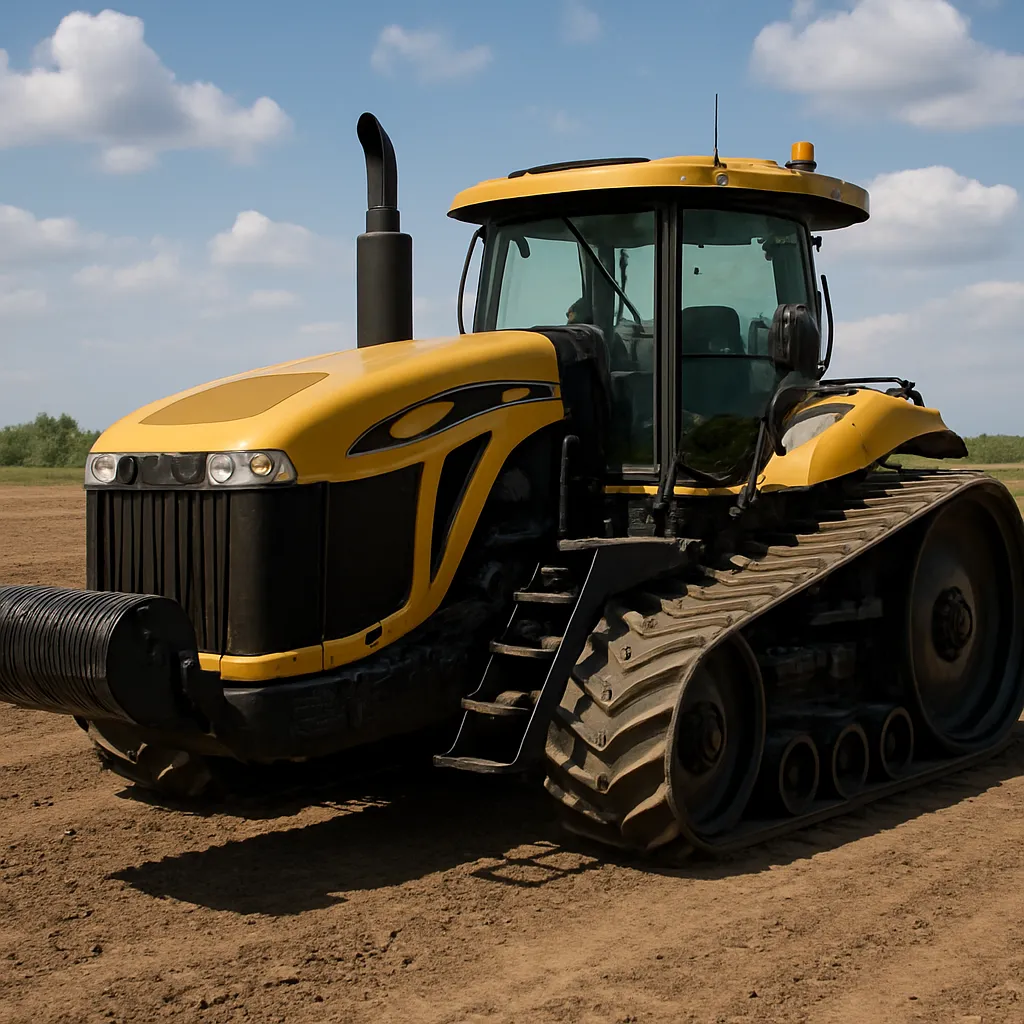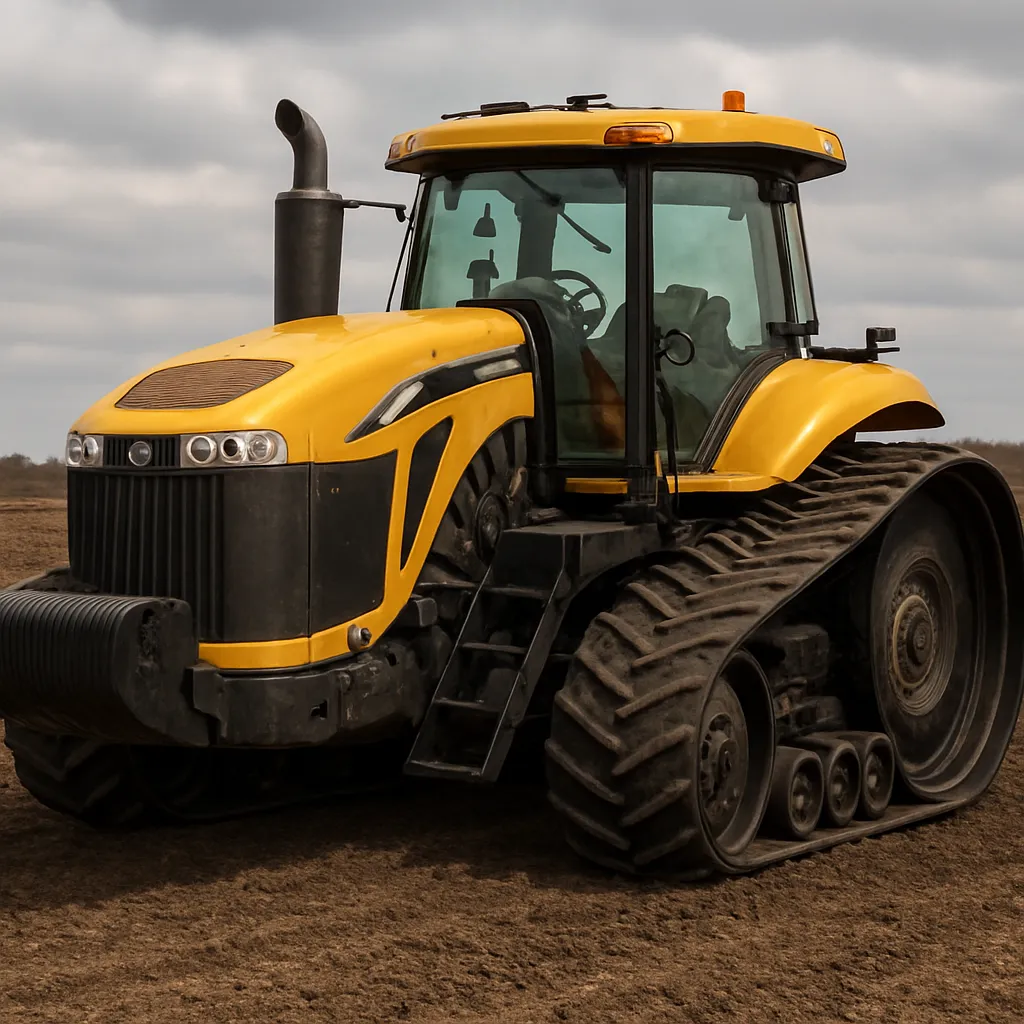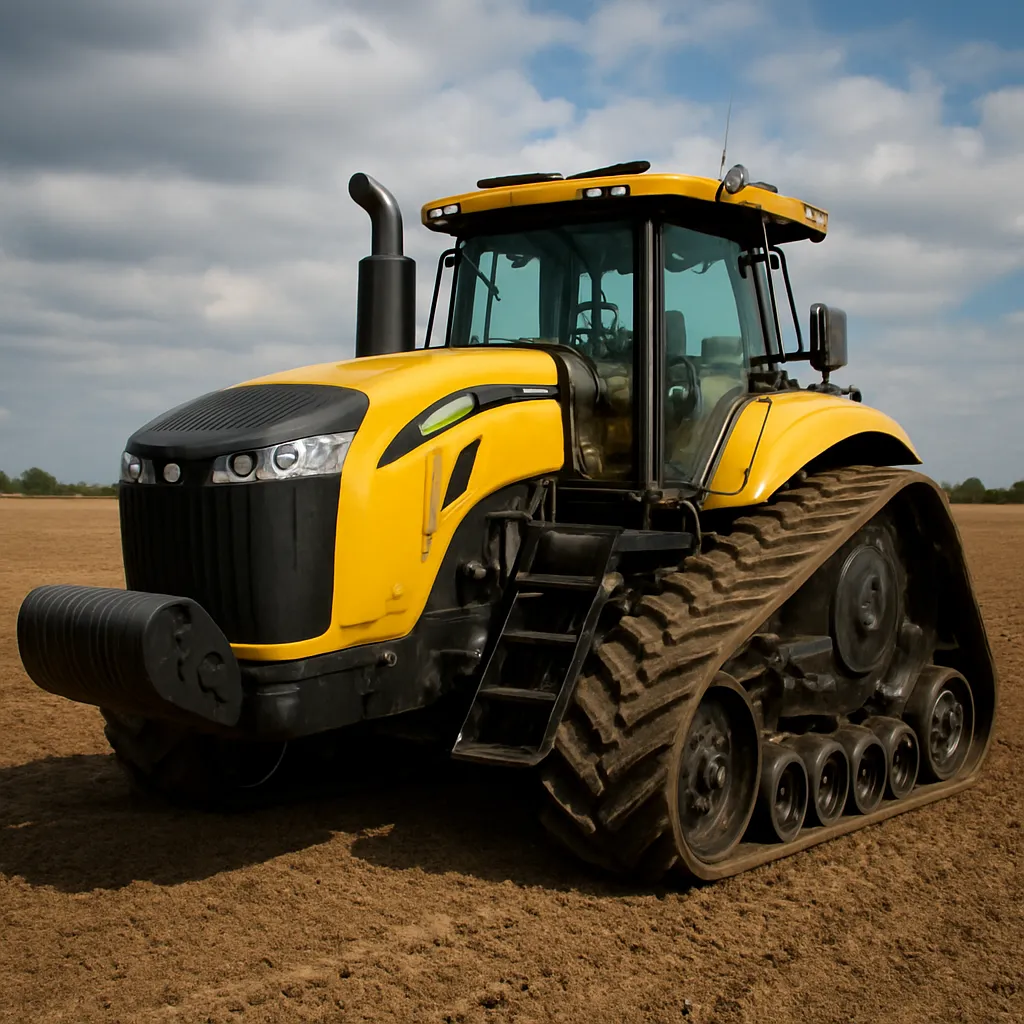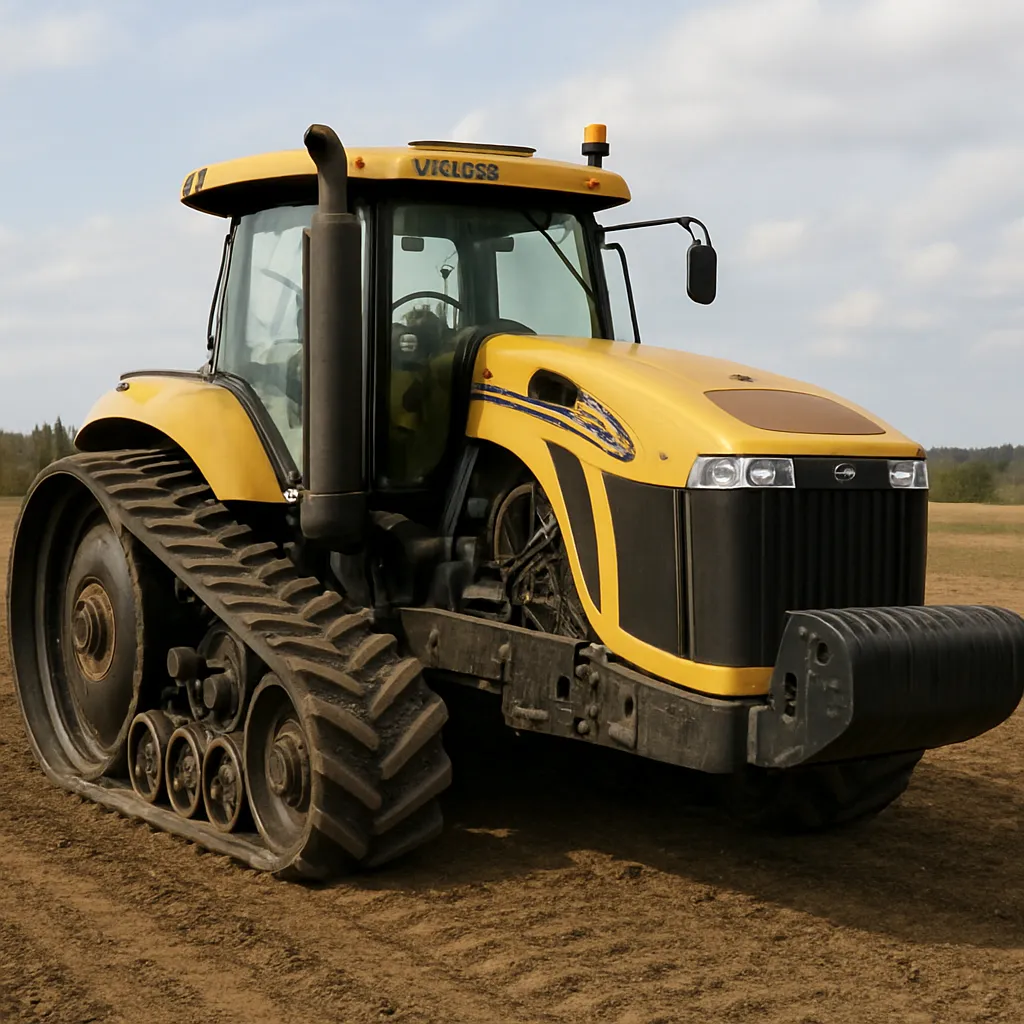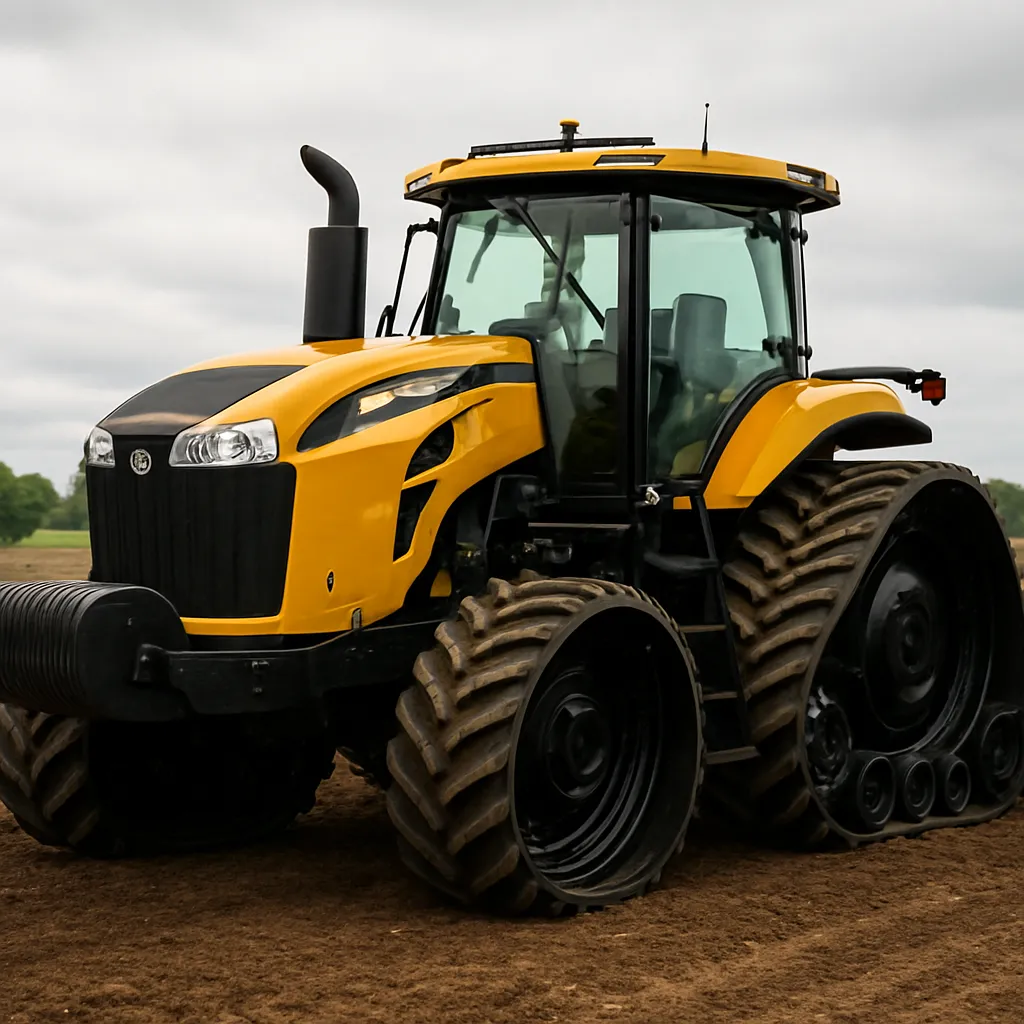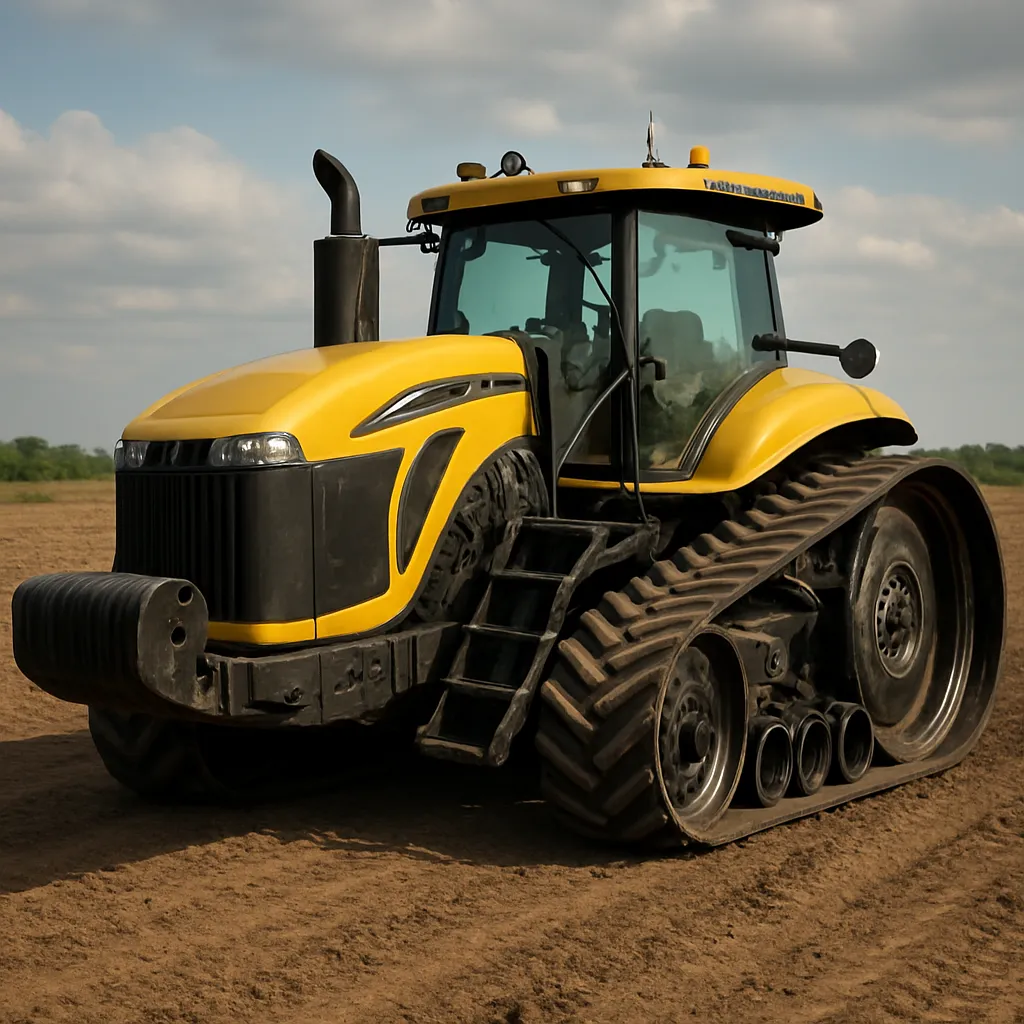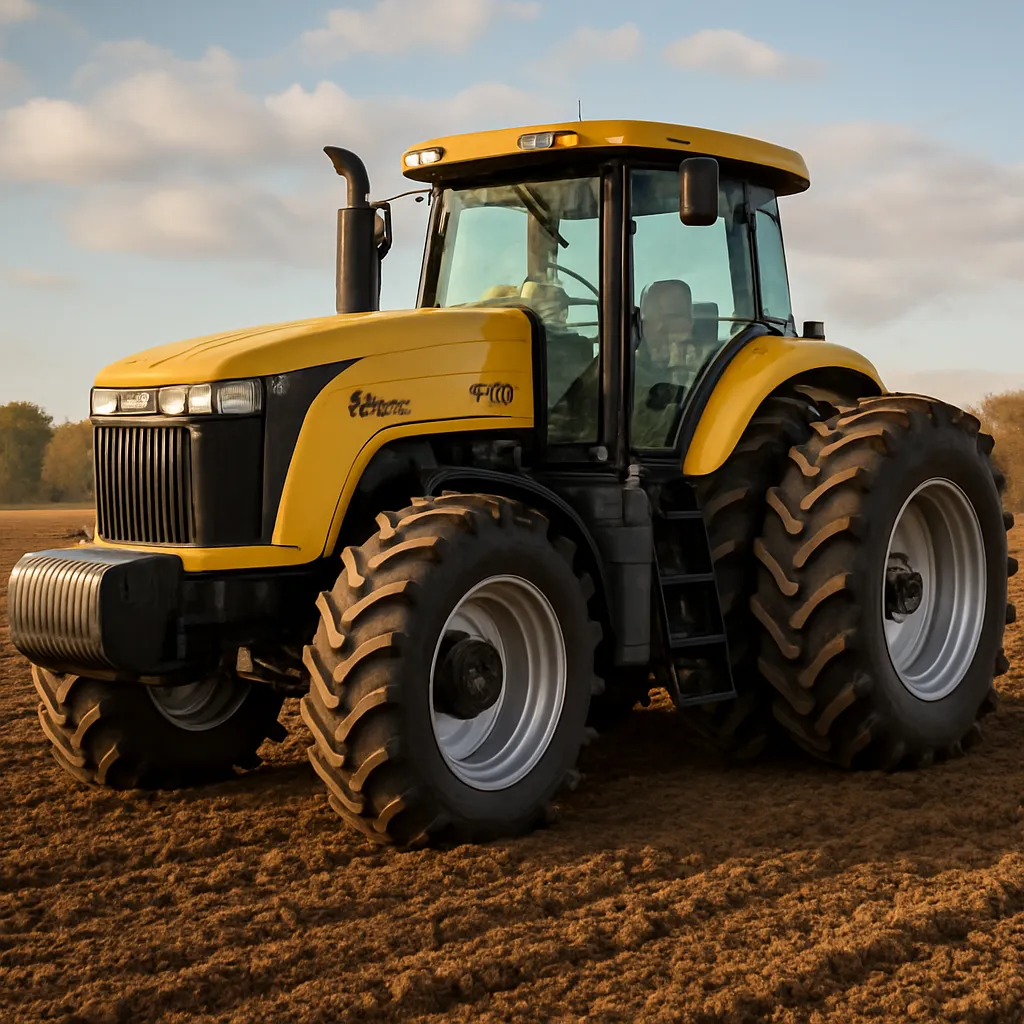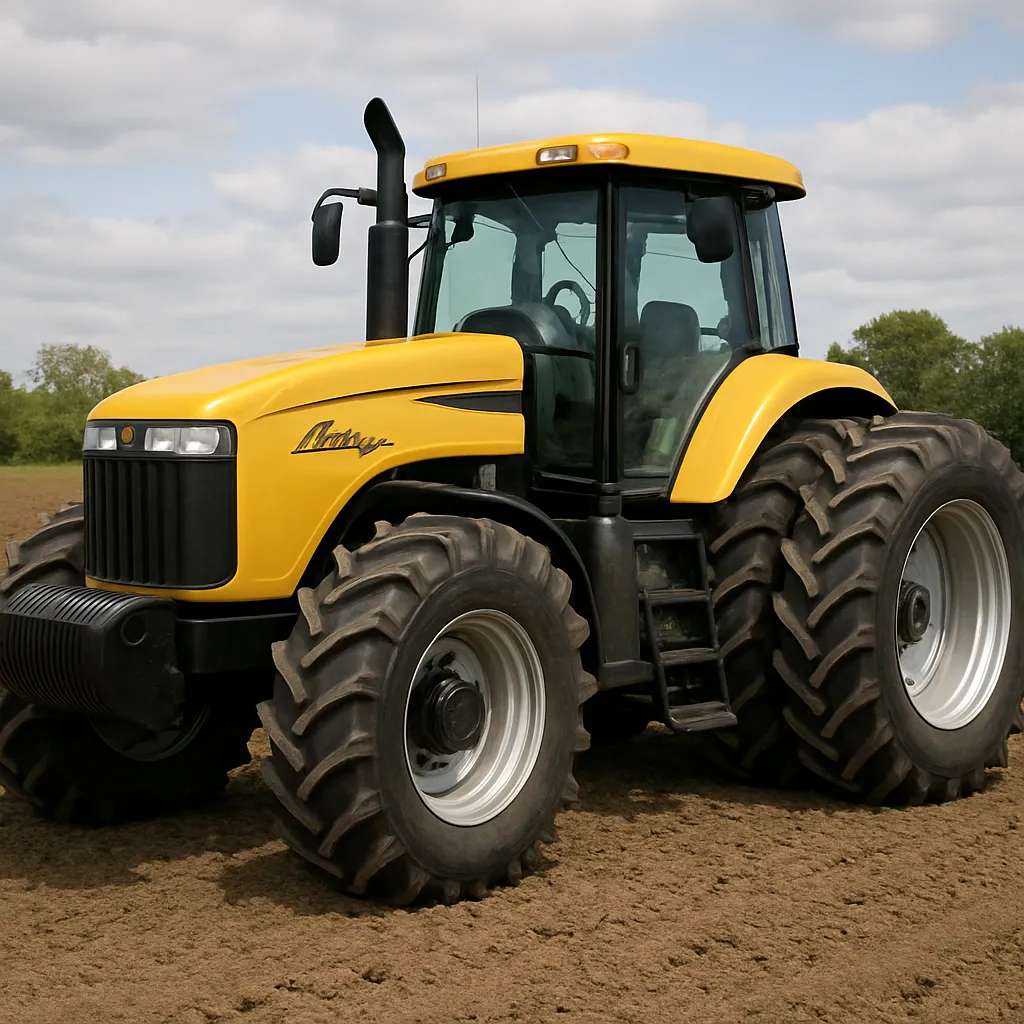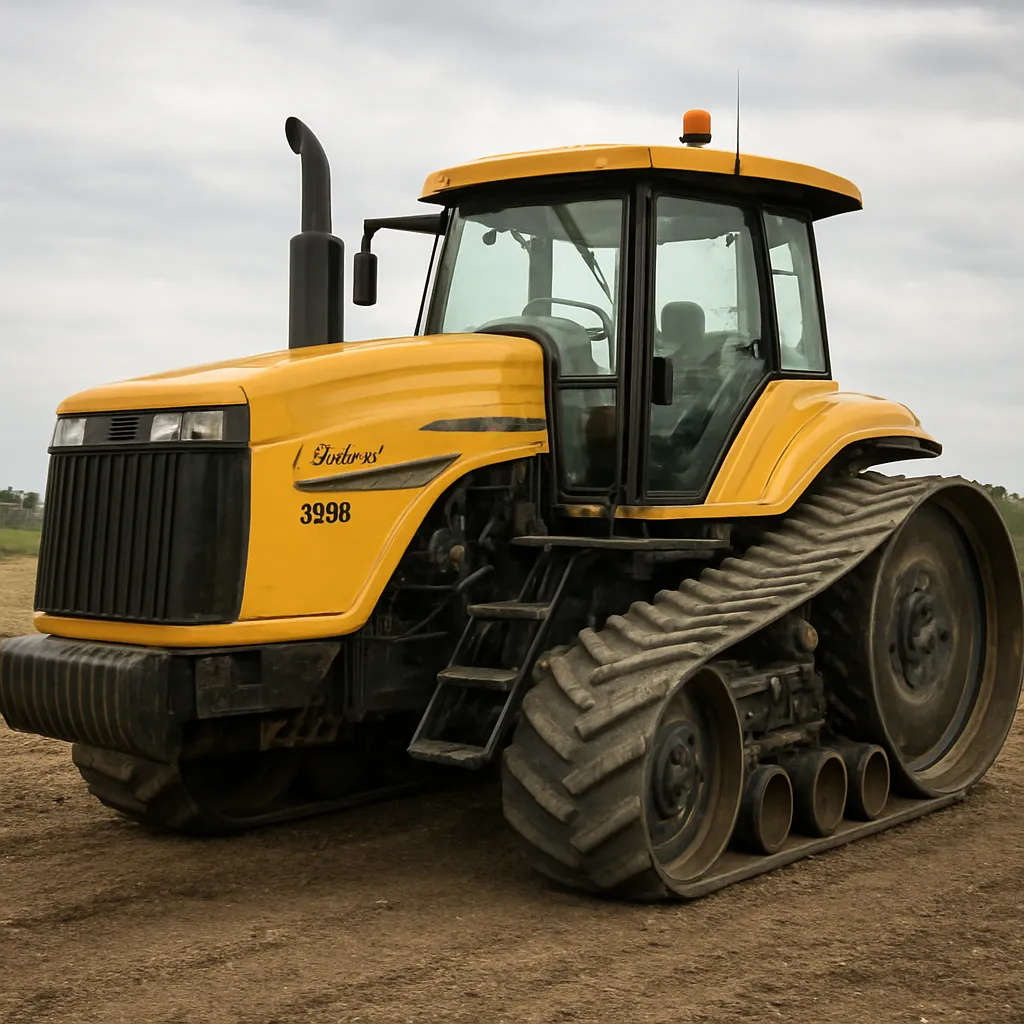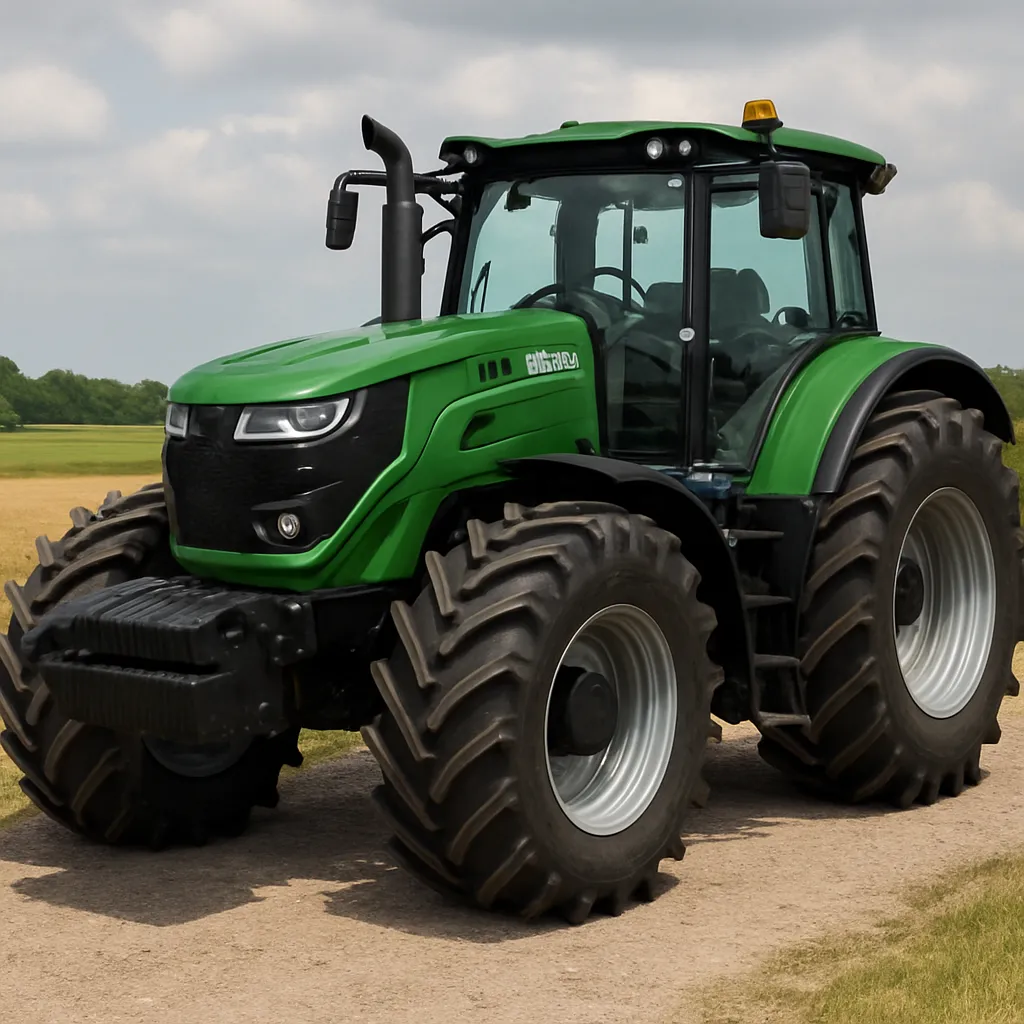
The Oliver 2050 is a noteworthy example of mid-20th century American agricultural machinery — a reliable, versatile workhorse that found a place on many farms and in a range of agricultural roles. Built by a company with a long tradition in farm equipment, the Oliver 2050 combined practical engineering with the durability farmers expected. In the following sections we will explore the model’s background, typical technical characteristics, practical applications in modern and historical contexts, and other interesting aspects such as maintenance, restoration and collector interest.
Historical background and place in the lineup
The brand Oliver traces its roots through a century of American farm equipment manufacturing. Known for producing sturdy implements and tractors, Oliver built models aimed at a wide market of small to medium-sized farms. The 2050 sits within that tradition as a medium utility model designed to handle common field chores without the cost and complexity of larger row-crop tractors.
The naming and model succession for classic tractors can vary across markets and production years; in general, an Oliver model like the 2050 was marketed to farmers who needed a balance between power, durability and affordability. Throughout the mid-1900s, the evolution of agricultural mechanization demanded machines offering better fuel efficiency, easier maintenance and increased hydraulic capability; the 2050 reflected these trends by emphasizing a practical mix of features.
Design and technical characteristics
While specifications could differ by year, market and optional equipment, certain technical characteristics define the Oliver 2050 family. The design intent was to offer an effective balance of engine power, transmission flexibility and implement-handling capability so the tractor could be used across many tasks.
Engine and power
- Commonly equipped with a medium-displacement internal combustion engine, many 2050s were available in both gasoline and diesel variants; diesel editions were often favored for fuel economy and torque characteristics.
- Typical power output for tractors in this class is in the mid-range: approximate estimates place rated engine power and operational horsepower in the area suitable for three- to four-bottom plows, PTO implements and loader work. For many 2050 configurations, drawbar power often falls in a moderate range appropriate for general-purpose farm tasks.
- The engine layout prioritized accessibility for maintenance — easy-to-reach filters, straightforward fuel systems and mechanical injection or carburetion depending on the fuel type and year.
Transmission and drive
- Transmissions on tractors like the 2050 were designed to be robust and farmer-friendly, offering a practical choice of gears for road travel and field speeds. Many units featured synchronized or non-synchronized gearboxes with a set of forward and reverse speeds appropriate for implements and transport.
- Available drive options often included two-wheel drive as standard, with some models offering a four-wheel or front-wheel assist option either from the factory or via aftermarket conversions.
- Transmission reliability and ease of clutch replacement were important selling points, as they reduced downtime during planting and harvest seasons.
Hydraulics, PTO and implement handling
- Hydraulic systems on this class of tractor offered adequate lift capacity for mounted and semi-mounted implements. The presence of live hydraulics and draft control was a major advantage over earlier models with limited lifting functionality.
- The standard PTO setup allowed operation of common power-driven implements such as mowers, balers and corn pickers. PTO engagement systems varied by year and could include mechanical or clutch-based engagement.
- An emphasis on simple yet durable linkage components made the 2050 suitable for repeated attachment and detachment of implements, making it a practical choice for mixed-farm operations where many tools were used.
Dimensions and weight (typical ranges)
- Overall weight for tractors in this mid-size class commonly ranges between roughly 4,000 and 7,500 pounds depending on ballast, cab options and attachments. Weight influenced traction and drawbar performance.
- Ground clearance and wheelbase were chosen to strike a balance between row-crop use and field stability; adjustable rear wheel tracks helped adapt the tractor to different crop row spacings.
Note: Exact numerical specifications vary with production year and chosen options. Many owners and restoration guides provide model-specific data for a particular serial range; when precise figures are required, consulting an original operator’s manual or a verified restoration source is recommended.
Applications: where and how the Oliver 2050 was used
The Oliver 2050 found application across a broad spectrum of farm chores. Its design aimed at versatility, so the tractor could be pressed into many roles on small and medium-sized farms.
Fieldwork and tillage
- Primary tillage: The 2050’s power and drawbar characteristics made it suitable for pull-type implements like moldboard plows, disk harrows and field cultivators. It could typically handle multiple-bottom plows within the limitations of its horsepower class.
- Secondary tillage: Perfect for harrowing, rotary hoeing and finishing work prior to planting, offering sufficient speed and responsiveness for precise field operations.
Planting and seeding
- When fitted with planters and seeders, the 2050 offered consistent ground speed and hydraulic control for depth and lift, enabling accurate seeding and efficient planting operations.
- Interchangeable rear hitch settings and adjustable wheel spacing helped adapt the tractor to a variety of row crops, including corn, soy and small grains.
Hay and forage operations
- The tractor’s PTO and hydrauliс lift capabilities allowed operation of mowers, tedders, rakes and balers. Operators valued steady PTO rotation and torque to ensure clean cutting and consistent baling.
Loader and material handling
- Many farms equipped the 2050 with front-end loaders for material handling, manure management and light earthmoving. A loader broadened the tractor’s usefulness around barns and homesteads.
Utility and non-farm uses
- Beyond strictly agricultural roles, tractors of this class are commonly used in municipal and industrial settings for mowing, snow removal, grading and light construction when outfitted with the appropriate attachments.
Maintenance, longevity and restoration
Owners and collectors value the Oliver 2050 for its proven mechanical simplicity and access-friendly layout, attributes that contribute to long service life when properly maintained. The core systems emphasize longevity: straightforward engines, easy-to-service fuel and oil systems, and durable drive components.
Routine maintenance practices
- Oil and filter changes at recommended intervals: keeping the engine lubricated and free from contaminants extends engine life and helps maintain compression and power delivery.
- Regular inspection of fuel system components — filters, lines and injectors or carburetor parts — to ensure reliable starting and efficient combustion.
- Monitoring hydraulic fluid levels and changing hydraulic filters to protect pumps and valves from wear.
- Keeping the cooling system clean and operating at proper temperatures to avoid overheating during heavy work.
Common wear items and upgrades
- Clutches and transmission synchronizers can wear with heavy use, and periodic rebuilds may be necessary after many years of service.
- Rubber components such as hoses, seals and tires are subject to aging and are commonly replaced during restorations.
- Modern upgrades owners often consider include improved lighting, modernized electrical systems (12V conversions), and aftermarket seats or cabs for operator comfort.
Restoration and collector interest
Classic tractor restoration is a dedicated hobby and the 2050 has attracted interest from enthusiasts who appreciate its practical design and agricultural heritage. Restorers often seek original sheet metal, decals and engine parts to return a machine to factory appearance and function. For many collectors, an authentic restoration that maintains original mechanical specifications is more valuable than cosmetic-only projects.
Market interest can vary by region, condition, and completeness of documentation. Fully restored units in good running order command higher prices than project tractors sold for parts. Rarity of specific model variants and optional equipment can also influence collector value.
Comparisons with contemporary models and market position
When evaluating the Oliver 2050 against contemporaries, it is useful to consider the intended buyer: the family farm or small commercial operator seeking versatility without the expense of larger tractors. Comparable models from other manufacturers often emphasized similar traits — dependable engines, flexible PTO and hydraulic systems, and basic comfort features.
Competitive strengths
- Durable mechanical systems that are simple to repair and maintain in the field.
- Versatile implement compatibility that made the tractor useful across planting, tillage and harvesting tasks.
- Relatively economical ownership costs when properly maintained, compared to larger and more complex machines.
Limitations and trade-offs
- As a mid-sized tractor, the 2050 cannot match the heavy-duty traction and horsepower of larger row-crop or industrial tractors for large-scale commercial farming.
- Cab and comfort features in original configurations are modest by modern standards; some owners choose to retrofit cabs or modern seats to improve operator ergonomics.
Statistics, production and variants (overview)
Exact production figures and year ranges for specific Oliver models can vary in published references. What follows is a general overview intended to give a sense of scale and typical variations rather than an exhaustive production history.
- Production era: Many Oliver models similar to the 2050 were produced during the mid-20th century as agricultural mechanization expanded. The tractor was part of a generation emphasizing greater mechanical reliability and broader implement compatibility.
- Fuel types: Commonly produced in gasoline and diesel variants, with diesel versions often offering slightly better fuel economy and torque for heavy PTO or draft work.
- Market segments: Sold primarily to small and mid-sized farms, with some units finding use in municipal and industrial roles where moderate horsepower and durable construction were helpful.
Because tractors were often customized with regional options (front axle configurations, wheel spacing, hitch types), exact statistical breakdowns by option are best obtained from original factory records, collectors’ registries or dedicated owner clubs that maintain serial-number databases.
Interesting facts and lesser-known aspects
Beyond practical use, tractors like the Oliver 2050 have cultural and historical significance. They represent a transitional period in farm technology where mechanization became more accessible to smaller operators and where reliability and simple design were prized.
- Many Oliver tractors were adapted for non-agricultural uses such as forestry, construction and municipal maintenance, demonstrating the machine’s mechanical flexibility.
- Tractor clubs and local museums often feature the 2050 and similar models in demonstrations, parades and educational exhibits, preserving agricultural heritage.
- Owners frequently share knowledge and parts through online forums and regional meet-ups; this community-driven support keeps many older machines operational long past their expected service lives.
Buying considerations and ownership advice
For anyone considering acquiring an Oliver 2050—whether as a working tractor, restoration project or collector’s item—several practical points should guide the decision.
- Condition assessment: Inspect engine compression, transmission smoothness, hydraulic operation and the integrity of sheet metal and frame. Rust and structural damage can be costly to repair.
- Service history and documentation: Original manuals, parts catalogs and service records improve the value of a tractor and make maintenance easier.
- Parts availability: Many common wear parts and consumables remain available through specialized suppliers and salvage networks, but rare option-specific parts may be harder to locate.
- Intended use: Match the tractor’s rated capabilities—PTO power, drawbar pull and hydraulic capacity—to the implements you plan to use. Overloading a mid-size tractor reduces lifespan and increases maintenance needs.
Conclusion
The Oliver 2050 exemplifies the strengths of mid-century American agricultural engineering: accessibility, dependable mechanics and practical versatility. Whether used historically on mixed farms for plowing, planting, haymaking and loader work, or preserved today by enthusiasts and small-scale operators, the 2050’s enduring appeal lies in its straightforward design and adaptability. For those interested in classic tractors, the 2050 offers both a tangible link to agricultural history and a capable machine for light-to-moderate farm tasks. With attentive maintenance and the support of an active enthusiast community, these tractors can remain productive and collectible for decades.
The article highlighted several key topics such as Oliver heritage, mechanical versatility, common care practices, and collector interest, while noting that precise specifications and production numbers depend on the particular variant and year. Prospective buyers and restorers are encouraged to consult original manuals and owners’ clubs for model-specific data.