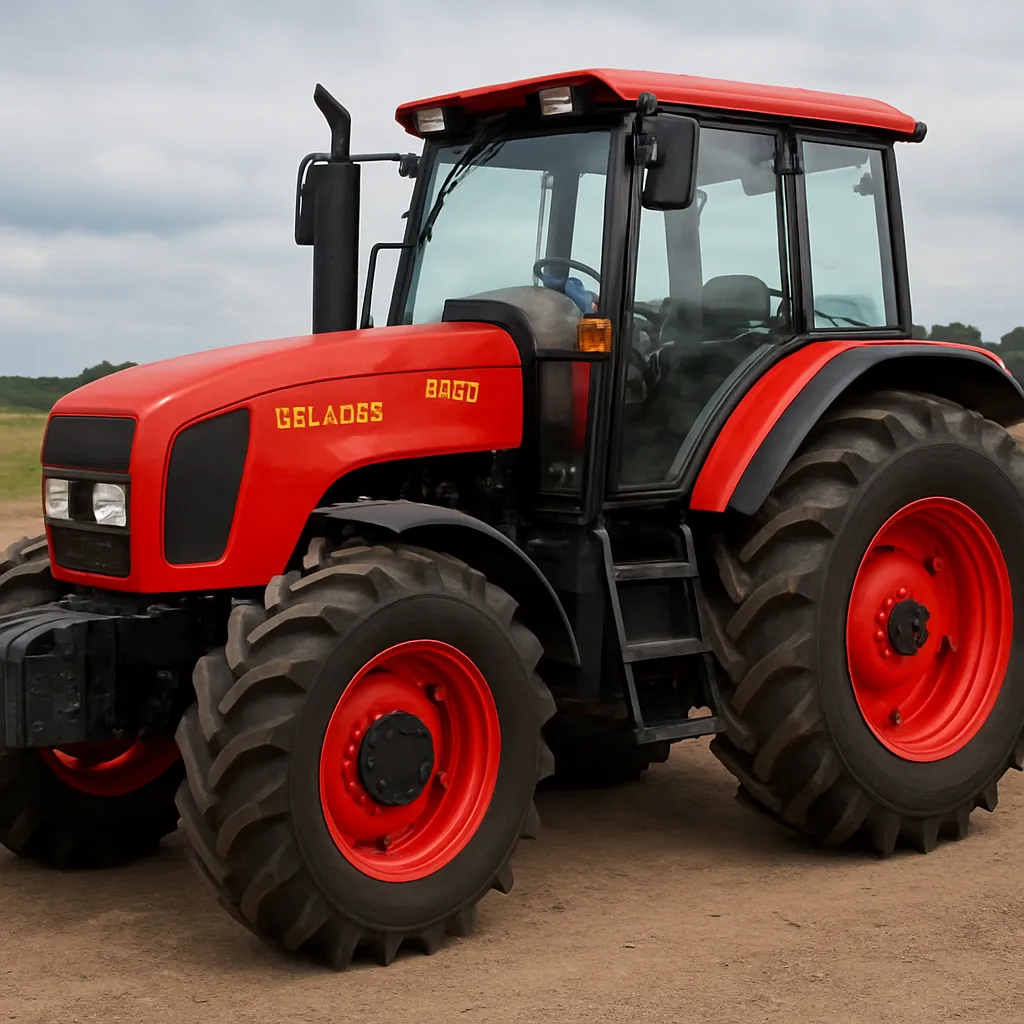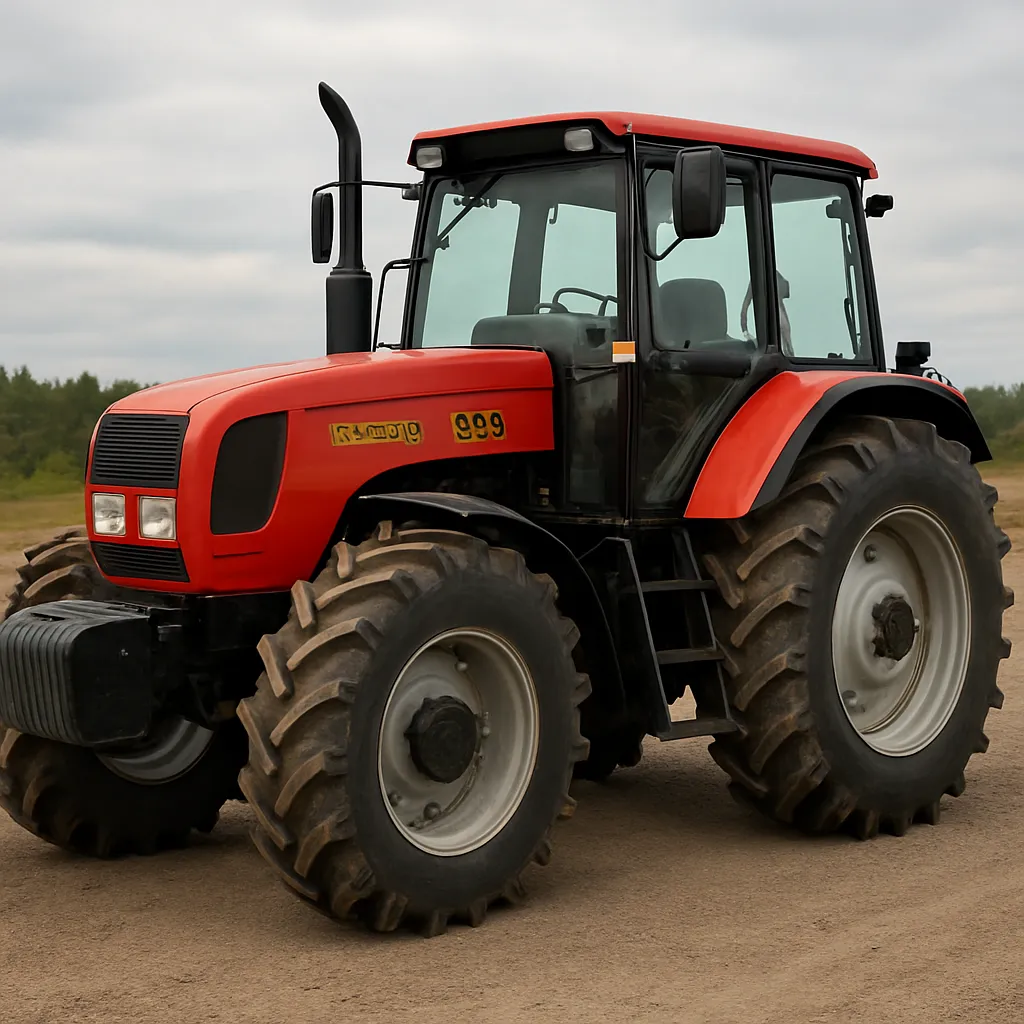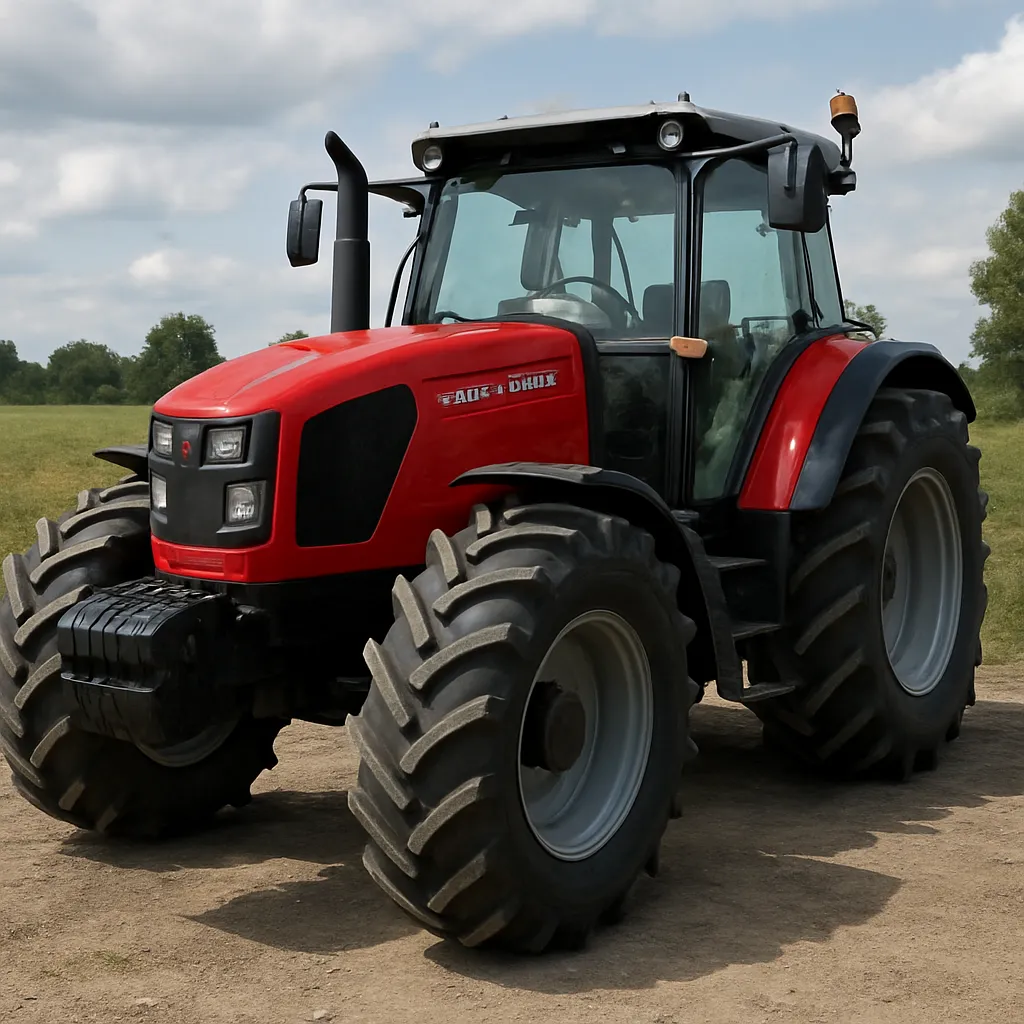
The SAME Fortis 190 is a robust agricultural tractor designed to bridge the gap between medium- and high-power applications on modern farms. Built by SAME, part of the SDF Group, the Fortis 190 combines durable mechanical components with contemporary operator comforts and an eye toward versatile field and transport roles. This article explores the machine’s technical characteristics, everyday uses, operator features, economic considerations, and practical advice for choosing and maintaining a Fortis 190. Throughout the text you will find key terms highlighted to draw attention to the model’s most valuable attributes.
Overview and key technical characteristics
The Fortis 190 occupies a segment aimed at farms that require sustained power for demanding tasks without moving into the highest-horsepower specialist range. At its heart is an engine built to deliver steady performance for ploughing, heavy tillage, and PTO-driven implements. Typical technical highlights include a balance of torque, fuel efficiency, and a transmission designed for versatility in both fieldwork and transport.
Engine and powertrain
- SAME builds the Fortis 190 around a modern turbocharged diesel engine with intercooling. The nominal output marketed for this model is approximately 190 horsepower (ISO), making it well-suited for multi-furrow ploughing, large seed drills, and baling operations.
- Engine architecture commonly features inline six-cylinder layouts in this power class, offering a smooth torque curve and good low-end responsiveness—important for maintaining ground speed under load.
- Reported and typical peak torque values for tractors in this category generally fall into the 800–900 Nm range depending on tuning and manufacturer options; the Fortis 190 aims for strong mid-range torque to support heavy implements.
Transmission and driveline
The Fortis 190 is offered with transmission choices that prioritize flexibility. Configurations commonly include multiple-speed mechanical shuttle transmissions, semi-powershift options and, on some versions or markets, advanced power-shuttle or continuously variable transmission (CVT)-like solutions via stepped powershift boxes. Transmission features are designed to reduce operator workload when switching directions and to enable precise speed selection for mounted implements.
- Transmission options typically provide a wide spread of ratios for both low-speed traction work and higher-speed road travel, with top speeds commonly allowing safe transport at or near 40 km/h.
- Many machines come with an electro-hydraulic power shuttle (creeper options are often available for very low-speed work), improving maneuverability during loader operations and headland turns.
PTO, hydraulics and hitch
- The Fortis 190 usually includes multiple PTO speed settings—commonly PTO 540, 540E (economy) and 1000 rpm—to suit a variety of implements from rotary tillers to large balers.
- A robust hydraulic system with several spool valve options and flow rates suitable for high-demand implements is standard. Flow rates in tractors of this class often fall between 110 and 160 liters per minute in open-centre or load-sensing variants; this ensures responsive operation of hydraulic motors, steering and auxiliary functions.
- Rear linkage or hitch capacity is an important specification: the Fortis 190 typically provides a lifting capability in the region of several tonnes, enabling it to operate large seeders, cultivators and mounted fertiliser equipment with ease. Typical values for similar tractors are in the 7,000–8,500 kg lift range depending on configuration and lift system.
Applications: where the Fortis 190 shines
The Fortis 190 is designed with multi-purpose use in mind, allowing it to serve as a farm’s primary tractor across seasons. Its combination of power, hydraulics and PTO flexibility means it can handle an extensive list of applications. Below are the most common and effective uses.
Arable and arable-tillage operations
- Primary tillage: large reversible ploughs and heavy discs mounted behind the tractor benefit from the Fortis 190’s torque and traction. Its weight and power enable deep passes and consistent forward speed.
- Secondary tillage: subsoilers, power harrows and heavy cultivators use the tractor’s hydraulic capacity and hitch strength.
- Sowing and seeding: trailed and mounted seed drills, air seeders and combination seeders demand consistent drawbar power; the Fortis 190 provides stable traction and hydraulic support for seed distribution systems.
Forage, haymaking and livestock applications
- Mowing and conditioning: large mowers and conditioners require high PTO output, which the Fortis 190 reliably supplies at 540/1000 rpm.
- Baling operations: round and large square balers are frequent applications; the Fortis 190’s torque helps maintain steady baler operation even in dense crops.
- Silage and feed handling: front loaders for bucket work, silage pushers and forage wagons are easily supported by the tractor’s hydraulic flow and lifting capacity.
Transport and contracting
With transport speeds commonly up to 40 km/h (configurable depending on regional regulations) the Fortis 190 doubles as a capable haulage tractor for trailers, slurry tankers and contracted transport work. On larger farms and for contractors, the tractor’s combination of power and comfort makes it a dependable workhorse for long days on the road and between fields.
Specialist and seasonal roles
- Forestry: fitted with protective kits, appropriate tyres and sometimes a front-mounted winch, the Fortis 190 can be used for roadside clearing and light forestry duties.
- Snow clearance and municipal tasks: snow blowers and front-mounted ploughs can be handled when fitted with suitable front linkage and hydraulics.
- Vineyard or orchards (in wider rows): while not a narrow-vineyard tractor, larger orchard estates with wider rows may use Fortis-class tractors for heavy-duty tasks.
Operator environment and technology
Modern versions of the Fortis 190 emphasize operator comfort and precision farming features. The cab and controls are designed to reduce fatigue, improve visibility and integrate digital systems for efficient work planning.
Cab design and ergonomics
- Cab comfort in the Fortis 190 typically includes climate control (heating and AC), adjustable seats with suspension, and low-noise insulation for long workdays.
- Controls are often grouped ergonomically with headland management features and an intuitive console allowing for quick adjustments of transmission mode, PTO engagement and hydraulic flow.
- Visibility: large glazing and optional cameras for rear and implement view improve safety and implement guidance during precise field operations.
Precision farming and telematics
To meet modern farm management needs, many units can be equipped with precision guidance systems and telematics packages. Typical options include:
- GPS-assisted auto-steer compatibility (ISOBUS-ready terminals in many cases).
- ISOBUS implement communication for plug-and-play compatibility with modern implements.
- Fleet management and remote diagnostics via telematics systems, allowing operators and managers to monitor fuel use, hours, location and maintenance alerts remotely.
Controls and convenience features
- Joystick controls for loader operation and multifunction levers for hydraulic spool selection are commonly available to streamline repetitive tasks.
- Electronic hitch control and draft sensing ensure consistent seeding depths and implement performance, improving yield outcomes and fuel efficiency.
- Comfort features such as multi-function displays, adjustable steering columns, and storage compartments add to operator productivity and satisfaction.
Maintenance, operating economics and ownership considerations
Beyond purchase price, the Fortis 190’s total cost of ownership depends on fuel consumption, scheduled maintenance, depreciation and how the tractor is matched to farm needs. Below is an overview of financial and practical considerations.
Fuel efficiency and running costs
Actual fuel consumption varies significantly by task. For heavy tillage under load, tractors in this power class commonly consume on the order of 12–20 liters per hour; lighter transport and PTO-light operations may see consumption drop into single digits per hour. Optimal gearing, correct tyre pressures and appropriate implement selection are key to minimizing fuel use.
- Routine checks (filters, oil, coolant) and timely service intervals help sustain engine efficiency.
- Use of economy PTO modes and intelligent engine management systems on certain configurations can reduce fuel use during light-load operations.
Serviceability and parts
- Access to routine service points—engine oil, transmission and hydraulic filters, and easy battery and belt access—reduces downtime and labor costs.
- The SDF dealer network generally offers parts availability and service packages in regions where SAME is distributed; this availability is a key factor when considering purchase, especially in remote farming regions.
Depreciation and resale
Resale values depend on hours, condition, service history and regional demand. Tractors with documented maintenance, low hours and desirable options (such as front loaders, advanced hydraulics, and precision farming packages) typically attract stronger resale prices. For contractors and large farms, the Fortis 190’s utility across multiple roles helps retain market interest at trade-in time.
Choosing the right Fortis 190 configuration
Selecting the correct configuration requires matching the tractor’s capability with farm implements and operational patterns. Considerations include the usual implements used, field size and layout, transport distance, and whether the tractor will be used for contracting.
Checklist for buyers
- Define the most frequent tasks (ploughing, baling, loader work, transport) and ensure the hydraulic flow and lift capacity meet those needs.
- Choose a transmission that fits the operator’s preference and the field/road mix; power shuttles ease directional changes for loader work while stepped transmissions can be more familiar to some operators.
- Evaluate cab comfort if long hours and operator retention are priorities.
- Consider telematics and guidance options if the farm already uses precision ag tools or plans to scale precision farming investments.
Attachments and optional equipment
- Front loader packages with dedicated joysticks make material handling efficient; check for compatible quick-attach systems.
- Front hitch and PTO options broaden the machine’s capability for snow clearing, front-mounted mowers and other specialised equipment.
- Tire choices (agricultural, duals, flotation tyres) should align with soil types, field compaction priorities and transport needs.
Practical tips for operation and longevity
Maximizing the productive life of a Fortis 190 requires disciplined maintenance and sensible operation. The following operational practices help preserve value and reduce downtime.
- Adhere strictly to service intervals for oil, filters and fluids; record every service to maintain resale value.
- Monitor and adjust tyre pressures according to load and field conditions to reduce compaction and improve fuel economy.
- Use the correct lubricants and fuel grades recommended by the manufacturer to prevent premature engine wear.
- Train operators on proper hitching, PTO engagement and hydraulic usage to avoid overloads and shock loads that stress driveline components.
- Keep software and electronic control firmware up to date where applicable, particularly for tractors equipped with telematics and advanced engine management systems.
Market context and comparative notes
The Fortis 190 competes in a crowded segment where versatility and value are critical. Compared to both lower-power utility tractors and higher-end specialist machines, it offers a compromise of strength and affordability. Buyers often compare it to similarly rated models from other European and global manufacturers, focusing on dealer support, option packages, and operating economics.
Strengths
- Solid balance of power and versatility for mixed farms and contracting work.
- Options for modern precision-ag technology and telematics that keep the tractor relevant in precision-focused operations.
- Comfortable operator environment for long days and transport tasks.
Considerations
- Higher initial cost for fully-optioned models with advanced hydraulics, auto-guidance and telematics—evaluate return on investment carefully.
- Parts and service availability depend on the local dealer network; factor regional dealer strength into purchasing decisions.
Final observations
The SAME Fortis 190 is positioned as a versatile, powerful tractor for medium to large farming operations and contractors. With a focus on torque, utility, and modern comfort and electronic systems, it can serve as a reliable core machine on a diverse farm. Proper configuration—matching transmission, tyres, hydraulics and precision options to the farm’s needs—will determine how well it performs in practice. Regular maintenance and sensible operation extend the service life and help preserve resale value, while telematics and guidance options can enhance productivity and operational control in contemporary precision farming contexts.
Fortis 190 ownership works best when the tractor is treated as a multifunctional asset—selected and maintained to match the real-world tasks it will perform most often.