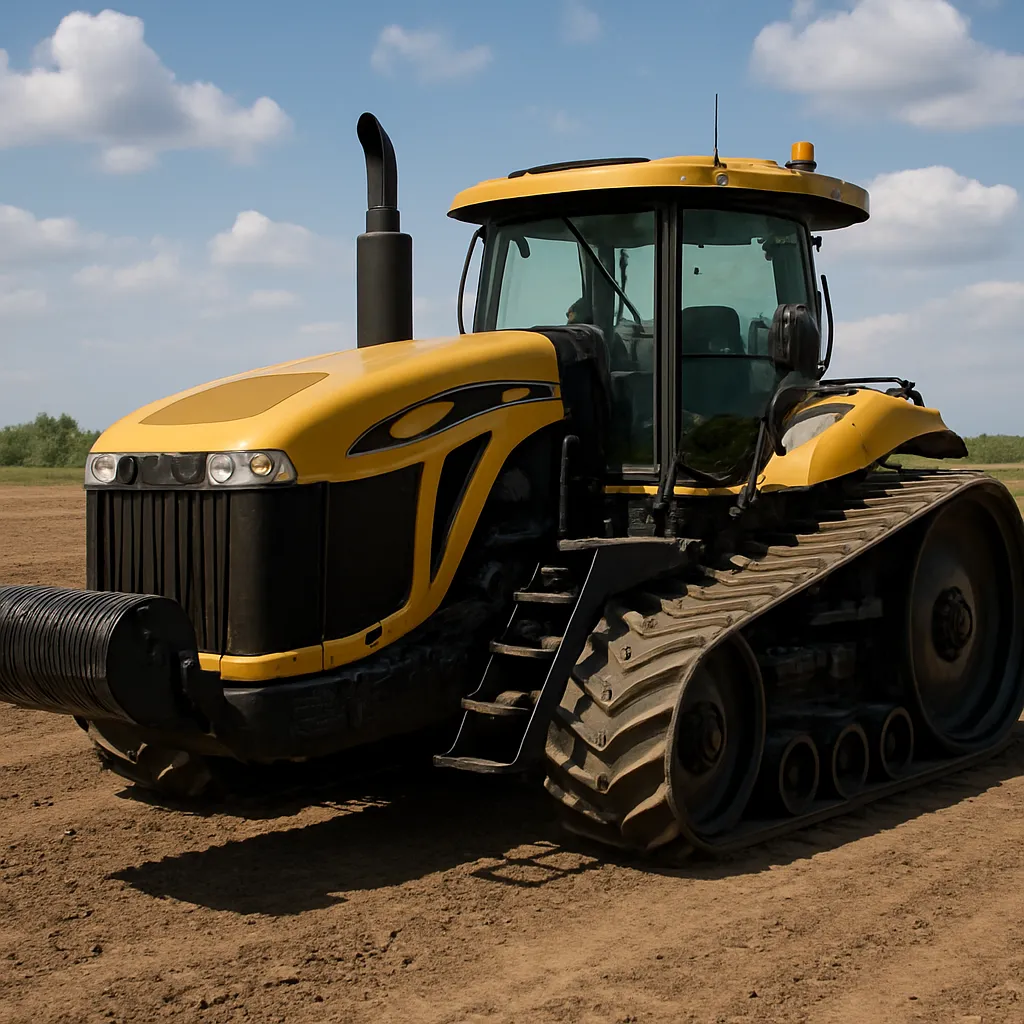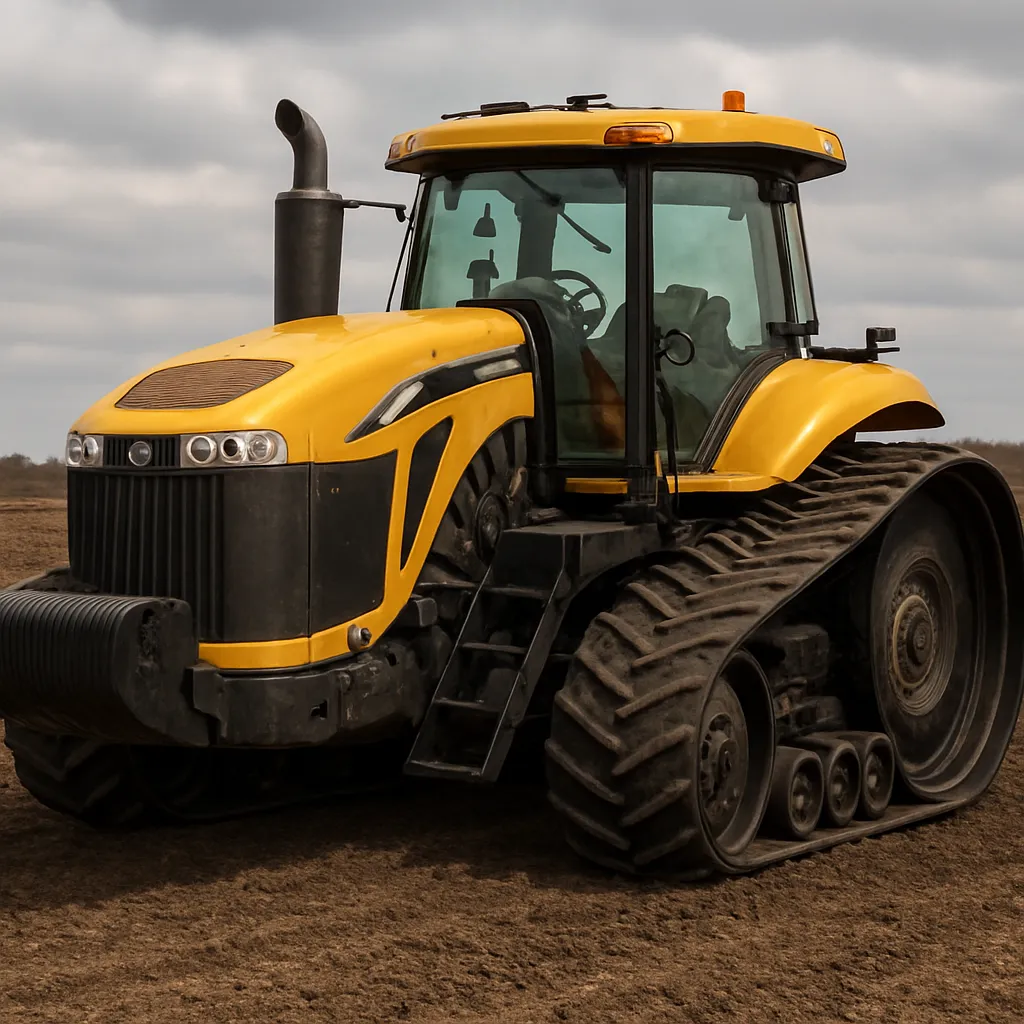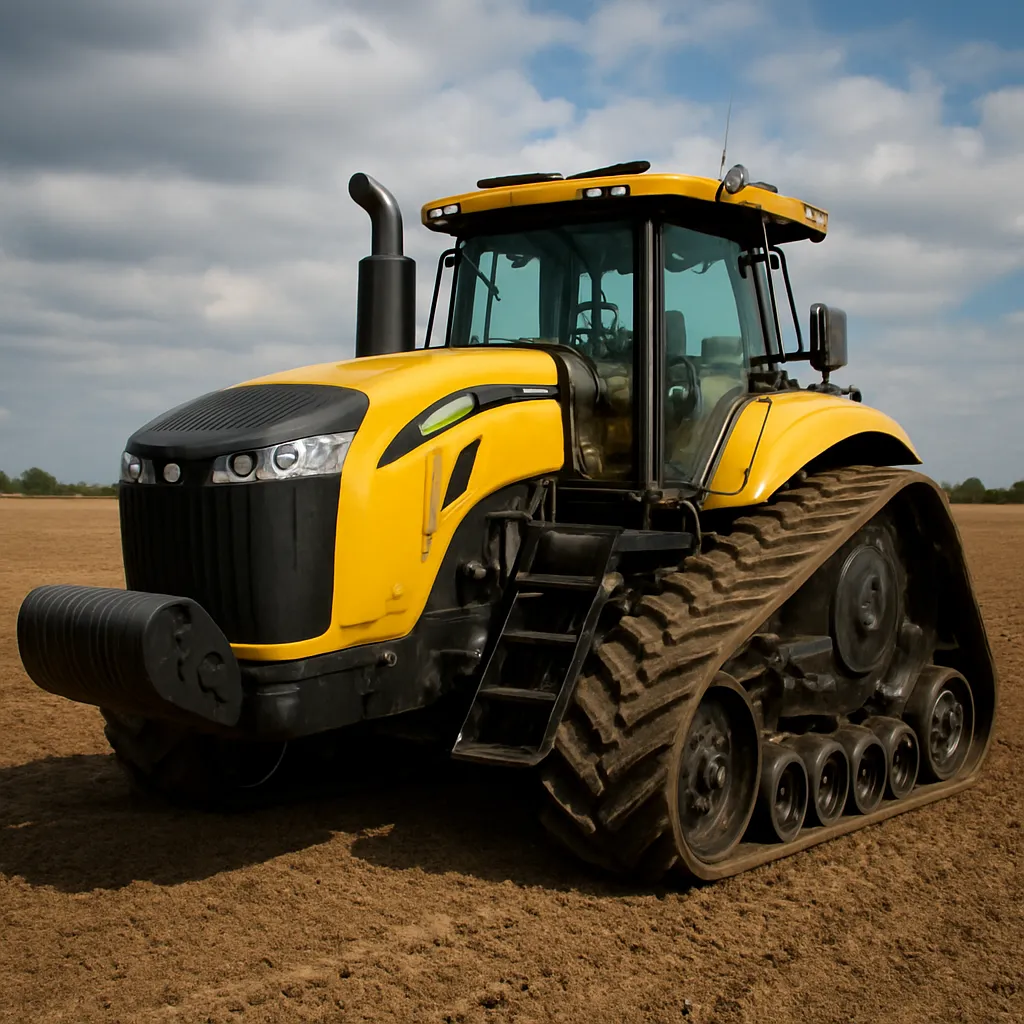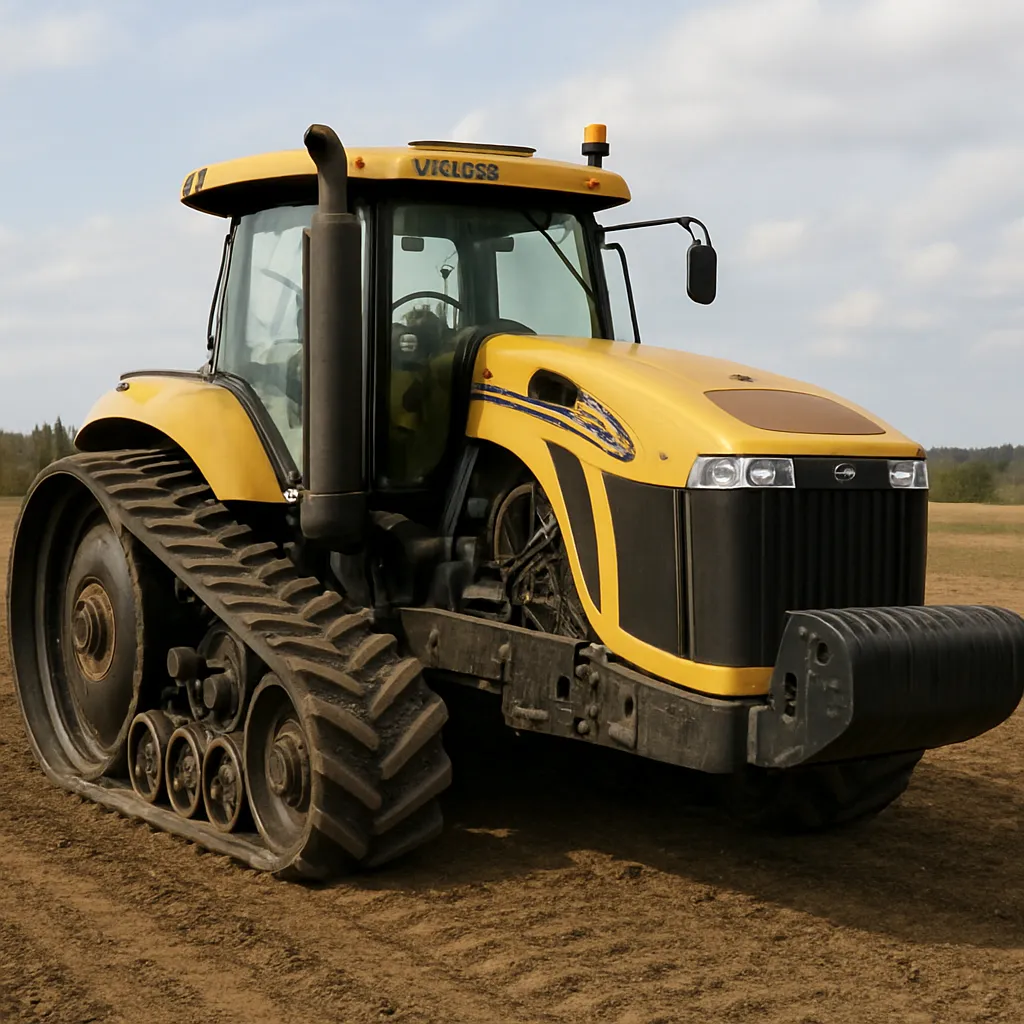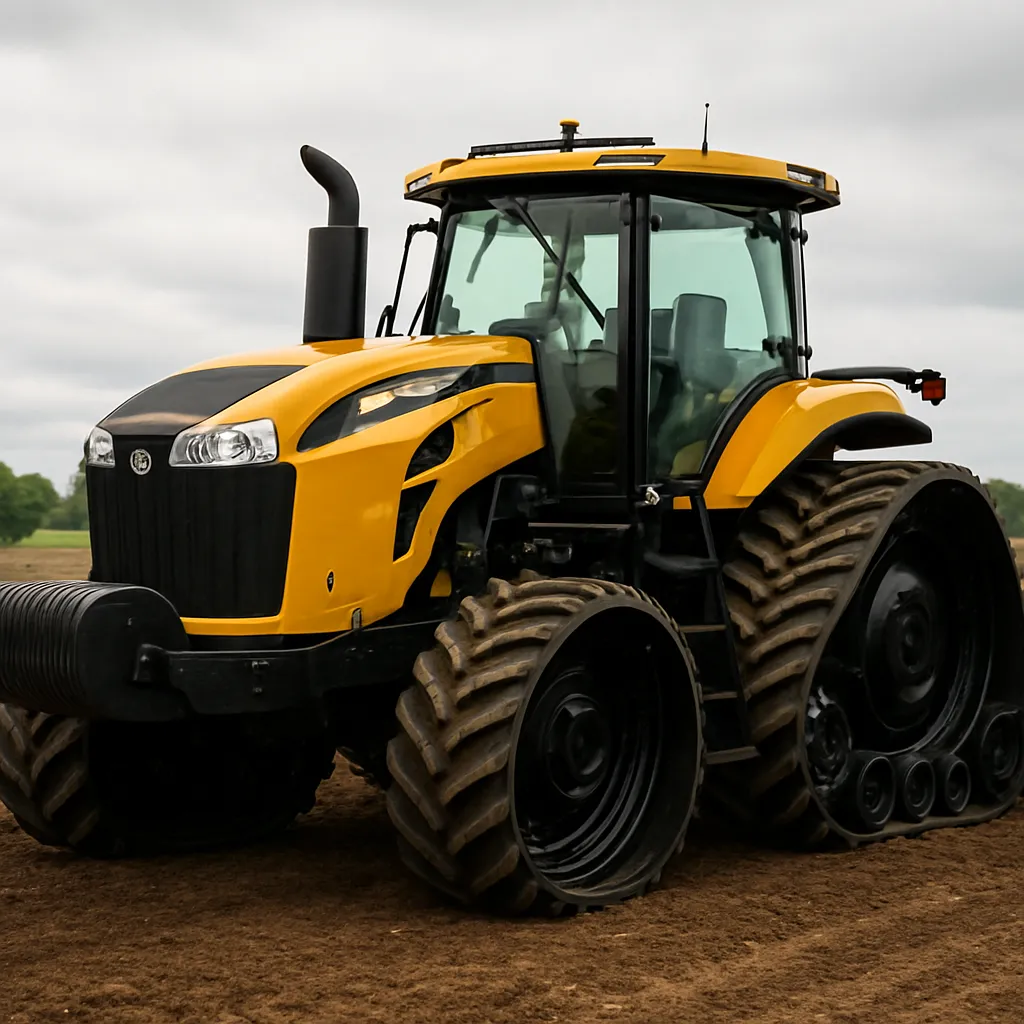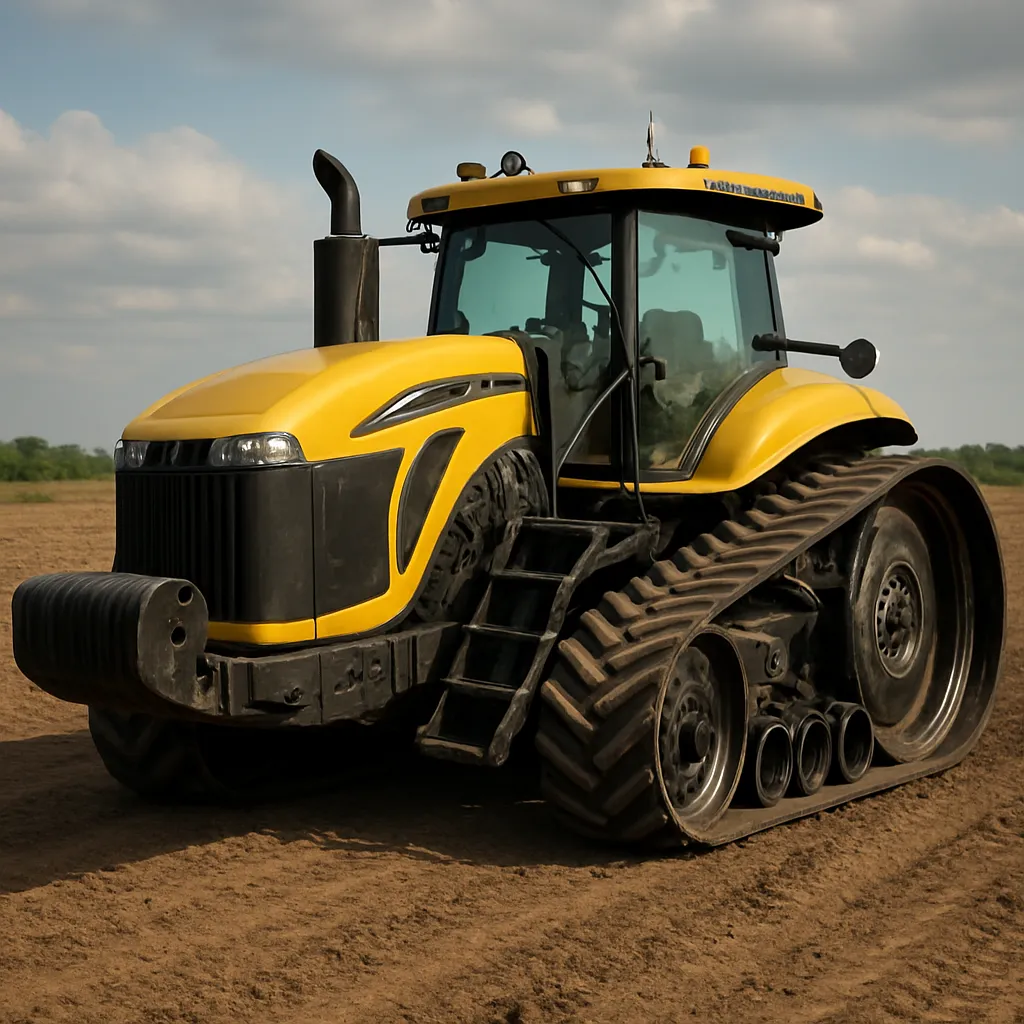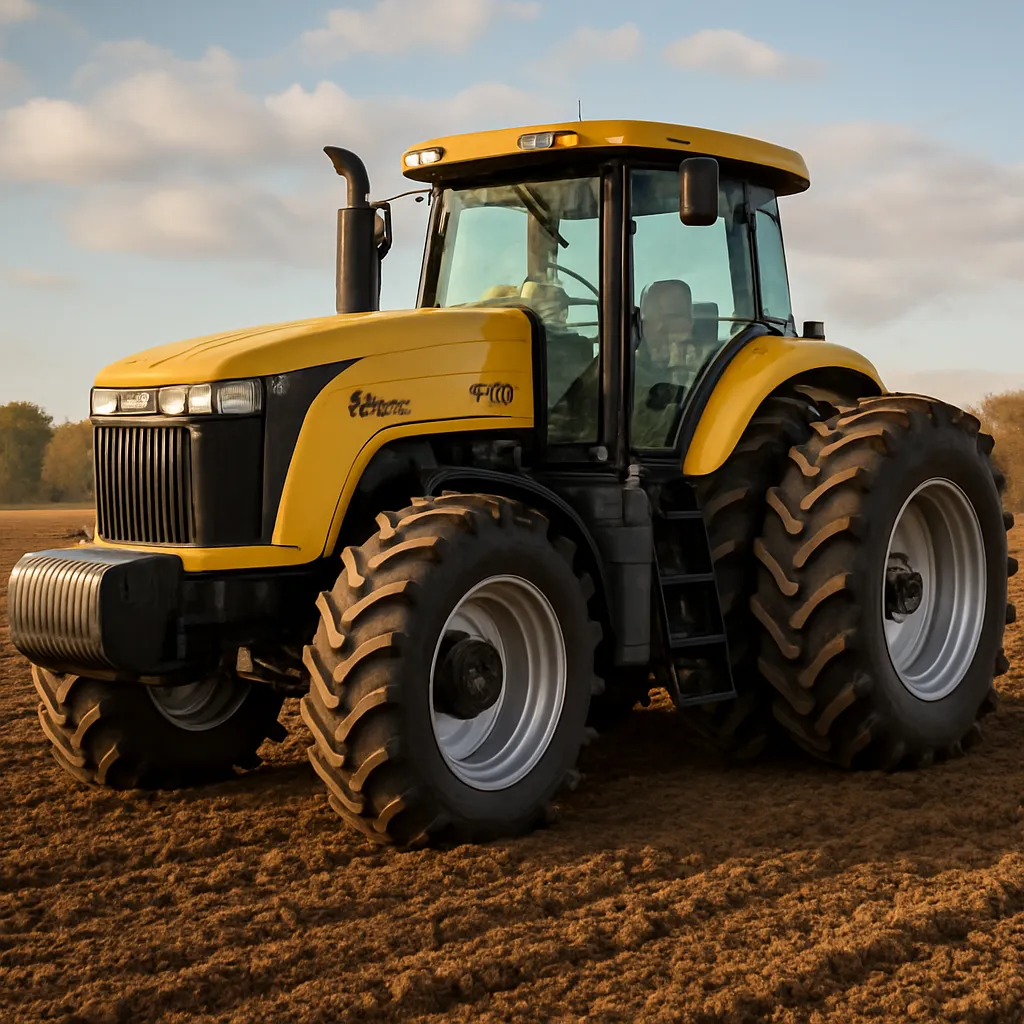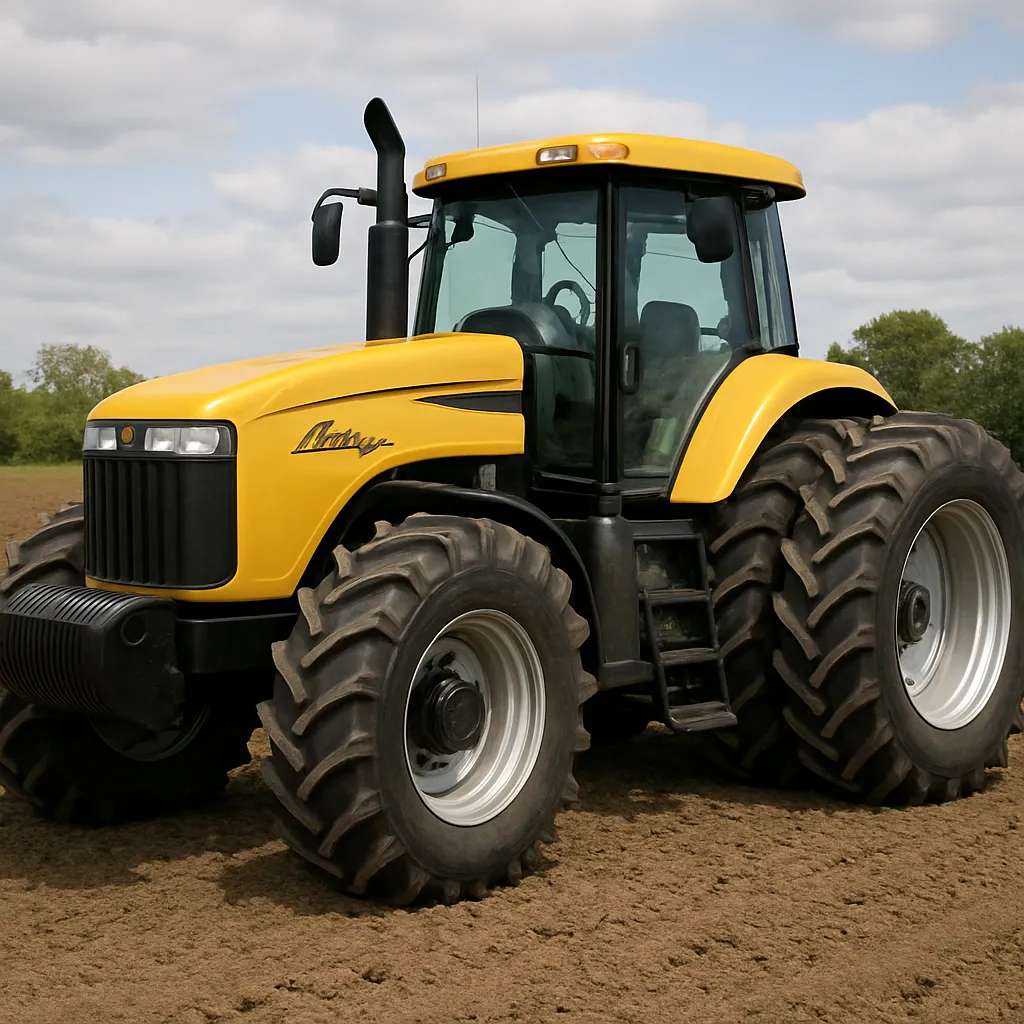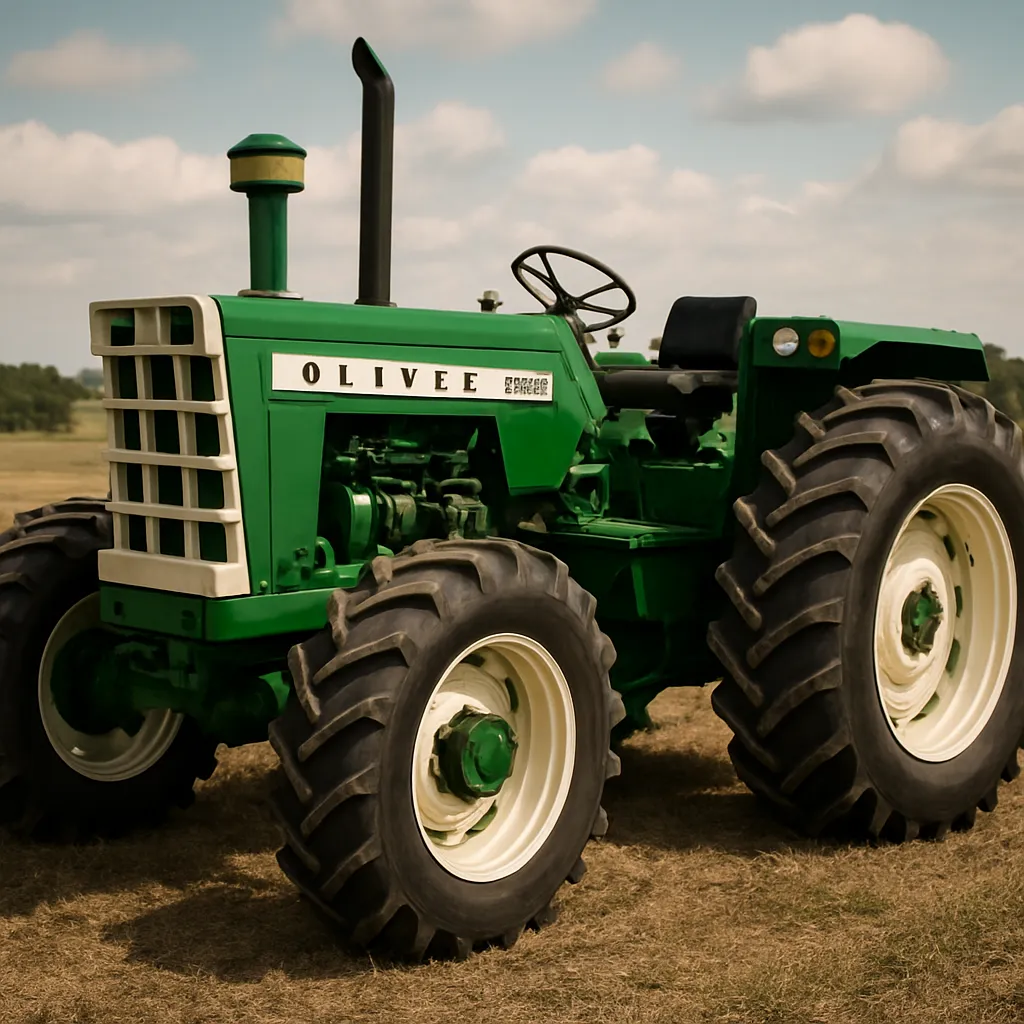
The Oliver 2150 is a classic example of mid-20th-century agricultural machinery that combined practical engineering with reliable performance. Although the model belongs to a generation of tractors that are no longer in mainstream production, it remains a recognizable and respected machine among hobby farmers, restorers, and collectors. This article explores the tractor’s background, technical characteristics, typical uses, maintenance considerations, and its place in the modern market. Throughout the text, key terms are emphasized to help readers focus on the most important aspects of the Oliver 2150.
History and Context of the Oliver 2150
The Oliver brand traces its roots to several early American farm equipment manufacturers that later consolidated into one of the most influential names in agricultural machinery. The Oliver 2150 emerged as part of Oliver’s lineup aimed at medium-sized farms that required a balance of power, efficiency, and cost-effectiveness. The model was introduced during a period when mechanization of farms accelerated and farmers demanded tractors that could handle both row-crop work and general utility tasks.
The 2150 was designed to address a broad set of field tasks—plowing, planting, cultivating, towing, and powering PTO-driven implements. This versatility made it a practical choice for multi-crop small and medium farms as well as for contractors and rural properties needing dependable hauling and ground-engaging capability. Over time, the 2150 earned a reputation for solid build quality and a straightforward mechanical layout that made field repairs feasible for owners with basic mechanical skills.
Although specific production figures vary by source, the Oliver 2150 and its contemporaries were produced in numbers sufficient to ensure spare parts remained available for decades. As the agricultural industry consolidated, corporate mergers and rebranding affected production and servicing channels, but the underlying design remained a touchstone for operators who prized simplicity and durability.
Technical Characteristics and Typical Specifications
The Oliver 2150 fits into the category commonly referred to as a medium utility or row-crop tractor. Exact specifications can differ depending on year, market, and options (such as gasoline vs. diesel engines, two-wheel vs. four-wheel drive, or different transmission configurations). The figures below represent commonly cited or typical values for tractors of this class and for the 2150 in particular. Where exact historical documentation exists, variations are noted.
Engine and Power
- Engine: Typically a four-cylinder unit, available in gasoline and diesel variants across model years. The design favored a robust low-end torque curve suitable for draft work.
- Horsepower: Commonly cited PTO horsepower is approximately 40–50 hp, with drawbar horsepower in the range of 30–40 hp. These figures place the 2150 in the medium-power category suitable for two- to three-bottom plows and a range of mounted implements.
- Torque: The engine emphasizes usable torque at low RPM, aiding in traction-limited tasks and steady PTO operation for balers, mowers, and pumps.
Transmission and Drive
- Transmission: Options historically included multi-speed manuals, often with a range of gears that allowed both fieldwork and road transit. Some versions offered synchronized shifting or a power shuttle in later iterations.
- Drive configuration: Most commonly rear-wheel drive (RWD) with narrow or wide front axle options for row-crop use. Some later or modified units may have been retrofitted to four-wheel drive.
Hydraulics and PTO
- Hydraulics: A three-point hitch with position and draft control was standard on many units, enabling compatibility with modern three-point mounted implements. Hydraulic capacity and lift were engineered for implements typical of the period.
- PTO: The tractor typically features a standard PTO (540 rpm in many setups), allowing use with a variety of rotary implements.
Physical Dimensions and Capacities
- Weight: Typical operating weight commonly ranges from around 3,600 to 4,200 lb depending on options and ballast.
- Fuel capacity: Typical fuel tanks in this class hold roughly 18–25 US gallons, sufficient for extended fieldwork without frequent refueling.
- Ground clearance and wheelbase: Designed to balance stability with row-crop clearance; specific values vary by configuration.
These specifications made the Oliver 2150 a workhorse for a wide range of tasks on medium-sized farms. While modern tractors have advanced features and greater efficiency, the 2150’s straightforward mechanical systems remain appreciated by owners who value ease of service and dependability.
Applications — Where the Oliver 2150 Excels
The Oliver 2150 has broad utility that suits different agricultural and non-agricultural roles. Its adaptability hinged on the era’s emphasis on multi-purpose tractors that could handle diverse chores without the specialization seen in later decades.
Primary Agricultural Uses
- Tillage: Suitable for moldboard plowing, disk harrowing, and secondary tillage on medium-sized fields. With appropriate ballast and traction management, it can pull two- to three-bottom plows under normal soil conditions.
- Planting and Cultivating: Row-crop configurations with adjustable front axles and adequate clearance made the 2150 effective for planting and cultivating corn, soybeans, and similar crops.
- Hay and Forage: PTO capability allowed powering mowers, tedders, balers, and small hay wagons. With adequate hitching and drawbar strength, it supported a farm’s haying cycle.
- Transport and Hauling: With a robust transmission and moderate top speed, the 2150 could tow trailers, wagons, and spreaders for both field transfer and local transport.
Secondary and Non-Agricultural Uses
- Utility Tasks: Roadside mowing, property maintenance, and loader work (if equipped with a front loader) are common secondary roles for this class of tractor.
- Small Contractor Work: For soil grading, post-hole digging (with attachments), and occasional light excavation, the 2150 provided a cost-effective solution where larger equipment would be uneconomical.
- Recreational and Restoration: Restored 2150s often appear in parades, tractor shows, and as historical pieces in museums, reflecting their cultural role on family farms.
The tractor’s versatility meant that a single unit could often cover the needs of a diversified farm, making it attractive to owners who required broad capability without investing in multiple specialized machines.
Operation, Maintenance and Common Issues
One of the defining features of tractors like the Oliver 2150 is their mechanical simplicity, which translates into easier maintenance and repair for operators with basic mechanical skills. That said, longevity depends on regular service and attention to common wear points.
Routine Maintenance
- Engine care: Regular oil and filter changes, attention to cooling systems, and valve adjustments where applicable are essential for maintaining power and longevity.
- Fuel system: Diesel versions require periodic fuel filter replacement and injector checks. Gasoline variants benefit from carburetor tuning and spark plug service.
- Hydraulics: Maintain clean hydraulic fluid, monitor hoses and seals for leaks, and check lift capacity periodically. The three-point hitch linkage should be greased and inspected for wear.
- Transmission and drivetrain: Gearbox oil changes, clutch inspection, and monitoring for unusual noises help prevent major failures.
Common Wear Points and Repairs
- Electrical systems: Aging wiring harnesses, starter motors, and generators/alternators are common service items on older tractors.
- Seals and gaskets: Over time, oil and hydraulic leaks can develop at seals and gaskets; proactive replacement during major services reduces contamination and component wear.
- Cooling: Radiators and water pumps can corrode or develop blockages; routine cooling system maintenance prevents overheating-related damage.
- Transmission clutches: Clutch wear is a notable issue in tractors that perform frequent shifting under load; proper adjustment and replacement when needed preserves drivability.
Safety and Ergonomics
Older tractors often lack modern safety features such as rollover protection structures (ROPS), enclosed cabs, or advanced braking systems. Many owners retrofit ROPS and seat belts when feasible. Proper lighting, protected PTO shields, and maintaining service brakes in good condition are also important steps to improve safety for contemporary use.
Restoration, Collecting and Market Value
As an older model, the Oliver 2150 has attracted interest from collectors and rural owners who restore classic tractors or keep them in working condition. The market for classic tractors depends heavily on condition, rarity, and the completeness of original components.
Restoration Considerations
- Sourcing parts: Original parts may be obtained through specialist dealers, salvage yards, or aftermarket reproductions. Some common items like filters, bearings, and seals are readily available, while more specific components may require custom refurbishment.
- Authenticity vs. usability: Restorers often choose between restoring to factory-original specs for show purposes or updating certain systems (electrical, brakes, tires) for safer daily use.
- Paint and aesthetic work: Restored tractors commonly receive new paint schemes characteristic of the original Oliver color palette and decals to enhance historical accuracy.
Collecting and Valuation
Value depends on condition (running, preserved, parts), originality, and desirability in club or local markets. Well-restored models that run and present well in shows typically command higher prices than cosmetically poor or non-running units. Prices vary regionally, with higher demand in areas with strong agricultural heritage and active tractor clubs.
Comparisons and Legacy
Compared to both older and newer tractors, the Oliver 2150 represents an intermediate step: more powerful and comfortable than many prewar models, but simpler and less automated than late 20th- and 21st-century tractors with electronic controls and high-efficiency engines. Its legacy is one of practicality, serviceability, and a design philosophy that prioritized real-world utility over advanced features.
Modern buyers who consider using or restoring an Oliver 2150 should weigh the benefits of classic charm and mechanical simplicity against the efficiency and comfort of contemporary machines. For many, the 2150 remains attractive as a dependable backup, showpiece, or functional machine for small-scale or hobby farm work.
Practical Tips for Prospective Owners
- Inspect thoroughly: Check for rust in structural members, condition of the engine (smoke, leaks), and the state of hydraulics and transmission before purchase.
- Obtain service manuals: Factory or aftermarket manuals save time and reduce errors during maintenance and restoration.
- Network with enthusiasts: Tractor clubs and online forums are valuable resources for troubleshooting, parts sources, and advice on best restoration practices.
- Plan upgrades carefully: If retrofitting safety features like ROPS or modern lighting, prioritize certified parts and professional installation where appropriate.
Final Remarks on the Oliver 2150
The Oliver 2150 stands as a solid example of a practical, mid-century farm tractor that continues to find purpose today. Whether employed as a working tool on a small farm, preserved as a historic piece, or showcased by collectors, the tractor’s combination of reliability, mechanical simplicity, and versatility has secured its place in agricultural history. For owners and restorers, attention to regular maintenance, careful parts sourcing, and sensible upgrades will extend the life and usefulness of these machines for years to come.