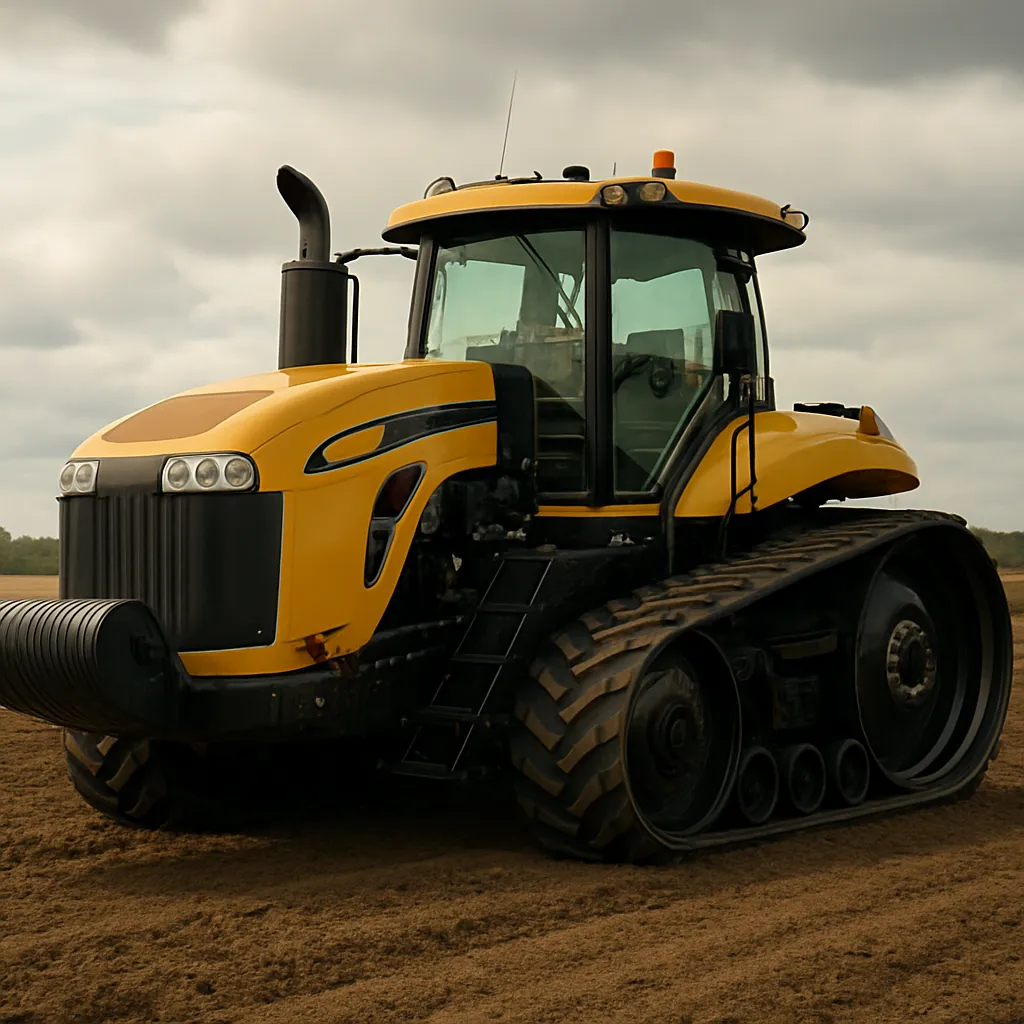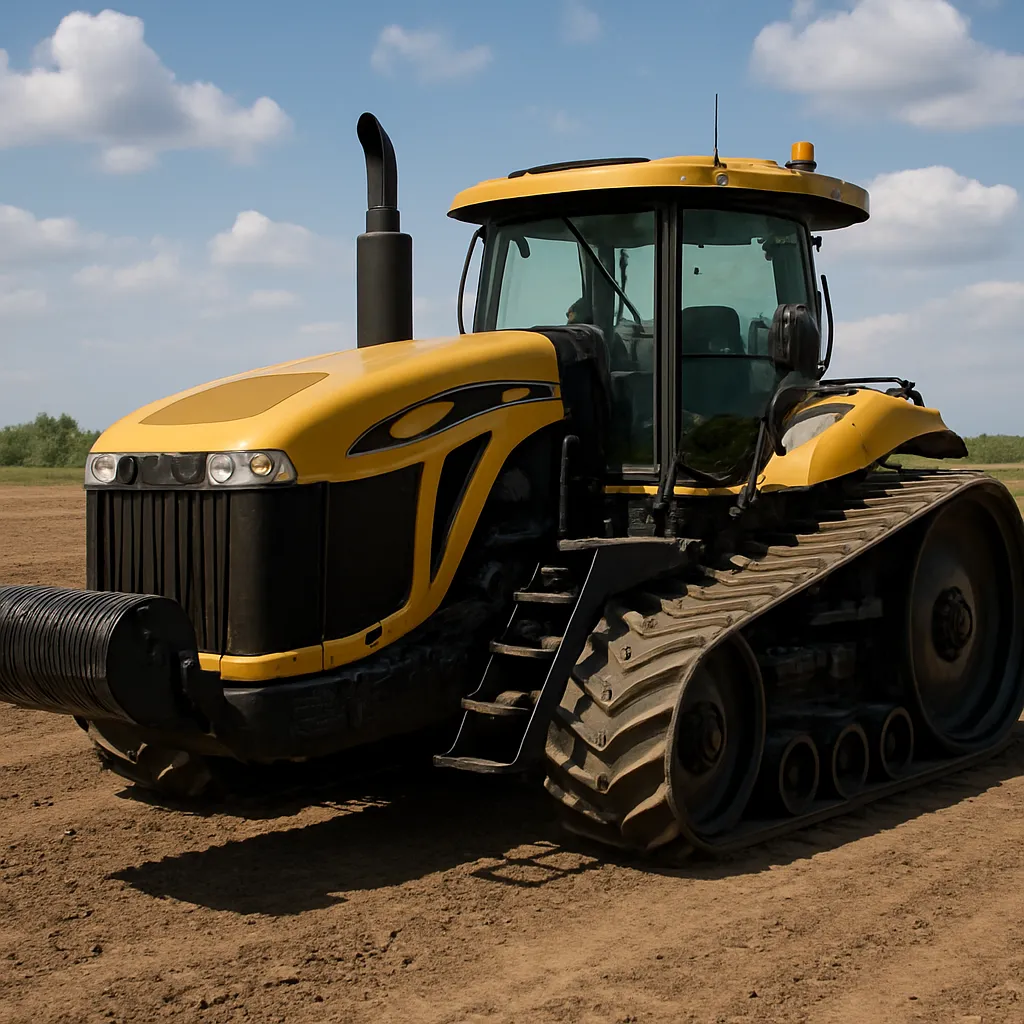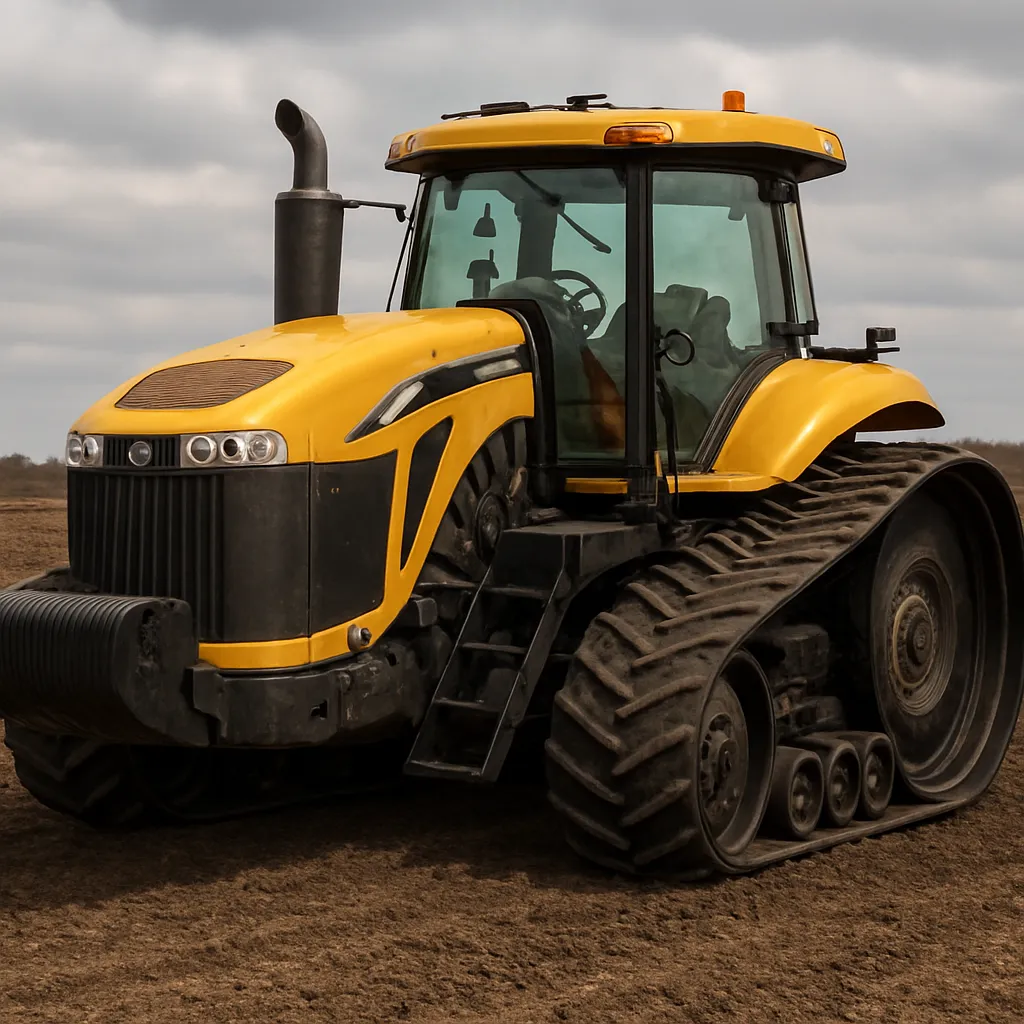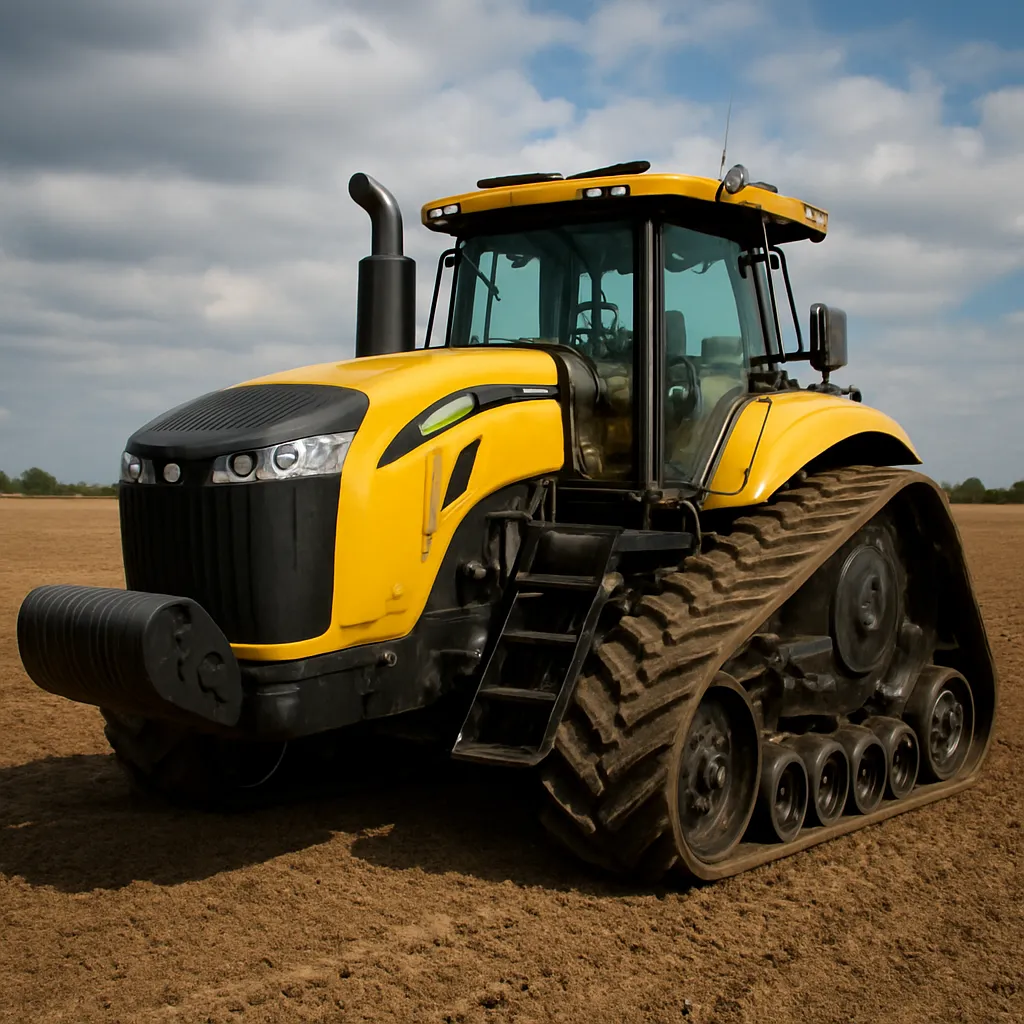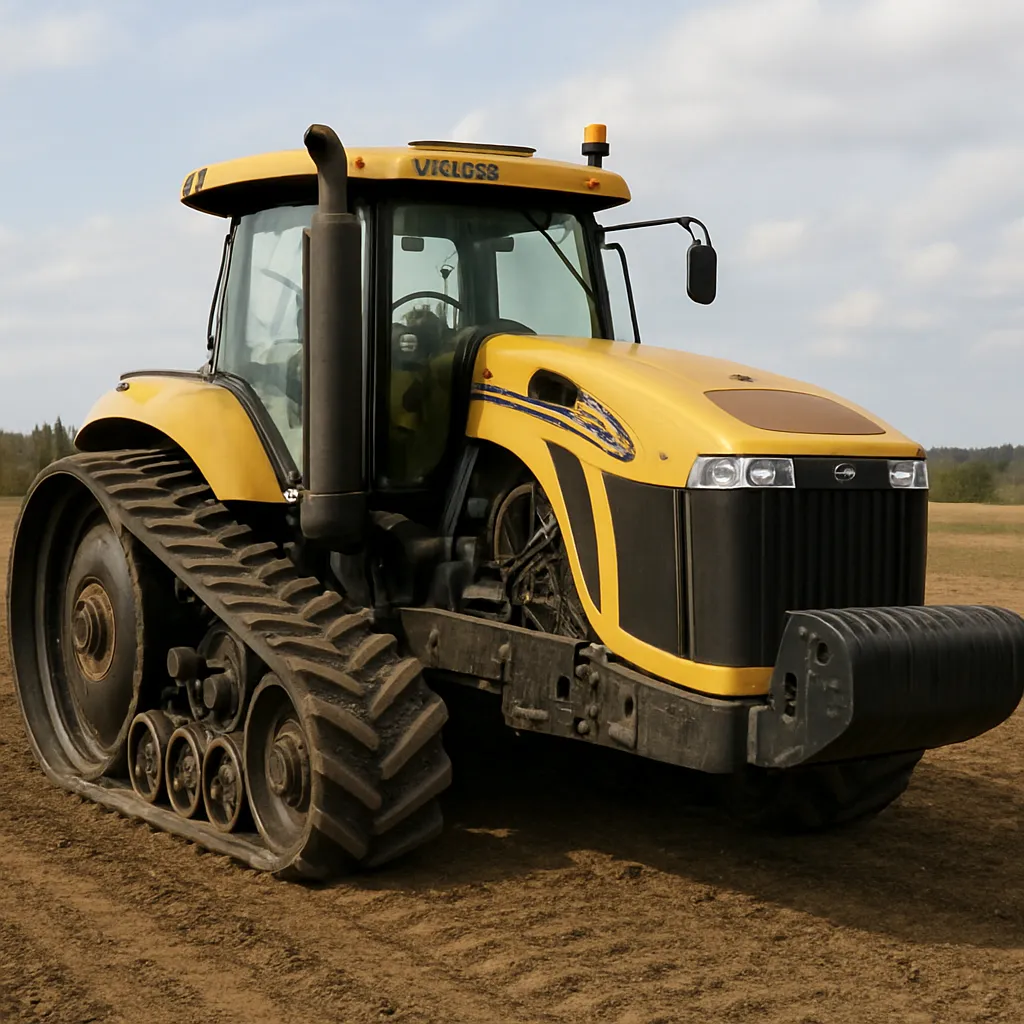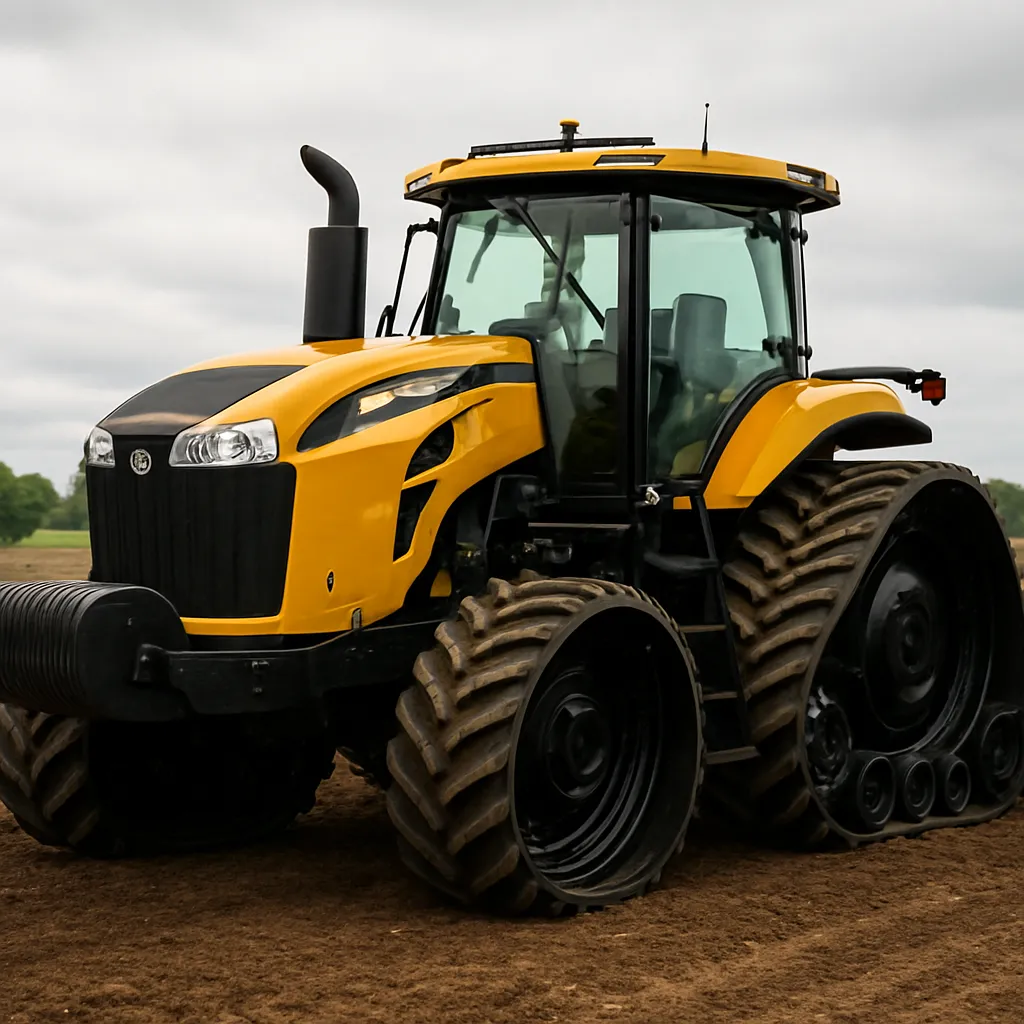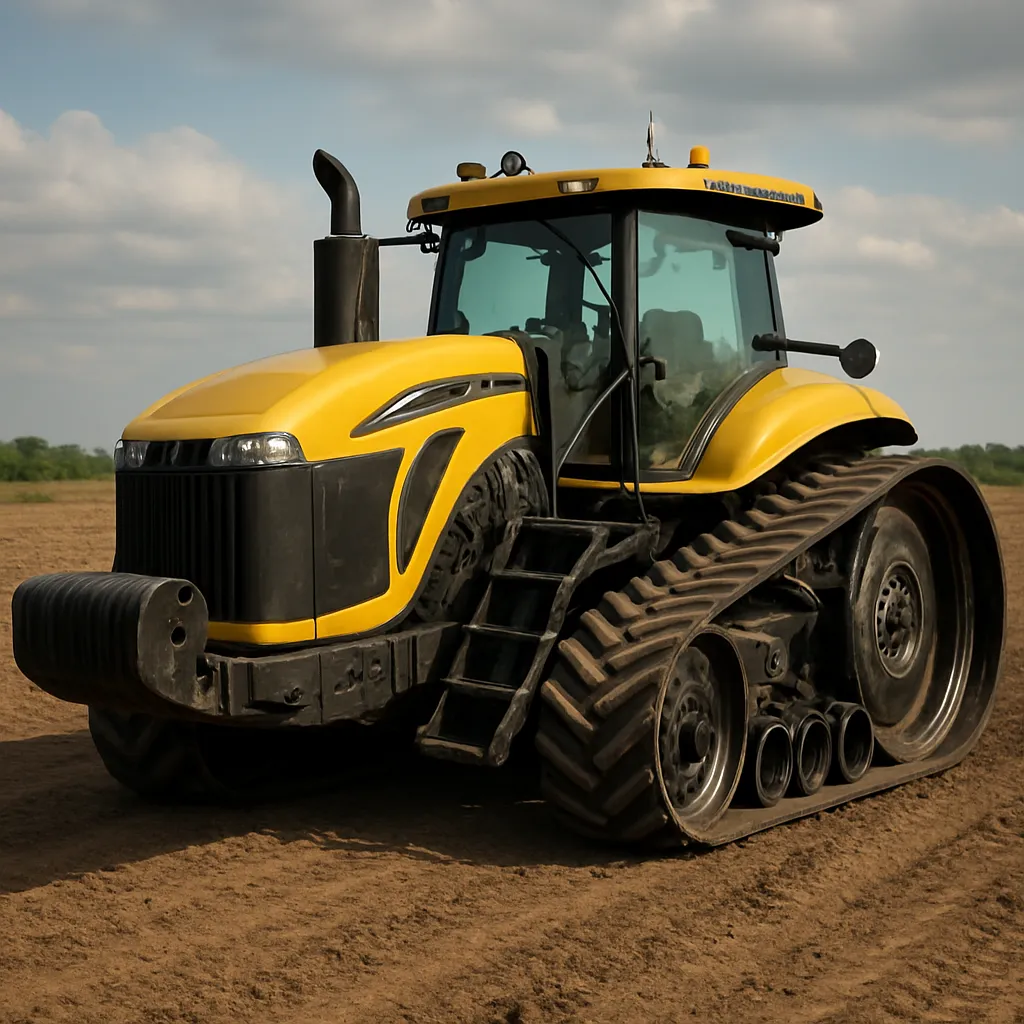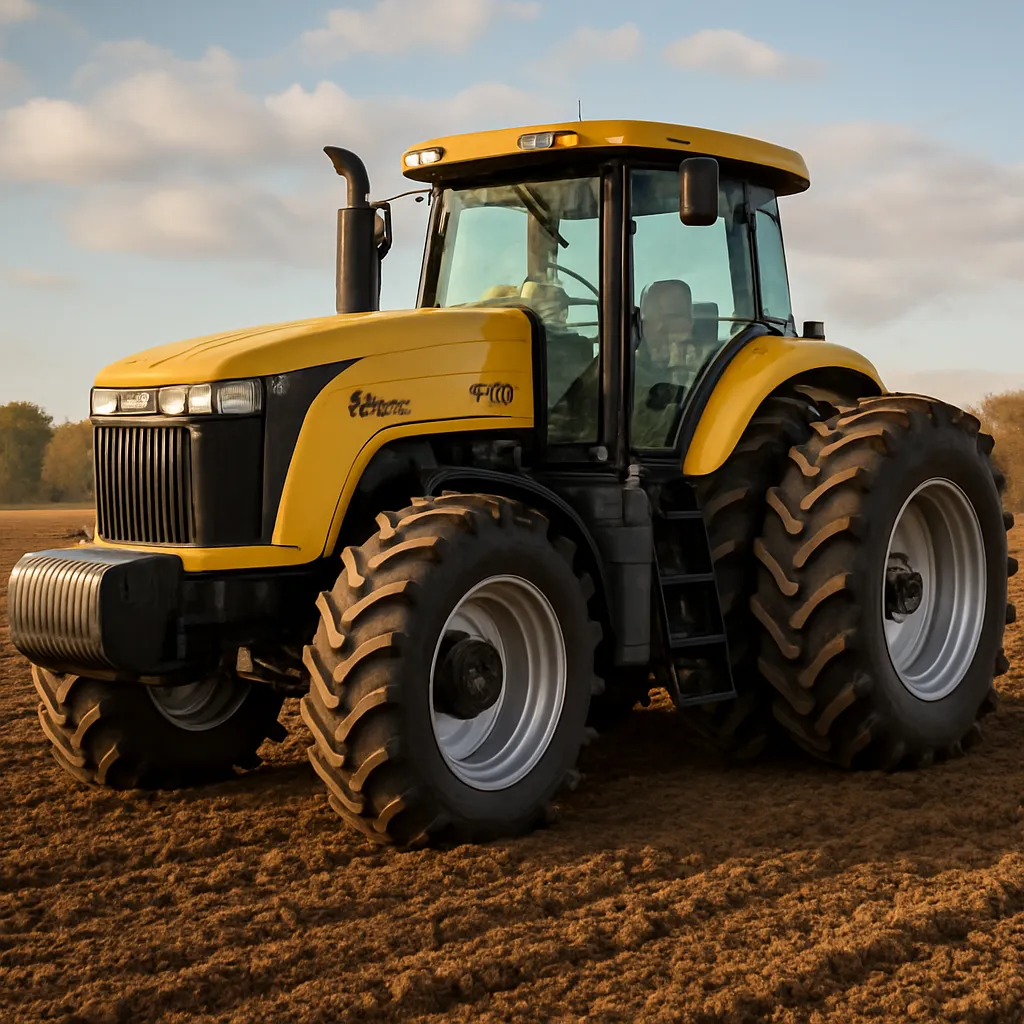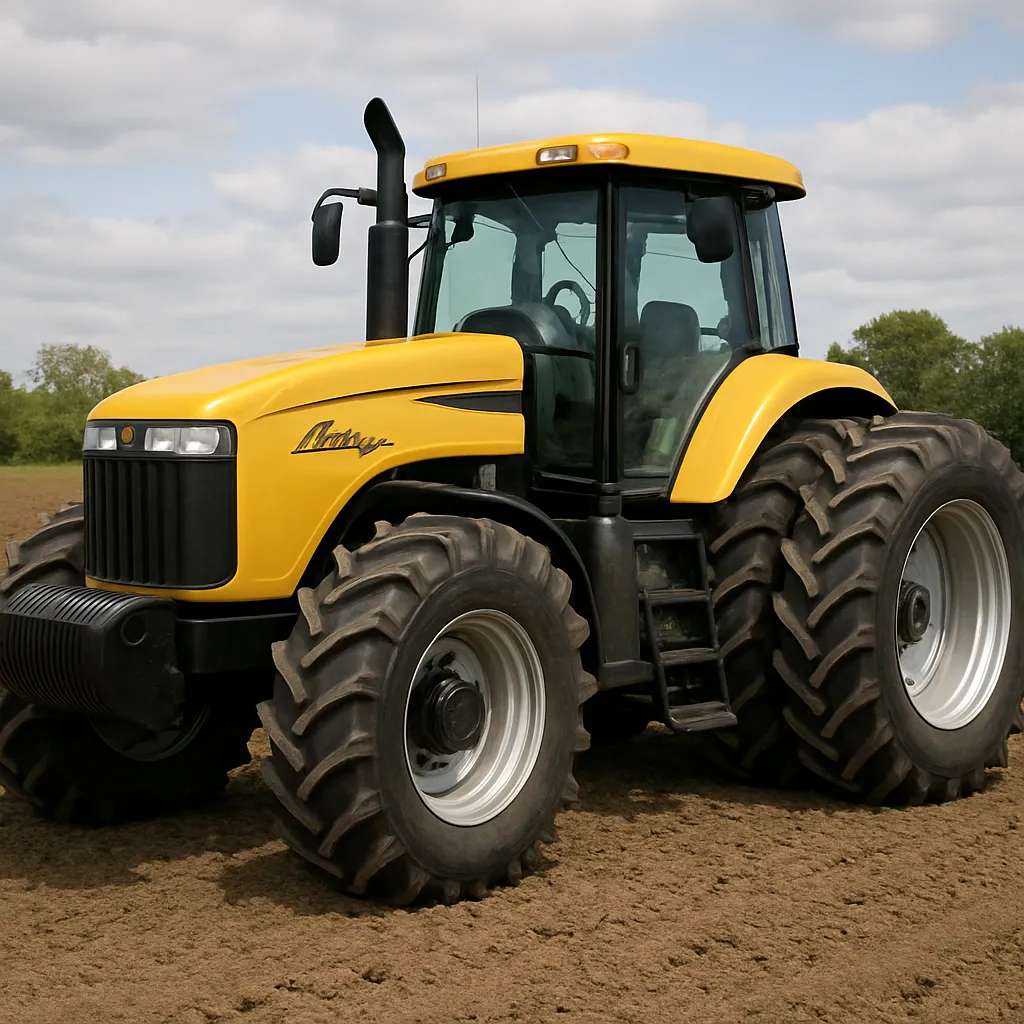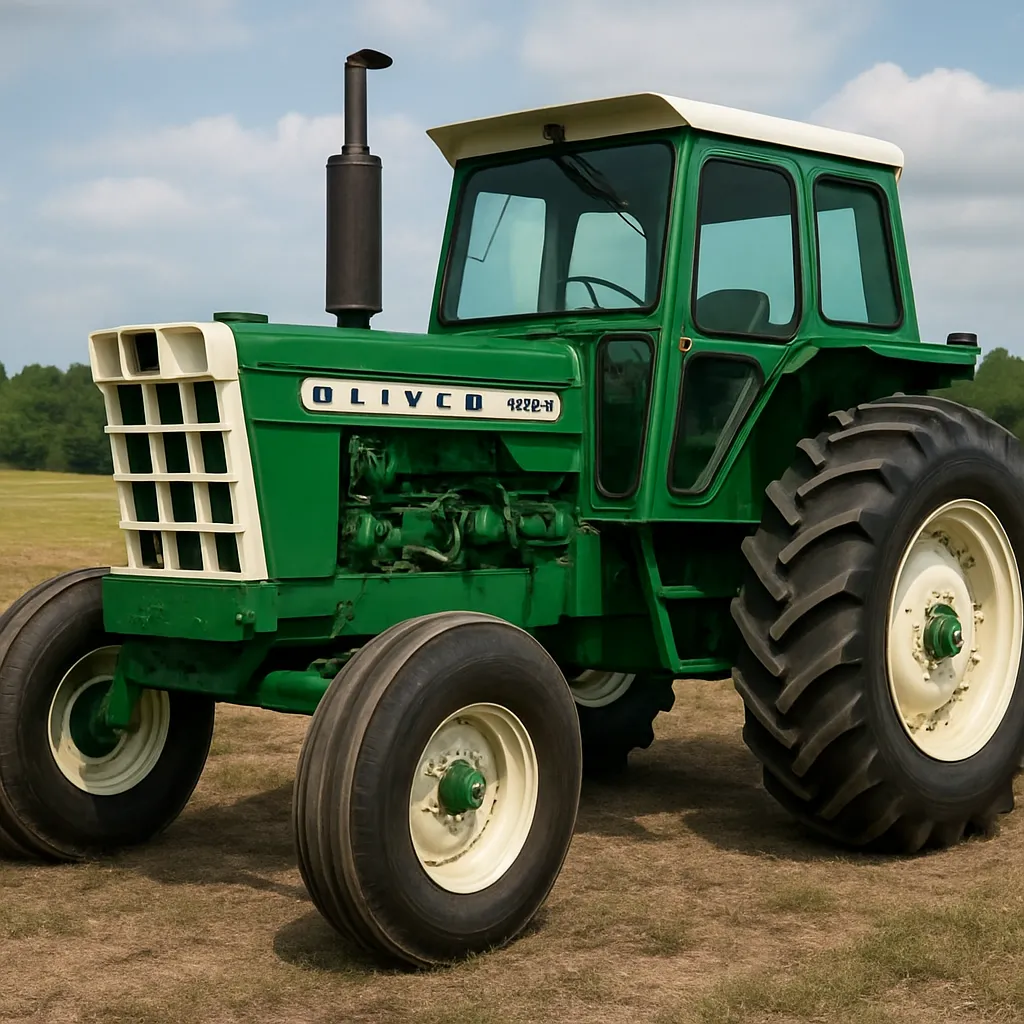
The Oliver 2655 is a name that resonates with enthusiasts of classic farm machinery and operators seeking a reliable compact workhorse. Combining practical design, straightforward mechanics and a versatility that suits a wide range of agricultural and utility tasks, the model has found a place both in small family farms and among collectors restoring mid-century tractors. In the following sections we will explore the background, technical characteristics, typical applications, maintenance considerations and the legacy of this model.
Historical background and place in the Oliver lineup
The Oliver brand has a long history in agricultural machinery, and models like the 2655 represent the company’s efforts to provide durable, accessible equipment for small-to-medium scale farming. Introduced during a period of rapid mechanization, the 2655 was designed to be a straightforward, easy-to-maintain tractor that could perform a wide variety of tasks without the complexity or high cost of larger specialty machines.
While precise production figures and introduction years can vary by source, the 2655 is commonly associated with the mid-20th century era when manufacturers focused on creating compact utility tractors for general farm duties. During this time many farmers were replacing horse-drawn implements and supplementing larger tractors with nimble units that could handle chores such as mowing, cultivation, light tillage and loader work.
Design and technical characteristics
Engine and powertrain
The 2655 typically came with a robust diesel engine, chosen to provide a balance between fuel efficiency and torque for field work. Engines in this class were often inline 3- or 4-cylinder designs known for simplicity and ease of repair. The exact displacement and vendor could vary by production year and market, but the model’s power output places it in the compact utility category.
- Horsepower: In practical terms the 2655 is often cited in the range that suits small implement work — roughly mid-range for compact tractors. Exact horsepower depends on engine configuration and tuning, but it is optimized for torque rather than high-speed power.
- Transmission: Many units were fitted with manual gear transmissions offering multiple forward and reverse speeds to match field and road conditions. Some operators may find examples modified or retrofitted with synchronized shuttles or other gearbox enhancements.
- PTO: A standard rear PTO (typically 540 RPM in tractors of this class) provides power for mowers, balers and other PTO-driven implements.
Hydraulics, hitch and implements
A practical and well-sized hydraulic system is essential for a utility tractor. The 2655 usually offered an open-center hydraulic layout with a rear three-point hitch compatible with Category I implements. Lift capacity at the hitch is designed to handle plows, cultivators, rotary mowers and small balers commonly used on family farms and estates.
Chassis, weight and ergonomics
The 2655’s frame and axle geometry favor stability and simple serviceability. Operating weight for units in this size class commonly ranges depending on configuration and optional ballast, making the tractor heavy enough for traction yet light enough for transport on narrow lanes and mixed terrain. The operator station focuses on practicality: clear instrument grouping, accessible service points and uncomplicated control layout.
Typical applications and suitability
The real strength of the Oliver 2655 is its versatility. Owners and operators have used it across a broad palette of tasks:
- General tillage and seedbed preparation on small plots and gardens.
- Mowing and brush cutting with belly or rear-mounted mowers.
- Baling light hay and operating small forage implements via the PTO.
- Loader duties such as material handling, pallet work and light excavation (when fitted with a front loader).
- Orchard and vineyard work where a compact wheelbase and maneuverability are advantageous.
- Estate and municipal maintenance: snow clearing, sweeping, and groundskeeping.
Because of its size, the 2655 is often preferred where larger tractors would be too heavy or unwieldy. It is particularly well-suited to mixed-use farms, hobby farms and horticultural operations where tight turning and lower soil compaction are priorities.
Maintenance, common repairs and ownership tips
One of the enduring appeals of older models like the 2655 is their mechanical accessibility. Owners can perform a significant portion of service tasks with basic tools and mechanical knowledge. The following points summarize routine care and common areas to inspect if you are considering purchase or restoration.
Regular maintenance checklist
- Engine: regular oil and filter changes, fuel filter replacement and fuel system cleaning to protect injectors or carburetor depending on engine type.
- Cooling: check radiator and hoses, especially if the machine operates in dusty or muddy environments. Clean fins and confirm thermostat operation.
- Hydraulics: inspect hoses and seals for leakage; change hydraulic fluid and filter at manufacturer-recommended intervals or sooner in heavy-use situations.
- Transmission and driveline: maintain proper gearbox lubricants, check clutch adjustment and monitor for unusual noises that indicate wear.
- Electrical: older tractors frequently need attention to wiring, battery terminals and starter/alternator systems; keeping these in good order prevents field failures.
- Tires and brakes: maintain correct tire pressures and inspect for dry rot; test brakes and steering linkages regularly.
Common repairs and restoration notes
Restorers often encounter issues typical of decades-old machinery: worn seals, corroded fuel tanks, tired upholstery and faded paint. Because the 2655 favors simple mechanical systems, rebuilding or sourcing replacement components is usually feasible. Aftermarket vendors and vintage tractor communities often stock parts or can direct owners to compatible substitutes from more common models. Documenting serial numbers and configurations helps when searching for parts or historical data.
Market, collectibility and practical value
The market for classic tractors is influenced by condition, rarity and provenance. The 2655 occupies a niche where usability and historical interest intersect. Some considerations for valuation and purchase:
- Condition: running, well-maintained tractors command higher prices than non-running project units.
- Originality: tractors with original paint, badges and documentation appeal to collectors; conversely, units that have been modified for modern implements may attract buyers looking for reliable daily-use machines.
- Parts availability: models with a steady aftermarket or community support base are easier to own long-term.
Price ranges vary widely by region and condition. For many utility tractors of similar vintage, usable examples often trade at modest prices, while fully restored or historically significant units sell for a premium. Because figures fluctuate with market trends and regional demand, prospective buyers should consult local listings and specialist clubs for current values.
Technical and statistical notes
Detailed factory statistics for older models like the 2655 can be limited outside manufacturer archives. Where precise production numbers or variant breakdowns are not widely published, enthusiasts and registries sometimes compile serial number data to estimate production runs.
- Production era: generally associated with mid-20th century compact tractor production; variations and successor models were part of ongoing product evolution.
- Engine output: typical compact diesels of the era commonly produced torque and peak outputs suitable for utility work; exact horsepower ratings depend on engine tuning and final drive gearing.
- Dimensions and weight: specifications vary with attachments and optional ballast; operating weights commonly fall into the light-to-medium category for compact tractors.
For precise statistical data—such as serial number ranges, total units produced, or factory option codes—researchers frequently turn to enthusiast clubs, historical registries and original operator manuals. These sources often provide verified numbers and variant details that are invaluable for restorers and historians.
Use-case scenarios and modern relevance
Even in the present day, older compact tractors like the Oliver 2655 serve practical roles. Small-scale farmers and landowners appreciate a tractor they can understand and service themselves. The model’s utility extends into specific scenarios:
- Hobby farms and market gardens where low operating costs and maneuverability are important.
- Historic farms and museums that value period-correct equipment for educational displays or demonstration plowing.
- Landscape contractors and groundskeepers who prefer a simple machine for routine tasks such as mowing and light grading.
- Collectors and restorers who seek a balance between authenticity and functionality.
When properly maintained, a 2655-class tractor can still be a productive piece of equipment. Upgrades such as modern lighting, improved seats, and hydraulic improvements can enhance comfort and safety without compromising historical character.
Notable features and enduring strengths
Several features account for the model’s reputation among operators and collectors:
- Durability: rugged construction and straightforward systems make the tractor resilient and repairable.
- Simplicity of design: accessible service points and mechanical clarity reduce downtime and repair complexity.
- Adaptability: compatibility with a wide range of implements and simple three-point hitch systems increases usefulness across seasons.
- Fuel economy: diesel engines of the era were optimized for torque and efficient field performance.
- Community support: owners often benefit from regional clubs and online forums where knowledge, parts leads and restoration tips are shared.
Final considerations for prospective owners
If you are evaluating an Oliver 2655, consider the intended use, condition and long-term availability of parts and expertise. A thorough inspection should include engine compression, signs of hydraulic leakage, frame integrity and the condition of the transmission and clutch. For those seeking a machine for everyday work, prioritize mechanically sound examples; for collectors, originality and documentation are key.
Acquiring owner manuals, spare parts catalogs and consulting local tractor clubs will significantly smooth the ownership experience. Many enthusiasts find that the combination of mechanical simplicity and practical capability makes the 2655 a rewarding tractor to own, operate and preserve.
Summary
The Oliver 2655 is valued for its functional design, mechanical accessibility and practical versatility. Whether used for small-scale agricultural tasks, grounds maintenance, or restored as part of farm machinery heritage, the model offers a compelling mix of utility and charm. Its simple systems encourage owner maintenance and its adaptability keeps it useful decades after production. For anyone engaged with vintage tractors or in need of a compact workhorse, the 2655 remains a noteworthy candidate.