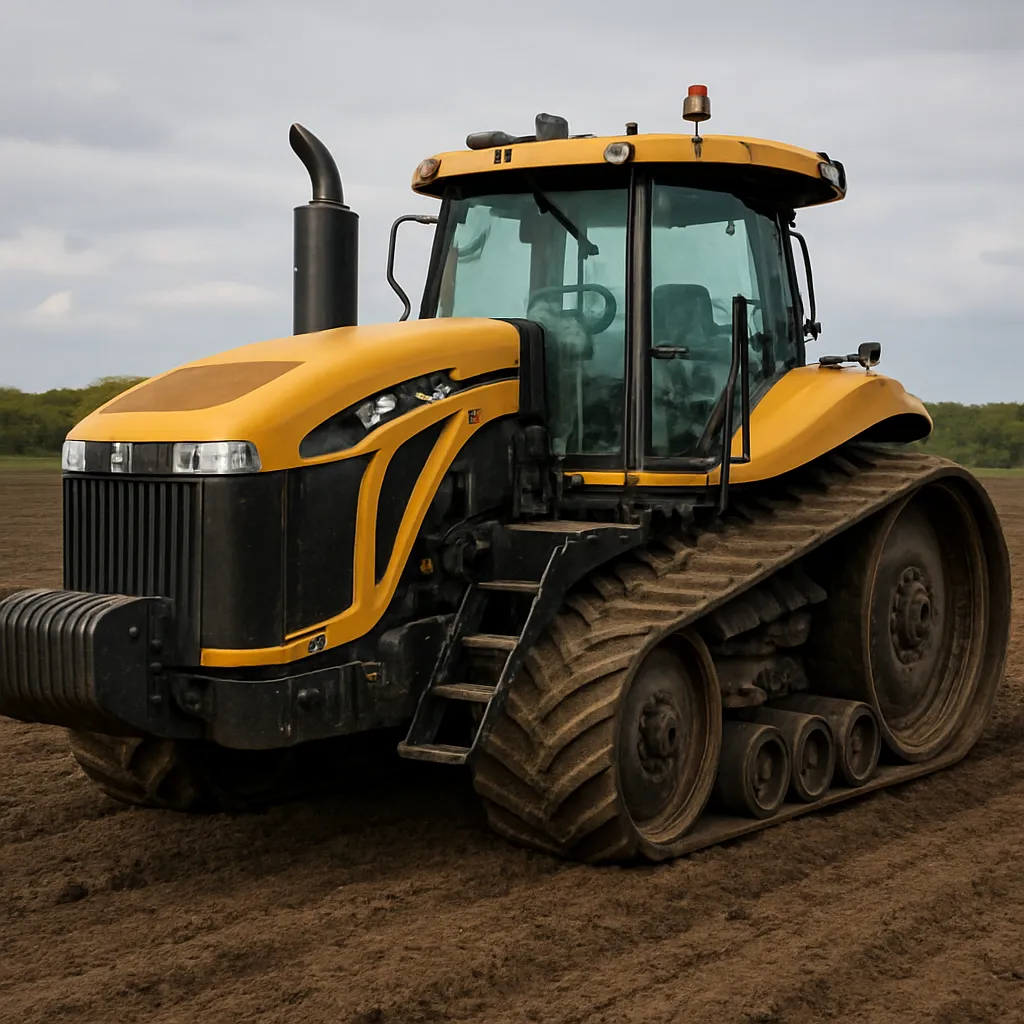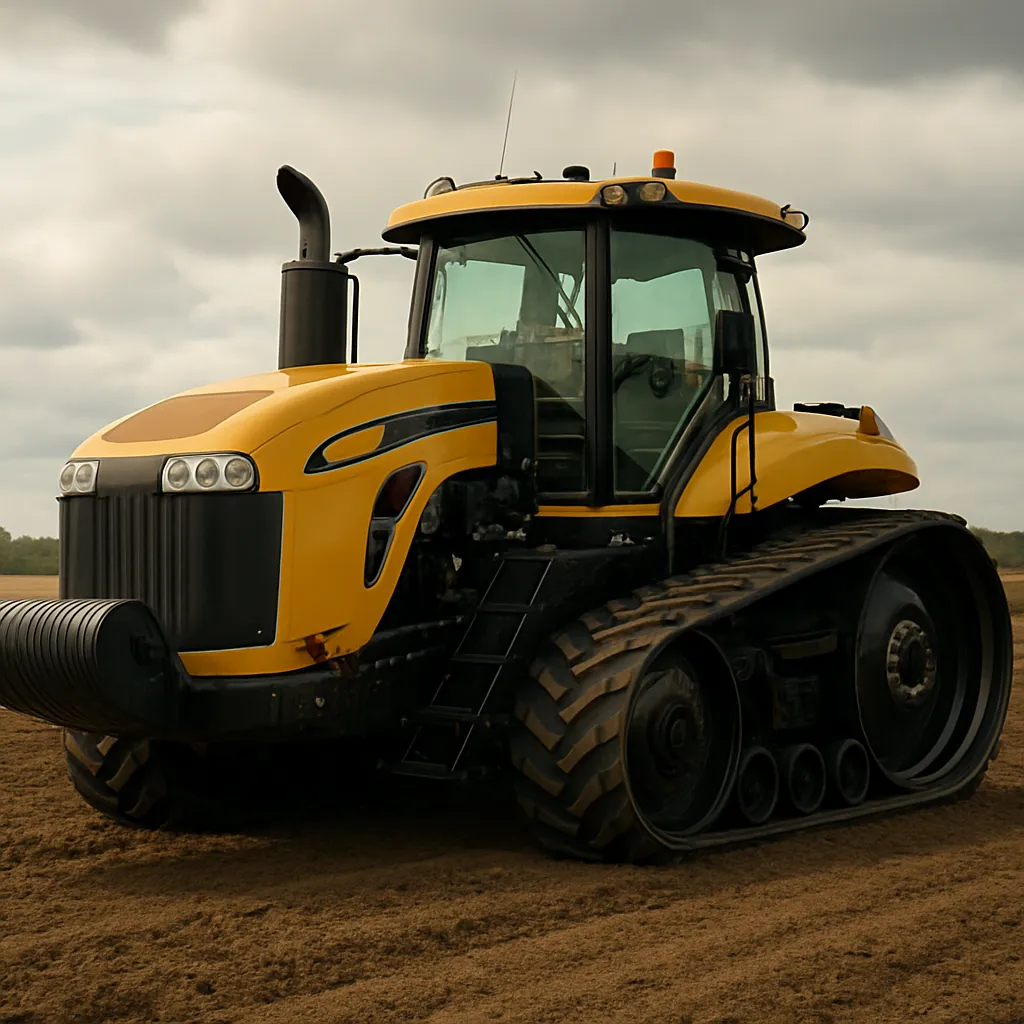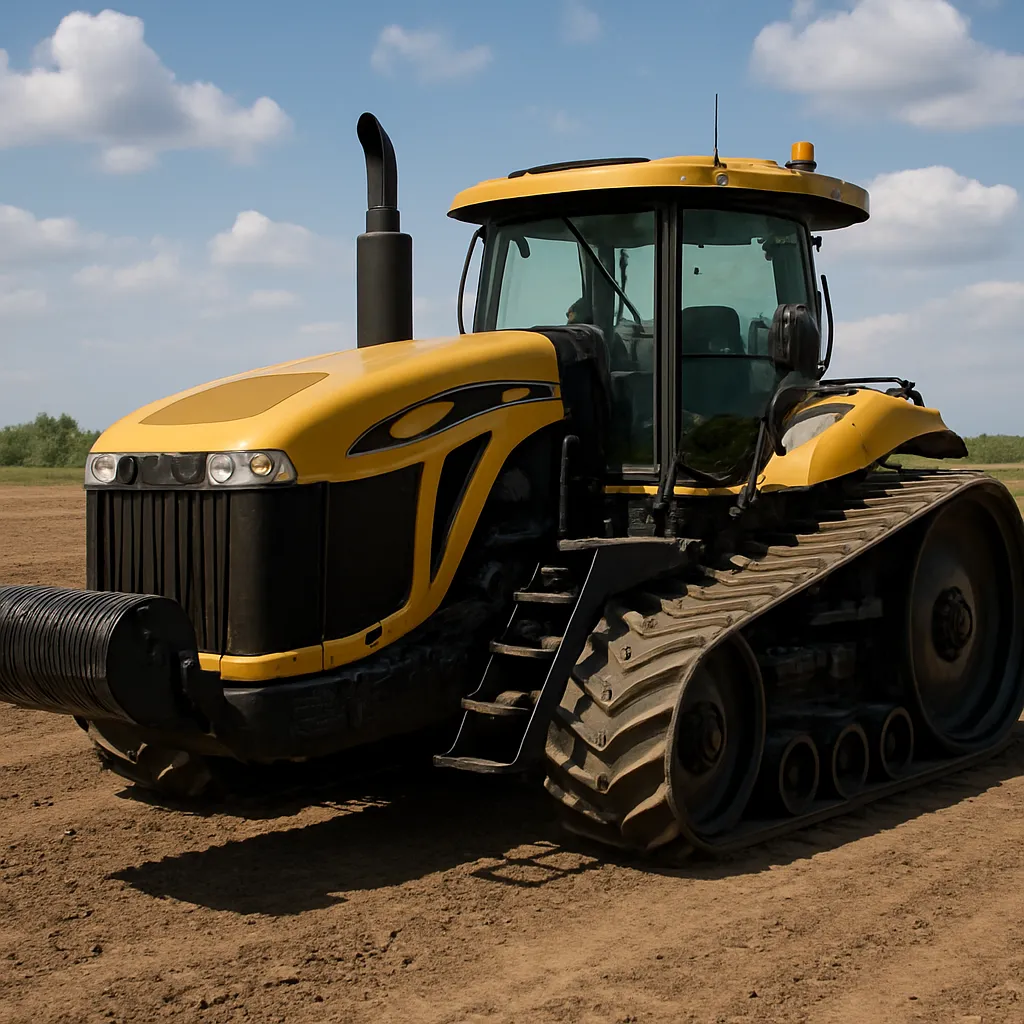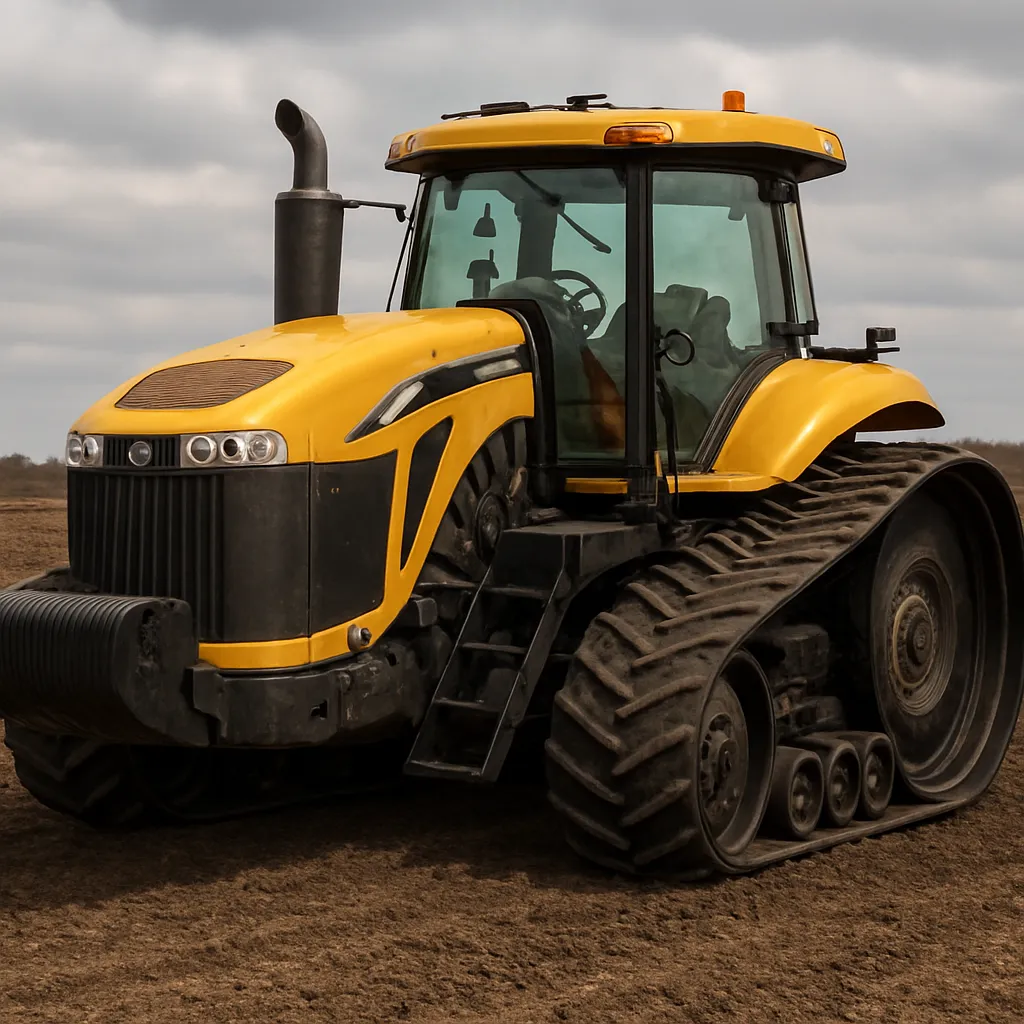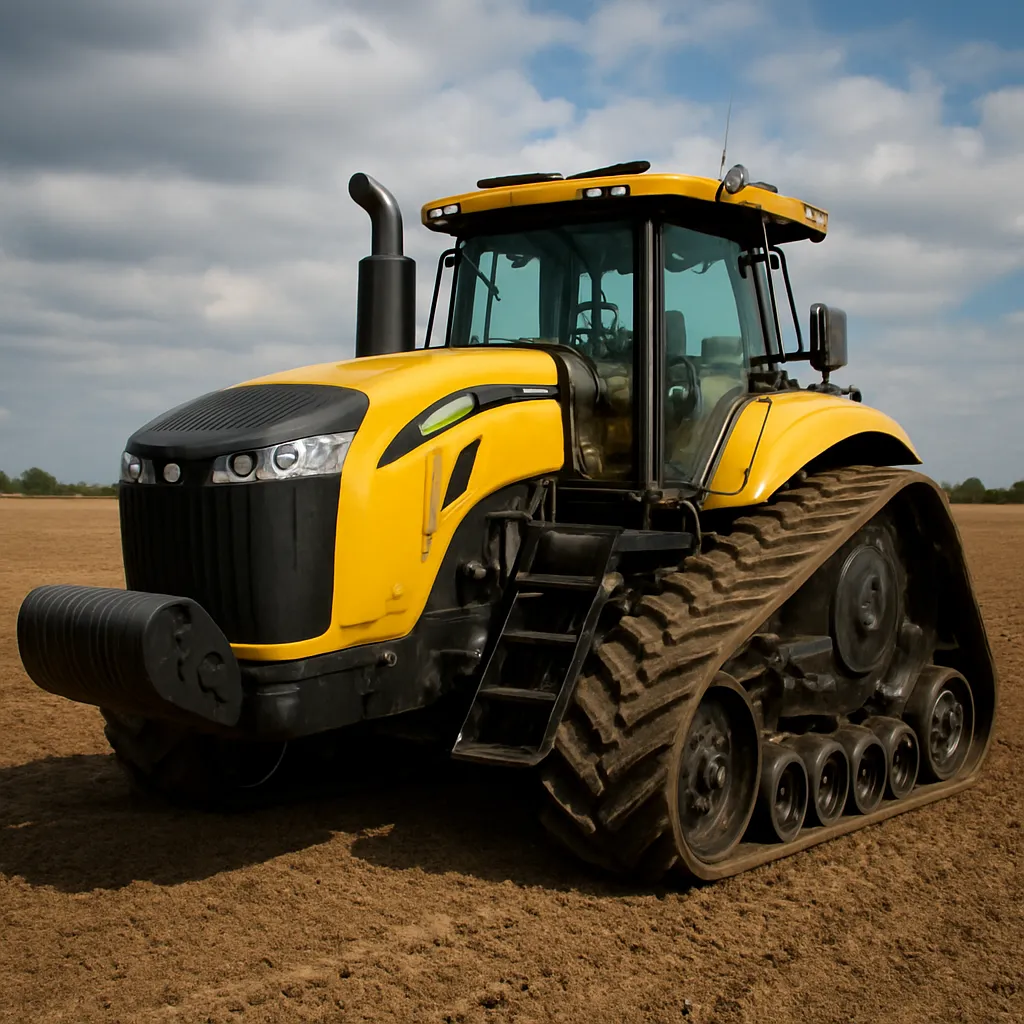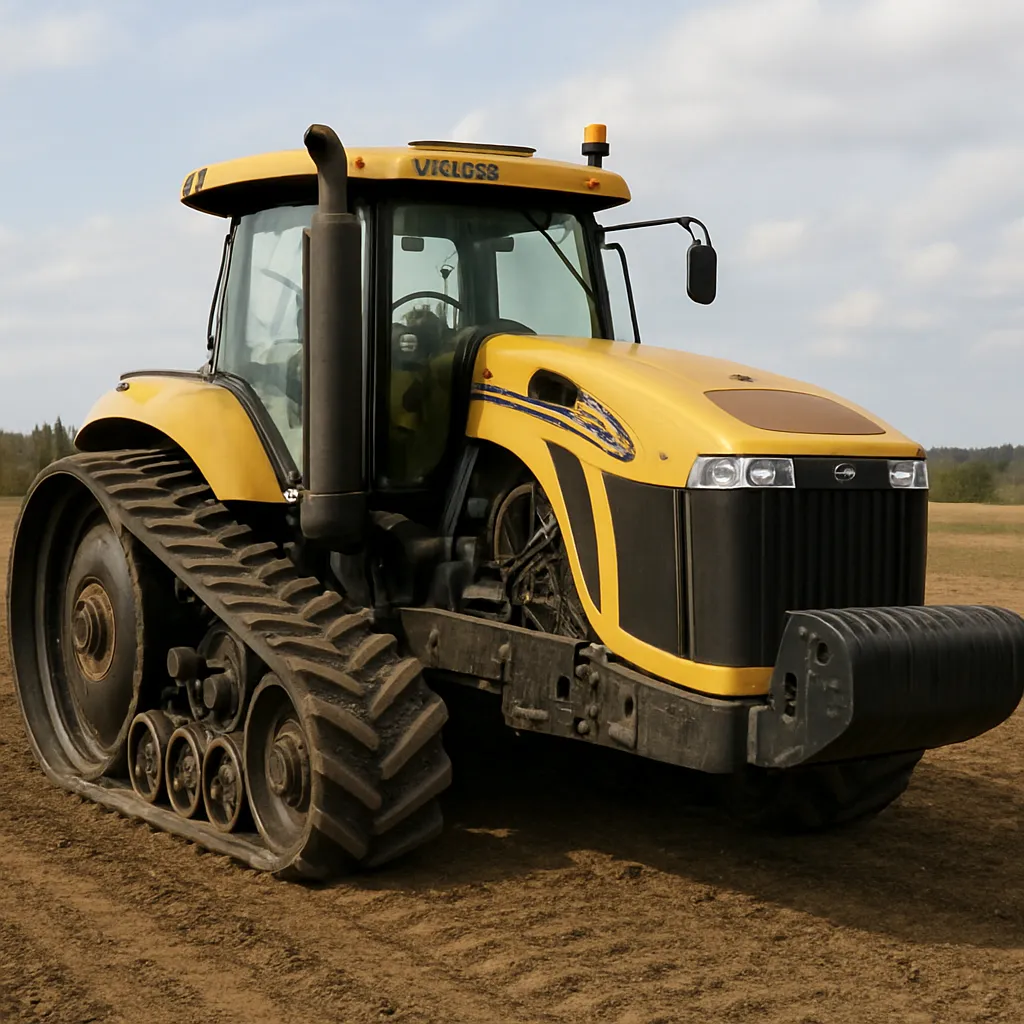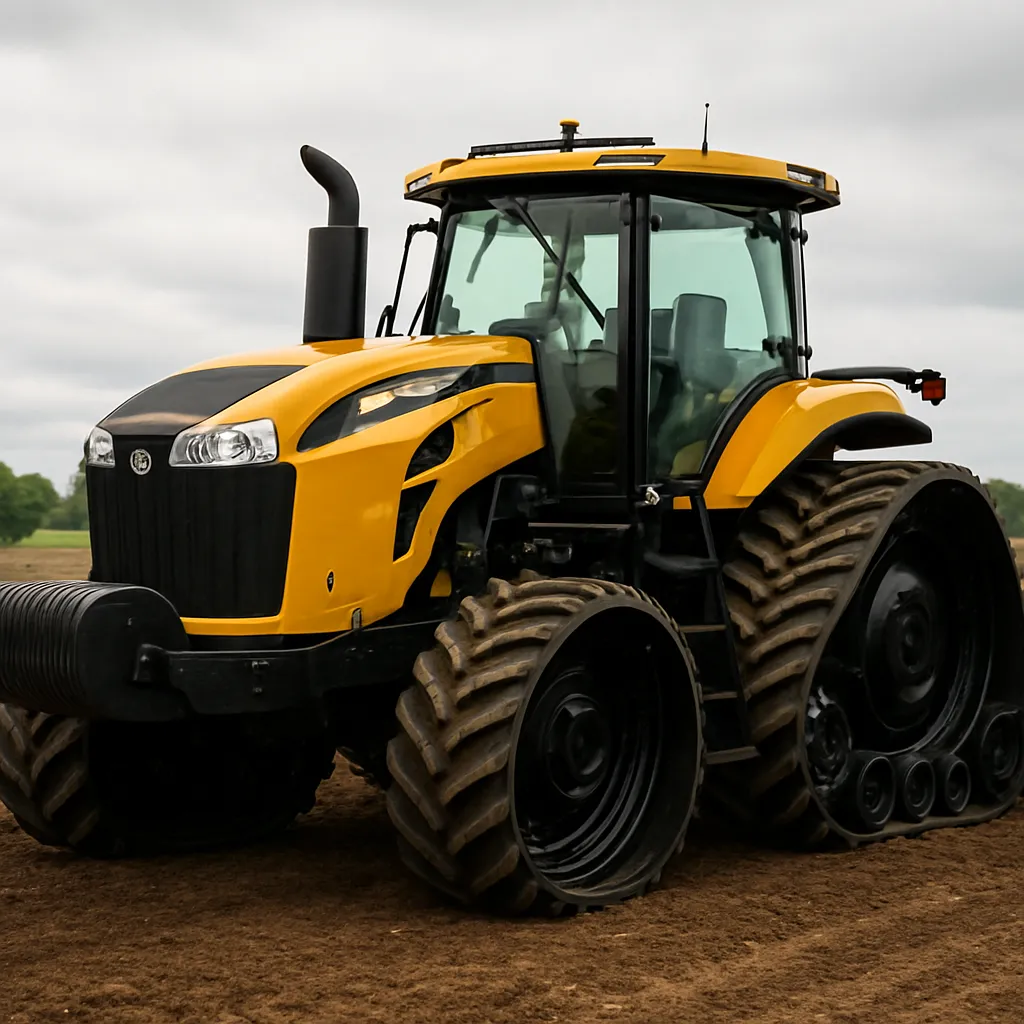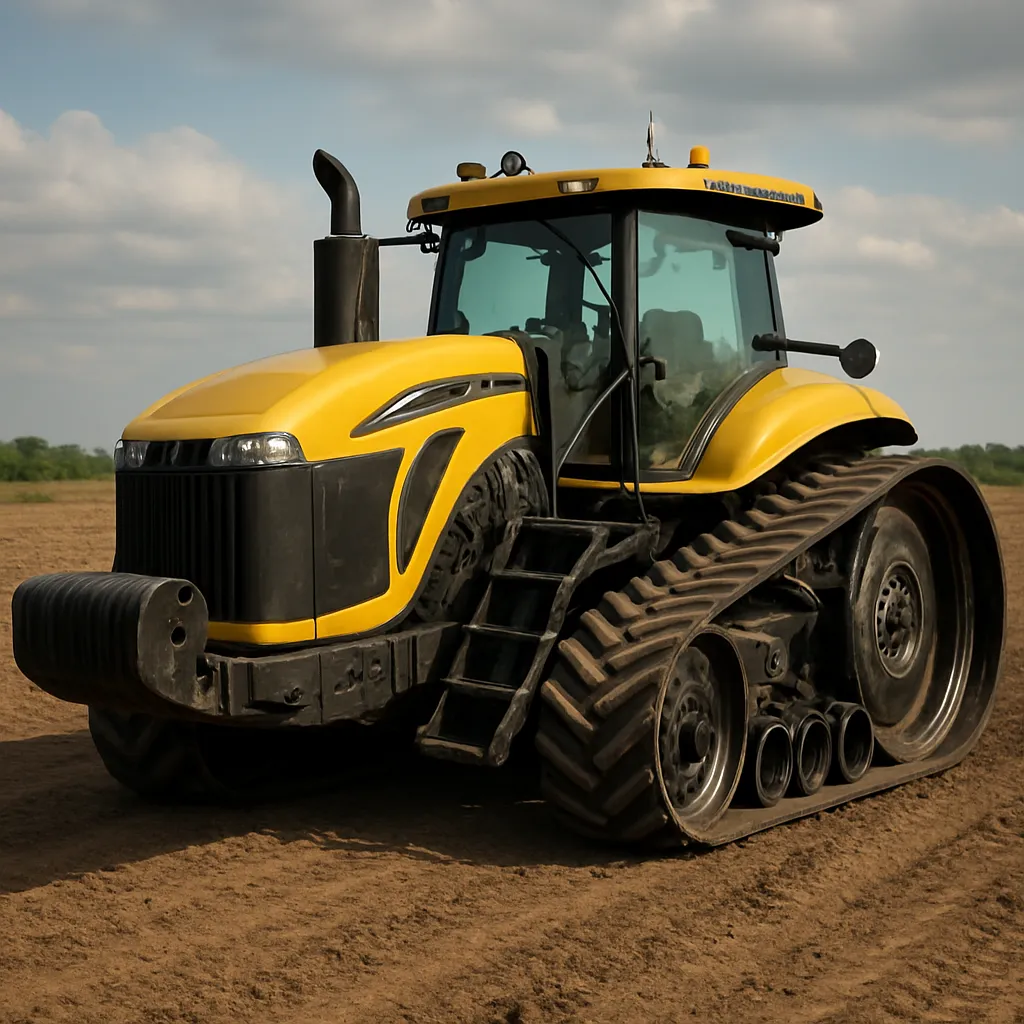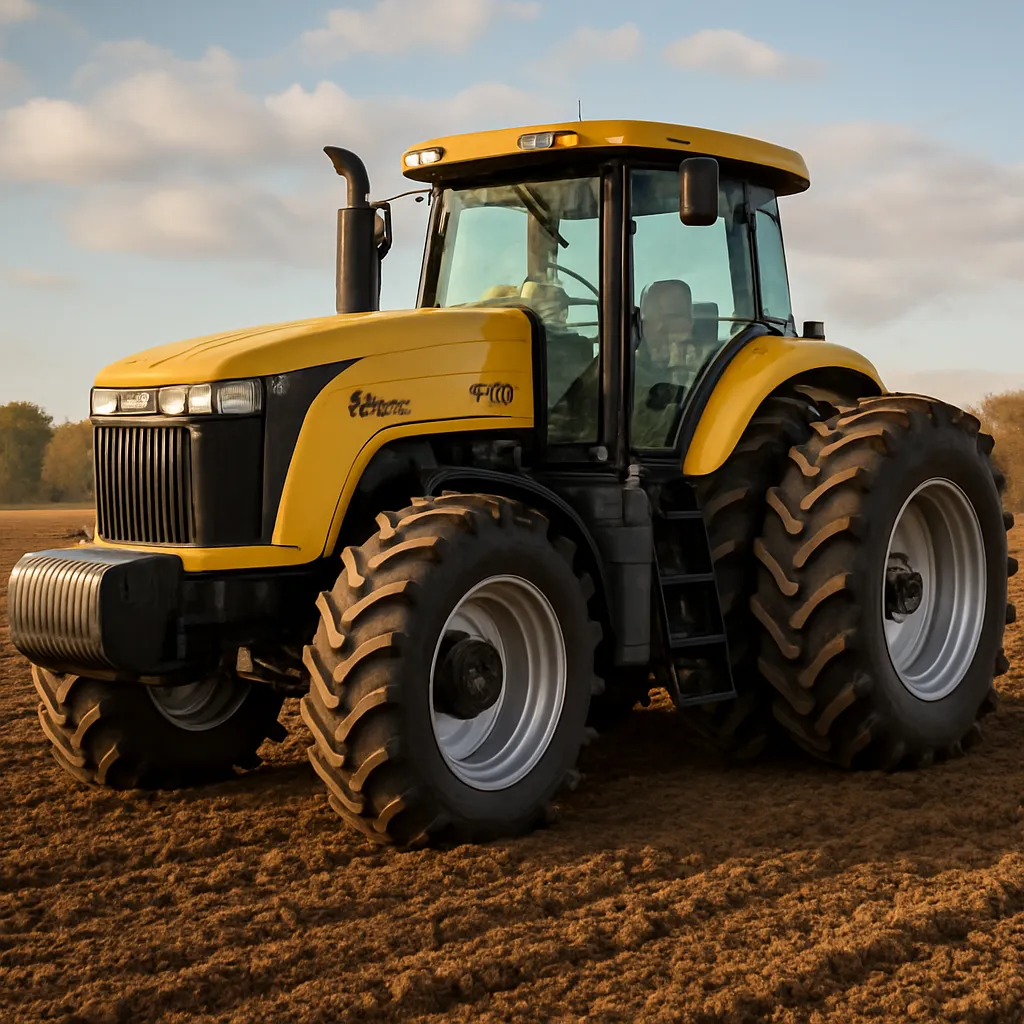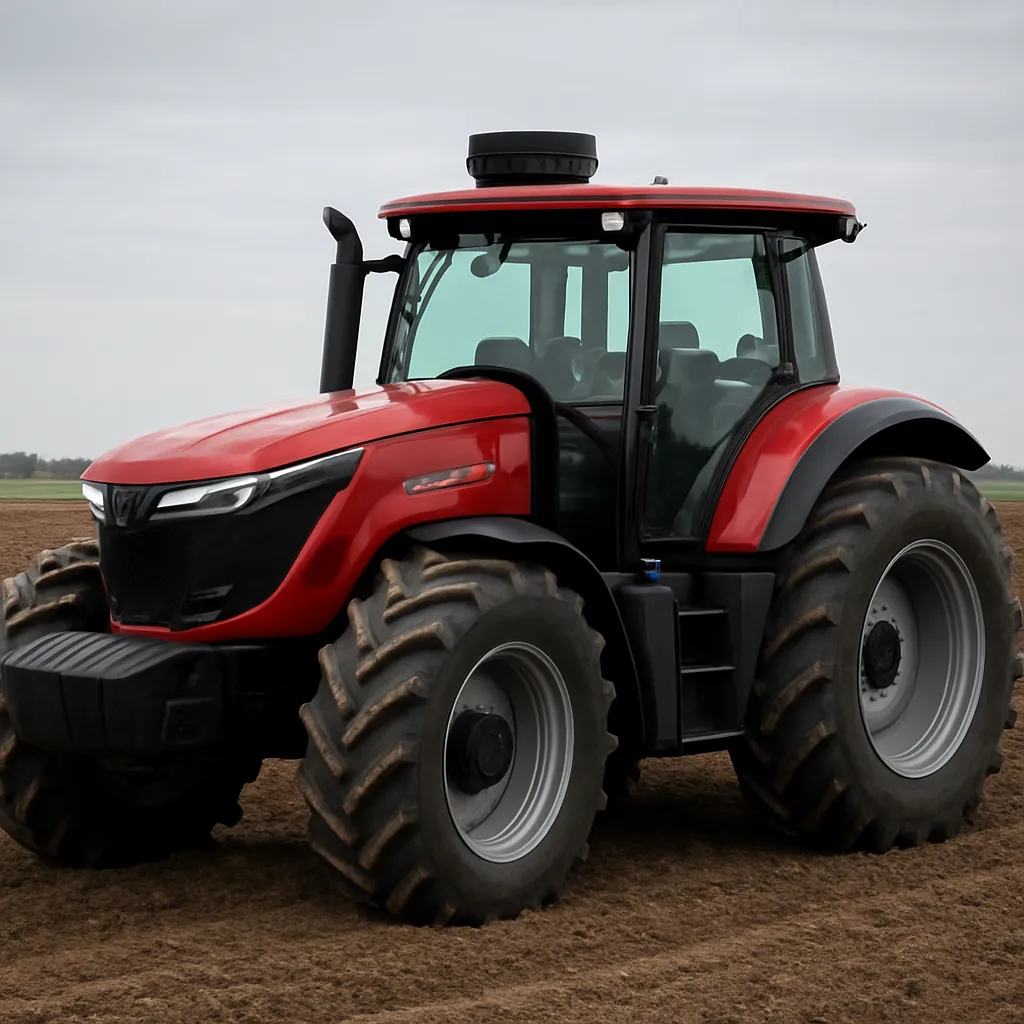
The SAME Explorer 180 Proto represents a blend of traditional agricultural engineering and modern tractor design philosophy. As a mid-to-high horsepower machine in the Explorer family, it is intended to address demanding fieldwork while offering operators a balance of **power**, **comfort**, and **versatility**. This article reviews the model’s background, technical characteristics, typical applications, maintenance considerations, and market context, with practical notes for farmers, contractors, and fleet managers who may be evaluating this tractor for purchase or comparison.
Background and design philosophy
The SAME brand, part of the SDF Group, has a long history of producing tractors adapted to European and international farming needs. The Explorer range was developed to fill the gap between compact utility machines and large row-crop tractors, focusing on a combination of robust mechanical systems and operator-centered design. The Explorer 180 Proto, in particular, emerged as a platform aimed at providing about 160–190 metric horsepower in a package suitable for mixed farming, heavy PTO implements, and transport duties.
Origins and naming
The name Explorer signals the series’ role as an all-rounder: capable on arable farms, hay and forage operations, and general heavy-duty tasks. The suffix “180” typically reflects the nominal engine horsepower class. The addition “Proto” in some references can indicate a specific prototype, pre-production configuration, or regionally designated variant with experimental features. In many cases, Proto units are used internally or by demo fleets to trial new transmissions, hydraulic packages, or cab features before full production.
Design priorities
- Durability and reliability to handle frequent heavy loads.
- High hydraulic capacity and PTO output for modern implements.
- Operator comfort and simplified serviceability to reduce downtime.
Technical specifications and performance
Technical specifics for any tractor model can vary with year, market, and optional packages. The figures below represent typical values and ranges associated with the Explorer 180 class. For exact data, consult the manufacturer’s specification sheet for the specific year and configuration.
Engine and powertrain
The Explorer 180 Proto is usually equipped with a robust turbocharged **diesel** engine designed for peak pulling capability and fuel economy. Typical characteristics include:
- Engine output: approximately 160–190 hp (nominal/rated power).
- Torque: high torque at low rpm to support heavy draft and PTO loads.
- Engine management: electronic control unit (ECU) for optimized fuel injection and emissions compliance.
Transmission options often range from synchronized mechanical gearboxes to more advanced powershift or semi-powershift units, offering a balance between simplicity and smooth operation under load. Common layouts include multi-range transmissions with a wide selection of forward and reverse speeds to suit both fieldwork and road travel.
PTO, hydraulics and hitch
Key systems that determine implement compatibility:
- PTO speeds: standard 540 rpm with optional 1000 rpm, enabling use of high-demand implements like large balers or rotary mowers.
- Hydraulic flow: depending on configuration, hydraulic output is typically in the range of 60–120 l/min, often with additional options for load-sensing pumps for consistent performance under variable demand.
- Three-point hitch: Category II or III depending on region, with lift capacities commonly capable of handling heavy mounted implements (lift capacity often in the range of several thousand kilograms at the hitch points).
Braking, axles and tires
For safe road transport and field maneuvering, the model often features robust wet-disc brakes, optional front axle suspension and four-wheel drive. Tire choices and axle widths can be selected to match soil compaction requirements, row-crop spacing, or transport duties, making the tractor adaptable to multiple farm types.
Applications and practical uses
The Explorer 180 Proto is positioned as a multipurpose tractor for both professional farms and contractors. Its power and hydraulic capacity open up a wide variety of applications:
Arable and row-crop farming
With its strong drawbar and hydraulic capacity, the tractor is suitable for primary tillage (ploughing, deep cultivation), secondary tillage (discs, cultivators), and seeding operations. Its torque characteristics allow steady field speeds even with heavy implements, improving fuel economy and field throughput.
Forage and hay operations
High PTO power and hydraulic control make it well-suited for large balers, forage harvesters, mowers and tedders. The availability of a 1000 rpm PTO option (on many configurations) is valuable for modern forage equipment that demands higher shaft speeds.
Transport and loader work
When fitted with appropriate gear ratios and front loaders, the Explorer 180 class can act as a powerful loader tractor, handling big bales, pallets and silage. Improved cab comfort and visibility reduce operator fatigue during long transport runs.
Specialized operations
Contractors and mixed farms may equip the tractor for specialized roles, such as forestry mulching, heavy spreader towing, deep ripping and subsoiling, or even snow clearing with front-mounted equipment. The tractor’s hydraulics and PTO flexibility are key enablers of these roles.
Operator environment and technology
Modern tractors in this class place emphasis on the operator station, both for productivity and safety. The Explorer 180 Proto typically includes a combination of comfort and technology features designed to reduce operator fatigue and simplify control of complex implements.
Cab and ergonomics
Cabs are usually ROPS-certified, soundproofed, and fitted with climate control to maintain a comfortable working environment across seasons. Controls are laid out to allow intuitive access to transmission levers, hydraulic valves and PTO engagement. Visibility to the front and rear is engineered to maximize implement monitoring and ensure precision during field operations.
Electronics and control systems
Depending on the model year and options, the tractor may offer:
- Basic to advanced electronic displays showing engine, transmission and hydraulic status.
- Optional guidance and telematics packages for precision farming — GPS-based auto-steer compatibility and data logging for field efficiency.
- Implement automation interfaces to allow ISOBUS-compatible implements to communicate with the tractor’s terminal, reducing operator workload and improving accuracy.
Maintenance, durability and serviceability
Longevity and low life-cycle cost are major considerations for buyers. SAME tractors have historically emphasized ease of maintenance and a global spare parts network due to the manufacturer’s long-standing market presence.
Routine service items
- Regular engine oil and filter changes plus air filter service to maintain combustion efficiency.
- Transmission and hydraulic oil checks; many systems use separate circuits to optimize component life.
- Cooling system upkeep, including radiator cleaning and coolant monitoring to prevent overheating under heavy loads.
Durability features
Key design elements that aid longevity include rugged frame construction, reinforced hitch assemblies, and proven engine platforms with parts availability. For contractors, options such as heavy-duty axles and upgrade packages are often available to match high-utilization scenarios.
Market presence, resale and statistical considerations
Exact market statistics for a specific “Proto” variant are often limited because prototypes are not always sold in large numbers. However, the broader Explorer range has been adopted in regions where medium-high horsepower tractors are required for diverse agricultural tasks. Observations and available data points include:
- Global positioning: SAME and the SDF Group have strong penetration in Europe, parts of South America, and selective markets in Africa and Asia. The Explorer series is particularly noted in markets where European-style implements and practices dominate.
- Resale value: Tractors in the 150–200 hp class generally maintain moderate resale values, influenced by total hours, service history, and hydraulic/PTO configuration. Well-maintained units from reputable brands often command stable demand in used equipment markets.
- Operating cost drivers: Fuel consumption, maintenance intervals, and availability of local service networks are the main factors affecting total cost of ownership.
Where specific numerical data is available from SDF or regional dealers, it typically details horsepower ratings, fuel consumption ranges under standard load cycles, and lift capacities. For example, tractors in this class may average field fuel consumption between roughly 12–25 liters per hour depending on the task (tillage vs. transport), with more efficient operations possible under modern engine-management regimes and when equipment is properly matched to the tractor’s capabilities.
Comparisons and competitive positioning
When evaluating the Explorer 180 Proto against competitors, consider the following aspects:
- Power-to-weight ratio: How effectively the tractor converts engine power into usable draft and PTO work without excessive soil compaction.
- Hydraulic flow and hitch capacity: Key for large implements and high-demand seeders or planters.
- Operator comfort and control layout: Particularly important for long-day operations and contracted jobs where multiple operators may run the tractor.
- After-sales support and parts availability: A critical factor in choosing between brands in many regions.
Competitors in the same power band include models from other European and global manufacturers. The choice often comes down to dealer support, local familiarity, and the specific configuration that best matches the farm’s implements and field conditions.
Practical buying considerations
Prospective buyers should perform a detailed needs analysis prior to selection. Key steps include:
- Inventory current implements and determine PTO, hydraulic and hitch requirements.
- Analyze average field size and typical working speeds to identify the optimal transmission and tire configuration.
- Assess local dealer network and warranty/support terms for parts and service responsiveness.
- Consider future-proofing options such as ISOBUS compatibility and telematics if precision farming is in the farm’s roadmap.
Environmental and regulatory context
Modern tractors must meet emissions and noise regulations that vary by region and by year of manufacture. The Explorer 180 Proto, if built to contemporary standards, incorporates electronic engine management and after-treatment systems (such as DOC or SCR) where required to reduce NOx and particulate emissions. Buyers should verify emissions tier compliance (e.g., Stage V for Europe, EPA Tier 4 for the U.S., or region-specific standards) for machines intended to operate in regulated jurisdictions.
Conclusion
The SAME Explorer 180 Proto fits into a niche for farms and contractors seeking a reliable mid-to-high horsepower general-purpose tractor capable of tackling heavy draft, high-PTO-demand implements, and transport tasks. Its strengths typically lie in robust engine performance, flexible hydraulic options, and an operator-focused cab. Exact specifications and performance measurements vary with the specific configuration and year, so it is important to consult manufacturer literature or a local dealer for precise numbers. For buyers prioritizing a balance of **durability**, **versatility**, and **serviceability**, models in the Explorer 180 range are worth serious consideration.