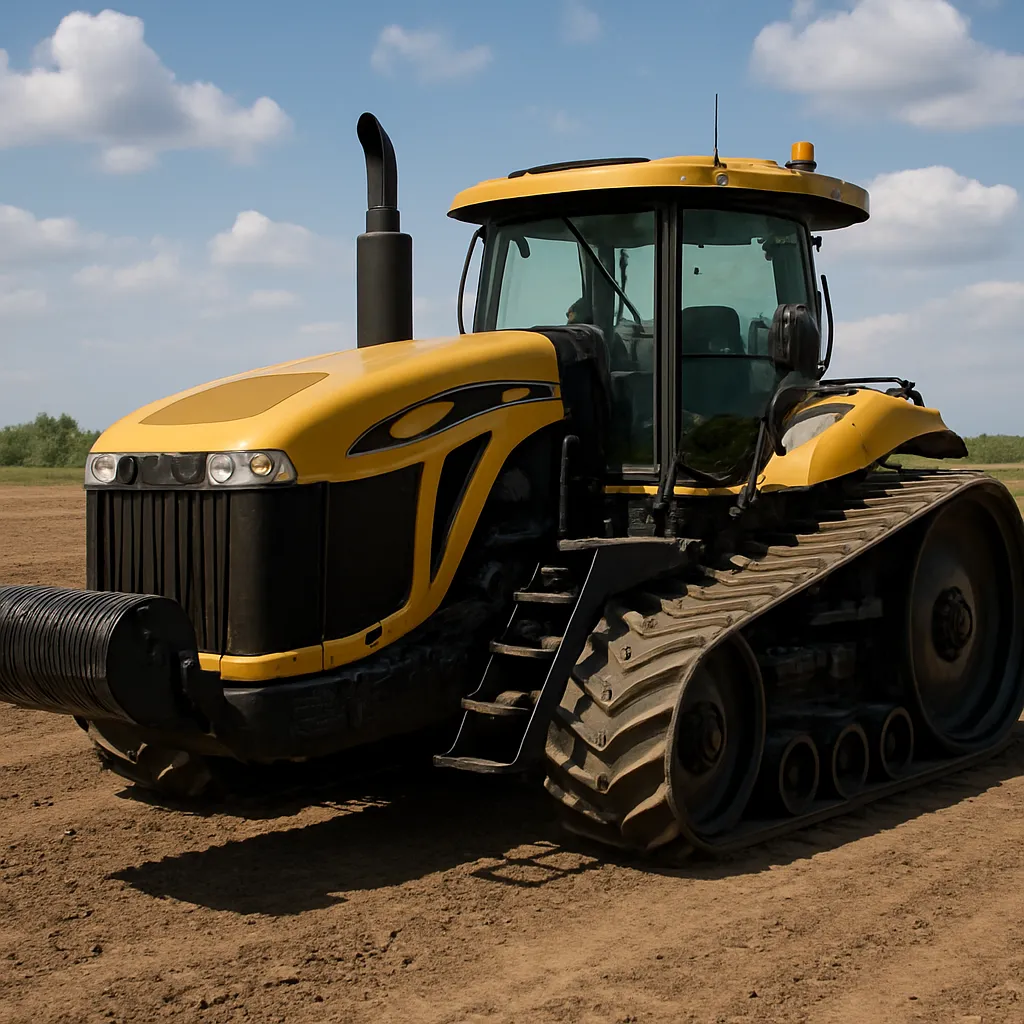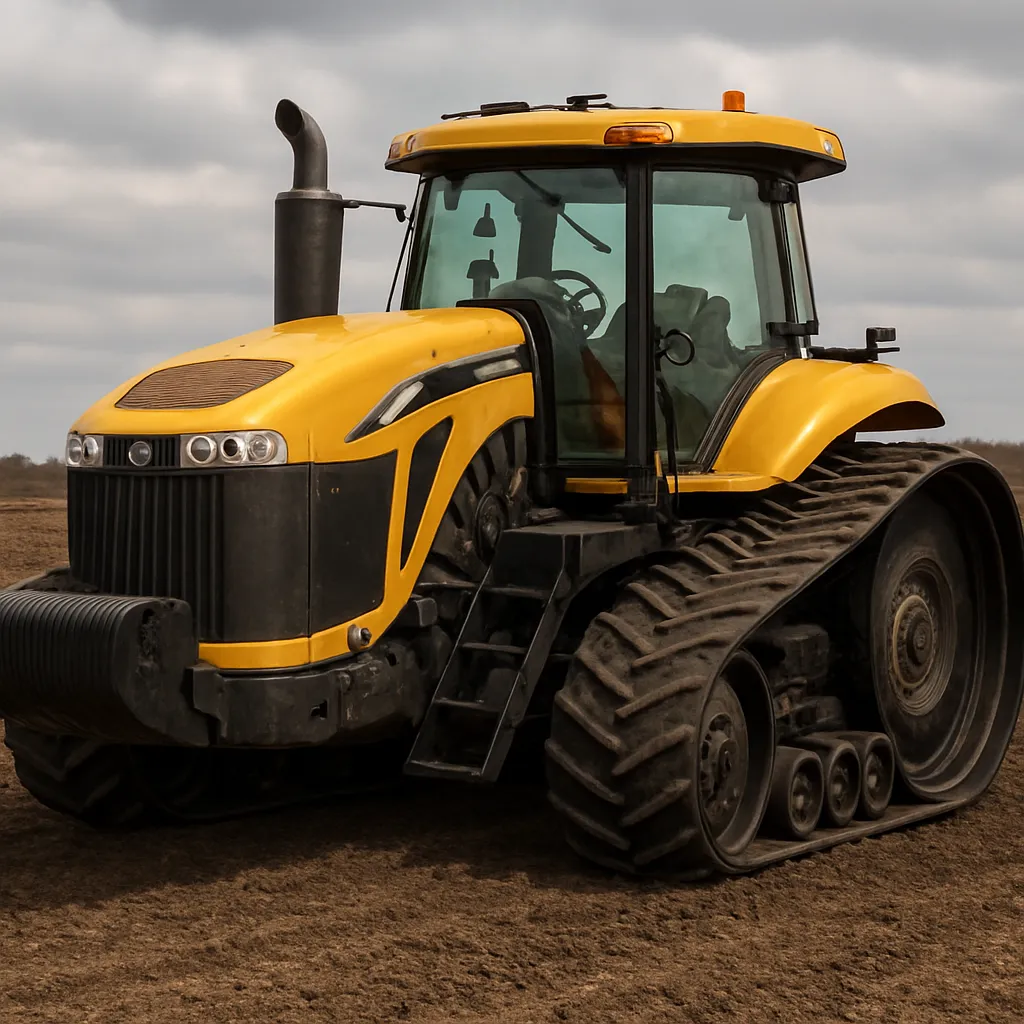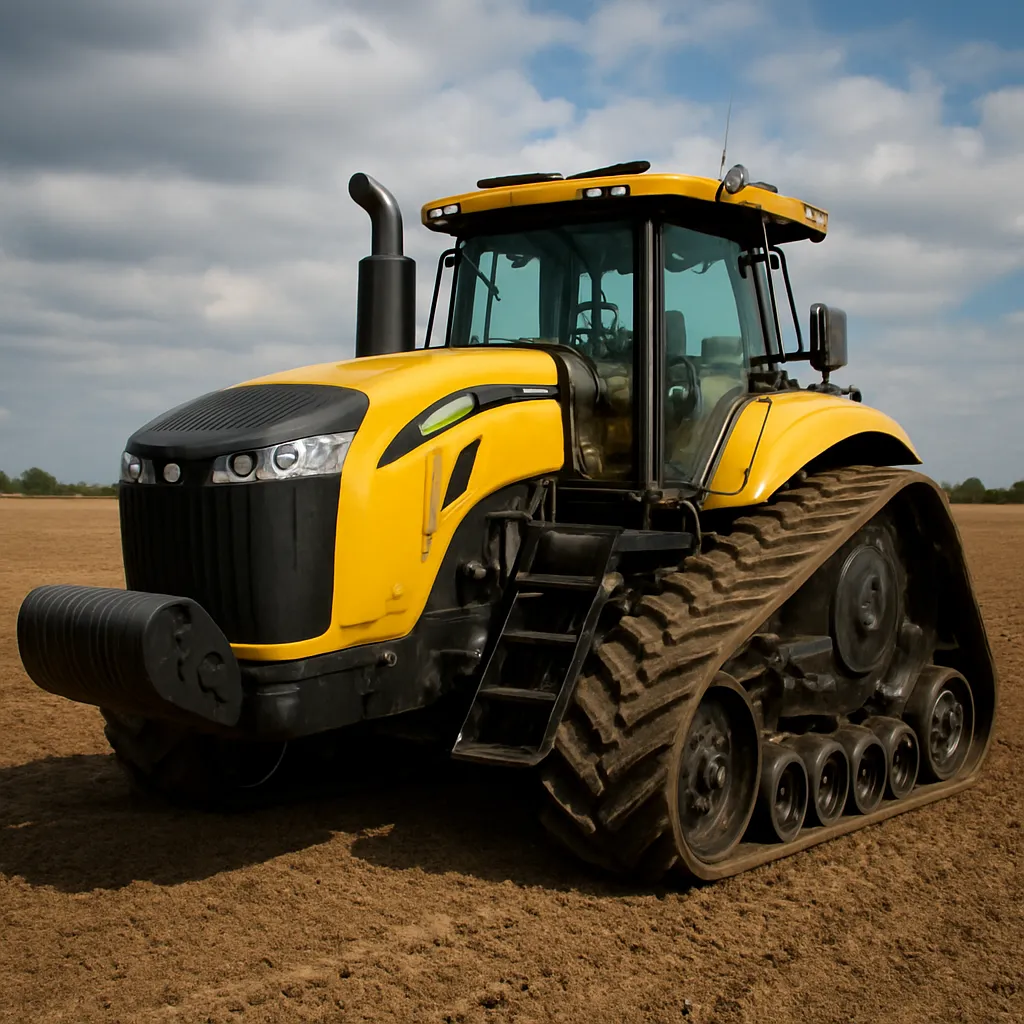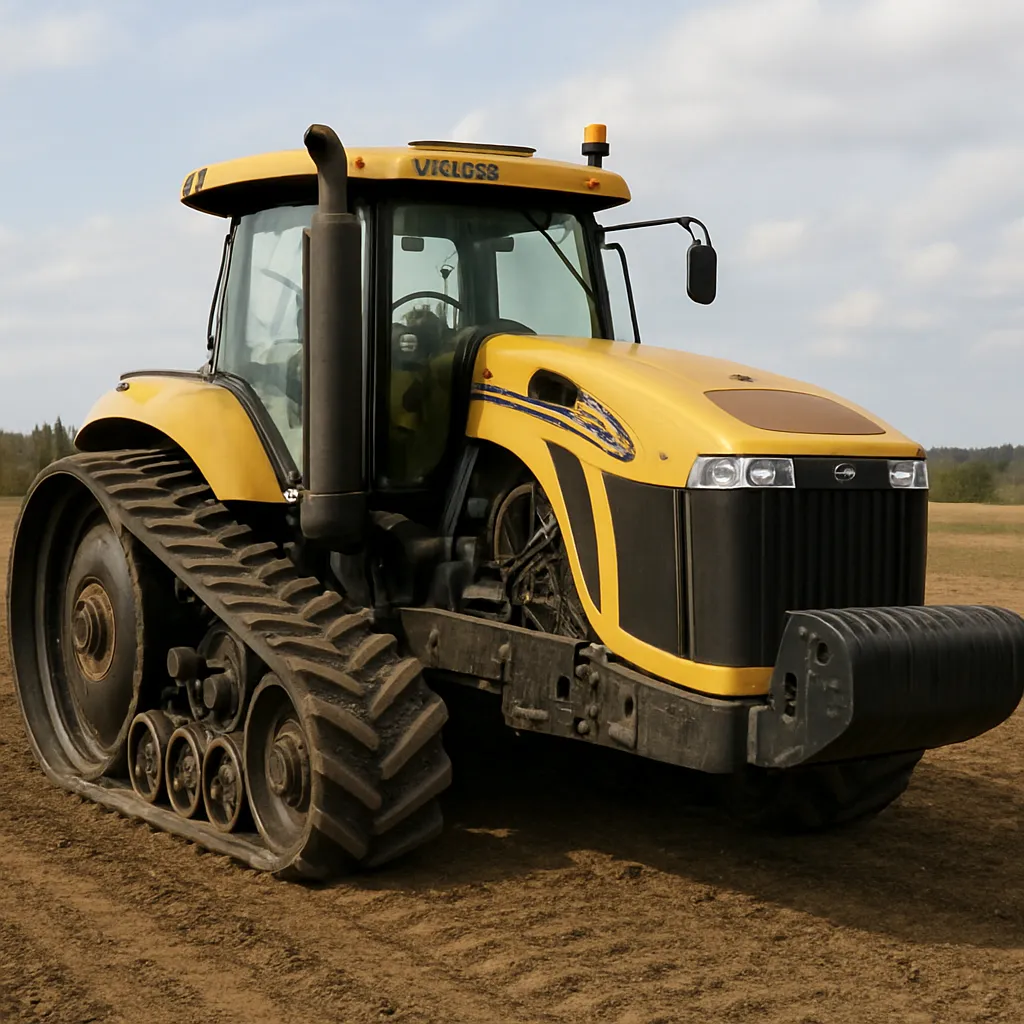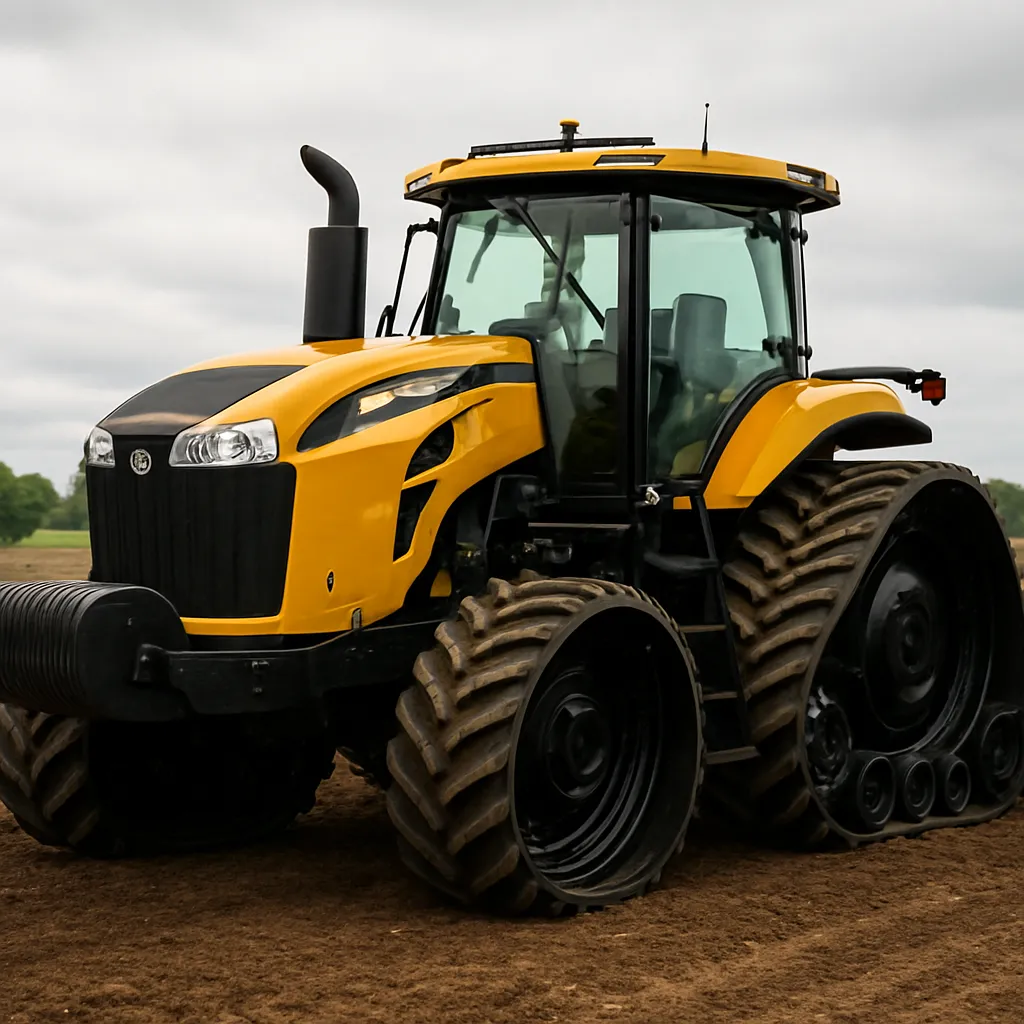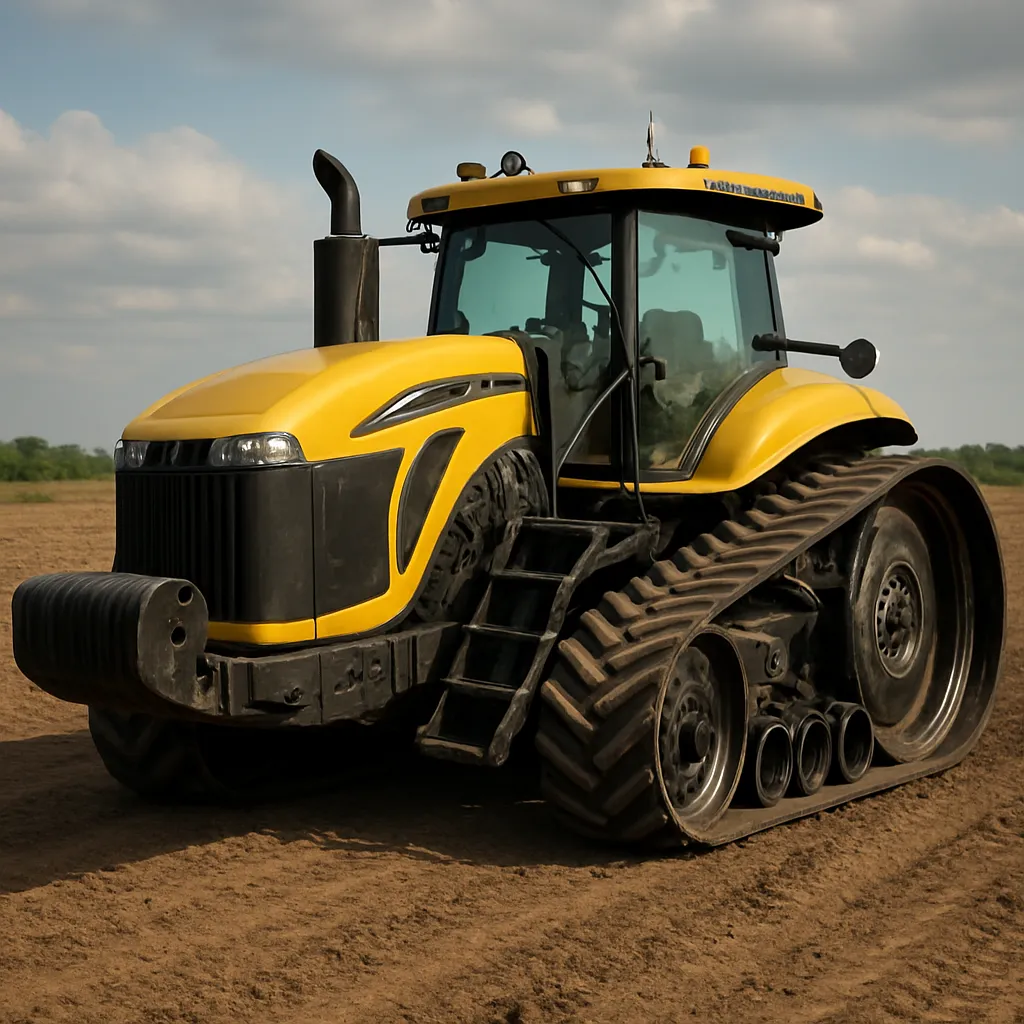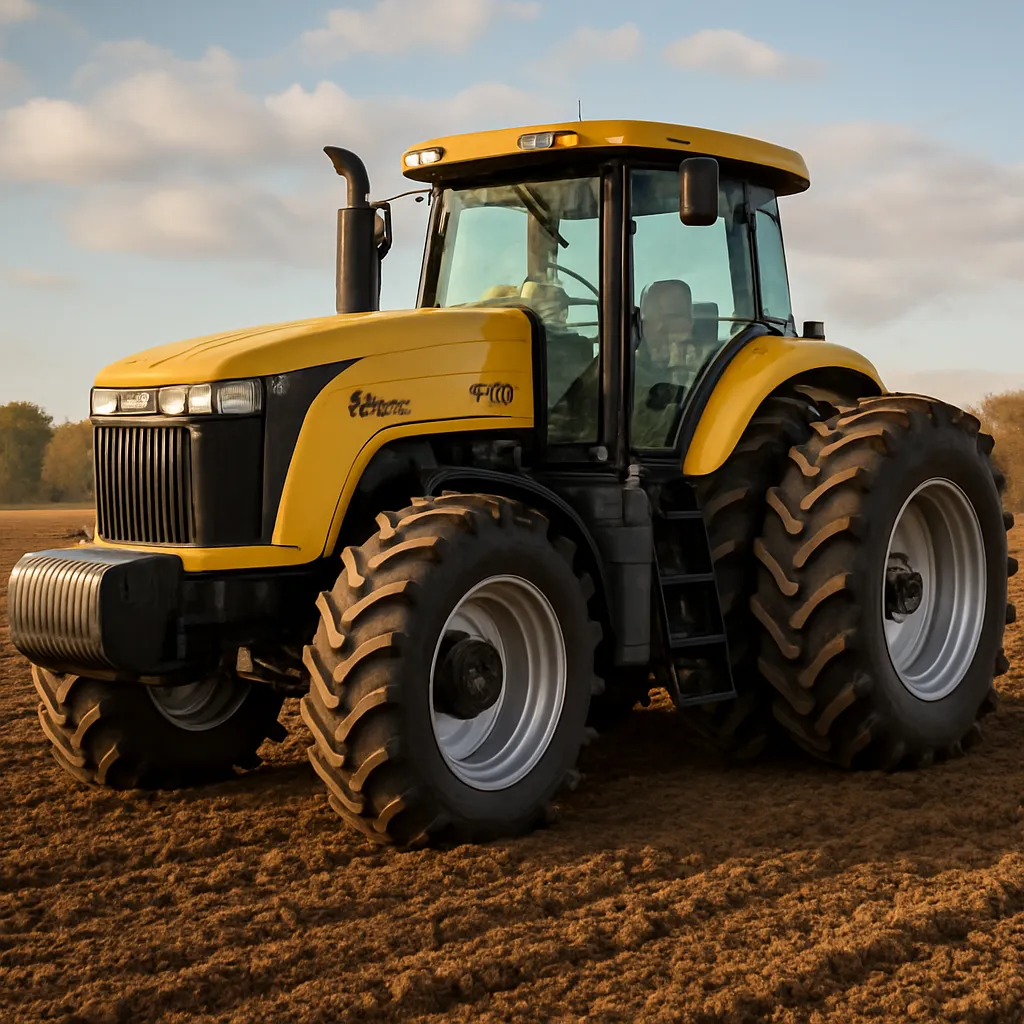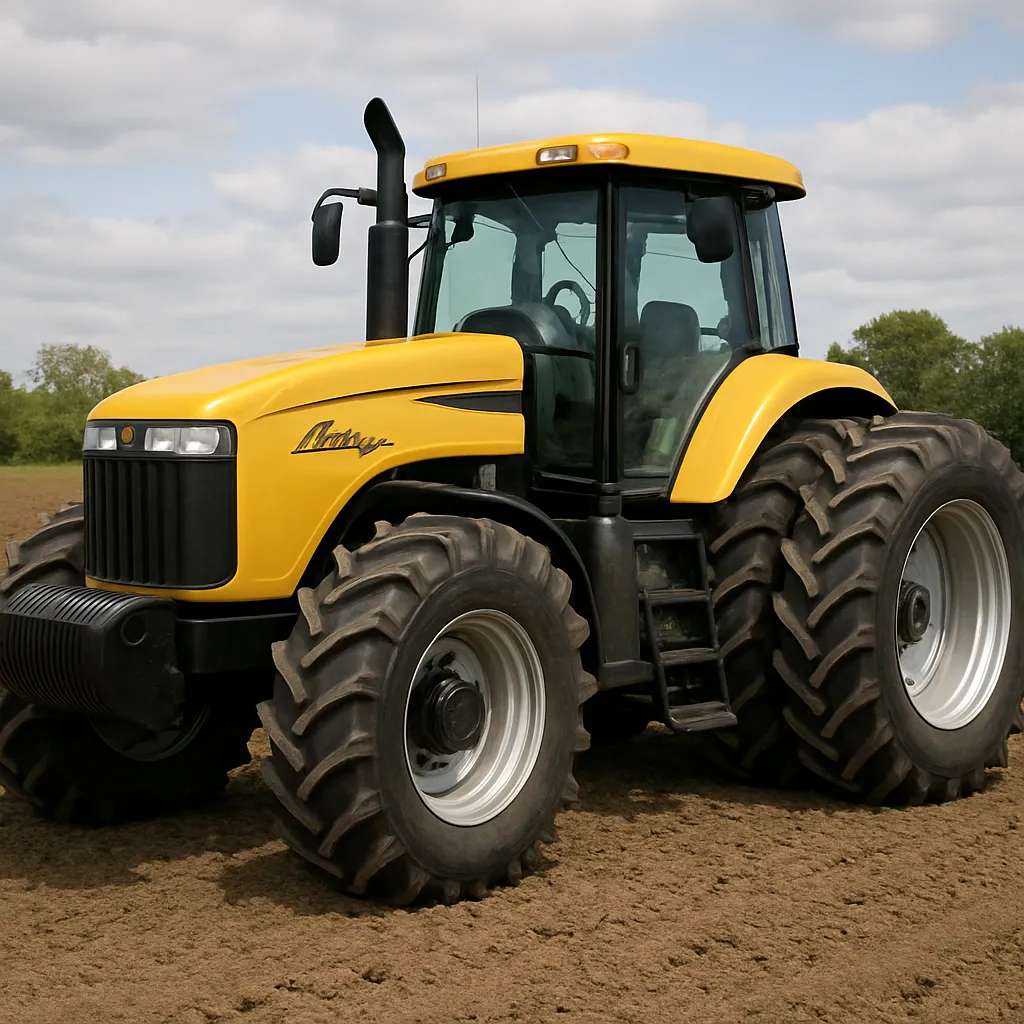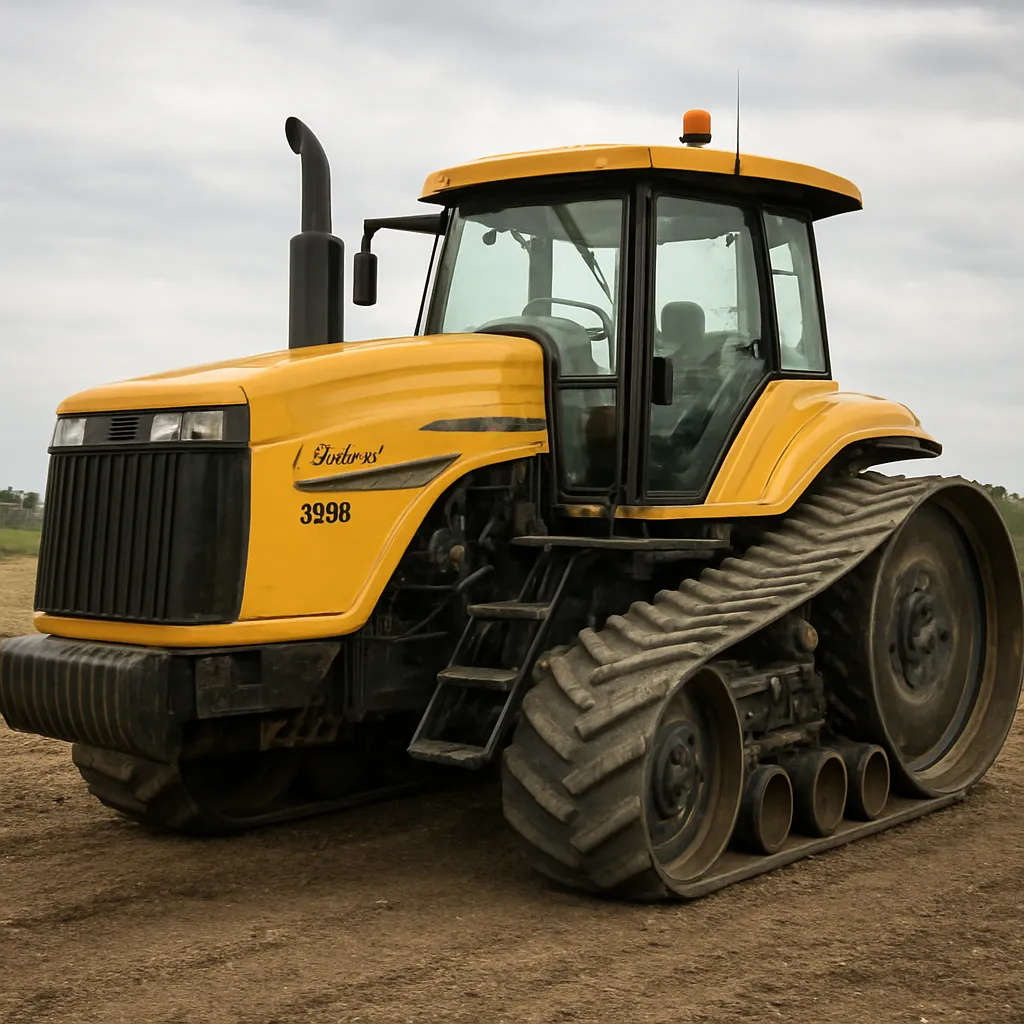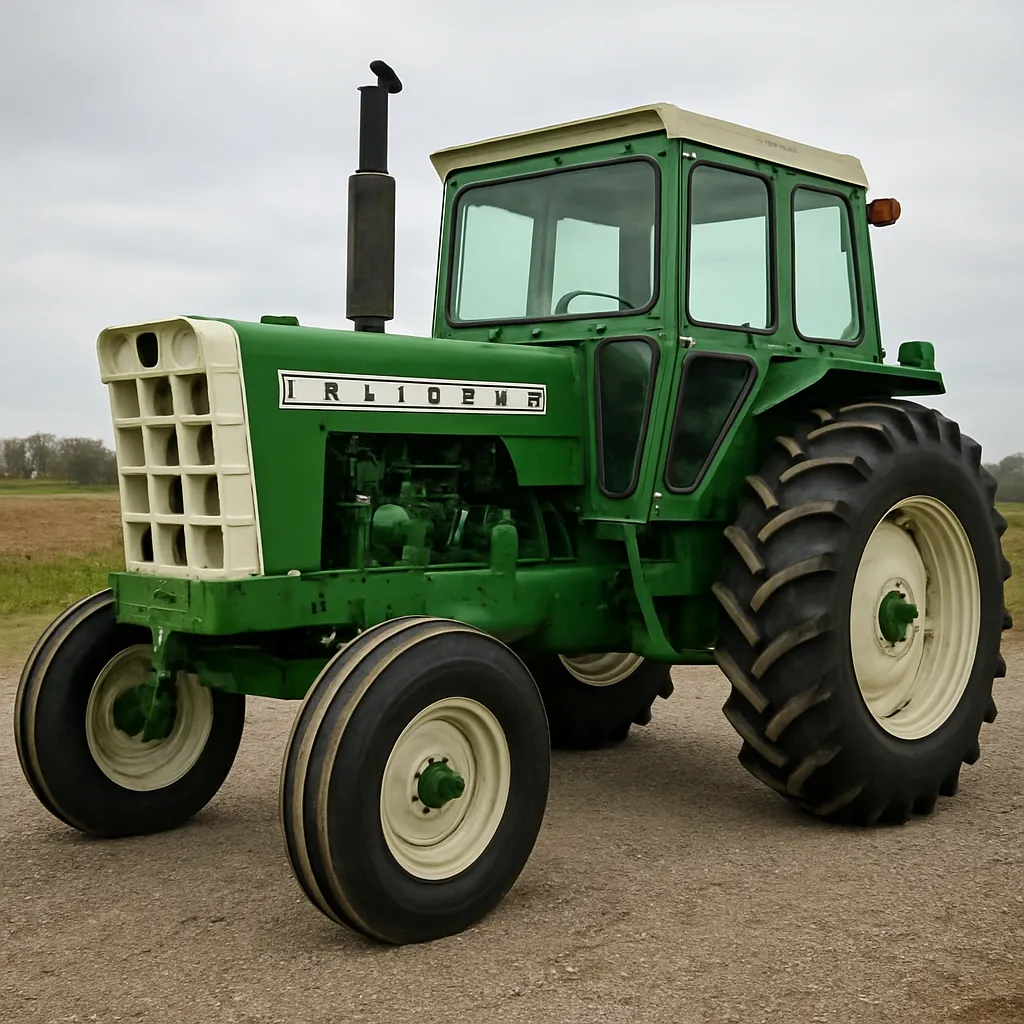
The Oliver 2155 is a representative example of mid-20th century American agricultural machinery: a versatile, work-oriented tractor that found use on small to medium-sized farms, in specialty operations and among collectors who appreciate rugged engineering and period styling. In this article we explore the tractor’s origins, its technical characteristics, practical applications, maintenance and restoration considerations, and its place within the broader history of the Oliver brand and farm mechanization. Whether you are a farmer, a collector, a mechanic or simply interested in agricultural history, the following sections offer a detailed portrait of the Oliver 2155 and why it still matters today.
History and development
The name Oliver evokes a long history of American farm equipment. The company that became Oliver originated in the 19th century and grew by combining several established manufacturers to produce plows, implements and later tractors. By the mid-20th century Oliver had a reputation for building durable machines designed for commercial farming. The model commonly identified as the 2155 fits into this tradition: conceived as a practical, mid-size utility and row-crop tractor aimed at diverse agricultural tasks.
- Origins: The 2155 was developed to answer demand for a mid-power tractor that could handle both field work and general-purpose chores. Its design reflected practical priorities: a sturdy frame, accessible service points, and compatibility with common attachments.
- Production era: While specific production years and volumes vary by source, the 2155 and similar models were produced during a period when farm mechanization accelerated — roughly the 1960s and 1970s in North America — and when manufacturers competed on reliability and implement compatibility.
- Design philosophy: Oliver emphasized machines with straightforward mechanical systems, making them easier to repair on the farm. The 2155 inherits that ethos: uncomplicated hydraulics, mechanical PTO options, and a layout that facilitates routine maintenance.
Technical characteristics and specifications
Exact technical specifications for the Oliver 2155 can vary due to optional engines, transmissions and regional variants. The following outline summarizes the most commonly documented attributes and typical configurations. Where precise factory figures are not universally recorded, values are given as typical ranges or noted as approximate.
Engine and powertrain
- Engine type: Inline four-cylinder engines were commonly used in tractors of this class. Engines could be naturally aspirated diesel or gasoline variants, depending on the market and the purchaser’s preference for fuel economy or fuel availability.
- Displacement and output (approximate): Engine displacements for tractors in this category typically ranged from about 3.5 to 4.5 liters. Rated horsepower at the flywheel or drawbar was commonly in the mid-40s to mid-60s HP range, with PTO horsepower slightly higher depending on configuration and power transfer efficiency.
- Cooling and fuel systems: Water-cooled engines with conventional radiators, mechanical injection (diesel) or carburetion (gasoline), and single or dual fuel tanks in some variants for extended range.
Transmission, drivetrain and PTO
- Transmission: Synchromesh or partial synchromesh transmissions with multiple forward speeds and several reverse ranges were typical for mid-size tractors, allowing both fieldwork speeds and road transit capability.
- Drive options: Two-wheel drive (rear) was the most common; some owners retrofitted front-wheel assist or converted to four-wheel drive when additional traction was required.
- PTO: A rear PTO (540 rpm as the de facto standard for many decades) provided power for mowers, balers and other implements. Some machines offered live PTO variants that allowed implement operation while the tractor was stopped or changing gears.
Hydraulics, three-point hitch and implements
- Hydraulic system: Mechanical or open-center hydraulic systems with one or two remote outlets were typical. Hydraulic capacity was designed to lift common implements such as plows, planters, mowers and medium-sized front loaders.
- Three-point hitch: Category I or mixed category three-point hitch with draft control allowed the 2155 to adapt to a wide range of mounted implements. This versatility made the tractor valuable throughout the farm, from tillage to seeding to haymaking.
- Optional factory or aftermarket accessories: Front-end loaders, rear blade attachments, rotary cutters, and specialized row-crop wheels or track conversions were often available.
Dimensions, weights and ergonomics (typical)
- Weight: Operating weight for mid-size tractors like the 2155 usually fell in the 3,000–5,500 lb (1,360–2,500 kg) range depending on configuration and ballast.
- Wheelbase and clearance: Designed to balance maneuverability and traction with enough ground clearance for row-crop work.
- Operator station: A simple, functional operator area emphasizing visibility, straightforward instrument layout and accessible controls for throttle, brake, clutch and hydraulics.
Applications and practical uses
The Oliver 2155’s design makes it well suited to a broad suite of agricultural and non-agricultural tasks. Its versatility is a key reason it remains in use on many small holdings and hobby farms decades after production ceased.
Common agricultural roles
- Tillage: Cultivators, disk harrows and small plows pair well with a mid-power tractor, making the 2155 suitable for seedbed preparation on small to medium fields.
- Planting and seeding: With three-point hitch compatibility and hydraulic control, the 2155 handles planters and air seeders used on diversified farms.
- Hay and forage: PTO power drives mowers, tedders and balers, enabling hay production for livestock operations.
- Loader and material handling: When equipped with a front loader, the tractor can handle feed, manure, light construction tasks and stacking operations.
Non-farm uses
- Estate and grounds maintenance: The tractor’s maneuverability and implement compatibility make it useful for park and grounds upkeep, mowing, and snow removal.
- Construction and landscaping: Light excavation, grading with a blade and hauling are feasible when the 2155 is fitted with appropriate attachments.
- Specialty agriculture: Vineyards, orchards and specialty crops often favor compact, nimble tractors that can be fitted with narrow tires or special underbody protection.
Maintenance, reliability and common issues
Long-term usefulness of any vintage tractor depends on regular maintenance and reasonable operation. The Oliver 2155’s mechanical simplicity makes it approachable for owners who perform routine servicing themselves, yet there are several areas to monitor closely.
Routine maintenance checklist
- Engine oil and filter: Regular oil changes at manufacturer intervals or more frequently for hard use extend engine life.
- Fuel system: Keep fuel filters clean and drain separators as needed; diesel engines require attention to injectors and lift pumps.
- Cooling system: Flush radiator and replace coolant periodically; check belts and hoses for wear.
- Hydraulics: Monitor fluid level, replace filters and watch for leaks around seals and hoses.
- Transmission and final drives: Change gear oil, check for overheating and unusual noises; maintain clutch adjustments if applicable.
Typical mechanical concerns
- Wear and tear: Bearings, bushings and linkages may require replacement after decades of use.
- Sealing and corrosion: Gaskets and rubber parts age; corrosion in fuel tanks and around the chassis can be a concern, particularly in wet climates.
- Electrical system: Charging systems, starter motors and wiring can degrade; converting to modern alternators or upgrading wiring can improve reliability.
Restoration and collecting
For many enthusiasts the Oliver 2155 represents not only a tool but also a piece of agricultural history. Restoring, displaying and operating a tractor of this type combine mechanical challenge with historical appreciation.
Restoration considerations
- Parts availability: Original parts for older Oliver tractors can be scarce in some regions, though aftermarket suppliers and enthusiast networks often help source components.
- Authenticity vs. practicality: Restorers must decide whether to keep a tractor strictly original (period-correct paint, decals and fittings) or to make practical upgrades (modern hydraulics, electrical systems) that improve safety and usability.
- Cost and time: Restoration can be expensive and time-consuming; realistic budgeting and phased projects often yield the best results.
Collector interest and community
- Clubs and shows: Oliver clubs, antique tractor shows and online forums are valuable for sharing knowledge, sourcing parts and showing restored machines.
- Value trends: Vintage tractors such as the 2155 can vary widely in market value depending on condition, originality and rarity. Fully restored examples command higher prices among collectors, while running but unrestored tractors are popular with owners who prefer working equipment.
Market statistics and valuation (guidance)
Precise market statistics for a single vintage model like the Oliver 2155 are not always tracked as comprehensively as contemporary farm equipment, but several general points help frame expectations for buyers or sellers.
- Price ranges: As a guideline, unrestored running examples of mid-size tractors from the mid-20th century typically trade for a few thousand to several thousand US dollars. Restored, show-quality tractors may reach prices multiple times higher depending on rarity and desirability. Local market conditions, historical popularity of the brand and the tractor’s mechanical condition strongly influence value.
- Parts and restoration cost: Budgeting for a basic restoration often starts in the low four-figure range for mechanical overhauls; full cosmetic restorations including paint and decal work commonly exceed that.
- Operational cost: Fuel, routine maintenance parts and insurance for collectible equipment represent ongoing costs that owners should plan for annually.
Comparisons and alternatives
When evaluating a tractor like the Oliver 2155, farmers and buyers often compare it to contemporary models from other manufacturers. Comparable machines include mid-power models from brands such as Ford, Massey Ferguson, John Deere and International Harvester of the same era. Key differentiators are parts availability, dealer support (historically), ease of maintenance and specific feature sets such as live PTO, transmission options and hydraulic capacity.
- Strengths: Simplicity of design, rugged construction and suitability for a wide range of implements are standout qualities.
- Weaknesses: Obsolescence of some components, potential scarcity of specific parts and less advanced operator ergonomics compared to modern tractors.
Practical tips for buyers and owners
Buying a vintage tractor or maintaining one in working condition requires a blend of mechanical knowledge and careful inspection. The following tips help prospective owners make informed decisions.
- Inspection: Check compression and engine starting behavior, look for major oil or coolant leaks, examine the hydraulics under load and test the PTO and clutch operation.
- Documentation: Seek maintenance records, original manuals and parts lists whenever possible — these are invaluable during restoration or repair.
- Test drive under load: If feasible, test the tractor with an implement attached to verify hydraulic lift capacity, PTO engagement and transmission behavior.
- Community resources: Use enthusiast forums, local clubs and social media groups to gather model-specific guidance and locate hard-to-find parts.
Legacy and cultural significance
The Oliver 2155 is more than a machine; it is part of a larger story of agricultural transformation. Tractors like the 2155 helped accelerate the mechanization of farms, increasing productivity while reducing the physical burden on farmers. For collectors and historians, these tractors represent engineering solutions tailored to specific eras of farming and economic conditions. The machine’s continuing presence on small farms, at shows and in restoration shops testifies to its enduring utility and appeal.
Conclusion
The Oliver 2155 remains an interesting and useful tractor for those who appreciate durable, serviceable machinery. Whether used for light commercial work, hobby farming, restoration projects or historical display, the 2155’s combination of practical design and mechanical simplicity makes it a worthwhile subject of study and preservation. For anyone considering owning or restoring one, the keys to success are realistic expectations about parts and costs, careful mechanical inspection, and engagement with the enthusiast community. The model stands as a reminder that well-built tools, even decades old, continue to serve when maintained with care.