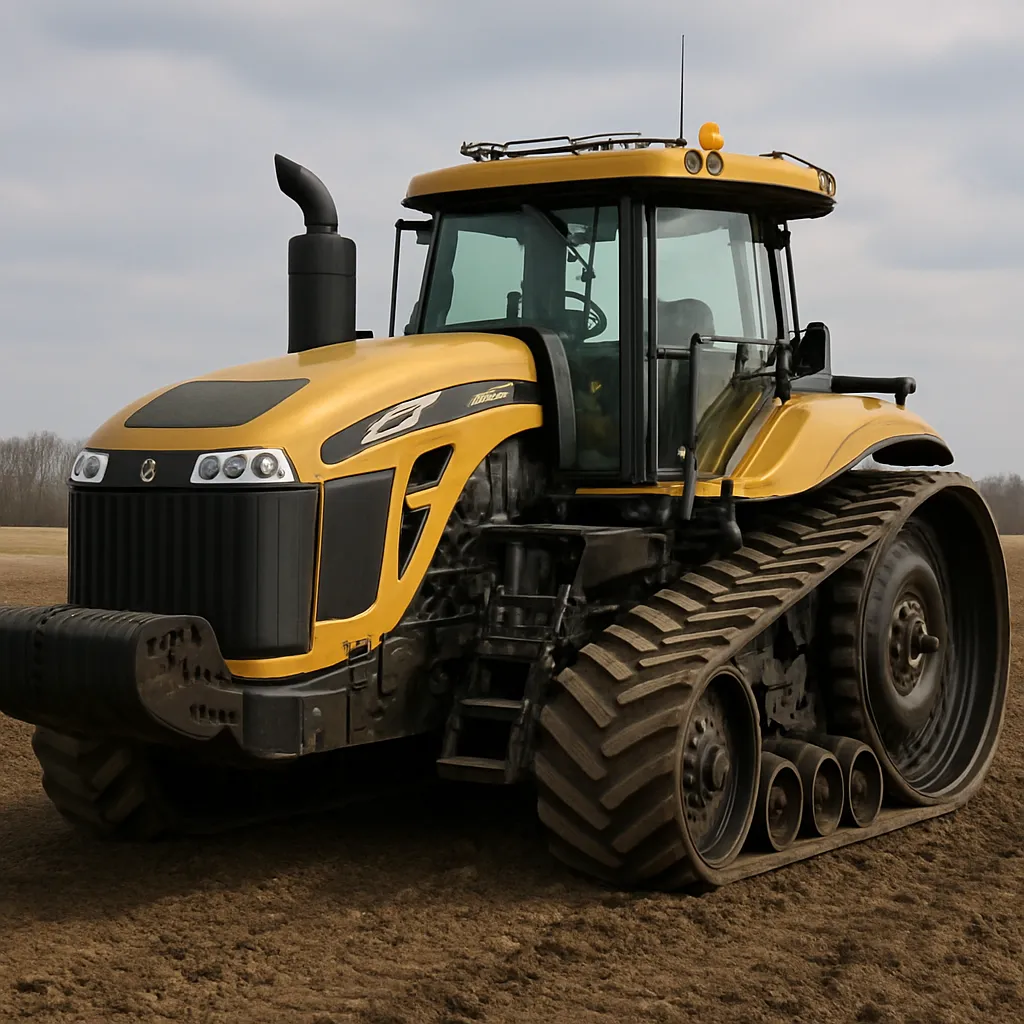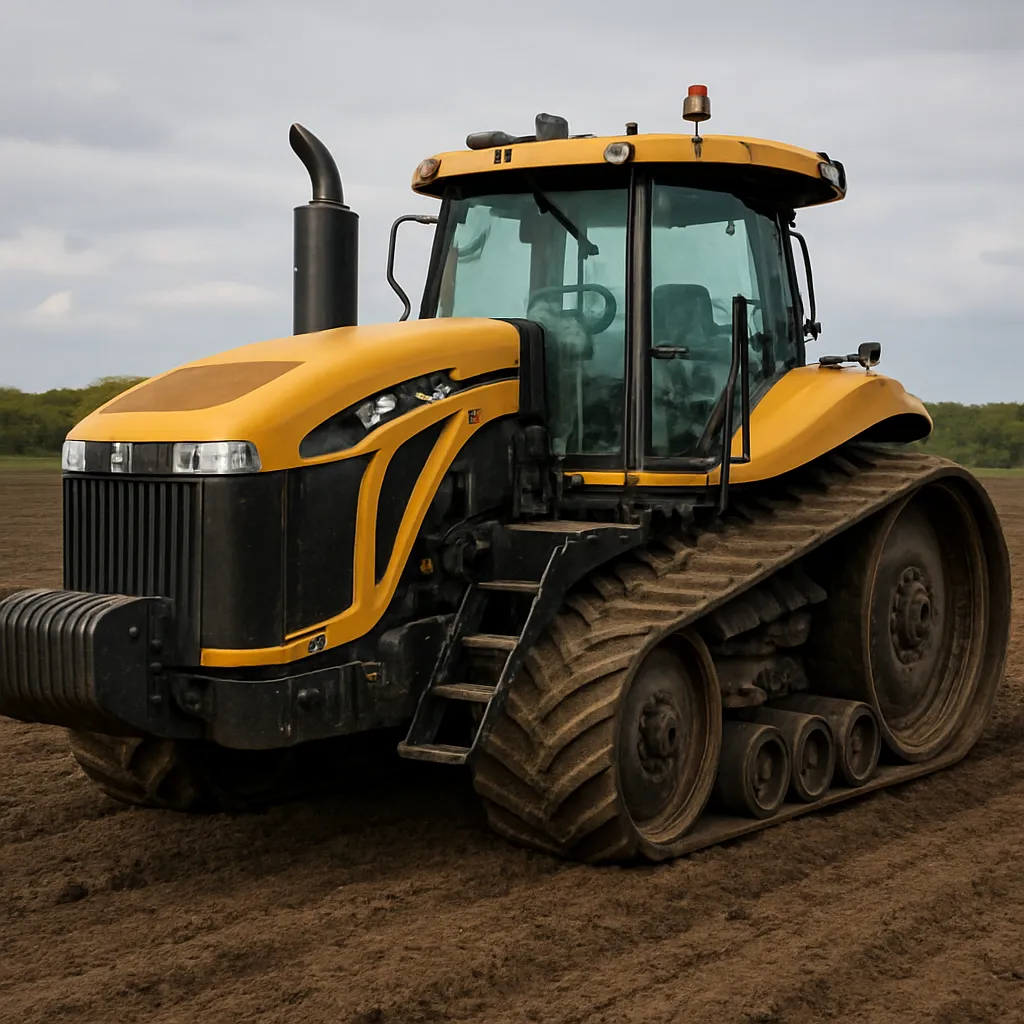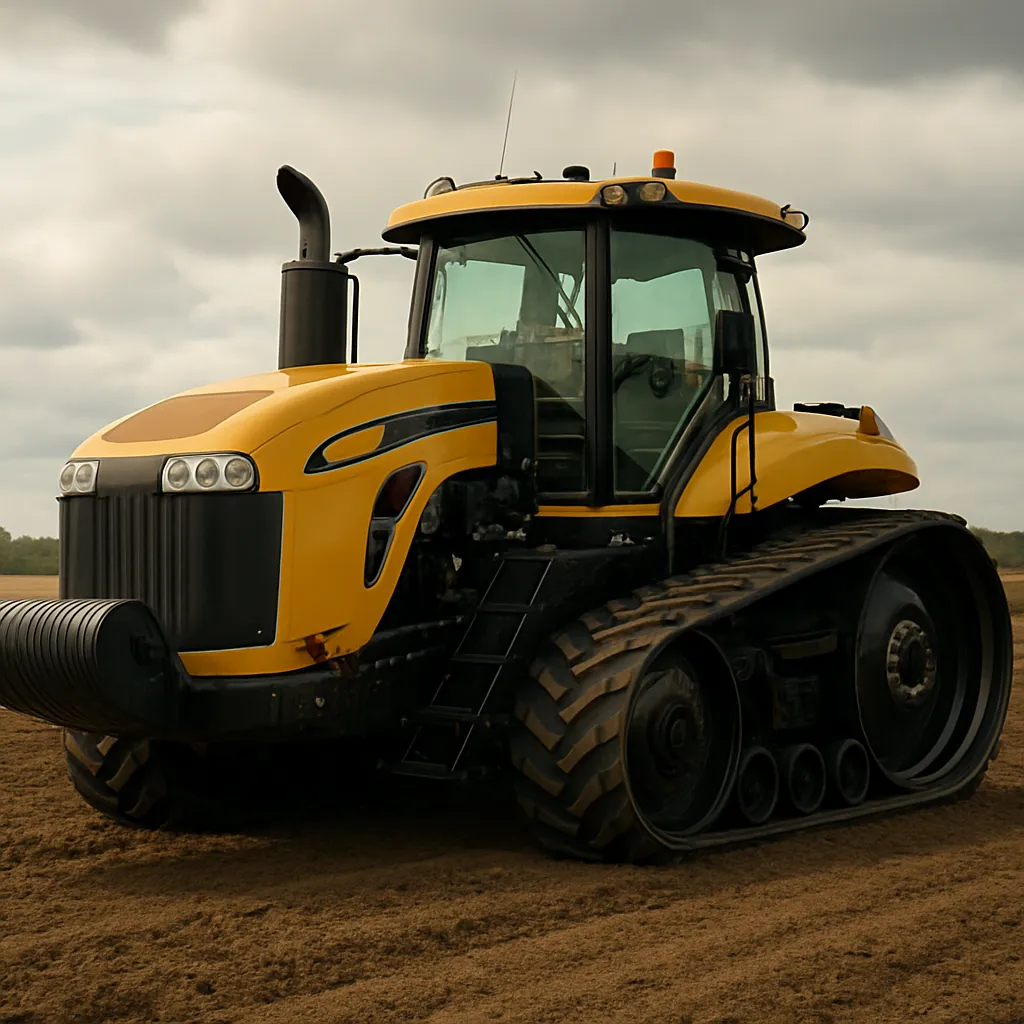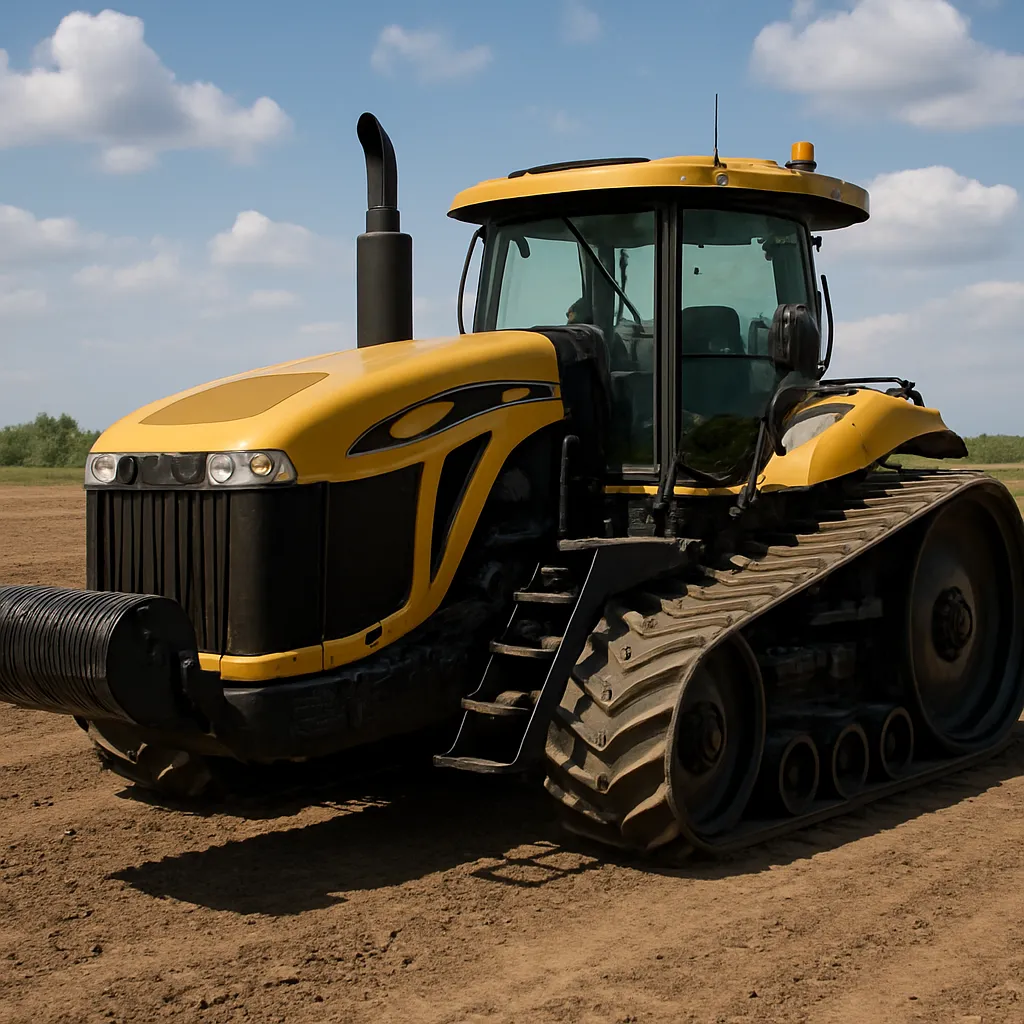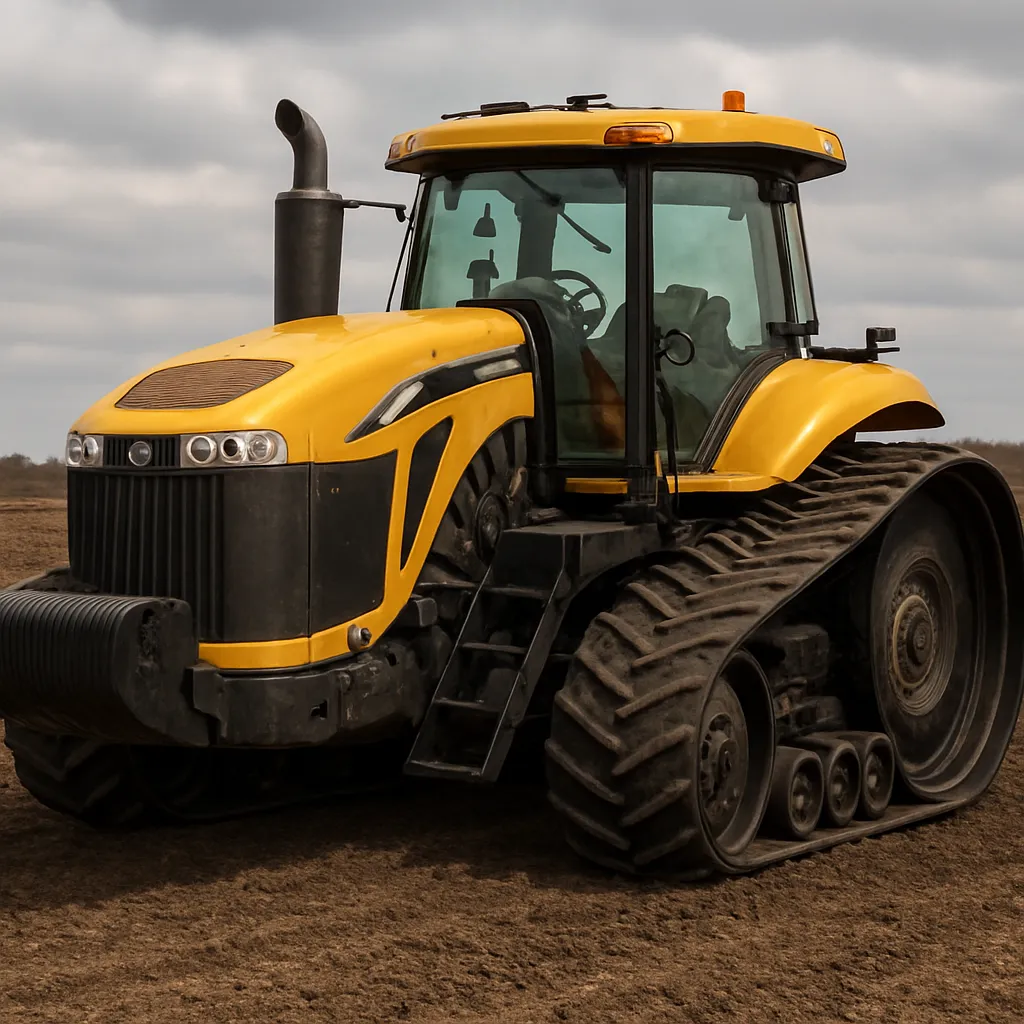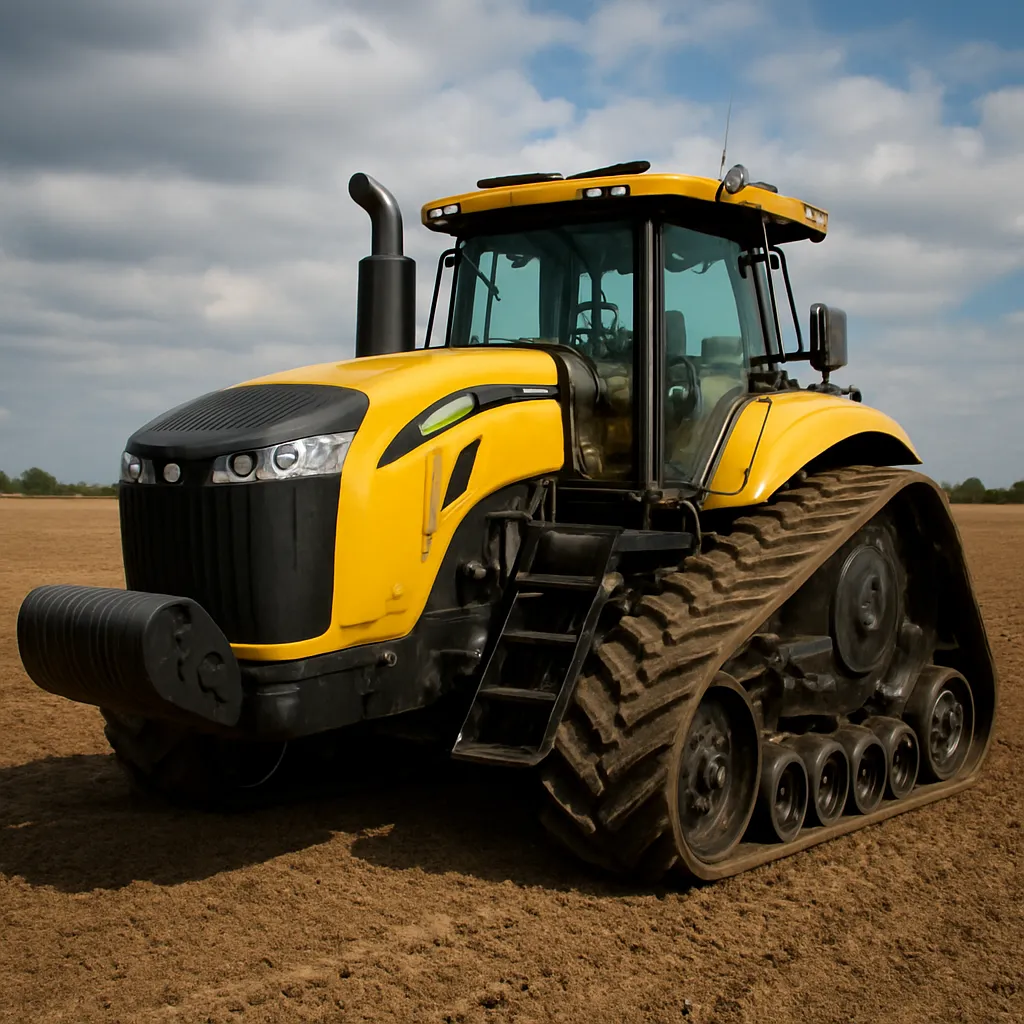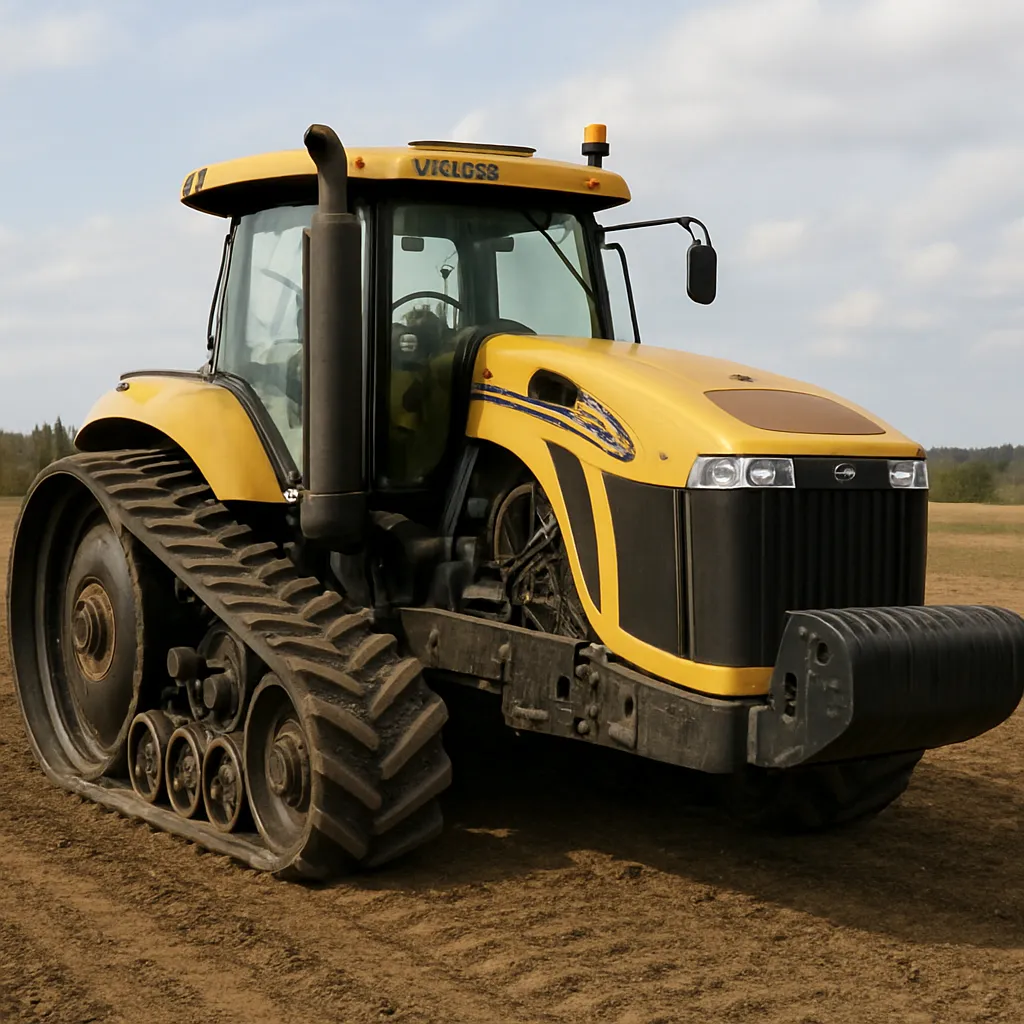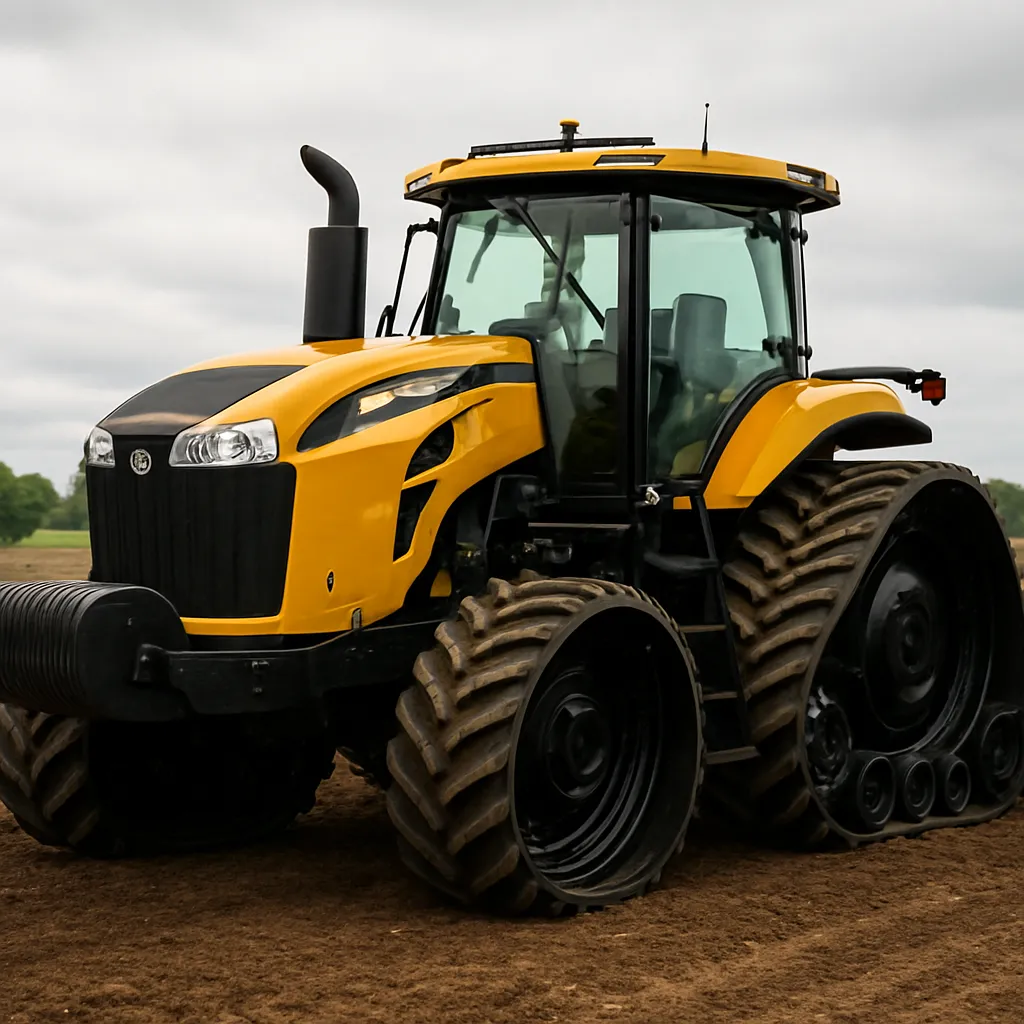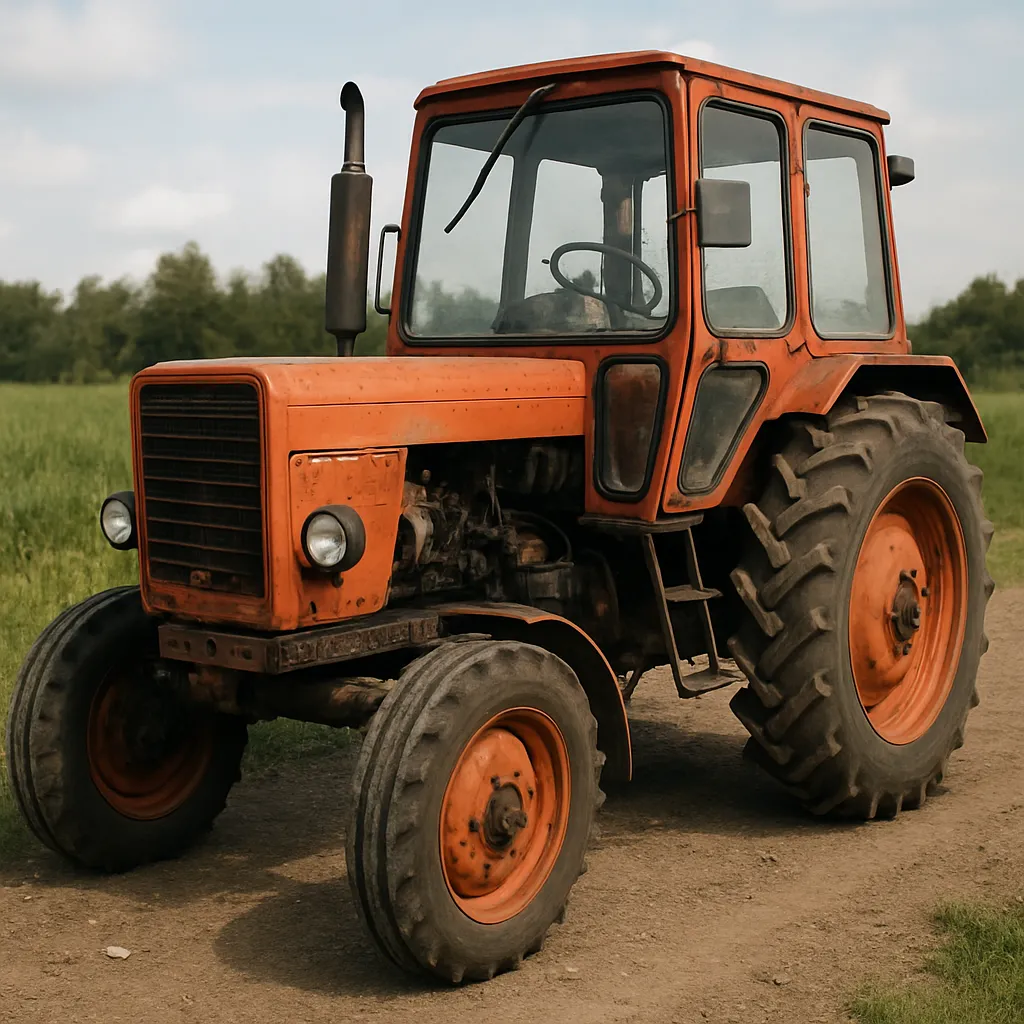
The Belarus 2102 is a compact utility tractor produced within the long lineage of agricultural machines associated with the Minsk Tractor Works (MTZ) and familiar to farmers, contractors, and municipal services in many parts of the world. Designed to combine simplicity, durability and affordability, this model occupies a niche between small garden tractors and full-size farm machines. The following article explores the background, technical characteristics, practical applications, and operational considerations of the Belarus 2102, highlighting what makes it a practical choice for specific farming, landscaping and light industrial tasks.
Heritage and design philosophy
The legacy of Belarus tractors stems from decades of industrial development at MTZ, where emphasis has consistently been placed on robustness, ease of maintenance and adaptability to varied working conditions. The Belarus 2102 inherits these traits in a compact form factor meant for users who need a reliable machine but do not require the size, complexity or fuel consumption of larger agricultural tractors.
Key design priorities for the 2102 include simple mechanical systems, a user-friendly control layout, and a chassis geometry that allows the tractor to operate in confined spaces such as orchards, vineyards, smallholdings, municipal parks and construction sites. The tractor’s architecture is pragmatic: sturdy frame, easily accessible engine and transmission components, and standardized attachment points to accommodate a wide array of implements.
Technical characteristics and typical specifications
Exact specifications for the Belarus 2102 vary depending on production year and optional equipment, but the model is typically characterized as a small, two-wheel drive or four-wheel drive utility tractor powered by a compact diesel engine. Below are commonly reported specification ranges and notable design features that users and buyers should consider.
- Engine type: Naturally aspirated diesel engine with mechanical injection — designed for simplicity and ease of servicing.
- Rated power: Generally in the lower power band suitable for compact tractors (commonly around 20–35 horsepower equivalent in many compact Belarus models). Exact horsepower depends on engine tuning and model variant.
- Transmission: Mechanical gearbox with multiple forward and reverse gears; some versions may offer synchronized shifting or a range gearbox to balance speed and torque.
- PTO: Rear power take-off (PTO) with standardized rpm options; often equipped with a mechanical engagement to drive implements such as mowers, tillers and balers.
- Hydraulics: Basic hydraulic system for rear lift and optional front loader operation. Flow rates are modest but adequate for implements typical of smallholder work.
- Weight and dimensions: Compact footprint for easy maneuverability; curb weight and dimensions depend on configuration but remain suitable for transport on small trailers and for working in tight rows.
- Fuel tank: Tank capacity sized for a typical workday without excessive refueling — trade-off between weight and operating autonomy.
Because the Belarus 2102 is designed around proven, conservative engineering, its components are often compatible with existing Belarus parts ecosystems. This makes repairs and parts sourcing easier in regions where Belarus tractors have an established presence.
Primary applications and practical uses
The Belarus 2102 excels where versatility, low operating cost and maneuverability are prioritized. Typical application areas include:
- Small and medium-sized farms: Tilling, seeding, transport of small trailers, light harvesting tasks and general yard work.
- Orchards and vineyards: Narrow rows and the need for gentle maneuvering make compact tractors like the 2102 suitable for under-tree cultivation, spraying with appropriate attachments and towing small implements.
- Municipal maintenance: Parks, sports fields and street maintenance crews use compact tractors for mowing, snow clearing (with front blade or snow blower), sweeping and small material handling chores.
- Construction and landscaping: With a front-end loader and small backhoe or breaker attachments, the 2102 can undertake light excavation, grading and landscaping jobs on restricted sites.
- Specialty enterprises: Nurseries, greenhouses and hobby farms often rely on compact tractors for moving pallets, soil mixing and routine maintenance tasks.
Its size and power make the Belarus 2102 particularly well-suited to users looking to maximize utility per unit of fuel and initial investment while minimizing maintenance complexity.
Implements, attachments and versatility
One of the strengths of compact utility tractors is the ecosystem of implements that can be mounted or towed. The Belarus 2102 supports a range of attachments that increase its practical usefulness:
- Rear-mounted rotary tillers and cultivators for seedbed preparation.
- Rear or mid-mount mowers, flail mowers and rotary cutters for grassland maintenance.
- Front-end loaders with buckets for material handling, light grading and digging.
- Rear three-point linkage implements such as plows, harrows, seeders and small sprayers.
- Snow blades, snow blowers and sand spreaders for winter municipal duties.
- Trailers, forks and pallet handlers for farm logistics and nursery work.
The availability and compatibility of implements depend on local dealers and aftermarket suppliers; however, because Belarus tractors have long been common in many regions, a decent variety of attachments can usually be sourced or adapted.
Operational performance and fuel economy
Operational performance of the Belarus 2102 is generally praised for reliable torque delivery and predictable handling. Its diesel powerplant, while not designed for high-speed operation, delivers usable low-end torque for pulling implements and for PTO-driven equipment.
Fuel consumption depends on workload, terrain and operator habits. For compact diesel tractors in this power class, typical real-world fuel usage during moderate agricultural or landscaping tasks may range from low single-digit liters per hour under light load to higher consumption under sustained heavy load. The tractor’s conservative engine tuning and mechanical simplicity often translate into reasonable fuel efficiency and predictable maintenance intervals.
Maintenance, durability and lifecycle costs
The Belarus 2102 was designed with maintainability in mind. Common features that contribute to lower lifecycle costs include:
- Simple mechanical fuel and injection systems that can be serviced without sophisticated diagnostic equipment.
- Widely available mechanical parts and repair manuals in many markets where Belarus machines are sold.
- Robust cooling and filtration systems tailored for field conditions with dust and heavy use.
- Modular components that can be replaced or rebuilt rather than requiring complete unit replacement.
Routine servicing includes diesel filter changes, engine oil and gearbox checks, grease points, PTO and linkage inspections, and cooling system maintenance. Operators who adhere to scheduled maintenance often report long service life and high uptime under normal usage.
Market presence, exports and availability
Belarus tractors, as a family, have a widespread market presence due to MTZ’s decades-long export strategy. While specific production and sales figures for the 2102 model vary by era and country, Belarus tractors are commonly found across Eastern Europe, parts of Asia, Africa and Latin America. Their competitive pricing and the reputation for straightforward engineering have made them a common choice for budget-conscious purchasers.
Where local dealerships exist, buyers may benefit from financing options, parts inventories and workshop support. In other markets, used machines and independent service providers form the backbone of aftersales support.
Safety considerations and operator ergonomics
Safety features on compact tractors like the Belarus 2102 typically include a rollover protective structure (ROPS) on some trims, basic lighting for road travel, emergency braking systems appropriate to the tractor’s size and clearly marked control levers. Operator ergonomics are utilitarian: seats, pedals and levers are designed for function and durability rather than luxury. For prolonged operator comfort, aftermarket seats and vibration-damping modifications can be considered.
Comparative strengths and limitations
Strengths:
- Reliability in tough field conditions due to simple engineering.
- Lower purchase and maintenance costs relative to many Western-branded compact tractors.
- High adaptability with a broad range of available implements.
- Good parts availability in regions where Belarus tractors have a historical presence.
Limitations:
- Less emphasis on operator comfort and advanced ergonomics.
- Fewer factory-fitted electronics and precision agriculture options compared with modern Western or Japanese compact tractors.
- Potential variation in build standards and feature sets across different production years and export configurations.
Practical buying considerations
When considering a Belarus 2102—new or used—buyers should evaluate:
- The specific engine variant and its rated output; match power to the implements and tasks planned.
- Transmission type and number of gears; ensure it fits the typical speeds required for fieldwork and transport.
- Condition of hydraulics and PTO if purchasing used—checks for leaks, pressure and steady operation are essential.
- Availability of a ROPS and safety equipment if the tractor will be used in uneven terrain or with heavy implements.
- Local parts and service support to avoid long downtimes.
Environmental and regulatory notes
Modern emissions regulations have tightened in many regions, affecting the availability of older diesel machinery and the ability to register older models without emissions upgrades. The Belarus 2102, depending on its production year, may not meet the strictest current emissions standards without retrofitting (such as improved exhaust after-treatment or particulate filters). Prospective buyers and operators should confirm local regulatory requirements for emissions, noise, and road use before purchase or commercial deployment.
Operational tips and best practices
To get the most value and longevity out of a Belarus 2102:
- Follow a regular maintenance schedule and use recommended oil and filter grades.
- Inspect PTO driveshafts and universal joints before each season of heavy use.
- Match implements carefully to the tractor’s power and hydraulic capacity to avoid overloading the drivetrain.
- Train operators in safe hitching, loading and attachment use—comfortable, experienced operators both protect the machine and improve efficiency.
- Consider moderate retrofits such as better seating, lighting upgrades or protective screening if the machine will be used in urban or commercial environments.
Statistical and performance notes (typical ranges)
Specific numeric data for a particular Belarus 2102 instance depend on year and options; the following are representative ranges and benchmarks for compact utility tractors in this category:
- Engine power: commonly within the 20–35 horsepower range for similarly classed compact Belarus models.
- Operating weight: compact tractors often weigh between 900 and 1500 kg depending on configuration and added implements.
- Fuel consumption: varies widely with load; typical working consumption for compact diesel tractors can fall into a broad range, from approximately 2–6 liters per hour for lighter tasks to higher rates under heavy continuous load.
- Typical PTO speeds: standardized options such as 540 rpm or multi-speed PTOs depending on gearbox and PTO design.
Final observations
The Belarus 2102 represents a practical, no-nonsense approach to small tractor design—suited for users who prioritize reliability, straightforward maintenance and a wide range of practical uses over advanced electronics or premium ergonomics. Whether deployed on small farms, in municipal fleets, or in landscaping businesses, the model’s core advantages are its adaptability and cost-effectiveness. As with any agricultural purchase, the best outcomes come from matching the tractor’s capabilities to the tasks at hand, investing in regular maintenance, and ensuring the local support network can supply parts and service when needed.