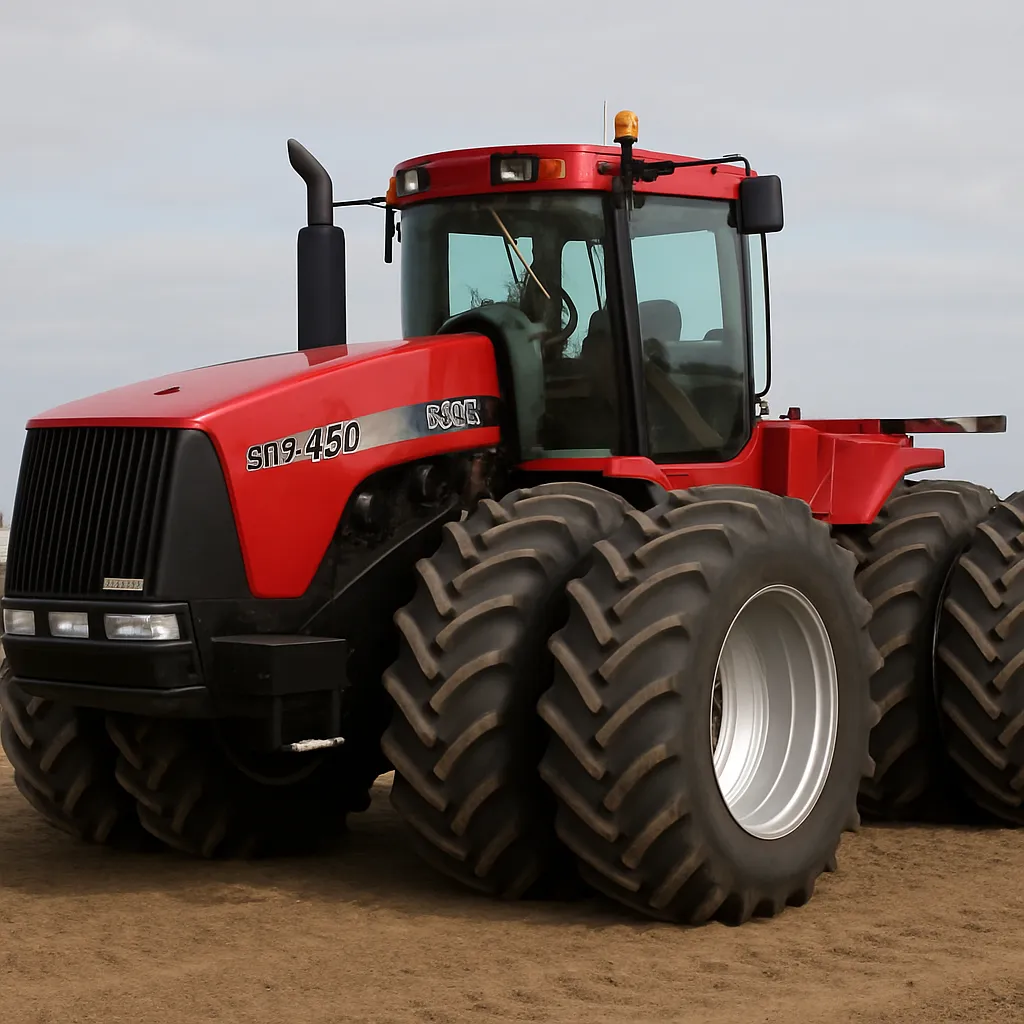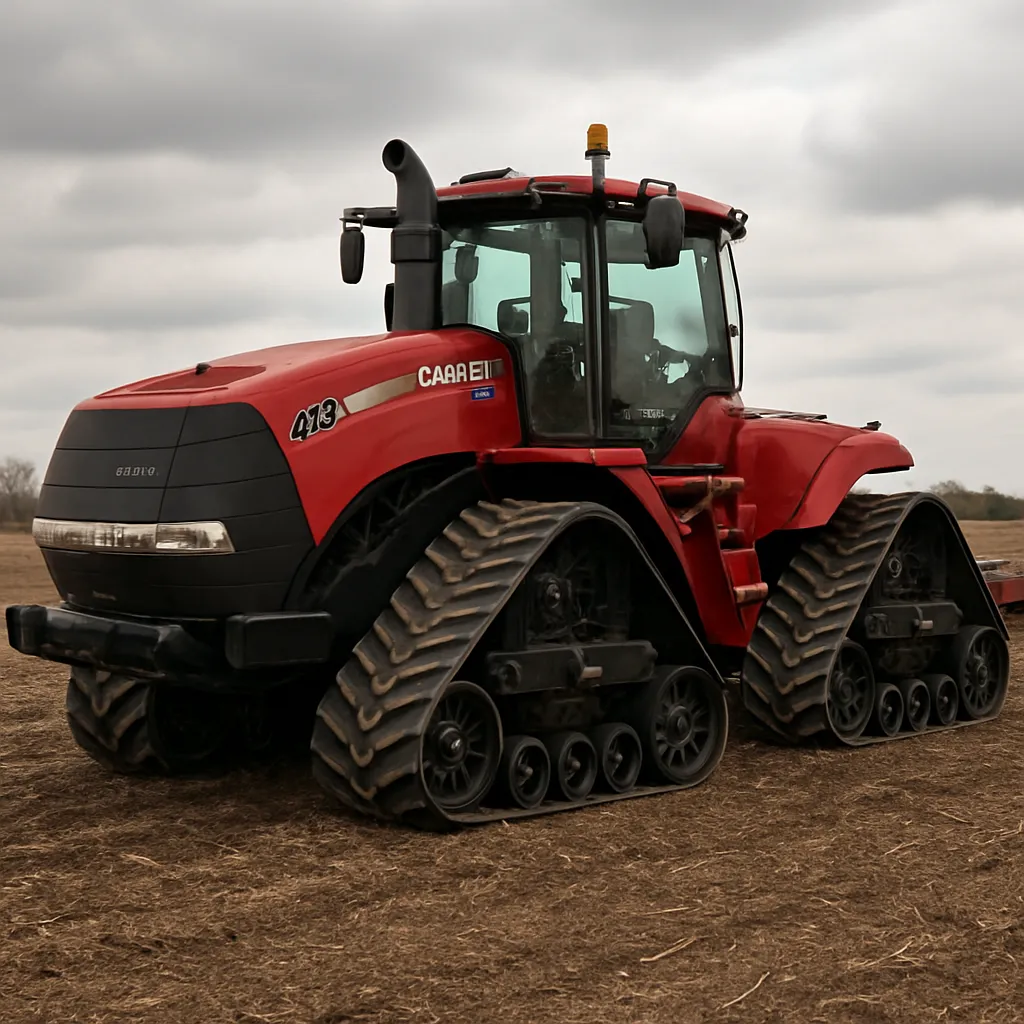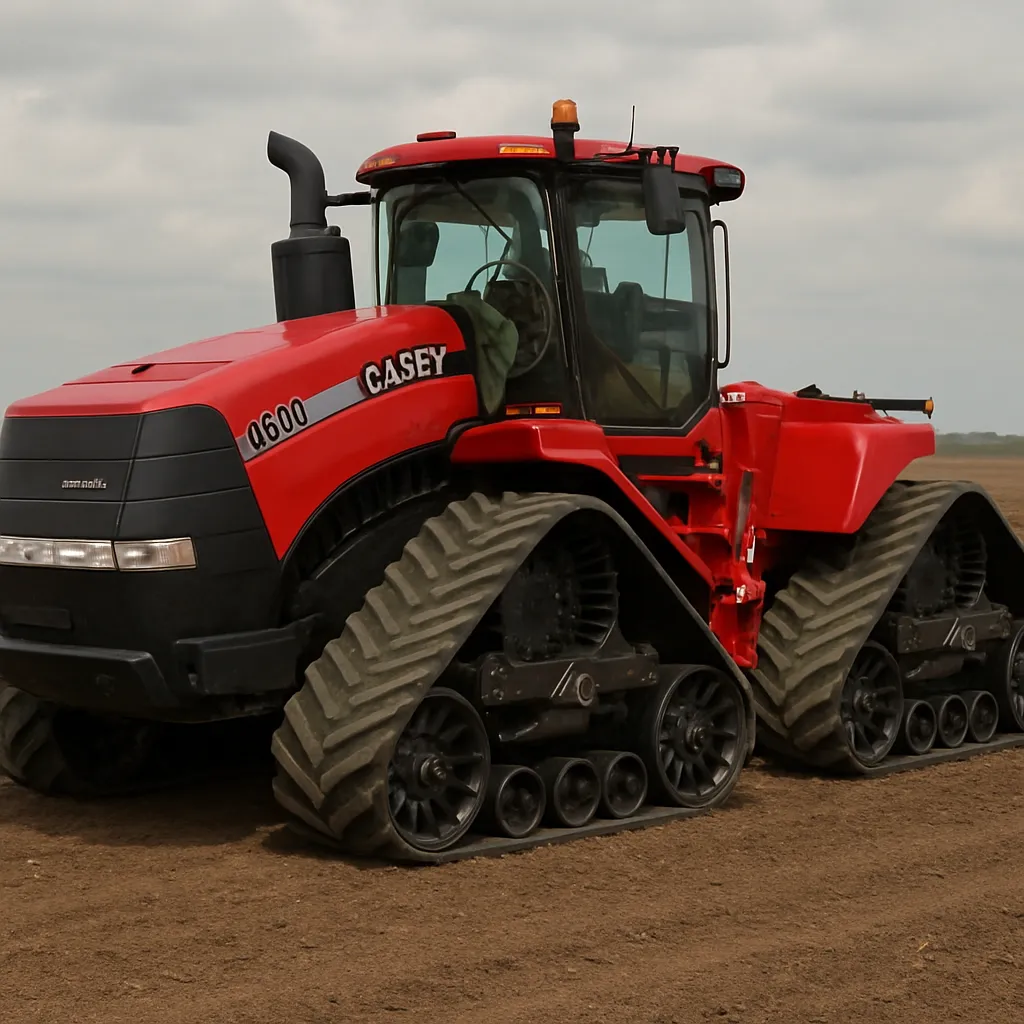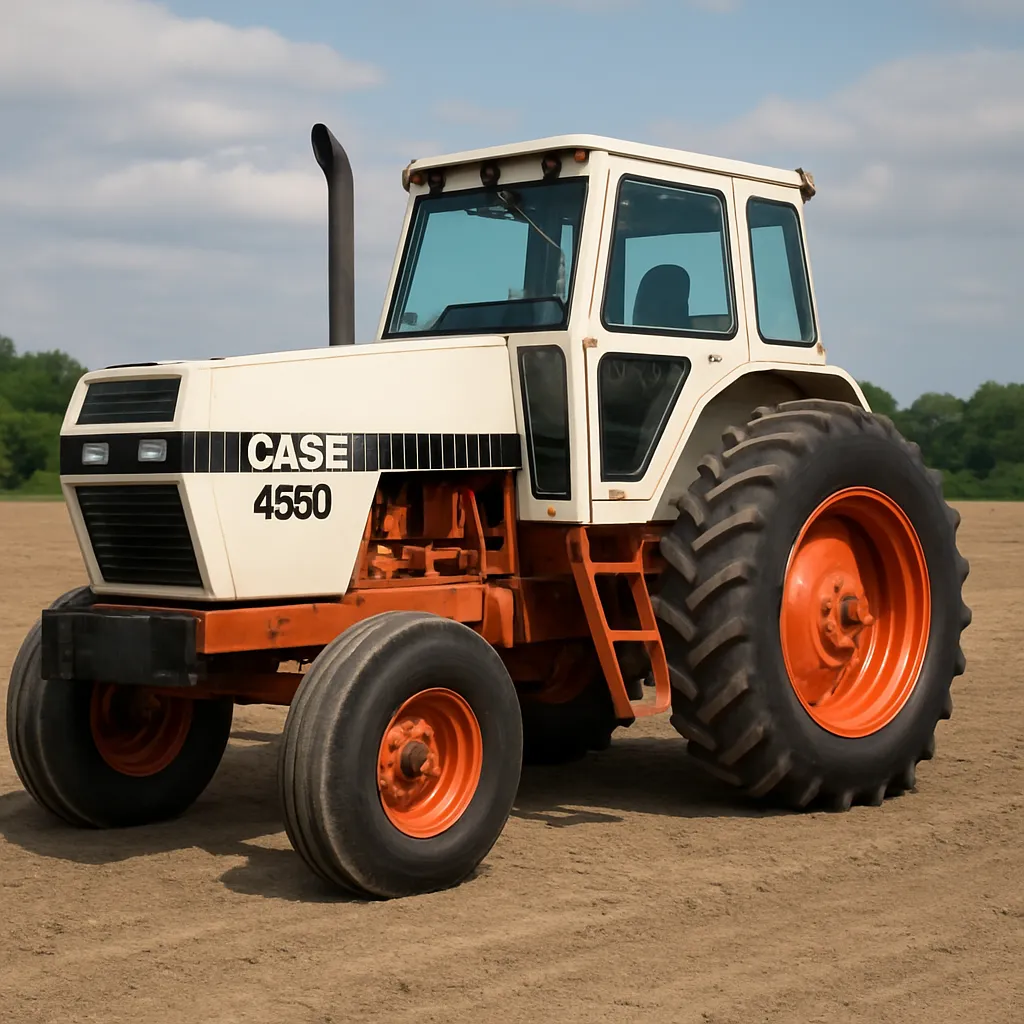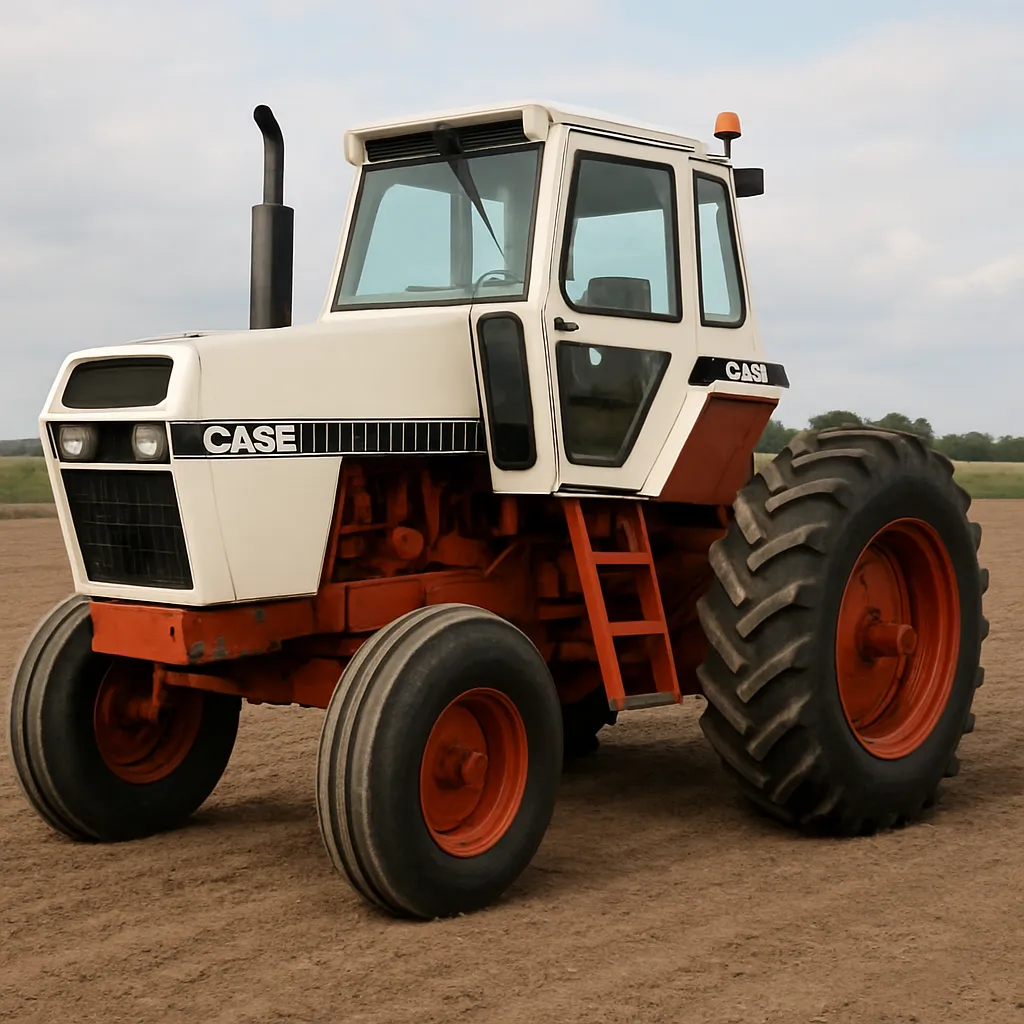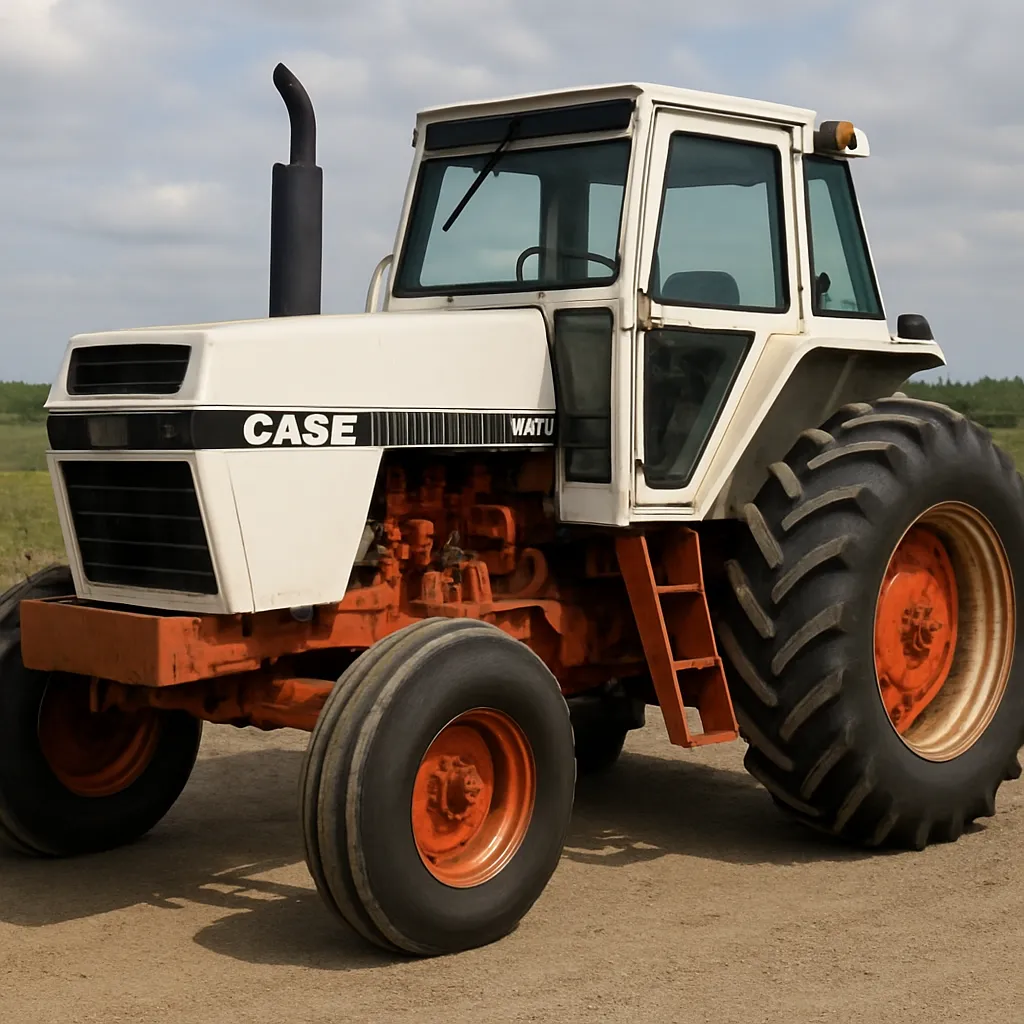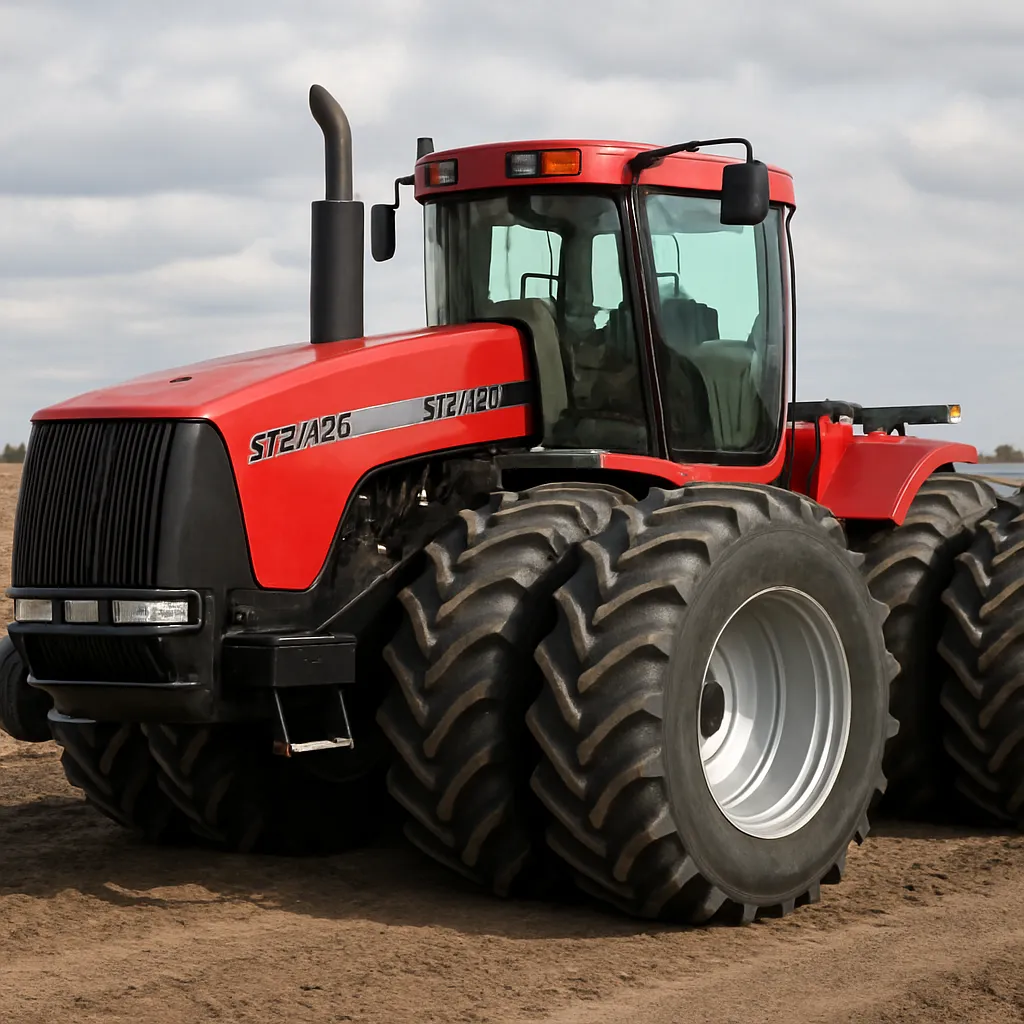
The Case IH STX 425 is a member of Case IH’s heavy-duty articulated tractor family, designed to provide high levels of performance in large-scale farming and demanding field operations. Combining robust construction, adaptable hydraulics and drivetrain options, and a focus on sustained productivity, the STX 425 earned a place among tractors favored by contractors and farmers who required both raw power and day-long endurance. This article explores the design, typical uses, technical characteristics, operational strengths and considerations, and the market context for the STX 425, with practical notes for potential users and fleet managers.
Design and technical characteristics
The Case IH STX 425 follows the classic articulated, four-wheel drive tractor layout that emphasizes even weight distribution, high drawbar pull and consistent steering at large power outputs. The model designation “425” commonly reflects a power class around 425 horsepower (approximately 317 kW), placing the machine in the high-horsepower segment used for the largest implements and heaviest soil-working tasks.
Engine and powertrain
The STX 425 typically uses a turbocharged diesel engine tuned for continuous heavy-duty operation. Key engineering goals for the engine include delivering strong low-end torque for draft work, maintaining cooling capacity under sustained loads, and providing a broad powerband to suit both field speeds and transport.
- Rated power: approximately 425 hp (317 kW) — exact figures vary by model year and testing standard.
- Engine characteristics: turbocharged, charge-air cooled diesel with intercooled induction (6-cylinder configurations are common in this horsepower range).
- Drivetrain: articulated 4WD with heavy-duty axles and a choice of transmissions (power shift or range-synchronized gearboxes in many configurations), designed to optimize traction and operator control.
The powertrain emphasizes durability and ease of service. Heavy-duty planetary gear sets and sealed final drives are intended to withstand the high torque loads encountered in deep tillage or heavy haul applications. Transmission options commonly include multi-range power-shift units offering numerous forward and reverse ratios to match ground-engaging tasks and transport requirements.
Hydraulics and PTO
A prominent strength of the STX 425 is its hydraulic and implement control capacity. These systems are engineered to operate large planters, high-capacity seeders, multi-section cultivators, large mounted plows and powerful front or rear mounted hydraulic equipment.
- Hydraulic flow: designed for high-flow auxiliary circuits to feed multiple remote valves and hydraulic motors on implements.
- PTO: standard rear PTO (often 1000 rpm variants on high-horsepower machines) with heavy-duty driveline components to handle substantial implement loads.
- 3-point hitch and linkage: engineered for high lift capacity to control large mounted implements and to work with heavy weights during field operations.
Chassis, weight and traction
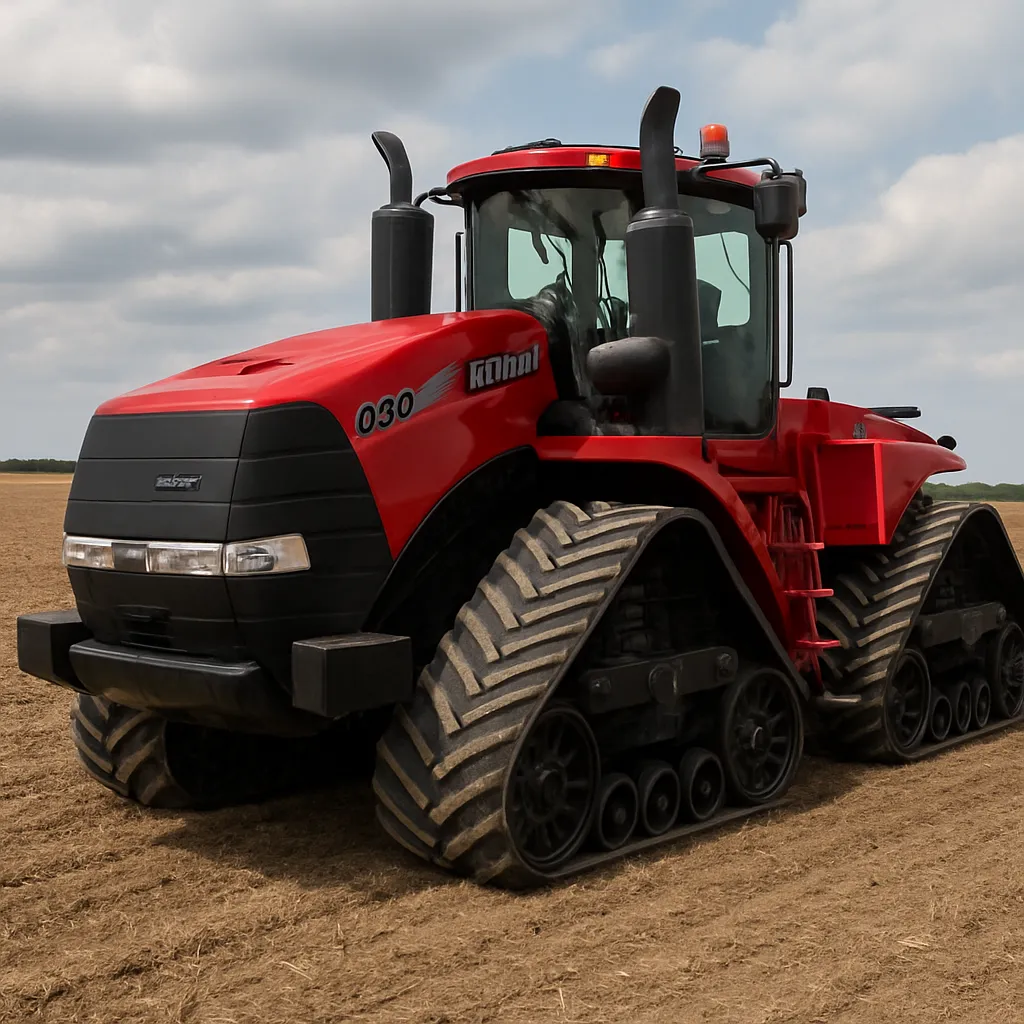
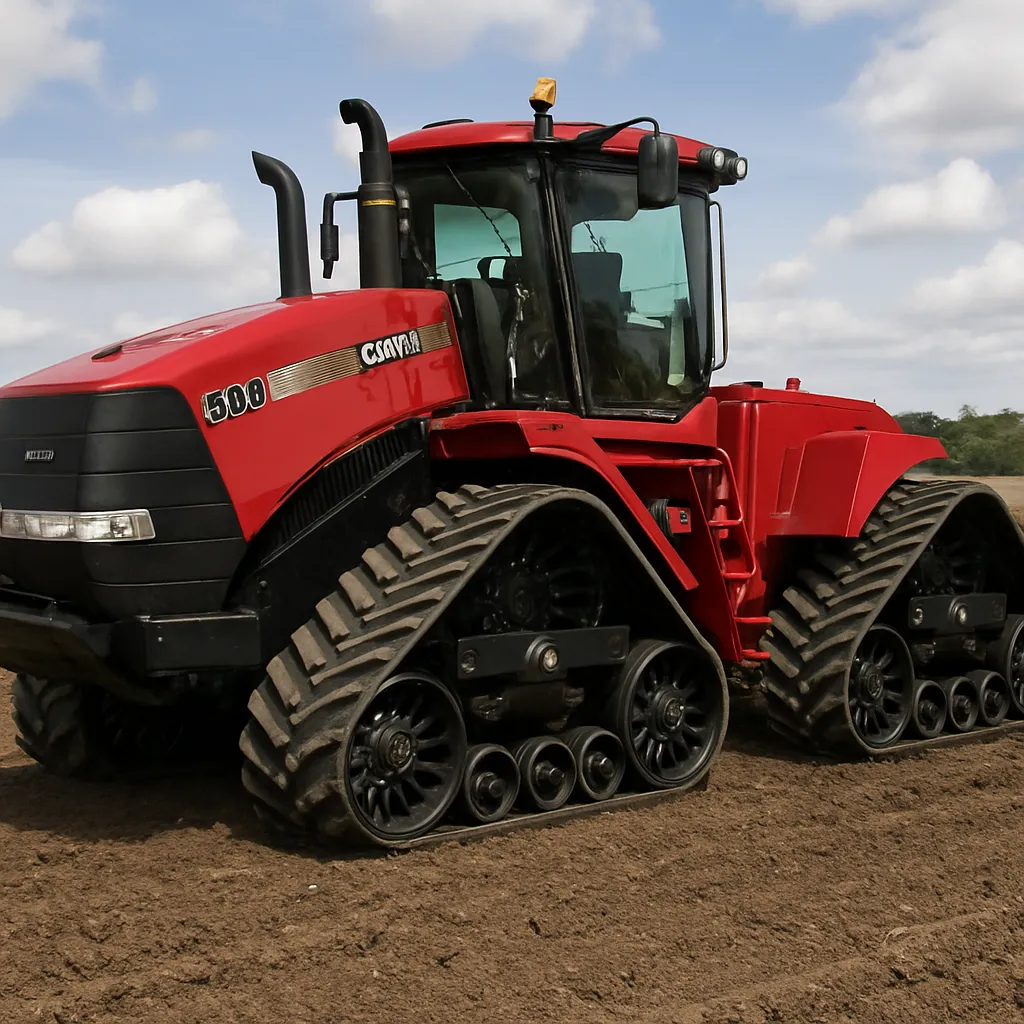
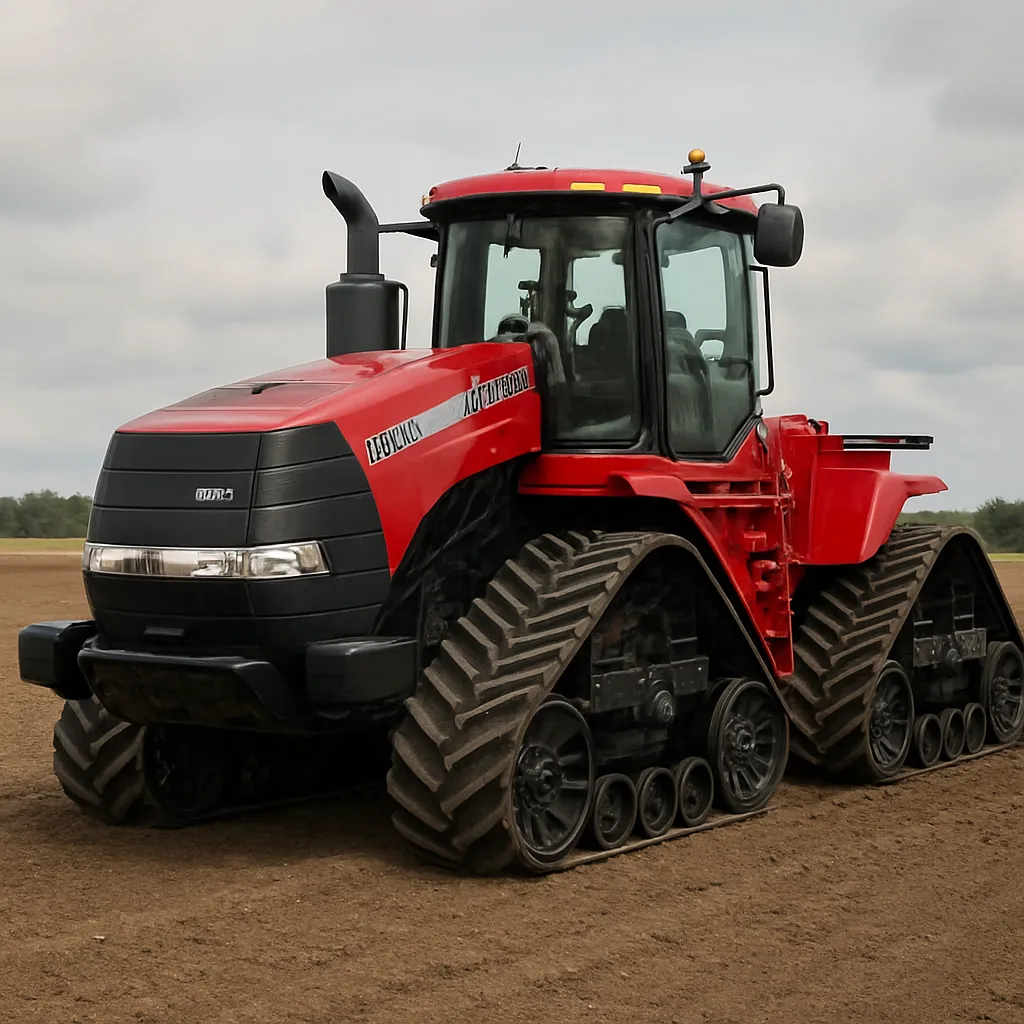
As an articulated tractor, the STX 425 uses a central pivot steering mechanism that allows the front and rear halves to swing relative to one another, improving maneuverability while maintaining high tractive effort. Ballasting options and wheelbase choices help tailor the machine for different soil conditions and implement sizes. Traction-focused design features include large tires or duals and, in some configurations, track systems to reduce soil compaction and increase pull in soft conditions.
Key design priorities are traction, even weight distribution and the ability to carry or pull very large implements while minimizing slippage and fuel penalty. The robust frame and reinforced hitch points reflect the expectation that this machine will be used in the most demanding jobs.
Primary applications and field performance
The STX 425 is intended for operations where high sustained power is required. It finds its place on large farms, custom hire operators and contractors engaged in heavy tillage, deep ripping, planting large acreages, and hauling tasks that exceed the capability of medium-sized tractors. Listed below are the most common applications and how the machine performs in each role.
Heavy tillage and soil preparation
Large plows, heavy discs, and deep rippers demand both high horsepower and consistent low-end torque. The STX 425’s engine and drivetrain deliver the pull and stability needed for deep tillage operations across many hectares per day. When matched with appropriate ballast and tires or tracks, the tractor minimizes wheel slip and maximizes implement efficiency, helping maintain both speed and depth consistency in a variety of soil types. Such work places a premium on fuel-efficient power delivery and cooling capacity, which the STX series targets.
Large-scale planting and seeding
On very large farms or during tight planting windows, the STX 425 can pull wide planters or multiple connected seeders. High hydraulic flow and precise PTO control allow operators to run multi-section planters with variable-rate systems and section control while maintaining consistent ground speed. The ability to maintain speed under load improves seed placement accuracy and productivity during narrow planting windows.
Transport and heavy hauling
While primarily a field-focused machine, the STX 425 is also used for heavy transport tasks around the farm—hauling grain carts, manure spreaders or trailer loads between fields. When used on roads, the tractor’s transmission and gearing choices provide adequate transport speeds while keeping the engine in an efficient rpm range. Proper gearing and tire selection are important to balance transport speed and field performance.
Specialty tasks and versatility
Contractors may equip an STX 425 for niche jobs such as subsoiling, deep fertilizer injection, and towing large air seeders. The tractor’s capacity to power auxiliary hydraulic motors and run multiple remote functions makes it suitable for multi-purpose fleet roles. Configurations with track systems can be used in conditions where minimizing soil compaction is critical, such as in certain conservation tillage regimes.
Operational strengths, economics and user considerations
Farmers and managers choose tractors like the STX 425 based on a mix of technical performance and economic rationale. The machine offers notable strengths, but it also demands appropriate management to realize those benefits.
Key strengths
- Power and sustained performance: capable of pulling the largest implements used on modern large farms.
- Reliability: engineered for long hours in heavy-duty applications with emphasis on robust components.
- Hydraulics and versatility: high flow systems support complex implements and multi-function tasks.
- Operator ergonomics and controls (in later cabs): designed to reduce fatigue during long shifts and improve productivity.
- Serviceability: straightforward access to major service points helps reduce downtime when maintained properly.
Economics and fuel considerations
High-horsepower tractors like the STX 425 consume significant fuel when working at or near maximum drawbar pull. Typical real-world fuel consumption varies widely with the job, soil conditions and operating style, but large articulated tractors can commonly use anywhere from roughly 20 to 40+ liters per hour under heavy load. Operators aiming to lower operating cost should focus on:
- Matching implement size to tractor capacity to avoid inefficient partial loading.
- Using engine and transmission management techniques (e.g., proper gearing, cruise control) to keep the engine in an efficient rpm band.
- Regular maintenance to preserve combustion efficiency and hydraulic performance.
Though initial acquisition and running costs are high, the productivity gains on operations sized to the machine often justify ownership. For many users, the alternative is running multiple smaller tractors or contracting, which may be less economical for large continuous workloads.
Maintenance and serviceability
Routine maintenance is crucial for ensuring that a high-horsepower tractor remains available during peak seasons. Key maintenance aspects include cooling-system upkeep, regular oil and filter changes, monitoring transmission and hydraulic fluid conditions, and checking driveline components and ballast systems. Preventative maintenance schedules recommended by the manufacturer help reduce the risk of major failures during critical work windows. Access to qualified service technicians and parts supply is a major factor in total cost of ownership for machines of this class.
Cab, controls and operator considerations
Effective long-shift operation requires attention to operator comfort and controls. Later iterations of high-horsepower Case IH tractors improved cab comfort with better seats, climate control, noise reduction and ergonomically placed controls. Features that influence daily productivity include:
- Visibility to implements and field edges for precise work at scale.
- Intuitive control layouts for transmission, hydraulics and PTO functions.
- Instrumentation and monitoring systems that provide real-time data on fuel use, engine load and maintenance alerts.
- Suspension and seating that reduce operator fatigue over long shifts.
Advanced electronic control systems (available on many later machines) increase productivity by enabling features like auto guidance, section control and implement automation. These features help reduce overlaps, save fuel and inputs, and ensure more uniform field work—improving overall operational efficiency and cost-effectiveness.
Variants, options and aftermarket
Case IH and dealers typically offered a range of options to tailor the STX 425 to specific needs. Options might include different tire sizes and dual-wheel configurations, track undercarriages, cab packages, varying hydraulic flow configurations, and multiple hitch and PTO choices. These options allow the tractor to be optimized for either maximum traction and reduced compaction (tracks) or maximum transport capability (high-speed gearing and tires).
Aftermarket support for heavy tractors is robust—replacement parts, performance tuning, telematics upgrades and specialized attachments are widely available through dealer networks and third-party suppliers. Upgrades such as improved hydraulic pumps, electronic control retrofits or GPS-guidance add-ons are common ways operators extend usefulness and adapt older tractors to modern precision-agriculture systems.
Market context, resale and lifecycle
High-horsepower articulated tractors are capital-intensive investments. Decision-makers evaluate lifecycle costs, resale values and operational fit. Historically, machines with known durability and accessible parts networks retain better resale value. Factors affecting resale and lifespan include hours of operation, maintenance history, local demand for high-horsepower tractors, and whether the tractor was used in particularly corrosive or abrasive conditions.
When comparing to alternatives, many operations weigh the benefits of one very large tractor against multiple smaller machines. One large machine reduces crew coordination and may be more fuel-efficient per hectare in continuous heavy tasks. Multiple smaller machines can offer redundancy and flexibility but increase management complexity and potentially total fuel use for some operations.
Practical tips for potential buyers and operators
- Assess the typical implement widths, soil types and seasonal workload: ensure the STX 425’s capacity is well matched to your peak demands.
- Review maintenance records carefully on used machines, focusing on engine overhaul history, transmission rebuilds, and final-drive replacements.
- Consider telemetry and precision-ag features if you plan to integrate the tractor into a larger precision-farming strategy.
- Balance ballast and tire/track options for your soils—over-ballasting increases fuel use while under-ballasting reduces traction and control.
- Train operators on gear selection, cruise control use and implement matching to improve fuel economy and reduce wear.
Conclusion
The Case IH STX 425 is a high-horsepower, purpose-built tractor for large-scale agricultural enterprises and contractors facing the most demanding field tasks. Its strengths lie in robust construction, high hydraulic capacity, and sustained field performance. While precise specifications vary with model year and configuration, the tractor generally falls into the ~425 hp class and is chosen where implement size and operational scale demand a powerful, reliable platform. Proper matching of implement, operator training, and diligent maintenance are essential to extracting the best value: maximizing productivity while controlling fuel consumption and lifecycle costs. For those operating at the scale where a machine of this class is appropriate, the STX 425 can be a centerpiece of a high-efficiency, high-output farm or contracting fleet.