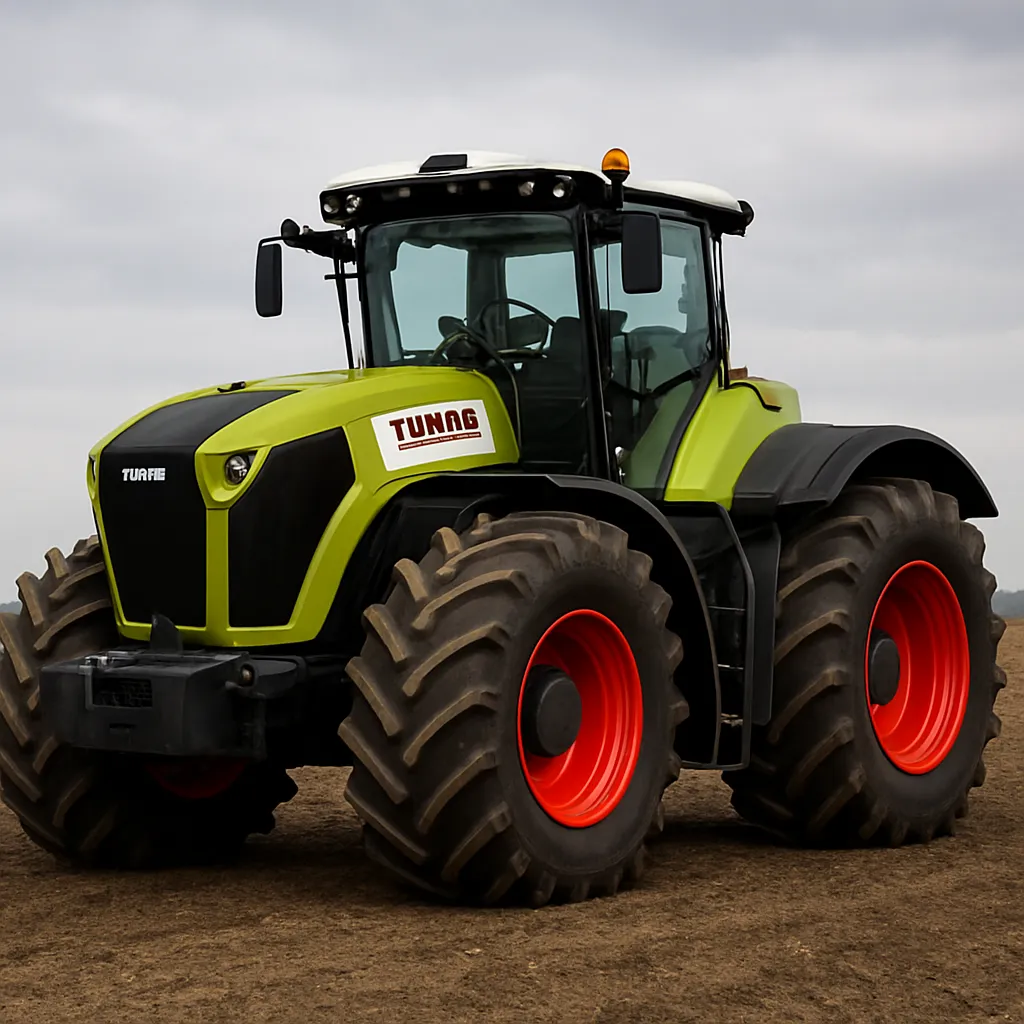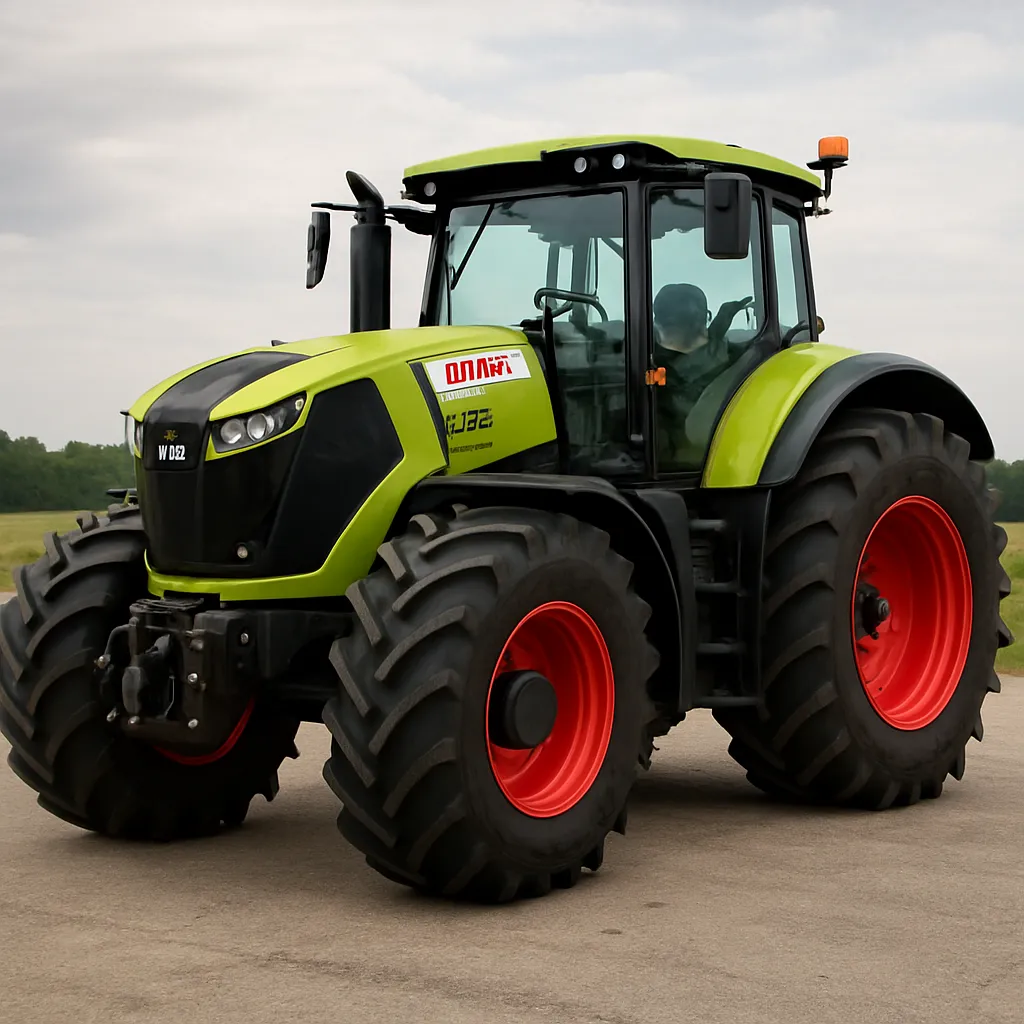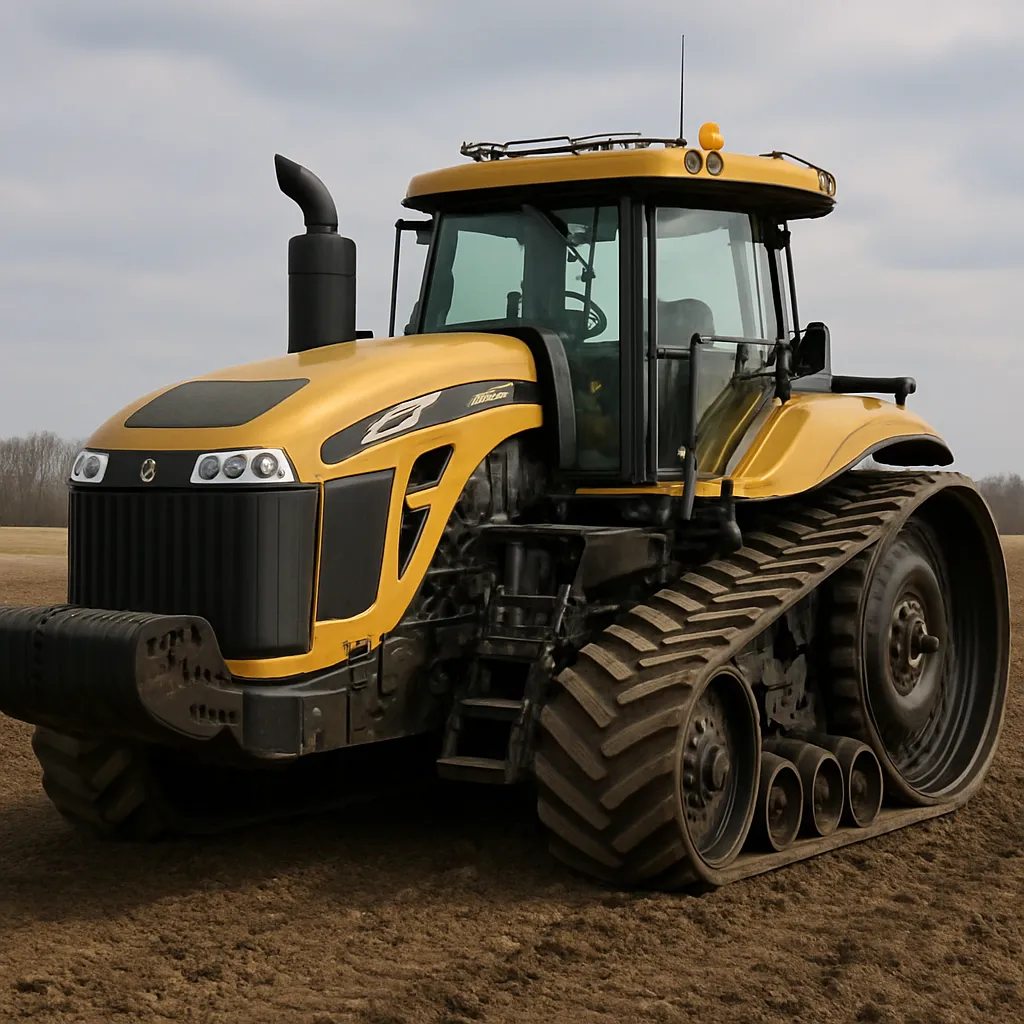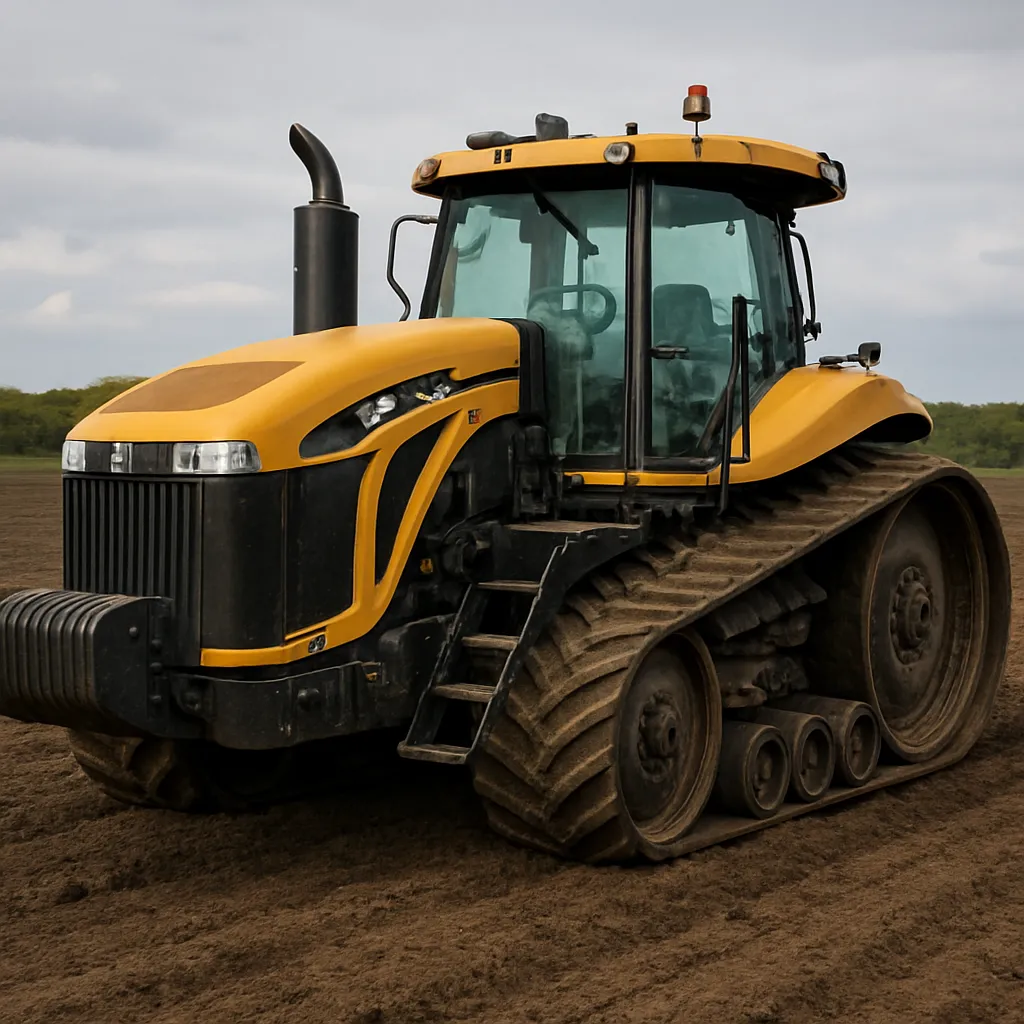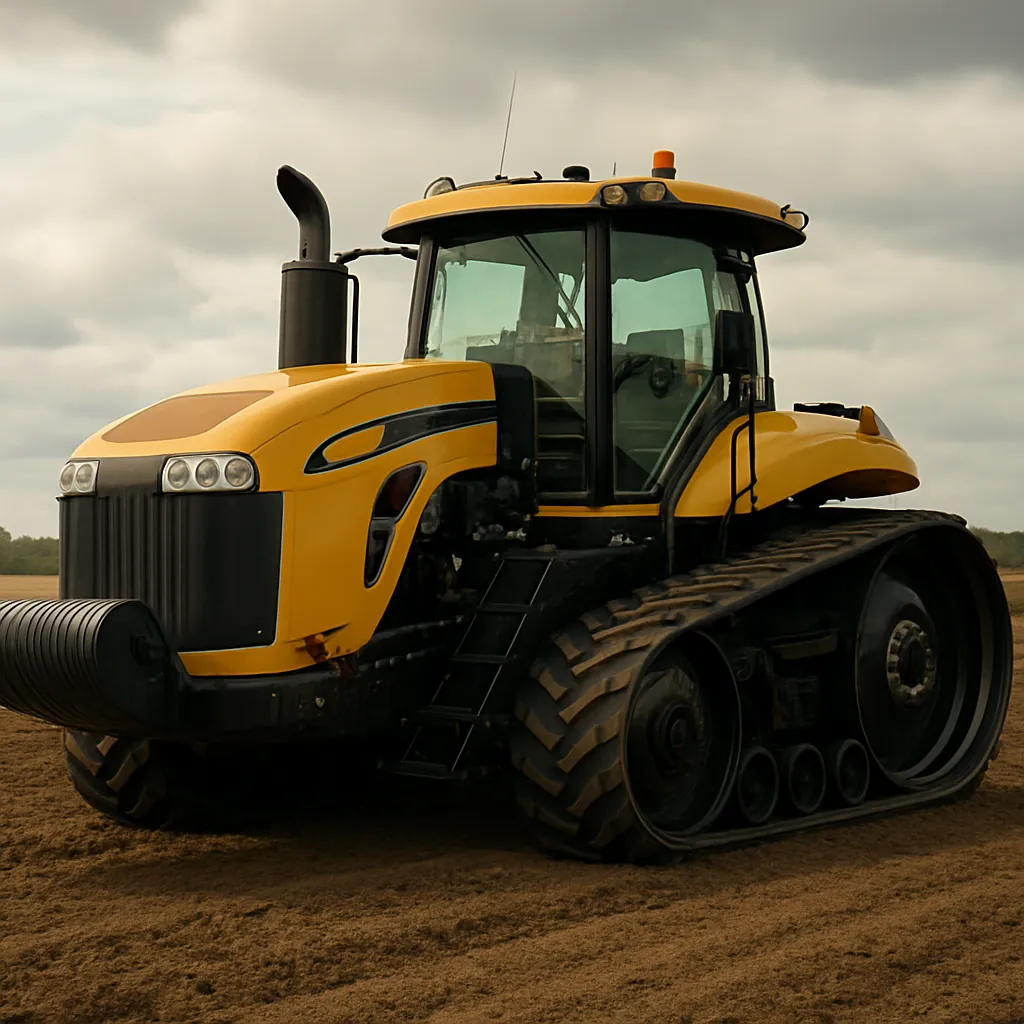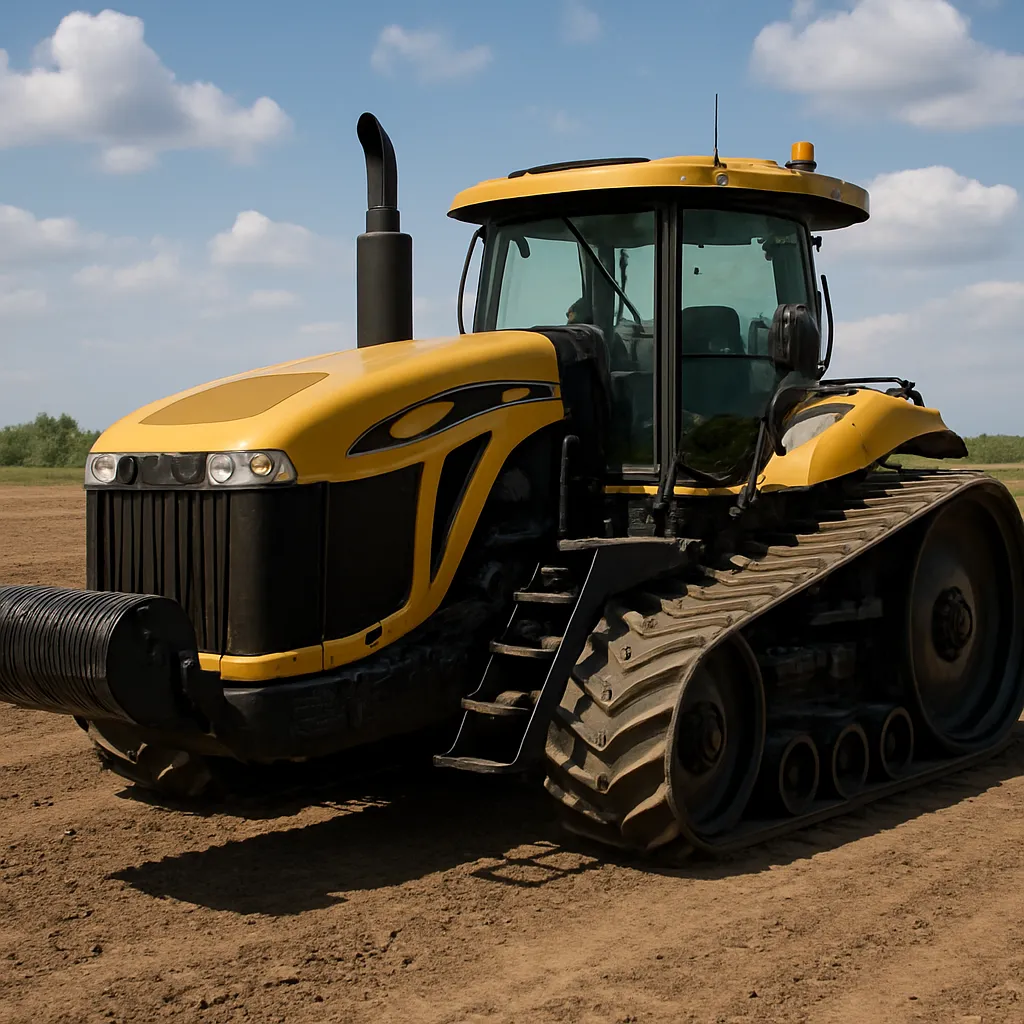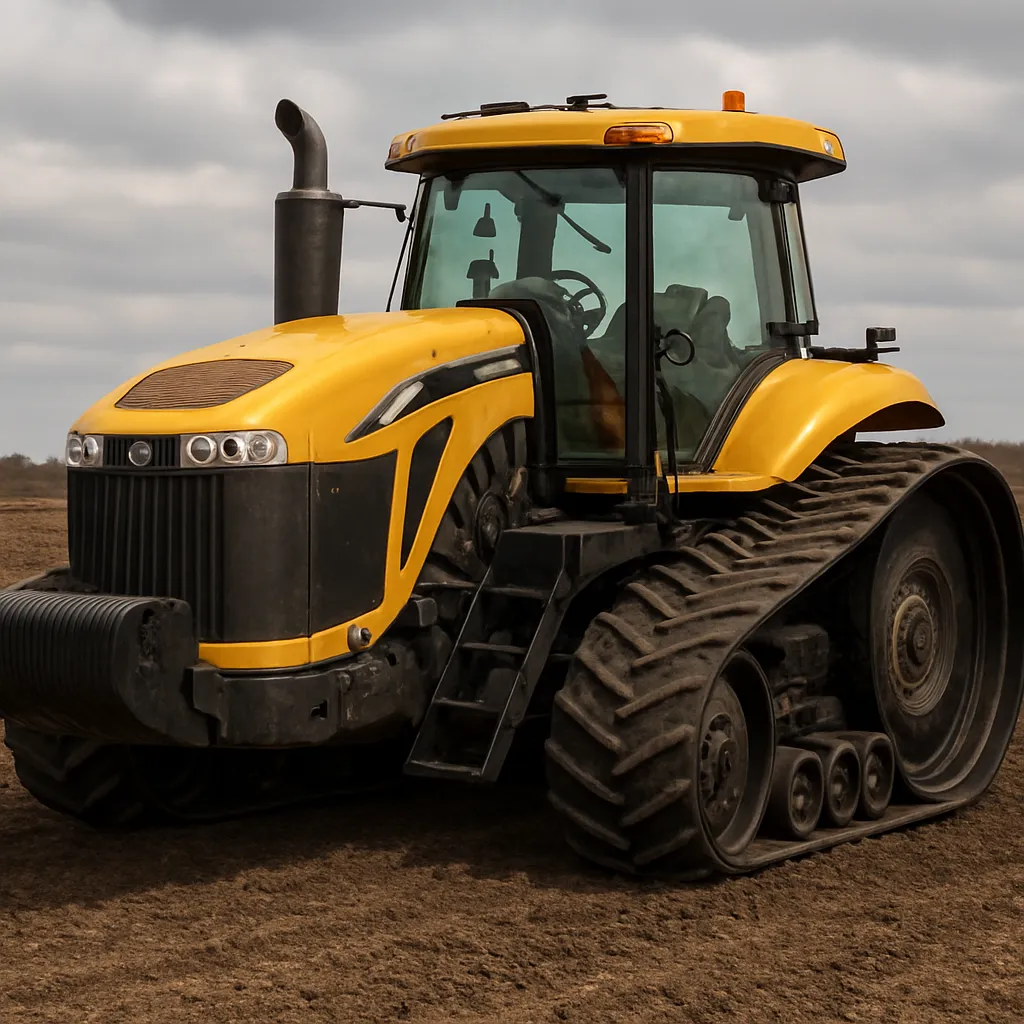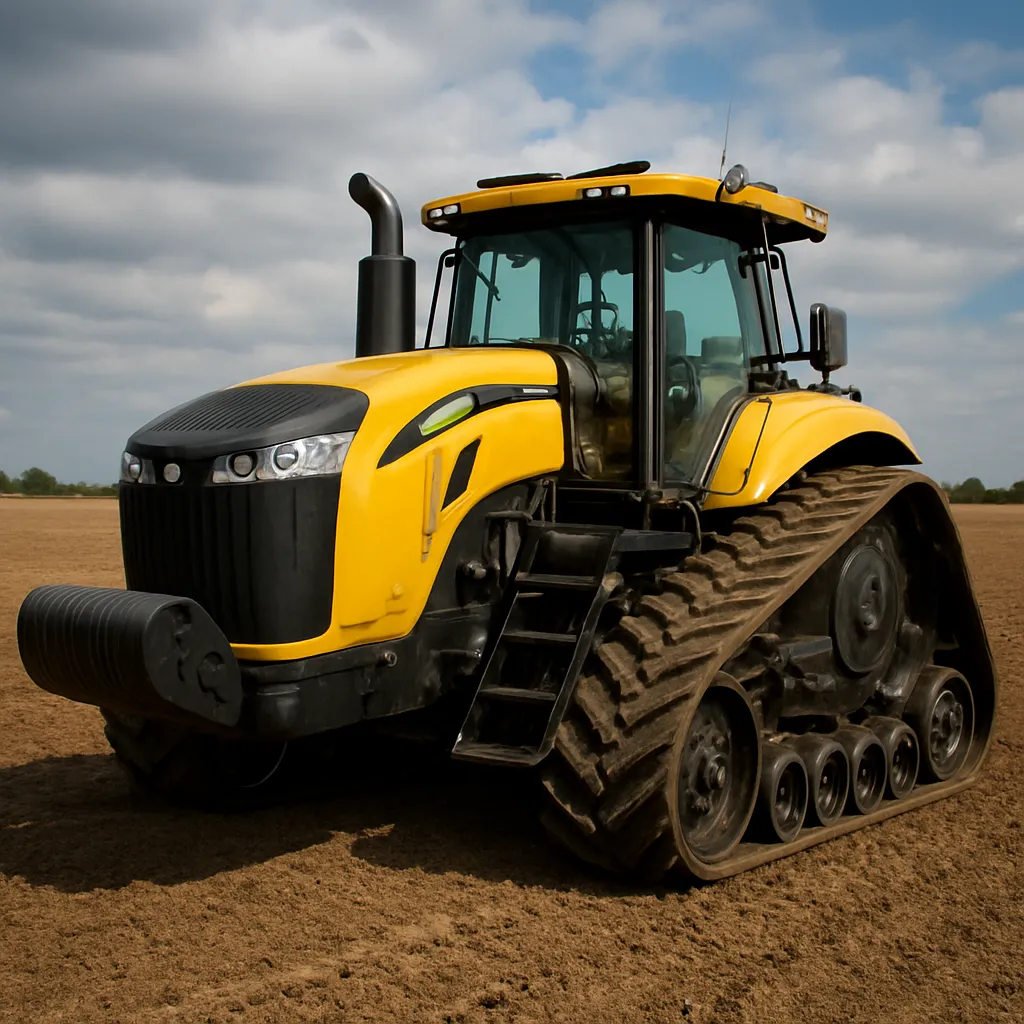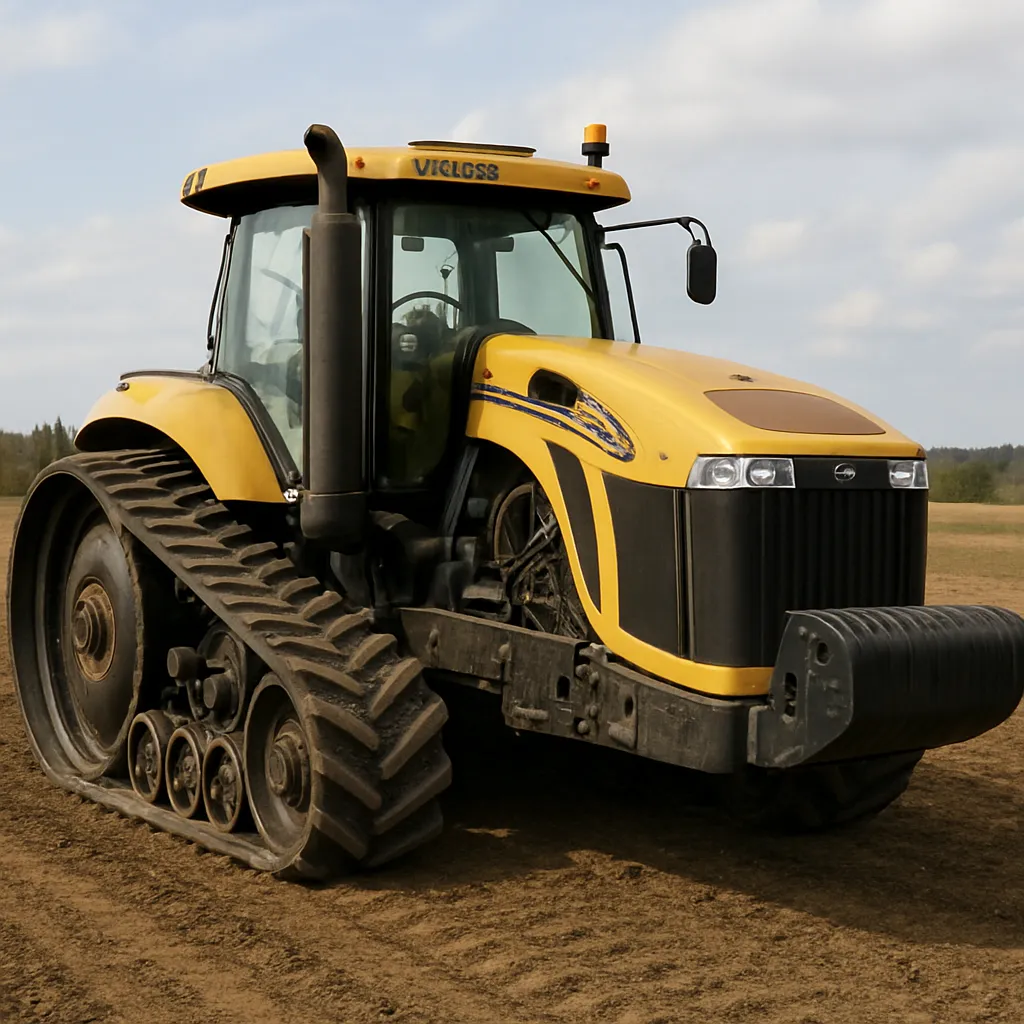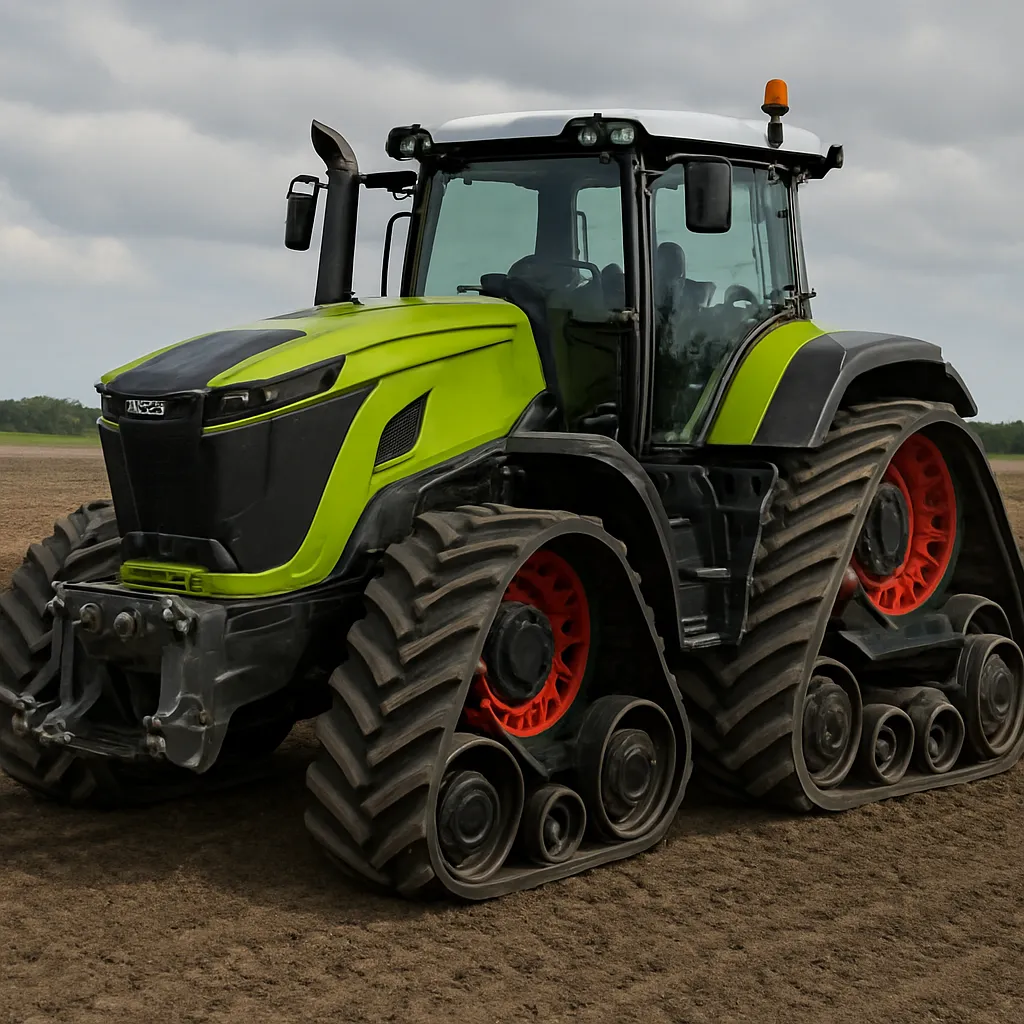
The Claas 760 Terra Trac Proto represents an intriguing step in tracked tractor development. Combining Claas’ long experience in agricultural machinery with advanced undercarriage technology, the Terra Trac concept aims to deliver improved traction, reduced soil compaction, and greater field efficiency. As a prototype, some technical details remain provisional, but the machine illustrates modern trends in large-scale farming: integration of track systems, focus on operator comfort, and a drive toward minimizing environmental impact while maximizing productivity. This article explores the design, applications, operational characteristics, and broader implications of the Claas 760 Terra Trac Proto.
Design and technical features
At the core of the Claas 760 Terra Trac Proto is a shift away from conventional wheel-based drivetrains toward a continuous track undercarriage. The Terra Trac system is designed to distribute weight more evenly across a larger contact area, lowering ground pressure and enhancing traction in a variety of soil conditions. Although Claas has not published full production specifications for this prototype, the Terra Trac concept typically combines a robust chassis, advanced suspension elements, and electronic control systems to manage track tension and drive torque.
Undercarriage and tracks
The track system is the main differentiator. Tracks on the 760 Proto are engineered to:
- Provide a larger footprint than tyres, significantly reducing peak contact pressure.
- Improve traction in wet or loose soils where wheel slip would otherwise increase fuel consumption and reduce effective field speed.
- Offer lateral stability on slopes and when pulling heavy implements.
In many tracked agricultural designs, ground pressure can fall by as much as 30–50% compared to a similarly weighted tyre-equipped tractor. This lower pressure helps preserve soil structure and can permit earlier fieldwork after rain. The Terra Trac system on the Claas 760 Proto likely incorporates reinforced rubber tracks, modular bogies, and a drive sprocket arrangement optimized for durability and reduced maintenance.
Powertrain and transmission
While official engine and transmission figures for the 760 Terra Trac Proto are limited or unpublished due to its prototype status, Claas machines in the comparable power class typically use high-displacement, turbocharged diesel engines with power outputs designed to match heavy draft and PTO loads. The powertrain for a Terra Trac-equipped tractor must balance torque delivery for implements and efficient speed management for both transport and fieldwork.
Modern prototypes like this one commonly pair the engine with a continuously variable transmission (CVT) or advanced powershift transmission to provide smooth, fuel-efficient operation and precise speed control. Integrated electronic management systems coordinate engine output, hydraulic flow, and track drive to optimize performance under varying load and terrain conditions.
Hydraulics, PTO and implement compatibility
Tractors in this segment prioritize multiple hydraulic circuits, high flow rates, and robust three-point hitch systems capable of handling large seeding, tillage, and application implements. The Claas 760 Terra Trac Proto would be expected to feature:
- High-capacity hydraulics for demanding implements and front loaders.
- Multiple remote valve configurations with electronic control for precise implement management.
- Standard PTO options (540/1000 rpm) and possibly an economy or variable PTO setting for fuel-efficient operation with modern implements.
Compatibility with existing implement fleets is crucial for adoption: Claas engineers typically focus on hitch strength, electronic interfaces (ISOBUS compatibility), and PTO robustness to ensure the prototype can work seamlessly with large planters, cultivators, sprayers, and balers.
Applications and field performance
The Claas 760 Terra Trac Proto is aimed at large-scale arable farms, contractors, and any operation where ground conditions and heavy implements demand a combination of traction and low soil compaction. The track configuration is particularly useful in the following applications:
- Primary and secondary tillage — pulling heavy discs, subsoilers, and cultivators over large areas; consistent traction reduces slip and improves fuel economy.
- Sowing and seeding — maintaining accurate forward speed and minimizing soil disturbance to ensure uniform seed placement.
- Large sprayer and fertilizer trailed operations — stability and flotation allow use of heavy trailed booms without excessive soil damage.
- Harvest operations as tow vehicle — in challenging harvest conditions where tyres might compact or bog down, tracks maintain mobility.
Field performance advantages often cited with track systems include higher effective field capacity, lower wheel slip (which reduces fuel usage), and the ability to work earlier in the season after rainfall. A tracked configuration can deliver more uniform traction across the field, which translates into more consistent implement performance and often better agronomic outcomes.
Soil preservation and agronomic benefits
One of the most important benefits of the Terra Trac approach is soil protection. By reducing peak pressure and spreading load, tracks help retain pore structure and limit the formation of hardpan layers. Farmers report benefits such as:
- Less subsurface compaction under the tractor axle line.
- Improved infiltration and root penetration in subsequent seasons.
- Potential yield benefits in compacted or wet-prone fields due to healthier soil structure.
Exact agronomic gains depend on soil type, crop rotation, and management practices, but reducing compaction is a recognized objective for long-term soil health and sustainability.
Operator comfort, safety and technology
Claas places strong emphasis on operator ergonomics and safety features. The 760 Terra Trac Proto, as a modern prototype, likely showcases the following features to support long working days and precise control:
- Spacious cab with climate control, noise insulation, and adjustable seating to reduce operator fatigue.
- Advanced displays and telematics for machine monitoring, performance logging, and remote diagnostics.
- Automated driving aids such as GPS guidance, section control, and implement steering integration to increase accuracy and reduce overlap.
- Visibility enhancements and work lighting for night operations.
Safety considerations for tracked machines include ensuring stable transport behaviour at road speeds, reliable braking systems, and track protection to avoid damage from road debris. Electronic controls that manage track tension and adapt power delivery can help prevent undue wear and make the tractor safer to operate under varying loads.
Maintenance, durability and lifecycle considerations
Tracks introduce a different maintenance profile compared to tyres. While tracks reduce tyre-related downtime and the risk of flats, they require attention to components such as drive sprockets, rollers, seals, and the track belts themselves. Typical considerations include:
- Regular inspection of track tension and wear patterns.
- Monitoring of bogie components and bearings for lubrication and wear.
- Replacement intervals for track belts that depend on hours of use and field conditions.
In prototypes and early-production machines, manufacturers often focus intensely on durability testing to refine materials and serviceability. Claas has a reputation for rigorous field testing; a prototype such as the 760 Terra Trac would go through trials aimed at ensuring acceptable lifecycle costs, ease of maintenance, and parts availability.
Economics and total cost of ownership
When assessing a tracked tractor, farmers and contractors must consider the total cost of ownership rather than just the initial purchase price. Factors include:
- Fuel efficiency gains from reduced slip.
- Potential reduction in secondary tillage costs due to improved soil structure.
- Maintenance cost of track components vs. tyre replacement and puncture-related downtime.
- Resale value in markets where tracked machines are in demand.
Although track systems typically increase purchase or conversion cost relative to wheels, users often recoup some of that through improved productivity on marginal soils and lower downtime during critical periods. Exact payback periods depend on farm size, crop types, soil conditions, and utilization rates.
Environmental impact and sustainability
The Claas 760 Terra Trac Proto aligns with broader agricultural trends toward sustainability. Key environmental benefits associated with tracked tractors include:
- Reduced soil compaction, which preserves soil biota, improves drainage, and supports long-term crop productivity.
- Potential for reduced fuel consumption per hectare when track systems lower wheel slip.
- Improved capacity to apply operations near optimal timing (e.g., after light rain), reducing the need for repetitive passes that increase emissions and soil degradation.
Sustainability extends beyond soil health: manufacturers are increasingly optimizing engine efficiency and after-treatment systems (e.g., SCR, DPF) to meet emissions regulations. A prototype like the 760 Terra Trac is an opportunity to test the integration of such systems with new mechanical architectures.
Market position, competitors and adoption trends
Tracked tractors have historically been adopted where soil conservation and traction challenges are high, such as in wet climates, heavy clay soils, or on large arable farms with heavy implements. Competitors in this space include specialized tracked models from other major manufacturers and aftermarket track conversion providers. Key market factors influencing adoption are:
- Fuel and labour costs—higher input costs tend to push operators toward equipment that raises per-hour productivity.
- Scale of operation—larger farms and contractors can better justify the investment.
- Local soil and weather patterns—regions prone to wet springs or with high compaction risks favor tracked solutions.
The “Proto” designation implies a testing stage: Claas will likely gather data on field performance, maintenance needs, and operator feedback before finalizing a production model or offering Terra Trac as an option across its range.
Statistical context and performance indicators
Specific publicly available statistics for the Claas 760 Terra Trac Proto are limited due to the prototype status. However, general performance indicators for tracked tractors in this class can give context:
- Soil contact area: Tracks increase the contact area by roughly 1.5–3 times compared to tyres, depending on track width and length.
- Ground pressure reduction: Typical reductions are in the range of 30–50% versus standard tyre configurations, depending on ballast and implement load.
- Fuel efficiency: Field studies often show fuel savings per hectare of 5–15% for tracked tractors operating in conditions where tyres would slip; the advantage diminishes on very dry, firm soils.
- Tractive efficiency: Tracked machines can show improved drawbar efficiency and reduced slip of 10–30% in soft or wet conditions.
These figures are indicative and will vary with machine setup, soil type, implement type, and operator technique. For the most reliable numbers related to the Claas 760 Terra Trac Proto, operators should consult Claas field trial reports and independent third-party tests once those are released.
Comparison with tyre-equipped tractors
Choosing between tracks and tyres involves trade-offs:
- Tracks — offer better flotation, lower ground pressure, and improved traction under certain conditions; they can extend the workable window after rain and reduce compaction-related yield penalties.
- Tyres — typically cheaper upfront, easier to service in remote areas, and may offer higher top speeds on the road with lower rolling resistance on dry surfaces.
Many large operations deploy a mixed fleet strategy, using tracked tractors for primary field operations in wetter seasons or soils prone to compaction, and tyre-equipped machines where the ground is consistently firm and transport efficiency is prioritized.
Future developments and technological outlook
The Terra Trac concept on the Claas 760 Proto is a platform for future innovations. Potential development directions include:
- Enhanced sensor-based track management to automatically adjust tension and torque distribution for optimal wear and efficiency.
- Further integration with autonomous or semi-autonomous driving systems to optimize field paths, reduce overlap, and improve operator efficiency.
- Material advances in track belting and bogie components to extend service life and reduce weight without compromising durability.
- Hybrid powertrains or electrification elements to further reduce emissions and improve energy efficiency in stop-start and low-speed draft conditions.
Prototypes like the 760 Terra Trac are essential testbeds for these technologies: field trials lead to refinements that eventually reach production models and broader user adoption.
Practical considerations for potential users
For a farm or contractor considering a tractor such as the Claas 760 Terra Trac Proto, practical steps include:
- Evaluate soil types and typical field moisture conditions to determine the benefit of reduced ground pressure.
- Consider implement compatibility, hitch strength, and hydraulic/PTO requirements.
- Assess workshop capabilities or dealer support for track maintenance and replacement parts.
- Review Claas trial data and third-party tests when available, paying attention to fuel consumption, maintenance intervals, and operator feedback.
A careful cost-benefit analysis, incorporating estimated operating hours and seasonal field windows, will help determine whether the higher initial investment for a tracked system is justified for a specific operation.
Summary
The Claas 760 Terra Trac Proto embodies an evolution in heavy agricultural machinery: combining the advantages of tracked propulsion with modern engine management, hydraulic systems, and operator ergonomics. While exact prototype specifications may be limited until Claas publishes detailed reports, the fundamental benefits of Terra Trac — lower soil compaction, improved traction, and potential fuel efficiency gains — make it a compelling option for large-scale arable farms and contractors operating in challenging soil and weather conditions. As Claas refines the design through field testing, attention will focus on durability, maintenance demands, and the quantifiable agronomic and economic returns that determine broad market adoption.