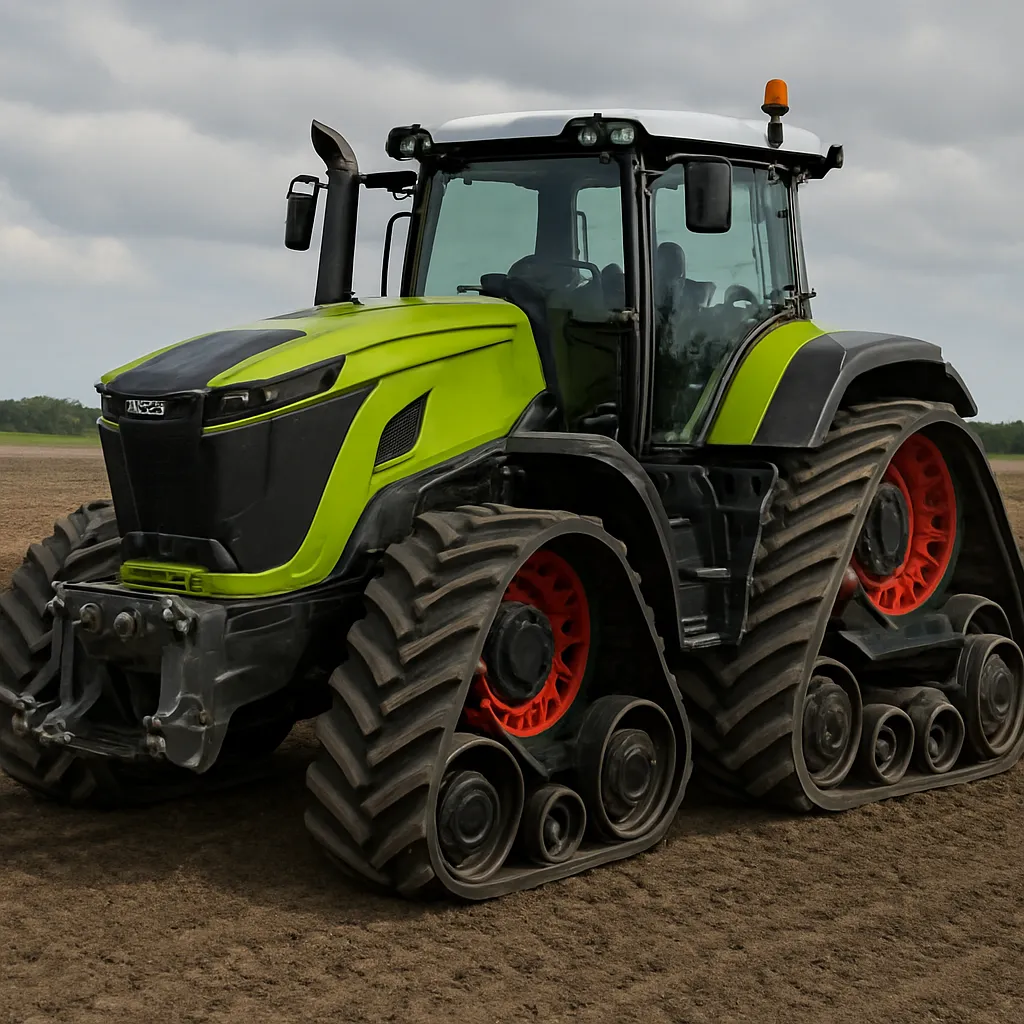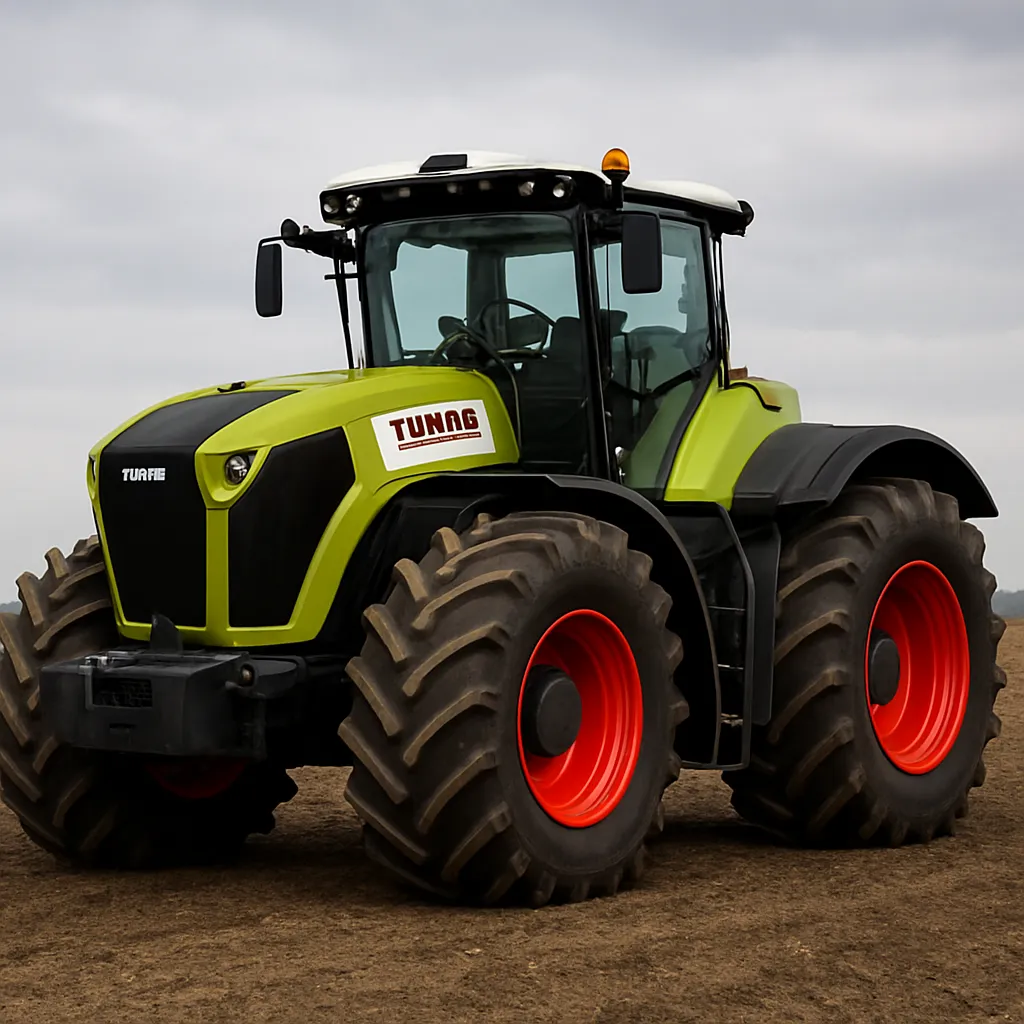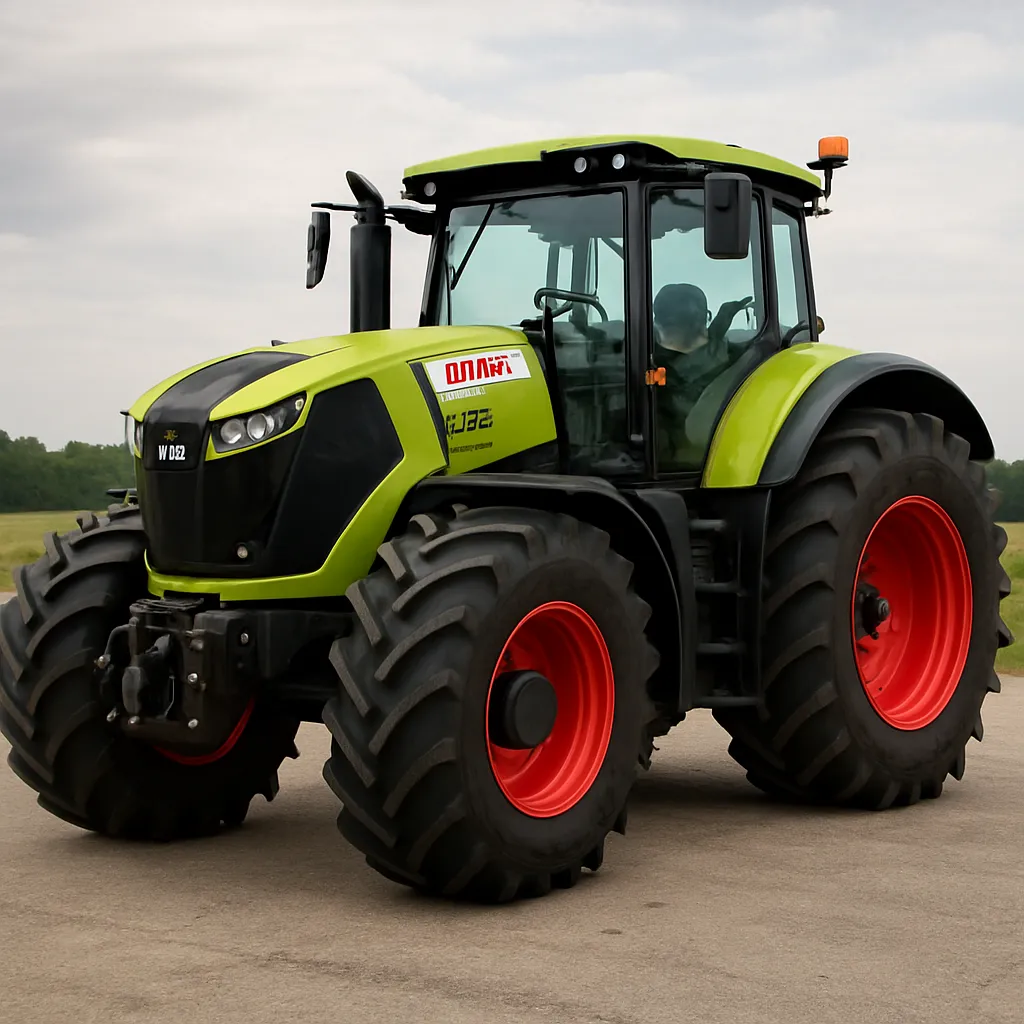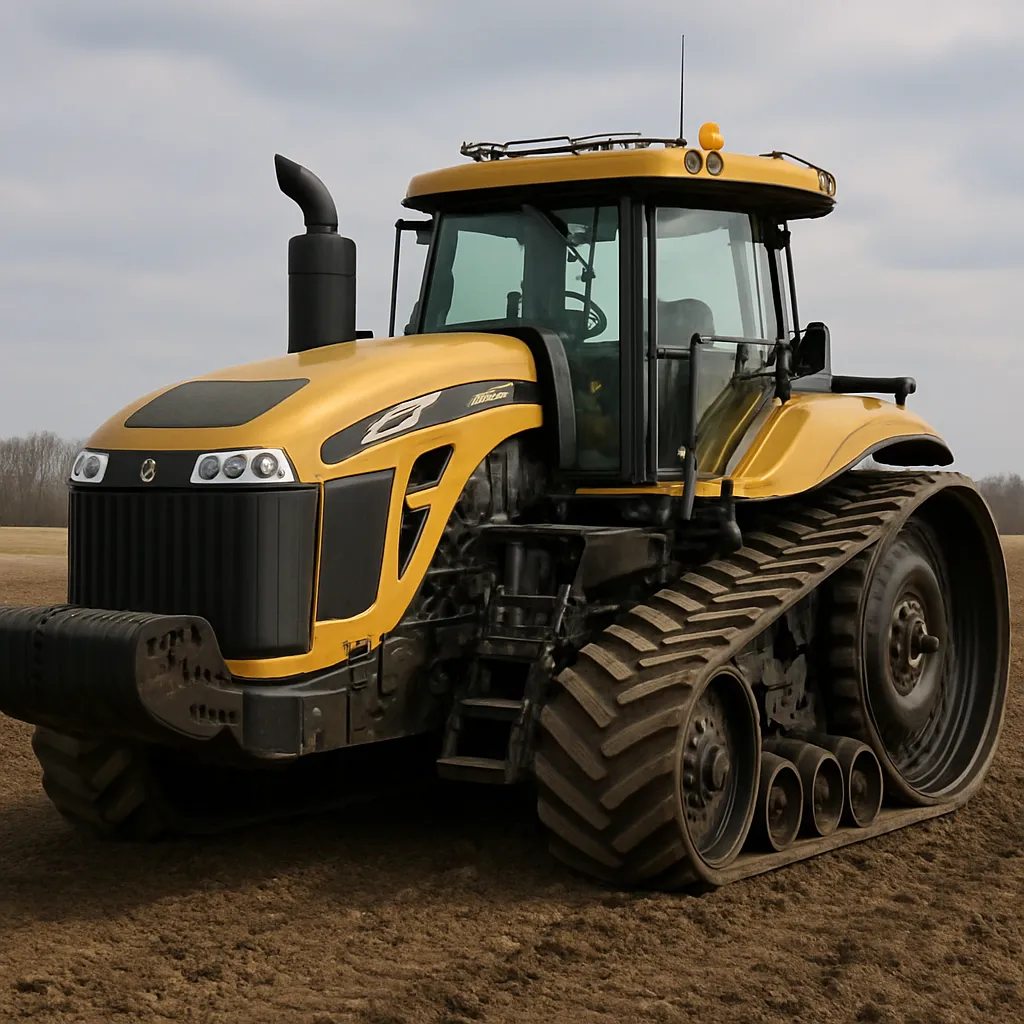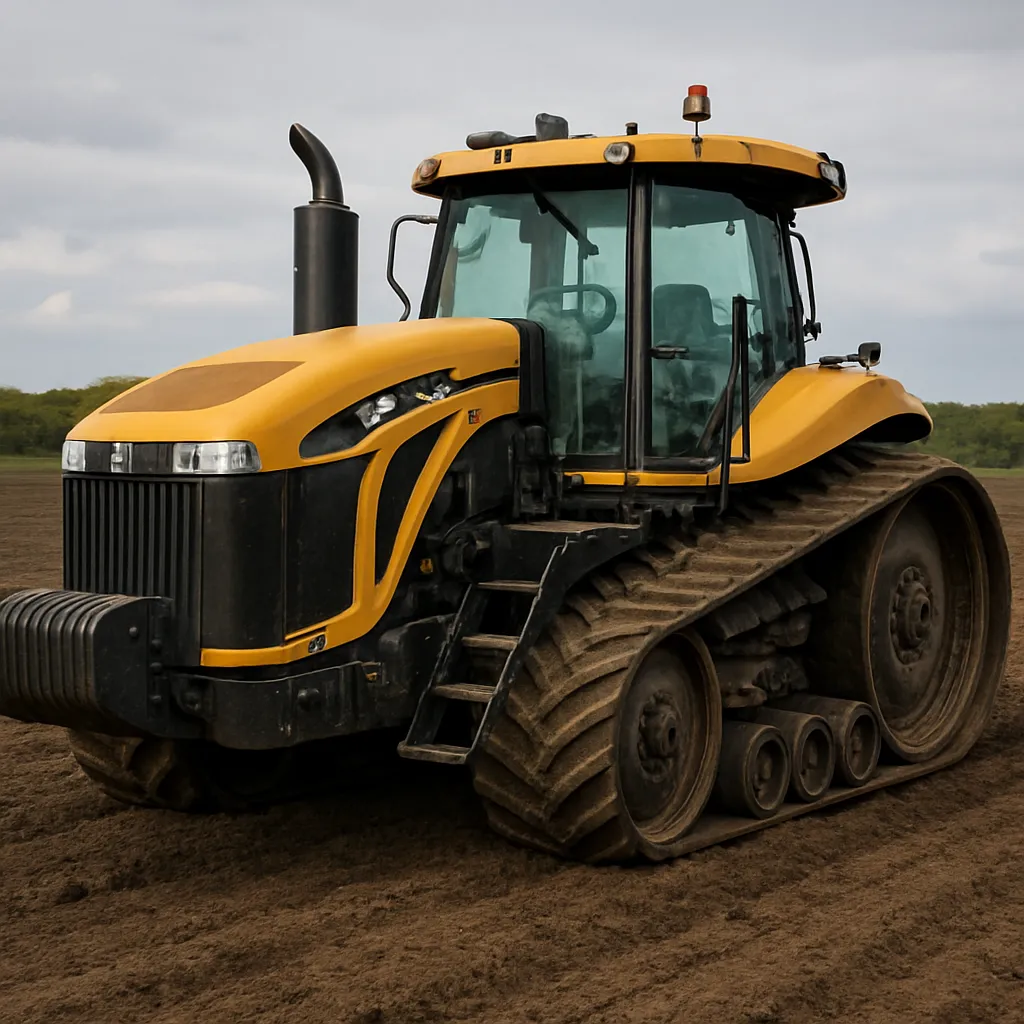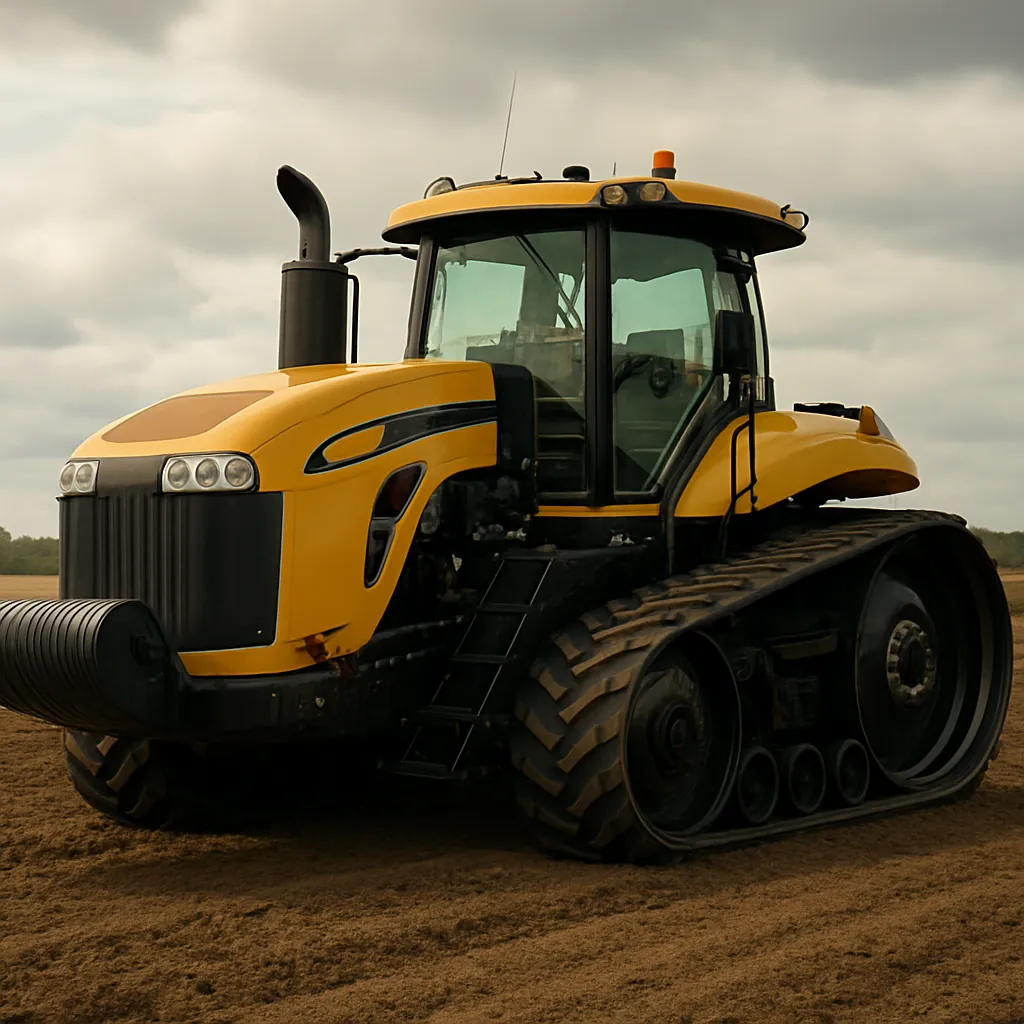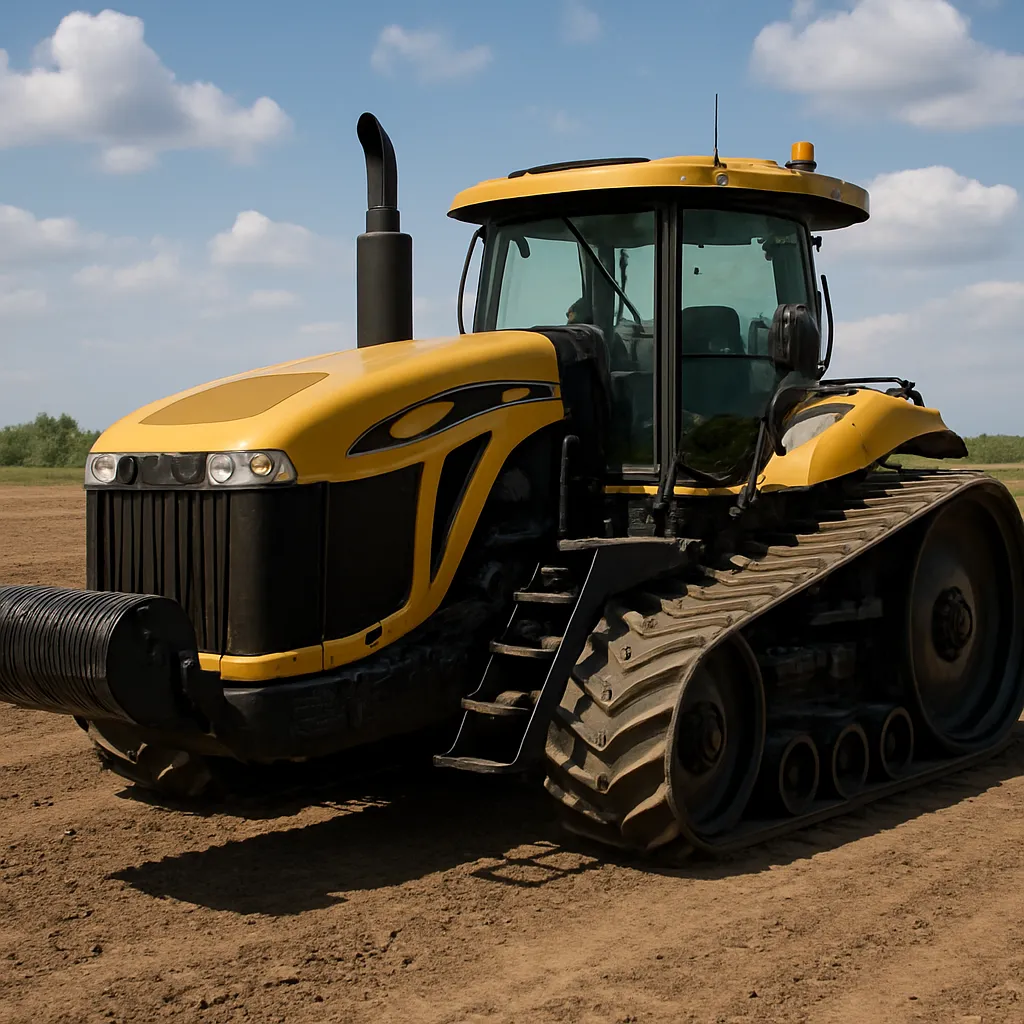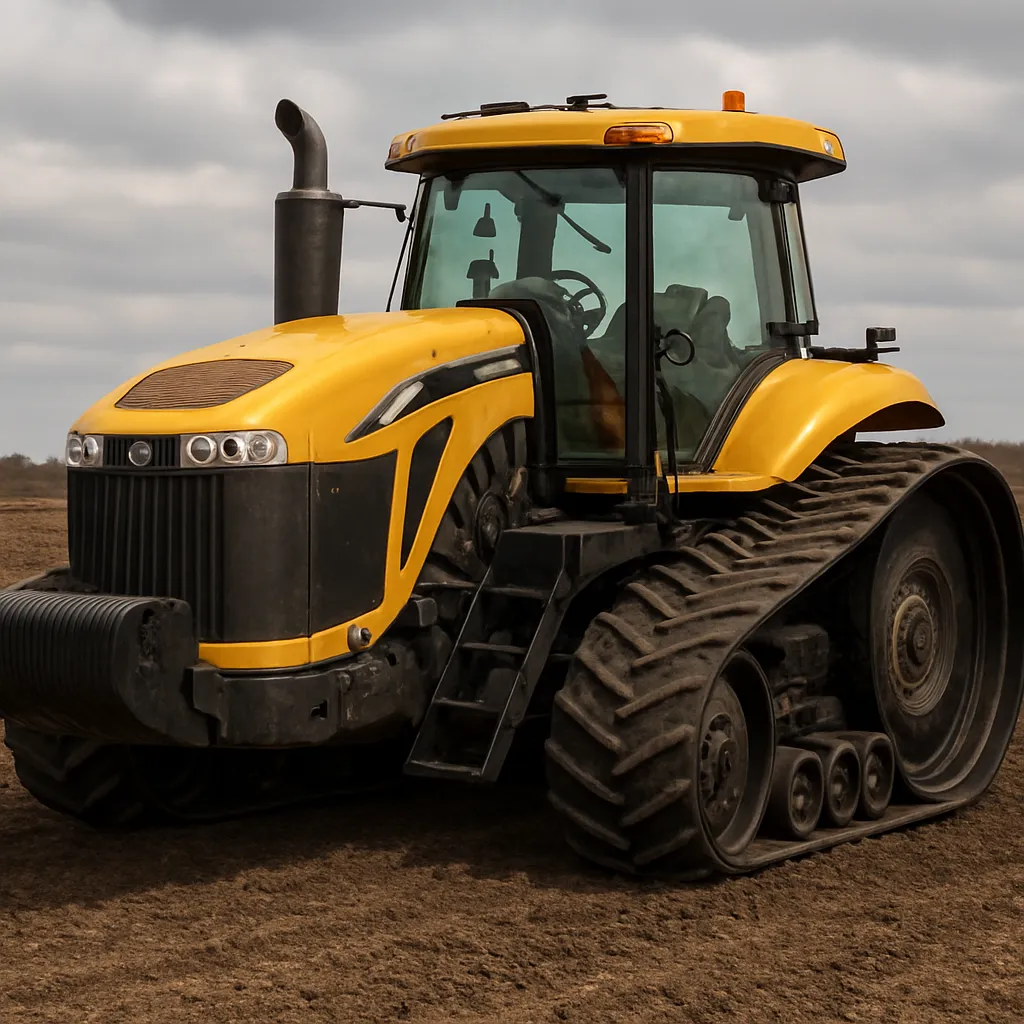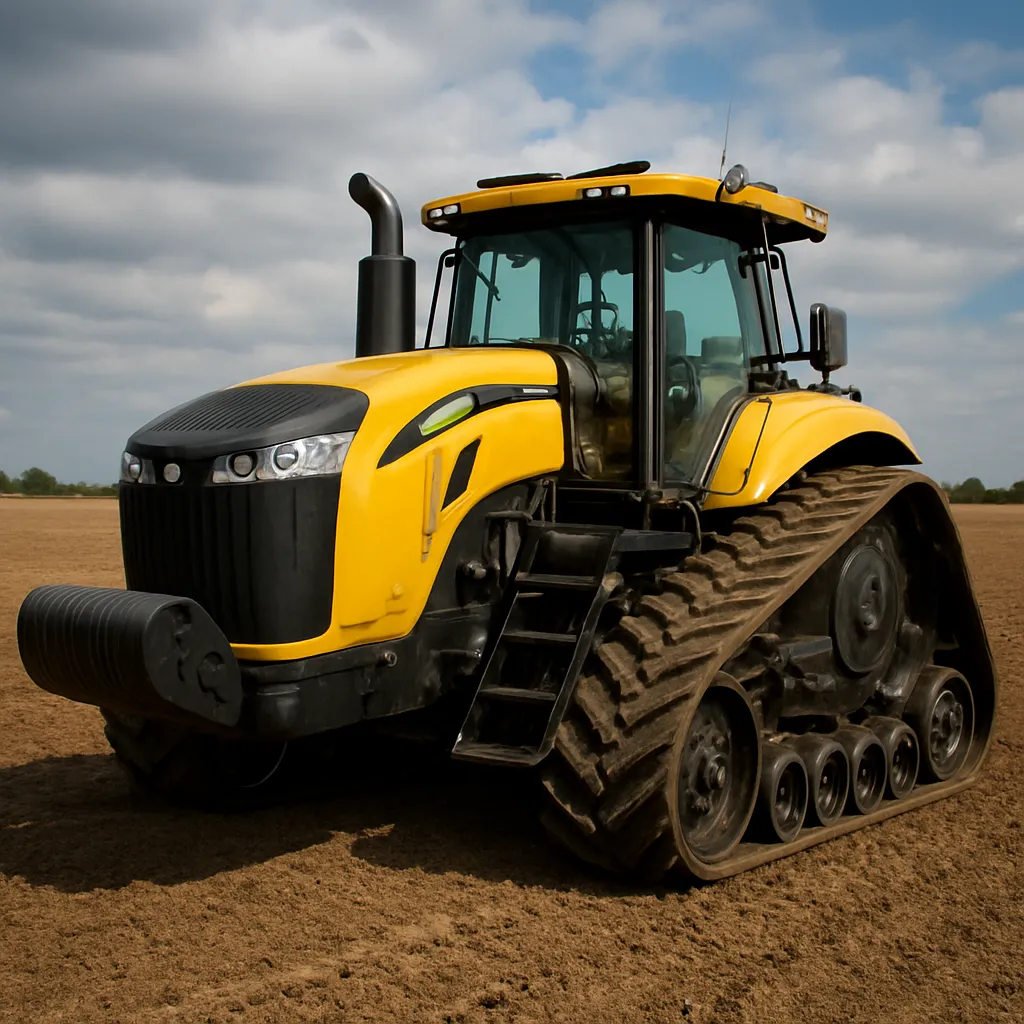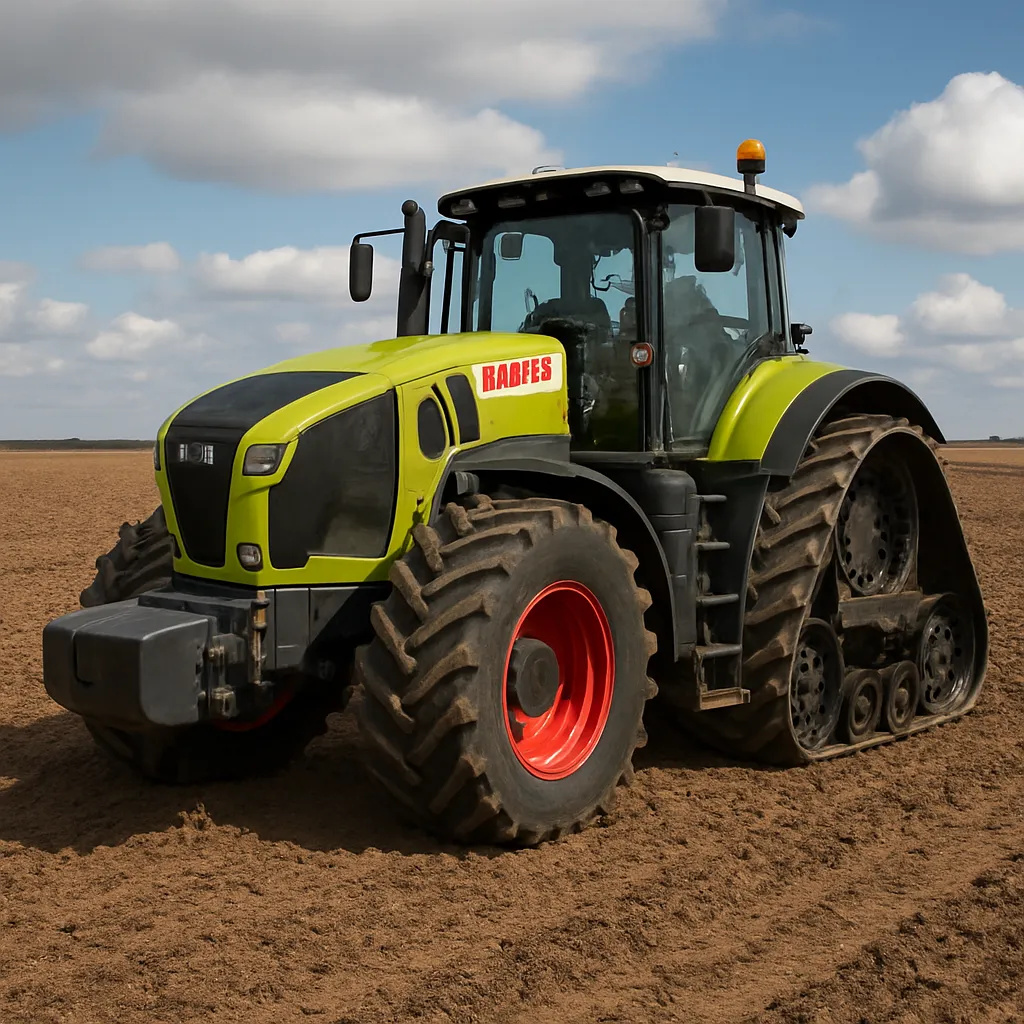
The Claas 950 Terra Trac represents a high-capacity, track-equipped agricultural machine designed to combine raw power with improved field performance. In many large-scale farming operations and contracting businesses, the shift from traditional tires to a tracked undercarriage is considered a strategic move to protect soil, increase pulling power and deliver greater consistency across challenging conditions. This article explores the design, applications, technical features, and operational considerations of the Claas 950 Terra Trac, highlighting why such a machine is an attractive choice for modern agriculture.
Design and Key Features
The Claas 950 Terra Trac is built around the idea of delivering high continuous power while minimizing negative impacts on the soil. The machine pairs a robust powertrain with a low-pressure track system that increases contact area and improves flotation. Key elements of the design aim to balance on-field performance with roadability and operator comfort.
Powertrain and Driveline
At the heart of the 950 is a heavy-duty diesel engine tuned for sustained output and torque. This engine is married to a sophisticated transmission and driveline engineered to handle high drawbar loads while offering smooth speed control for transport and field tasks. The combination optimizes fuel use under load and maintains steady power delivery for large implements.
Track System: Terra Trac
The defining characteristic is the Terra Trac undercarriage. Unlike single rubber tires, the track system spreads the machine’s weight across a larger footprint. This reduces peak soil pressure, improves traction on wet or soft fields, and reduces wheel slip. The track assembly also has been designed for easy adaptations to different widths and to meet transport regulations in many regions.
Cab and Controls
Operator ergonomics and precision control are central to the machine’s effectiveness. The cab typically includes climate control, adjustable seating, and an advanced instrument cluster with touchscreen displays. Integration with precision farming systems (GPS guidance, ISOBUS, telematics) enables automated steering, section control, and implement management, reducing fatigue and improving operational accuracy.
Hydraulics, PTO and Hitch
The hydraulic system provides high flow rates and multiple outlets to operate large modern implements. A robust rear linkage supports significant lift capacities, and the PTO is designed to deliver stable power under variable loads. These systems allow the Claas 950 Terra Trac to drive large seeding, tillage and soil cultivation equipment effectively and reliably.
Applications and Field Performance
The Claas 950 Terra Trac is intended for heavy-duty agricultural tasks where power, traction and soil protection are critical. Typical applications include primary tillage, seedbed preparation, seeding, nutrient application, heavy hauling and contractor work across variable landscapes.
Tillage and Cultivation
When pulling deep plows or multi-row cultivators, the increased traction of tracks reduces slippage and enables more efficient transfer of engine power to the implement. This typically translates into fewer passes to reach a given level of soil work and can improve timing flexibility during narrow weather windows.
Seeding and Light Soil Work
For seeding and precision tasks, the low ground pressure helps maintain seedbed structure by minimizing wheel-induced compaction layers. This can support more uniform emergence and better early root development compared to high-pressure wheel setups, particularly on heavier soils or after wet periods.
Highway and Transport Use
Terra Trac systems are designed to permit reasonable road speeds, enabling the tractor to travel between fields or to a job site without special transport rigs in many cases. Road-legal width configurations and foldable or removable track elements make cross-field mobility practical for large farms and contracting fleets.
Technical Specifications (Typical/Approximate)
Specifications vary by region and configuration. The values below represent typical ranges for tractors in the 950-class with Terrra Trac options; exact figures for a specific machine should be confirmed with Claas or a dealer.
- Engine power: horsepower typically in the range of 300–450 hp (approximate, depending on tuning and local regulations).
- Maximum road speed: up to 40 km/h (models configured for higher transport speeds may differ).
- Drawbar/power take-off capability: designed for continuous high loads; PTO ratings vary by gearbox and engine tune.
- Gross vehicle weight: often in the range of 12–18 metric tons depending on tracks, ballast and options.
- Track ground pressure: significantly reduced versus single tires – often reduced by 30–60% depending on track width and ballast.
- Hydraulic flow: high-flow circuits possibly exceeding 200 L/min in advanced configurations to support multiple implements simultaneously.
- Fuel tank capacity: typically large to support long working days, commonly several hundred liters (250–800 L depending on model fittings).
- Typical operational fuel consumption: very usage-dependent; in heavy drawbar work expect 20–40 L/h as a broad range.
- Track life expectancy: dependent on surface and usage; many operators report thousands of hours (2,000–6,000 h) before major overhauls, with wear patterns influenced by road use vs. field-only use.
Advantages of Tracked Configuration
Shifting to a Terra Trac configuration provides several measurable benefits that impact agronomic outcomes and operating economics.
- Traction: The larger contact patch improves tractive efficiency, enabling the tractor to pull heavier implements with lower slip percentages and higher work rates.
- Compaction: Reduced soil compaction preserves soil structure, root growth capacity and water infiltration, which can positively affect yields over the medium to long term.
- Efficiency: Better traction and reduced slip can lower fuel consumption per hectare in specific operations, especially where traction-limited conditions are common.
- Versatility: Tracks enable operations in wetter windows, giving operators more days in the field and reducing weather-related delays.
- Stability: Increased lateral stability on slopes and when towing heavy loads improves safety and implement control.
Limitations and Considerations
While Terra Trac systems offer many benefits, they also bring trade-offs that should be evaluated carefully by potential buyers.
- Initial capital cost: Track-equipped machines typically carry a premium over comparable wheeled models.
- Maintenance complexity: Tracks introduce additional components—rollers, idlers, tension systems and rubber elements—requiring specialized maintenance and replacement parts.
- On-road wear: Frequent highway use accelerates track wear compared to field-only operation; operators should consider transport patterns when choosing configurations.
- Turning radius and soil marking: Some track systems behave differently in tight turns versus tires and can leave different soil patterns; planning for headland turns and transport can mitigate these effects.
- Service network: Availability of qualified service technicians and spare part logistics for track components should be checked in the operator’s region.
Maintenance, Operational Tips and Economic Considerations
Long-term success with a Claas 950 Terra Trac depends on consistent maintenance practices and operational choices that align with the machine’s strengths.
Preventive Maintenance
Daily inspections should include checking track tension, looking for damaged track pads, inspecting rollers and idlers, and ensuring track drive components are free of debris. Scheduled service intervals for engine, transmission and hydraulics should be followed per manufacturer guidance, and telematics systems can help track hours and maintenance alerts.
Track Care
Keeping the tracks clean, avoiding prolonged operation on abrasive surfaces (concrete or gravel roads) when possible, and ensuring proper tension will extend life. When transport on hard surfaces is unavoidable, consider supplemental wear plates or choose track formulations optimized for mixed-use to reduce replacement frequency.
Operating Strategy
Optimizing field passes—matching ground speed to load, minimizing unnecessary turns and avoiding heavy slip—reduces fuel use and track wear. Use of precision guidance reduces overlap and increases productive hours per hectare, improving return on the tractor’s capital cost.
Return on Investment
The economics depend on farm size, crop value, soil types and how many operational days are gained due to improved traction and lower compaction. Many larger farms and contractors report that the reduced need for secondary passes, improved timing flexibility and lower compaction-related risks often justify the premium cost of tracks over several seasons. Specific ROI calculations should include purchase price difference, expected fuel savings, reduced implement wear, potential yield benefits, and track maintenance costs.
Technology Integration and Safety
The modern Claas 950 Terra Trac integrates advanced on-board systems to enhance productivity and safety. These systems include telematics platforms for real-time monitoring, GPS-based auto-steer and documentation, and interface compatibility with ISOBUS implements. Enhanced safety features often include improved lighting packages, rollover protection systems, and camera-based visibility for surrounding implements and towed equipment.
Precision Farming
Integration with precision agriculture tools allows the tractor to operate as part of a data-driven farm system. Variable-rate applications, section control and field mapping reduce input costs and environmental impact while increasing the accuracy of planting, fertilizing and chemical applications.
Future Developments
Ongoing trends in tractor development include electrification of auxiliary systems, hybrid drivetrains to improve fuel efficiency under cyclic loads, and increasing automation. For high-power tracked machines like the 950 Terra Trac, future upgrades may include improved track materials, adaptive suspension systems for better ride and wear management, and tighter integration with farm management software.
Practical Examples and Use Cases
Large arable farms in northern and central Europe often deploy Terra Trac-equipped tractors for autumn and spring tillage when ploughing windows are narrow and soils can be wet. Contractors specializing in deep tillage or wide seeding use these machines to maintain schedule reliability and to pull very wide implements that would slip excessively with wheeled tractors. In regions with heavy rainfall or clay soils, the advantage of reduced compaction and higher flotation is particularly valuable.
- Example: A large cereal farm using a tracked 950-class machine reports fewer stuck sessions per season, enabling quicker completion of primary tillage across 2,000+ hectares.
- Example: Contractors using tracked configurations complete wider passes with less fuel per hectare when conditions approach traction-limited thresholds.
Summary
The Claas 950 Terra Trac is designed to address the demands of large-scale, high-intensity agricultural work by combining substantial engine output with a low-pressure track system. The primary benefits are increased traction, reduced soil compaction, and greater operational efficiency, especially in challenging field conditions. Potential buyers should weigh the higher acquisition cost and specialized maintenance against operational gains, and factor in local service support and typical transport patterns. Integration with modern precision technology enhances the machine’s value by improving accuracy and simplifying management. For farms and contractors requiring dependable, high-output performance with improved field protection, the Claas 950 Terra Trac represents a compelling solution that aligns with contemporary demands in professional agriculture.