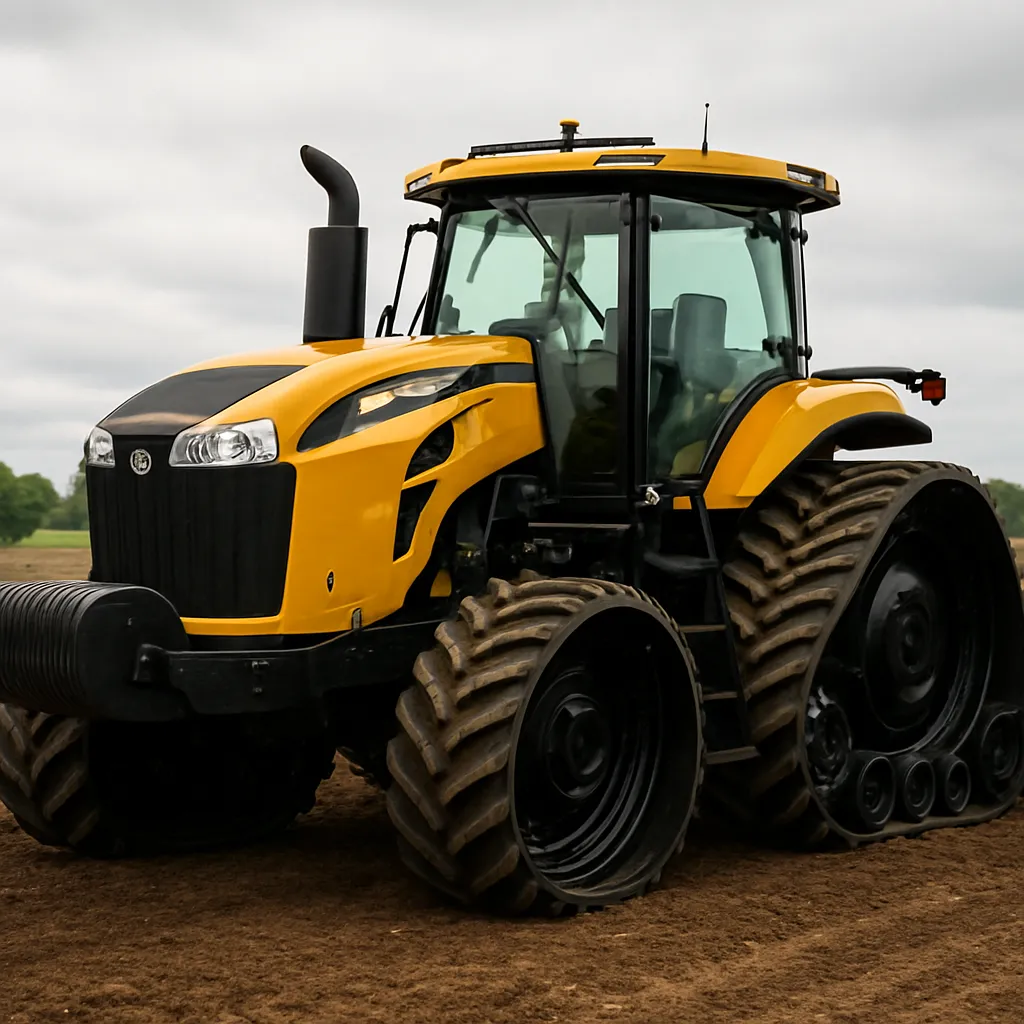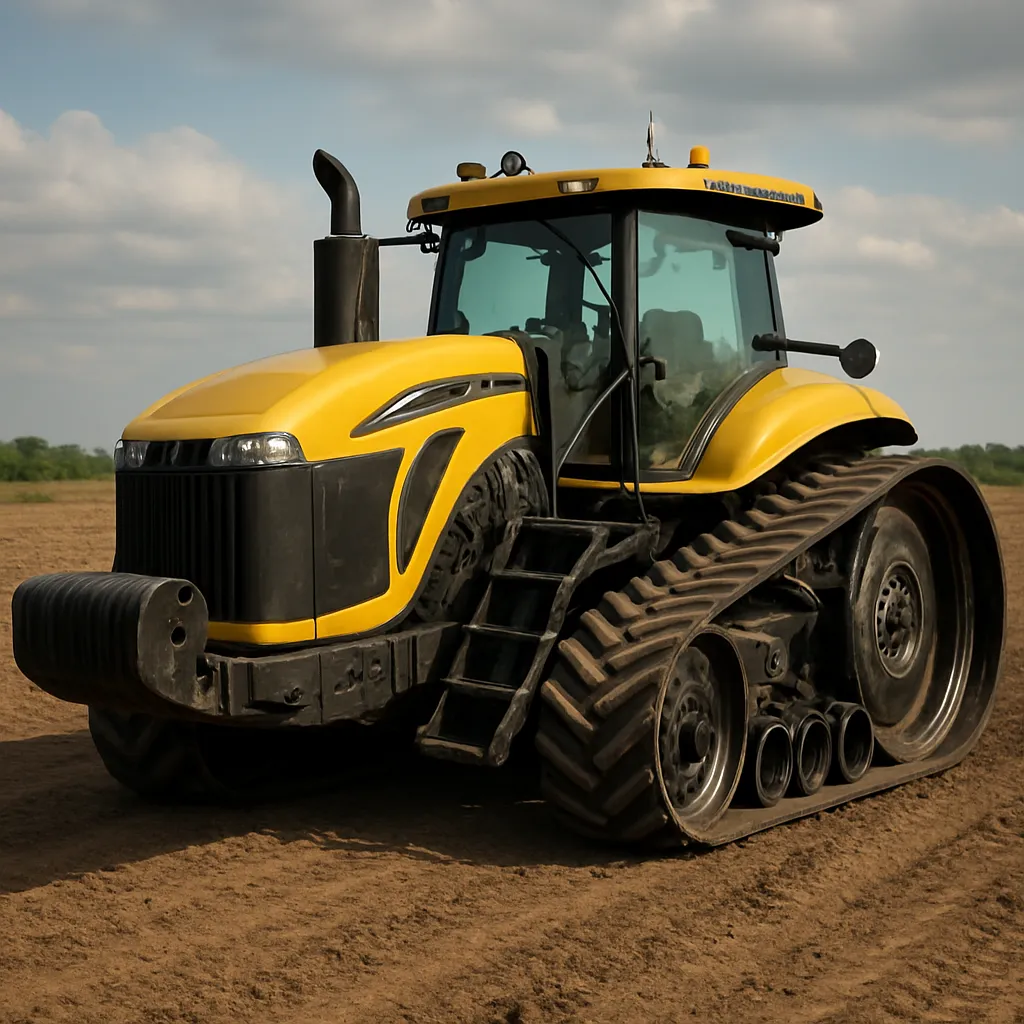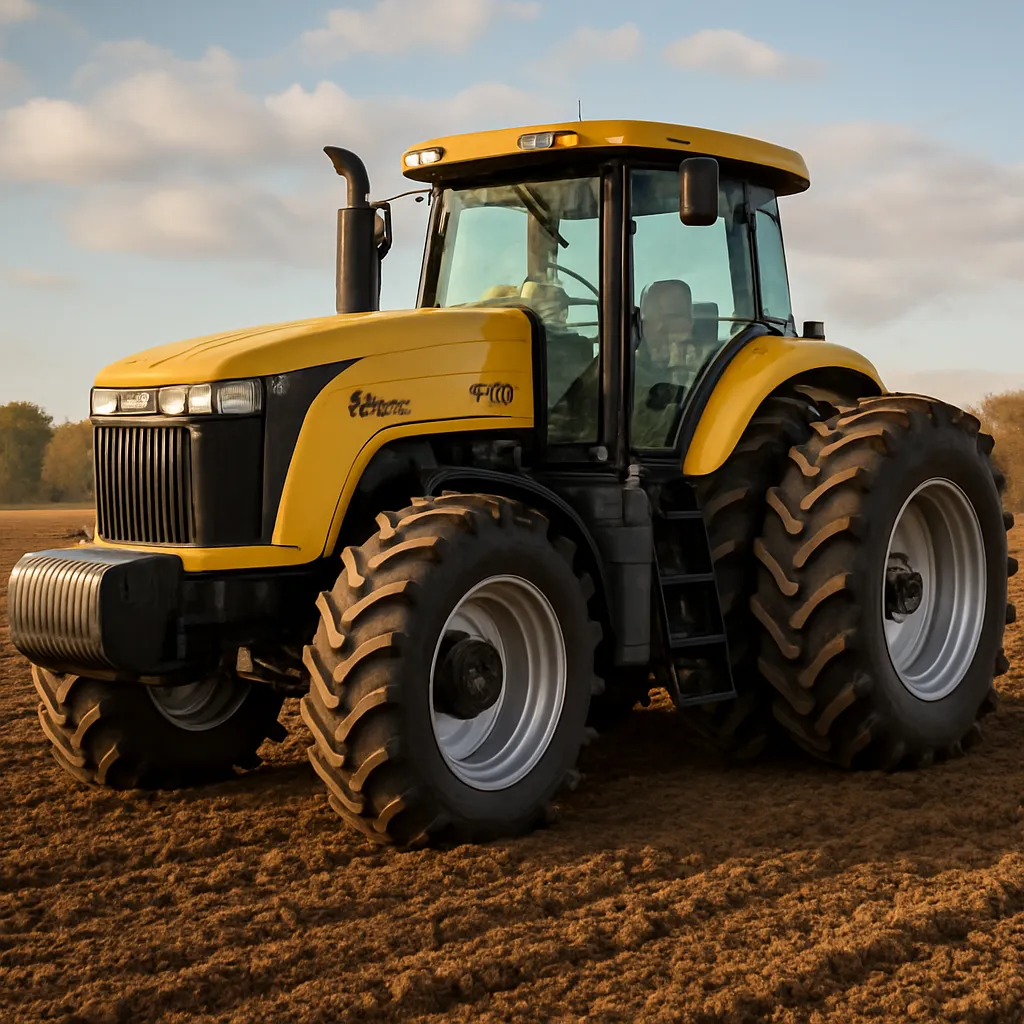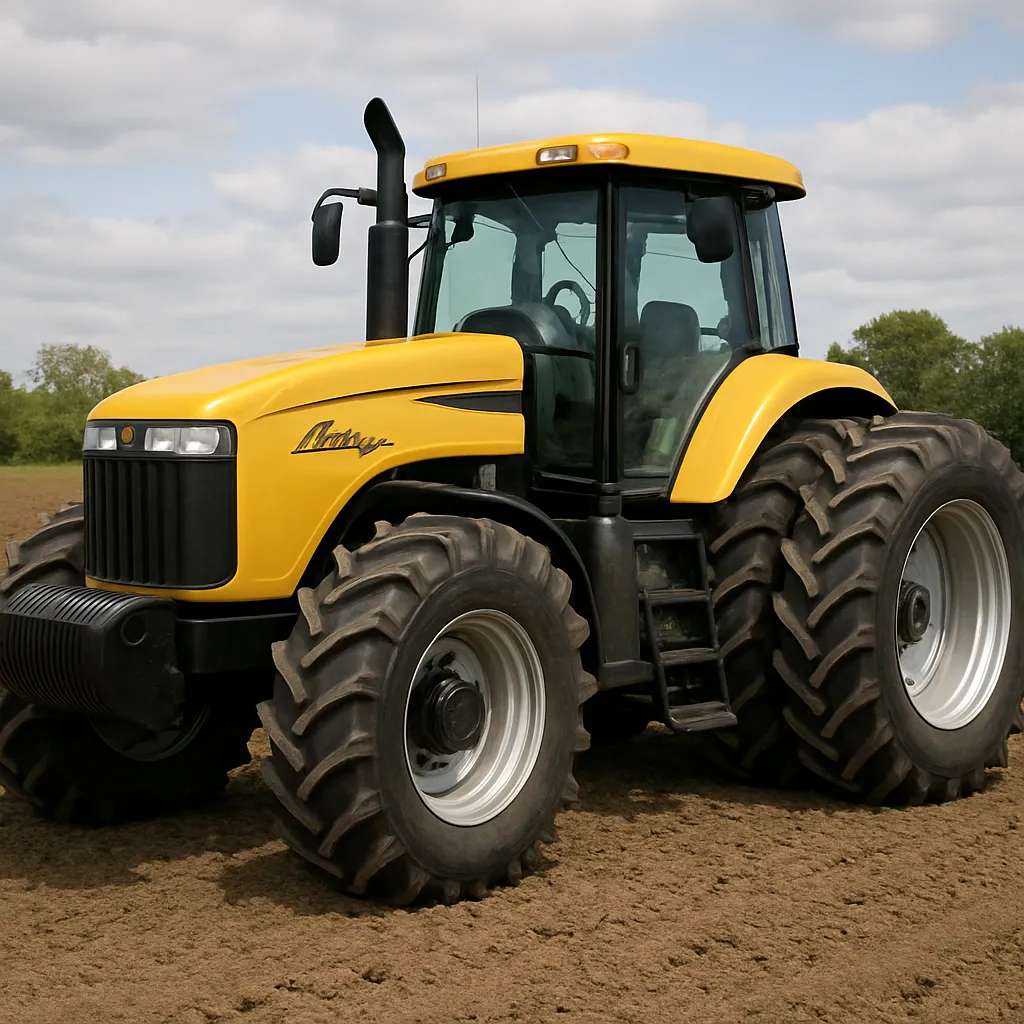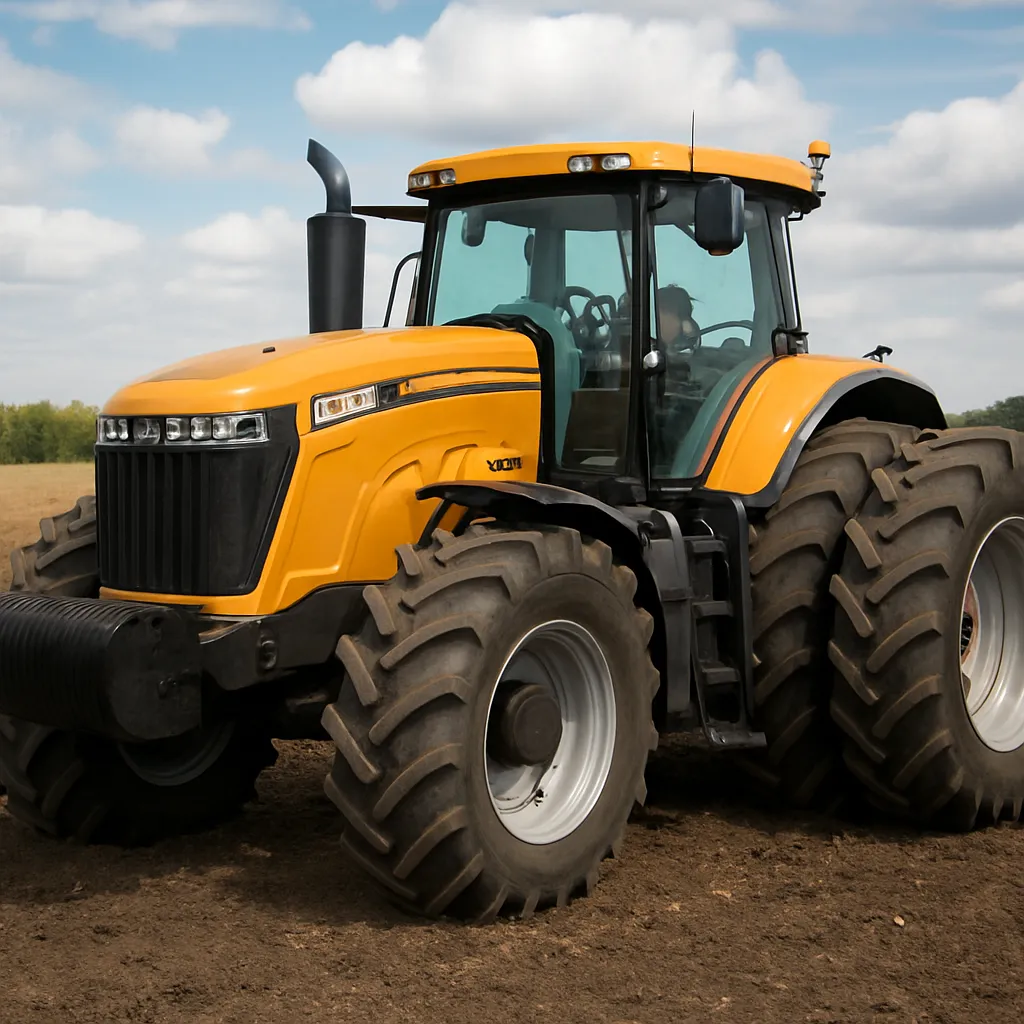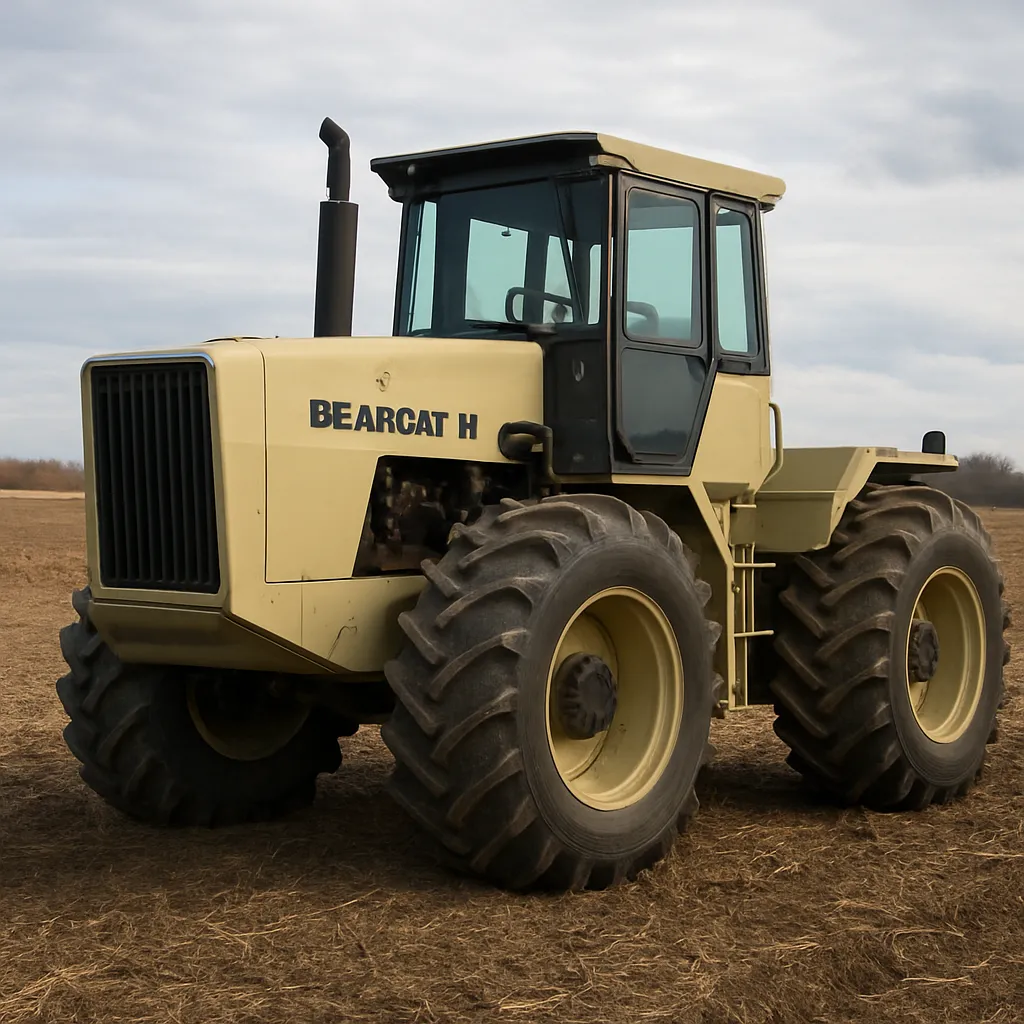
The Steiger Bearcat III is a notable member of the heavy articulated tractor family that has found its place on large farms, in specialty tillage operations, and in demanding off-road tasks. Combining robust mechanical design with practical versatility, the Bearcat III exemplifies traits growers and contractors look for when they need reliable high-horsepower traction and towing capability across varied soil types and weather conditions. This article explores the model’s background, engineering characteristics, practical applications, maintenance considerations, and market presence, offering both general specifications and operational context.
Background and development
The Steiger name is synonymous with large, articulated four-wheel-drive tractors that emerged from the American Midwest in the latter half of the 20th century. Although the brand’s ownership and corporate structure changed over time, the engineering focus remained consistent: deliver maximum traction, durability, and ease of service for large-scale agriculture and demanding commercial tasks. The Bearcat series was introduced as part of this lineage to address needs for a medium-to-large frame tractor capable of both fieldwork and heavy draft applications.
The Bearcat III represents an evolution within the Bearcat lineup, emphasizing improved operator comfort, refined drivetrain options, and expanded implement compatibility. Throughout its life cycle the model was offered in a variety of configurations—different final drives, tire and track options, and multiple transmission choices—so the Bearcat III could be tailored to specific farm sizes, soil types, and implements. The model became especially attractive to operators who required a balance between raw traction and maneuverability without moving to the very largest class of four-wheel-drive machines.
Over time, improvements in emissions control, fuel efficiency, and ergonomics were integrated into later Bearcat III examples, reflecting broader trends in agricultural machinery design. While exact production details vary by market and year, the general reputation of the Bearcat III has been for heavy-duty reliability and straightforward mechanical systems that simplify field repairs.
Design and technical features
The Bearcat III follows the classic articulated 4WD layout: two rigid front and rear frames connected by a central articulation joint, allowing the tractor to turn with a smaller turning radius while maintaining continuous traction across all four wheels. This architecture contributes to the model’s consistent performance on hills, in soft soils, and across uneven terrain.
Powertrain and engine
- Engine type: The Bearcat III is typically powered by a high-displacement diesel engine designed for torque at low rpm, optimizing drawbar and PTO performance. Manufacturers and restorers commonly note inline six-cylinder diesel units tuned for sustained pulling power.
- Horsepower range: Depending on configuration and market, typical examples fall into the medium-high horsepower band suitable for large implements and drafting—commonly in the range of several hundred horsepower. This makes the Bearcat III appropriate for large cultivators, air seeders, and primary tillage tools.
- Cooling and air systems: Heavy-duty cooling packages and robust air filtration systems are standard to ensure reliability in dusty or hot conditions.
Transmission and driveline
- Transmission options: The Bearcat III was offered with multiple transmission choices over its production life, including power-shift gearboxes that facilitate on-the-move shifting and mechanical transmissions for simplicity and serviceability.
- Four-wheel drive articulation: The articulated frame improves traction distribution and reduces wheel slip compared with two-wheel drive tractors of similar power.
- PTO and hydraulics: Standard PTO provisions (540/1000 rpm options depending on configuration) and high-capacity hydraulic systems allow the Bearcat III to drive large implements and power-demanding accessories.
Chassis, tires, and undercarriage
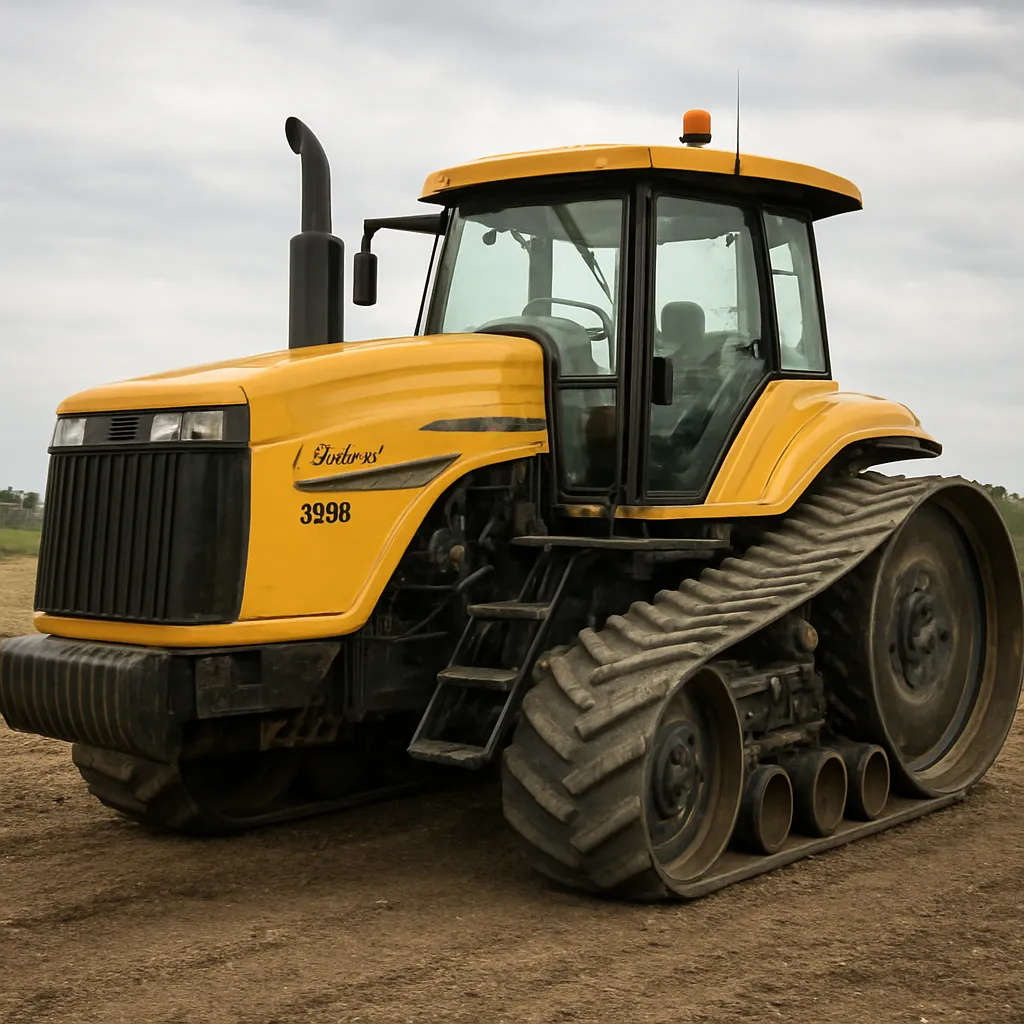
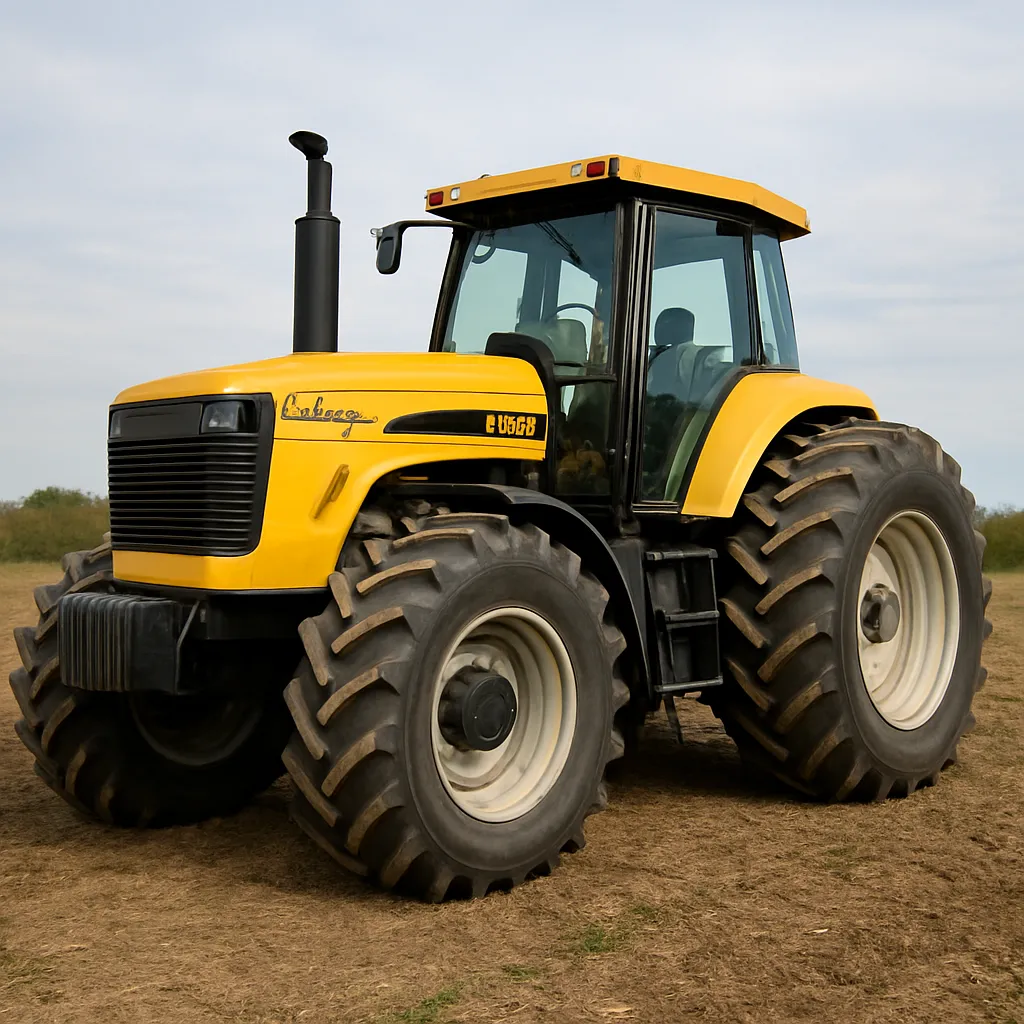
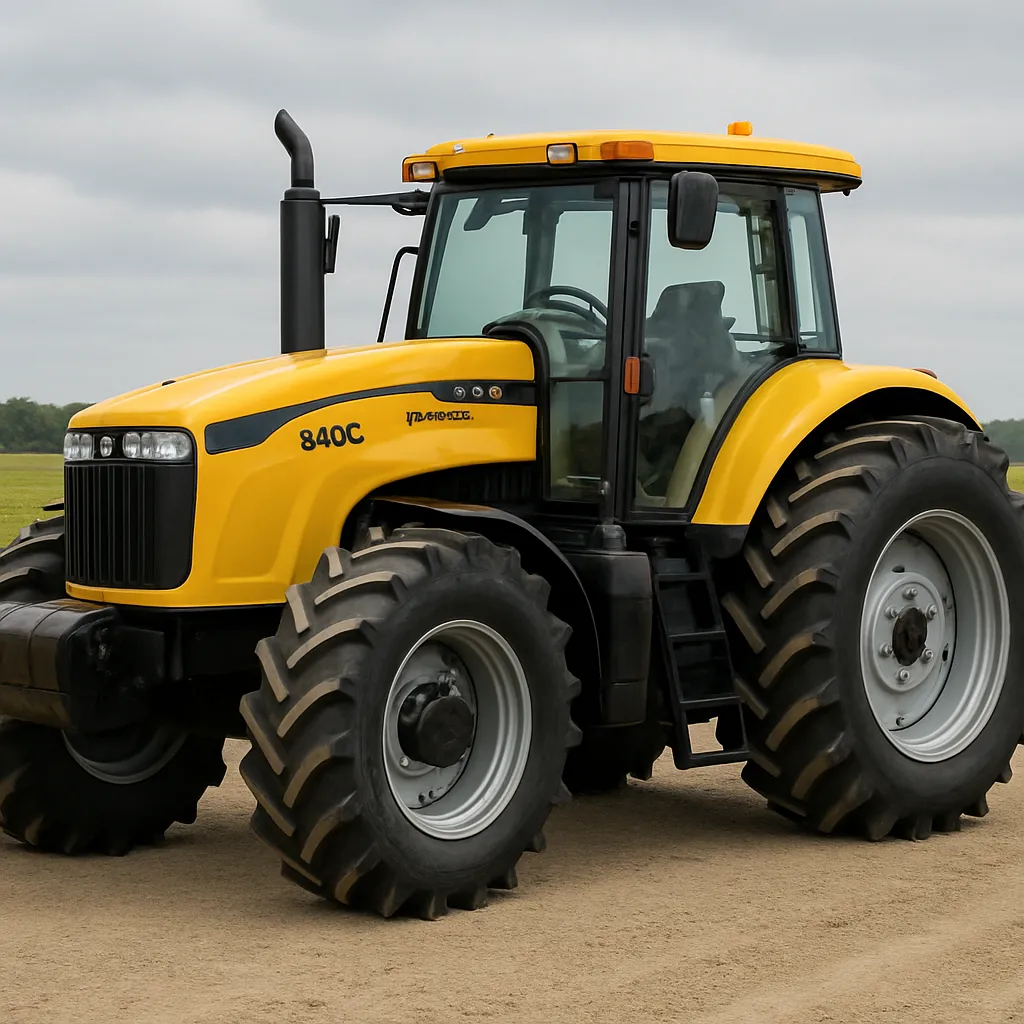
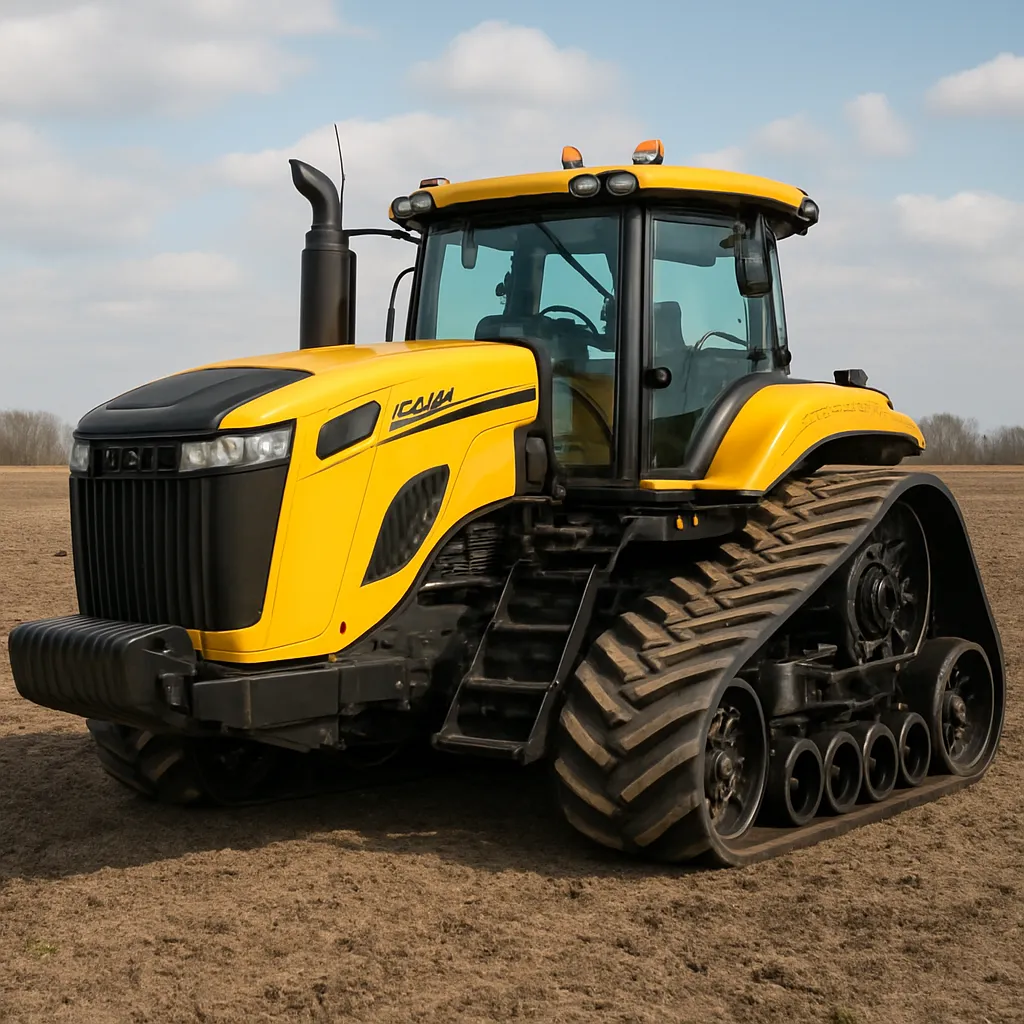
The Bearcat III can be equipped with a wide range of tire sizes or even track systems for lower ground pressure. Large flotation tires improve performance in soft soils, while tracks reduce compaction further and broaden the operational window during wet seasons. The heavy-duty final drives are engineered to handle high torque loads and are serviceable in the field.
Operator environment
Later Bearcat III tractors emphasize operator comfort with more ergonomic controls, improved seating, and better sound insulation. Visibility from the cab is optimized for implement monitoring, and controls are arranged to reduce operator fatigue during long working days. Ease of access for daily checks—fuel, oil, and coolant—was also a priority in the design, reducing service time and downtime.
Durability, traction, and serviceability are three of the most frequently cited attributes of the Bearcat III in operator reviews and technical evaluations.
Applications and practical uses
The Steiger Bearcat III was designed for tasks where continuous high traction and robust draft capacity are essential. Typical applications include:
- Primary tillage with large plows and chisels
- Seeding and planting with heavy seeders and air drill systems
- Large-scale tillage passes for soil preparation on broad-acre farms
- Pulling heavy field cultivators and harrows in mixed soil conditions
- Contracting work that requires dependable performance across varied jobs and terrains
Contractors and growers value the Bearcat III in regions where long field passes and high draft requirements exist—such as the U.S. Great Plains, Canadian Prairies, and other large-field agricultural zones around the world. The ability to pair high-power draw with stable traction makes the machine ideal for operators managing hundreds to thousands of hectares.
Specialized roles
Beyond mainstream agriculture, the Bearcat III has also been adapted for:
- Forestry road building and biomass operations where traction and horsepower are required to tow heavy loads and operate winches or chippers
- Snow removal and municipal heavy-duty towing in rural or remote areas
- Ground preparation for large construction projects in agricultural or mixed-use landscapes
Its versatility has allowed some operators to maintain a single tractor for multiple seasonal tasks, improving fleet utilization and return on investment.
Maintenance, reliability, and operating costs
One of the key reasons for the Bearcat III’s longevity in many fleets is its straightforward mechanical design. When compared to highly computerized modern tractors, older Bearcat III units are typically easier to diagnose and repair with standard tools. This contributes to lower downtime and the potential for owner-operator maintenance.
- Routine maintenance: Regular oil and filter changes, final drive inspections, hydraulic fluid checks, and engine tune-ups are standard preventive measures.
- Common wear items: Tires or tracks, implement mounting points, articulation bushings, and hydraulic seals are components that receive frequent attention, especially under heavy seasonal workloads.
- Fuel consumption: As a high-displacement diesel tractor designed for torque, the Bearcat III’s fuel burn is significant under heavy loads. Effective field planning and matching implement width to tractor power can improve fuel efficiency.
For many owners, the balance between initial purchase cost and long-term serviceability makes the Bearcat III an economical choice, particularly where local dealerships or independent mechanics have familiarity with the platform.
Market and resale considerations
In the used equipment market, the value of a Bearcat III depends on several factors:
- Hours of operation and maintenance history
- Engine and transmission condition
- Implement compatibility and any included attachments
- Tire or track condition and the presence of upgrades
- Local demand for high-traction articulated tractors
Because the Bearcat III is a workhorse rather than a high-tech showcase, many buyers focus on structural soundness and service records. Finding well-maintained examples can yield a durable machine capable of several more seasons of heavy work when refurbished.
Operators often compare the Bearcat III with other articulated 4WD tractors and heavy wheeled tractors. The decision typically hinges on implement match, operating environment (wet vs. dry soils), and whether the buyer prefers tracks for reduced compaction or tires for lower purchase and maintenance costs.
Statistical data and typical specifications
Exact factory specifications for the Bearcat III vary by model year and regional configuration. However, several characteristic figures are commonly associated with the class and configuration of this tractor family. These values should be treated as representative ranges rather than precise measurements for every machine:
- Engine displacement: Generally in the medium-to-large diesel range, suitable for sustained low-end torque production.
- Rated horsepower: Many configurations fall into a band that supports large primary tillage implements—often several hundred horsepower at the crank. Typical operational ranges meet the needs of broad-acre seeding and heavy draft work.
- Weight: Unladen operating weight commonly ranges in the heavier tractor category; wheel or track configuration has a significant effect on the final weight and ground pressure.
- Drawbar pull: Engineered for substantial drawbar pull to handle heavy plows and deep cultivation passes.
- Hydraulic flow: High-capacity hydraulic systems are standard to power large implements and multiple auxiliary functions.
For potential buyers and fleet managers: when assessing a specific Bearcat III, request the manufacturer plate and build sheet or consult a knowledgeable dealer to obtain exact values for engine model, horsepower rating, transmission type, final drive ratio, and hydraulic flow. These parameters determine the ideal implements and maximum working efficiency.
Operational advice and best practices
To get the most from a Bearcat III and extend service life, operators should consider the following best practices:
- Match implement width and draft requirements to the tractor’s rated capacity; oversizing can dramatically increase fuel consumption and wear.
- Use appropriate tires or tracks for soil and weather conditions to limit compaction and slippage.
- Maintain a strict preventive maintenance schedule, focusing on final drives, articulation bushings, and hydraulic systems.
- When possible, store the tractor in covered facilities to reduce corrosion and exposure-related wear.
- Keep a record of fuel burn, hours, and service events to track trends that can indicate developing issues before they become costly failures.
Adopting these practices helps protect the asset value and ensures consistent field performance, especially during peak season when downtime carries the highest cost.
Legacy, community, and parts support
The Bearcat III benefits from a community of enthusiasts, independent mechanics, and dealers who specialize in articulated tractors. This community can be an invaluable resource for troubleshooting, sourcing spare parts, and advice on modifications or upgrades. Many parts—especially mechanical components like filters, seals, and drive elements—remain serviceable or have compatible modern equivalents.
Owners often retain or retrofit older machines with updated controls, improved seating, or auxiliary electrics to extend utility. Because the platform emphasizes mechanical robustness over complex electronics, the Bearcat III lends itself to such pragmatic modernization without requiring factory-level support.
In summary, the Steiger Bearcat III represents a balanced proposition for operators who need dependable traction, strong draft capacity, and mechanical simplicity. Whether used in broad-acre grain farming, contract tillage operations, or specialized off-road tasks, the Bearcat III continues to be valued where straightforward power and serviceability are primary concerns. Its place in the market persists through practical design choices and a supportive community of users and technicians who keep these tractors working season after season.