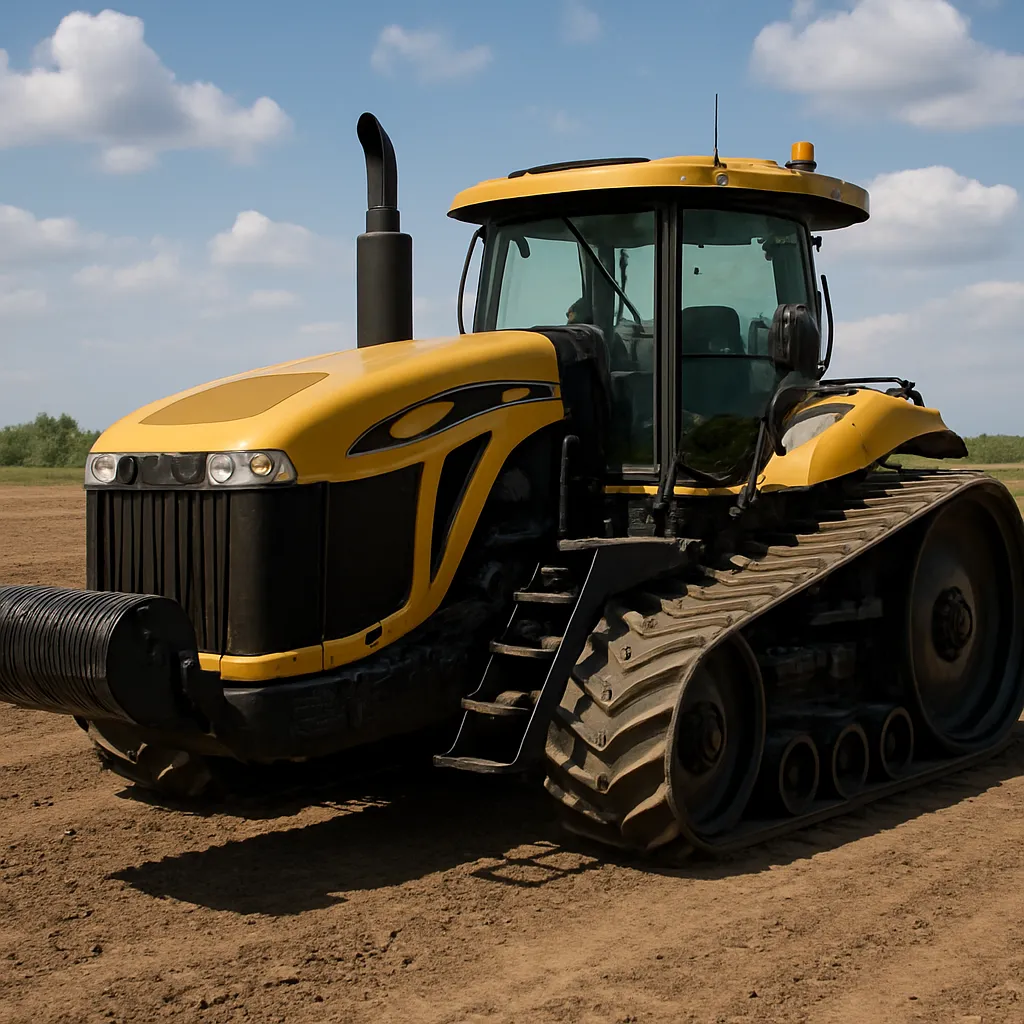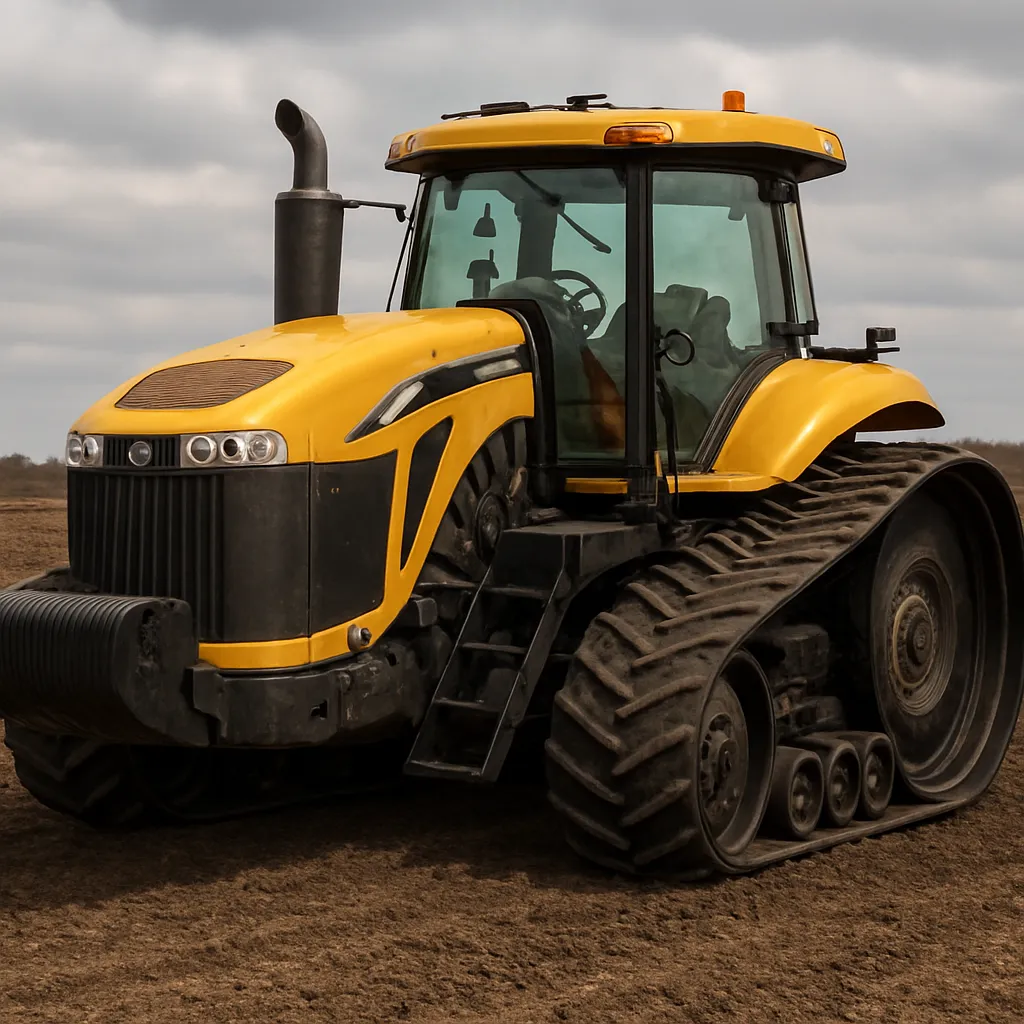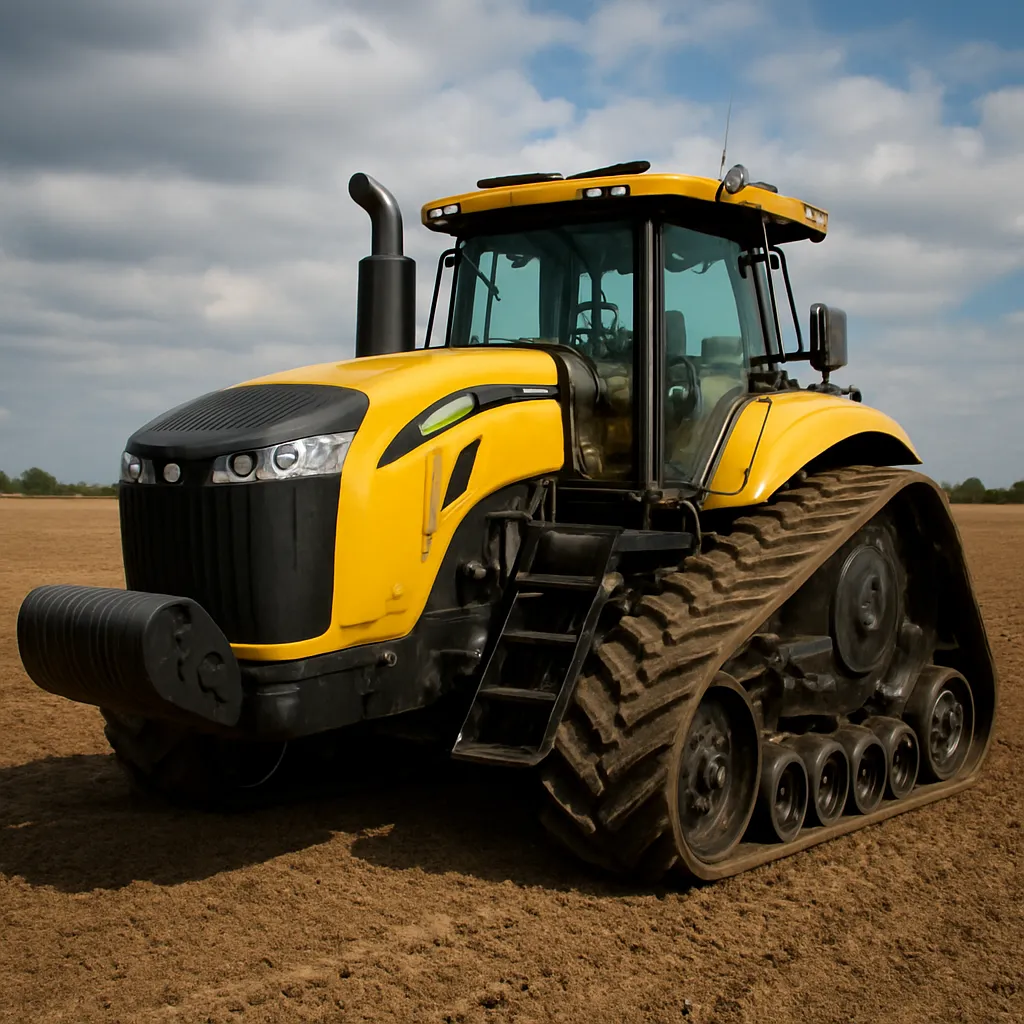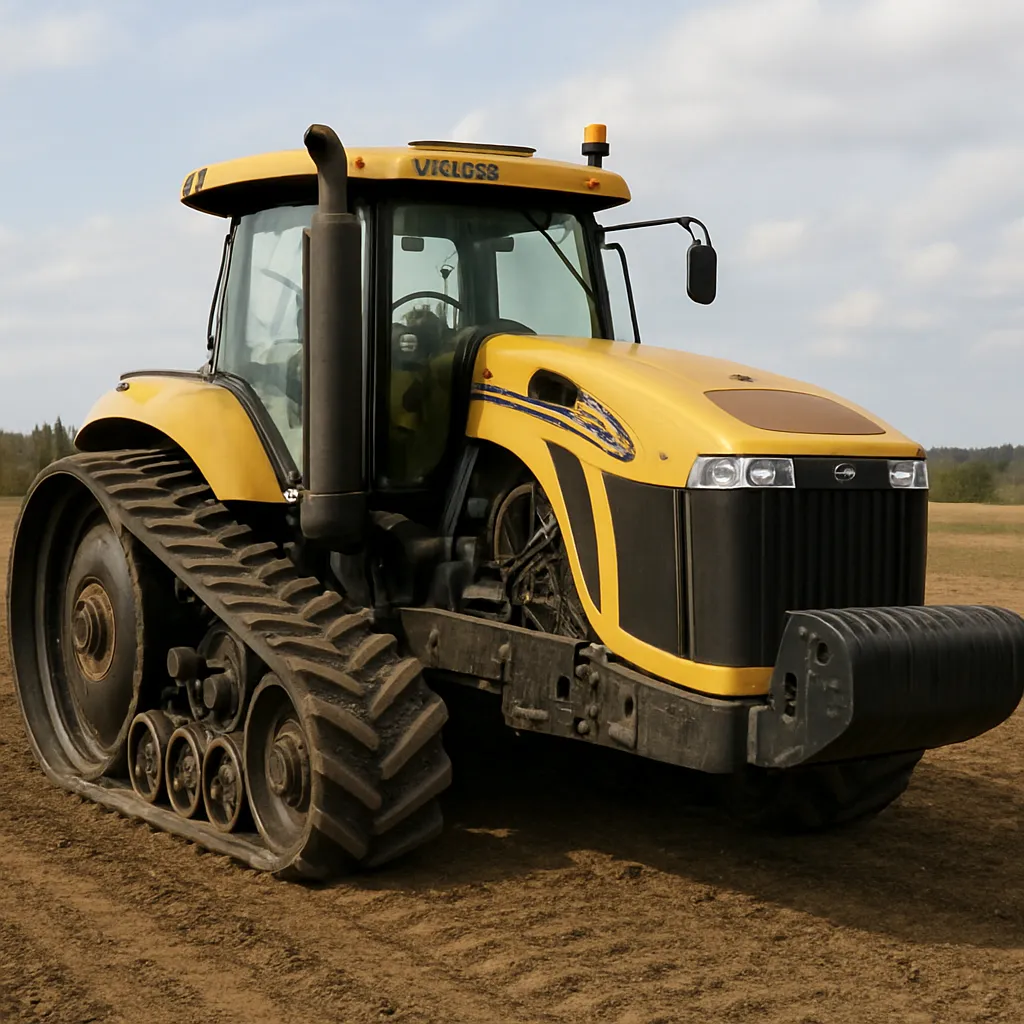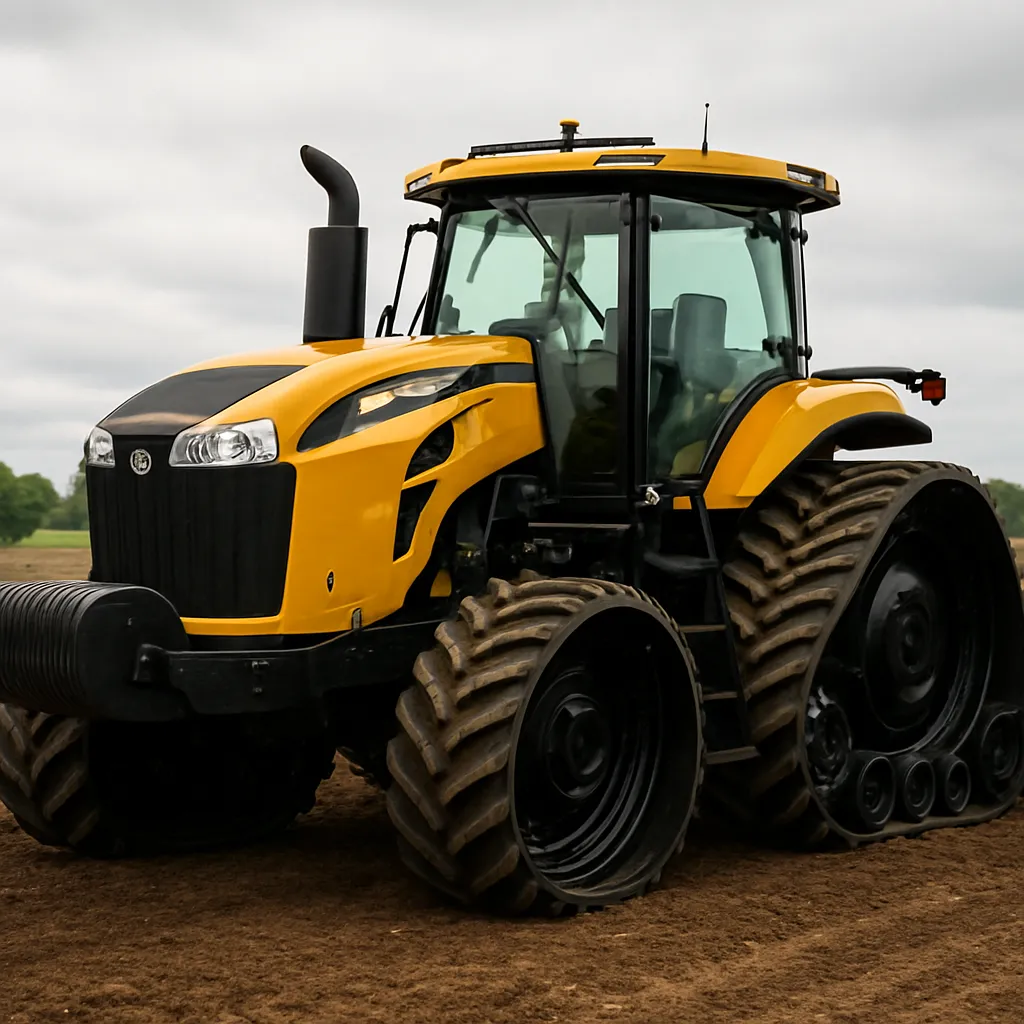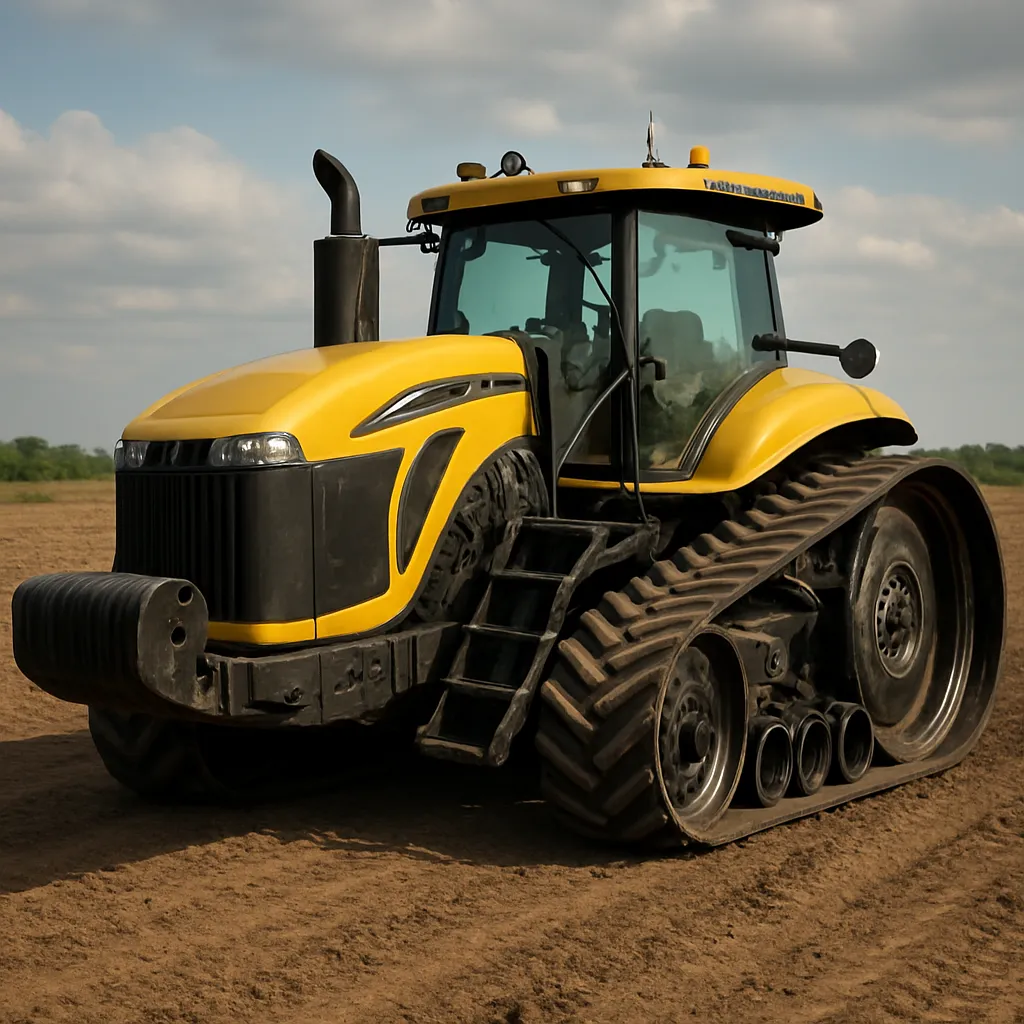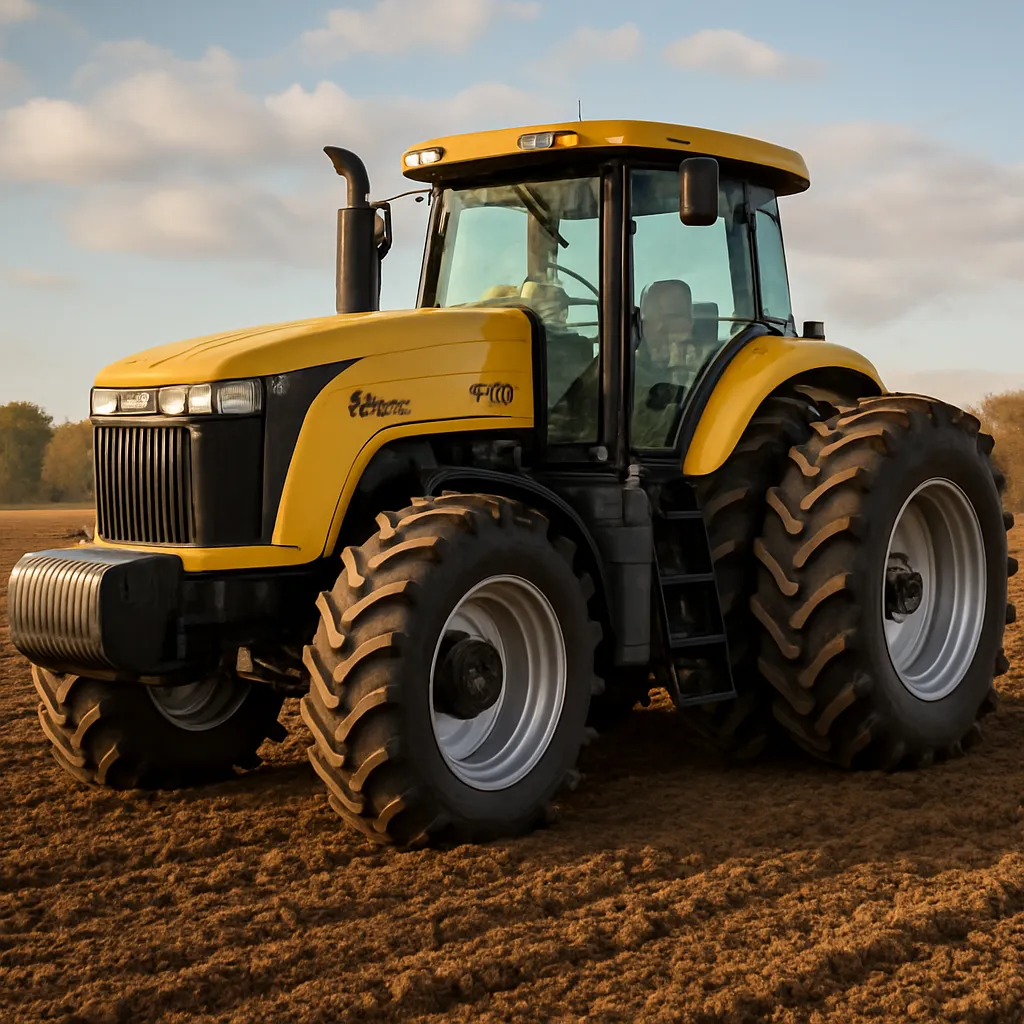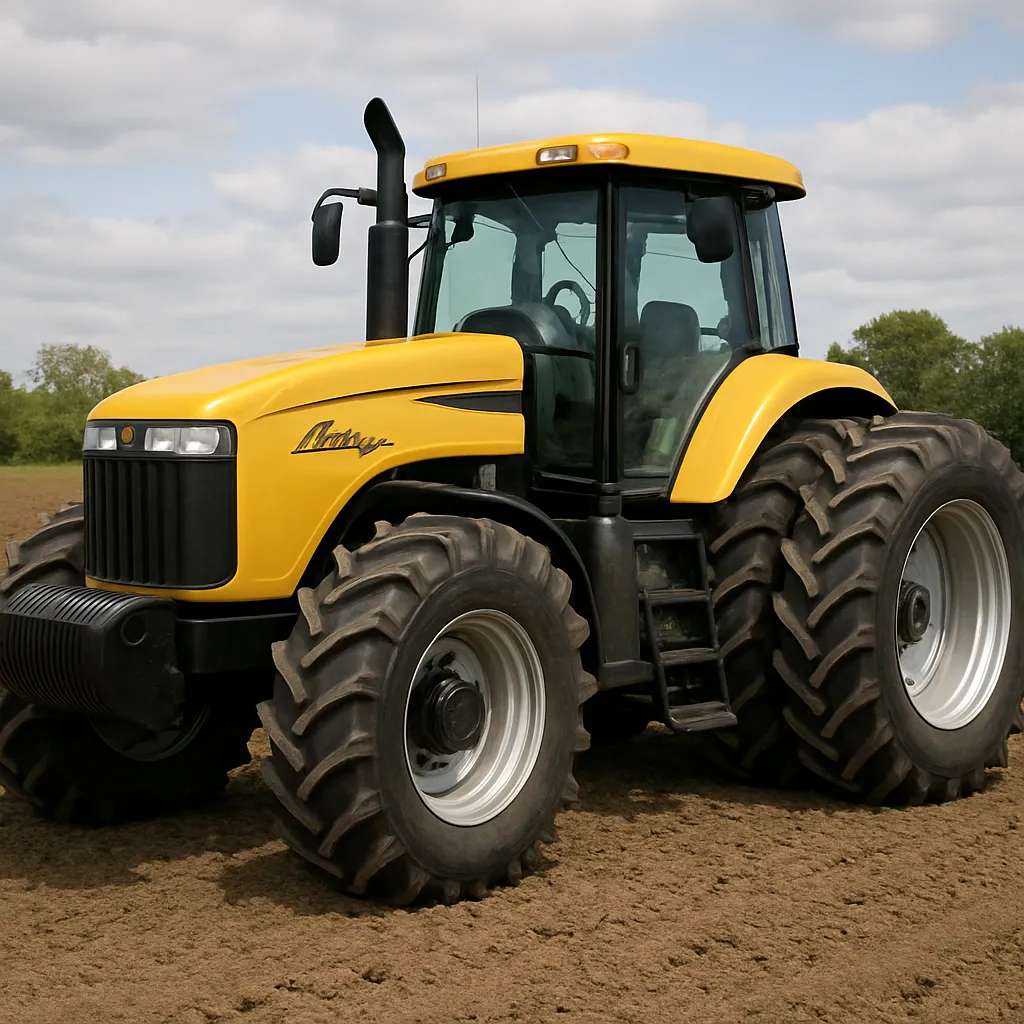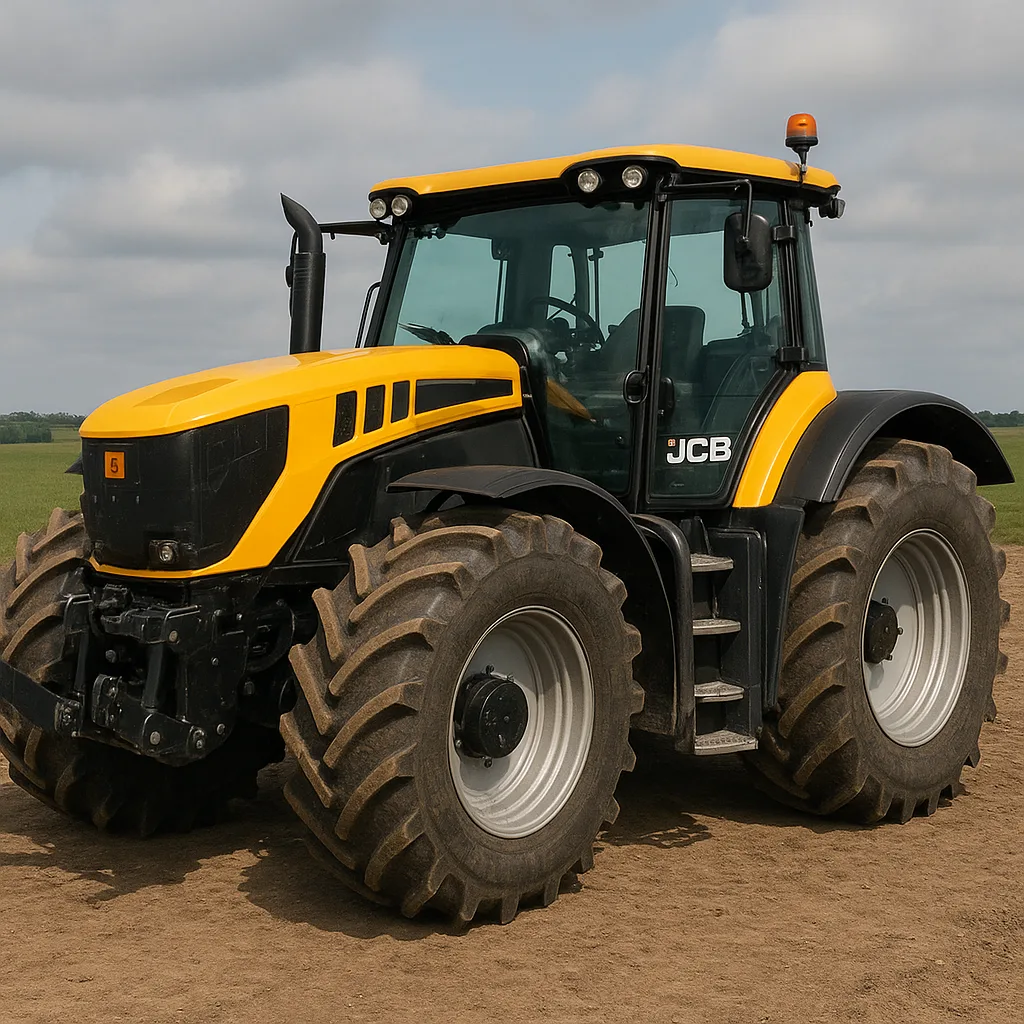
The JCB Fastrac 3200 XTRA represents a blend of agricultural versatility and on-road practicality designed to meet the needs of modern farms and contract operators. This article explores the tractor’s design philosophy, typical technical characteristics, real-world applications, operational advantages, and relevant economic considerations. Throughout the text, key terms are emphasized to help you quickly identify the most important features and capabilities.
Overview and design philosophy
The JCB Fastrac family has long been distinguished by its focus on combining true field performance with exceptional on-road speed and comfort. The Fastrac 3200 XTRA continues this lineage, delivering a platform intended for mixed-farming operations, high-mileage contractors, and enterprises that value rapid transport between sites as much as in-field productivity. Unlike conventional tractors that prioritize traction and heavy-draft capabilities alone, the Fastrac line places strong emphasis on balanced performance: robust agricultural capability plus the ability to travel quickly and comfortably on public roads.
At the heart of this concept is a chassis and drivetrain engineered for higher transport speeds, together with a cab and suspension designed to reduce operator fatigue. The Fastrac 3200 XTRA generally targets operators who need a single machine to handle tasks traditionally shared between tractors and telehandlers or trucks — for example, road-moving implements, slurry tankering, or multi-field operations where travel time is significant.
Key technical characteristics
Specifications for the 3200 XTRA vary with market year and optional packages, but several design aspects and performance envelopes are consistent across configurations:
- Engine: The 3200 XTRA is fitted with a modern diesel powerplant tuned for agricultural duty cycles, balancing torque delivery and fuel economy.
- Horsepower: Output typically sits in the mid-horsepower range suitable for medium to large implements; typical figures fall within a flexible range depending on tuning and emissions packages.
- Transmission: High-speed, multi-range transmissions (often powershift or continuously variable in some trims) permit both precise low-speed field work and higher-speed road travel.
- Suspension: A defining feature is the full-frame suspension system that improves ride quality and stability at speed, reducing wear on both machine and operator.
- Hydraulics: Multiple hydraulic circuits and a high flow-rate pump ensure reliable operation of modern, hydraulic-demanding implements and loaders.
- Speed: Road speeds for Fastrac models are a major selling point; the 3200 XTRA is capable of sustained transport speeds significantly higher than many traditional tractors, allowing rapid repositioning between jobs.
Because manufacturers offer variations for different territories and year models, exact numbers such as peak torque, pump flow, and curb weight may change. Operators should consult the specific specification sheet from the dealer for precise figures when comparing options or planning implement compatibility.
Performance and on-farm applications
The strength of the 3200 XTRA lies in its versatility. Its design supports a broad spectrum of tasks across crop, livestock, and contractor operations:
- Field cultivation and seeding: With sufficient traction and PTO output, the 3200 XTRA can operate large cultivators, direct drills and seeders effectively.
- Transport and logistics: High road speeds and good stability make this model well-suited for towing trailers, grain carts, and slurry tanks over long distances between fields or farms.
- Loader and materials handling: Robust hydraulics and front linkage/loader options enable effective handling of pallets, bales and bulk materials.
- Spraying and precision applications: Stable ride quality at speed benefits boom stability, improving application accuracy for sprayers and spreaders when moving between sites.
- Specialist tasks: Contractors who require a single machine for multiple jobs — e.g., haulage and field work — value the Fastrac’s blend of power and mobility.
Many operators report that the ability to combine travel and work cycles with one machine reduces the need for separate transport vehicles, simplifies scheduling, and lowers total equipment ownership costs — especially when tasks are dispersed across an extended farm or region.
Cab, ergonomics and operator comfort
One of the most notable selling points of the JCB Fastrac series is an emphasis on operator wellbeing. The 3200 XTRA enhances this with a cab designed for long hours and mixed-road/field duty:
- Comfortable seating and climate control systems reduce fatigue during extended road moves.
- Excellent visibility and well-organized controls support precise implement operation and safer road use.
- Low-noise environments and vibration-reducing suspension improve concentration and reduce operator stress.
- Advanced display and telematics options (where fitted) provide data on machine performance, fuel use and service intervals, helping operators work more efficiently.
Comfort directly affects productivity. For operations requiring many hours of transport between jobs, the improved ergonomics and ride quality of the 3200 XTRA translate into measurable benefits: fewer breaks, reduced fatigue, and better end-of-day decision-making.
Hydraulics, PTO and implement compatibility
A modern working tractor must be able to power complex implements. The 3200 XTRA typically offers hydraulic systems with multiple remote valves, generous flow, and options for load-sensing pumps. This makes it capable of supporting:
- High-flow loader functions and boom operations.
- Hydraulically driven seeders, sprayers and slurry equipment.
- Rear and mid-mounted PTO-driven implements operating at standard speeds (e.g., 540/1000 rpm depending on configuration).
Attachment compatibility and linkage capacity are important when selecting a tractor for a specific fleet. The 3200 XTRA’s flexible hydraulic architecture and hitching options make it suitable for most medium-to-large agricultural implements.
Safety, drivability and road regulations
Because the Fastrac is often used for long-distance travel on public roads, it emphasizes active and passive safety features:
- Strong braking systems designed for high-speed deceleration with trailers and heavy loads.
- Stable chassis geometry and combined suspension that improve handling and reduce rollover risk in emergency maneuvers.
- Lighting, signaling and mirror packages that meet road-legal requirements in major markets.
- Advanced driver assistance options in some trims — for example, cameras, integrated telematics or guidance compatibility — to enhance situational awareness.
These features simplify compliance with transport laws and make the 3200 XTRA a practical choice for contractors who move large implements or loads across public highways.
Maintenance, serviceability and lifecycle costs
Maintenance-friendly design and service intervals significantly affect a tractor’s total cost of ownership. The Fastrac 3200 XTRA commonly features:
- Accessible service points for routine checks and filter replacements.
- Durable components and proven drivetrain elements designed for mixed workloads.
- Manufacturer and dealer networks that provide parts and scheduled maintenance plans in many regions.
Operators should plan lifecycle costs using realistic utilization figures, including fuel consumption, tyre wear (which can be higher at increased transport speeds), and routine servicing. While the Fastrac’s complex suspension and higher-spec components may incur slightly higher service costs than a basic tractor, the savings from eliminating separate transport machines and improved productivity often offset these expenses over time.
Economic considerations and market positioning
When evaluating the 3200 XTRA, consider both direct purchase price and indirect benefits:
- Higher initial investment versus standard tractors is balanced by the ability to consolidate roles (transport + field work), reducing the fleet size required.
- Time savings from faster in-field transitions and road travel can increase effective working hours per day and improve seasonal responsiveness (e.g., during planting or harvest windows).
- Resale values for specialized tractors that successfully combine multiple roles tend to remain strong in markets where multi-farm contracting and long road mileage are common.
Potential buyers should conduct a full operating cost analysis, including expected annual hours, fuel prices, labour, and implement compatibility to determine the true return on investment for the 3200 XTRA in their operation.
Typical statistical performance indicators
Exact numerical specifications vary by model year and configuration. Below are representative ranges and typical figures you can expect for a machine in the mid-power Fastrac class such as the 3200 XTRA. Consult dealer literature for precise numbers for a given serial number or production year.
- Engine output: Flexible mid-range, commonly between approximately 150–220 horsepower depending on tuning and market emissions packages.
- Maximum transport speed: Up to around 60–65 km/h (roughly 37–40 mph) in road-oriented configurations, though lower-limited options exist for specific jurisdictions.
- Hydraulic flow: Typical high-flow systems provide sufficient L/min to operate modern implements; ranges depend on selected pump(s) and options.
- Operating weight: Mid-to-large tractor weight classes, often in the several-tonne range; implement and ballast contribute to variation.
- PTO: Standard speeds such as 540 and 1000 rpm are usually available; optional mid-PTOs and remote PTO arrangements can be specified.
These figures should be treated as indicative. For precise planning (e.g., specifying a combine harvester header, baler, or large cultivator), validate exact torque curves, hydraulic flow charts, and hitch capacities with the dealer.
Real-world examples and case studies
Across Europe and other regions where long-distance field access is common, operators have used the Fastrac 3200 XTRA for roles such as:
- Contractors performing road-delivered slurry spreading where the ability to travel quickly between fields reduces cycle time and improves tanker utilization.
- Cereal producers transporting seed and fertiliser across large holdings, taking advantage of both in-field PTO and road speed for logistical efficiency.
- Mixed dairy and arable farms using one machine to handle both yard work (feed and bedding handling) and field cultivation, eliminating duplication of equipment.
Feedback from several operators highlights improved scheduling flexibility and reduced downtime compared with fleets relying on slower tractors plus dedicated road vehicles.
Sustainability and future trends
The agricultural machinery sector is evolving quickly with tighter emissions standards and interest in alternative drivetrains. The Fastrac family has been adapted over time to meet stricter emissions and to integrate technologies such as telematics and precision guidance. Future developments may include hybridization, electrification of auxiliary systems, and enhanced connectivity for fleet management. These trends aim to further increase efficiency, reduce fuel consumption and lower operating emissions.
Summary and practical recommendations
The JCB Fastrac 3200 XTRA sits at the intersection of field capability and road transport efficiency. It is well suited to:
- Farms with dispersed fields or heavy transport requirements.
- Contractors who demand fast repositioning and multi-role flexibility.
- Operations seeking a comfortable, high-mileage tractor for long workdays.
Before purchase, consider these steps to ensure the machine fits your needs:
- Identify the exact implements you will use and verify PTO, hydraulic flow and hitch compatibility.
- Estimate annual mileage and hours to compare lifecycle costs against alternative fleet configurations.
- Ask the dealer for a specification sheet for the precise model year and options, and request test drives to confirm ride, ergonomics and visibility.
With the right specification and maintenance plan, the 3200 XTRA can reduce total fleet complexity, improve operational flexibility, and deliver strong performance both in the field and on the road.