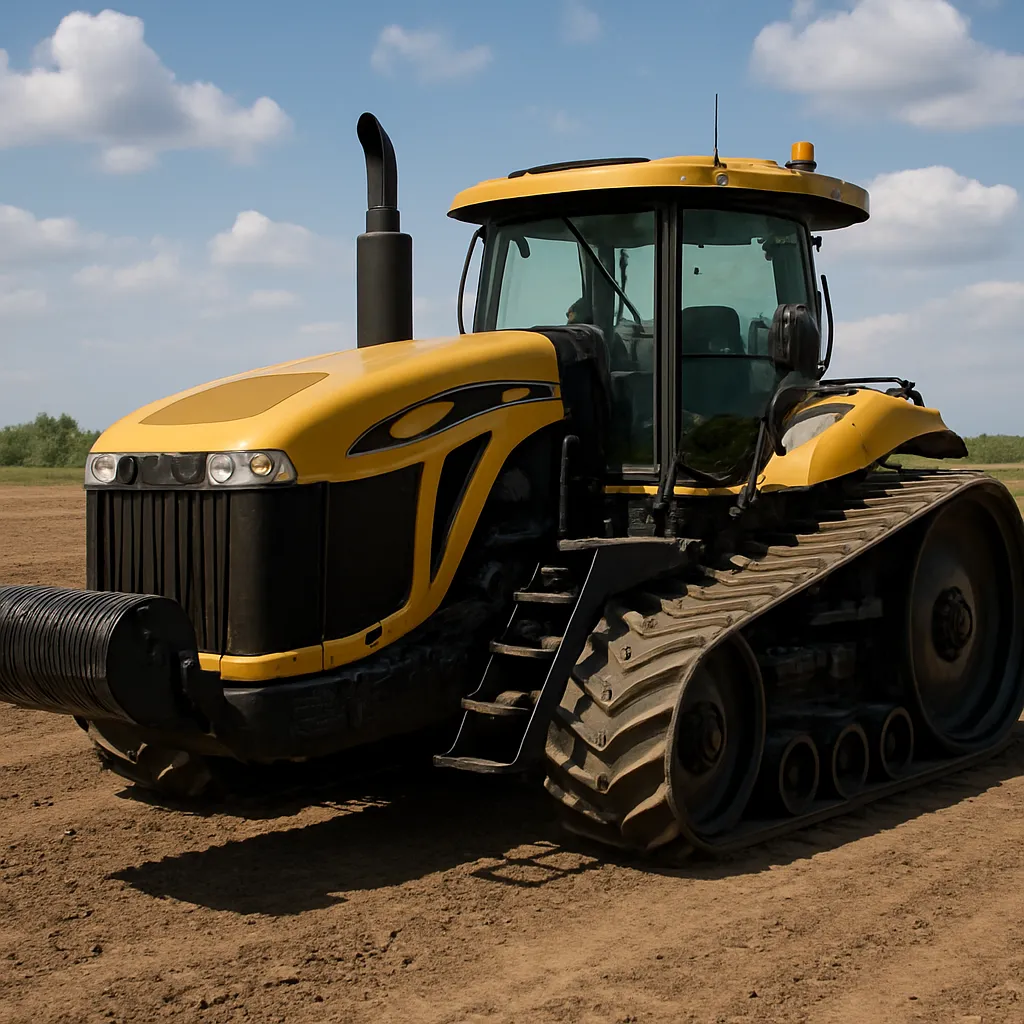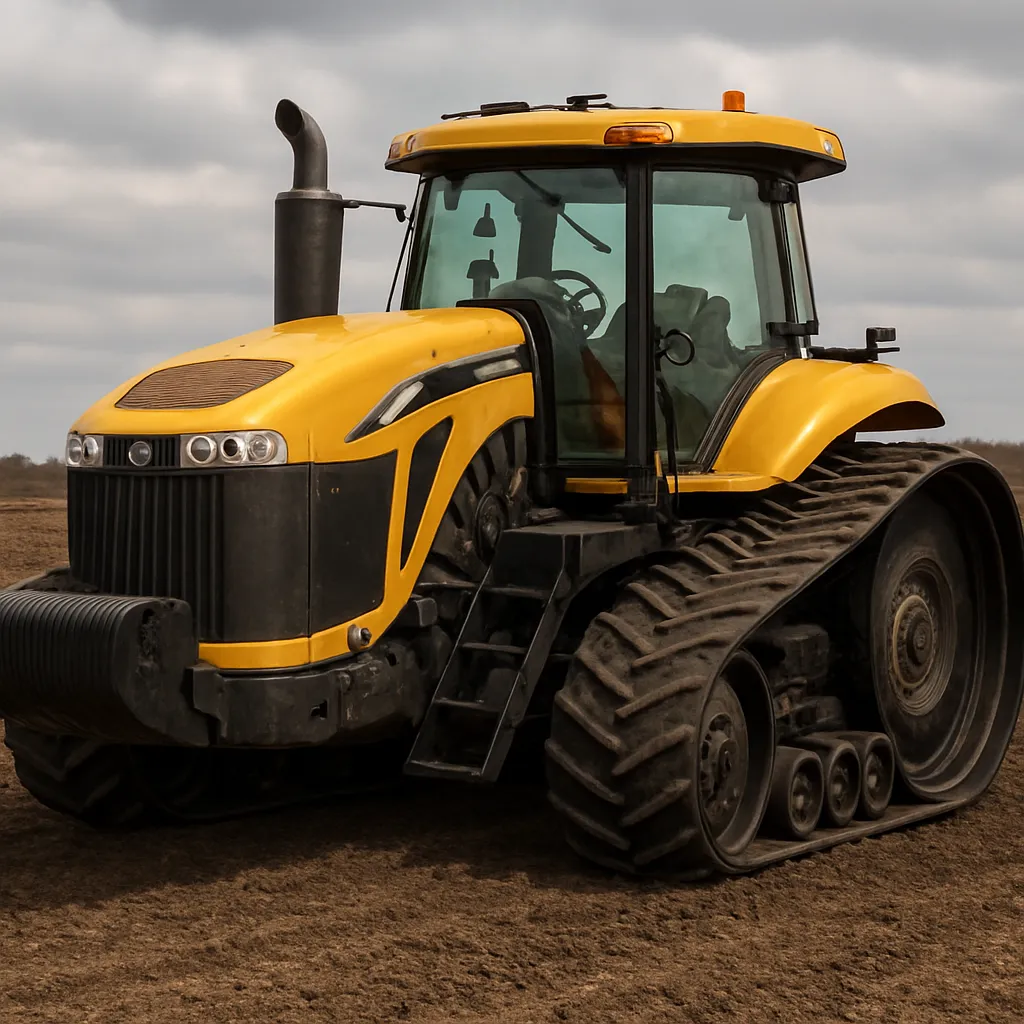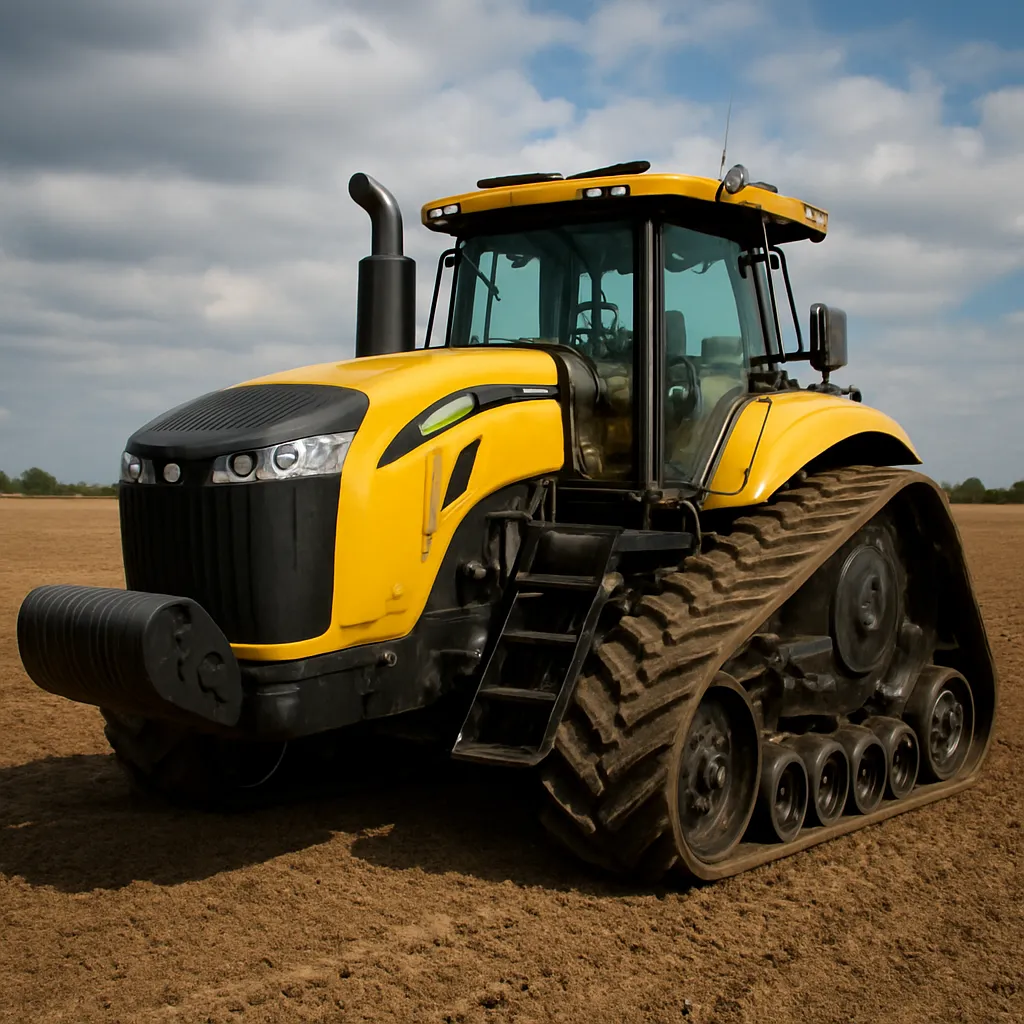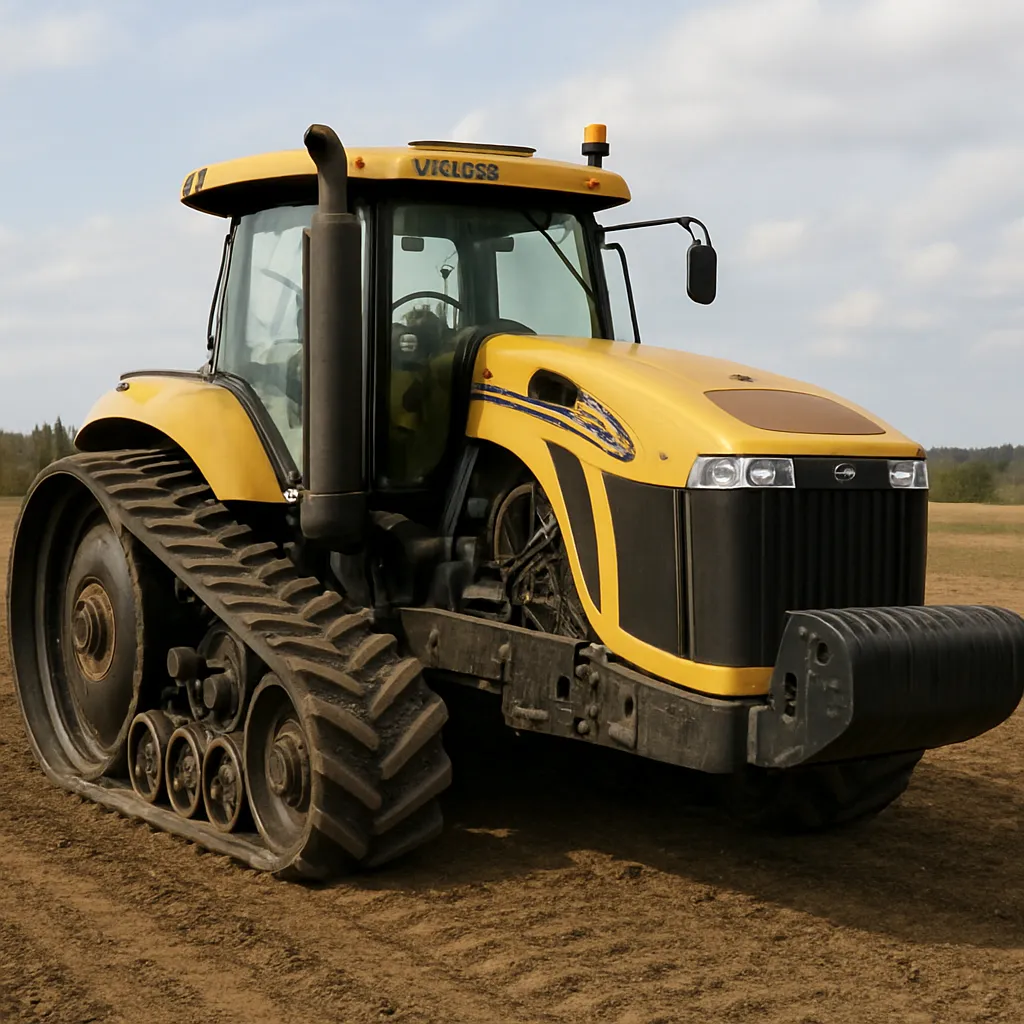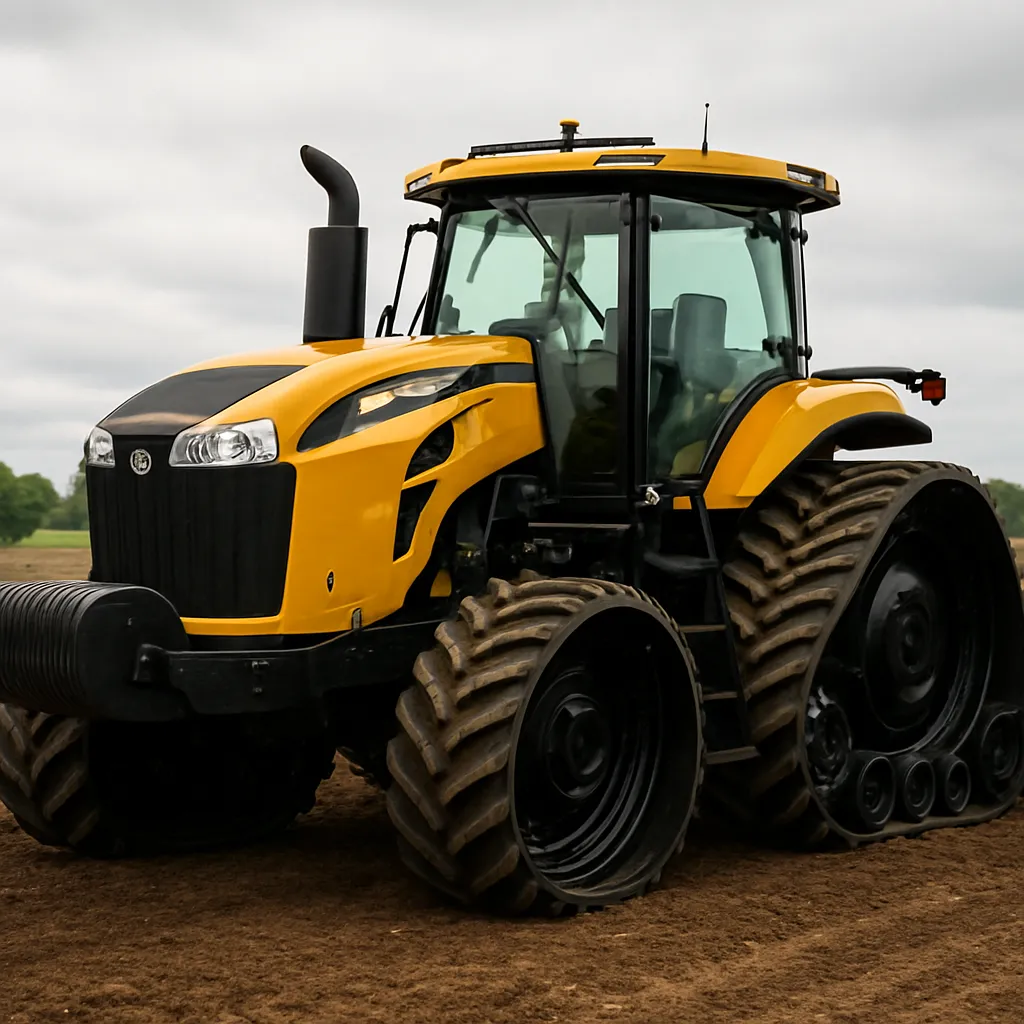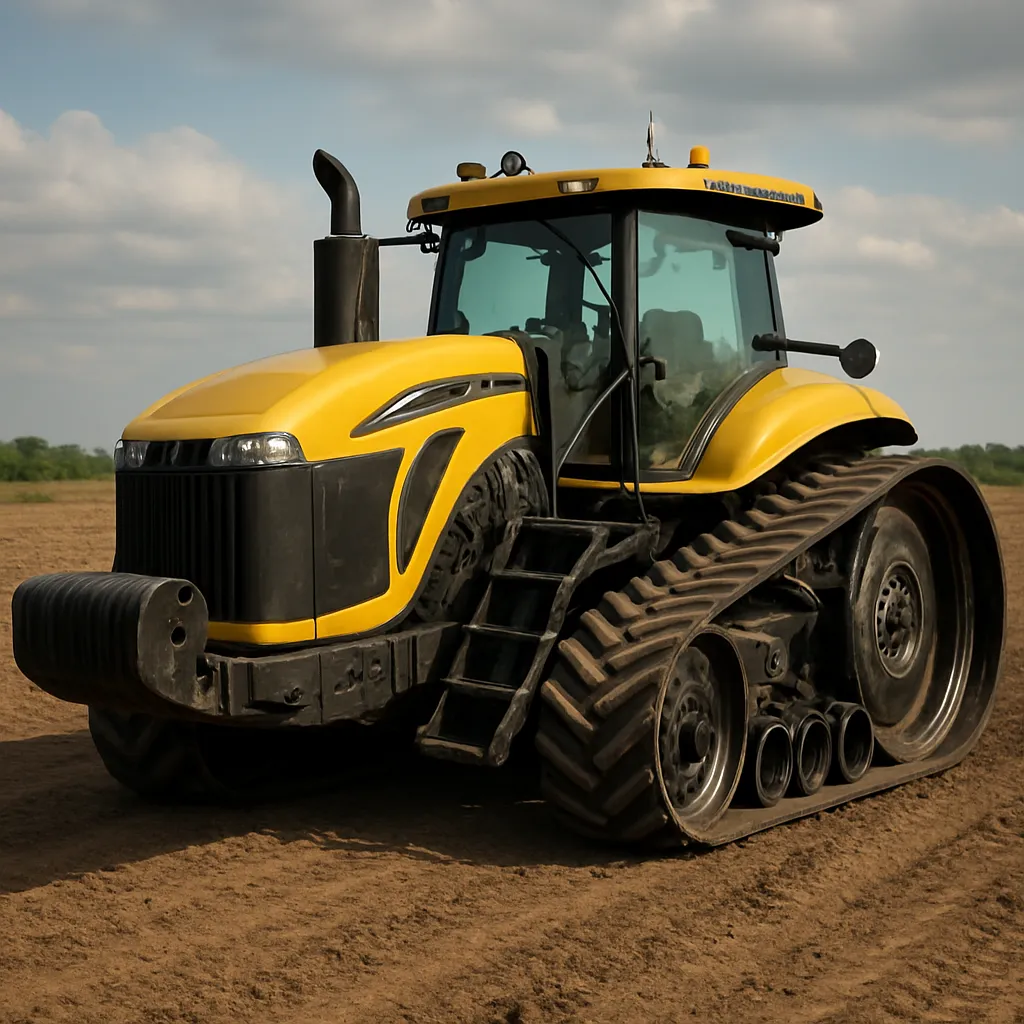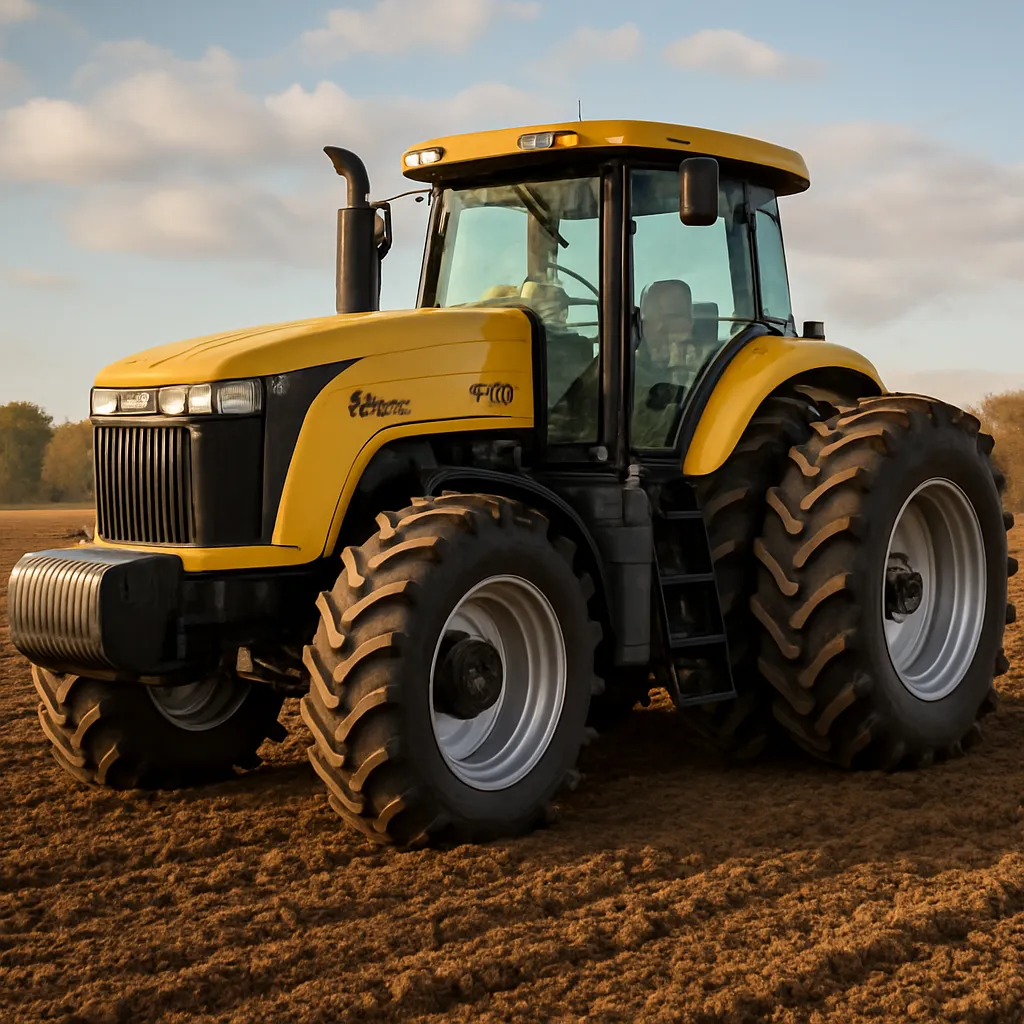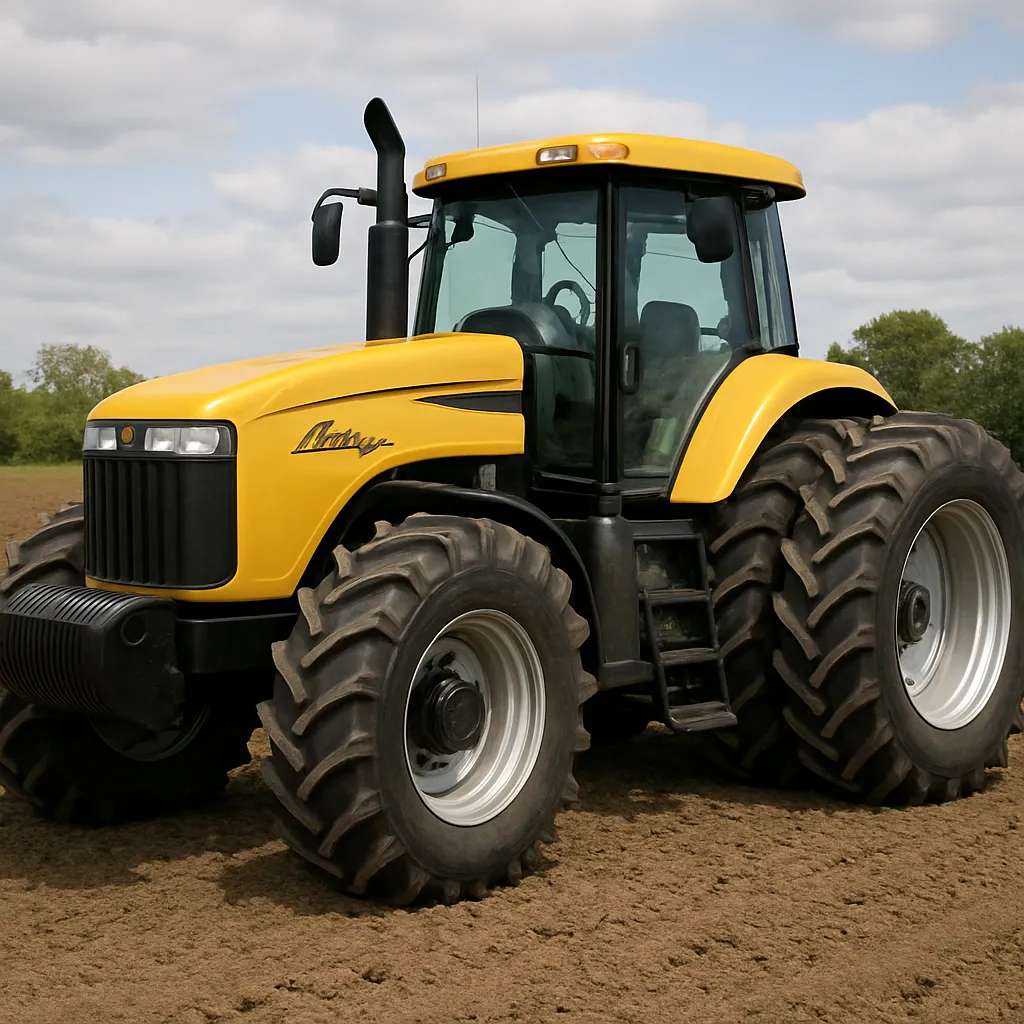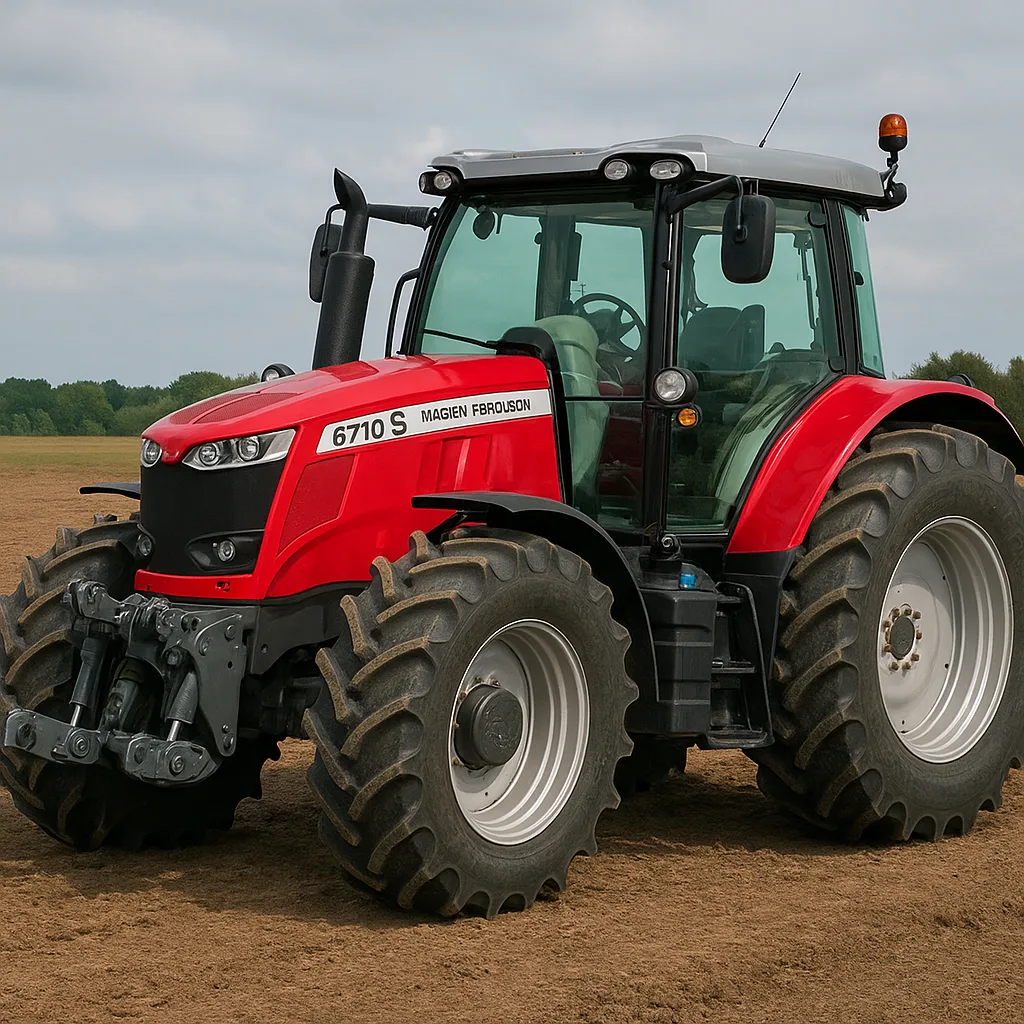
The Massey Ferguson 6714 S is a versatile model within Massey Ferguson’s 6700 S range, designed to bridge the gap between compact utility tractors and higher‑powered row‑crop machines. Combining a balanced mix of comfort, robust mechanical design and modern controls, the 6714 S is intended for farmers and contractors who need reliable power for a wide variety of tasks. This article explores the machine’s design philosophy, practical applications, technical characteristics, and ownership considerations to give a comprehensive picture of where the 6714 S fits in today’s agricultural landscape.
Overview and design intent
The Massey Ferguson 6714 S is engineered to offer an attractive combination of agility and power. Located in the mid‑horsepower segment, it is aimed at users who require a tractor that can perform both field and farmyard work without the size and operating costs of larger machines. The 6700 S family emphasizes operator comfort, straightforward serviceability and a range of drivetrain options to match different working styles.
Key design aims include:
- Versatility across tasks such as ploughing, seeding, cultivation, baling and loader work.
- Availability of multiple transmission and hydraulic options to suit both precision fieldwork and heavy implement handling.
- Comfort for long days in the cab — important for modern farmers and contractors who value ergonomics and visibility.
- Robustness and reliability suitable for a wide range of climates and operating conditions.
Technical characteristics and typical specifications
Exact specifications can vary by model year and optional equipment, but the 6714 S is typically positioned as a roughly 140 horsepower class tractor. Below are common characteristics, with ranges indicating configuration and market variations:
Engine and power
- Engine type: modern turbocharged, intercooled diesel engine (AGCO/AGCO Power derivatives commonly used across MF ranges).
- Rated power: approximately 140 hp (nominal), with peak power available through engine boost under load on some variants.
- Engine displacement: usually in the mid‑litre range for four‑cylinder agricultural engines (varies by region/configuration).
- Emissions: compliant with contemporary emissions standards (Tier 4 / Stage V in many markets depending on year and region) using SCR and DOC technologies where required.
Transmission and driveline
- Transmission options typically include a powershift (Dyna‑6 style) and a continuously variable transmission (Dyna‑VT or equivalent) in some trim levels. These offer diverse driving styles: powershift for predictable gear steps and CVT for smooth variable speed control.
- Four‑wheel drive and differential lock systems for traction management.
- PTO options: 540 / 540E / 1000 rpm selections available to suit implements; front PTO and front linkage available as options on some builds for loader and front‑mounted equipment.
Hydraulics and linkage
- Hydraulic delivery: standard pump flows often fall in the medium to high range to supply multiple remote valves and loader circuits; optional high‑flow pumps may be specified for intensive implement hydraulics.
- Rear linkage capacity: designed to carry substantial implements — typically several tonnes of lift capacity (dependent on specific configuration; some ratings approach or exceed 4,000–7,000 kg in heavier configurations).
- ISOBUS compatibility and electronic linkage control available as part of modern control suites.
Cab, comfort and operator features
- Comfortable cab with panoramic visibility, ergonomic controls, air suspension seat options and climate control.
- Modern instrument cluster and optional touchscreen displays for transmission and implement control; telematics packages (such as MF Connect) available for remote diagnostics and productivity tracking.
- Optional cab suspension and front axle suspension for improved ride quality during transport and field travel.
Capacities and practical numbers (typical ranges)
- Fuel tank: roughly in the range of 200–300 litres depending on tank option.
- Hydraulic flow: standard pump flows might range from ~110 up to ~170 litres per minute for high‑flow setups.
- Weight: operating weight commonly between 5,000 and 6,500 kg depending on configuration and options (front linkage, ballast, etc.).
Note: the above figures should be checked against a specific model year brochure or dealer specification sheet for precise numbers, since options and regional specifications change details.
Applications and use cases
The 6714 S is deliberately targeted at operators who need a single tractor that can handle multiple roles. Its power and flexibility make it suitable for:
- Arable farming: ploughing, harrowing, drilling and seeding where steady horsepower and reliable PTO speeds are required.
- Hay and forage: mowing, raking, baling and forage harvesting when paired with modern high‑capacity implements.
- Livestock operations: feeding, bedding handling, silage tasks and transport around mixed farms.
- Loader work and general farm maintenance: front loader attachments for material handling, pallet work and clean‑up.
- Contracting and municipal work: road verge mowing, municipal clearing and seasonal transport when configured for road transport with suspension and visibility options.
Because of the option set (front linkage, front PTO, hydraulic configurations and transmission choices), the 6714 S can be tailored toward specialist tasks (e.g., heavy loader cycles or precision seeding) or broader, generalist farm duties where variable speed control and operator comfort are priorities.
Performance, fuel efficiency and productivity
In real‑world use, fuel consumption and daily productivity depend heavily on implement choice, field conditions, operator technique and maintenance. Operators typically find that:
- CVT/Dyna‑VT transmissions can improve fuel efficiency under variable loads by keeping the engine in an optimal power band, particularly during loader operations and transport.
- Powershift transmissions like Dyna‑6 are favoured for predictable gear changes and can be marginally more fuel‑efficient under steady load conditions.
- Match of implement and gear selection is crucial — a tractor of this class is most efficient when operating within its best torque and power window, typically at medium engine speeds for PTO‑driven implements and slightly higher for heavy draft work with modern drivetrains.
Typical productivity metrics (hectares per day or output per hour) vary widely; for example, seeding or spraying with correct implements and favorable conditions may allow a 6714 S to cover dozens of hectares per day, while heavy tillage reduces that significantly. The important takeaway is that the 6714 S’s design aims to deliver reliable, repeatable performance across many tasks rather than maximizing any single metric.
Technology, connectivity and operator aids
Modern variants often include advanced electronic systems that boost productivity and ease of use:
- Guidance and auto‑steer compatibility: the tractor can be equipped with satellite guidance and automated steering systems for improved accuracy on repeated passes.
- ISOBUS and implement integration: simplifies attachment control, allowing one in‑cab interface to manage a wide range of implements.
- Telematics and remote monitoring: factory or dealer options often provide remote fault diagnostics, usage tracking and service reminders via platforms such as MF Connect or similar AGCO services.
- Engine and transmission management: adaptive controls to optimize performance and protection features like auto‑throttle, cruise and gear management tailored to operations.
Maintenance, serviceability and reliability
Massey Ferguson and its parent group AGCO have focused on service access and uptime. Key points for owners:
- Routine maintenance items (filters, oils, greasing points) are grouped for easier daily checks and dealer servicing.
- Telematics and electronic diagnostics can reduce downtime by enabling faster fault identification and parts ordering.
- Durable components in driveline and hydraulics are designed for heavy agricultural cycles, but long term reliability depends on proper maintenance and operation within recommended limits.
- Parts availability in many markets is supported by MF dealer networks, which helps minimize off‑farm time.
Ownership costs, resale value and economics
Total cost of ownership includes acquisition price, fuel, maintenance, insurance, and depreciation. Some practical considerations:
- Initial purchase price varies by region and specification; the 6714 S sits in a mid‑range price band relative to larger row‑crop tractors, offering good value for mixed farms that need flexibility.
- Fuel and maintenance are the primary ongoing costs; choosing the right transmission and hydraulic package for your tasks can optimize fuel consumption and reduce wear.
- Resale value: tractors from established manufacturers such as Massey Ferguson typically retain reasonable resale values due to brand recognition and widespread dealer support. Proper service history and sensible specification choices (neither under or over‑spec’ing) help preserve resale price.
Comparisons and market positioning
The 6714 S competes in the mid‑power segment against offerings from other global manufacturers. Its strengths are:
- Brand reputation and dealer network that support service and parts availability.
- Multiple drivetrain choices catering to different operational styles — farmers who want a simple, robust powershift or those who prefer the fuel and control benefits of a CVT.
- A balance of comfort and utility — good cab ergonomics mean operators can maintain productivity across long workdays.
Weaknesses or trade‑offs are typically related to choosing an option set that may add cost: high‑spec electronic packages and high‑flow hydraulics increase purchase price and complexity, so buyers should align features carefully with actual needs.
Practical tips for prospective buyers
- Assess the typical implements you use and choose hydraulic and PTO options that meet peak demand rather than average demand — underperforming hydraulics can reduce productivity more than higher spec costs increase capital outlay.
- Decide on transmission preference: CVT offers ease of use and smooth operation for loader work, while a powershift is often preferred for heavy ground‑engaging tasks.
- Consider telematics if fleet management or remote diagnostics will save you time and reduce downtime — especially useful for contractors managing multiple machines.
- Keep a documented service history to preserve resale value and facilitate warranty/claims handling if necessary.
Environmental and regulatory context
Modern 6700 S tractors are designed to meet prevailing emissions standards in major markets. This includes after‑treatment systems to reduce NOx and particulate outputs. For buyers in regions with strict emissions regulations, ensuring that the unit is certified for local standards is essential. Additionally, improving fuel efficiency through driving practices, proper maintenance and optimized implement choice helps reduce operating emissions and costs.
Conclusion and outlook
The Massey Ferguson 6714 S represents a pragmatic and adaptable choice for farms and contractors that need a dependable mid‑range tractor capable of a wide range of tasks. With a combination of comfortable operator space, flexible drivetrain choices, modern electronics and reputable dealer support, it is well suited to mixed farming, hay and forage operations, loader work and many contracting roles. As with any tractor purchase, matching specifications to the intended workload — particularly transmission, hydraulics and PTO options — is the key to maximizing productivity and lifetime value.
Highlighted keywords:
- Massey Ferguson
- tractor
- horsepower
- transmission
- efficiency
- versatility
- hydraulics
- PTO
- reliability
- comfort