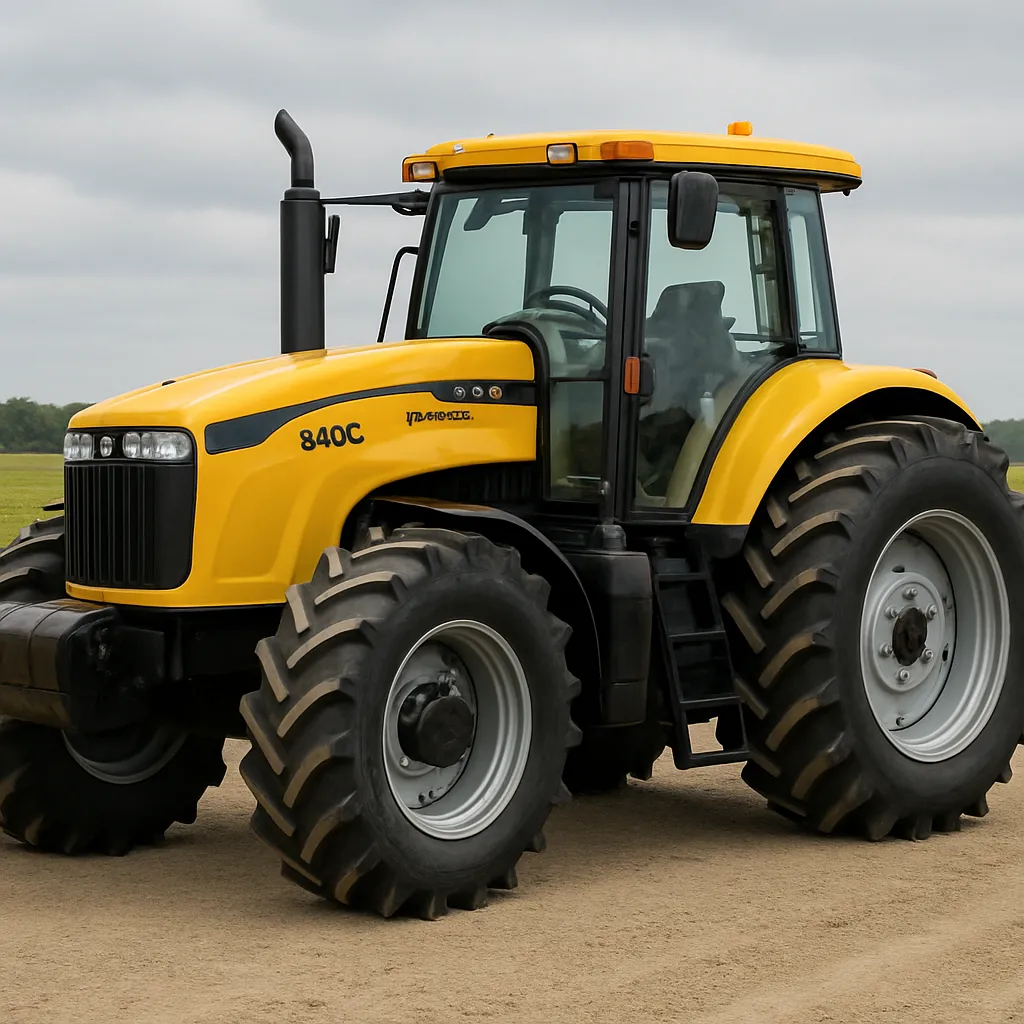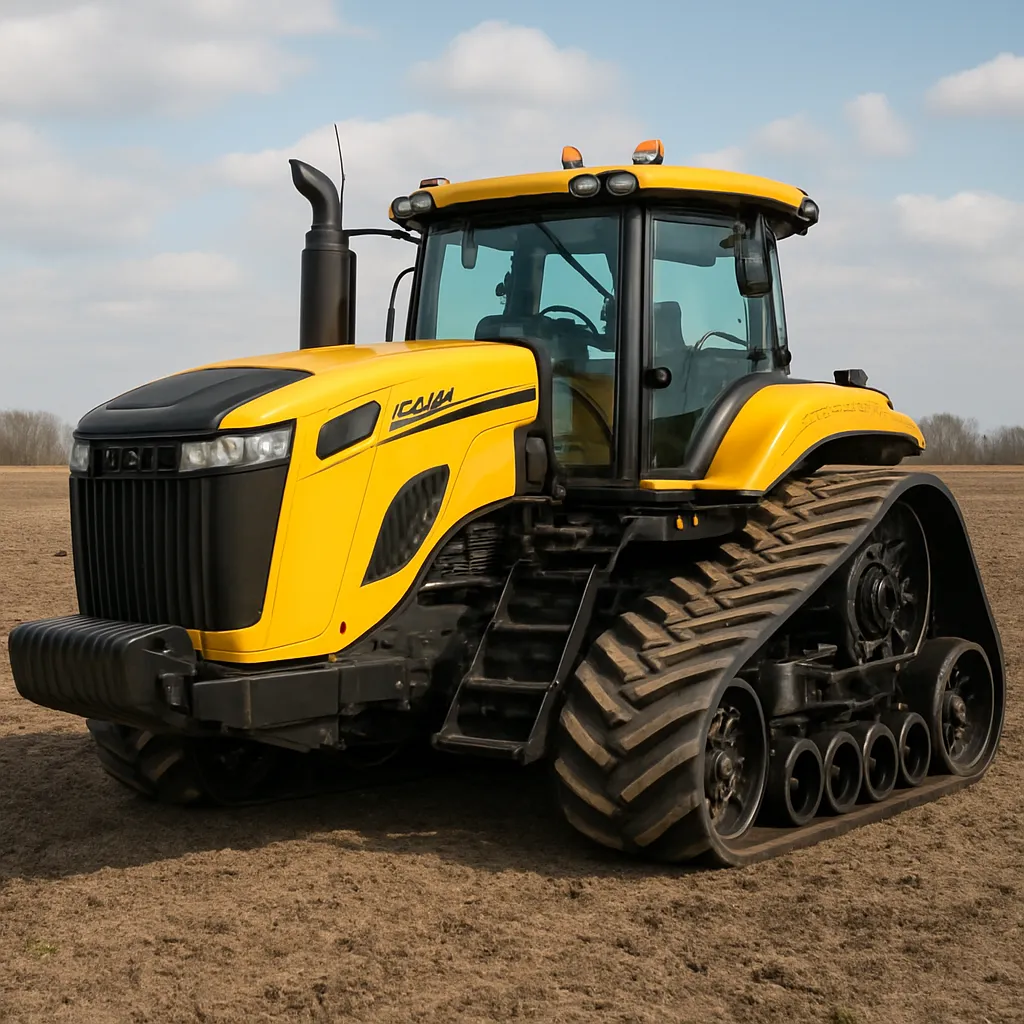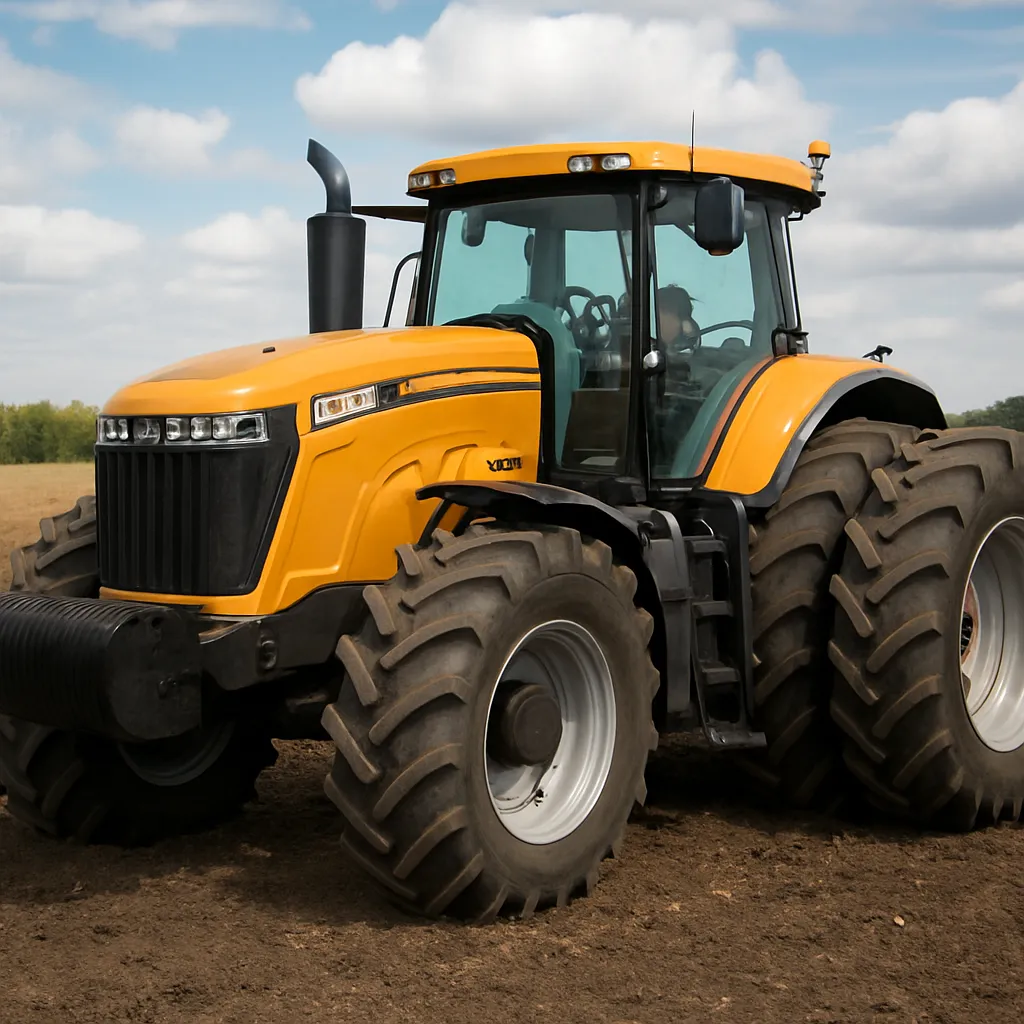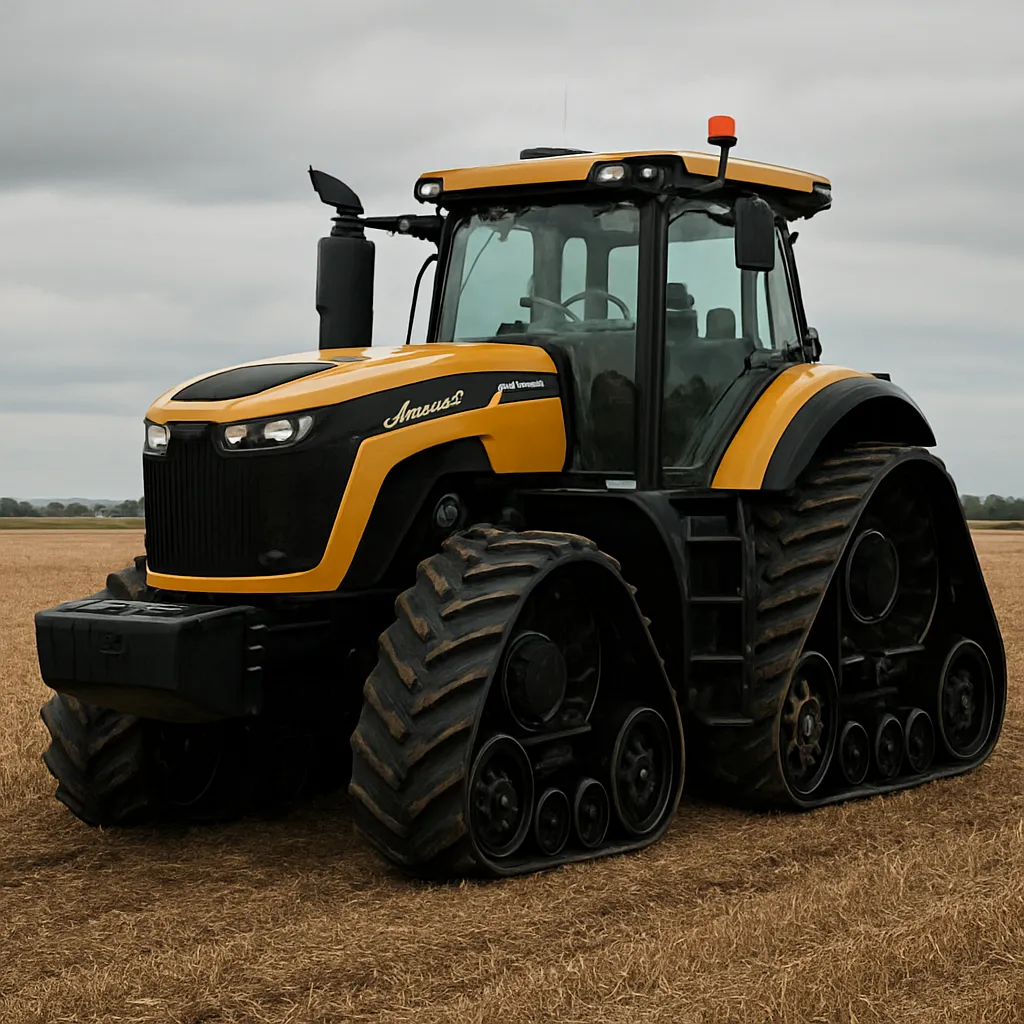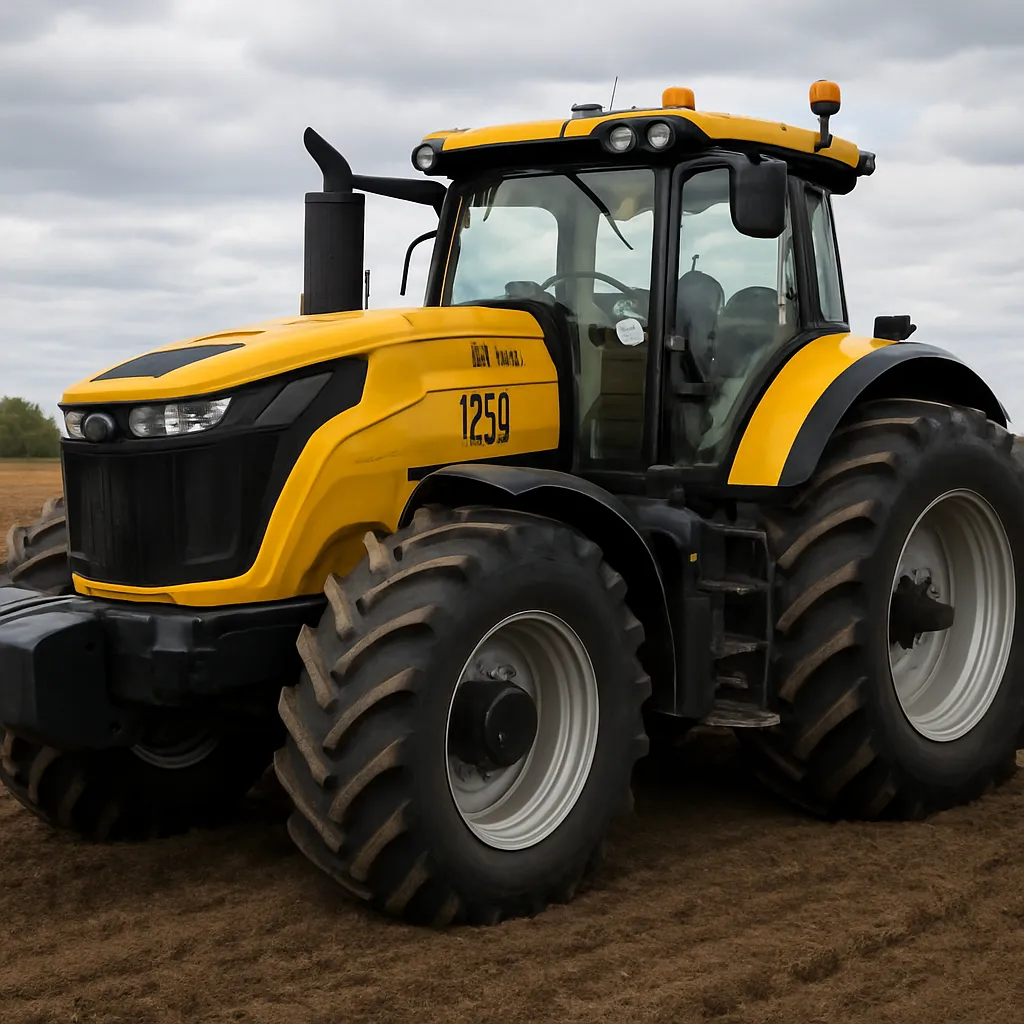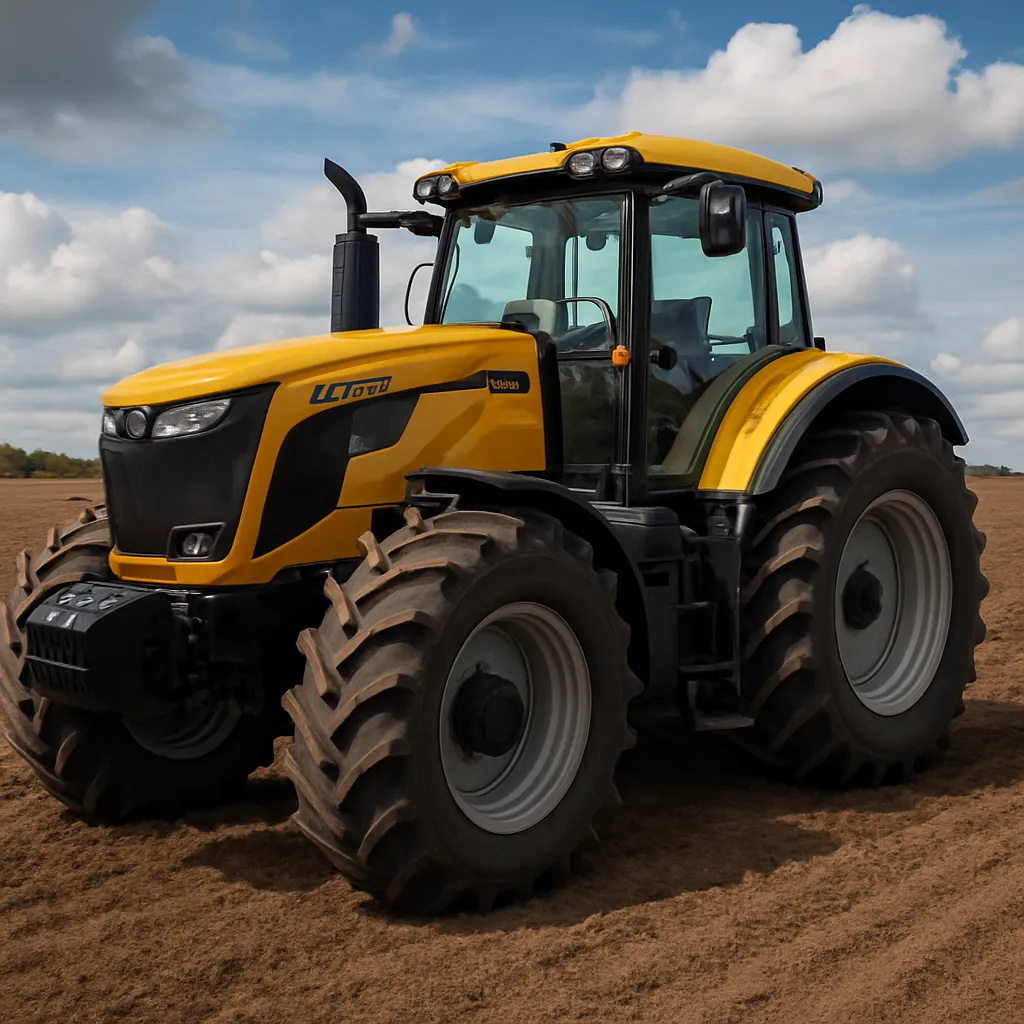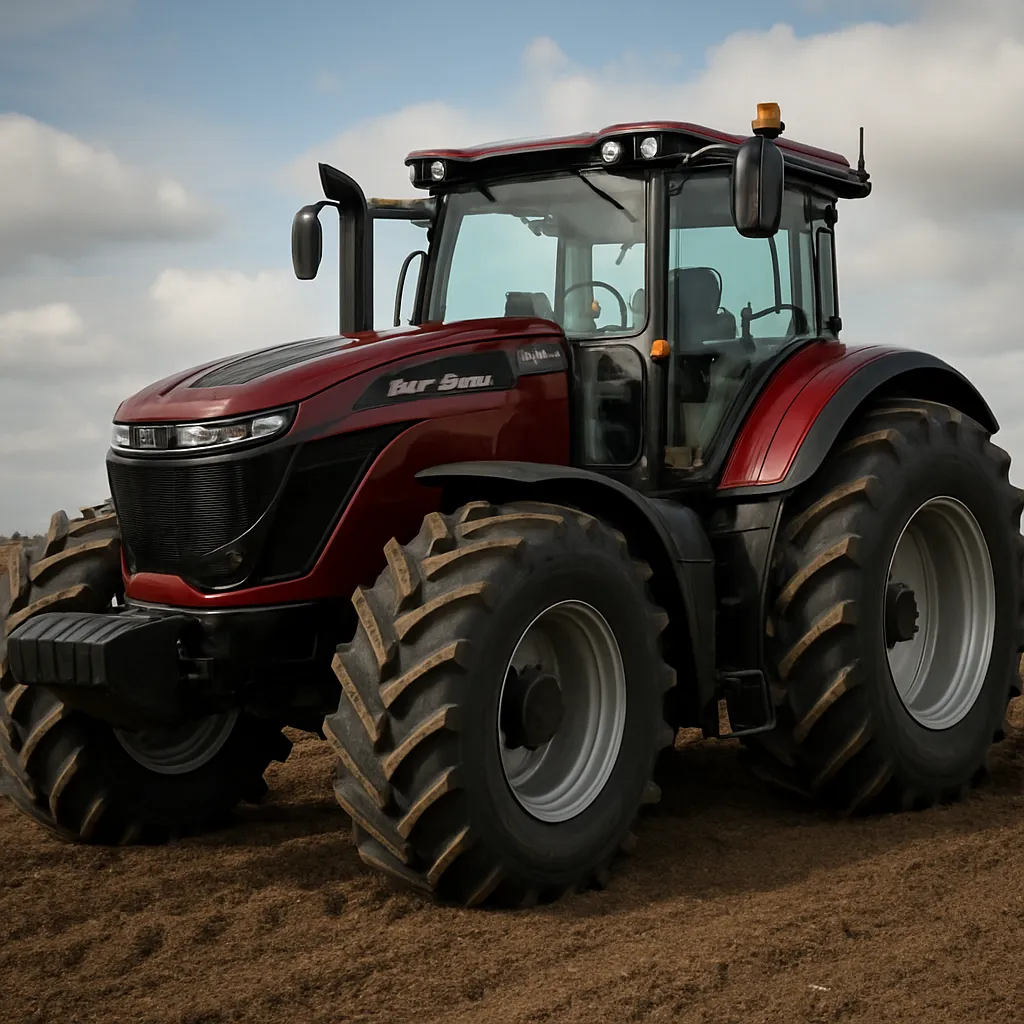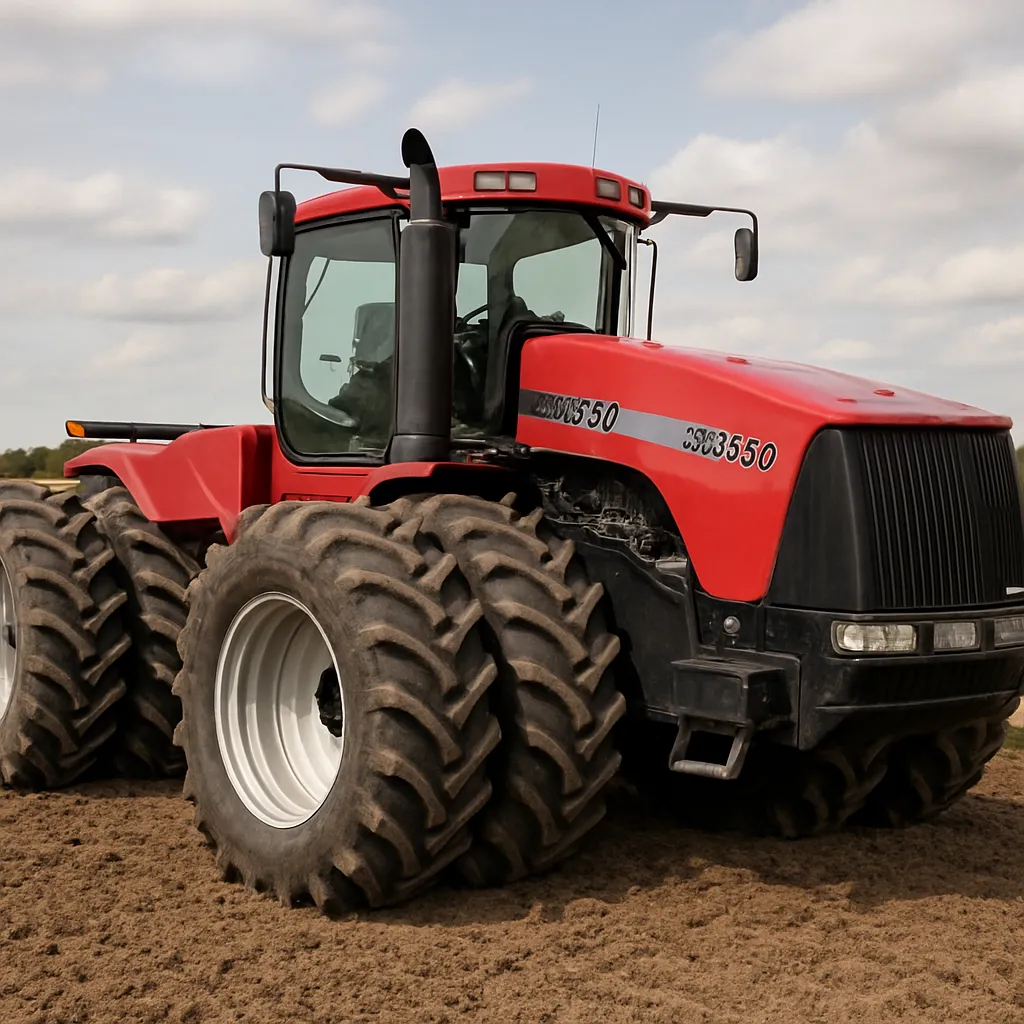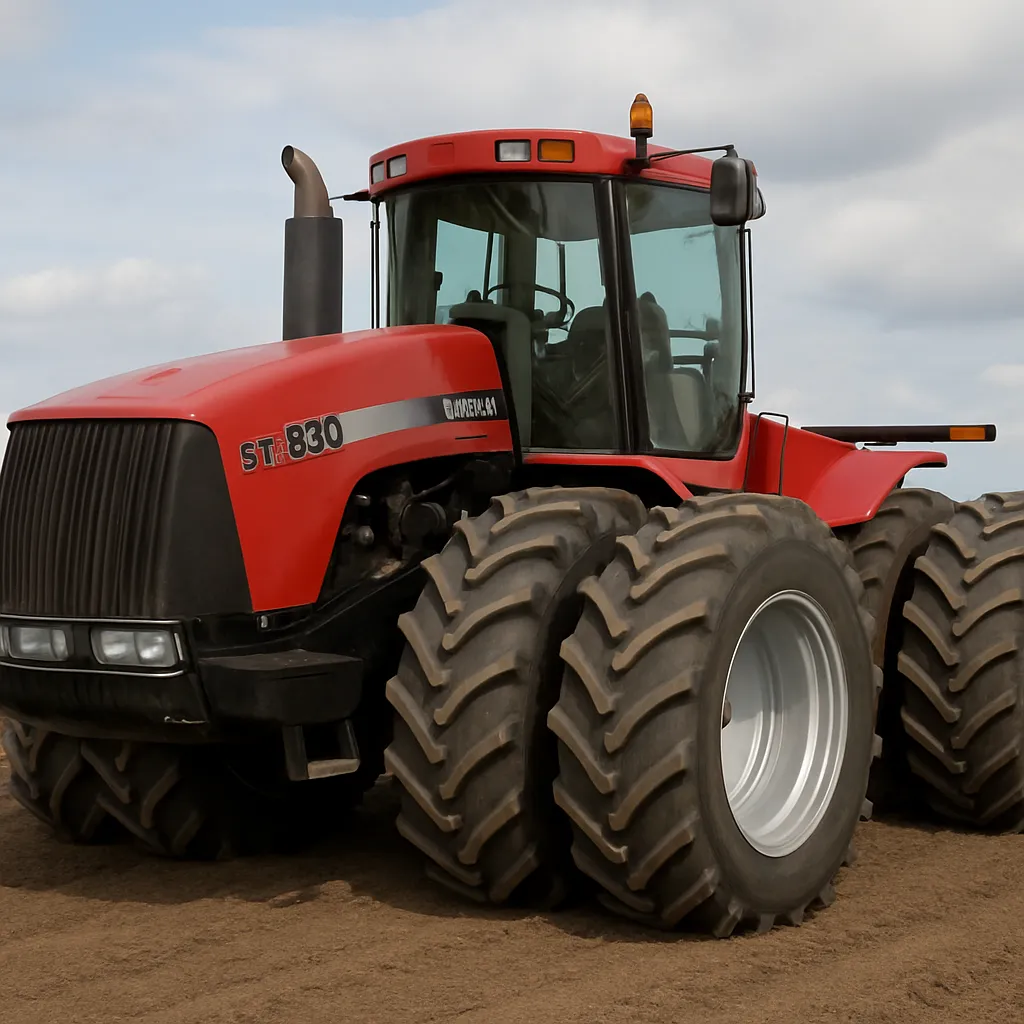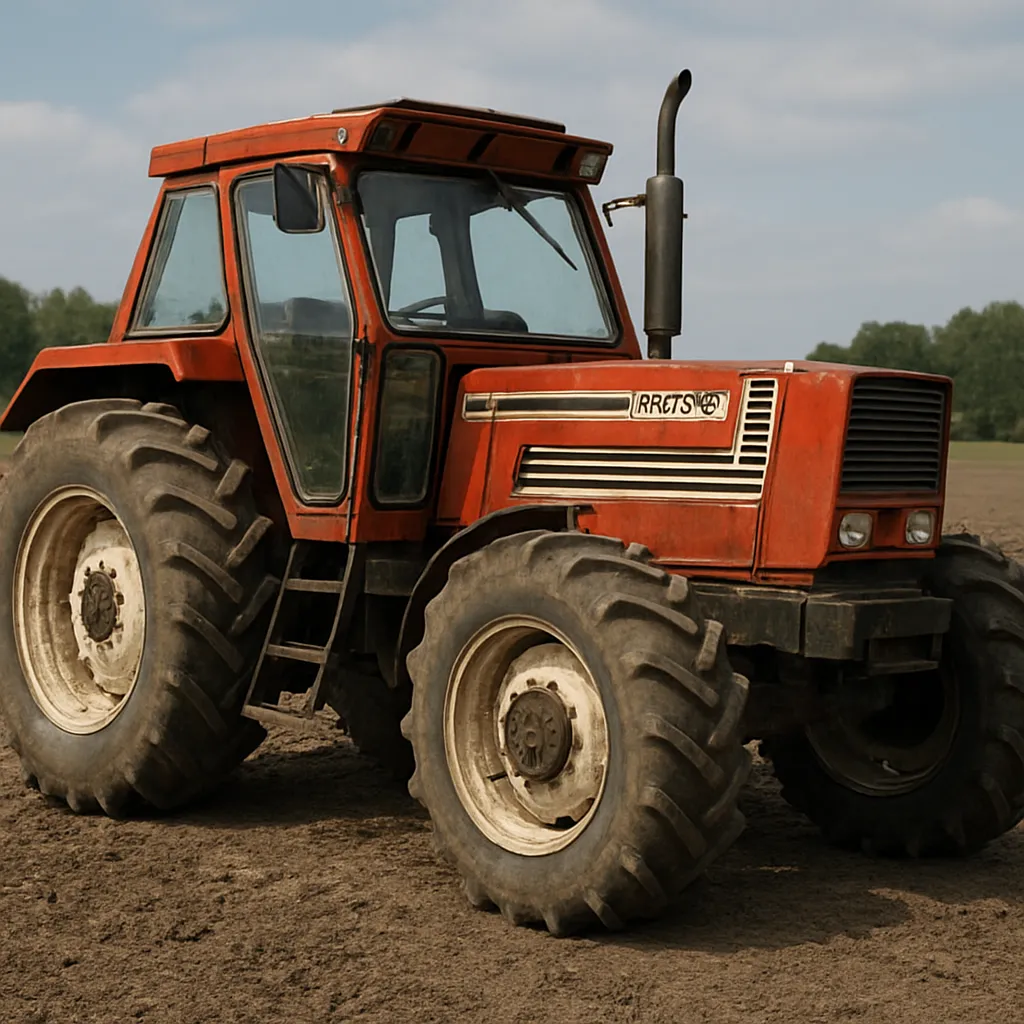
The Fiat 170-90 occupies an important place in the history of agricultural machinery from the late twentieth century. Designed as a powerful, versatile workhorse for demanding tasks, this model combined the robust engineering typical of Fiat’s agricultural division with practical features aimed at improving field productivity and operator comfort. In the sections below, we examine the tractor’s background, technical characteristics, typical applications, and practical considerations for owners and operators. Throughout the article, key concepts are highlighted to help readers quickly identify the most important aspects of the machine.
Historical context and design philosophy
Fiat’s agricultural division, later known as Fiatagri, produced a range of tractors intended to bridge the gap between lighter utility machines and the largest field tractors. The Fiat 170-90 was developed in an era when farmers needed reliable, mid-to-high power tractors capable of sustained heavy work, such as deep plowing, large implements handling and high-capacity transport. Its design reflects a balance between raw power, mechanical simplicity, and the increasing demand for operator comfort and versatile attachments.
The 170-90 appeared during the late 1980s and early 1990s, a period that saw significant technological change in agricultural machinery—improvements in engine management, hydraulics, and cab ergonomics, alongside the consolidation of manufacturers. Fiat’s engineering approach emphasized durability and ease of maintenance, with a focus on providing solid performance in diverse climatic and soil conditions across Europe, Latin America, and parts of Africa and Asia. After the early 1990s corporate restructurings and brand realignments (including the emergence of New Holland), models like the 170-90 continued to be valued for their pragmatic engineering rather than novelty.
Technical characteristics and performance
The technical package of the 170-90 is centered on a few core strengths: a robust diesel engine, dependable transmission options, effective power take-off (PTO) arrangements, and hydraulics sized for heavy implements. While exact specifications may vary by submodel and market, several characteristic features are commonly associated with this model family.
Engine and powertrain
- Engine type: Typically a turbocharged diesel unit designed for continuous high-load operation. Many examples are six-cylinder configurations, favoring torque delivery at low engine speeds.
- Power rating: Advertised power commonly places the model in the vicinity of 150–180 metric horsepower (hp), with effective PTO and drawbar performance geared toward heavy draft tasks.
- Torque and fuel delivery: Engines emphasize low-end torque for pulling and PTO-driven implements, frequently employing mechanical fuel injection or early electronic systems depending on the specific production year and market variant.
Transmission, PTO and hydraulics
- Transmission: Multiple gearbox options were often available, including synchronized shuttle arrangements for field work and road travel. Versions with creeper ranges are useful for specialized tasks requiring very low forward speeds.
- PTO: Standard PTO arrangements commonly include a 540 rpm output, and many tractors of this class also offer 1000 rpm capability for high-power implements. The PTO system is engineered to handle continuous loads from mowers, balers, mixers and large pumps.
- Hydraulics and lift capacity: A robust three-point hitch and hydraulic system allow the 170-90 to operate large ploughs, seeders, and mounted machinery. Hydraulic flow and lift capacity are tailored to mid-to-high class implements, enabling efficient linkage control and responsive operation.
Chassis, weight and traction
- Drivetrain: Many units come with selectable four-wheel drive systems and differential locks to maximize traction in soft or uneven soils.
- Weight and ballast: Operating weight typically falls in the medium-to-heavy range for agricultural tractors of the era, with factory and owner-fitted ballast solutions enabling proper traction and balance for heavy implements.
- Tires and ground contact: Tire options, including dual rear wheels, provide flexibility for field conditions and transport tasks, improving flotation and reducing soil compaction when needed.
Because production occurred across multiple years and markets, precise numbers (displacement, exact rated power, and weights) can vary by serial batch and factory options. Many owners and documentation sources list operational characteristics in terms of practical performance—how much land can be ploughed per hour, how large a baler can be handled, or what transport loads are safely towed—rather than only raw engineering figures.
Typical applications and field performance
The 170-90 is intended for farmers and contractors required to perform a wide range of tasks. It is the kind of machine that finds its best use where versatility meets sustained power.
Arable farming
- Deep ploughing: The tractor’s torque and weight make it suitable for multi-furrow ploughs and heavy-duty tillage in loamy or heavy soils.
- Seedbed preparation: Disk harrows, cultivators and rollers can be effectively operated at field speeds that balance productivity and soil structure preservation.
- Large planters and seed drills: Hydraulic lift capacity and PTO-driven auxiliary systems enable efficient operation of modern, wide-planter units.
Hay and forage operations
- Mowing and conditioning: The PTO and hydraulic capacity match the demands of wide mowers and conditioners for commercial haymaking.
- Baling and transport: Drawbar strength and stability with ballast or dual wheels allow safe towing of large balers and forage wagons.
Livestock and mixed farms
- Feed mixers and slurry systems: Continuous PTO operation and robust hydraulics support heavy feed mixers and medium-capacity slurry spreaders.
- Front loaders and material handling: With front-loader attachments, the 170-90 becomes a capable handler for silage, feed, and general farm logistics.
Contracting and specialist work
- Contractors value the machine for its ability to manage large implements and work long hours under load.
- With appropriate options, the tractor suits forestry edges, road-side maintenance, and tractor-mounted municipal equipment.
Operation, maintenance and economic considerations
Owning and operating a tractor like the 170-90 requires balancing upfront costs, running expenses, and maintenance to preserve value over years of service. Operators generally appreciate the inherent simplicity of older mechanical systems, which tend to be easier to diagnose and repair without requiring specialized diagnostic tools. At the same time, parts availability and up-to-date safety features can be important considerations.
Maintenance best practices
- Engine care: Regular oil and filter changes, cooling-system checks, and attention to fuel-system cleanliness are essential to sustain longevity.
- Transmission and PTO: Keeping gearboxes properly serviced and ensuring PTO couplings and clutches are adjusted reduces wear and avoids downtime.
- Hydraulics: Clean hydraulic fluid, properly sized hoses and correct linkage lubrication keep implement control reliable and safe.
- Electrical and cab systems: For models equipped with more advanced cabs or electrical options, a periodic check of alternator output and battery health prevents unexpected failures during busy seasons.
Economic efficiency
From an economic perspective, the value of a 170-90 rests on its ability to complete larger jobs quickly and reliably. Factors to consider when assessing costs include:
- Fuel consumption, which varies with load and field conditions; efficient operation often comes from matching gear selection and PTO speed to the implement’s demands.
- Implement compatibility: Ensuring you have the correct hitch category and PTO options avoids capacity bottlenecks.
- Resale and parts markets: Because Fiat and its successor entities produced many models and supported broad distribution, parts for common wear items remain relatively accessible in many regions.
Variants, modernization and legacy
Over the model’s lifecycle, different variants and optional equipment packages catered to diverse markets. Buyers could often choose configurations tailored for heavy tillage, transport, or forage work. While manufacturing updates and corporate changes influenced subsequent designs, the 170-90’s practical engineering left a lasting legacy.
Aftermarket upgrades and modern retrofits
- Comfort retrofits: Many owners upgrade seats, install better climate controls or fit modern lighting for night work.
- Power and efficiency tweaks: Improvements in engine tuning, injector refurbishment, or modern filtration systems can improve fuel economy and reduce emissions without changing core mechanicals.
- Electronics and safety: Adding modern monitoring systems, GPS-assisted guidance or roll-over protection enhancements can raise safety and operational efficiency.
Collector interest and working life
As with many durable tractors, well-maintained examples of the 170-90 continue to be sought after by both working farms and enthusiasts. The model’s reputation for being durable and mechanically straightforward makes it attractive in regions where rugged reliability matters more than the latest automation. In many farming communities, these tractors remain in daily use decades after production, a testament to their sound design and maintainability.
Choosing and evaluating a used 170-90
If you are considering purchasing a used 170-90, attention to a few practical checks will help determine whether a unit will meet your needs and provide years of service:
- Service records: Complete maintenance history is a strong indicator of long-term reliability.
- Engine condition: Look for consistent compression, absence of excessive smoke, and steady oil pressure under load.
- Hydraulic performance: Confirm linkage responsiveness and the absence of leaks or spongy control behavior.
- Transmission and PTO: Test all gear ranges, the shuttle function, and PTO engagement under load if possible.
- Structural integrity: Inspect for frame or axle damage and signs of past accidents or improper repairs.
Finally, match the tractor to your implements and tasks. A model like the 170-90 rewards owners who use its strengths—steady torque delivery, solid hitch capacity and adaptable hydraulics—on appropriate implements and in operational regimes that make the most of its engineering.
Summary and concluding remarks
The Fiat 170-90 represents a class of tractors built to deliver dependable power and flexibility for demanding agricultural tasks. With a focus on strong diesel performance, practical drivetrain options, and hydraulic capacity for large implements, it suited both large family farms and contractors. While newer tractors offer advanced electronics, emissions control and automated guidance, the 170-90 remains valued where mechanical reliability, straightforward maintenance and robust capability are prioritized. For farmers seeking a workhorse that balances power with simplicity, the 170-90 is an enduring example of pragmatic agricultural engineering.