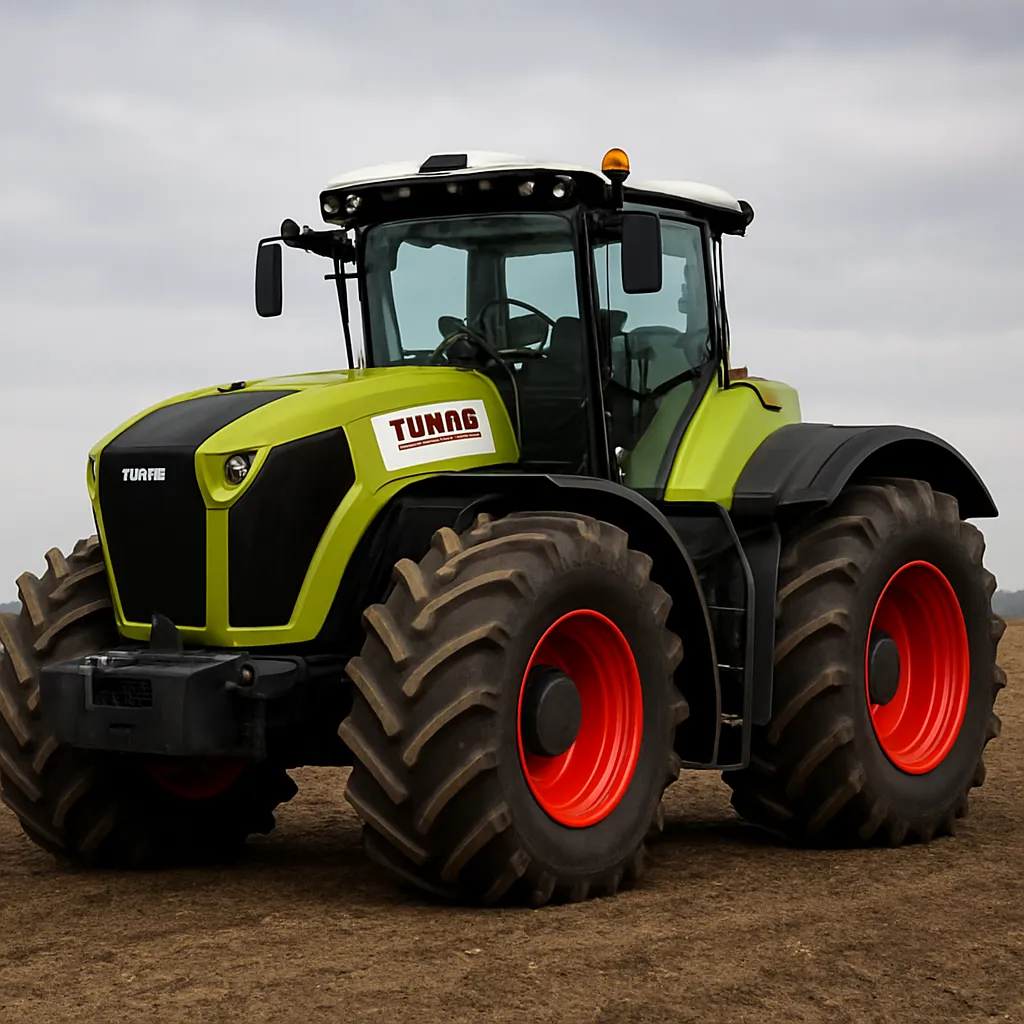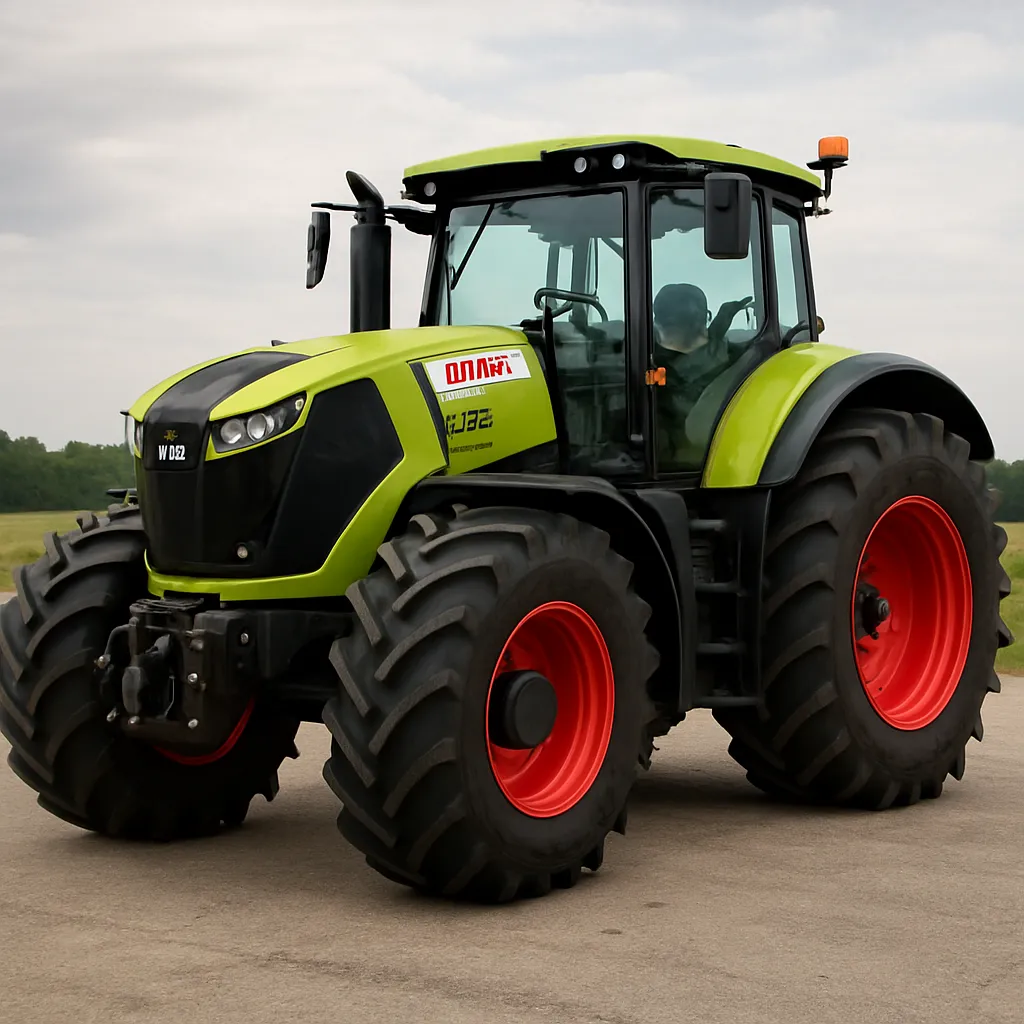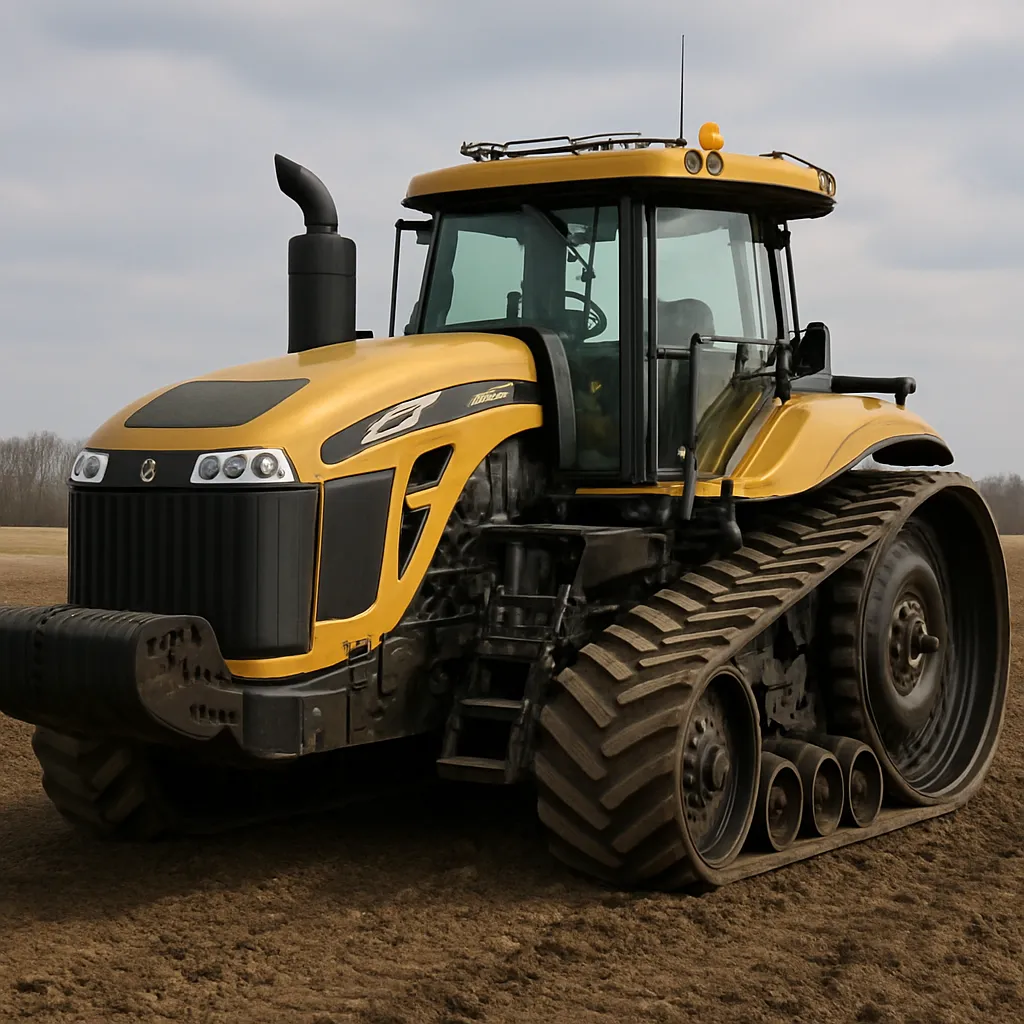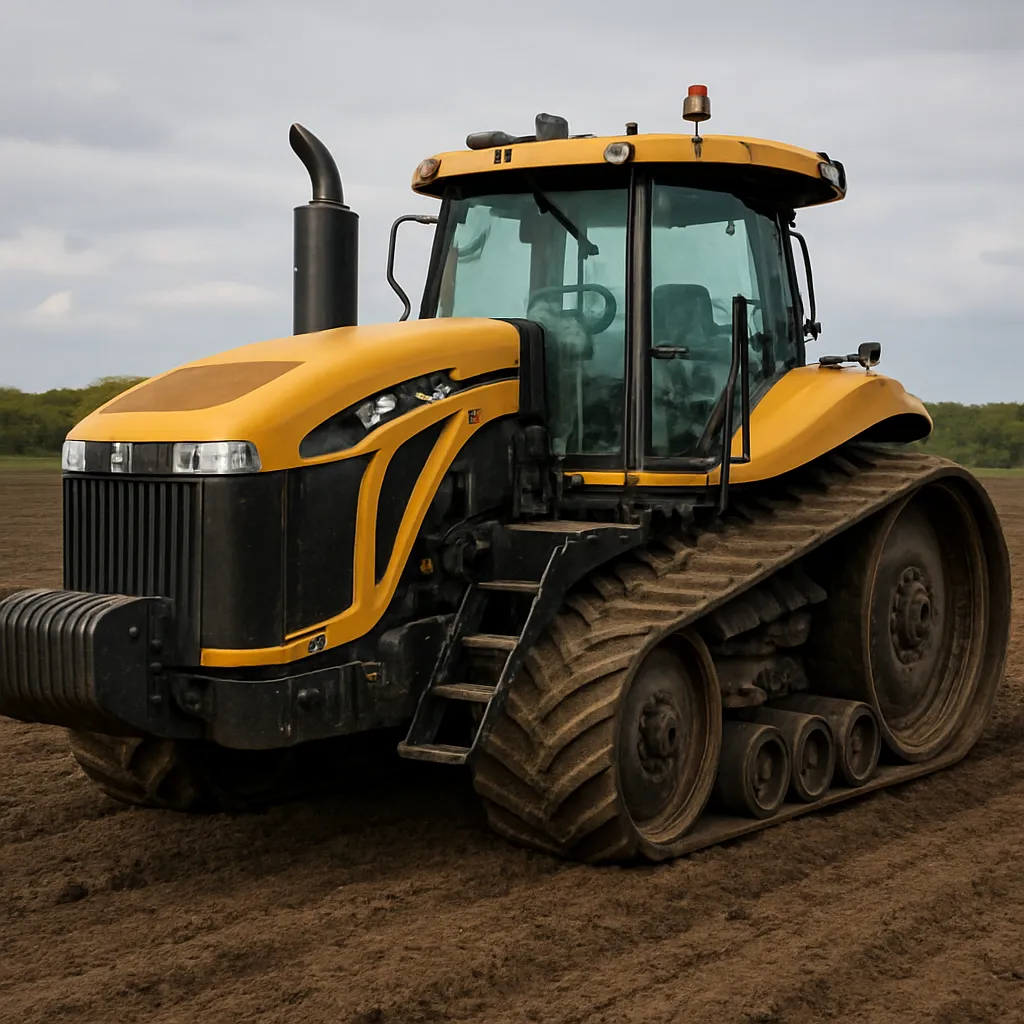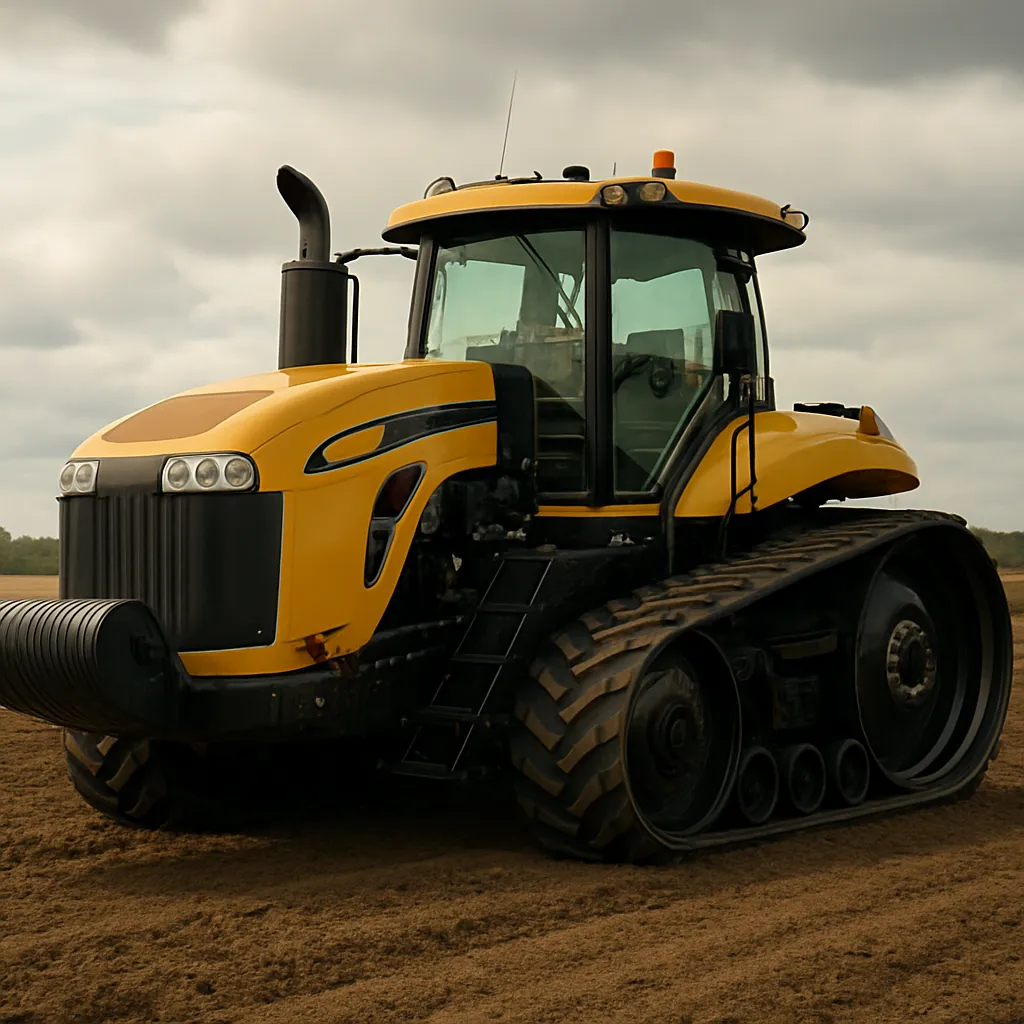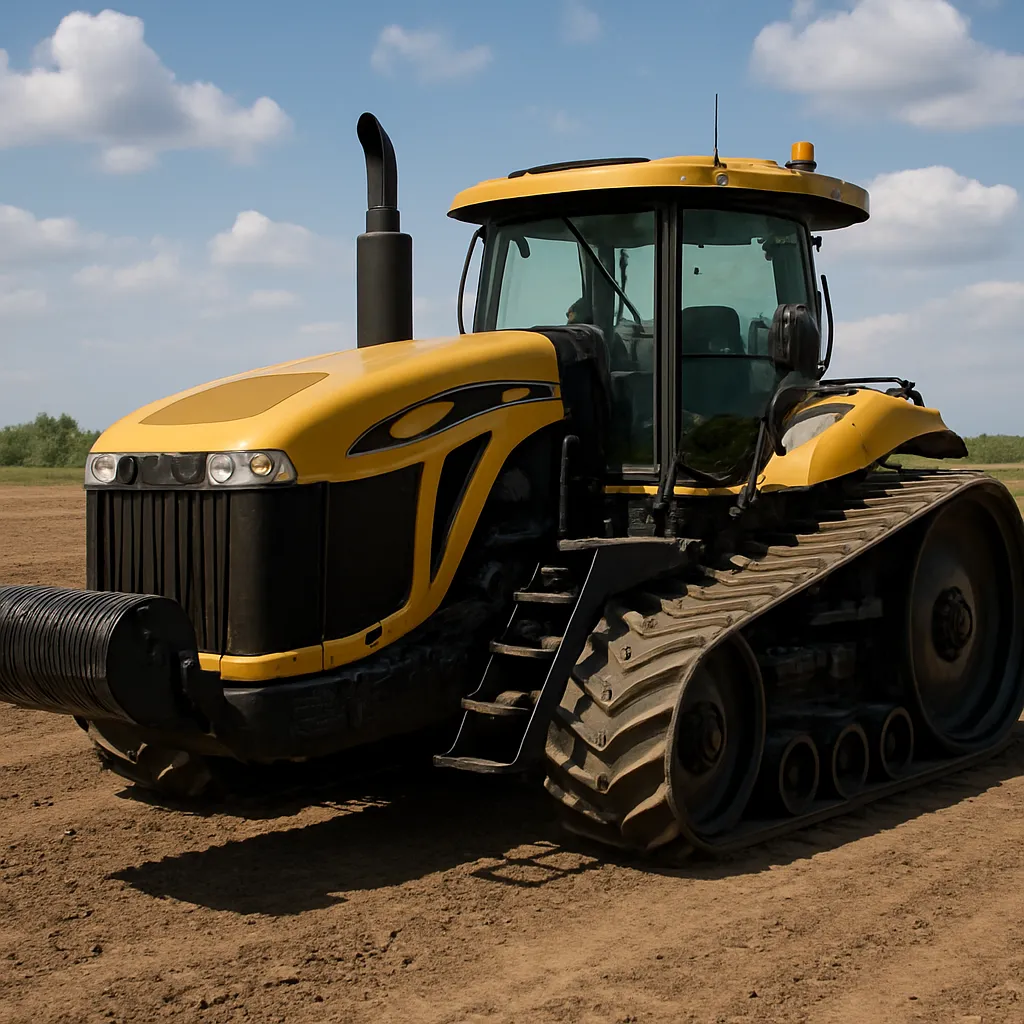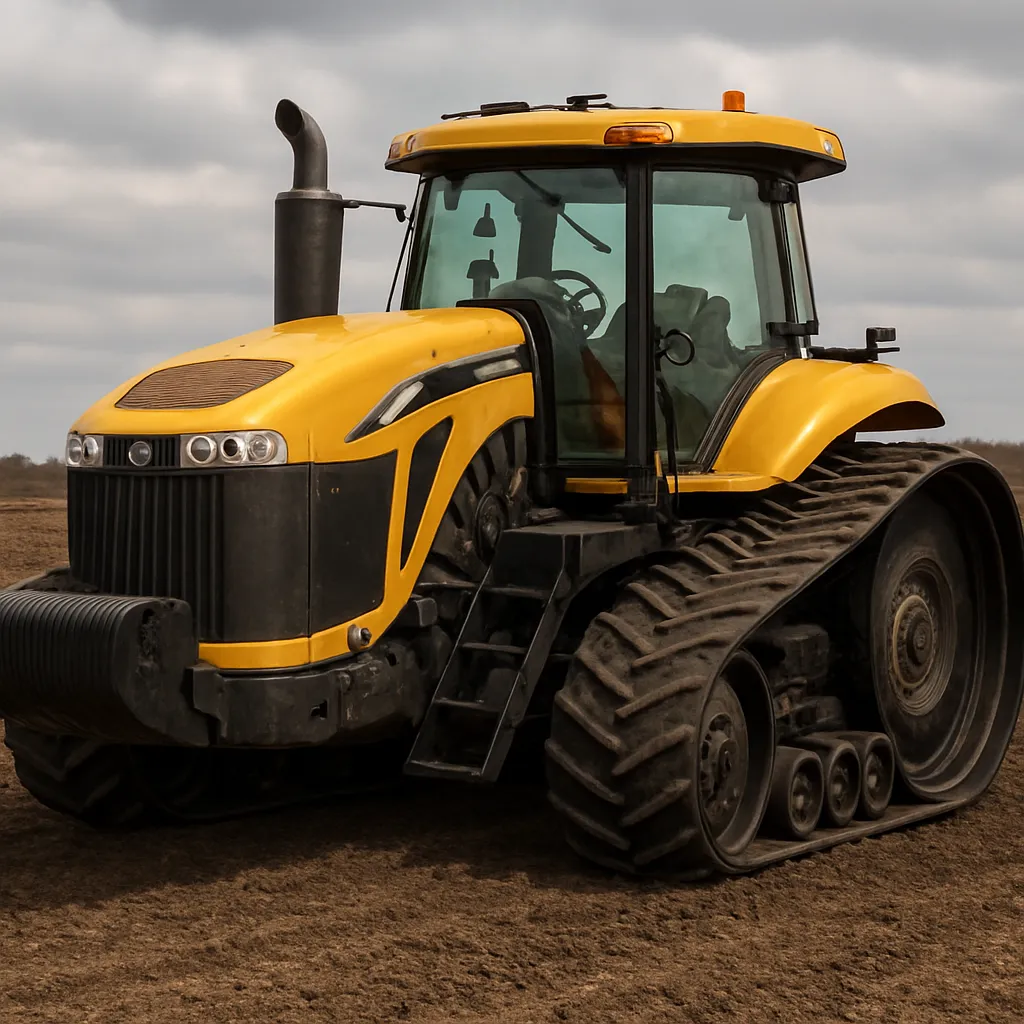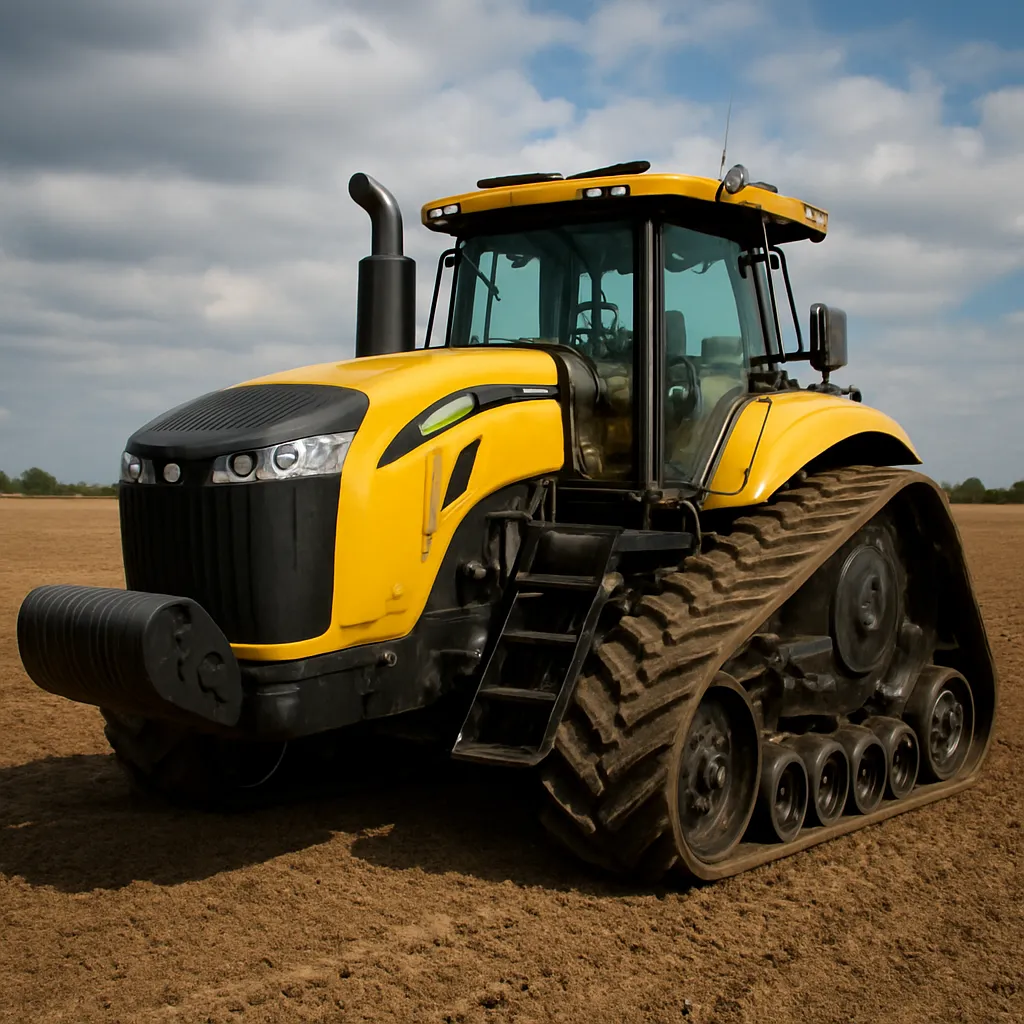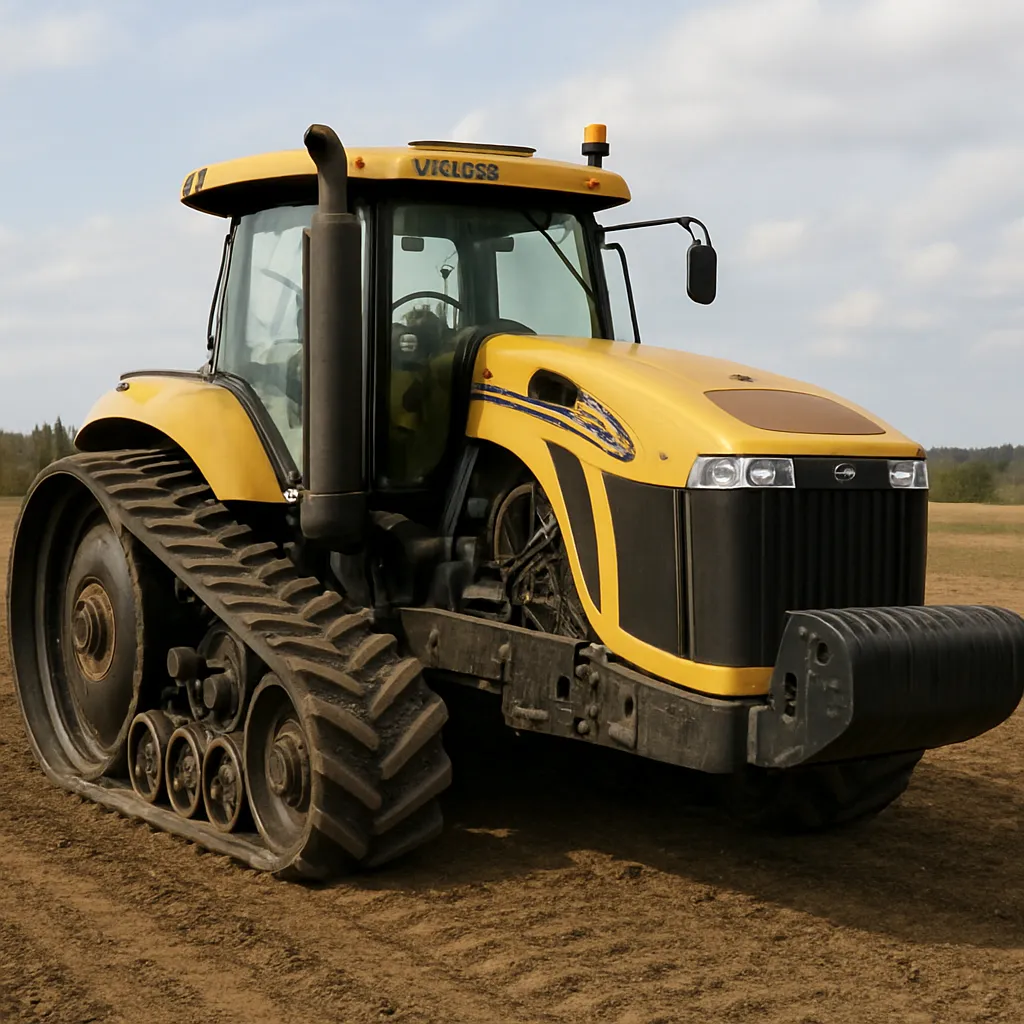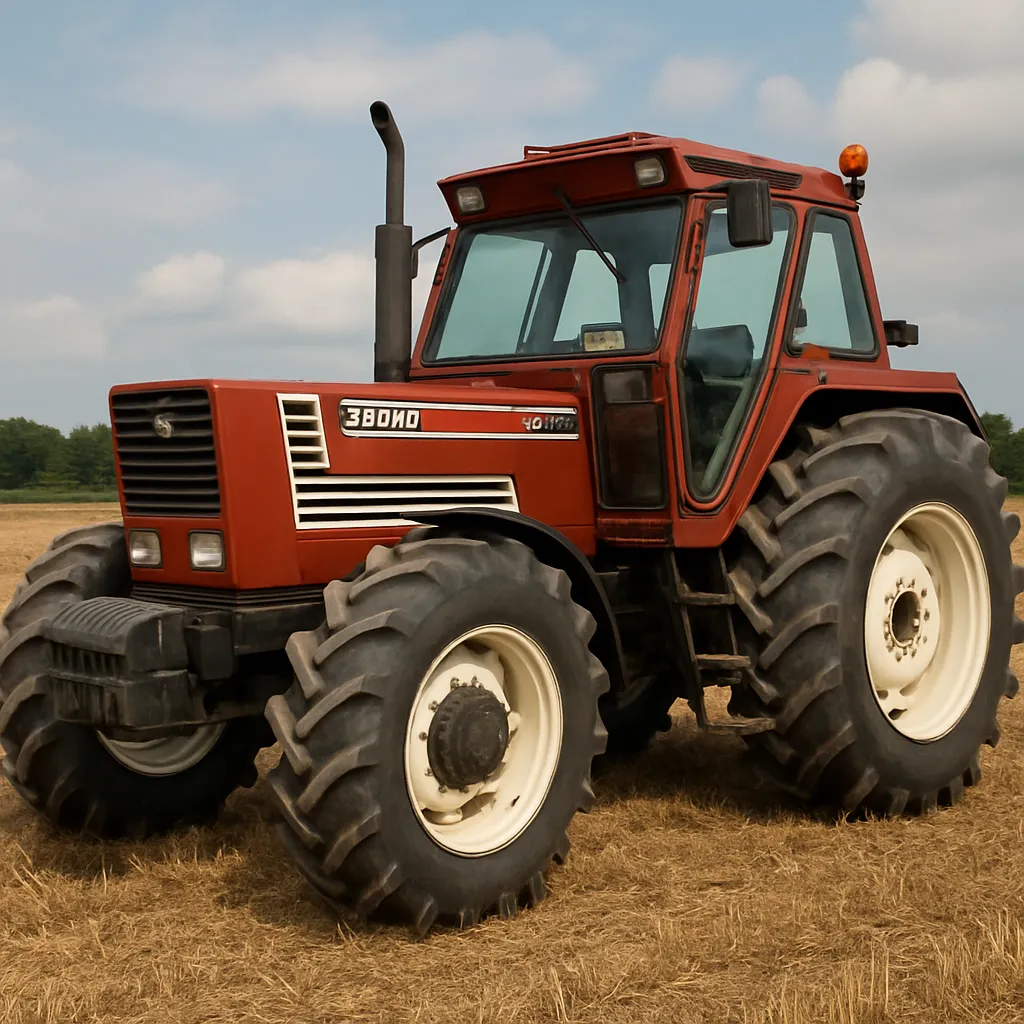
The Fiat 130-90 is a well-known agricultural machine that has earned a reputation for being a sturdy, versatile workhorse on farms across Europe and beyond. Designed as a medium-to-high power tractor for general arable and livestock operations, it combines practical mechanical simplicity with features that make it suitable for a wide range of field and transport tasks. The following article explores the model’s background, technical characteristics, practical applications, maintenance considerations and market role. Where figures are provided, they are given as typical values from factory brochures and owner reports; some items vary by model year and regional specification.
History and development
The Fiat 130-90 emerged from the product lines of Fiatagri during a period when the company was expanding and refining its tractor offerings for the modernizing farm sector. It belongs to a family of tractors that carried the Fiat 90-series designation, which aimed to deliver a balance of power, simplicity and affordability. Over time the line was updated with options for two- and four-wheel drive, different cab choices and various hydraulic and PTO configurations to match the needs of mixed and arable farms.
Fiatagri later became part of the broader agricultural machinery transformations of the 1990s, when brands consolidated and some models were carried forward or evolved into products under the New Holland and CNH umbrellas. The 130-90 remains notable among collectors and operators for its straightforward engineering and long service life in second-hand markets.
Technical specifications and performance (typical)
The following figures are representative of typical Fiat 130-90 configurations offered through its production life. Exact data may differ by market, model year and optional equipment.
- Engine type: turbocharged diesel, naturally aspirated or turbocharged variants were common in the range. The engine was designed for agricultural duty cycles with emphasis on torque at low rpm.
- Rated power: approximately 120–140 hp (continuous / nominal). The model designation 130-90 is generally interpreted as being in the ~130 hp class.
- PTO power: typically slightly lower than engine rated power; commonly in the range of 100–120 hp depending on transmission and configuration.
- Transmission: synchromesh or powershift options in some variants; multiple gear ranges for field and road work, including creep gears on certain versions.
- Drive: 2WD and 4WD variants were available; many units in practical use are four-wheel drive for traction-intensive tasks.
- Hydraulics: category II/III three-point hitch, with hydraulic flow adequate for mid-to-large implements; some units offered higher-flow pumps for front loaders and modern implements.
- Weight: operating weight commonly reported in the 4,500–5,500 kg range depending on configuration, ballast and optional equipment.
- Fuel capacity: tanks typically sized to allow several hours of continuous field work — commonly 120–200 liters depending on chassis and fuel tank option.
- Cab: enclosed cab with basic climate control in later models; visibility and ergonomics designed for long-day operations with practical controls.
These attributes made the Fiat 130-90 a competitor in the medium-high power bracket where versatility, torque and simplicity were valued more than cutting-edge electronics. For many operators, the tractor’s mechanical accessibility and straightforward repairability were important selling points.
Applications and field uses
The Fiat 130-90 was engineered primarily for general-purpose agricultural roles. Its power and torque characteristics make it suitable for the following tasks:
- Tillage: pulling ploughs, discs and cultivators on medium-to-large fields where steady torque and traction are required.
- Seeding and planting: providing drawbar and hydraulic power for seed drills, planters and multipurpose seeders.
- Hay and forage operations: powering mowers, tedders, rakes and balers via the PTO and hydraulic systems.
- Material handling: fitted with front loaders, the model is well suited to bale handling, feeding tasks and moving materials around the yard.
- Transport: road transport of grain trailers or equipment between parcels, especially where a higher road speed option was available via the gearbox.
- Specialist implements: depending on options, it can handle powered seed drills, sprayers (as prime mover), wood chippers and other auxiliary equipment.
Beyond pure farming, these tractors are sometimes used in municipal and light industrial roles — snow clearing, road-side brush cutting and estate maintenance — owing to their durability and straightforward servicing.
Design strengths and operator experience
Owners and long-term users of the Fiat 130-90 commonly highlight several strengths:
- Mechanical simplicity: the design emphasizes ease of maintenance; many key service points are accessible without specialized tools.
- Robust build: frames, axles and driveline components were engineered for long service life under farm loads.
- Good torque delivery: low-end torque suitable for heavy draft implements and slow-speed power applications.
- Comfortable for its era: enclosed cab options offer reasonable protection and ergonomics for long shifts in the field.
- Parts availability: because of the model’s prevalence in many markets, spares and aftermarket components are commonly available, either new or reconditioned.
These strengths made the Fiat 130-90 appealing to mid-sized and larger farms where reliability and ease of service could reduce downtime and total cost of ownership.
Maintenance, common issues and longevity
Like any long-lived agricultural machine, the 130-90 requires routine maintenance to sustain performance and value. Typical maintenance points include:
- Regular engine oil and filter changes to protect the diesel engine and injection system.
- Fuel system upkeep — attention to filters and water separation — especially important with modern, lower-quality fuels.
- Hydraulic system checks and filter replacements to avoid contamination-related failures in valves and pumps.
- Transmission and final drive servicing, including gear oil changes and seal inspections to prevent leaks.
- Cooling system maintenance: regular checks of radiator, hoses and coolant levels to prevent overheating under heavy loads.
Commonly reported issues by second-hand owners are typical for tractors of this vintage: wear in transmission components if clutch or gears have been abused, hydraulic leaks from seals and hoses, and aging cab components (seats, seals, electrical switches). Diesel injection systems on older units may require periodic overhaul, particularly where fuel quality or maintenance history has been poor.
With proper care, many Fiat 130-90 tractors have reached high mileages in terms of hours, remaining useful on small and medium farms. Replacement parts, reconditioned engines and aftermarket components extend service lives considerably.
Variants and equipment options
The 130-90 line included multiple variants to meet diverse agricultural requirements. Typical variant groupings included:
- Two-wheel drive (2WD) and four-wheel drive (4WD) chassis options.
- Different transmission choices: basic synchromesh gearboxes for cost-effective models and more advanced options for road-versatility or loader tasks.
- Cab or open-station configurations: enclosed cabs for operator comfort and open platforms for simple utility tasks.
- Hydraulic and PTO configurations tailored for loader work, heavy implements or specialty equipment.
Optional equipment could include front-wheel weights, ballast kits, heavy-duty axles for increased towing capacity and high-flow hydraulic pumps for modern implement compatibility.
Market presence, resale and collectibility
Although exact production and sales figures for the Fiat 130-90 are not uniformly published across all markets, the model has been widely present in European farming fleets. In used machinery markets, it is often sought after for:
- Practical value: robust capability for medium-sized farm operations at affordable prices.
- Parts ecosystem: many components are interchangeable with related Fiatagri models or available as aftermarket upgrades.
- Collectibility: well-preserved machines with original paint and interiors attract collectors and enthusiasts of classic agricultural equipment.
Resale prices vary widely depending on condition, hours, service history and local demand. Tractors with documented maintenance and limited hours command a premium; others are purchased for parts, restoration or conversion for niche uses such as historic tractor shows.
Comparisons and competitors
In its class, the Fiat 130-90 competed with medium-to-high power offerings from brands such as Ford, Massey Ferguson, John Deere and Belarus / MTZ (in certain markets). Buyers typically compared:
- Fuel efficiency and torque curves — important for draft work and PTO loads.
- Availability of service and parts in local markets.
- Cab comfort, ergonomics and ease-of-use for the operator.
- Total cost of ownership including initial price, expected lifespan and service costs.
The 130-90 often scored well on the balance between purchase price and performance, while more modern competitors might offer advanced electronics, higher fuel efficiency and comfort features at a higher price point.
Practical buying and ownership tips
For prospective buyers of a used Fiat 130-90, experienced owners recommend attention to the following:
- Verify service history: regular oil and filter changes, timely transmission servicing and documented hydraulic maintenance reduce risk.
- Inspect for frame and axle integrity: evidence of heavy impact or welding repairs can signal past accidents or overstress.
- Test the PTO and hydraulic systems under load where possible to reveal issues not apparent at idle.
- Check the cab and electrical systems: switches, lights and instruments often fail with age and can be more expensive to restore than cosmetic items.
- Consider total ownership cost: include immediate maintenance, replacement tires or wear items and any upgrades needed for modern implements.
Many owners find that a well-maintained Fiat 130-90 can offer years of dependable service for common farm tasks at a lower entry cost than newer machines with complex electronics.
Modern relevance and retrofit potential
Even as agricultural technology advances, older tractors like the Fiat 130-90 remain relevant, particularly on smaller or resource-conscious farms. Retrofit opportunities can extend their utility:
- Hydraulic pump upgrades to support modern implements.
- Aftermarket cabs or improved seats to enhance operator comfort.
- Electronic ignition or fuel system optimizations where feasible and compatible.
- Conversion to use with alternative implements such as bespoke front loaders, snow ploughs or heavy-duty mowers for municipal use.
Such retrofits allow the core mechanical strengths of the 130-90 — its durable frame, torque characteristics and simple driveline — to be paired with contemporary needs without the full cost of a new tractor.
Summary
The Fiat 130-90 stands as a practical example of a medium-to-high power agricultural tractor designed for broad utility. Its key appeals are mechanical robustness, straightforward maintenance and adaptability to a wide range of farm and light industrial tasks. While not the most technologically advanced model by modern standards, its balance of power, durability and serviceability keeps it in use on many farms. Typical specifications place it in the ~130 hp class with reliable diesel engines, capable PTO and practical hydraulics. Whether bought for restoration, parts or continued daily use, the Fiat 130-90 remains a notable chapter in the history of agricultural machinery.