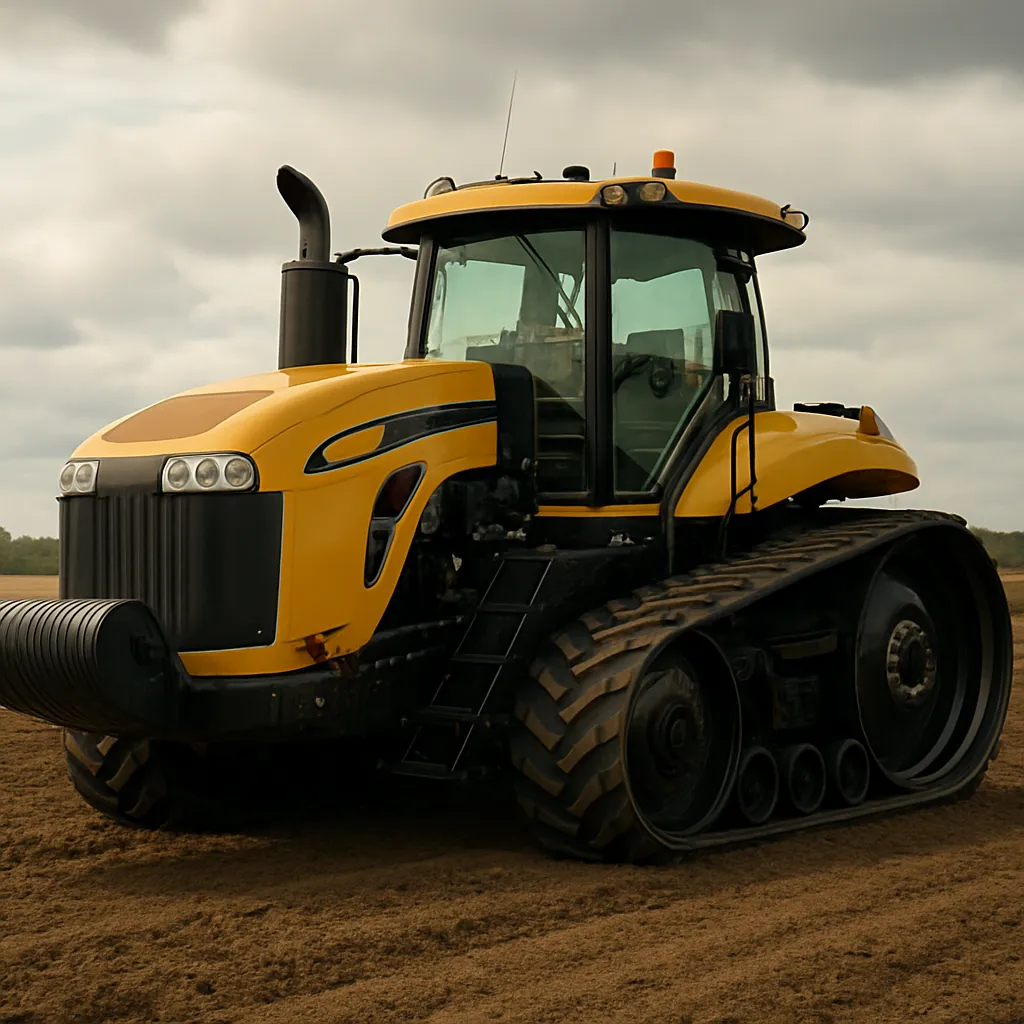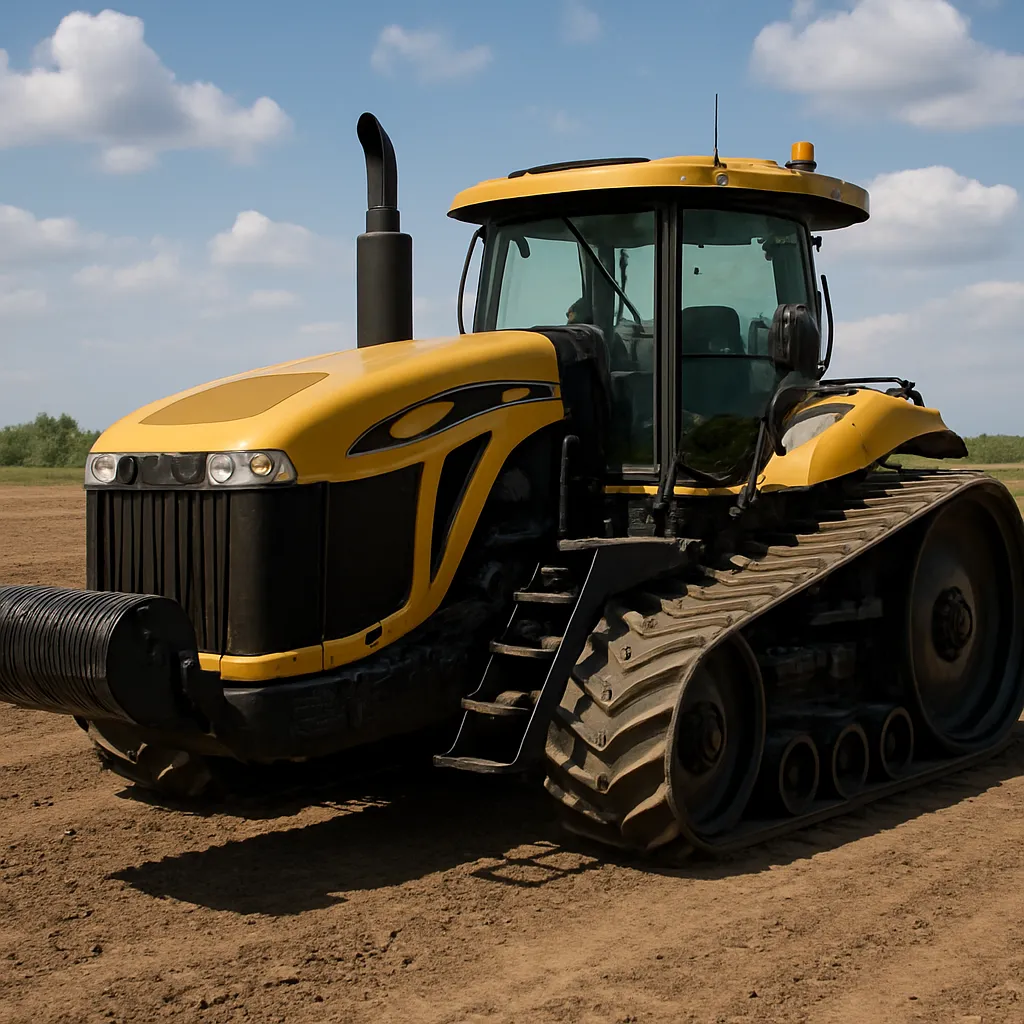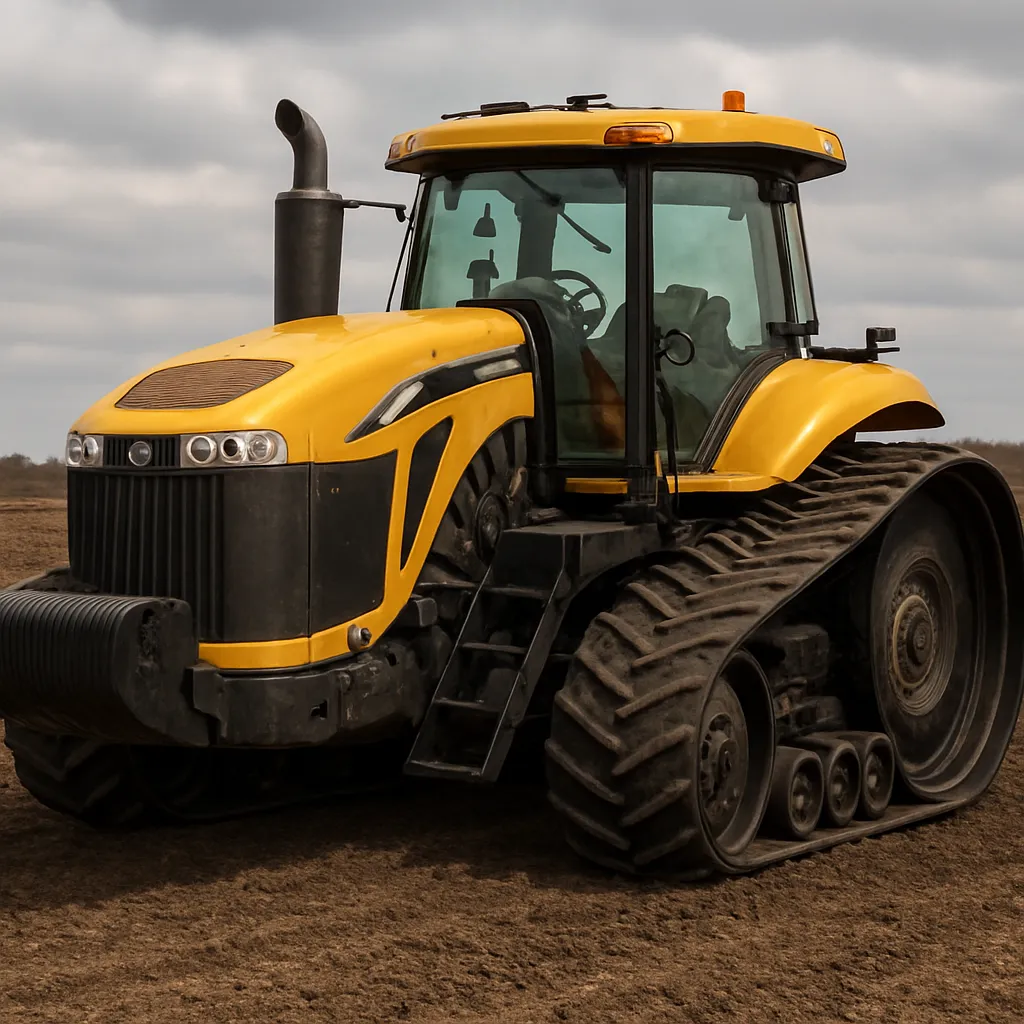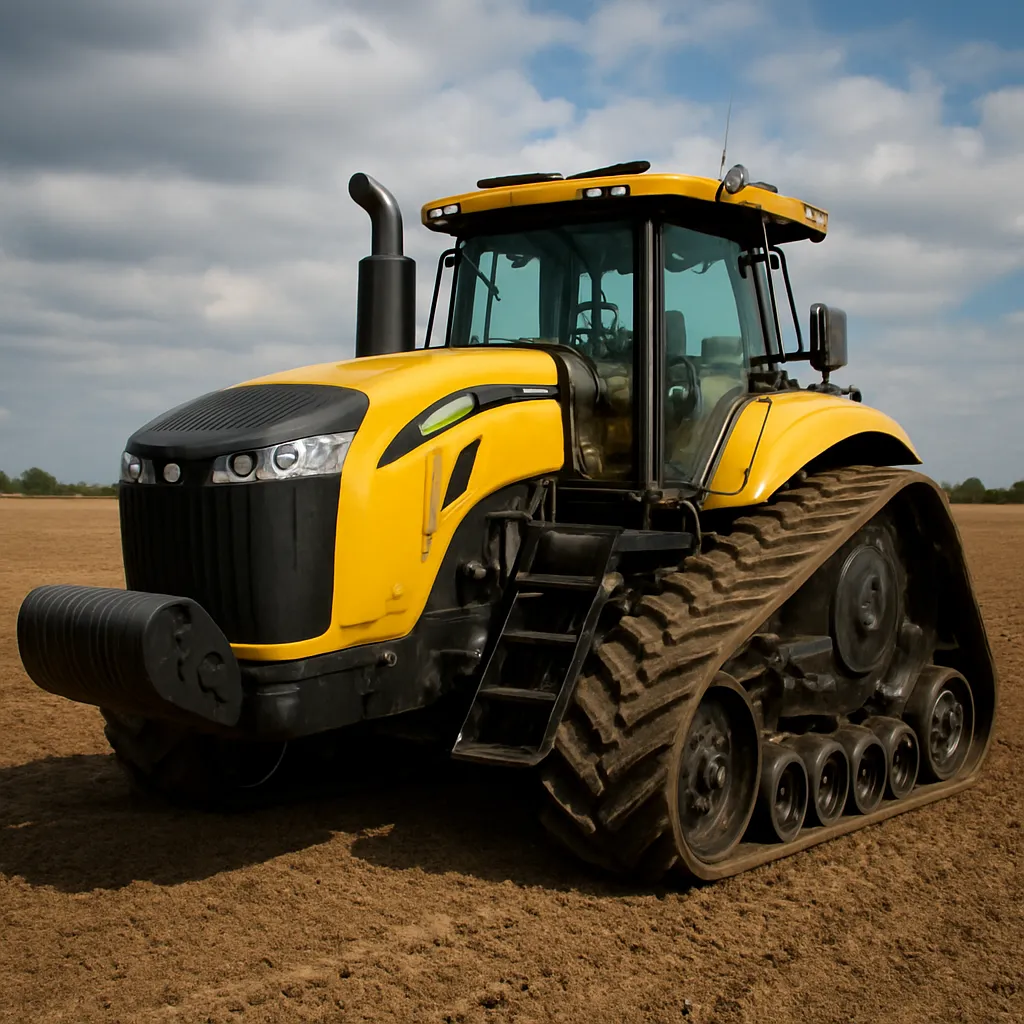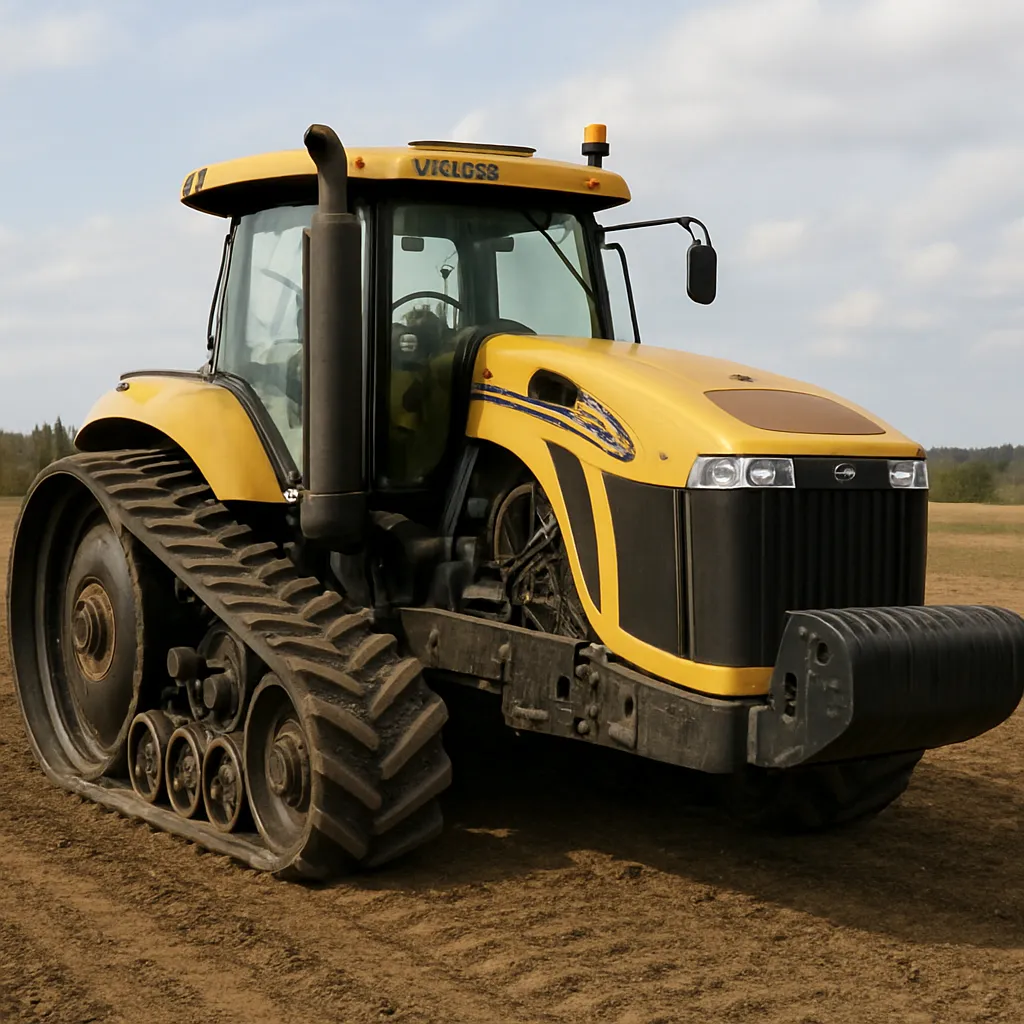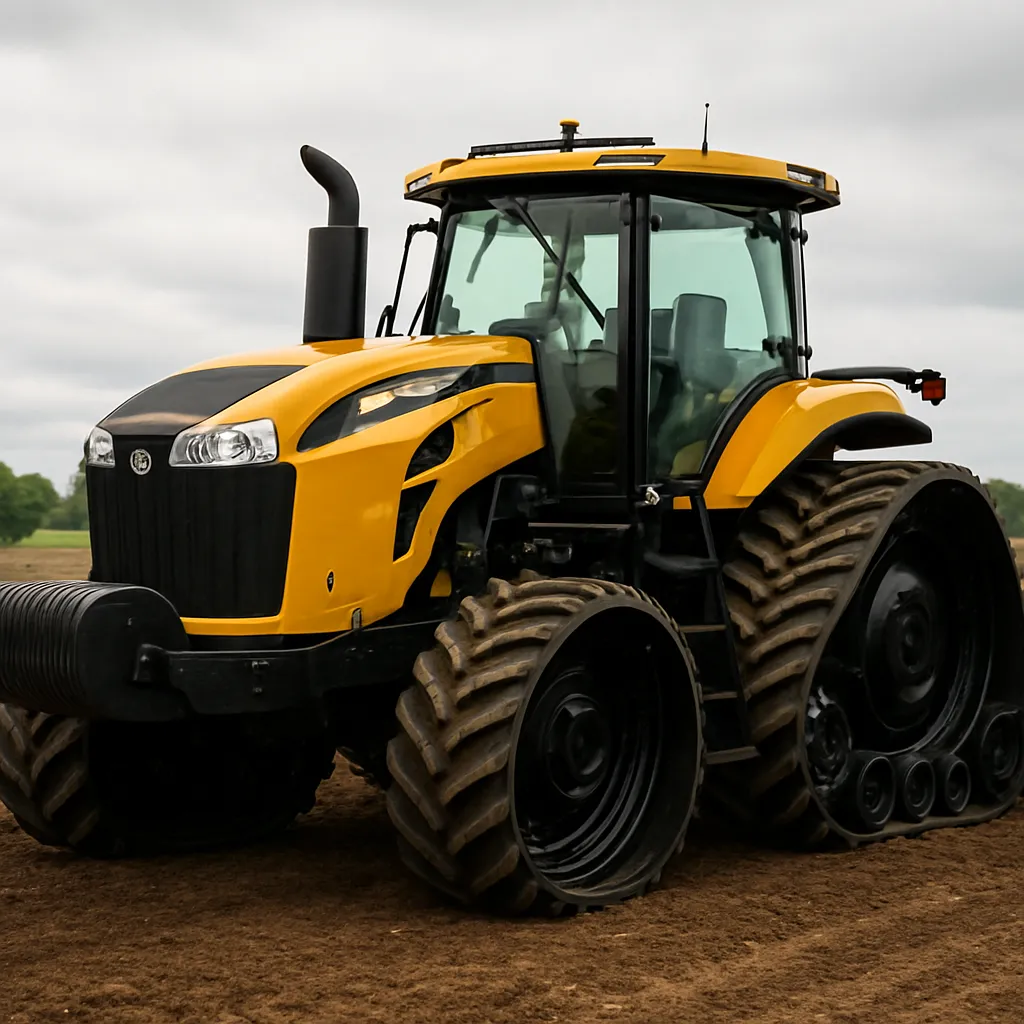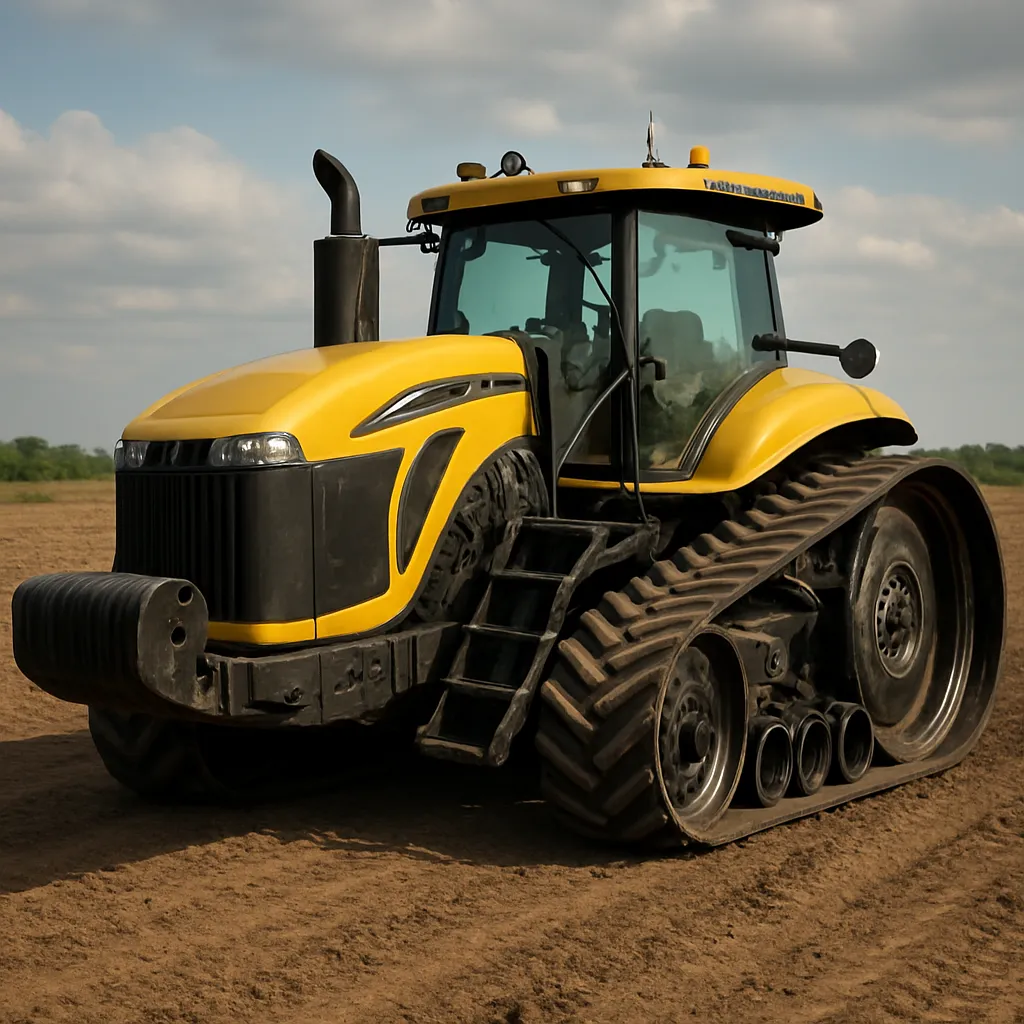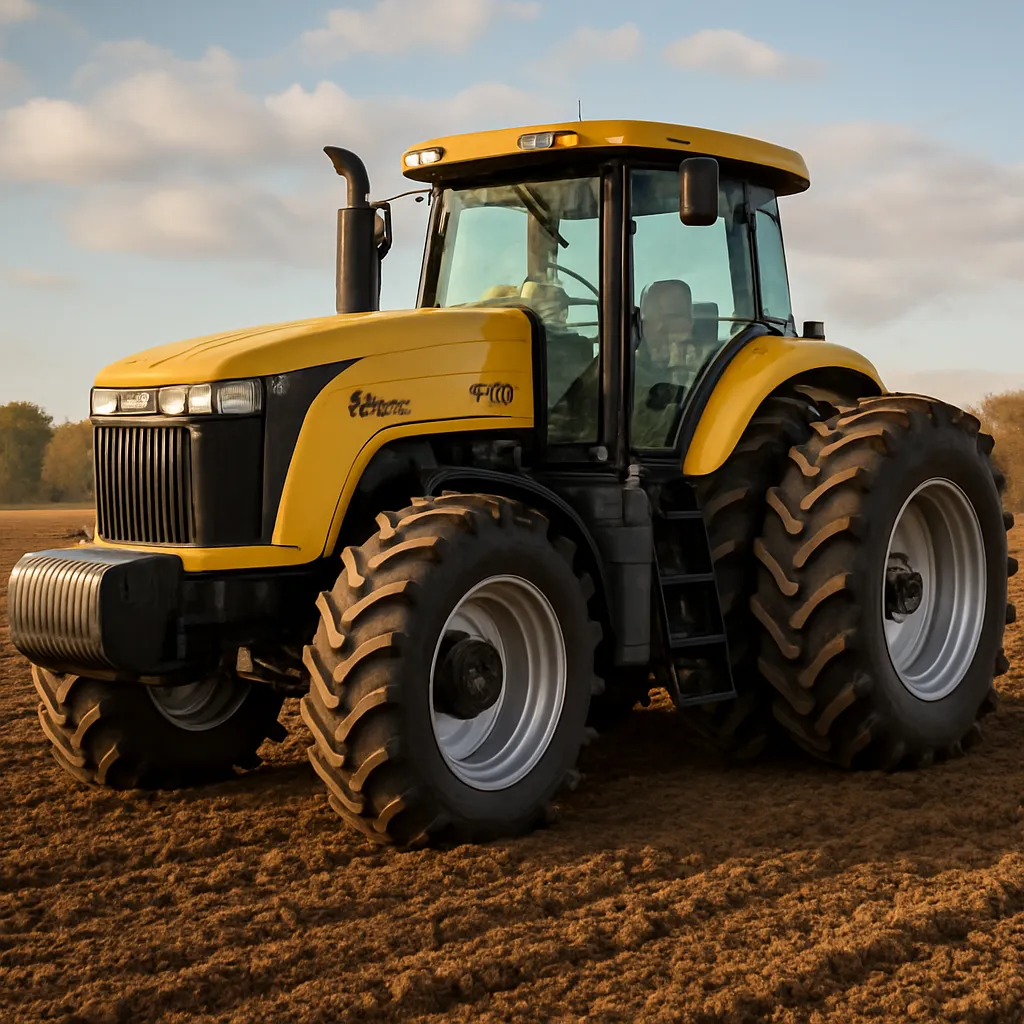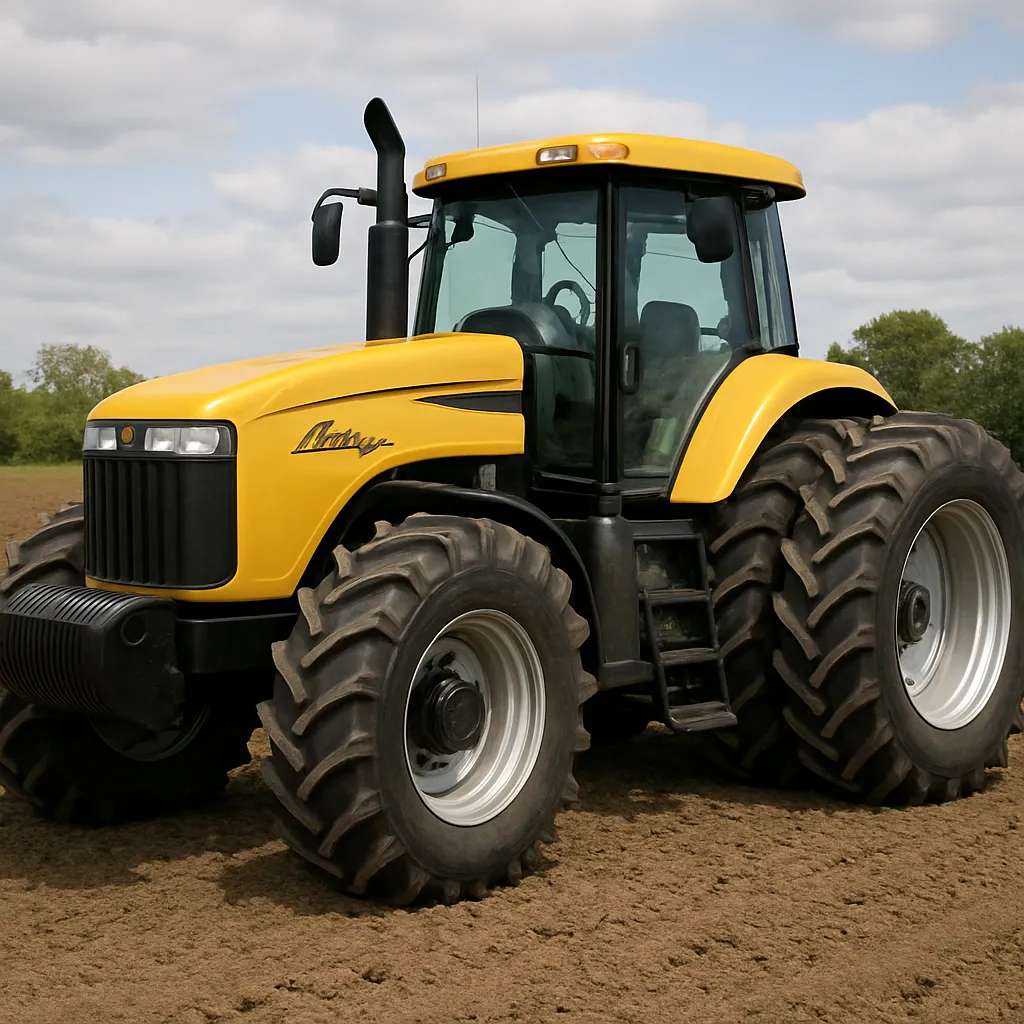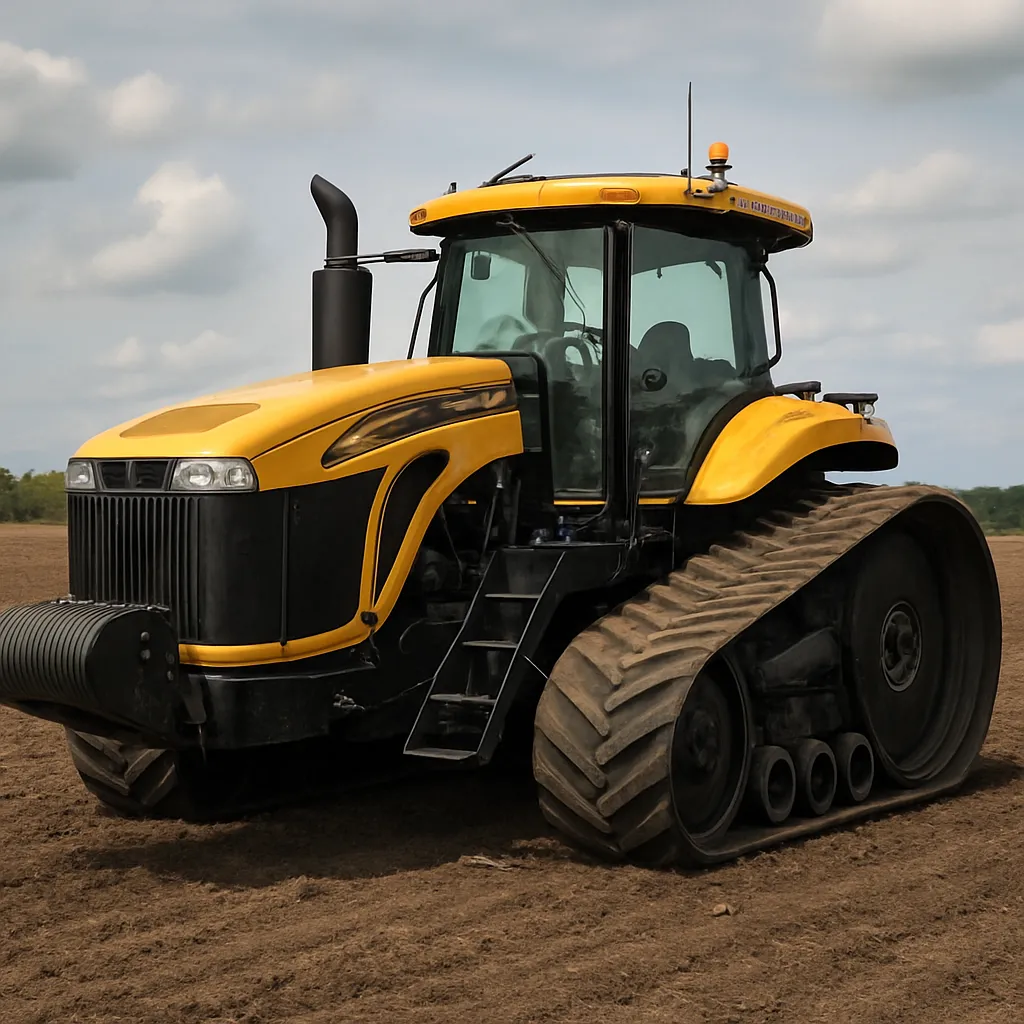
The Challenger MT975B is a heavyweight, track-driven agricultural tractor designed for large-scale farming operations and demanding fieldwork. Combining robust engineering with systems intended to maximize traction and reduce soil compaction, this model has been used by farmers and contractors who require reliable power delivery across a variety of challenging conditions. In the following sections, you will find an overview of the MT975B’s design, estimated technical characteristics, typical applications, operational considerations, and the broader economic and environmental context that makes a machine like this attractive to modern agriculture.
Design and engineering
The Challenger MT975B belongs to the family of purpose-built, fully tracked tractors that replaced or complemented high-horsepower wheeled tractors on many farms. The basic philosophy behind the design is to deliver as much engine power as possible to the ground with minimal slippage and a controlled distribution of weight to preserve soil structure. Key engineering elements include a heavy-duty diesel engine, a durable undercarriage with rubber tracks, reinforced chassis components, and a cab designed for all-day comfort when operating large implements.
The MT975B was developed with an emphasis on operational reliability and ease of service. Typical features found on machines in this category include centralized service points, modular components for faster field repair, and protection for drivetrain parts that see the highest loads. Cooling systems, hydraulic pumps, and final drives were engineered to withstand extended high-load operation during deep tillage and heavy pulling tasks.
Chassis and track design are central to the tractor’s effectiveness. Compared with wheeled machines, the MT975B’s tracks provide a larger contact area with the soil, which reduces ground pressure and improves traction. Track tension systems and suspension elements help maintain consistent contact across varied terrain, translating into more uniform implement performance and less energy loss due to wheel slip.
Performance and estimated technical specifications
Exact specifications for the MT975B can vary by model year and regional configuration. Below are commonly reported approximate figures and characteristics associated with the MT975 series, with the caveat that manufacturer literature and dealer data for specific production years should be consulted for precise numbers.
- Engine power: roughly in the range of 350–420 rated horsepower at the flywheel, depending on tuning and emission stage.
- PTO and drawbar capability: substantial drawbar pull suitable for large implements; PTO power typically somewhat lower than engine rating due to drivetrain losses, still sufficient for most heavy-duty PTO-driven equipment.
- Operating weight: generally between 12,000 and 18,000 kg (26,000–40,000 lb) in typical configurations; ballast and implement weights change this significantly.
- Fuel capacity: large tanks to accommodate long field days, often in the range of 800–1,200 liters (200–320 US gallons) depending on options.
- Transmission: heavy-duty powershift or hydrostatic-assisted systems are common, designed to offer a range of working speeds and smooth changes under load.
- Tracks: wide rubber tracks providing low ground pressure; widths and lengths vary by factory option to suit soil types and transport needs.
- Hydraulics: high-flow hydraulic systems for large planters, cultivators, and air seeders; multiple remote valves and control circuits available.
- Cab and electronics: climate-controlled cabs with ergonomic controls, often equipped with factory or dealer-installed GPS-ready guidance and ISOBUS compatibility.
These numbers present a general sense of the machine’s capability: the MT975B is built to pull very large tillage rigs, handle wide seeders and air drills, and perform sustained work without overheating or excessive component wear. Fuel burn per hectare will vary with the task (tillage vs. seeding vs. transport), soil conditions, and operator technique, but heavy tillage typically yields the highest consumption rates.
Typical applications and field roles
The MT975B shines in roles where continuous, high tractive effort and stable implement control are essential. Typical applications include:
- Primary tillage — pulling deep plows and heavy cultivators across large fields demands both power and track-based traction to maintain speed and depth control.
- Seedbed preparation — wide disc harrows and heavy packer harrows benefit from steady pull and uniform ground contact.
- Seeding and planting — especially with very wide planters or multi-row units where precise ground following and low slippage are needed to maintain consistent seed depth and spacing.
- Large-scale planting with air drills — high-capacity air seeding rigs require sustained PTO and hydraulic output as well as a tractor that can travel long distances without frequent refueling.
- Towing and transport — moving heavy trailers, tanks, or wagons across fields, especially in soft or wet conditions.
- Specialty tasks — such as shallow subsoiling, heavy fertilizer injection, and other operations where traction and minimal soil disturbance are priorities.
Because of the flexibility offered by track systems and high hydraulic flow, the MT975B is often chosen by operations that rotate crops on a large scale, manage soils that are prone to compaction, or must work within tight time windows where the ability to keep moving in less-than-ideal conditions is valuable.
Advantages of a tracked design compared with wheeled tractors
Understanding why many operators select a tractor like the MT975B involves appreciating the trade-offs between tracked and wheeled machines:
- Lower soil compaction: tracks distribute machine weight over a larger area, reducing peak ground pressure and protecting seedbeds and subsoil structure.
- Improved traction: greater contact area and reduced slip translate to more of the engine’s power being converted into effective pull.
- Smoother ride and implement control: tracked undercarriages can provide steadier draft force, which improves depth control for planters and tillage tools.
- Better performance in wet conditions: tracks allow continued fieldwork when wheeled tractors might bog or create deep ruts.
- Reduced tire-related downtime: while rubber tracks have their own maintenance needs, punctures and blowouts are less of an issue versus large implement tires.
On the other hand, tracked tractors can have higher initial acquisition costs, heavier weights that may be disadvantageous on certain transport axes, and specialized maintenance needs such as track replacement and final-drive servicing. Operators balance these factors based on soil types, crop rotations, and the scale of their operations.
Advanced features, electronics, and implement integration
Modern versions of tractors in the MT900 series are fitted to integrate with contemporary agricultural precision technologies. Key aspects include:
- GPS guidance and auto-steer compatibility: reduced overlap and precise pass-to-pass control save time and inputs like seed and fertilizer.
- ISOBUS capability: allows the tractor to communicate with a wide range of implements using standardized protocols, simplifying setup and enabling features like variable-rate control.
- Telematics and fleet management: remote diagnostics, fuel usage tracking, and productivity monitoring are often available through manufacturer or third-party systems.
- Engine management systems: electronic controls optimize fuel delivery and emissions, adjusting power to load conditions and improving responsiveness under heavy draft.
- Operator comfort: seats with air suspension, sound insulation, and ergonomic controls increase productivity during long days and reduce operator fatigue.
The ability to combine heavy pulling power with precision guidance makes the MT975B an attractive platform for farmers seeking both traditional mechanical strength and the efficiencies of modern precision agriculture.
Maintenance, reliability and lifecycle considerations
Maintenance of a large tracked tractor demands careful attention to both powertrain elements and the undercarriage. Common maintenance priorities include:
- Track inspection and tensioning to avoid accelerated wear and ensure proper contact with the ground.
- Final drive and transmission fluids checks and changes at manufacturer-recommended intervals.
- Cooling system maintenance, particularly during sustained high-load operations when overheating risk is higher.
- Hydraulic system service to preserve implement responsiveness and prevent contamination-related failures.
- Electrical and sensor diagnostics for guidance, engine control, and telematics components.
Reliability in the field is influenced by operator habits, service regularity, and the environment. Many operators report long service lives for tracked machines that receive consistent preventive maintenance; however, when major components such as tracks, final drives, or engine heads require repair, costs can be significant. Good resale values are commonly seen for well-maintained machines in high-demand regions, particularly where large-scale farming is dominant.
Economic considerations and total cost of ownership
Deciding to invest in a tractor like the MT975B involves more than the sticker price. Total cost of ownership includes acquisition, fuel consumption, routine maintenance, repairs, downtime, and eventual resale. Factors that influence economics include:
- Operational efficiency: reduced field passes due to better traction and the ability to operate in marginal conditions can translate to lower fuel use and higher productivity per hectare.
- Input savings: improved field performance reduces wasted fuel, seed, and fertilizer caused by slippage and inconsistent implement operation.
- Time-critical operations: being able to work in wetter windows or finish planting earlier in the season can have direct crop-yield and price advantages.
- Depreciation and resale: tracked tractors tend to hold value in markets with large arable acreage and where tracks are preferred.
Financing, leasing, or custom-hire are common strategies to spread cost and access high-horsepower equipment without long-term capital exposure. Many contractors buy tracked tractors specifically to offer services to large farms during peak seasons, offsetting ownership costs through rental income.
Environmental impact and stewardship
One of the frequently cited benefits of tracked tractors is reduced soil compaction. By minimizing deep compaction, tracks help maintain soil porosity, root growth patterns, and water infiltration — factors tied closely to long-term yield potential and sustainable land management. This is particularly important in systems with heavy machinery and frequent passes.
However, larger machines also have potential environmental downsides: higher fuel consumption under heavy loads, greater embodied energy in manufacturing, and potential for increased cultivation intensity if operators find they can work more often. Environmental stewardship practices that complement the use of a tracked tractor include:
- Adopting controlled-traffic farming to limit compaction to defined wheel/track lanes.
- Combining reduced tillage practices with tracked equipment to balance residue preservation and seedbed quality.
- Using precision application of fertilizers and crop protection products to reduce inputs and off-target losses.
Buying considerations and suitability
When evaluating whether the MT975B fits a particular operation, consider:
- Scale of operation: large farms and contractors that handle broad acreages are the primary market for this class of tractor.
- Soil type and weather: regions with heavy, wet soils or where spring work windows are narrow benefit most from tracked machines.
- Available implements: ensure that planters, drills, and tillage tools are compatible with a high-drawbar, tracked platform.
- Transport and logistics: weigh the need for specialized transport permits, axle weight limits, and road travel speed vs. on-farm performance.
- Service and dealer support: local availability of parts and skilled technicians is crucial for uptime and long-term value retention.
Prospective buyers should arrange extended demonstrations and consult with other operators in similar production systems to assess real-world advantages. Checking long-term data such as average fuel consumption per hectare for comparable tasks is also recommended.
Conclusion
The Challenger MT975B represents a class of heavy tracked tractors that combine raw pulling power with the benefits of track-based ground engagement. For large-scale, time-sensitive farming operations that require reliable traction, reduced soil compaction, and the integration of modern precision tools, a machine like the MT975B can be a compelling choice. Key strengths of this platform include superior traction, consistent implement control, and robustness for sustained heavy-duty work. Costs and maintenance requirements are non-trivial, so operators must balance immediate productivity gains against long-term ownership expenses.
Ultimately, the decision to use a Challenger MT975B should be based on careful evaluation of farm size, soil conditions, available implements, and access to service. When matched to the right operation, the combination of modern electronics, high-capacity hydraulics, and a track-based undercarriage offers a powerful tool for efficient, high-quality fieldwork.