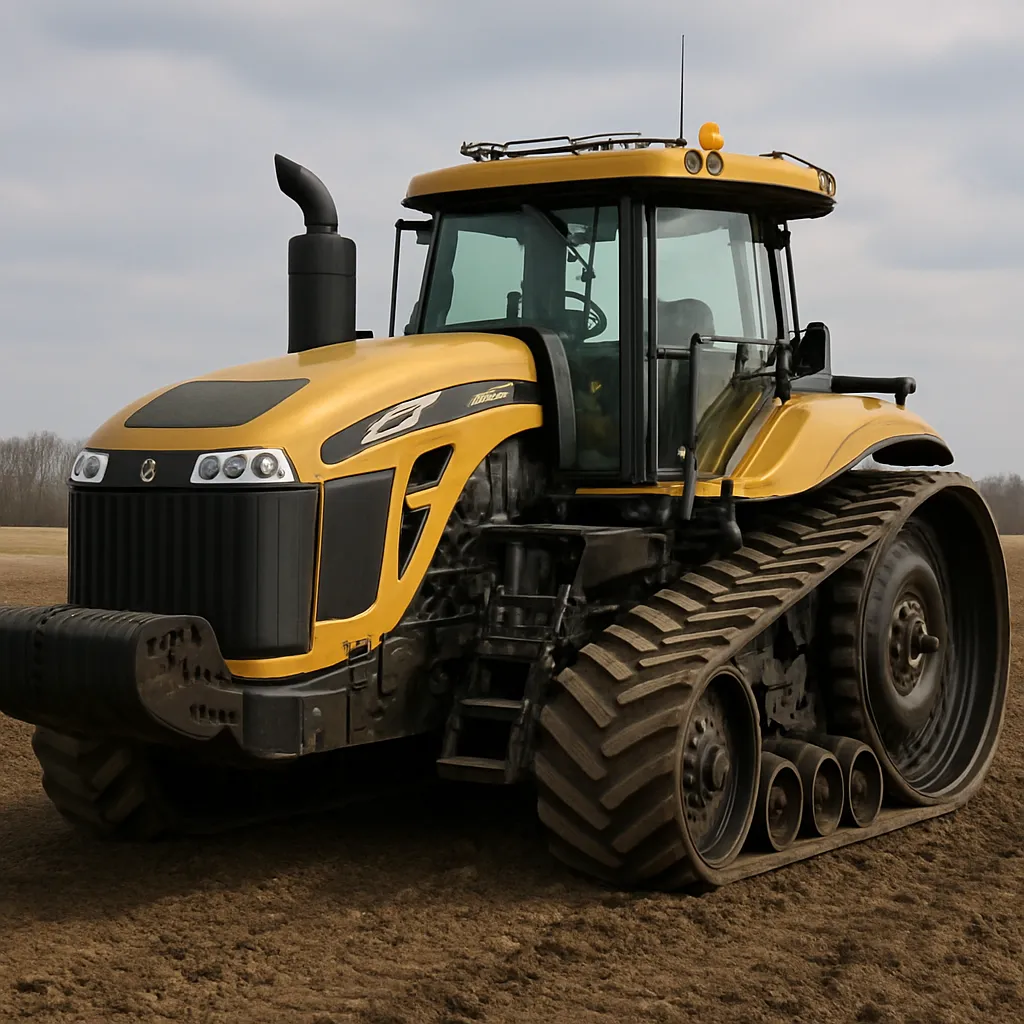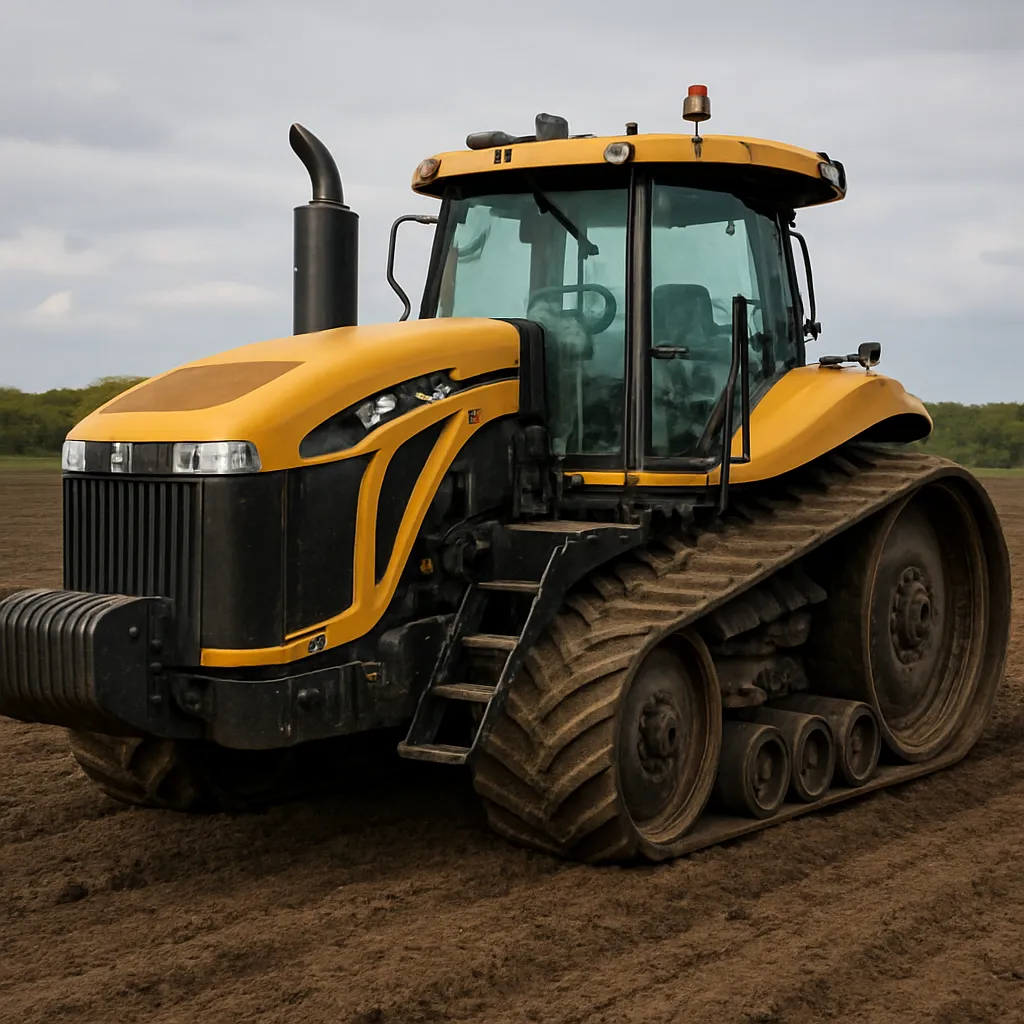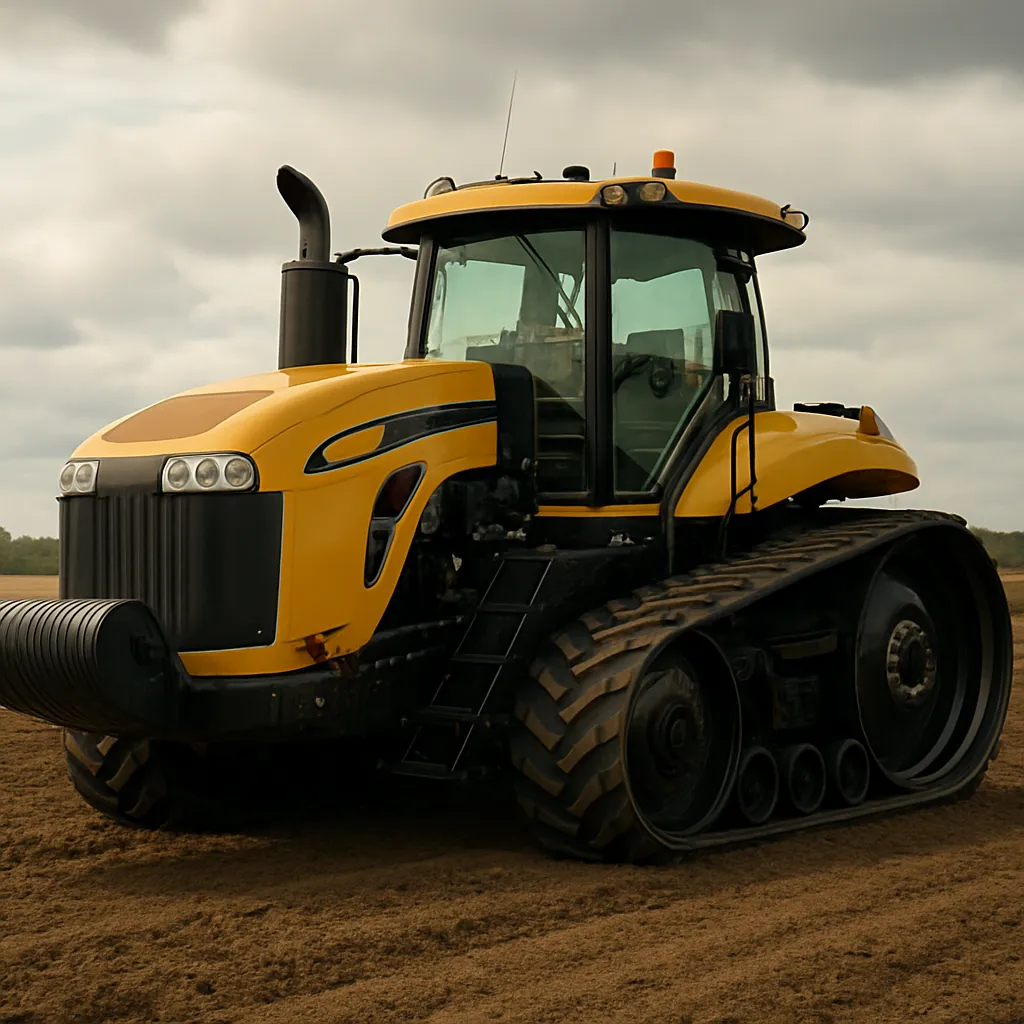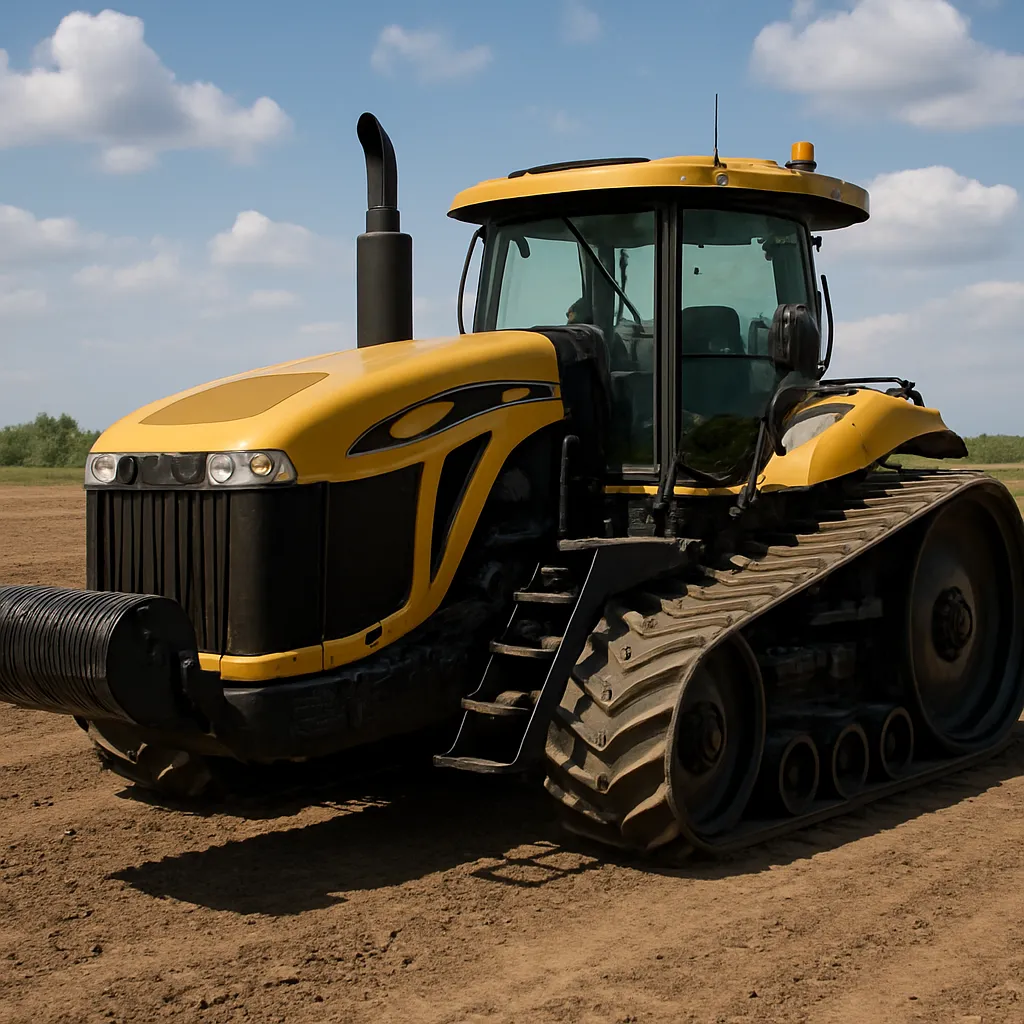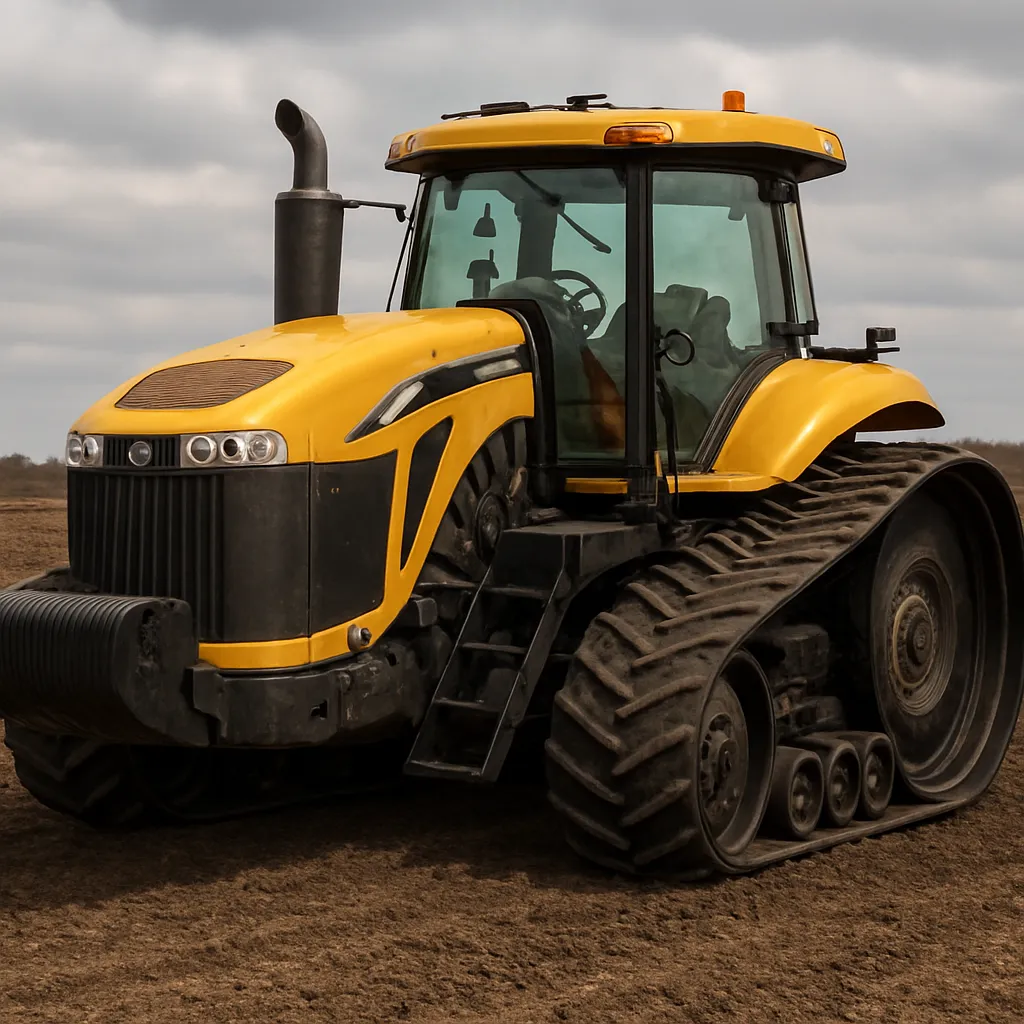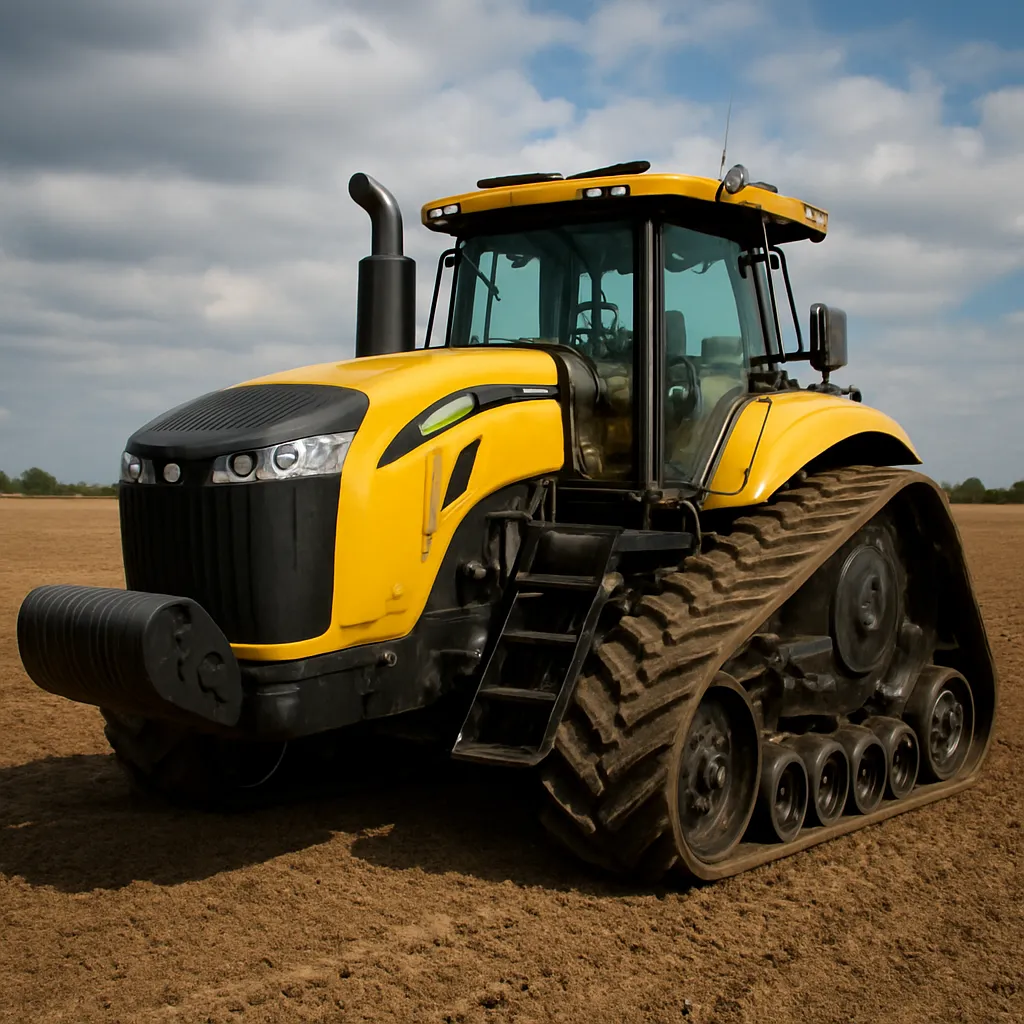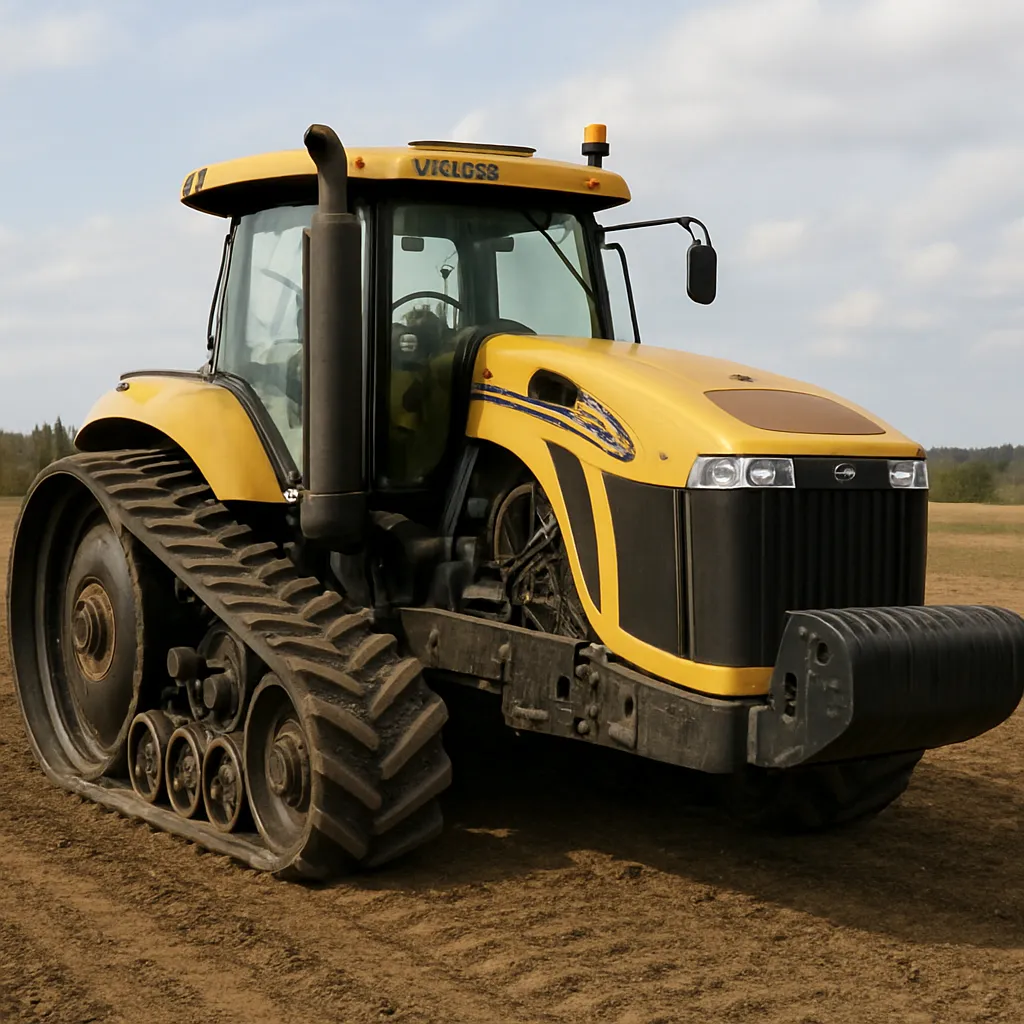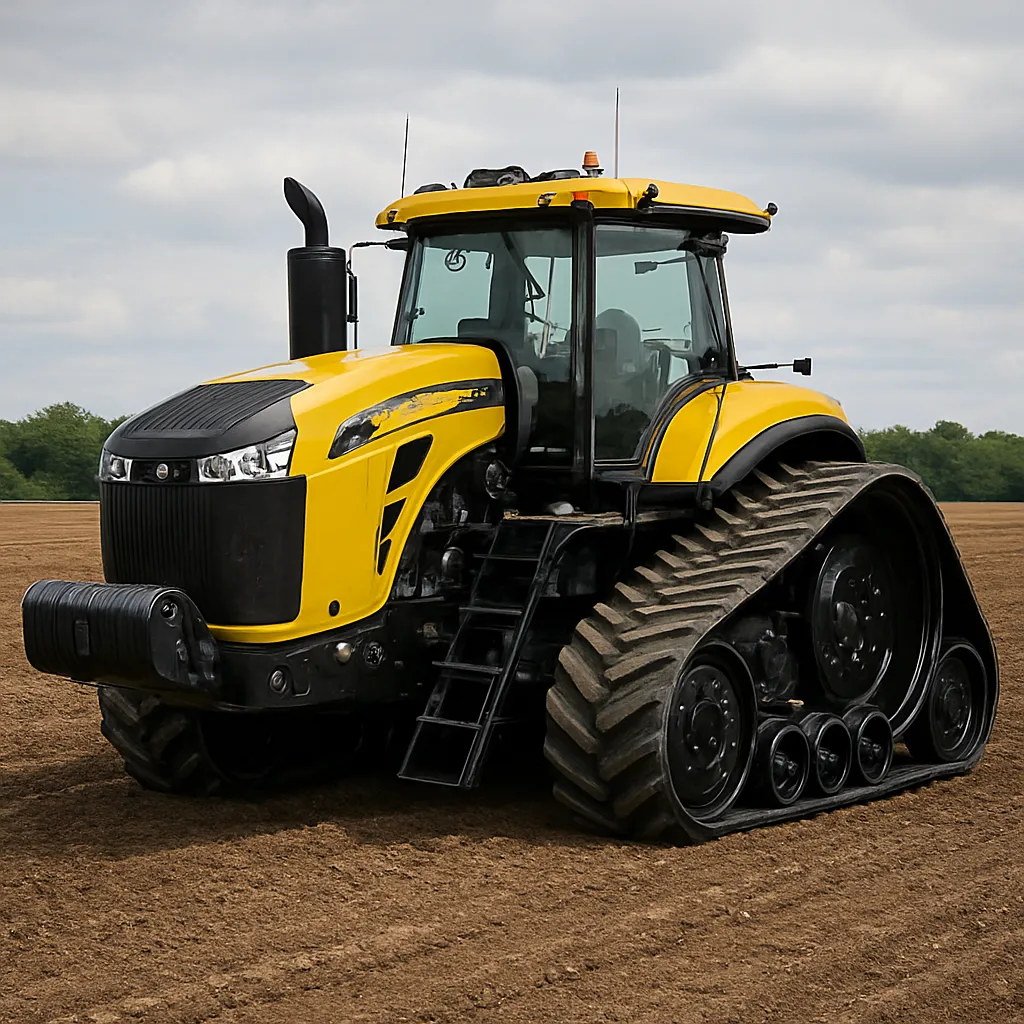
The Challenger MT975E is a heavy-duty agricultural track tractor that has found a place on large farms and in contractor fleets worldwide. Combining the pulling power of a high-displacement diesel engine with a rubber-track running gear, the MT975E was designed to deliver consistent performance on difficult soils, reduce compaction, and increase field productivity where wheeled tractors can struggle. In the following sections, we explore the tractor’s background, technical characteristics, practical uses, maintenance considerations, and market context, offering useful insights for operators, managers, and anyone interested in modern high-horsepower agricultural machinery.
Overview and background
The Challenger brand, long associated with high-power track tractors, positioned the MT975E in the segment for large-scale cropping operations and heavy tillage applications. The MT900E series, which includes the MT975E, represented Challenger’s commitment to tracked technology for high-traction tasks. These tractors were commonly produced in the early to mid-2000s and were marketed primarily to farms requiring large daily field coverage, contractors, and operations working on soft or moist soils where ground pressure and slippage must be minimized.
Challenger tractors like the MT975E are characterized by the integration of powerful engines, robust undercarriage systems, and operator-focused features to maintain productivity during long workdays. The model’s name, MT975E, denotes its placement in the series as a high-capacity unit; exact configurations could differ by year, factory options, and regional packages.
Technical specifications and performance characteristics
Specifications for the MT975E vary by model year and optional equipment, and different markets sometimes received slightly different engine tunings or undercarriage options. The following figures represent commonly reported values and ranges for this class and model:
- Engine type: 6-cylinder turbocharged diesel
- Rated power: typically in the range of approximately 375–425 horsepower at the flywheel, depending on tuning and emissions package
- Transmission: powershift or stepped gearbox options with multiple ranges and creeper gears to optimize field and transport speeds
- Maximum road speed: commonly up to approximately 30–40 km/h (varies by gearing and local regulations)
- Operating weight: reported curb-to-operating weights often fall between roughly 12,000 to 16,000 kg depending on ballast, tracks, and attachments
- Fuel capacity: large-capacity tanks to support long field cycles; many examples cite tanks in the several hundred liter range to permit full-day operation
- Track system: rubber tracks with multiple bogie wheels, designed to distribute weight and increase contact area versus conventional tires
- Hydraulics: high-flow hydraulic systems suitable for large implements, with multiple remote couplers and high-capacity pumps
Performance in the field is most notable for the MT975E’s traction and low-slippage pulling capacity. On sticky or loose soils the tracked configuration provides greater traction coefficient compared with wheeled equivalents of similar engine rating. That translates directly to higher effective implement draft, meaning larger ploughs, cultivators, and seeders can be used with reduced wheel slip and improved fuel efficiency under load.
Primary applications in modern agriculture
The MT975E excels where power, traction and minimal ground disturbance are priorities. Typical uses include:
- Primary tillage: pulling large moldboard ploughs, heavy disk harrows and subsoilers where traction and draft force are limiting factors
- Secondary tillage and seedbed preparation: working large-area power-harrowing and cultivation tasks quickly and with consistent depth control
- Seeding and planting: pulling large precision planters and air seeders across wide swaths to maximize daily output
- Large-scale hay and forage operations: hauling rakes, balers, and forage wagons when high drawbar power is needed
- Transport and land reclamation: moving heavy toolbars, trailers, or supporting reclamation works on soft terrain where flotation is essential
Operators often pair the MT975E with implements that maximize its horsepower and advantage of continuous traction: wide cultivators (6–12 m), large air seeders, and multi-section ploughs are common. In regions where rain interrupts schedules, the MT975E’s reduced ground pressure allows earlier field access compared with wheeled tractors of equivalent power, improving seasonal timeliness for planting and harvest preparation.
Advantages of the tracked undercarriage
The choice of a track system on the MT975E is central to its design benefits. Compared to dual- or single-wheel tractors, the tracked platform offers several measurable advantages:
- Reduced ground pressure: tracks distribute machine weight across a larger area, decreasing rutting and soil compaction, which helps maintain soil structure and long-term productivity.
- Improved traction: the increased contact area reduces wheel slip under high draft, translating to more engine power applied to the implement rather than wasted slippage.
- Smoother ride over uneven ground: the track suspension on many Challenger designs reduces operator fatigue and equipment stress during continuous operation.
- Enhanced stability: wide contact patches increase lateral and longitudinal stability when using heavy, long toolbars.
These physical advantages are complemented by operational savings: while tracks can have higher initial acquisition and certain maintenance costs, many operators report improved field productivity per liter of fuel and per hour of use, especially in marginal ground conditions or where slippage is a costly factor.
Maintenance, durability and typical service considerations
Maintenance for a tracked tractor like the MT975E differs from wheeled tractors in several important ways. Regular inspection and care of the undercarriage, track tension, and drive components are crucial to long-term durability. Key maintenance tasks include:
- Frequent visual inspection of tracks for wear, cuts, and foreign object damage
- Monitoring and adjusting track tension according to manufacturer intervals and load conditions
- Regular greasing of undercarriage pivot points and scheduled checks of idler and sprocket wear
- Standard engine and transmission service: oil and filter changes, fuel system maintenance, and air filtration upkeep
- Hydraulic system filter and oil maintenance to preserve implement response and prevent costly component failures
Typical lifetime for major undercarriage components depends on operating ground conditions, operator habits, and maintenance frequency. In abrasive conditions, track life will be reduced, while operations primarily on softer surfaces can extend track and undercarriage service intervals. Many agricultural managers factor the cost of track replacement into the total cost of ownership and compare it against the improved fuel efficiency and productivity that tracks enable.
Reliability and common failure modes
The MT975E is generally regarded as a robust machine when maintained properly, but common issues reported for tracked tractors in this class include wear to track rubber, bogie rollers, and eventual need for replacement of drive sprockets. Engine and transmission reliability align with expectations for large diesel engines: adhering to service schedules and using proper fuel and lubricants significantly reduces unexpected downtime.
Fuel efficiency and operational economics
Fuel consumption for tractors in the MT975E class varies widely with duty cycle, implement load, soil type, and operator technique. Under heavy draft, documented consumption figures for large tracked tractors of similar power may range from roughly 25 to 45 liters per hour, with peak loads pushing consumption higher. In many real-world scenarios, the improved traction and reduced slip of the tracked system lead to lower effective fuel use per hectare compared with a wheeled tractor of equivalent flywheel horsepower that experiences higher slippage.
Economic decisions to purchase and operate an MT975E usually weigh the following factors:
- Initial capital cost versus alternative wheeled tractors or other implements
- Productivity gains in hectares covered per day during key seasons
- Soil conservation benefits via reduced compaction and rutting, which can translate into yield preservation over time
- Resale value and market demand for used tracked tractors in the region
- Maintenance expense: undercarriage and track replacements versus tire costs and different service profiles for wheeled machines
Operator experience, comfort and cab technology
Challenger tractors have emphasized operator ergonomics and controls designed to reduce fatigue during long shifts. The MT975E often features a spacious cab with good visibility over wide implements, comfortable seating, and controls positioned for intuitive operation. Many units were available with climate control, advanced electronic monitoring systems, and integrated information displays showing engine parameters, hydraulic flow, and implement status.
Precision farming technology can be retrofitted or factory-installed on MT975E tractors. Guidance systems, auto-steer compatibility, and variable-rate implement controls enhance accuracy and reduce overlap, increasing the efficiency of fuel, seed, and agrochemical use. For operations focused on efficiency and environmental stewardship, the ability to integrate such systems is a major advantage.
Attachments, versatility and implement compatibility
The MT975E pairs with a variety of large implements. Its hydraulic capacity and drawbar capabilities make it suitable for:
- Large ploughing and deep tillage equipment
- Wide cultivators and power harrows
- Air seeders and planters covering broad widths
- Heavy transport trailers, water tanks, and large forage equipment
- Specialty-sourced attachments for land reclamation, drainage, and forestry in some regions
Compatibility hinges on the tractor’s hitch, hydraulic flow, and drawbar rating. Operators often work with implement manufacturers and local dealers to ensure correct sizing and hitch configurations to maximize performance and safety.
Safety and environmental considerations
Operating a high-horsepower tracked tractor like the MT975E requires attention to safety around large implements, rollover risks on slopes, and safe transport of heavy equipment on public roads. Track systems alter braking and driving feel compared to wheeled machines, necessitating operator familiarity and training. Safety features typically include rollover protection, good cab sealing to protect operator from dust and noise, and emergency shutdown systems for serious engine or hydraulic faults.
From an environmental standpoint, the MT975E’s reduced ground pressure helps preserve soil structure and reduces erosion risk associated with deep ruts. At the same time, emissions standards and engine control technologies evolved substantially across the lifetime of the MT900E series. Operators considering an older MT975E should account for differences in emissions compliance versus modern tractors and evaluate retrofit or replacement options where local regulations require lower particulate and NOx emissions.
Market presence, resale and regional considerations
The MT975E and similar Challenger models saw distribution through AGCO dealer networks and third-party dealers. Market demand for used tracked tractors varies by region: areas with heavy clay soils, frequent rainfall, or large-scale grain operations typically value tracked tractors more highly. Resale values reflect hours of use, track condition, maintenance history, and whether precision farming systems are installed.
When assessing a used MT975E, buyers commonly inspect the following:
- Documented service and maintenance records
- Condition and remaining life of tracks, rollers, and drive sprockets
- Engine hours and evidence of routine oil and filter changes
- Operation and calibration of electronic monitoring and guidance systems
- History of heavy repairs or major component replacements
Comparisons and alternatives
Operators typically compare the MT975E to high-horsepower wheeled tractors (including dual- and triple-wheel setups), other tracked models from competing brands, and, in some markets, articulated crawler tractors. The choice depends on soil type, seasonal constraints, implement fleet, and cost structure. Tracked machines lead in traction and soil preservation; wheeled tractors may offer lower acquisition cost and simpler undercarriage maintenance in regions where soils are firmer.
Practical tips for maximizing value
To get the most from an MT975E, experienced operators and fleet managers recommend:
- Implementing strict preventative maintenance schedules focused on the undercarriage and hydraulic systems
- Training operators to manage gear selection and engine rpm to minimize slip and fuel use
- Using precision guidance and section control to reduce overlap and increase applied-input efficiency
- Monitoring track condition and budgeting replacement cycles as part of total cost of ownership
- Customizing ballast and track tension for specific field conditions rather than applying a one-size-fits-all setup
Conclusion
The Challenger MT975E is a representative example of high-horsepower tracked tractors designed to deliver improved traction, reduced soil compaction, and dependable performance in demanding agricultural tasks. While exact specifications vary depending on production year and configuration, the model’s value for large-scale operations comes from its ability to apply engine power effectively to heavy implements and to maintain productivity in conditions that challenge wheeled machines. For farms and contractors focused on maximizing productive hours during critical seasons, preserving soil health, and using large implements efficiently, the MT975E remains an important option to consider in the used and legacy-tractor market.