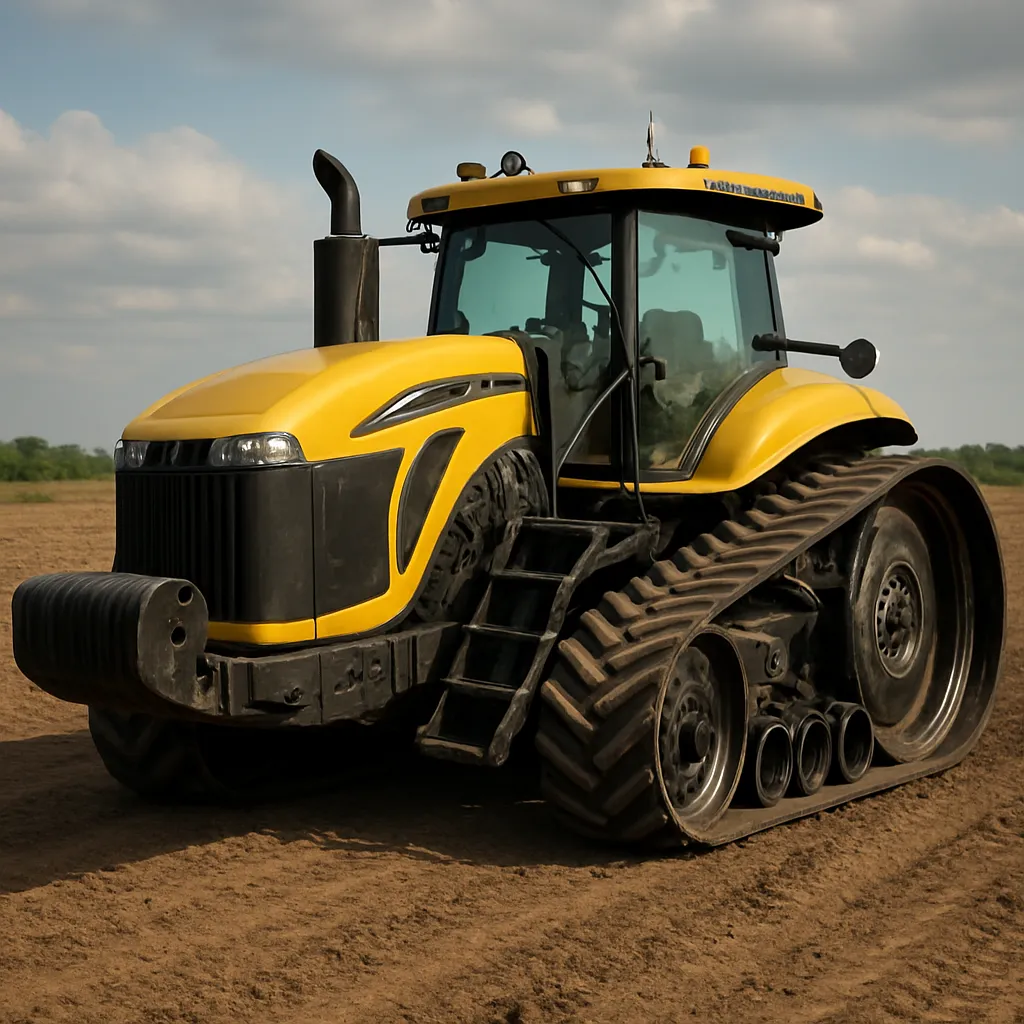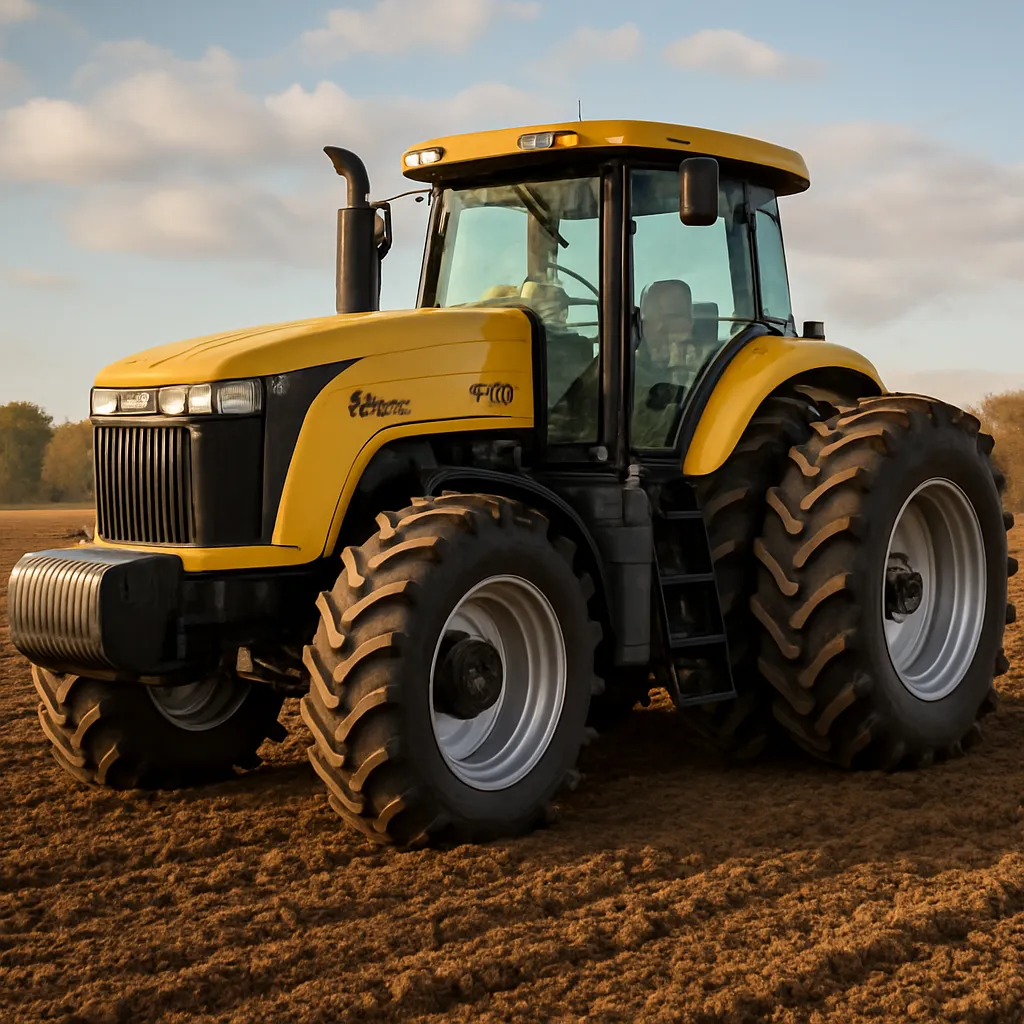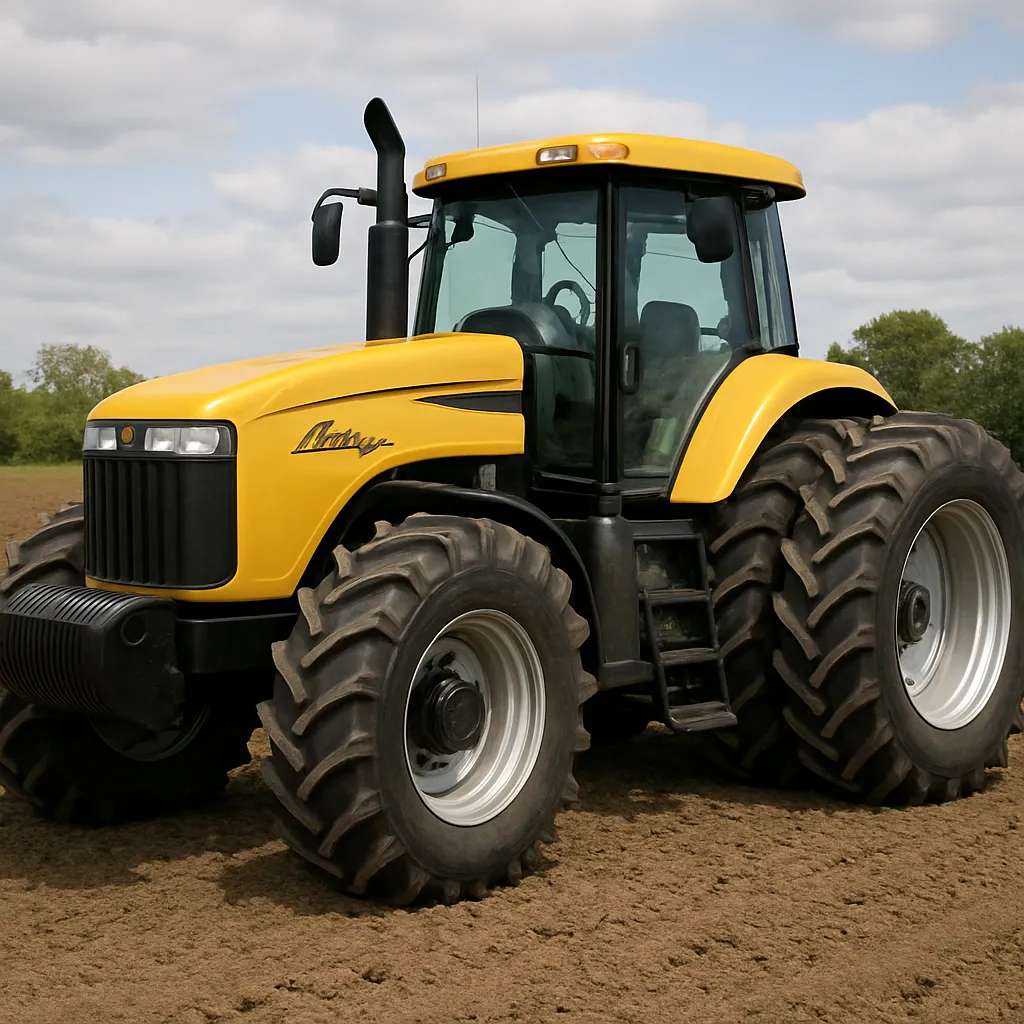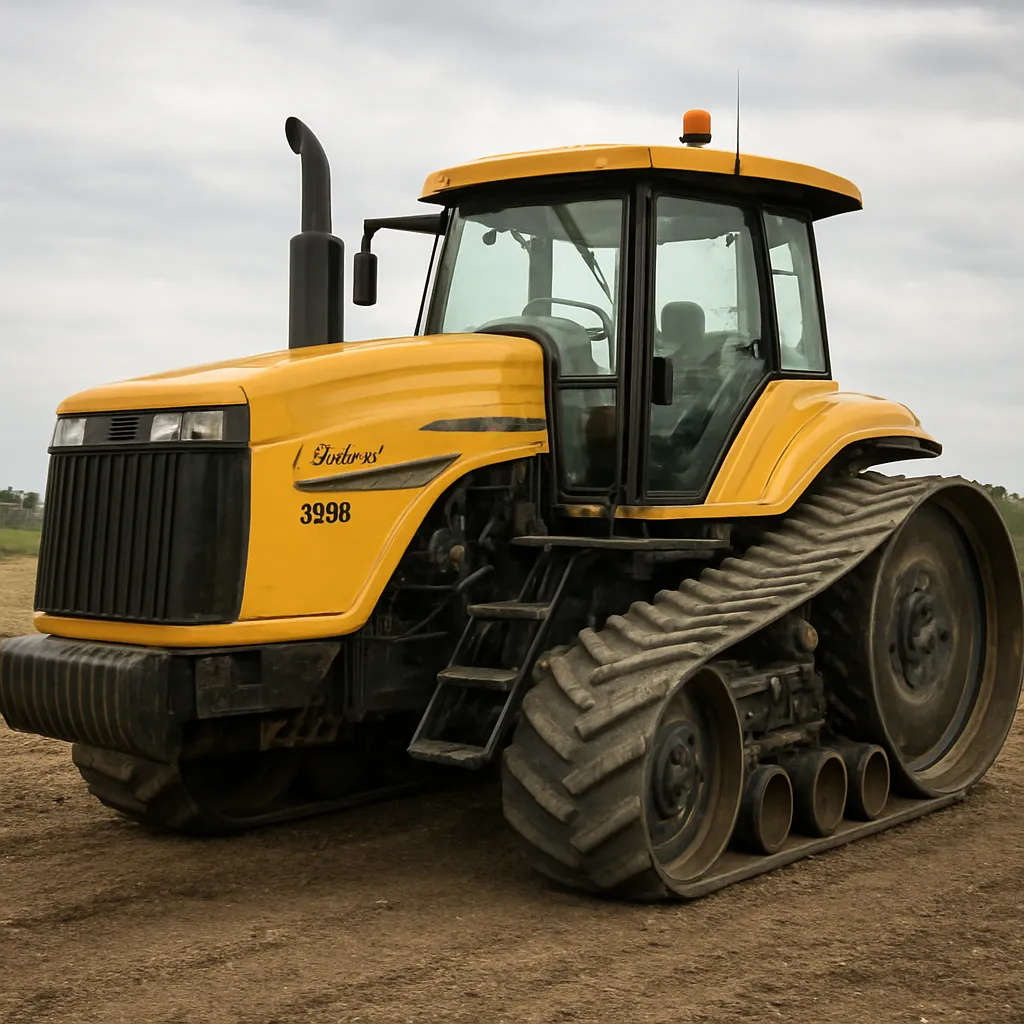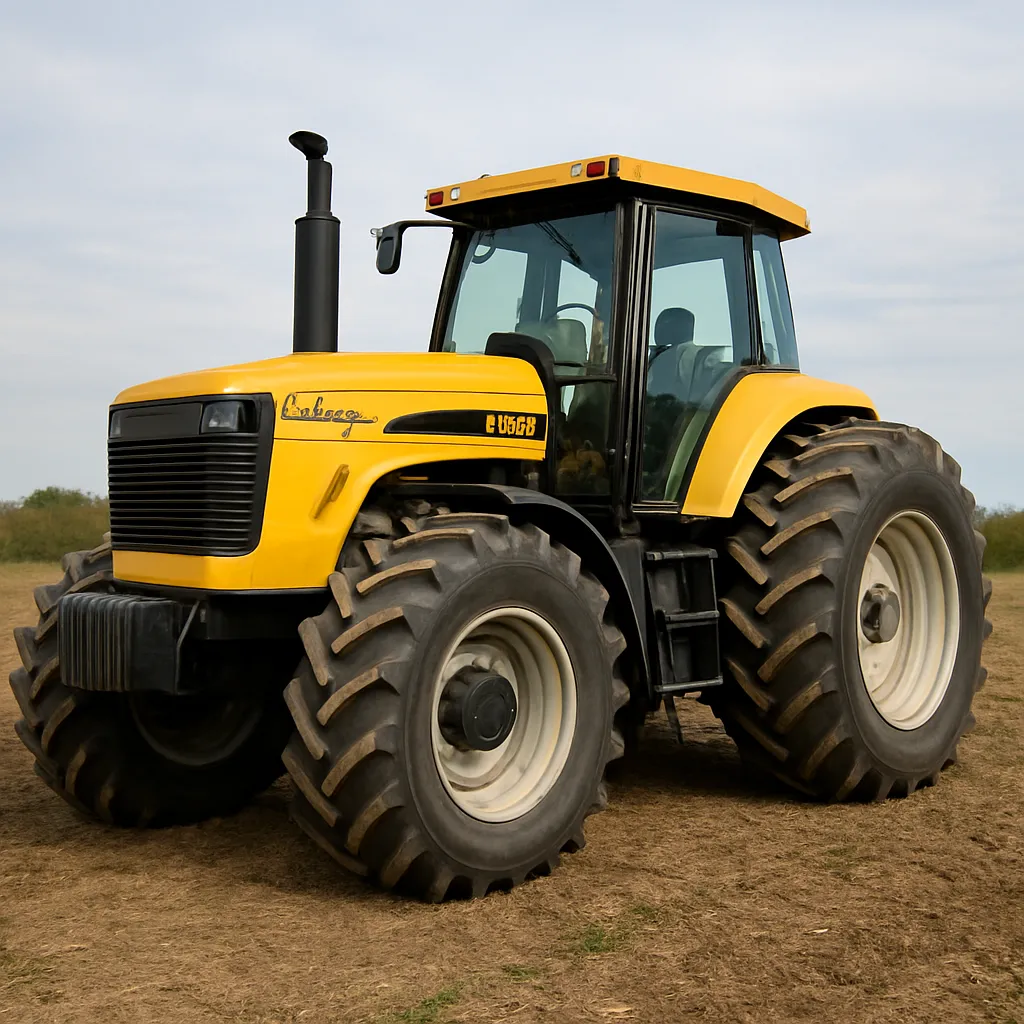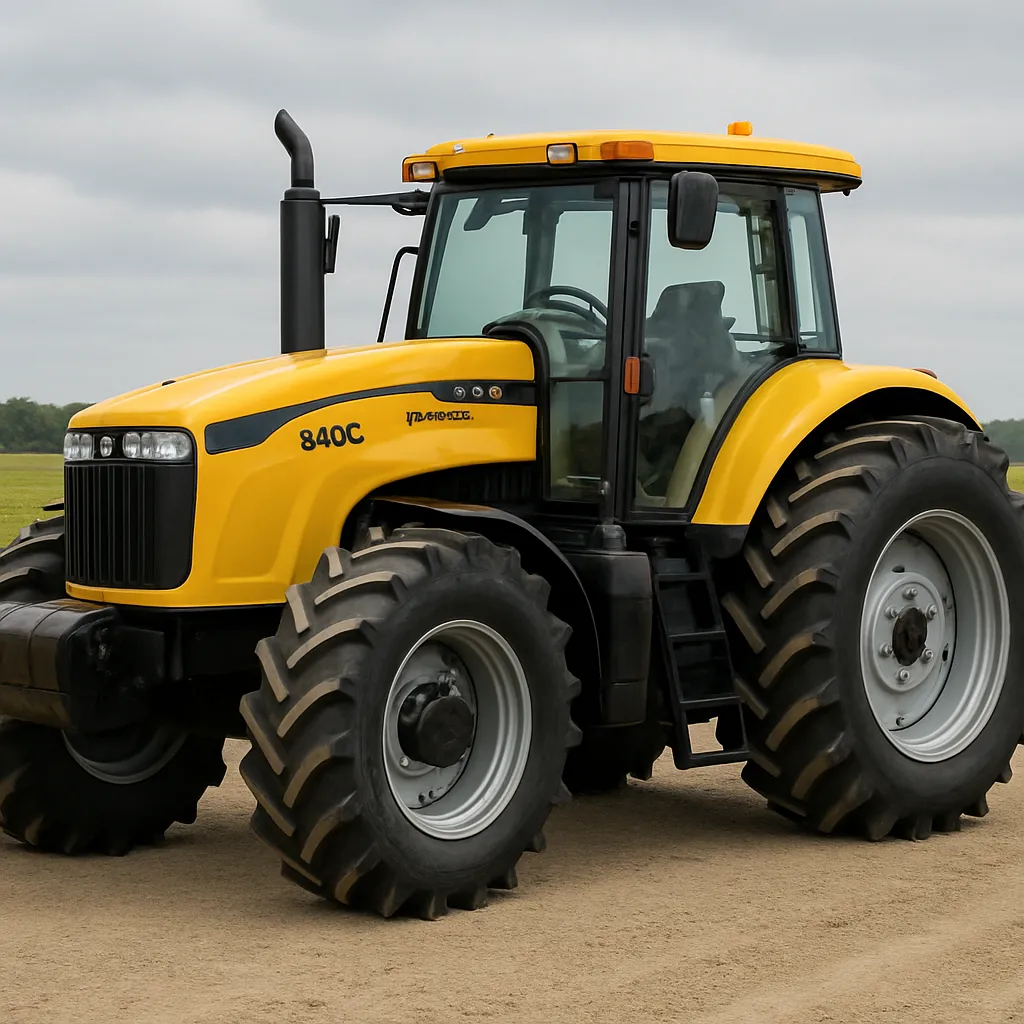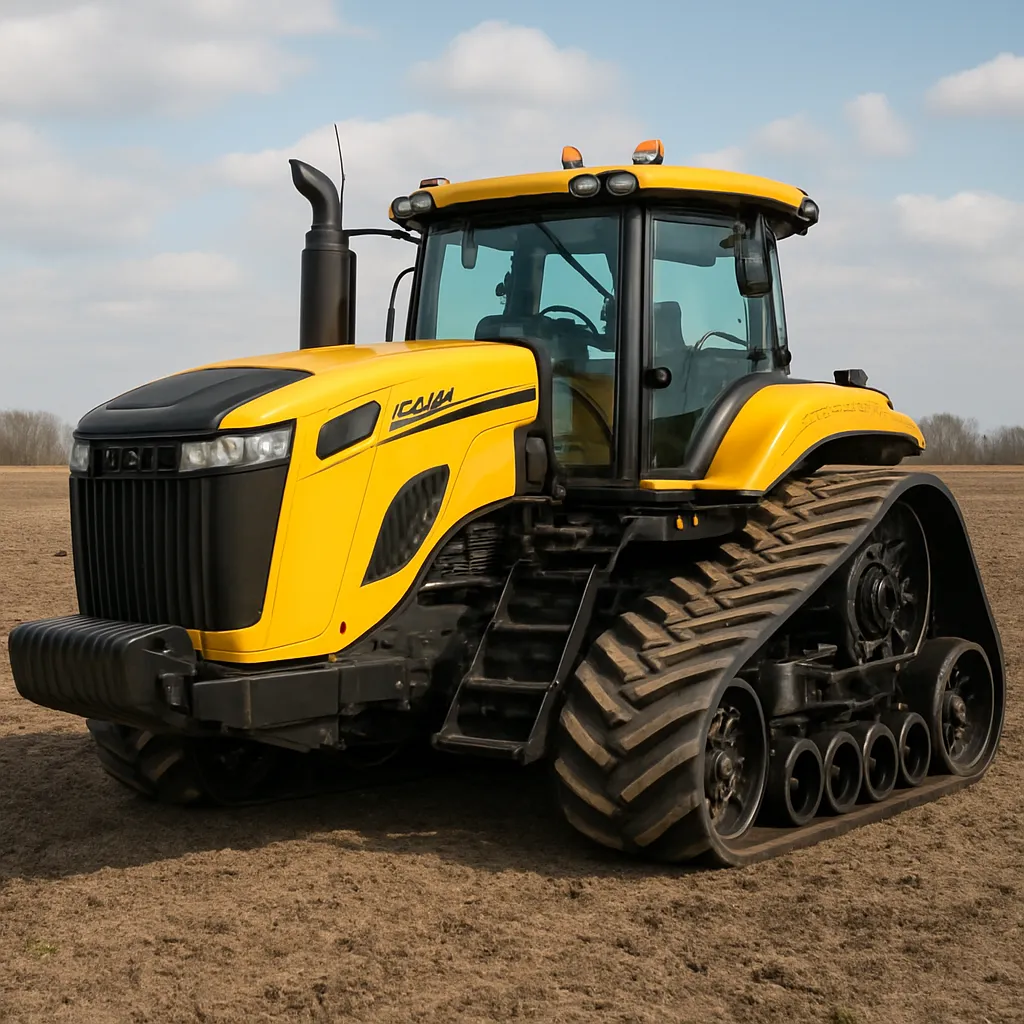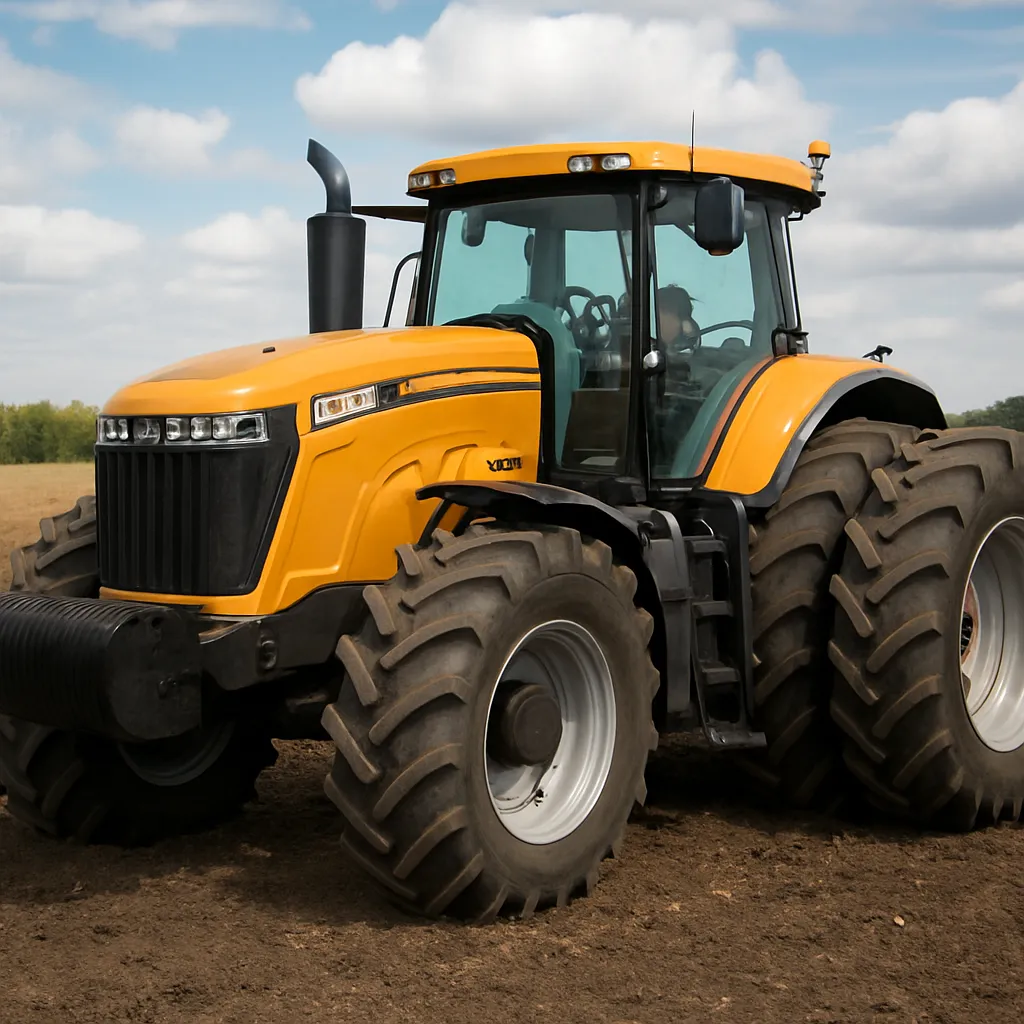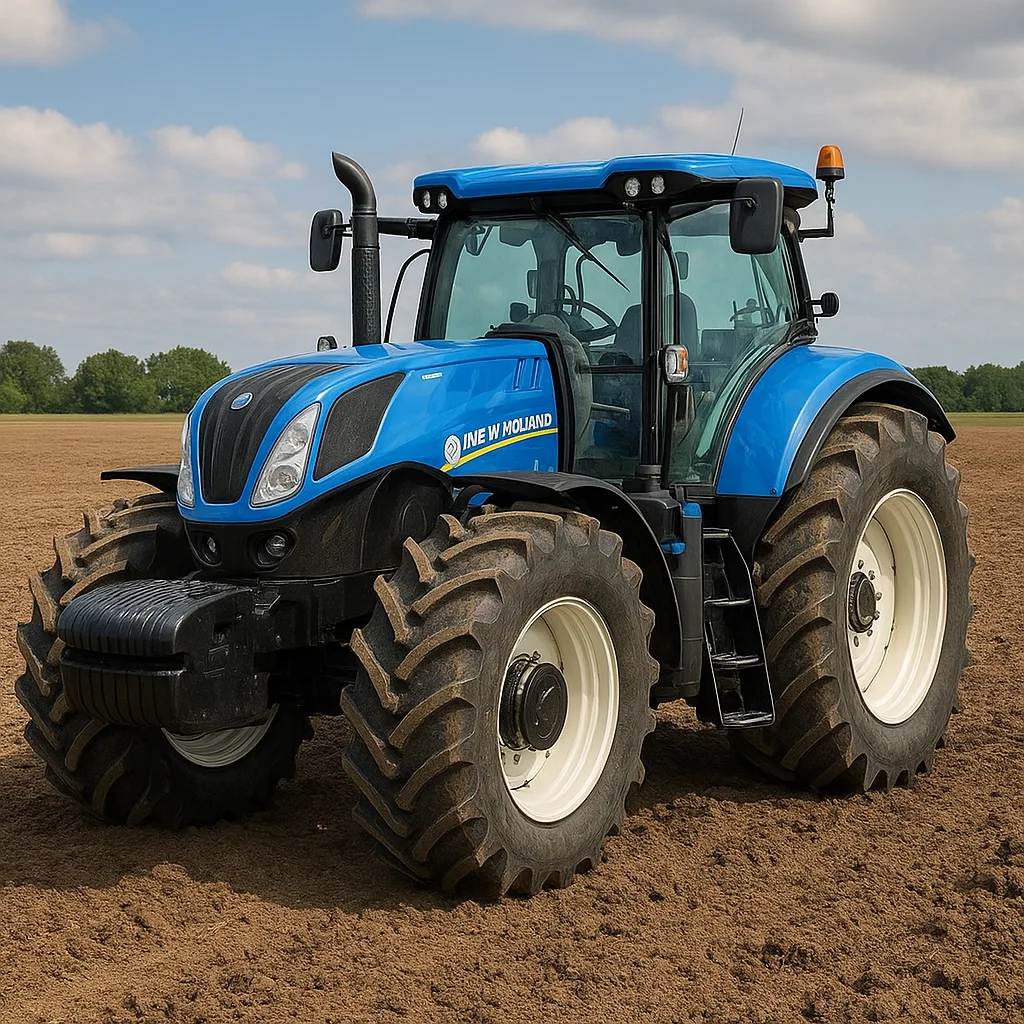
The New Holland T7.250 is a powerful member of the T7 series of agricultural tractors designed for medium-to-large scale farming operations and contractor work. Known for a balance of high performance, operator comfort, and versatility, the T7.250 is commonly used across a range of tasks from tillage and hauling to precision seeding and heavy PTO-driven implements. In this article you will find an overview of the machine, its main technical characteristics, typical applications, operator-focused technologies, maintenance and efficiency considerations, and real-world use cases that highlight why this model is valued by modern farms and contractors.
Overview and design philosophy
The T7 range from New Holland aims to combine robust mechanical architecture with advanced electronic controls and operator comforts. The T7.250, in particular, is positioned as a high‑horsepower option within the series, offering a blend of strong drawbar and PTO capability while maintaining maneuverability and ease of use. New Holland and its parent company CNH Industrial designed the series with modularity in mind — enabling a variety of transmissions, hydraulic packages and cab configurations to meet different farm requirements.
- New Holland reputation: well-known for integrating practical innovations that improve field efficiency and reduce operator fatigue.
- T7.250 identity: typically represents around 250 engine horsepower class — suitable for demanding implements and large acreage work.
- Design goals: durable drivetrain, efficient engine management, refined cab ergonomics and flexible implement compatibility.
Key design features
- Smooth, ergonomic cab with excellent visibility and low noise levels to support long working days.
- Optional continuously variable transmission (CVT) solutions, such as New Holland’s AutoCommand, for seamless speed control and fuel efficiency.
- High-capacity hydraulics and lift systems to handle modern large implements and heavy loaders.
- Emissions-compliant engines incorporating exhaust after-treatment systems to meet contemporary regulations while optimizing fuel consumption.
Technical specifications and performance (typical figures)
Technical configurations of the T7.250 can vary depending on the model year, regional variants and factory options. Below are typical and widely reported characteristics, expressed where appropriate as approximate or range values so they remain broadly accurate across production years and options.
- Engine: inline six-cylinder turbodiesel, common for the power class, with advanced fuel injection and emissions after-treatment (often marketed under ECOBlue or Hi-eSCR technologies). Rated power is approximately 250 hp at rated rpm, with significant torque reserve for PTO and transport tasks.
- Transmission: available with automatic powershift options or an advanced CVT (AutoCommand) transmission for infinitely variable ground speed control, improved tractive performance and smoother operation.
- PTO: rear PTO with standard 540/1000 rpm options; some configurations may offer rear PTO speed matching and optional front PTO for front-mounted implements.
- Hydraulics: load-sensing hydraulic systems are common, providing high flow rates (often in the range of 120–200 L/min depending on pump configuration and optional pumps). Multiple remote valves and implement controls allow complex headland sequences.
- Rear linkage: heavy-duty three-point hitch with lift capacities typically suitable for large implements — commonly in the multi-tonne range, e.g., 6,000–11,000 kg lift capacity depending on specification and model year.
- Axle and brakes: strong driveline components with optional all-wheel braking packages for heavy transport and loader duties; front suspension options (mechanical or hydropneumatic) enhance ride and traction.
- Fuel capacity and autonomy: larger tanks to support long field days; common capacities vary but are designed to minimize refueling downtime on large farms.
Performance characteristics
In practice, the T7.250 delivers steady performance in both field and transport tasks. The strong torque curve typical of six-cylinder turbodiesels provides consistent pull-through when moving heavy tillage implements. When equipped with AutoCommand CVT, operators benefit from continuous acceleration without shifting interruptions, which improves fuel economy and reduces wheel slip during load changes.
Applications and implement compatibility
The New Holland T7.250 is designed for a wide set of agricultural and contracting applications. Its power band and lift/PTO capabilities make it suitable for many modern implements, enabling a single tractor to perform multiple tasks across the farm.
- Tillage: primary and secondary tillage with large plows, cultivators and discs. The T7.250 can pull wide implements at working depths suitable for large arable operations.
- Seeding and planting: high-capacity seed drills and planters, including precision seeding units that require stable drawbar or linkage performance and reliable hydraulic control.
- Crop protection and spraying: suitable for trailed and mounted sprayers, offering stable transport speeds and adequate hydraulic supply for boom control systems.
- Baling and forage: powering large round balers, mowers, rakes and forage harvesters (as tractor PTO or to shuttle trailers and transport loads).
- Loader and material handling: robust load-sensing hydraulics and heavy-duty front linkages make the T7.250 a capable loader tractor for moving silage, bales, pallets and feed.
- Transport: efficient on-road speeds and transmission choices tailored to hauling trailers, slurry tankers or grain wagons between fields and storage sites.
- Specialist attachments: compatible with increasingly sophisticated implements like precision planters, variable-rate applicators and telematics-enabled tools.
Implement compatibility considerations
Choosing the right specification for application matters: higher hydraulic flow options and additional remote valves are critical when running hydraulic-demanding implements. Front linkage and PTO make the tractor more versatile for loader-related tasks and front-mounted equipment. Weight distribution, tire selection and optional ballast packages help optimize traction for heavy draft work, while automated steering and guidance systems increase field accuracy for seeding and spraying tasks.
Operator comfort, controls and precision farming features
New Holland emphasizes operator comfort, ergonomics and task automation in the T7 line. The T7.250 typically includes features designed to reduce fatigue and increase daily productivity — an especially important consideration for contractors and large-scale farmers who operate long hours.
- Cab environment: roomy cab with excellent sightlines, adjustable air-suspended seats, climate control and reduced sound insulation to lower operator fatigue.
- Controls and interface: intuitive consoles, multi-function joysticks and an adjustable armrest integrating transmission, hydraulic and PTO controls to streamline operation.
- Displays and telematics: touchscreen monitors (for example, IntelliView) and connectivity packages that support GPS guidance, automatic section control, data logging and remote diagnostics.
- Autoguidance and precision farming: compatibility with satellite guidance systems (RTK, EGNOS) and Advanced Steering options increase overlap reduction and chemical/fertilizer savings.
- Work automation: programmable headland sequences, automatic hitch and PTO engagement and variable transmission mapping that assist less experienced drivers and speed up repetitive tasks.
Fuel efficiency, emissions and maintenance
Modern agricultural tractors must meet strict emissions standards while remaining economical to run. The T7.250 generally incorporates engine after-treatment systems designed to reduce NOx and particulate emissions without imposing excessive maintenance burdens.
- Emissions technology: selective catalytic reduction and particulate filtration strategies (often collectively referred to in New Holland literature as ECOBlue or Hi-eSCR) minimize regeneration downtime and preserve fuel efficiency.
- Fuel economy: transmission choices such as AutoCommand CVT and engine management strategies aim to optimize rpm vs load, reducing fuel consumption during both transport and fieldwork.
- Serviceability: grouped service points, long service intervals for key components, and accessible filters and fluids reduce downtime and service costs. Onboard diagnostics and telematics can alert operators to maintenance needs proactively.
Maintenance considerations
Routine checks of hydraulic fluid and filter condition, PTO and linkage wear points, cooling systems and air intake systems are essential to keep the tractor operating at peak efficiency. Contract operators often opt for service agreements or extended warranties that provide predictable maintenance costs and fast parts availability.
Market reception, resale and comparative position
The New Holland T7 series, including the T7.250, has been well received in markets where a balance of power, fuel economy and operator comfort is valued. Farmers and contractors often cite the ease of use of AutoCommand CVT, the flexible hydraulic packages, and the comfort of the cab as key advantages.
- Resale: tractors in this class tend to maintain good resale values when well-maintained, especially when fitted with modern precision farming and telematics options.
- Competition: the T7.250 competes with similar horsepower tractors from other major manufacturers; buyers commonly compare transmission options, hydraulic flow rates, cab comfort, service networks and total cost of ownership.
- Use cases: common among large grain, mixed and dairy operations as well as contractors who demand a multi-role machine capable of both fieldwork and heavy transport.
Real-world examples and practical tips
Contractors and large-scale farmers often adapt the T7.250 to their specific workflows. The following practical considerations have been reported by operators to improve productivity and longevity of the machine:
- Match tires and ballast to soil type and implement: correct traction minimizes slippage and fuel use while protecting soil structure.
- Use autoguidance and implement control to reduce overlap in seeding and spraying, which saves inputs and increases effective field throughput.
- Opt for higher-flow hydraulic packages only when running equipment that requires it — this reduces upfront cost while preserving capability.
- Monitor telematics data to identify fuel consumption patterns, idle times and service indicators — these insights can cut operating costs substantially over a season.
- Schedule preventive maintenance during off-peak times and keep a log of component hours for parts that commonly experience wear (PTO shafts, hitch components, axle seals).
Strengths, limitations and buying considerations
When evaluating a T7.250, prospective buyers should weigh strengths against possible limitations in the context of their operation.
- Strengths:
- Power and torque suited to large implements
- Strong hydraulics and lift capacity for modern tools
- Comfortable cab and advanced controls for long hours
- Flexible transmission choices for fuel-efficient operation
- Integration with precision farming systems
- Limitations:
- Higher initial purchase cost for fully optioned machines
- Complex emissions and electronics may increase service costs if not covered by warranty or service package
- Heavy machines require proper soil management to avoid compaction without appropriate tires/ballast
Summary and outlook
The New Holland T7.250 remains a compelling choice for operations needing robust, versatile tractors capable of handling a wide range of modern implements while keeping the operator comfortable and productive. Its strengths are most visible when matched to large arable tasks, loader work and PTO-demanding applications. Advances in transmission technology, telematics and emissions control have made models like the T7.250 more efficient and easier to integrate into precision farming workflows than earlier generations.
As agricultural machinery continues to evolve, tractors in this class will likely see further integration of automation, remote diagnostics, and data-driven management features that enhance uptime and farm-level decision making. Choosing the right configuration of the T7.250 — particularly regarding transmission, hydraulic capacity and guidance systems — will determine the tractor’s effectiveness and total cost of ownership over its working life.
Highlighted keywords:
- New Holland
- T7.250
- horsepower
- engine
- AutoCommand
- CVT
- PTO
- hydraulics
- comfort
- productivity