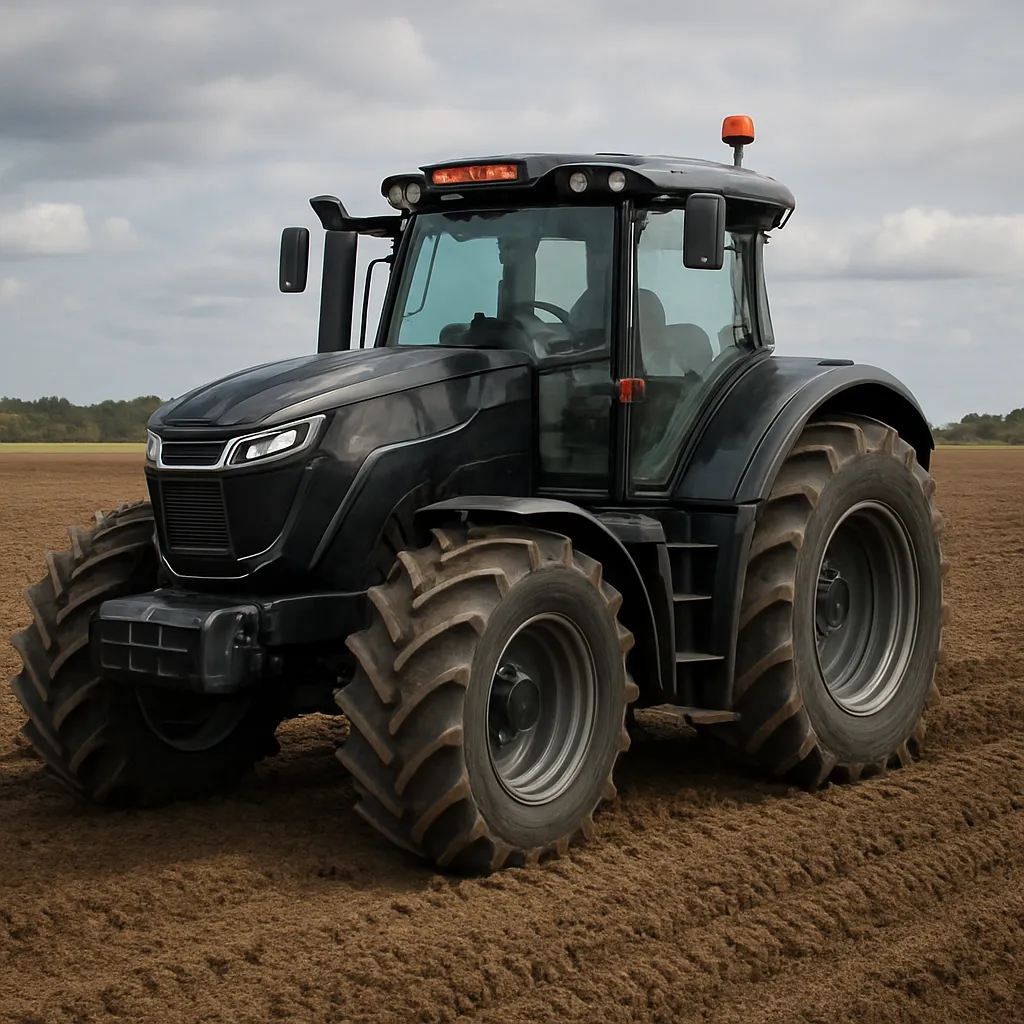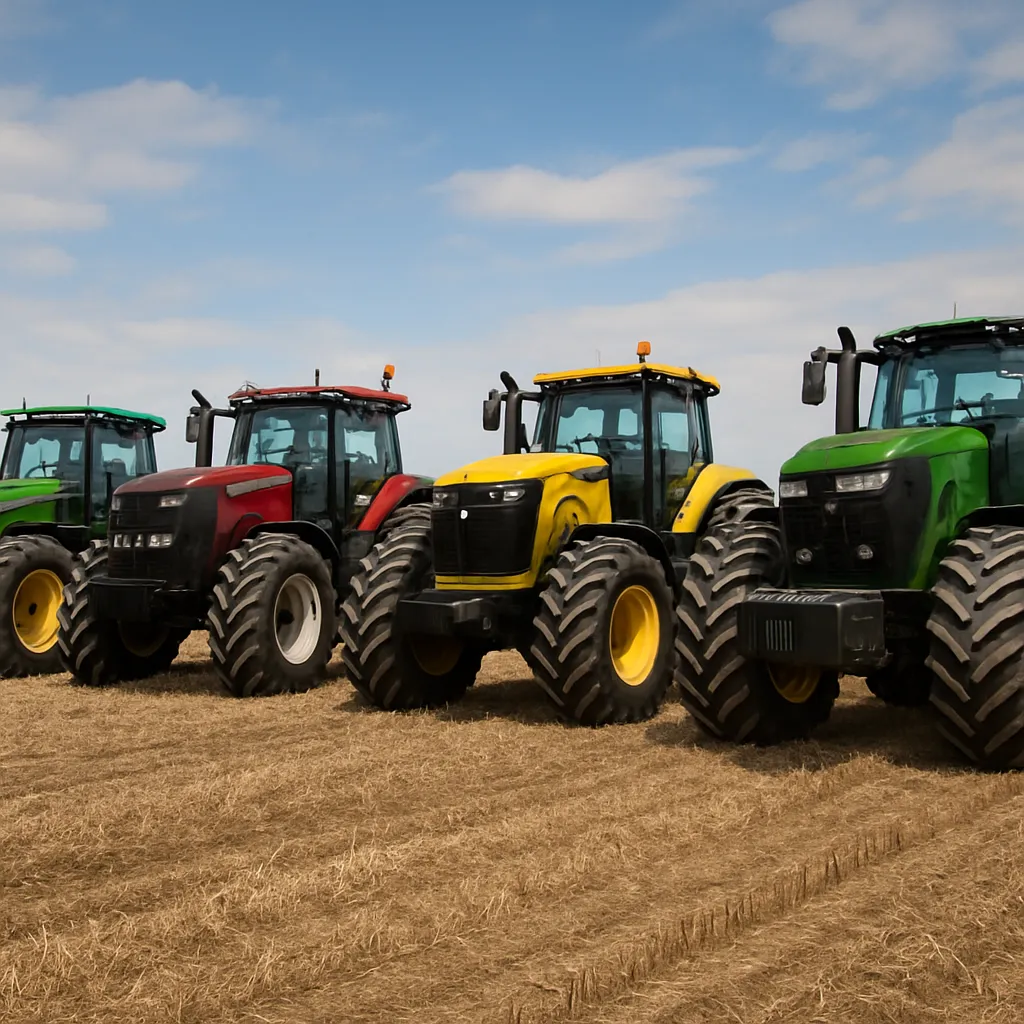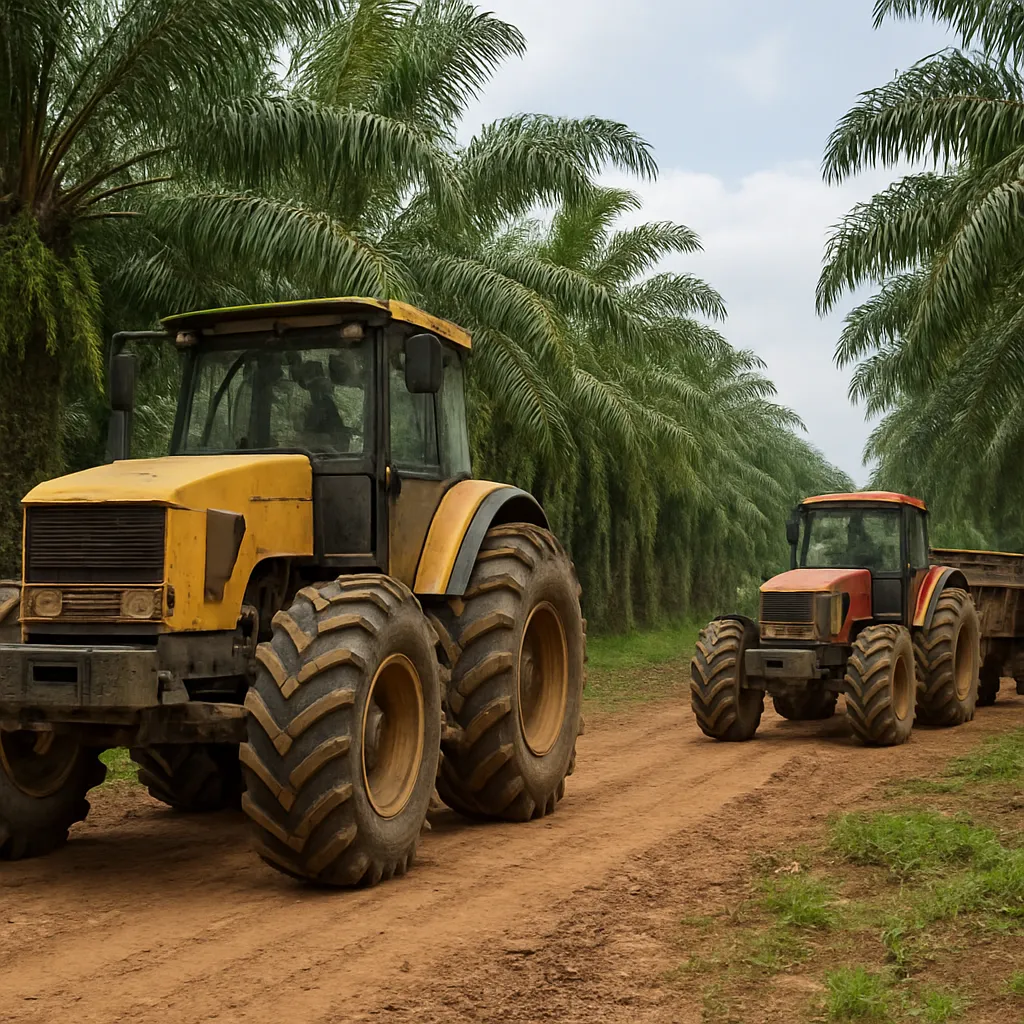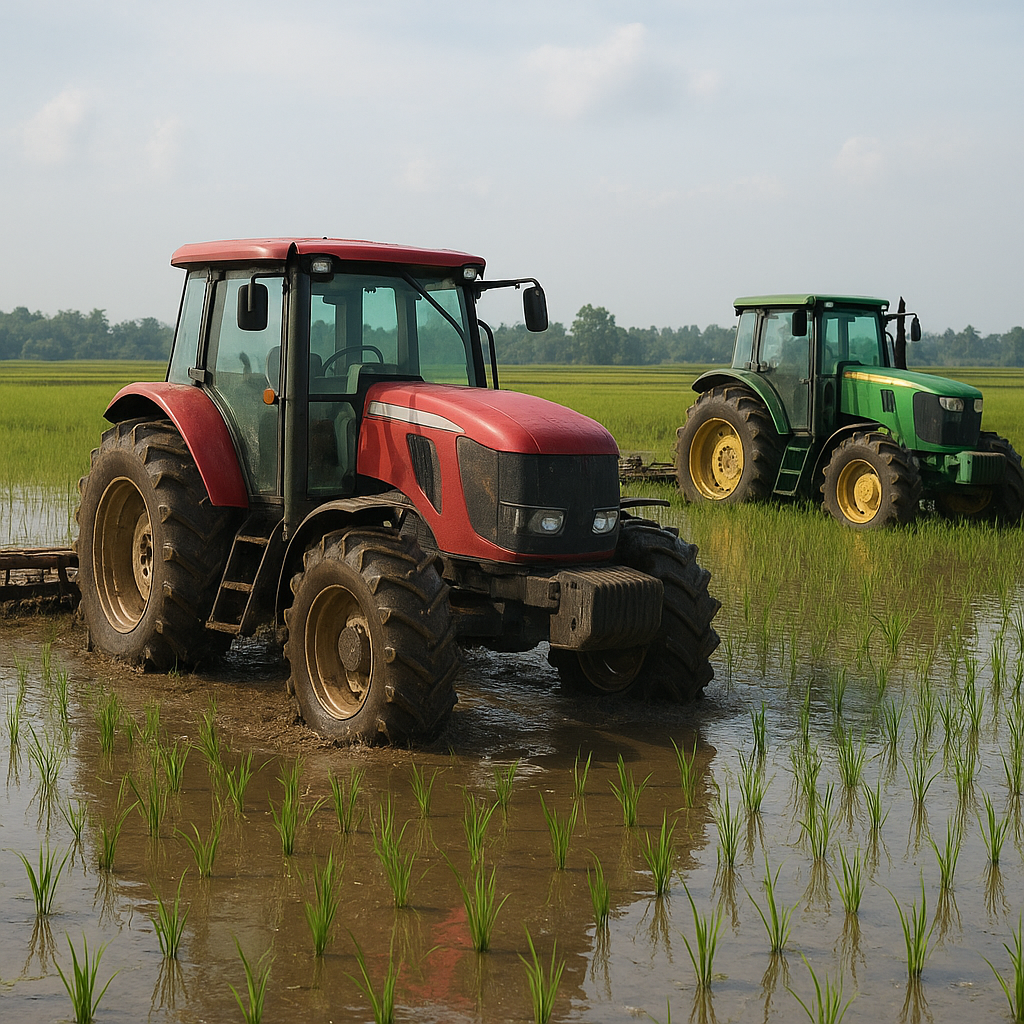
The sprawling rice paddies of Asia demand machinery that can endure challenging conditions while maximizing yield. Across countries such as China, India, Thailand and Vietnam, farmers are adopting some of the largest and most powerful tractors ever built for paddy work. These giants combine cutting-edge engineering with specialized adaptations that allow them to navigate flooded fields with ease. From massive dual-track rigs to amphibious designs, the evolution of these machines highlights a blend of innovation and time-tested agricultural wisdom.
Engineering Marvels in Asian Rice Paddies
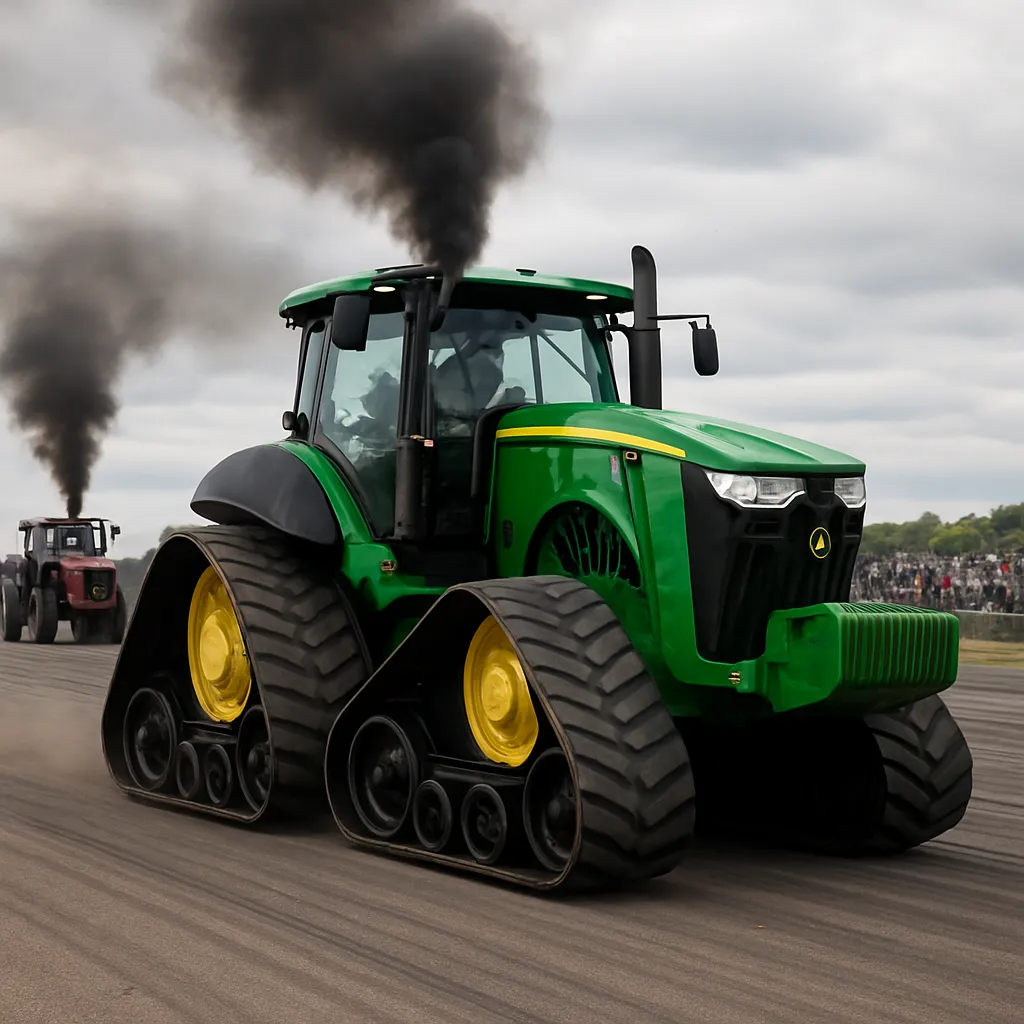
When it comes to hauling heavy loads across soggy terrain, size and mechanics truly matter. Modern paddle-track tractors boast up to 400 horsepower, with engines configured to deliver constant torque at low speeds. These units often feature a hydrostatic transmission system that ensures smooth acceleration and precise speed control, even in waterlogged conditions. Manufacturers such as Yanmar, Kubota and Mahindra have developed models exceeding 10 tons in weight, equipped with reinforced frames and extra-deep treads to maintain excellent traction.
Key features include:
- Durability: High-strength steel components resist corrosion from prolonged exposure to water and agrochemicals.
- Dual-track or wide-tire configurations that distribute weight evenly and prevent sinking into soft mud.
- Precision hydraulic systems that allow simultaneous control of multiple attachments, such as rotary tillers and leveling blades.
- Enclosed cabs with climate control, providing operators protection from heat, rain and chemical drift.
- On-board sensors and displays offering real-time feedback on engine performance and soil conditions.
One standout model is the 380-hp “MegaPaddy” series, featuring a turbocharged diesel engine and a reinforced undercarriage engineered specifically for long hours of continuous operation in flooded fields. Its electronically regulated fuel injection system contributes to higher efficiency and reduced emissions, supporting stringent environmental regulations now adopted across several Asian nations.
Adaptations for Waterlogged Terrains
Operating in rice paddies presents unique challenges, including deep standing water, slippery surfaces and unstable soil layers. To address these issues, tractor designers have incorporated several ingenious solutions to ensure stable movement and minimal crop damage.
- Floating Track Systems: Some of the largest tractors employ pontoon-style tracks that generate lift and reduce ground pressure to under 0.1 kg/cm², allowing machinery to glide over the surface without sinking.
- Adjustable Chassis Height: Hydraulic lift mechanisms enable operators to raise or lower the frame by up to 60 cm, accommodating various water depths and crop heights.
- Sealed Bearings and Joints: Preventing water ingress is critical. Specialized seals and corrosion-resistant alloys ensure long service intervals and reduced maintenance downtime.
Beyond mechanical tweaks, advanced control systems now integrate GPS-assisted guidance, enabling sub-meter accuracy when planting or applying inputs. Such automation not only boosts yield consistency but also cuts down on overlapping passes, preserving precious water and nutrients.
In steep or terraced paddies, some tractor models pivot around a central articulation joint, granting a turning radius as small as 2.5 meters. This versatility allows farmers to maneuver around irregular plots without dislodging seedlings or compacting soil excessively.
Economic and Environmental Impact
The introduction of these high-capacity machines has had profound effects on both farm profitability and local ecosystems. On the economic front, productivity gains of 30–40% per hectare have been reported where large tractors replaced outdated two-wheel tillers or manual plowing methods. Faster field preparation and planting windows lead to more uniform crop maturity, reducing losses during harvest.
However, the escalating size and weight of modern tractors raise concerns about fuel consumption and carbon footprint. To mitigate these issues, manufacturers are exploring hybrid diesel-electric drivetrains that capture energy during braking and redistribute it for auxiliary systems. Trials in Indonesia and the Philippines demonstrate potential fuel savings of up to 20%, enhancing overall sustainability.
Water management also benefits from more precise land leveling enabled by GPS and laser-guided attachments. Uniform paddies require less water per planting cycle, conserving a resource that is increasingly scarce. Environmental agencies in Vietnam have partnered with agricultural universities to monitor soil health, ensuring that heavy machinery does not degrade paddy structure over multiple seasons.
Future Trends in Paddies Tractors
Looking ahead, the fusion of robotics, connectivity and advanced materials promises to transform paddy field operations. Experimental models employ lightweight carbon-fiber frames that maintain structural strength while shaving off hundreds of kilograms in mass. This reduction in weight further decreases ground compaction, promoting healthier root growth.
Meanwhile, fully autonomous tractors guided by machine-vision cameras are entering pilot programs. These units can detect obstacles, adjust for crop density and even perform selective weeding using targeted herbicide sprays. Early adopters in Thailand report labor savings of up to 60%, allowing farm workers to focus on higher-skill tasks like crop monitoring and quality control.
Ultimately, the marriage of innovation and practical engineering will define the next generation of rice paddy tractors. As Asia’s farmers face rising demand and climate pressures, these behemoths will continue evolving to deliver higher yields, lower environmental impact and greater resilience in the world’s most intensive rice-growing landscapes.