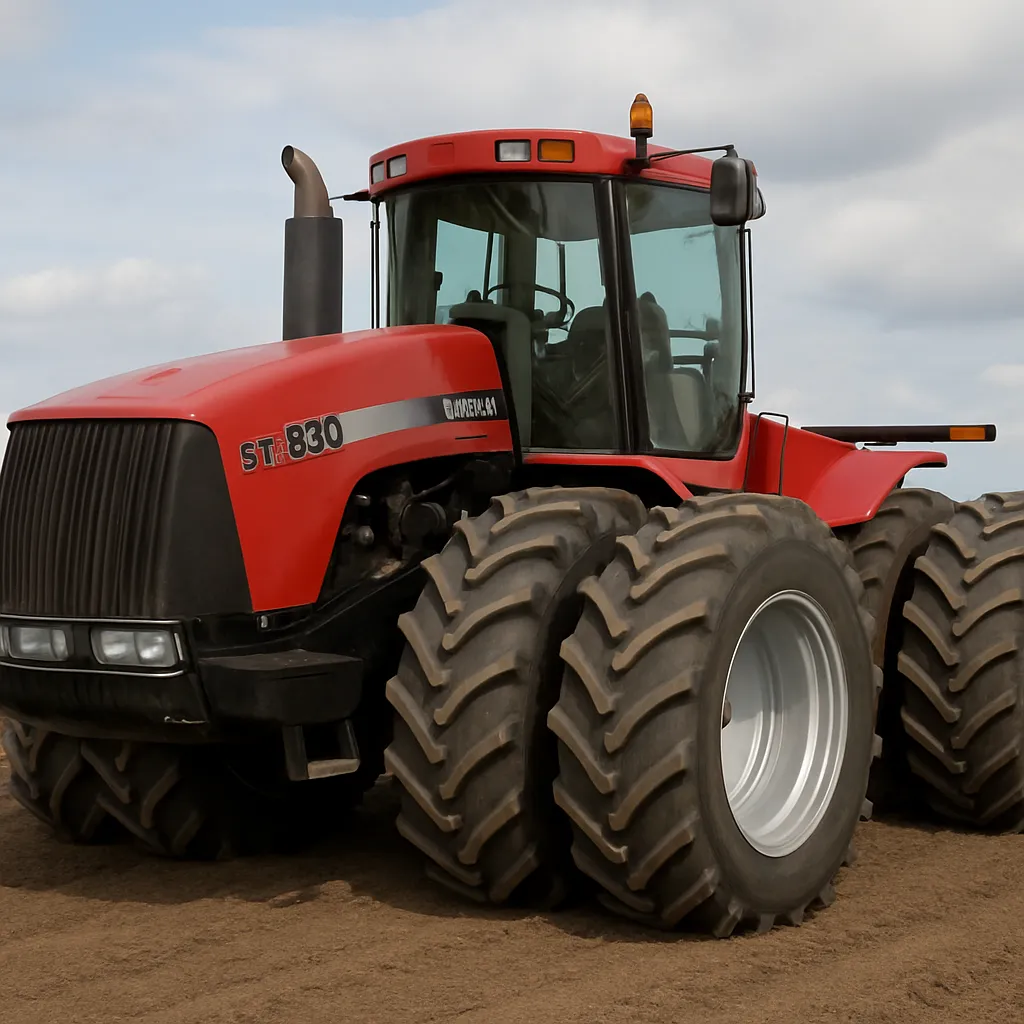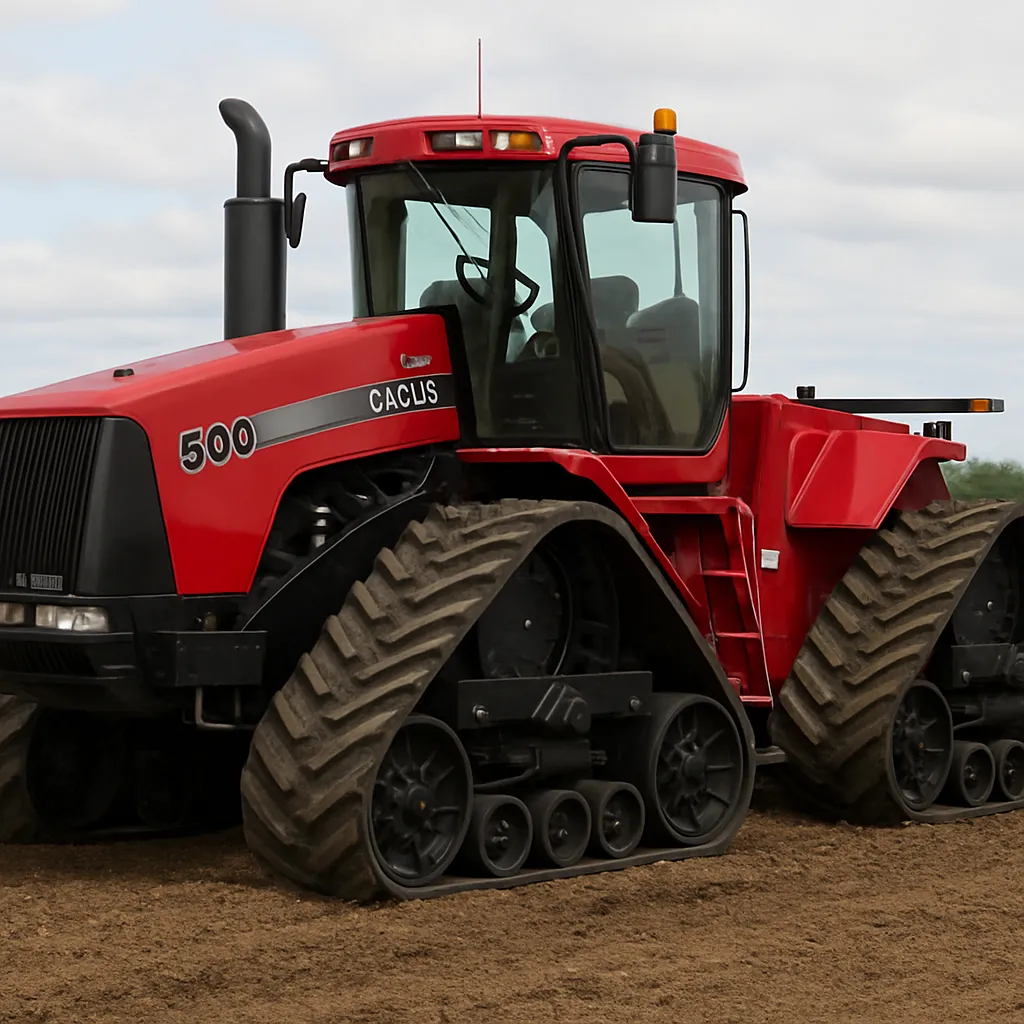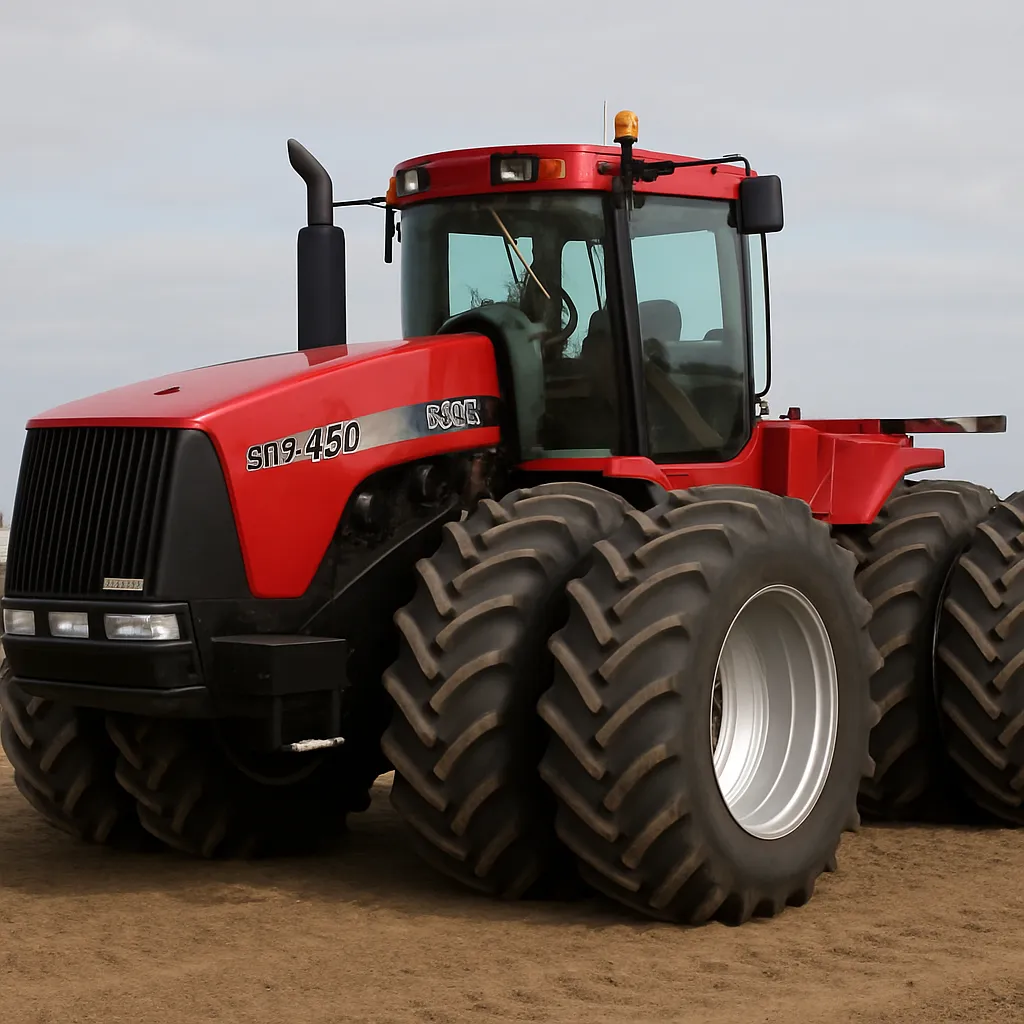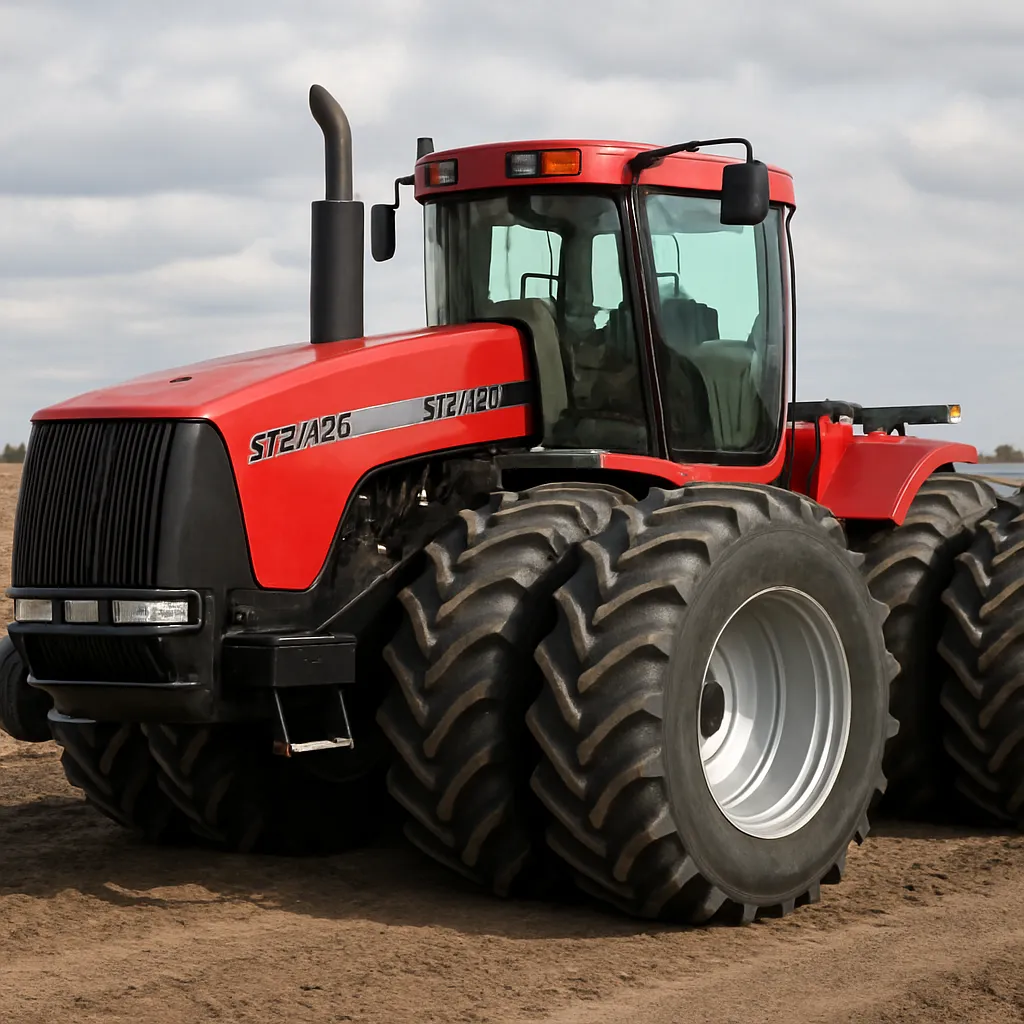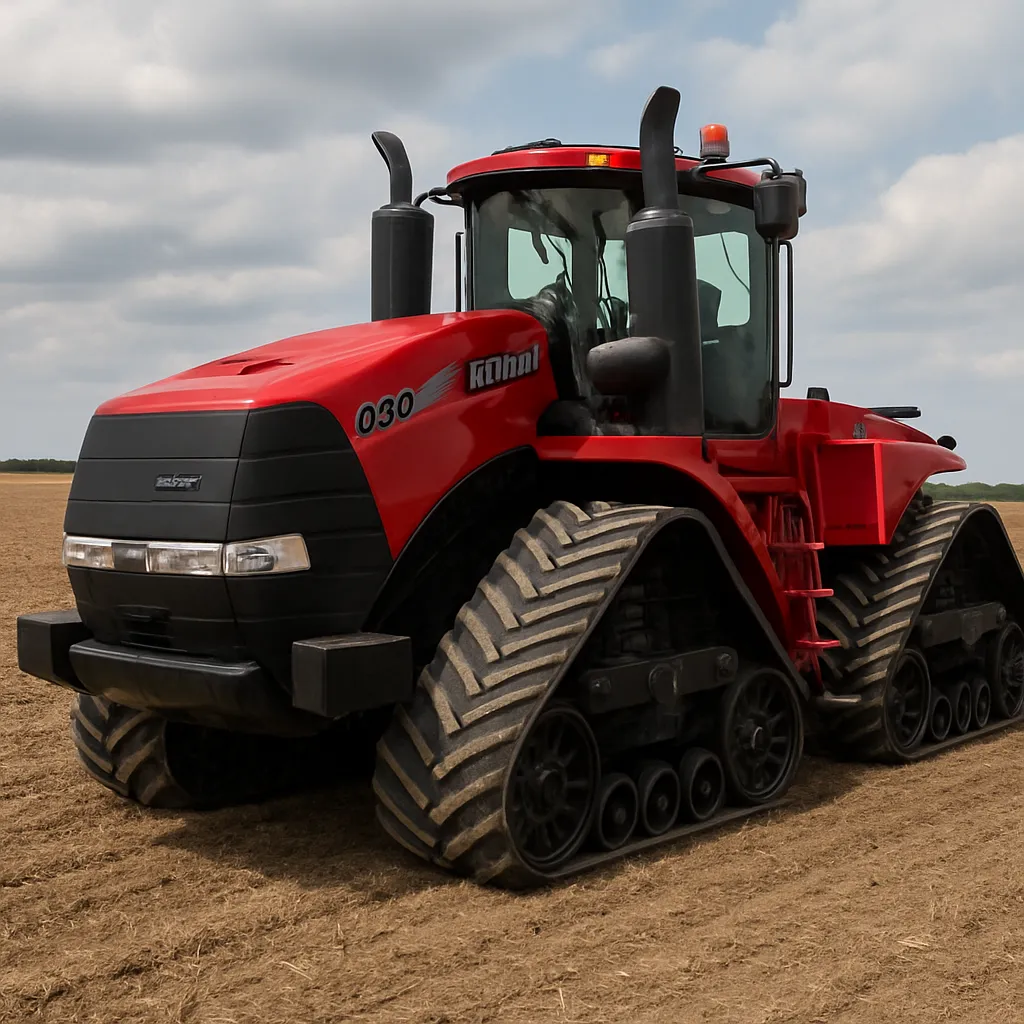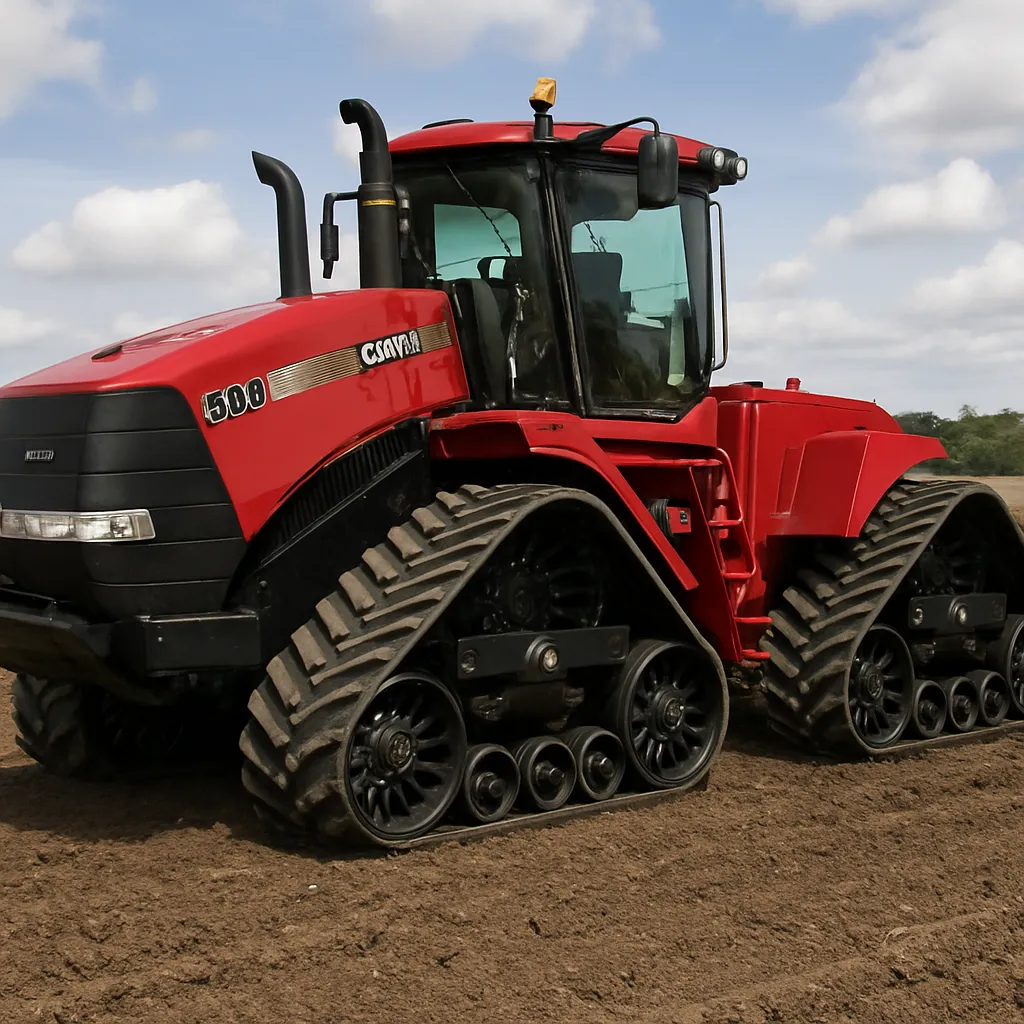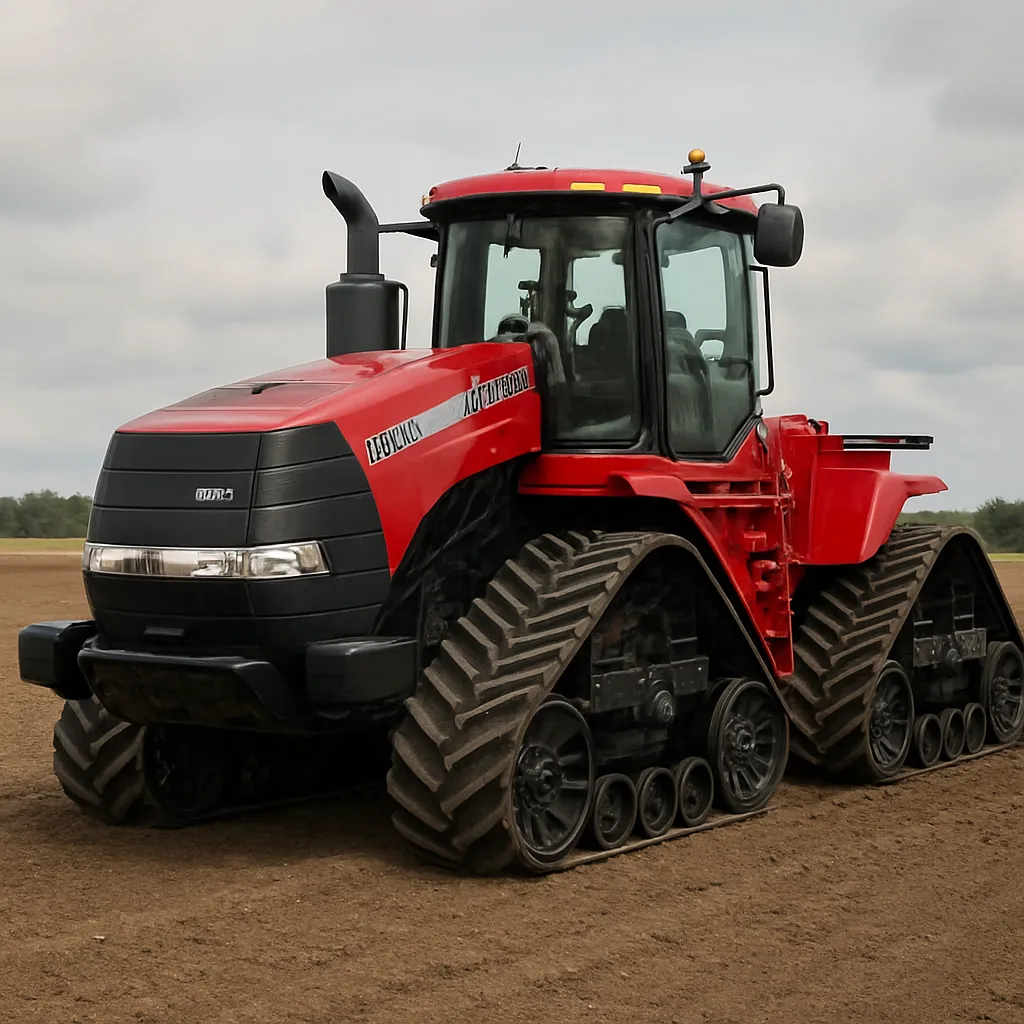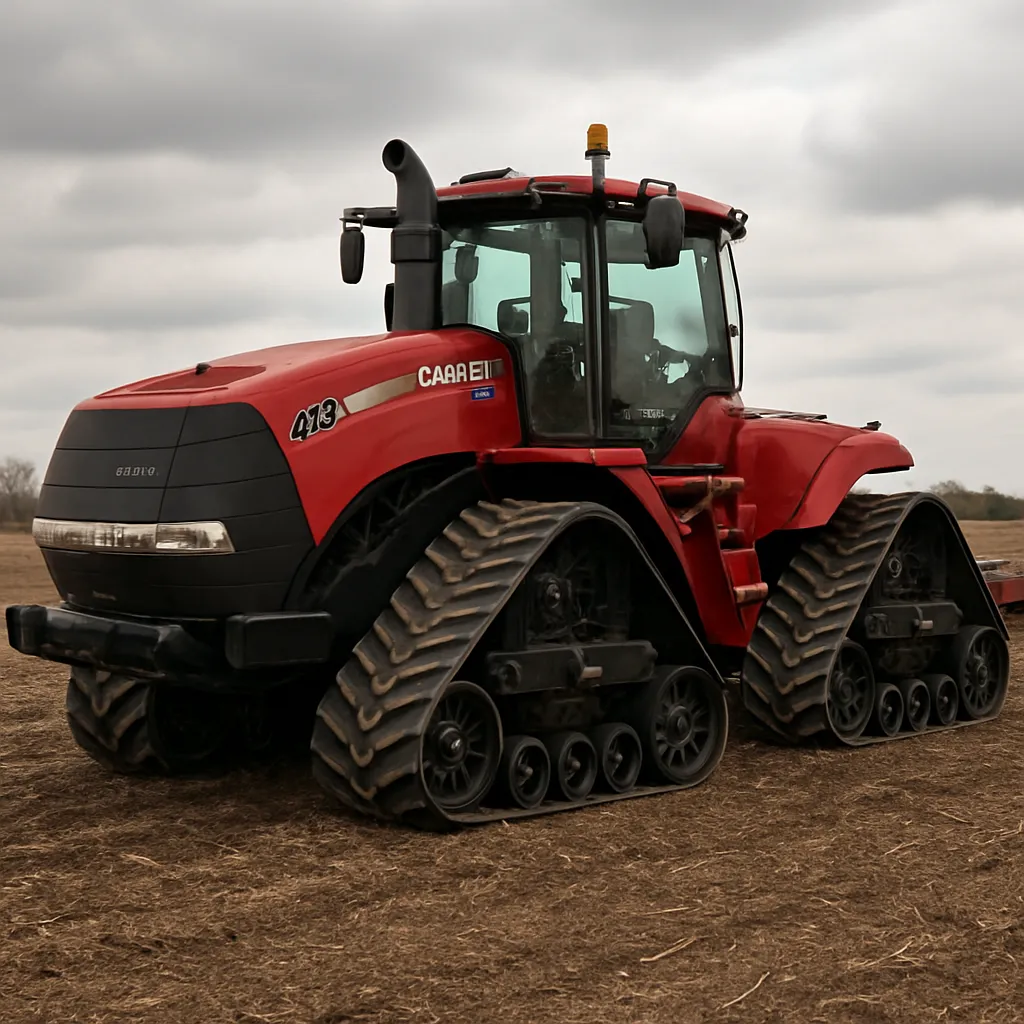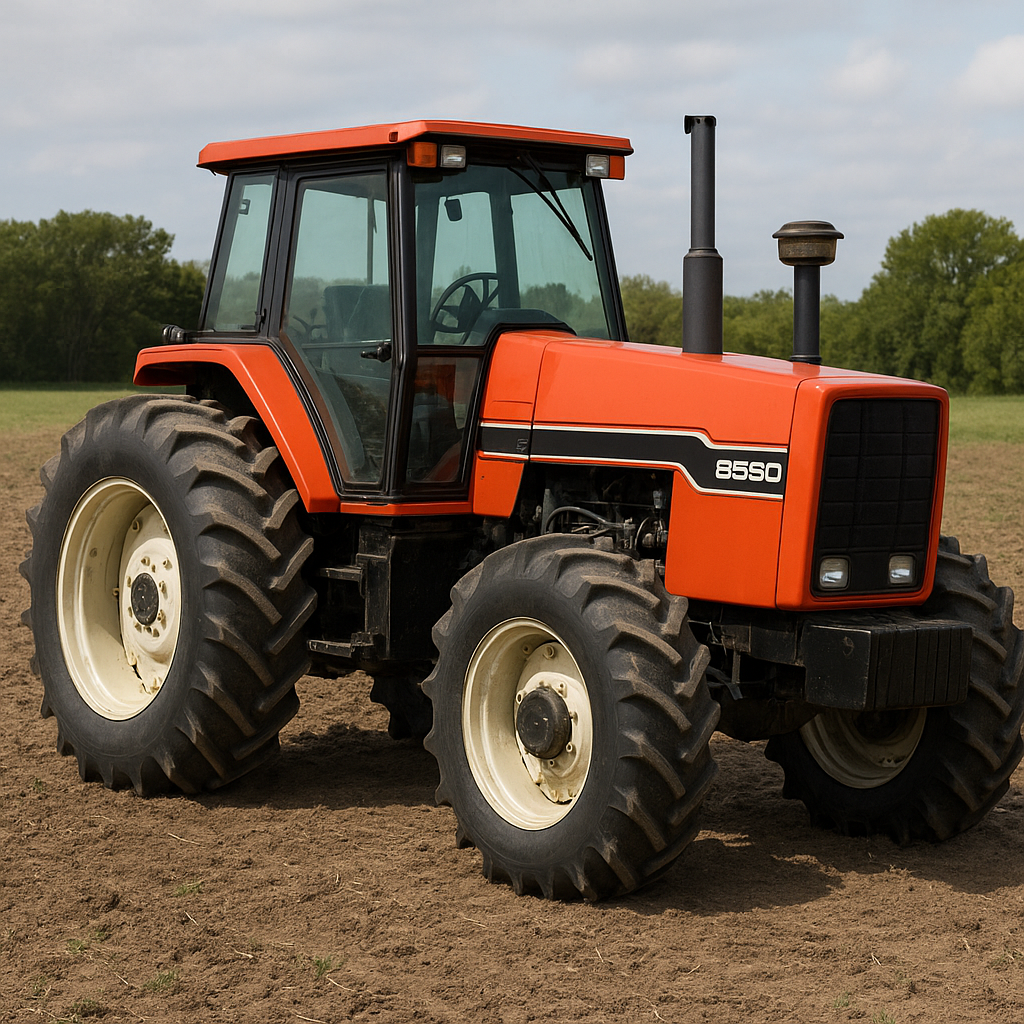
The Allis-Chalmers 8550 is a notable example of American agricultural engineering from the late 20th century. Designed as a high-capacity field workhorse, this model attracted farmers and contractors who needed robust, reliable power for large-scale tillage, seeding, and hauling tasks. In this article you will find a historical overview, practical applications, technical highlights, and guidance on operation, maintenance and collecting. Throughout the text important terms such as Allis-Chalmers, 8550 and tractor are emphasized so that readers can quickly locate the most relevant concepts.
Background and historical context
Allis-Chalmers was one of the major U.S. manufacturers of agricultural machinery during the 20th century, competing with firms such as John Deere, International Harvester (IH), and Ford. The company’s product line evolved as farm operations consolidated and demand for higher-horsepower equipment increased. The Allis-Chalmers 8550 emerged in this environment as a machine intended to deliver the necessary power, traction and durability to handle the growing scale of row-crop and tillage agriculture.
The model numbering convention used by Allis-Chalmers linked the 8550 to a family of larger tractors designed to serve heavy tillage and high-speed fieldwork. The 8550 and similar models were produced during a period of significant change in the agricultural equipment market — manufacturers were experimenting with heavier frames, more powerful diesel engines and advanced driveline components to meet modern demands. The 8550 served customers who needed consistent, day-long performance in large fields and challenging soil conditions.
Primary applications and field roles
The 2550—sorry—correction: the 8550 is used primarily where sustained, high-power applications are required. Typical modern and historical roles included:
- Tillage: Pulling large plows, chisel plows and field cultivators for primary and secondary tillage across broad acreages.
- Seeding and planting: Powering heavy planters and air seeders where consistent forward speed and drawbar power matter.
- Harrowing and finishing: Operating disc harrows and finishing implements to prepare seedbeds at scale.
- Hauling: Moving large trailers, grain wagons or tankers between fields and storage, especially on farms that prefer integrated tractor-based logistics.
- Specialty roles: Some owners adapted the machine for snow removal, road maintenance, and other heavy-duty municipal or contractor tasks.
Because of its size and capabilities, the 8550 was most frequently found on medium-to-large farms, custom operators and contractors rather than small hobby farms. It excelled where long hours, sustained loads and rough field conditions demanded both power and mechanical robustness.
Design and technical highlights
The technical design of the 8550 focused on delivering reliable power transfer, durable driveline components and adequate hydraulic capacity for contemporary implements. While specific factory configurations could vary by year and market, several recurring design themes stand out:
- Diesel powerplant: The 8550 used a heavy-duty diesel engine tuned for torque and longevity rather than peak rpm performance. Emphasis was placed on low-end torque to move large implements with less slipping. The engine’s displacement and cylinder count differed by production run and market options.
- Robust transmission: Heavy-duty gearboxes or powershift units were common to provide broad speed ranges for both fieldwork and transport. Transmission cooling and filtration were designed to withstand prolonged load cycles.
- Hydraulics: A high-flow hydraulic system allowed the tractor to operate hydraulic-assisted planters, lifts and steering demands. Reliable hydraulic pumps and multiple spool valves supported complex implement control.
- Chassis and traction: Sturdy frames and tire or track options provided traction for deep-till operations. Ballasted weight distribution and optional duals were used to optimize traction vs. soil compaction trade-offs.
- Operator station: Cab comfort and visibility were improving in this era; many 8550s offered enclosed cabs with heating, ventilation and simplified control layouts to reduce operator fatigue during long shifts.
Typical specifications (reported ranges and notes)
Exact specifications for the 8550 can vary by year, market and factory options. Below are commonly reported ranges and metrics gathered from period literature, manuals and owner reports. When consulting a specific machine, always verify the data plate and owner’s manual.
- Approximate engine power (crank or rated): commonly reported in the range of 250–350 horsepower depending on rating method and optional equipment.
- Drawbar and PTO outputs: drawbar horsepower is typically lower than rated engine power and often reported around the lower end of the engine range under heavy draft; PTO power for heavy implements usually falls within a similar lower bound depending on PTO rating.
- Operating weight: many heavy tractors of this class weigh between 20,000 and 30,000 pounds with ballast and dual tires; weight is influenced by fuel load, ballast and attachments.
- Fuel capacity: designed for long field shifts; tanks typically allowed multiple hours of full-load operation before refueling.
- Hydraulic flow rates: designed to match contemporary large implements; flow and pressure depend on the installed pump and valve options.
Because naming and rating standards (gross, net, SAE, ISO) differ by source and era, horsepower and performance numbers reported in older brochures may not correspond precisely to modern SAE numbers. For restoration or replacement component work, use the machine-specific manual and the serial number to match correct parts.
Operational strengths and limitations
Owners and operators of the Allis-Chalmers 8550 commonly mention several consistent strengths:
- Durability: a heavy frame and straightforward mechanical systems made it capable of handling extended heavy use.
- Power delivery: the engine and driveline were suited to draft-intensive tasks such as deep tillage and pulling large planters.
- Versatility: with the right ballast and tires the tractor could be configured for row crop, tillage, and transport.
Limitations and practical concerns also appear in owner reports:
- Fuel consumption: higher power output and heavy work cycles increase fuel use — operators must budget accordingly.
- Soil compaction: weight concentration can increase compaction risk on lighter soils; appropriate ballast and tire selection are critical.
- Maintenance demands: simpler than some modern electronic systems, but heavier components require careful maintenance and occasional heavy repairs (steering components, final drives, hydraulic pumps).
- Transport: the size and weight of the 8550 can complicate road transport or storage compared to smaller tractors.
Maintenance, common repairs and longevity
To keep an 8550 running reliably, owners emphasize routine maintenance and attention to a few wear-prone systems:
- Engine care: regular oil and filter changes, fuel system cleaning, and periodic valve checks preserve life. Using the correct diesel fuel grade and keeping injectors clean prevents performance loss.
- Cooling system: radiator and coolant maintenance is essential; heavy loads generate heat and cooling failures can cause major engine damage.
- Transmission and final drives: monitor fluid condition and levels, and replace filters on schedule. Watch for unusual noises and temperature rises under load.
- Hydraulics: keep hydraulic fluid clean and replace filters. Leaks and contaminated fluid reduce implement response and can damage pumps.
- Steering and articulation components: lubrication, bearing checks, and seal replacement extend the life of heavy-duty joints and axles.
When a machine is well-maintained, many owners report multi-decade service lives. Rebuilds of engines, transmissions or final drives are common preservation strategies for tractors that are used intensively, and many parts are interchangeable with other models within the manufacturer’s lineup or available from aftermarket suppliers and specialist rebuilders.
Restoration, parts availability and collector interest
The 8550 occupies a niche among vintage and classic tractor collectors. While it may not have the broad nostalgic appeal of some smaller or uniquely styled models, the 8550 attracts interest from collectors who value heavy-duty machines and preservation of industrial farm technology. Points related to restoration and collecting include:
- Parts network: after the original manufacturer changes, parts availability can become fragmented. However, aftermarket suppliers, salvage yards and enthusiast networks are valuable resources.
- Documentation: service manuals, parts books and original brochures can often be found through collector groups and online repositories — they are important for accurate restoration.
- Value drivers: originality, condition, documented maintenance history and rarity of specific options influence market value. Machines restored to original condition or preserved in functional order tend to command higher prices among specialty buyers.
- Community: owner clubs and online forums provide technical knowledge, source parts leads, and share restoration tips that shorten the learning curve for newcomers.
Safety and best operating practices
Operating a large tractor such as the 8550 requires attention to safety, skill and appropriate planning:
- Training: operators should be familiar with heavy draft handling, differential lock use (if equipped), ballast management, and emergency procedures.
- Visibility and signaling: when on roads or around workers, use lighting, slow-moving vehicle emblems and be mindful of blind spots.
- Implement matching: select implements within the tractor’s rated capacity and ensure proper hitching and hydraulic connections.
- Pre-operation checks: daily inspection of tires, fluids, brakes, lights and steering ensures safe, reliable starts each day.
Market context and practical buying advice
If you are considering purchasing an 8550 for work or restoration, the following guidance is useful:
- Verify serial numbers and history: confirm the tractor’s model plate, serial number, and maintenance history if available.
- Inspect under load: test the tractor under realistic load conditions to detect transmission slippage, overheating, or hydraulic weakness.
- Check for frame and axle issues: heavy tractors sustain stress over time; look for cracks, previously repaired areas, and play in joints.
- Consider total ownership cost: factor in fuel consumption, replacement parts, tire or track costs, and potential rebuilds when evaluating price.
- Engage the community: reach out to owner groups for model-specific quirks and parts interchange possibilities.
Modern relevance and adaptations
Although newer tractors offer improved fuel efficiency, electronics, and precision-farming integration, a robust machine such as the 8550 still has modern relevance in certain contexts:
- Cost-effective power: for some operations, acquiring a used heavy tractor is more economical than buying new, especially when advanced precision features are not required.
- Retrofit potential: some owners retrofit older tractors with modern lighting, safety equipment, GPS receivers, and even engine or hydraulic upgrades to extend usefulness.
- Contract and specialty work: contractors performing deep tillage, drainage or heavy landwork still value proven mechanical reliability over cutting-edge electronics.
Conclusion
The Allis-Chalmers 8550 remains a symbol of an era when agricultural machinery makers emphasized mechanical strength and straightforward reliability to meet growing farm scale and heavy field demands. As both a working tool and a piece of agricultural history, the 8550’s combination of robust engine and driveline, substantial horsepower potential, capable hydraulics and solid traction characteristics make it attractive to operators and collector communities alike. Proper maintenance, careful operation and respect for its size are the keys to keeping these machines productive for decades.