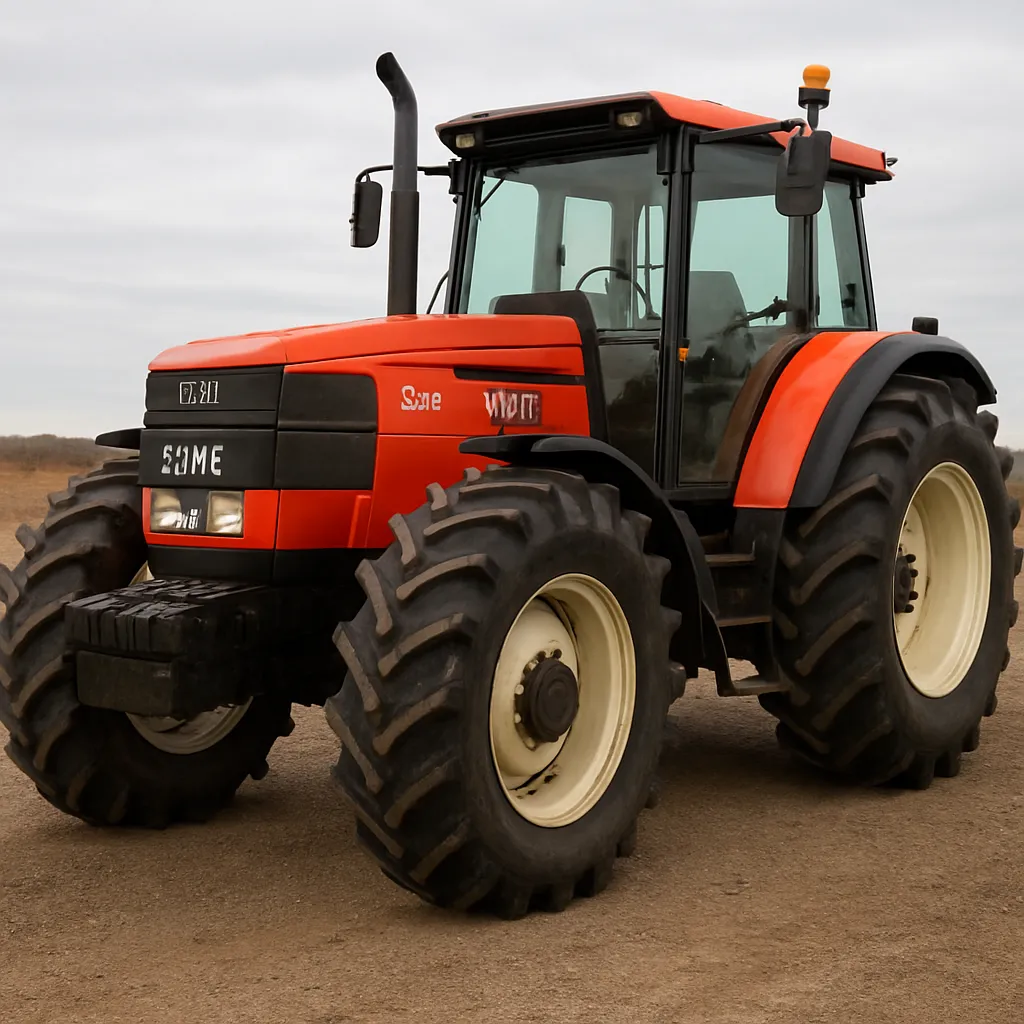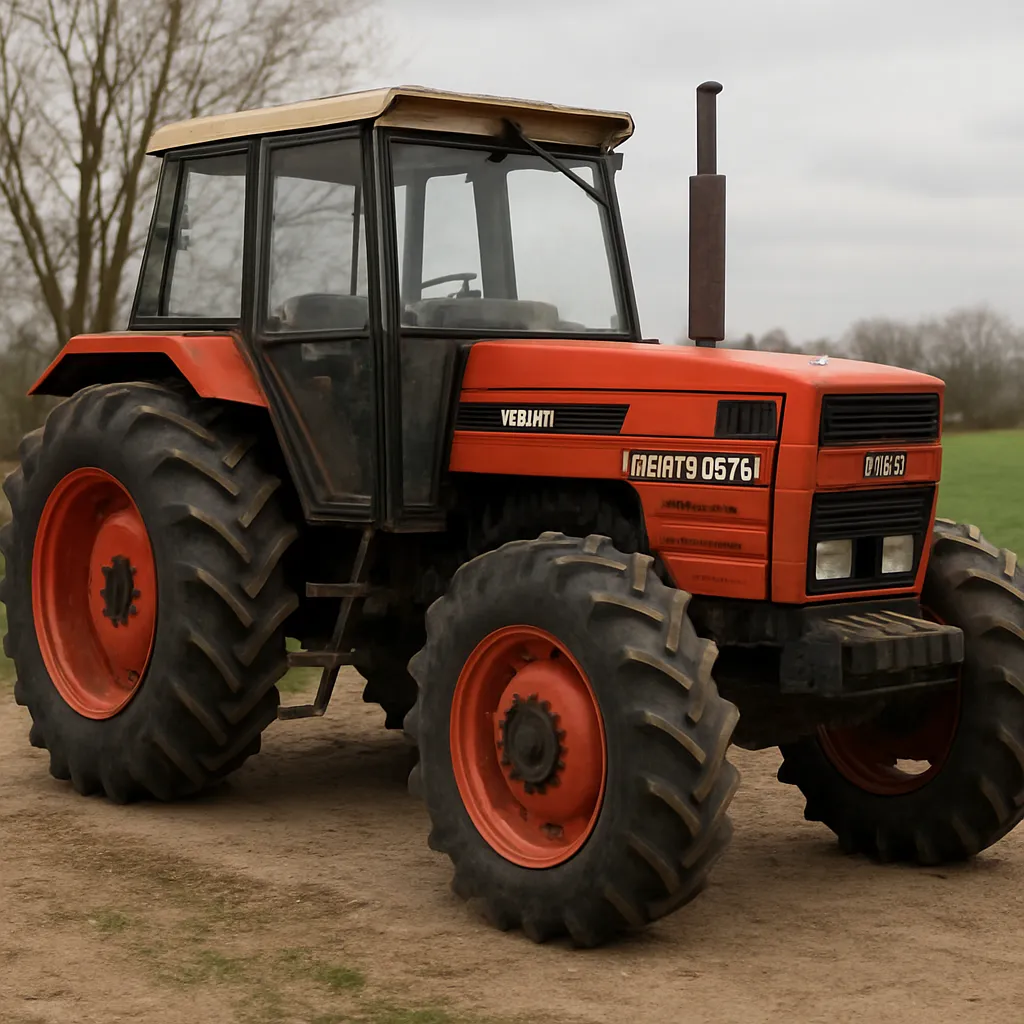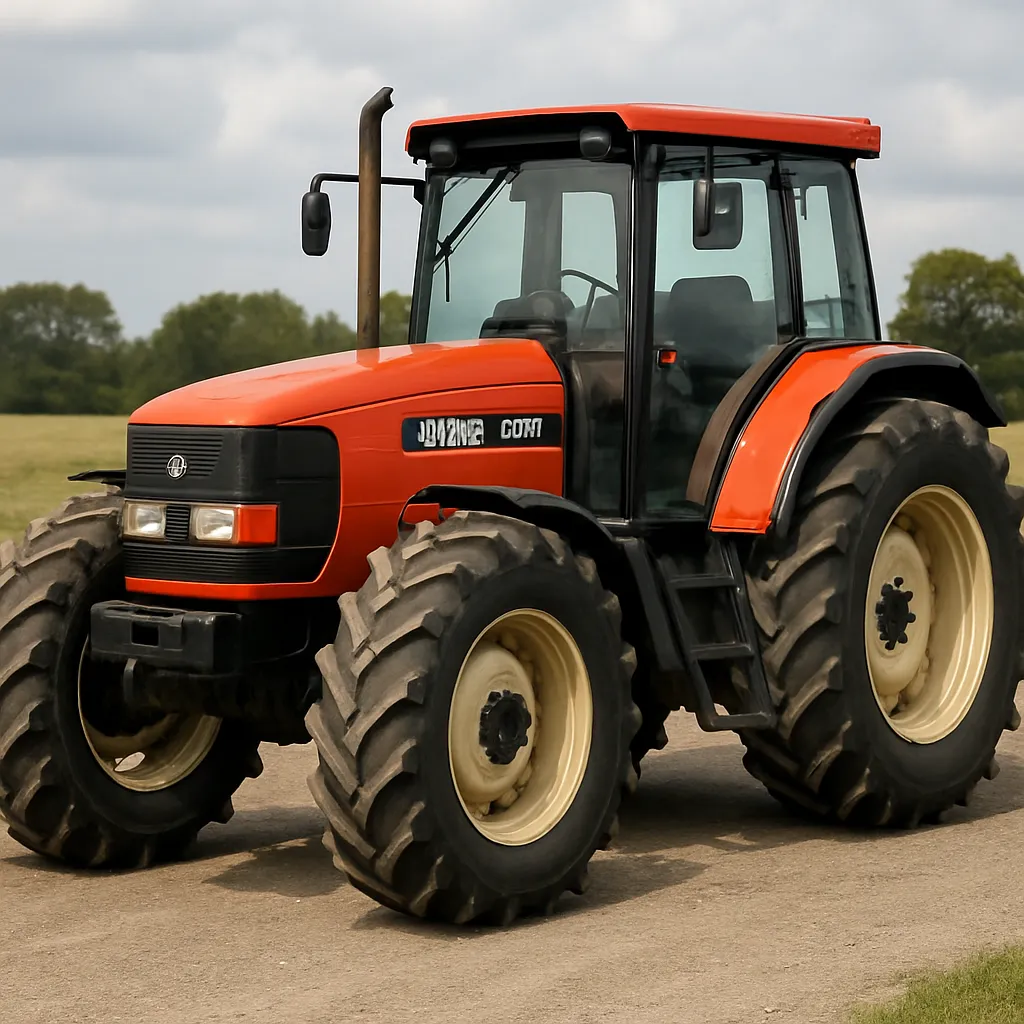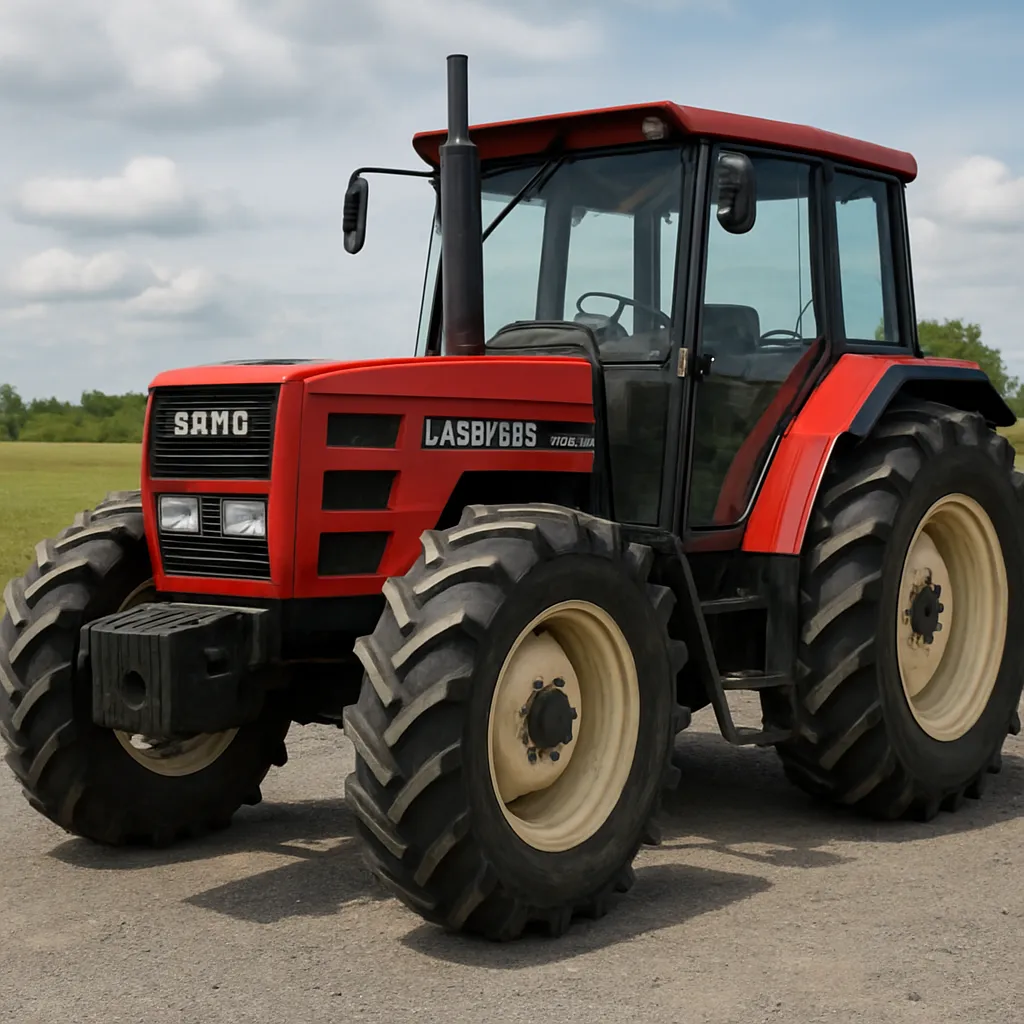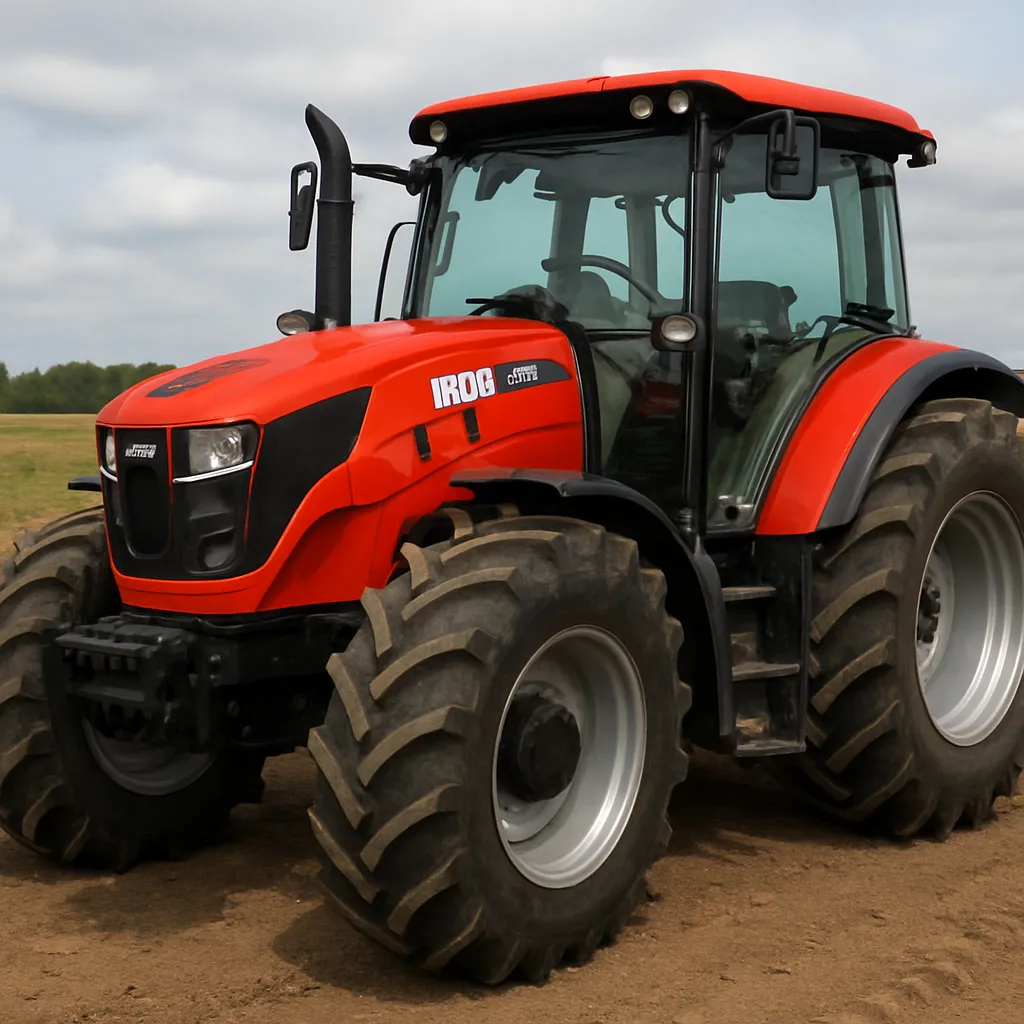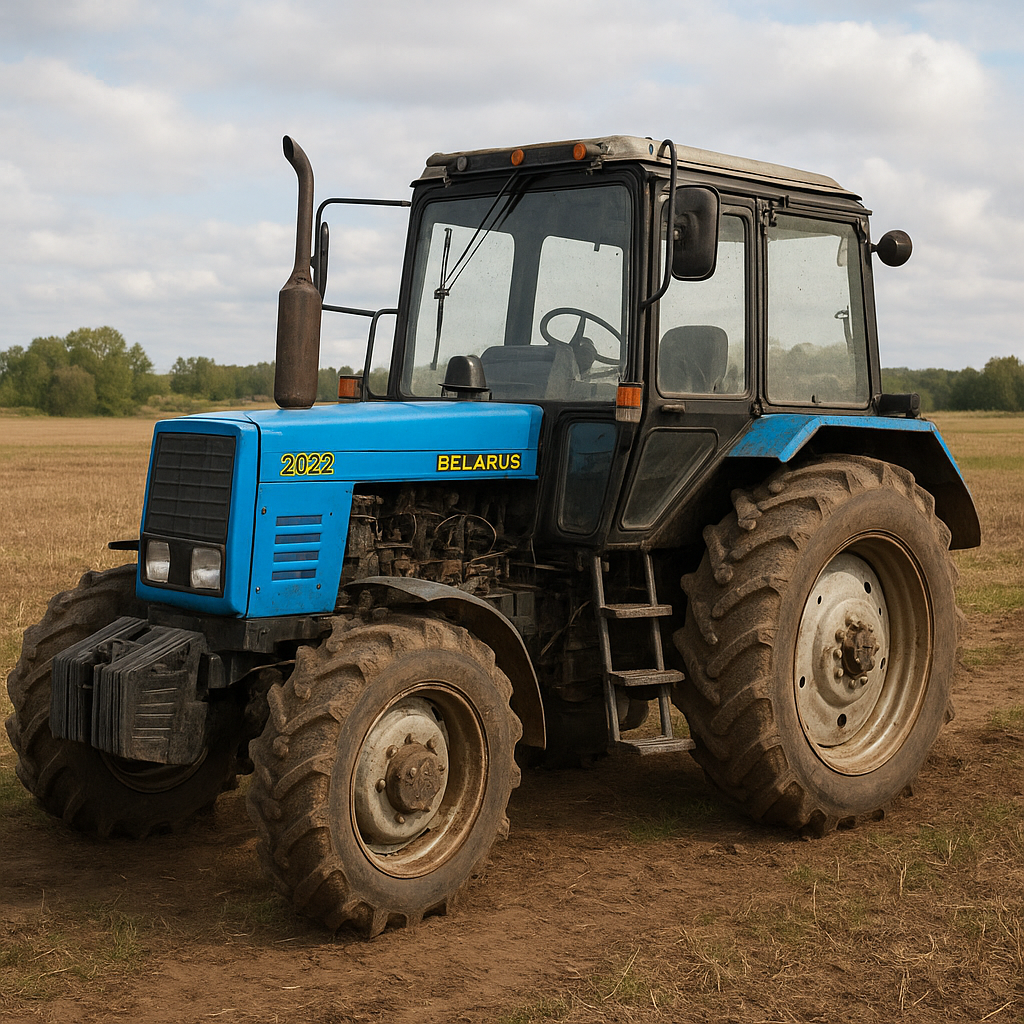
This article explores the Belarus 2022 tractor — its design, common uses, strengths and weaknesses, and the broader context of the Belarus (MTZ) family of tractors. The purpose is to give a practical, technical and operational overview for farmers, municipal operators, small contractors and enthusiasts who are considering or already operating this machine. The text covers typical specifications, real-world applications, maintenance and economic aspects, and trends affecting the model. Throughout the article you will find highlighted key concepts to make essential points stand out.
Origin, manufacturer and model positioning
The Belarus tractors are produced by Minsk Tractor Works (MTZ), a long-established manufacturer based in Minsk, Belarus. MTZ has built a wide range of tractors since the mid-20th century and the brand name Belarus is recognized internationally for rugged and practical machines. The model name Belarus 2022 typically designates a compact utility tractor intended for small farms, municipal work and light industrial applications. While specific configurations can vary by market and production year, the 2022 occupies a segment focused on versatility, ease of maintenance and cost-effectiveness.
Design and technical overview
Belarus 2022 is engineered as a compact to mid-compact utility tractor. The design philosophy emphasizes straightforward mechanical systems, ease of repair and adaptability to numerous implements. Below are the main technical areas and what operators can expect.
Engine and performance
- The tractor normally uses a diesel engine optimized for torque rather than peak horsepower, giving good pull-power at low RPM for tasks like plowing, mowing and loader work.
- Typical power ratings for tractors in this segment are in the range of roughly 30–60 horsepower (22–45 kW), depending on the sub-variant and year of manufacture; the exact rating for a specific Belarus 2022 should be confirmed with the seller or factory documentation.
- Engines are generally turbocharged or naturally aspirated 3- or 4-cylinder units, designed to run on standard diesel fuel and to be serviceable in the field.
Transmission and driveline
- Most models offer synchronized gearboxes or partially synchronized transmissions with several forward and reverse speeds to match field, transport and PTO-driven implement work. Hydrostatic and powershift variants may be available in certain markets.
- Four-wheel drive (4WD) versions are common, providing improved traction for heavy draft work or slippery conditions.
- PTO (power take‑off) systems typically supply standard PTO speeds (for example 540 rpm) and may offer multiple speed options to run a wide array of implements such as mowers, balers and tillers.
Hydraulics and three-point hitch
- Hydraulic output is engineered to handle common implements used by smallholders — plows, seeders, rear-mounted mowers and front loaders. Flow rates and lift capacity vary by configuration.
- The rear three-point hitch generally conforms to Category I or II standards depending on the tractor’s size and lifting capacity, enabling compatibility with many global implements.
- Front loaders and quick-attach systems are frequently offered as factory or aftermarket options, expanding the tractor’s usefulness for material handling, landscaping and light construction.
Cab, ergonomics and operator environment
- Cab variants range from open operator stations with rollover protection to enclosed cabs with heating and basic climate control. The enclosed cab improves operator comfort for year-round municipal or farm tasks.
- Controls are usually simple and laid out for straightforward operation; this contributes to reduced training time and easier adoption by small teams.
Primary applications and typical uses
Belarus 2022 is positioned as a multi-purpose machine. Its compact dimensions and moderate power make it ideal for a wide range of tasks where larger agricultural tractors would be inefficient or too costly.
Agriculture (small and mixed farms)
- Seedbed preparation, shallow tillage and light plowing for small plots and family farms.
- Cultivation, sowing and crop care using a variety of rear-mounted implements. The tractor’s PTO allows operation of rotary tillers, mowers and small balers.
- Orchard and vineyard work when a narrow track or manoeuvrable vehicle is required (some variants may be modified for reduced width).
- Transporting goods and produce on-farm using small trailers; good maneuverability simplifies operations in confined farmyards.
Municipal and landscape work
- Street sweeping, mowing roadside verges, snow removal in winter (with snowplows or blower attachments) and light material handling with a front loader.
- Park maintenance and groundskeeping tasks where a compact, reliable tractor is preferable to larger, more expensive equipment.
Construction, forestry and light industry
- Site preparation, landscaping and small excavation tasks when equipped with front end loader and backhoe attachments.
- Light forestry work such as moving logs, clearing brush and operating small winches; specialised guarding and tyre options increase versatility.
Emergent and niche roles
- Conversion to specialized roles like compact snow groomers, municipal utility vehicles or mobile power units for pumps and generators.
- Use by hobby farmers and rural property owners for a wide range of chores where a simple, robust machine is advantageous.
Strengths, limitations and market perception
The Belarus 2022 follows the brand’s long-standing reputation for providing value-oriented tractors. Several strengths and limitations are commonly reported by operators and dealers.
Strengths
- Durability: Built to tolerate rough field conditions and to be repaired with basic tools.
- Affordability: Competitive purchase price relative to Western-branded equivalents makes it attractive for budget-conscious buyers.
- Simple mechanical design reduces downtime because systems are easier to troubleshoot and maintain in rural areas.
- Good compatibility with a wide range of implements and attachments via standard hitch and PTO interfaces.
Limitations
- Cab comfort and noise insulation may be inferior to more modern, high-end tractors — a consideration for long-haul or daily extended use.
- Safety and emission systems might not match the latest international standards without optional upgrades or retrofit kits; this can affect legal registration or export in markets with strict regulations.
- Dealer and parts network quality varies by region; in some countries spare parts are abundant and inexpensive, while in others availability can be more limited.
Maintenance, servicing and lifecycle costs
A major selling point for Belarus tractors is the relatively low lifecycle cost due to simple maintenance and widely available consumables. Below are practical considerations and recommended approaches for owners.
Routine maintenance schedule (typical)
- Daily: Visual checks (tires, fluid leaks), ensure proper coolant and fuel levels, check air filter condition in dusty work.
- Every 50–250 hours: Engine oil and filter change intervals depend on operating conditions; more frequent changes in dusty or heavy-duty use.
- Every 250–1,000 hours: Transmission and hydraulic oil changes, linkage greasing, PTO inspection and gearbox checks.
- Annual: Comprehensive service including valve clearance checks, fuel system cleaning and any emissions-related maintenance if fitted.
Parts, upgrades and common repairs
- Brake shoes, clutch components and hydraulic seals are typical wear parts. The simple design means these are generally straightforward to replace.
- Options like improved cabs, modern lighting, or aftermarket emissions controls can extend the machine’s suitability for stricter regulatory environments.
- Working with local dealers or independent mechanics experienced with MTZ/Belarus tractors reduces repair time and helps ensure correct parts fitment.
Variants, customization and attachments
One of the Belarus line’s strengths is the breadth of available attachments and the ease with which the base tractor can be customized. Below are common options and typical aftermarket conversions.
- Front loaders, pallet forks and bucket attachments for material handling.
- Backhoes and hydraulic breakers for light excavation and demolition tasks.
- Mowers (flail, rotary and boom), snowplows and blowers, sweepers and salt spreaders for municipal fleets.
- Seeders, planters, sprayers and cultivators for agricultural users.
- Tire choices and ballast options to optimize flotation, traction or transport speed.
Global reach and economic role
The Belarus/MTZ tractors are exported widely, often finding markets where cost-effectiveness and ease of maintenance are prioritized. They are prominent in Eastern Europe, parts of Asia, Africa and Latin America, and they serve an important role in mechanizing smallholder agriculture and municipal fleets in emerging economies.
Export and production context
- MTZ has a long manufacturing history and has produced many models across multiple decades; the company’s experience contributes to a well-understood platform for local assembly and adaptation.
- Dealers and agents in export markets commonly provide local adaptations — for example, installing air-conditioning, modifying axle widths or adding certified lighting to meet local regulations.
- Local economies benefit from relatively inexpensive mechanization which increases productivity on small farms and reduces seasonal labor bottlenecks.
Environmental and regulatory considerations
As global emission standards tighten, older tractor models face new challenges. Belarus tractors can be and often are adapted to meet regional requirements, but prospective buyers should be aware of compliance needs.
- Newer engines and retrofit kits can reduce particulate and NOx emissions; however, installations may add complexity and cost.
- Noise regulations and occupational safety guidelines may require upgraded cabs, exhaust silencing and better operator protection for prolonged urban or municipal use.
- Ergonomic upgrades and operator training also reduce health risks associated with extended operation.
Practical buying tips and what to check before purchase
Whether buying new or used, certain checks help ensure you get a tractor that fits your needs and avoids expensive surprises.
- Verify the exact specification sheet: confirm rated engine power, PTO speeds, hydraulic flow and hitch capacity. Listings and badges can be ambiguous — ask for the VIN or serial number and factory data.
- Inspect wear components: tyres, three-point linkage, PTO shaft, clutch operation and transmission shifts under load.
- Check service history and ask about recent major repairs (engine overhaul, gearbox replacement, hydraulic repairs).
- Test the tractor in real working conditions where possible: load a front loader, engage the PTO and try a short plowing or mowing run.
- Confirm parts support and warranty terms in your region — a strong local dealer network materially reduces downtime and ownership costs.
Examples of real-world use cases
Below are brief profiles illustrating how a Belarus 2022 might be deployed across different sectors.
Small mixed farm
A family-run mixed farm uses the tractor primarily for mowing pasture, towing a small trailer for feed and materials, light plowing and cultivating garden plots. The compact size allows access between orchard rows and around yard obstacles. Low cost of consumables and straightforward servicing are decisive advantages.
Municipal maintenance team
A municipal service department equips the tractor with a front loader, snowplow and flail mower. It is used seasonally for snow removal, street-side grass management and small debris removal. Ease of attaching tools and quick turnarounds between tasks maximize fleet utility.
Small contractor for landscaping
Landscapers use the tractor with a bucket, pallet forks and tiller attachment. Mobility and attachment versatility let the contractor do site clearance, material handling and final grading without needing multiple dedicated machines.
Summary and final observations
The Belarus 2022 fits a class of tractors that prioritizes versatility, durability and cost-effectiveness. It is a practical choice for small farms, municipalities and contractors who need a reliable, serviceable machine that supports a wide range of attachments. While it may lack some of the refinements, emissions technologies and advanced electronics of premium brands, its simplicity is often its strength: easier repairs, lower parts costs and broad implement compatibility. Prospective buyers should confirm exact specifications for the unit they are considering and check local compliance with environmental and safety regulations.
For anyone relying on the Belarus 2022 for daily work, attention to routine maintenance, securing a dependable supply of consumables and choosing appropriate attachments will maximize both performance and resale value. The model continues to be a relevant option where practical performance and ownership economics outweigh the latest electronic conveniences.