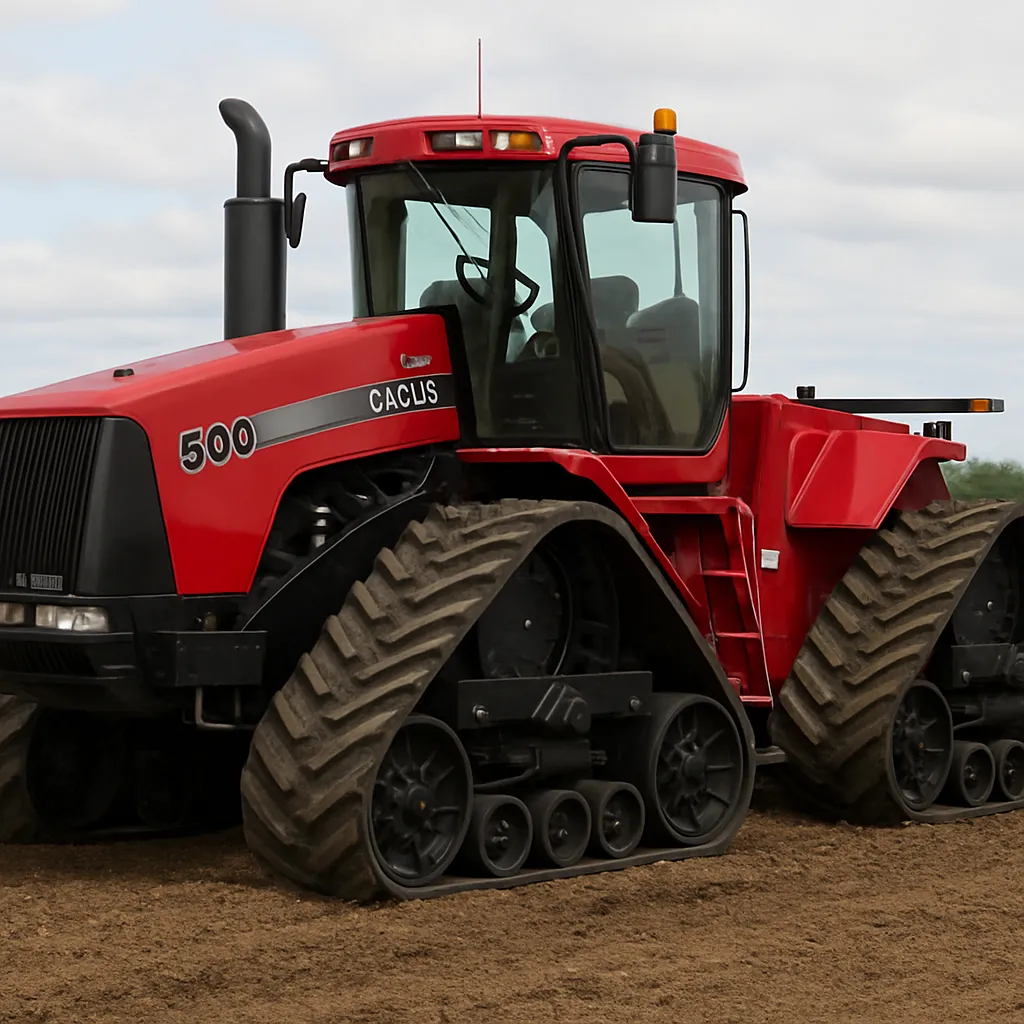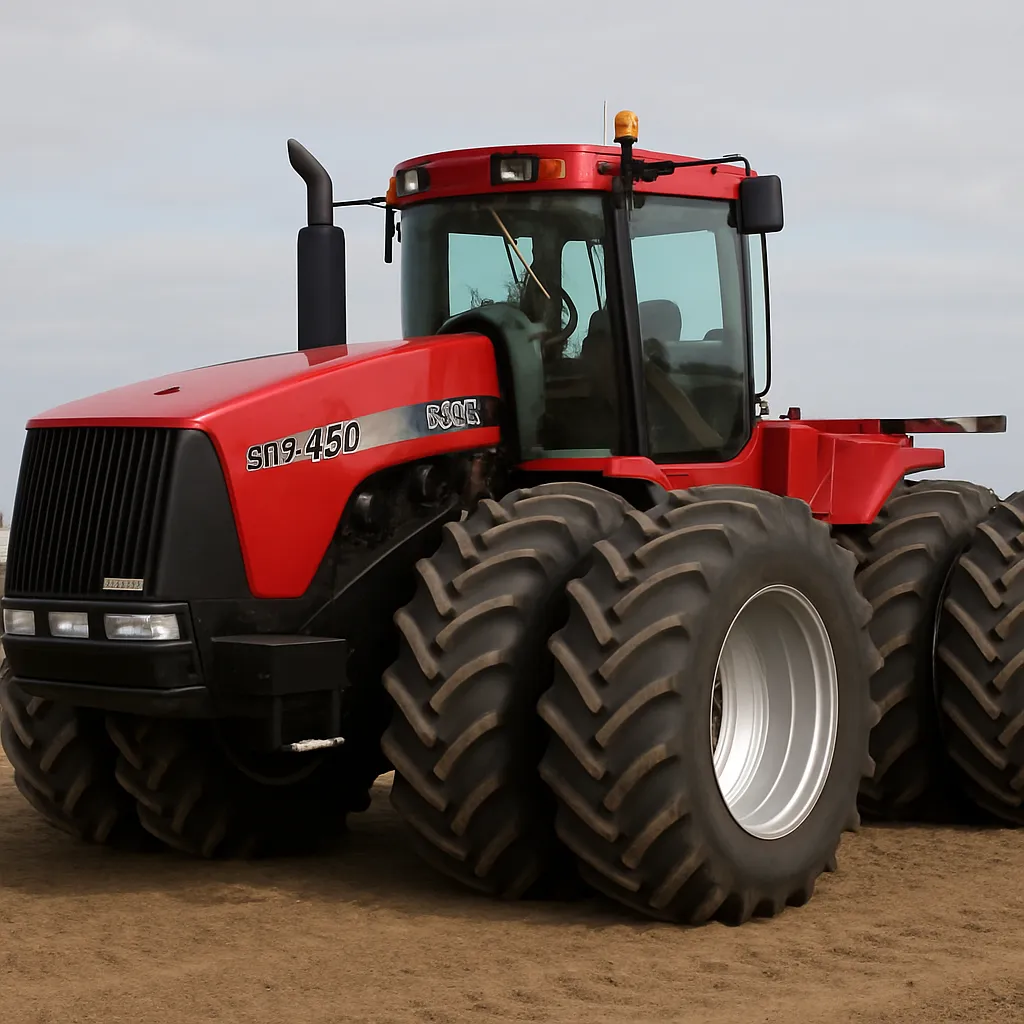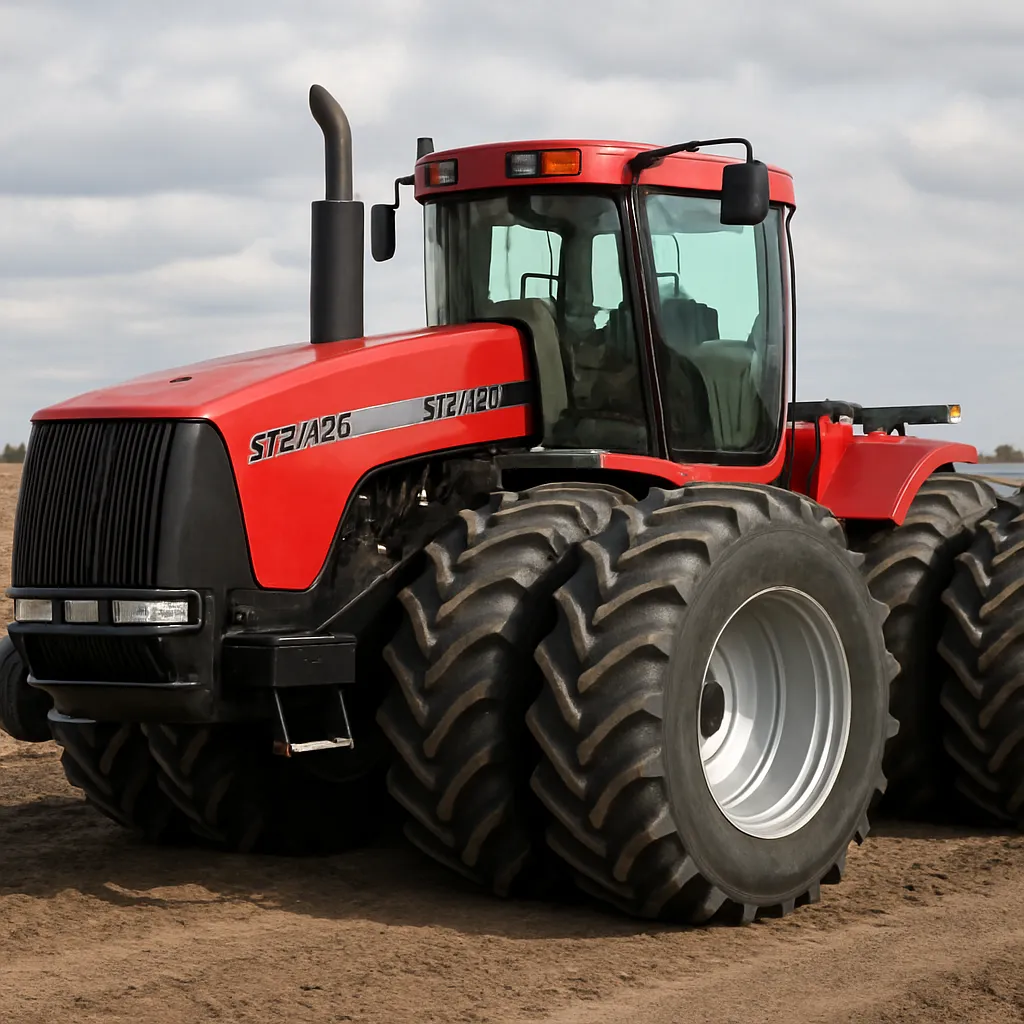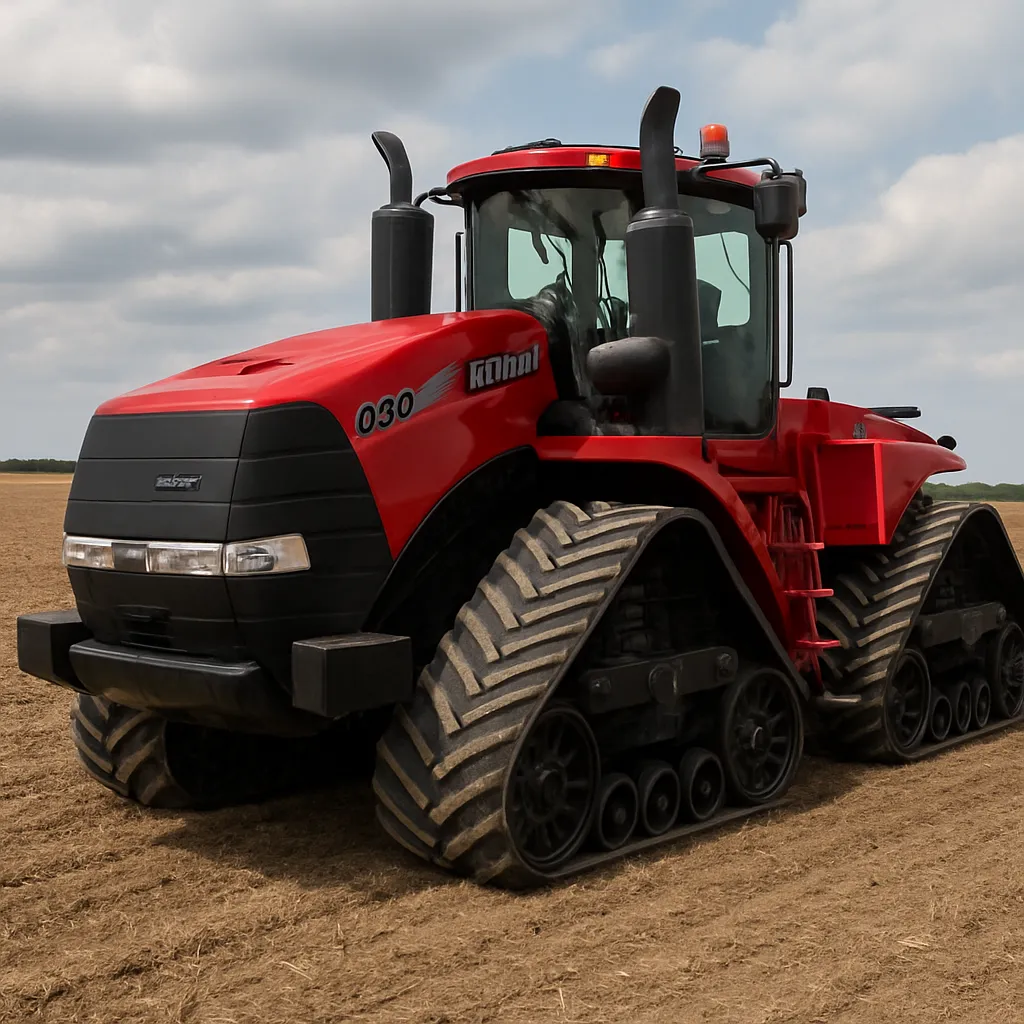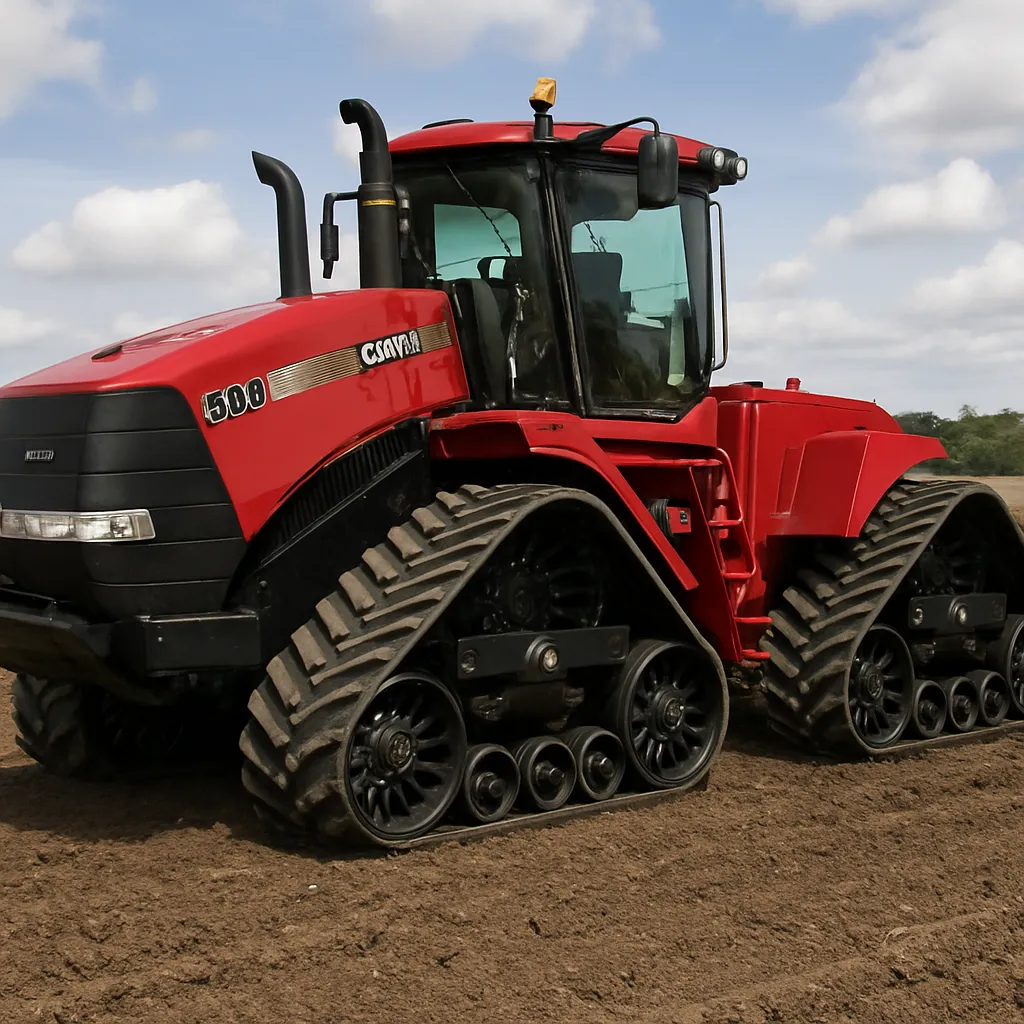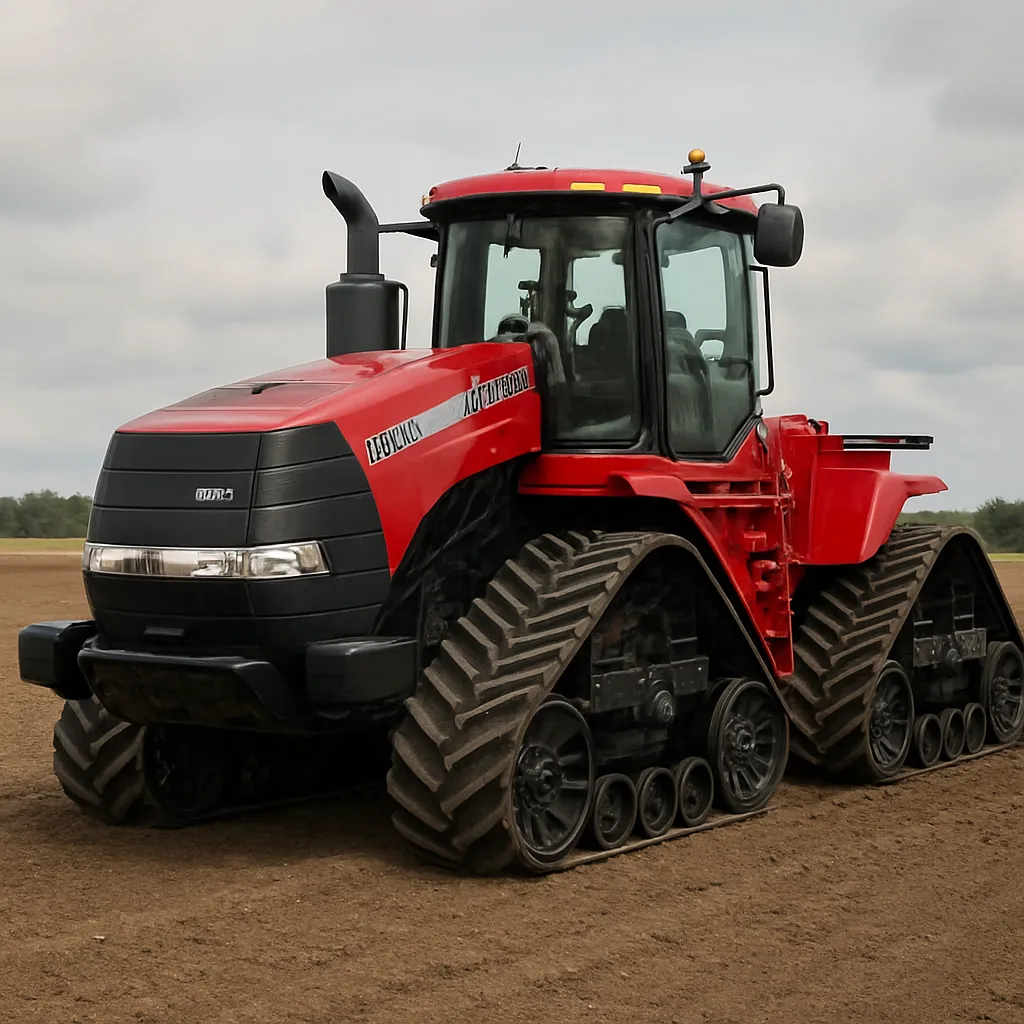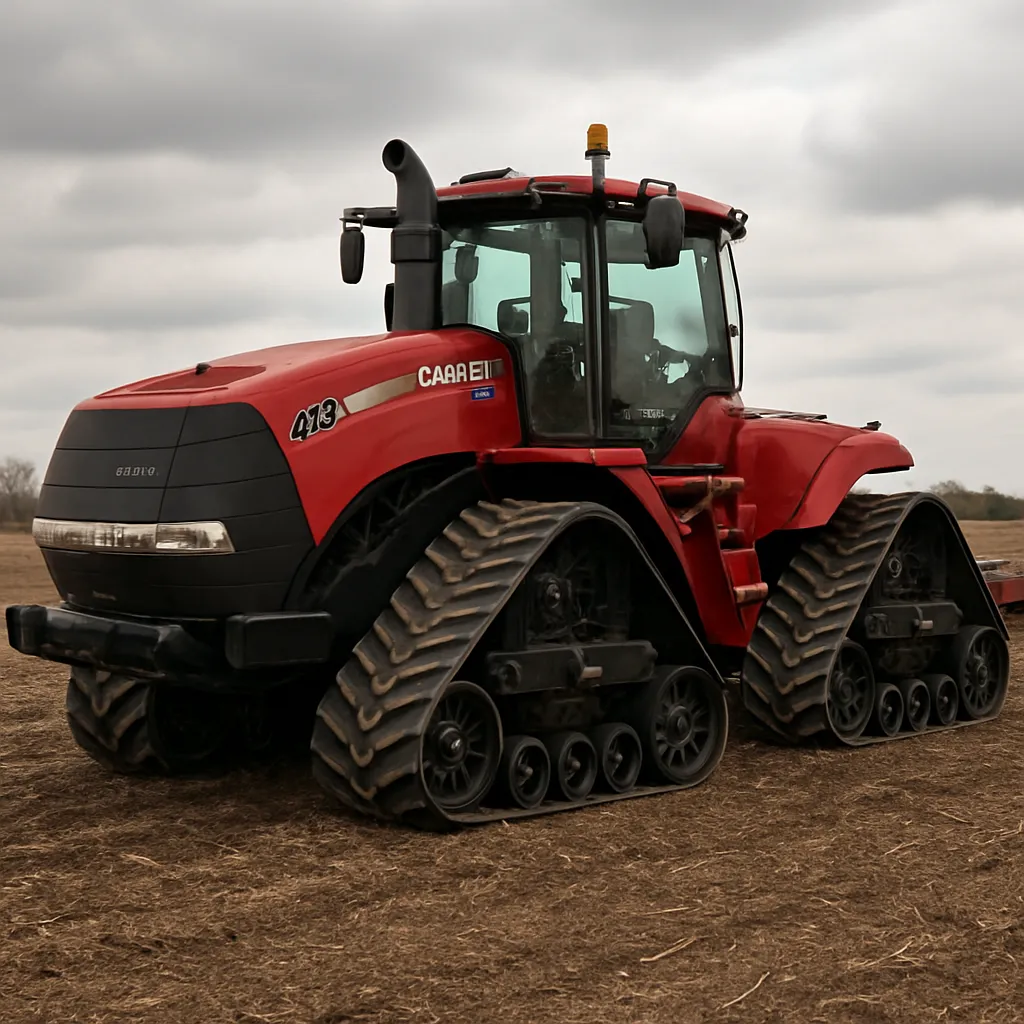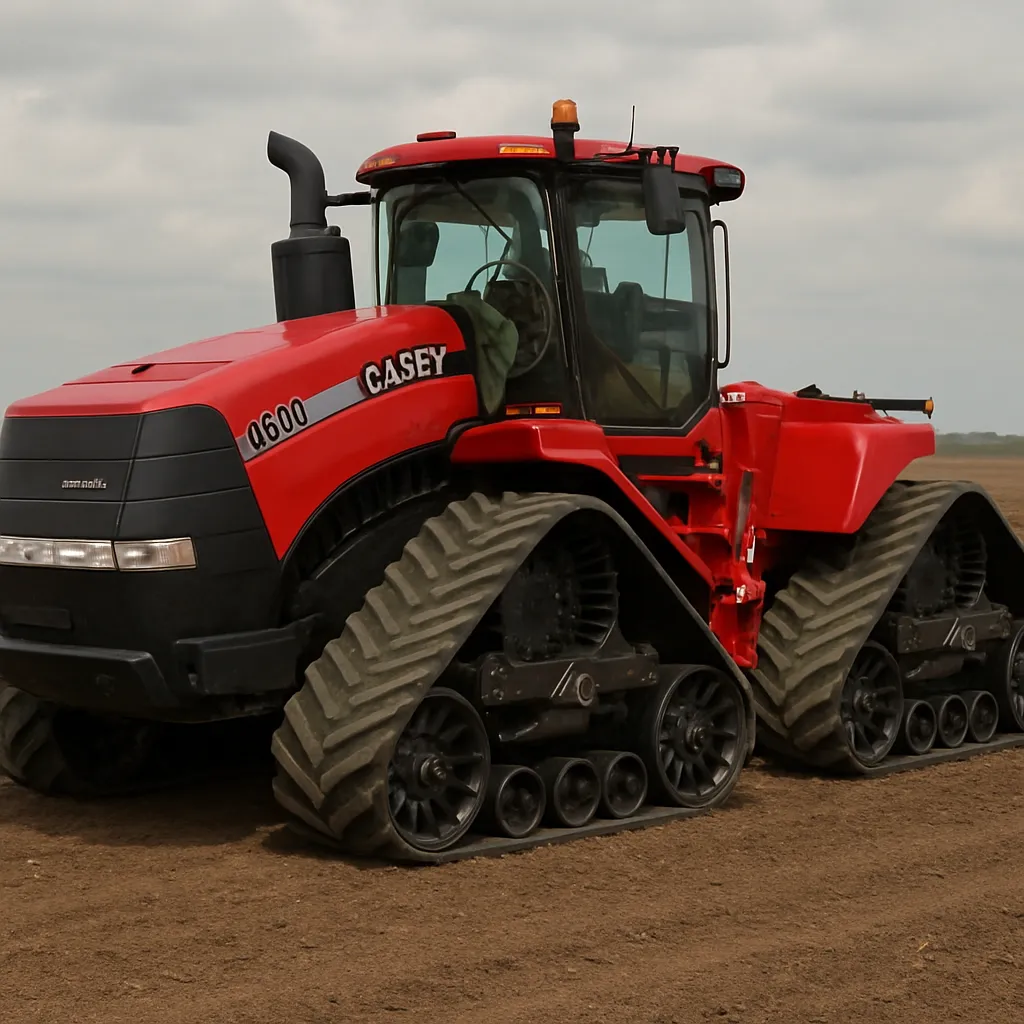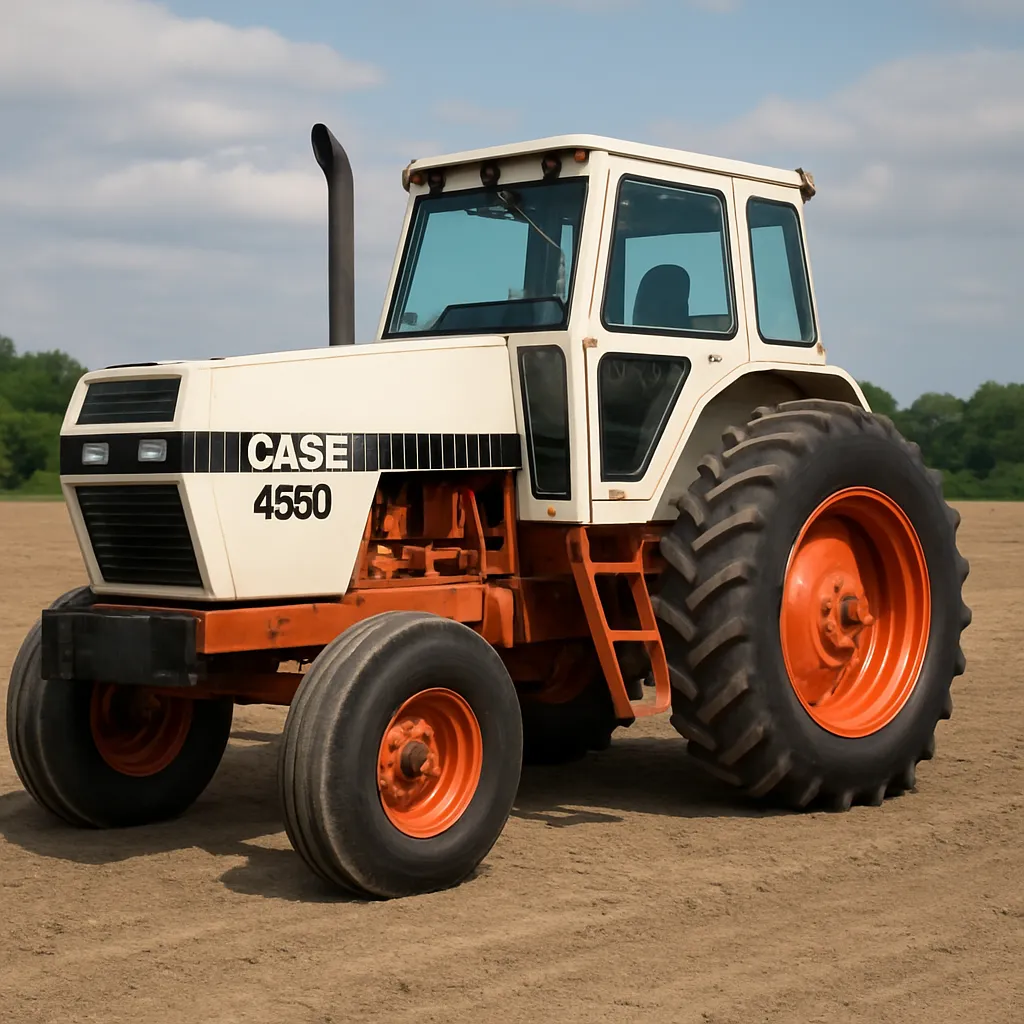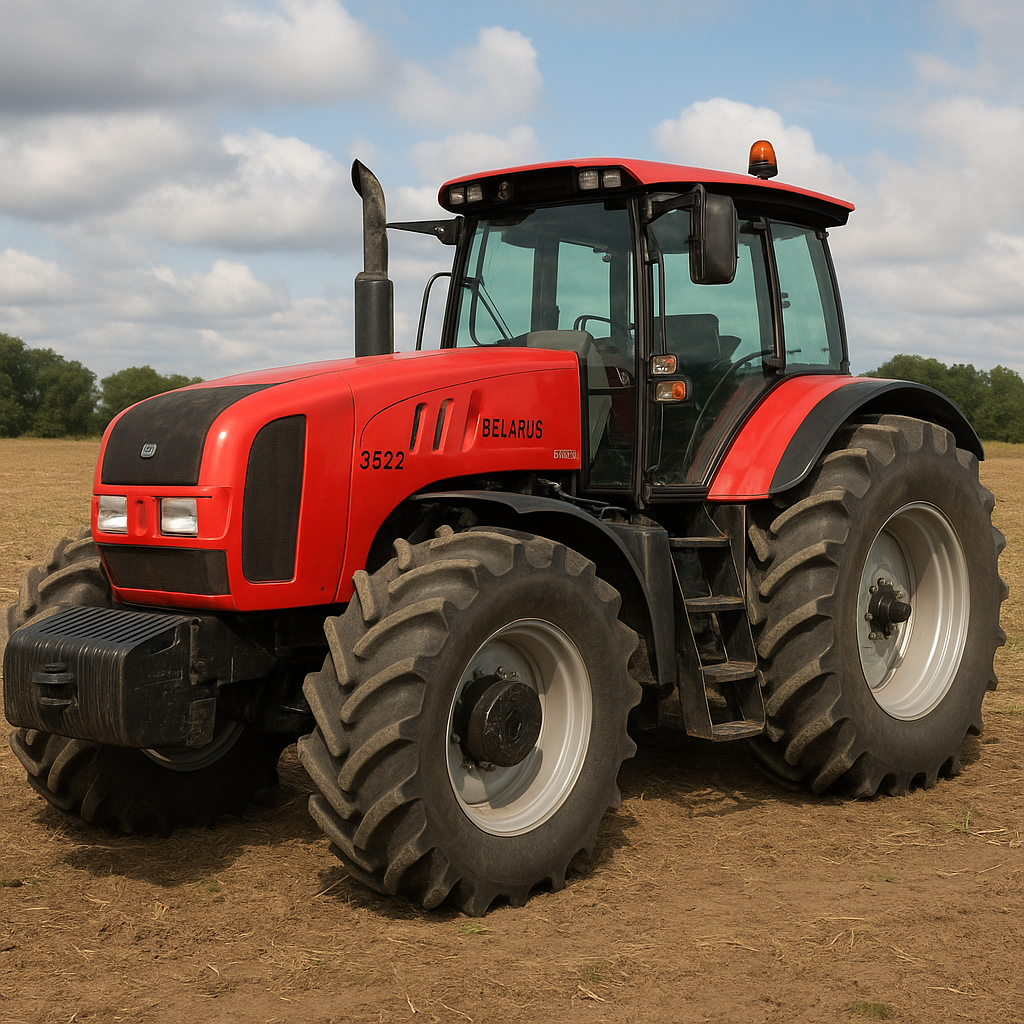
The Belarus 3522 is a medium-duty agricultural machine known for its practical design and adaptability across a range of farm tasks. Combining simple mechanics with robust components, this model appeals to farms seeking a balance between power, durability, and ease of maintenance. In the following sections we will explore the tractor’s background, technical characteristics, typical applications, maintenance practices, market positioning and safety features. The aim is to provide a comprehensive resource for farmers, fleet managers, and machinery enthusiasts considering or already operating a Belarus 3522.
Overview and background
The Belarus family of tractors—produced by Minsk Tractor Works (MTZ) and associated manufacturers—has long been associated with affordable, no-nonsense agricultural equipment. The model known as Belarus 3522 fits into the line-up as a mid-range option that balances working capacity with manageable size. It is often chosen by mixed farms, contractors, and cooperatives that need a dependable machine for a variety of tasks without the premium price of high-end western brands.
Historically, Belarus tractors earned a reputation for mechanical simplicity and ease of repair. These traits continue to be hallmarks of models in the 3000 series. The 3522 particularly attracts users who appreciate straightforward systems: a durable chassis, a direct-drive or mechanical transmission, and engines designed for long life rather than cutting-edge electronics. Such an approach means that while the 3522 may not include the most advanced automation or telematics, it frequently offers lower ownership costs and fewer electronics-related downtime events.
Technical characteristics and performance
The Belarus 3522 is configured to serve as a versatile general-purpose machine. Exact specifications can vary by production year, market, and optional packages, but commonly reported technical characteristics include a medium-range engine output, a practical transmission for field work, and standard PTO and hydraulic interfaces to connect a wide range of implements.
Engine and powertrain
- Engine type: diesel, turbocharged options available on some variants. The emphasis is on torque at low rpm for pulling implements and tillage equipment.
- Reported power: many sources list the nominal engine power in the range of around 100 to 130 horsepower (approximately 75–97 kW), with a commonly cited figure near 120 hp depending on the configuration and emission stage.
- Transmission: mechanical or synchronized gearboxes emphasizing durability. Available options in similar-class tractors often include 12×12, 16×16, or 24×12 ranges with synchronized shuttle shifts to assist front-to-back maneuvers during fieldwork.
- Drive options: 2WD and 4WD (front axle drive) configurations are typical, and 4WD provides improved traction for heavy tillage and loader work.
PTO, hydraulics and three-point hitch
- PTO: standard 540 rpm output is typical, with 1000 rpm available on some versions for implements requiring higher shaft speeds.
- Hydraulic system: medium-capacity open-centre hydraulics with single or dual pumps; lifting capacity of the rear three-point hitch is designed to accommodate heavy mounted implements (commonly reported lift capacity in the range of 2,500–3,500 kg depending on configuration).
- Three-point hitch: category II or II/III intermediate depending on regional configurations; hitch control can be draft, position, or mixed modes in variants with additional regulators.
Dimensions, fuel and capacities
- Operating weight: approximate range 3,500–5,500 kg (dry or operational weight will vary with options like cab, ballast and loader).
- Fuel tank: tank capacity often ranges between 120 and 200 liters, enabling long workdays without refueling.
- Tyre and ground clearance options: multiple tyre sizes for field or road use; adjustable ballast for optimizing traction.
Note: Because production years and regional variants can affect specification, these figures are best used as indicative ranges rather than absolute values for every Belarus 3522 on the market.
Applications and typical use cases
The Belarus 3522 excels in versatility. Its balance of horsepower, lift capacity and mechanical simplicity makes it suitable for a broad set of tasks on crop farms, livestock operations, and in municipal or contractor service.
Field work
- Tillage: primary and secondary tillage using ploughs, disc harrows and cultivators—its torque and PTO/hitch capabilities suit medium-sized implements.
- Seeding and planting: pulling seed drills and planters in small to medium fields; stable ground-speed control supports consistent seed placement.
- Spraying and fertilization: compatible with trailed and mounted sprayers; adequate hydraulic flow and PTO allowing for effective operation of sprayer pumps and air seeders.
Material handling and loader work
- Front-end loader duties: with a loader fitted, the 3522 is commonly used for manure handling, feed distribution, pallet handling and general material movement around the farm.
- Yard and road maintenance: snow clearing, grading and sweeping via mounted attachments make the tractor valuable outside the growing season.
Livestock and forage
- Mowing, baling and forage harvesting: paired with mower conditioners, balers and tedders, the 3522 supports forage workflows on small and medium operations.
- Bedding and manure management: use with spreaders and slurry equipment; reliable hydraulics and robust PTO enable continuous farmyard tasks.
Contracting and municipal use
- Contractors favor the 3522 for jobs requiring a straightforward, tough tractor—its simplicity allows quick service in the field.
- Municipalities utilize it for roadside maintenance, small-scale earthmoving and winter service where heavy-duty industrial equipment would be overkill.
The model’s design emphasizes adaptability: the same base tractor can be equipped with front loaders, a variety of PTO-driven implements, and three-point hitch tools, making it a true all-rounder on farms with mixed needs.
Maintenance, durability and common issues
One of the main attractions of Belarus tractors, including the 3522, is the emphasis on mechanical accessibility. Simplicity in design translates to relatively straightforward maintenance routines and lower technical diagnostic complexity compared with highly electronic modern tractors.
Routine maintenance tasks
- Engine oil and filter changes: follow manufacturer-specified intervals; diesel engines tolerate longer intervals but regular monitoring reduces risk of long-term wear.
- Hydraulic system checks: fluid level and filter replacements are critical to maintain hitch and implement responsiveness.
- Transmission and final drives: periodic oil changes and seal inspections to prevent contamination and leaks—especially after heavy loader duty or wet-season operation.
- Cooling and air filtration: regular cleaning or replacement of air filters and radiator checks are essential, particularly during dusty harvest seasons.
Durability and common service items
The most frequently replaced parts on tractors of this class are consumables: filters, belts, seals and brakes. Operators report that clutches and synchronization components in transmissions can show wear under heavy use; however with proper adjustment and conservative operation, these items can provide long intervals of reliable service.
Because the 3522’s systems are mechanical and less reliant on complex electronics, in-field troubleshooting is commonly possible with basic toolkits and replacement parts—this is a practical advantage for remote operations or regions with limited dealer networks.
Maintenance tips to extend life
- Follow a consistent service schedule and log all maintenance to spot trends.
- Use fuel and oils meeting or exceeding manufacturer recommendations—contaminated diesel is a frequent source of engine problems in agricultural machinery.
- Seasonal inspection before heavy-duty periods (spring planting and fall harvest) reduces unexpected downtime.
- Store implement attachment and hydraulic cylinders in a way that prevents corrosion and contamination when not in use.
Economic considerations and total cost of ownership
Buying decisions for a tractor like the Belarus 3522 often weigh acquisition cost, operating costs, resale value and the expected lifetime of the machine. Historically, Belarus tractors have been priced below many western-brand equivalents, reflecting their simpler feature set and manufacturing economies.
Upfront cost
New or nearly new units typically sell at a lower sticker price compared to similarly powered tractors from premium brands. Used Belarus 3522 tractors are widely available in markets where MTZ and licensed producers operate, making them attractive to budget-conscious buyers or those seeking to expand fleets without large capital outlay.
Operating cost and fuel economy
Fuel consumption depends heavily on duty cycles. For medium work rates, owners often report reasonable fuel efficiency given the engine size—modern diesel injection systems in late-production machines improved economy compared to older models. Routine maintenance and correct tyre selection/ballasting also influence fuel usage and overall efficiency.
Resale and lifecycle
Resale values vary by region. In markets with established service and parts networks for Belarus/MTZ products, resale holds better value due to buyer familiarity and accessible service. In regions with less support, depreciation may be steeper. Nonetheless, robust mechanical design often means the tractor can remain serviceable for many years if maintained properly.
Operator comfort, cab and controls
While the Belarus 3522 may not match the luxury of premium tractors, many versions offer functional cabs with practical ergonomics for long days in the field. Cab options range from open operator stations with rollover protection to enclosed light-cabins with heating and ventilation.
- Controls: logically arranged levers and clearly marked instruments; mechanical linkages reduce the need for electronic diagnostics but can require more physical effort to operate in some functions.
- Visibility: good sightlines for loader and implement operation; cab glazing and mirror arrays designed for practical field use.
- Comfort features: heating and ventilation are common; more advanced features such as air conditioning and advanced suspension seats may be optional or limited to higher-trim variants.
Safety features and operator training
Basic safety features on the Belarus 3522 include ROPS (roll-over protection structure) on exposed operator stations, seatbelts, protective guards for PTO shafts, and emergency shut-off mechanisms. As with any agricultural machine, safe operation depends strongly on correct attachment installation, correct ballast, and adherence to towing and lifting capabilities.
- Always ensure implements are securely mounted and safety locks are engaged.
- Use recommended tyre pressures and ballast guidelines for stability when using heavy front loaders or rear-mounted equipment.
- Routine training for operators—covering PTO safety, hitching, and loader use—reduces accident risk and extends equipment life.
Market position, variants and global presence
The Belarus 3522 occupies a solid position in regions where practical and easily serviced machines are preferred. It is commonly found in Eastern Europe, parts of Asia, Africa, and Latin America, where dealer networks for MTZ and licensed manufacturers support maintenance and parts supply. Versions and options vary by market, including cab configurations, emission-stage engines, and implement compatibility.
Variants can include:
- Different transmission options for road-versus-field optimization.
- Choice of PTO speeds and hydraulic flow rates to match specific implements.
- Loaders, front weights and ballast packages for heavy-duty applications.
- Optional comfort packages for operators working long hours.
Comparisons and when the Belarus 3522 is a good choice
If you need a sturdy, serviceable tractor for general-purpose farm duties and prefer machines that are straightforward to maintain, the Belarus 3522 is a sensible candidate. It is especially suitable when:
- You value mechanical simplicity and ease of field repairs over advanced automation.
- Your operation requires a mid-range workhorse capable of towing, PTO tasks and loader duties.
- Your region has established supply chains for Belarus or MTZ parts and service.
However, if your operation depends heavily on integrated precision agriculture systems, remote diagnostics, or the highest possible operator comfort and safety features, then premium-brand tractors with advanced electronics might be more appropriate despite higher costs.
Summary and key takeaways
The Belarus 3522 represents a pragmatic balance between capability and affordability. With a focus on strong mechanical components, accessible maintenance, and versatile implement compatibility, it serves many farm types effectively. Its common strengths include reliable diesel engines, functional hydraulics and PTO systems, and a chassis designed to handle a variety of attachments. Key attributes to consider when evaluating this model are its reliability, versatility, and the extent of local service and parts availability.
For farmers and managers seeking a tractor that offers solid performance without excessive complexity, the Belarus 3522 often provides an attractive total cost of ownership proposition. Its practical design makes it a dependable partner for the many daily tasks that keep agricultural operations productive.
Notable highlighted terms: tractor, engine, horsepower, PTO, attachments, hydraulics, reliability, versatility, maintenance, performance.